


Gangnam
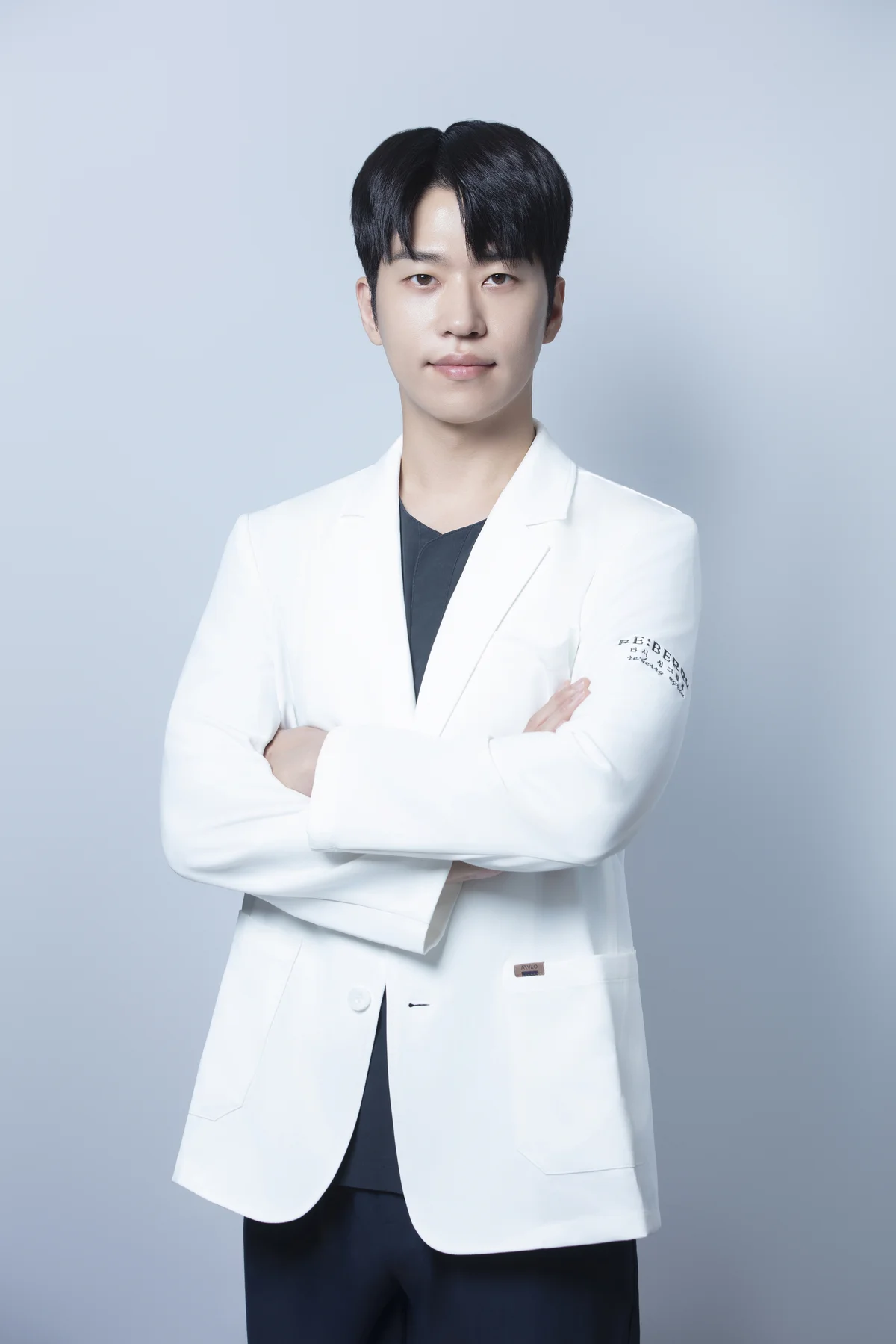
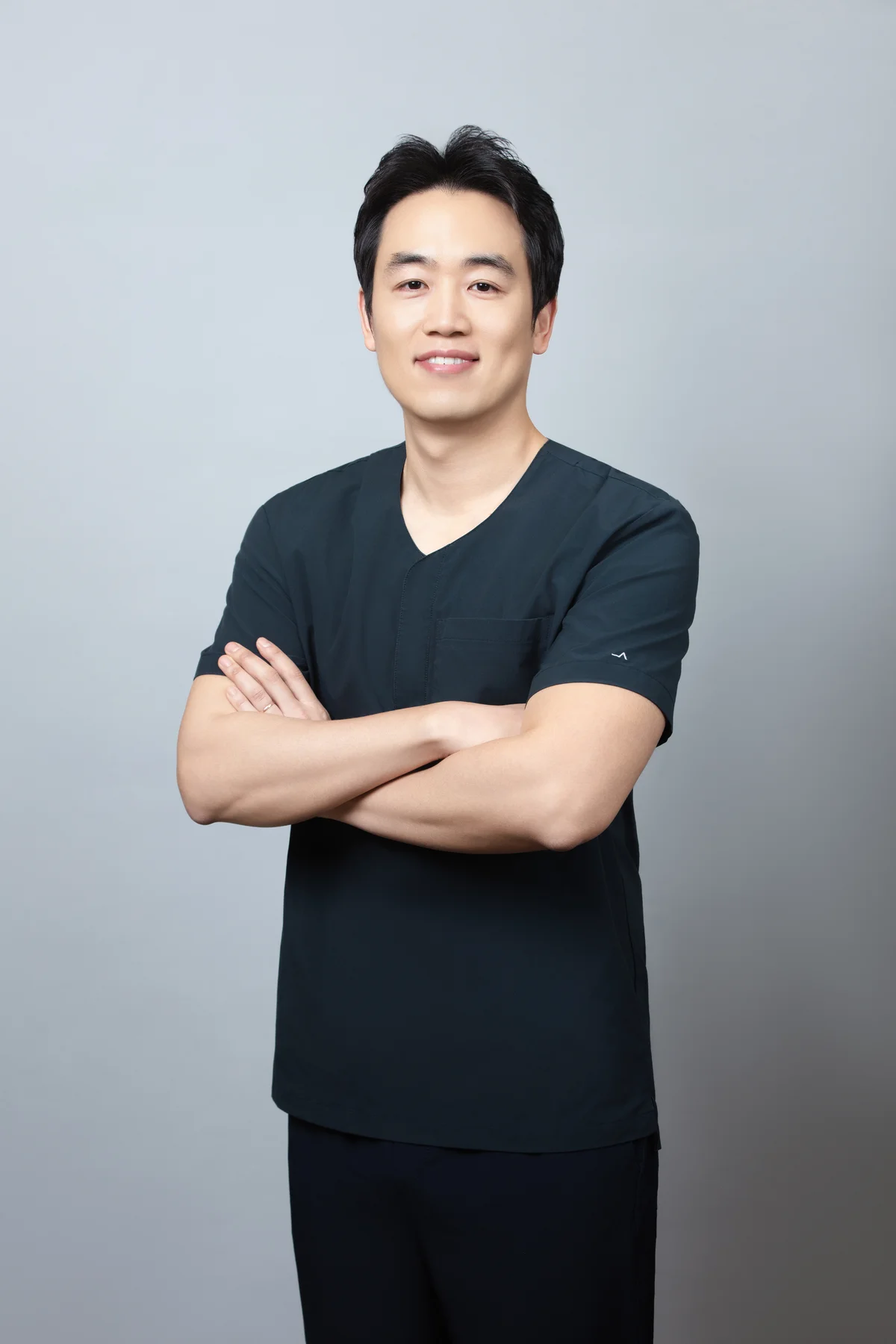
Dr. Yoon-Gon Ryu
Aesthetic Medicine Specialist
Flagship clinic · KOL for leading lifting & regenerative devices · Featured in Authority Magazine (2026)


Experience smoother, clearer and more even-toned skin with laser treatment in Korea at Reberry Clinic. Rather than a single machine, laser treatment is a family of light-based procedures, each using a specific wavelength to target a different concern, from pigmentation and redness to acne and texture. The clinic’s doctors match the right laser to your skin tone and goals, with FDA-cleared platforms and English-speaking support across three Seoul-area locations (Gangnam, Myeongdong, Incheon Airport).
Laser treatment in Korea is a family of light-based procedures, not one device, that use specific wavelengths to target pigmentation, redness, acne, scars and texture while sparing surrounding skin. The right laser is matched to your concern and skin tone, from gentle pigment-clearing toning to fractional resurfacing, producing smoother, clearer and firmer skin over a short series with little to no downtime.
One-on-One guidance from a dedicated doctor, ensuring your skin is professionally monitored and treated from start to finish.
Fluent assistance in English, Japanese, and Chinese, making communication clear, respectful and comfortable for international patients.
Over 100,000 patients worldwide have received our personalized dermatological care, highlighting our expertise and reliable results.
Laser treatment is a non-invasive, light-based approach to skin renewal that uses focused wavelengths of light to target specific concerns on the face and body, including pigmentation, redness, acne, scars, enlarged pores and early laxity. Because different problems sit at different depths and respond to different colors of light, laser treatment is not one device but a category: pigment-selective lasers clear sun spots and uneven tone, vascular lasers calm redness and broken capillaries, and fractional lasers resurface texture and stimulate collagen.
At Reberry Clinic the right laser, or combination of lasers, is selected for your concern and skin type rather than applied uniformly. By precisely heating or breaking down the intended target while sparing surrounding tissue, these treatments improve texture, firmness and tone and restore a smoother, more radiant appearance, often with little to no downtime. The plan is calibrated to your skin tone, including the deeper Asian phototypes commonly treated at our clinic, because wavelength and energy choice matter most for darker skin.
Hyperpigmentation Treatment targets uneven tone for clearer, more radiant skin. This route reduces the appearance of pigmentation such as sun spots, age spots, freckles, melasma and post-inflammatory marks, producing a more even, luminous complexion over a short series.
How it works: Pigment-selective and picosecond technologies are used to break existing pigment into particles the body clears, inhibit excess melanin and accelerate cell turnover. For darker skin, low-fluence laser toning is favored because clinical studies show it fades melasma while keeping the risk of rebound pigmentation low. Ideal for: patients with sun damage, dullness, melasma or uneven tone. Results timeline: brightening builds over a series, with stubborn pigment such as melasma needing patient, repeated sessions and strict sun protection. Pairs well with our dark-spot removal options.
Targeted Acne Therapy is a laser-based route for clearer, smoother skin. It reduces active breakouts, calms redness, controls oil and softens the marks acne leaves behind, and is commonly used for inflammatory acne, congestion and post-acne erythema.
How it works: vascular and dual-wavelength lasers target the dilated vessels that drive acne redness and support resurfacing, often combined with deep-cleansing and extraction steps. Studies of vascular and 1450 nm-family lasers report meaningful sebum reduction of around 30% and significant drops in inflammatory lesions across sessions. Ideal for: oily or acne-prone skin and enlarged pores. Results timeline: improvement builds over a short course; brief redness or swelling can follow each session. For active acne, our dedicated acne treatment protocol combines lasers with ethosome delivery.
One Reberry Clinic, multiple Seoul-area locations. Pricing & current promotions are listed on each branch's own site — tap a clinic to view pricing & book.
Our flagship in the heart of Gangnam.
In Seoul's shopping & tourism heart.
A beauty stop between flights.
The newest Reberry Clinic — in Seoul's trend district.
ONE REBERRY CLINIC · MFDS-REGISTERED DEVICES · MULTILINGUAL CARE AT EVERY LOCATION
Our before-and-after gallery features real patients who achieved clearer, smoother and more even-toned skin through personalized laser treatment plans. Each plan is tailored to the individual’s concern, skin tone and number of sessions, so results vary from person to person depending on skin condition, the laser used and consistency of sun protection, and are not guaranteed. A consultation is the best way to understand what laser treatment can realistically achieve for your skin.
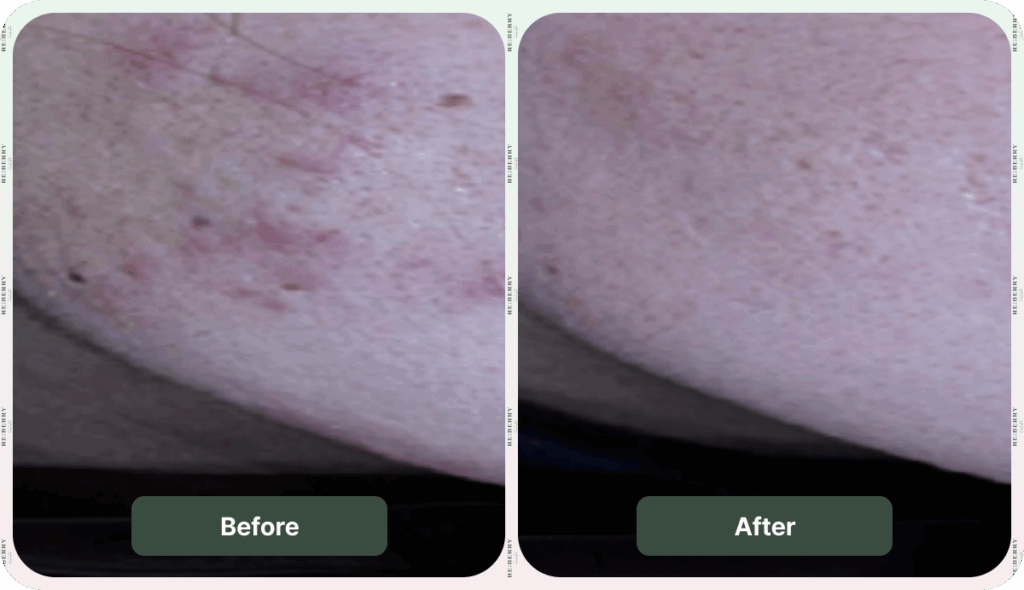
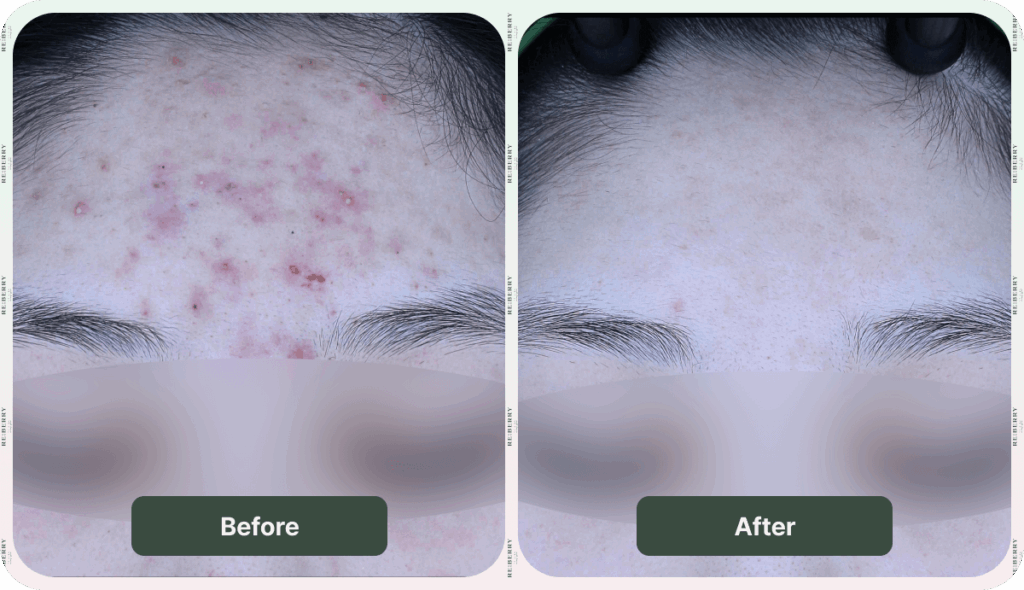
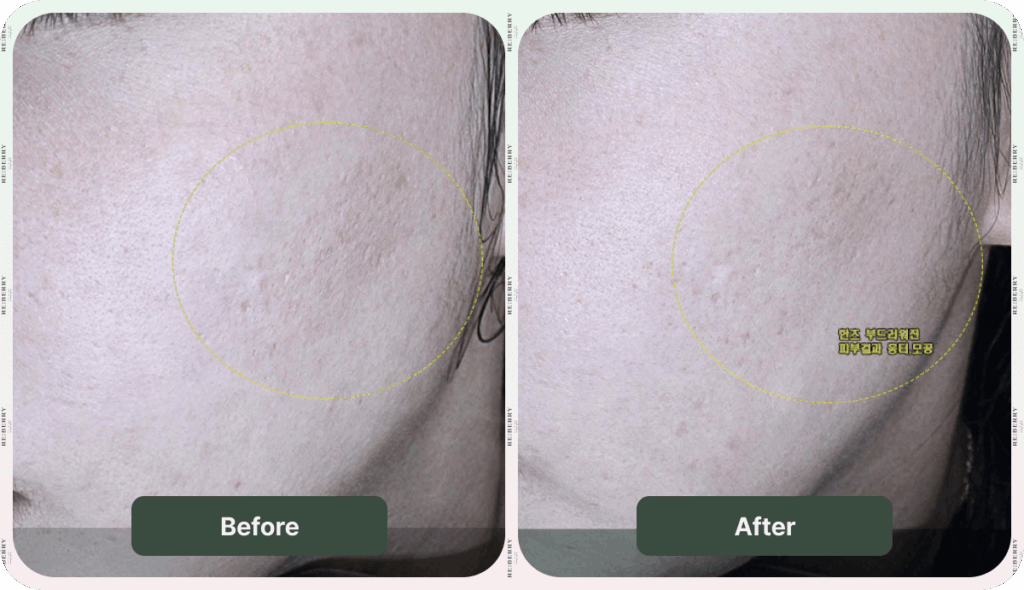
Established in August 2023, Reberry Clinic earned certification as a medical institution for international patient care by November of the same year. This was reinforced by a notable rise in international patients through 2024 and 2025, strengthening our standing in the global medical-travel community. Our laser treatments are delivered by the clinic’s doctors, with multilingual support (English, Korean, Thai, Japanese, Chinese) and three Seoul-area locations, including one at Incheon Airport, making care convenient for visitors.
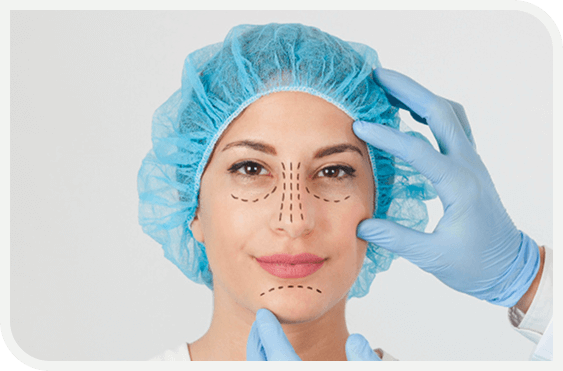
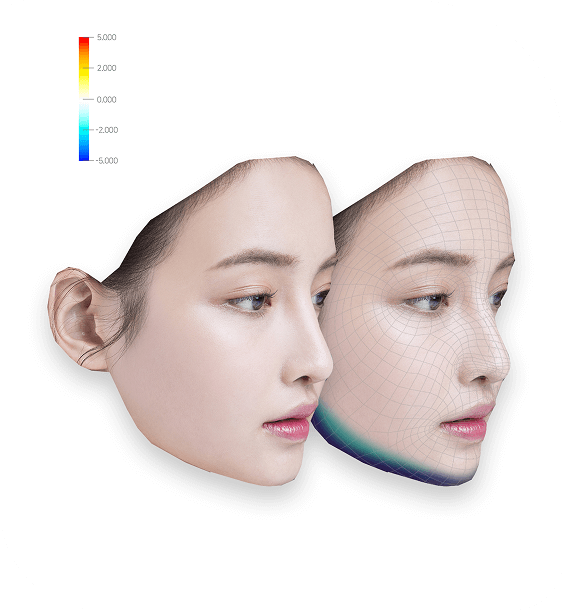
Our treatments are available at three conveniently located Seoul branches. The Myeongdong Branch is situated near popular tourist attractions, the Incheon Airport Branch offers quick and easy care just minutes from the terminals, ideal for travelers, and the Gangnam Branch is located in Seoul’s upscale district, perfect for those seeking premium care alongside shopping and dining.
Reberry Clinic is committed to transparent and fair pricing for all patients, regardless of their nationality. We guarantee no hidden fees or discriminatory charges.
Our high-performance results are delivered by advanced, FDA-cleared machines, all without the premium cost.
At Reberry Clinic, the head doctor personally conducts all consultations, ensuring expert guidance, tailored advice, and fostering a high level of trust.
As a trusted dermatology clinic in Korea , we provide superior, personalized dermatological care at competitive prices, delivering exceptional value without compromising on quality.
Your laser treatment journey begins with a 60-minute one-on-one consultation, where the clinic’s doctor assesses your skin tone, concern and goals. Because laser treatment is a family of procedures, this evaluation determines which laser, or combination, suits you and at what settings. The plan is matched to your Fitzpatrick skin type so the wavelength and energy are appropriate, which is the key safety step for darker and Asian skin.
On the day of your procedure, a numbing cream is applied for comfort where needed. The clinic’s doctor then uses the selected laser to precisely target your concern, whether pigment, vessels or texture, delivering controlled energy that stimulates collagen, breaks down pigment or calms redness while protecting surrounding skin. Most sessions take about 15 to 45 minutes depending on the area and laser, prioritizing safety and minimizing downtime.
After treatment, any mild redness, swelling or temporary darkening of pigment gradually settles over hours to a few days, depending on the laser used. As the skin renews, you’ll see a firmer, smoother and more even-toned appearance build over the following weeks. With proper aftercare and daily sun protection, results can last from several months to a few years, and a maintenance plan helps you keep a refreshed, healthy-looking complexion.
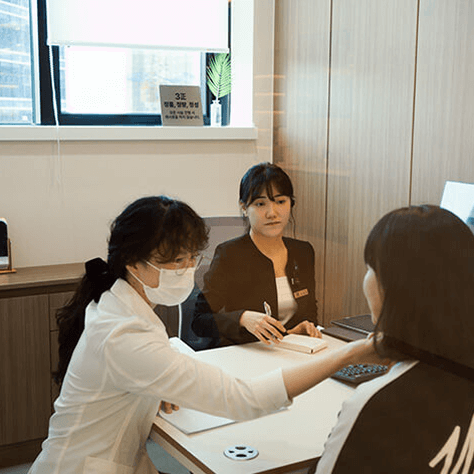
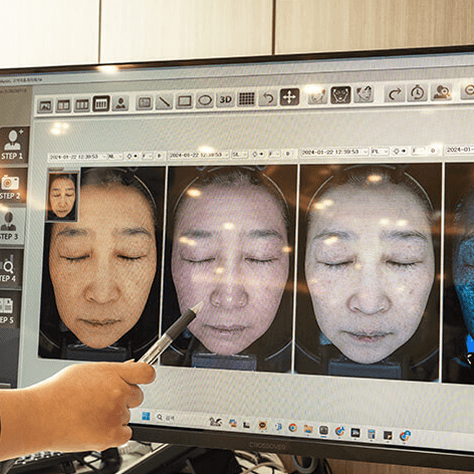
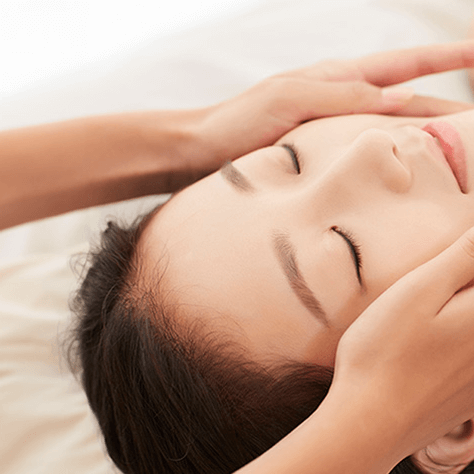
Every face and body is unique, and you deserve a laser treatment experience designed around your skin. Care begins with a consultation, where the clinic’s doctors craft a personalized plan tailored to your skin tone, specific concern and your goal for smoother, clearer skin. Because they match the right wavelength and energy to your skin type, treatment stays both effective and safe, including for the deeper Asian phototypes commonly treated at our clinic.
From pigment-clearing toning to vascular and fractional resurfacing, laser treatment can address dullness, uneven tone, redness, acne marks and texture without surgery. Book a consultation to take the first step toward firmer, healthier and more radiant skin, comfortably and with little to no downtime.

The three main laser families used at our clinic target different concerns and skin layers, so here is how they compare.
| Pigment Laser Toning | Vascular Laser | Fractional Resurfacing | |
|---|---|---|---|
| Mechanism | Picosecond or low-fluence Q-switched light that breaks down pigment | Wavelength absorbed by blood vessels to reduce redness | Microscopic columns of energy that resurface and rebuild collagen |
| Best for | Sun spots, freckles, melasma and uneven tone | Facial redness, broken capillaries and acne erythema | Acne scars, texture, enlarged pores and fine lines |
| Skin-tone suitability | Low-fluence settings favored for darker and Asian skin | Broadly suitable with appropriate settings | Conservative settings needed for darker skin |
| Pain / comfort | Mild warmth or light snapping; comfortable | Brief snapping sensation, generally tolerable | Moderate warmth, eased by numbing and cooling |
| Downtime | Little to none | Mild transient redness or rare bruising | A few days of redness and light flaking |
| Results timeline | Brightening over a series of sessions | Redness fades over a few sessions | Texture builds over weeks to months |
| Sessions | Series, often spaced a few weeks apart | Short course | Fewer, deeper sessions |
The laser modalities grouped under laser treatment are each supported by peer-reviewed clinical research, much of it in Asian skin. For pigmentation, a meta-analysis of low-fluence 1064 nm Q-switched Nd:YAG laser toning confirms significant melasma improvement in Asian patients, and a randomized assessor-blinded trial found picosecond Nd:YAG and alexandrite lasers improved melasma comparably to 2% hydroquinone with fewer adverse events. For acne and redness, a randomized split-face trial of the 595 nm pulsed-dye laser reported significant reductions in inflammatory lesions and erythema, while combination laser work documented mean lesion reductions of about 52%, 63% and 84% after one, two and three sessions, alongside roughly 30% sebum reduction with 1450 nm-family devices. For texture and scars, a randomized, blinded-evaluation trial established fractional CO2 resurfacing as effective for atrophic acne scars, with pilot data confirming benefit in Asian patients. Across these studies the consistent theme is wavelength matched to target and skin tone, the same principle behind the personalized plans and the deeper Asian phototypes most commonly treated at our clinic.
Laser treatment is a family of light-based skin procedures, not a single device, that use specific wavelengths to target pigmentation, redness, acne, scars and texture while sparing surrounding skin. At Reberry Clinic the right laser is matched to your concern and skin tone by the clinic’s doctors. See our laser treatment page for full details and consultation booking.
It is several. “Laser treatment” is a category covering pigment-selective and picosecond lasers for sun spots and tone, vascular lasers for redness and broken capillaries, and fractional lasers for texture and scars. Because each concern sits at a different depth, the clinic’s doctor selects the laser, or combination, that fits your skin, which is why an in-person assessment always comes first.
The ideal laser depends on your concern and desired outcome, from pigment-clearing toning for uneven tone to vascular lasers for redness or fractional resurfacing for scars and texture. A tailored consultation with the clinic’s doctor matches the laser, settings and number of sessions to your skin tone and goals, ensuring the plan is safe and suited to your Fitzpatrick type for even, luminous results.
Yes, when the wavelength and energy are matched to your skin tone. Darker and Asian skin carry a higher risk of post-inflammatory pigmentation, so the clinic’s doctor often favors low-fluence toning and conservative settings, which clinical studies show fade pigment such as melasma while keeping rebound risk low. A consultation reviews your skin type first to keep treatment both effective and safe.
Most laser treatments feel like brief warmth, a light snapping or tingling sensation, generally rated mild to moderate. A numbing cream is applied where needed, and many devices include built-in cooling to protect and soothe the skin. Comfort varies by laser and area; the clinic’s doctor adjusts settings and explains what to expect for your specific treatment before the session begins.
It depends on the laser and concern. Pigment and acne-redness goals often need a short series of sessions spaced a few weeks apart, while some texture or resurfacing results show after fewer, deeper treatments. Stubborn concerns like melasma require patient, repeated sessions. The clinic’s doctor confirms your session plan during the initial consultation after assessing your skin.
Downtime depends on the laser. Non-ablative lasers cause only mild redness or swelling that settles within a few hours to a day, so you can resume daily activities quickly. Ablative or fractional resurfacing may involve a few days of redness, swelling and light flaking as skin heals. The clinic’s doctor tells you which to expect and gives tailored aftercare instructions.
Laser treatment can address sun spots, freckles, melasma and uneven tone, redness and broken capillaries, acne and post-acne marks, enlarged pores, fine lines and early texture concerns. The specific result depends on the laser chosen. For pigment specifically, the clinic’s doctor may combine lasers with our dark-spot removal options for a more complete plan.
Some changes, like surface brightening, appear within about a week, while collagen-driven firming and scar improvement build over several weeks to months. Longevity varies: pigment and resurfacing results can last from several months to a few years with consistent sun protection, while new sun exposure or natural aging may call for periodic touch-up sessions to maintain the benefit.
Yes. Lasers are often sequenced with skin-quality or hydration treatments such as Rejuran Healer or a skin care protocol, and different lasers can be layered in one plan. The clinic’s doctor times and orders treatments so they work safely together. Your combined plan is customized during the initial consultation based on your concerns.
Side effects are usually mild and temporary: redness, swelling, tenderness or itching in the treated area. Less commonly, blistering, crusting or changes in pigmentation can occur, and rarely infection or scarring. Risks fall significantly when the procedure is performed by qualified medical staff using settings matched to your skin. A consultation reviews your history to minimize these risks before treatment.
Keep the area clean, apply daily broad-spectrum sunscreen, moisturize gently and avoid picking, harsh actives and intense heat such as saunas while healing. Strict sun protection is essential, especially for pigment treatments, to prevent rebound darkening. The clinic’s doctor provides specific post-treatment instructions for your laser and tells you when to resume your normal skincare routine and activities.
Yes. Vascular and dual-wavelength lasers calm acne redness and inflammation and help control oil, with studies reporting meaningful sebum reduction. For active or persistent acne, the clinic’s doctor may recommend our dedicated acne treatment protocol, which combines lasers with ethosome delivery and extractions. The right approach is chosen during consultation based on your acne type and severity.
Yes. Fractional and resurfacing lasers stimulate collagen to smooth shallow atrophic acne scars and refine enlarged pores over a series, supported by randomized trials in Asian skin. Deeper scars may need several sessions, sometimes alongside a skin care plan. The clinic’s doctor assesses your scar type and skin tone to choose safe settings.
Results last but are not always permanent. Pigment removal and resurfacing can last months to years, though new sun exposure or natural aging may bring back some concerns over time, so periodic touch-ups help. Hair-reduction lasers achieve long-term reduction rather than guaranteed permanence. Consistent sun protection and home care are the biggest factors in how long your results hold.
Plan around the laser type, since downtime varies. Gentle toning fits a short visit, while ablative resurfacing needs a few healing days. We suggest booking a consultation early in your stay so the clinic’s doctor can choose a laser that fits your schedule. Reberry Clinic offers English-speaking support and three Seoul-area locations, including one near Incheon Airport.
The three main laser families used at our clinic target different concerns and skin layers, so here is how they compare.
| Pigment Laser Toning | Vascular Laser | Fractional Resurfacing | |
|---|---|---|---|
| Mechanism | Picosecond or low-fluence Q-switched light that breaks down pigment | Wavelength absorbed by blood vessels to reduce redness | Microscopic columns of energy that resurface and rebuild collagen |
| Best for | Sun spots, freckles, melasma and uneven tone | Facial redness, broken capillaries and acne erythema | Acne scars, texture, enlarged pores and fine lines |
| Skin-tone suitability | Low-fluence settings favored for darker and Asian skin | Broadly suitable with appropriate settings | Conservative settings needed for darker skin |
| Pain / comfort | Mild warmth or light snapping; comfortable | Brief snapping sensation, generally tolerable | Moderate warmth, eased by numbing and cooling |
| Downtime | Little to none | Mild transient redness or rare bruising | A few days of redness and light flaking |
| Results timeline | Brightening over a series of sessions | Redness fades over a few sessions | Texture builds over weeks to months |
| Sessions | Series, often spaced a few weeks apart | Short course | Fewer, deeper sessions |
Real verified reviews from our Google Business Profile, across all Reberry Clinic locations.
PULLED LIVE FROM GOOGLE · GANGNAM · MYEONGDONG · INCHEON AIRPORT
Your treatment is planned and performed by experienced, MFDS-registered doctors across our Seoul-area clinics, with multilingual support for international patients.
Flagship clinic · KOL for leading lifting & regenerative devices · Featured in Authority Magazine (2026)
Multilingual tourist care beside Myeongdong Cathedral
Fast, effective care 20 minutes from the terminals
Published studies related to this treatment area. Individual results vary; consult a physician for personal advice.
"*" indicates required fields