


It is devastating to invest in facelift treatment and end up without the desired outcome, disappointed. Facelifts are complex surgeries, and not all of them are guaranteed to produce the perfect result.
According to the American Society of Plastic Surgeons (ASPS), 79,058 facelifts were performed in the U.S. alone in 2024. While most procedures yield satisfying results, not all outcomes are flawless. This not only keeps you dissatisfied with your look but also leads to other issues, such as swelling, numbness, skin necrosis, and more, which can be seen in the symptoms too.
Though it’s a distressing problem, it can be solved as well. Going through this article, you will not only know how to fix the botched facelift, but you will also be aware of preventing it before it happens to you. So, whether you’re considering a facelift or recovering from one, understanding the warning signs of a botched procedure can help you act quickly and decisively.
What is a Botched Facelift?
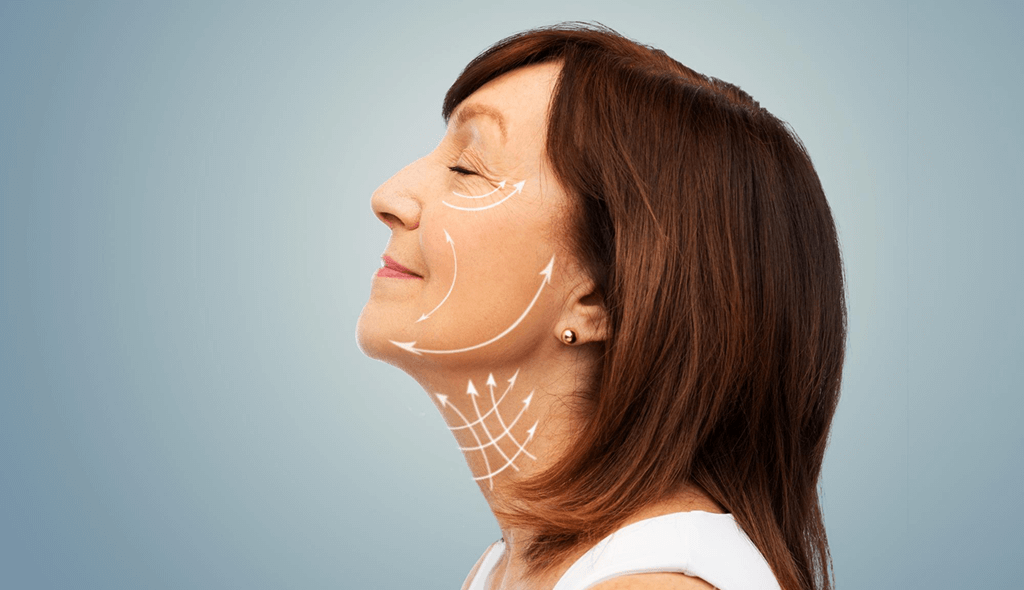
A botched facelift is a cosmetic surgery procedure that results in undesirable or poor outcomes. It can involve visible scarring, unnatural facial expressions, asymmetry, uneven skin contours, prolonged swelling, pain, and distorted facial features. Such complications can negatively affect both the appearance and emotional well-being of a person.
This can happen due to various reasons, including the surgeon’s lack of experience or technical skill, poor patient selection, or complications during the procedure. Common signs of a botched facelift include visible scarring, asymmetry, unnatural facial expressions, skin irregularities, and prolonged swelling or pain.
What Are the Signs of a Botched Facelift?
You can identify a botched facelift by the warning signs listed below. While some symptoms may seem minor, others can indicate serious complications that need prompt attention.
1. Unnatural Facial Contours
The uneven, distorted, or hollowed look of cheeks, jawline, or neck is known as unnatural facial contours. Instead of a smooth, natural appearance, you might notice lumps, bumps, or sharp angles that weren’t there before.
Facial asymmetry is also a key warning sign of a bad facelift. Mild asymmetry is normal in every face, but pronounced unevenness, like one cheek appearing lifted while the other sags, or one eyebrow sitting higher, signals surgical imbalance. Temporary swelling may create minor differences at first, but lasting asymmetry beyond the first few months usually indicates deeper issues.
Unnatural contours can develop from uneven lifting, over-tightening, or poor tissue healing. Sometimes, improper adjustment of the Superficial Musculoaponeurotic System (SMAS) layer or nerve weakness contributes to a lopsided appearance. While minor irregularities may improve gradually, significant distortions often need revision surgery or non-surgical treatments like fillers to restore balance.
In some cases, subtle improvements can take up to a year, but persistent unevenness should never be ignored. If you notice odd shapes or asymmetry after surgery, consult your surgeon promptly to prevent long-term complications.
2. Appearance of Scars
After a facelift, noticeable or poorly healing scars can be a sign of a botched procedure. They may appear red, raised, or uneven along the hairline or around the ears. While minor scars usually fade over time, a botched facelift can leave prominent, irregular marks that affect the natural appearance of the face. The severity depends on factors like skin type, healing ability, and the surgical technique used.
Proper post-surgery care can help, but in some cases, additional treatments are needed. Scar revision, laser therapy, or minor touch-ups can reduce visibility and restore a smoother look. Without intervention, these scars may remain obvious, contributing to an unnatural or asymmetrical facial appearance, a clear sign that the facelift did not go as intended.
3. Persistent Swelling or Bruising
It is common to have the face look puffy or tight just after the facelift due to fluid building up in the tissues, which is known as swelling. Bruising, on the other hand, occurs when tiny blood vessels break under the skin, leaving purple, blue, or dark patches. This makes the face look uneven and discolored.
While it is not considered a serious issue if it disappears in 2-4 weeks, however, if it lasts longer, it should be a consideration, as it may signal complications such as infection, hematoma, or poor healing.
4. Hematoma (Blood Accumulation)
A hematoma is one of the most common complications after facelift surgery and is often a red flag of a botched result. It happens when blood collects under the skin, creating a firm, swollen, and sometimes painful lump. Unlike normal bruising, a hematoma doesn’t fade on its own and may even cause the skin to look stretched, shiny, or unusually discolored.
While small hematomas may resolve with medical care, larger ones can increase pressure on the tissues, restrict blood flow, and lead to more serious problems such as infection, delayed healing, or even skin necrosis if not treated quickly. If you notice rapid swelling, severe pain, or one side of the face looking drastically different from the other, it’s critical to contact your surgeon right away for evaluation and possible drainage.
5. Skin Necrosis
One of the more serious warning signs that your facelift may not have gone as planned is skin necrosis. Simply put, skin necrosis happens when part of your skin starts to die because it isn’t getting enough blood and oxygen.
During a facelift, your surgeon lifts and tightens the skin. If the blood flow is disrupted, whether due to too much tension, infection, or lifestyle factors like smoking, some areas of skin may struggle to heal properly. This can lead to dark, patchy, or scab-like regions that don’t recover normally.
6. Numbness or Nerve Damage
One common sign of a botched facelift is numbness or nerve damage, which happens when the delicate facial nerves are stretched or affected during surgery. You might feel tingling, pins-and-needles, or reduced sensation in areas like the cheeks, jaw, or around the mouth. This can make parts of your face feel stiff or unusually heavy, which is not a normal part of recovery.
Most cases of numbness are temporary and improve as the nerves heal over a few weeks or months. However, in rare situations, permanent nerve damage can occur, leading to long-term numbness or asymmetry. If you notice persistent tingling, weakness, or changes in facial movement, contacting your surgeon immediately is crucial to prevent lasting complications.
Why do Facelifts Don’t go as Expected?
There are several reasons that facelift results do not go as planned. One of the main reasons is the technique the surgeon chooses to perform the treatment. If the surgeon is not qualified and experienced enough, the patient is more likely to experience errors in tissue handling, poor incision placement, or incorrect vectors of pull, all of which can lead to a botched facelift. Another significant reason is the use of unauthorized or low-quality products, which can cause infections, allergic reactions, or other negative effects.
Along with these, inadequate pre-surgical planning, failure to assess a patient’s skin quality and facial anatomy, excessive skin removal, and neglecting deeper tissue support can result in unnatural, short-lived, or distorted outcomes. Additionally, factors such as smoking, anesthesia complications, adverse reactions to medications, and significant weight fluctuations can further compromise the results, making professional expertise and careful planning essential for safe, natural-looking facelifts.
How to Fix a Botched Facelift?
If your facelift results aren’t what you expected, don’t panic; many issues can be corrected with the right approach, and you can regain a youthful facial appearence. The first step is to consult an experienced plastic or revision surgeon who can assess your face, identify problems like asymmetry, over-tightening, or uneven contours, and recommend a tailored solution. Acting early can prevent complications from becoming permanent and ensure a smoother recovery.
Depending on the problem, solutions may be nonsurgical or surgical. Minor irregularities can often be corrected with dermal fillers, fat grafting, Botox, or laser treatments. At the same time, more serious complications, such as hematomas, persistent asymmetry, or skin necrosis, may require revision surgery. Following your surgeon’s instructions and monitoring your healing closely greatly improves your chances of restoring a natural, balanced look.
How to Prevent a Botched Facelift?
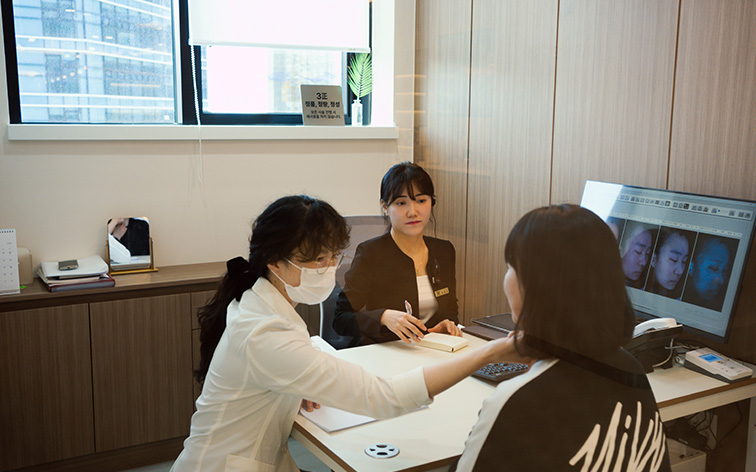
Recognizing when something has gone wrong and knowing what steps to take next is just as critical as choosing the right surgeon in the first place. The best way to deal with a botched facelift is to avoid it from the start. Start by selecting a qualified, board-certified plastic surgeon who has extensive experience in facelifts and can show real before-and-after facelift results. Research the clinic’s safety standards, read patient reviews, and make sure the team is transparent about risks, recovery, and expected results.
Your health and lifestyle matter too. Be honest about your medical history, medications, and habits like smoking, which can increase risks of complications like poor healing or skin necrosis. Follow all pre-surgery instructions carefully, maintain a healthy diet, and plan for proper recovery time. Being prepared and informed significantly reduces the chances of ending up with uneven results or long-term facelift complications.
Get Your Facelift Now in Reberry Clinic
A botched facelift can cause serious problems like unnatural appearance, persistent swelling, and nerve damage, but most issues can be fixed with proper medical care. The best approach is prevention by choosing an experienced, board-certified plastic surgeon like Reberry Clinic and following all recovery instructions carefully. If you notice any warning signs after your procedure, contact your surgeon immediately to address complications before they become permanent.
The most important thing here is choosing a reliable facelift expert. At Reberry Clinic, we offer expert facelift procedures with proven results that restore your natural beauty safely and effectively.
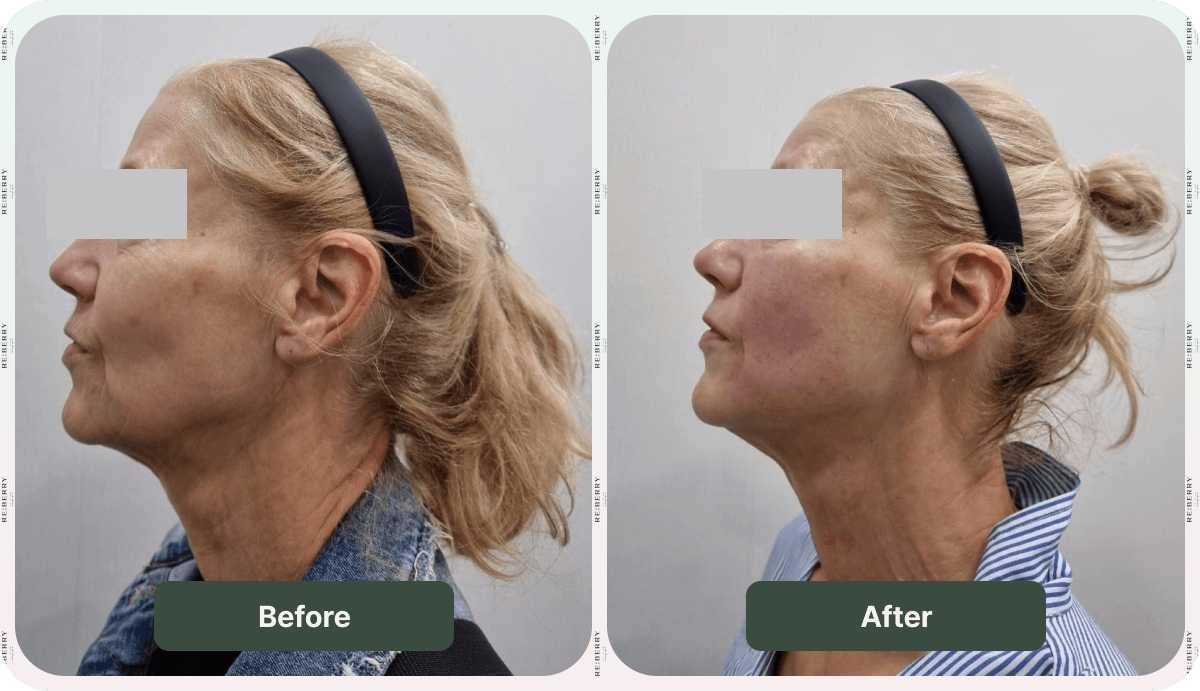
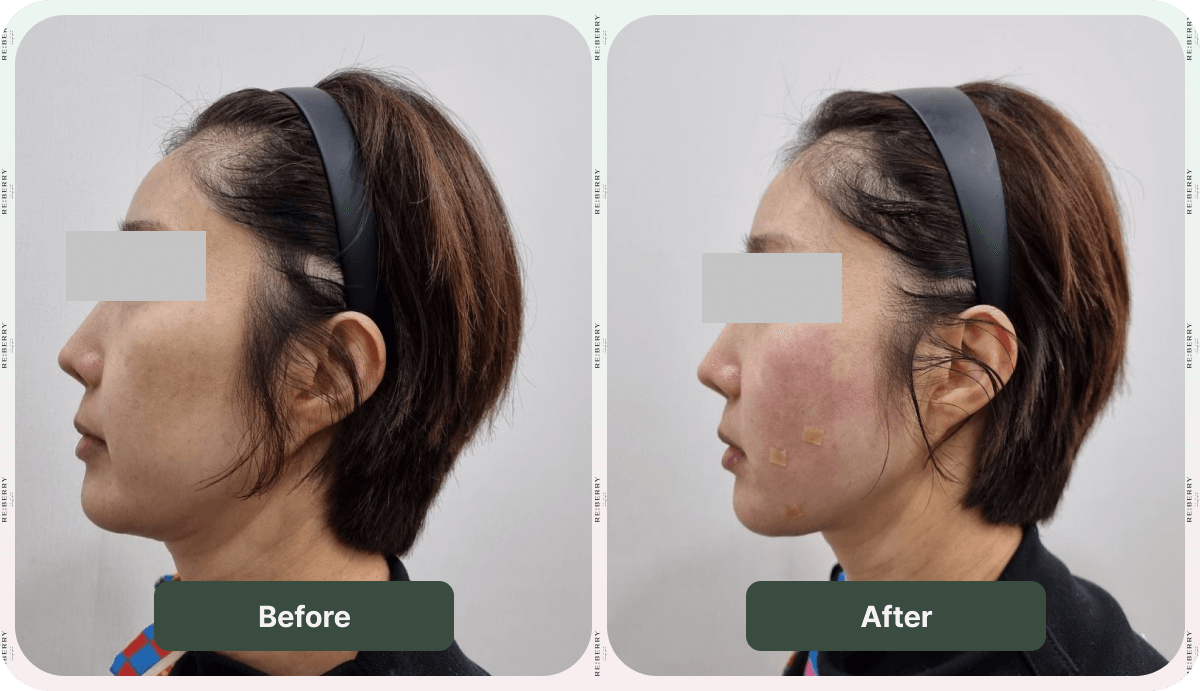
With over 100,000+ patients treated, our experienced team ensures you receive world-class treatment with clear communication throughout your journey.