

It’s natural to crave that extra post-Botox glow, and getting a facial might seem like the perfect way to enhance it. Botox smooths out fine lines by relaxing facial muscles, while facials deeply cleanse and refresh the skin for a radiant finish. However, when these two treatments are done too close together, the pressure or stimulation from a facial can interfere with how Botox settles.
Facials indeed help rejuvenate dull, tired skin, but doing them too soon after Botox can reduce its effectiveness and alter your outcome. Whether you’ve recently had Botox or are planning a facial after your injections, knowing when and how to combine both is essential. This article clears your doubts, explains the right waiting period, and guides you with aesthetic medicine specialist-approved insights to make the safest, most rewarding skincare decision.
How Does Botox Affect the Skin?
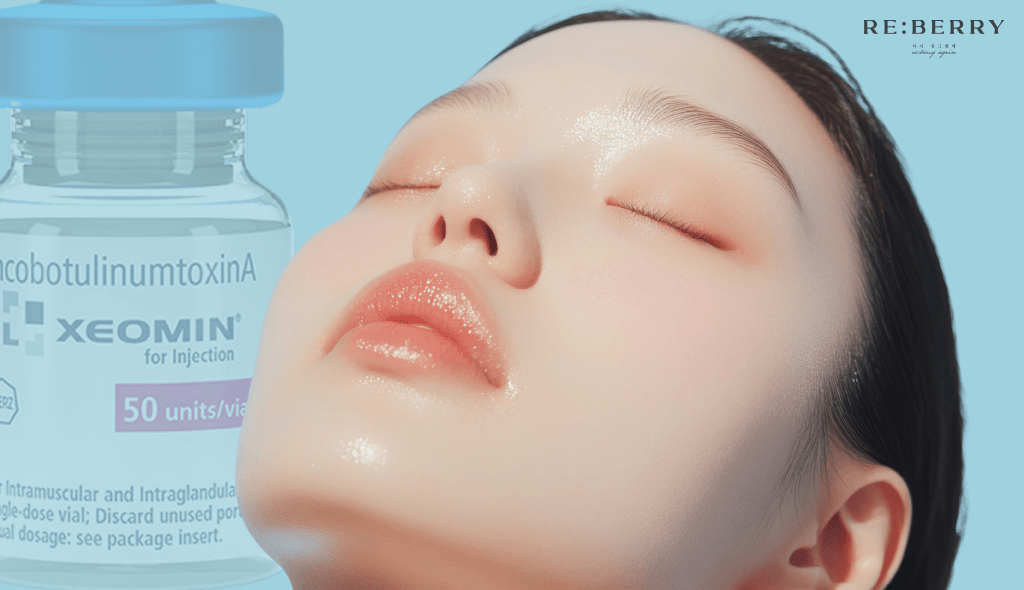
To understand how long after Botox you can get a Facial treatment, you should know what exactly Botox does to your skin, its signs and durations. Botox primarily works on the areas where facial muscles cause repetitive expressions, such as the forehead, crow’s feet around the eyes, and frown lines between the brows. It targets the connection between nerves and muscles, temporarily relaxing them to smooth the overlying skin.
In the first few days after Botox, you may notice a subtle tightening or firmness in the treated areas as the muscles begin to relax. Mild redness or slight swelling can occur right after the injections, but it usually subsides within hours. As Botox settles, the overall complexion looks more even, refreshed, and naturally lifted, revealing the first visible signs of rejuvenation.
How Long After Botox Can You Get a Facial?
After getting Botox, it’s generally recommended to wait at least 7 to 14 days before having a facial treatment. Light facials or gentle skincare routines can usually be resumed after a week, while more intensive treatments like chemical peels, microdermabrasion, or laser facials should wait a full two weeks. This waiting period allows the Botox to settle into the targeted muscles fully and ensures that the product isn’t displaced by facial pressure or massage.
Getting a facial too soon, especially one involving deep massage, exfoliation, or steam, can interfere with the treatment’s effectiveness. Any pressure, rubbing, or heat too soon after Botox Injection causes the neurotoxin to migrate, leading to uneven results or drooping. Therefore, waiting for 1-2 weeks before having a facial after Botox helps your skin heal properly and maintains smoother, longer-lasting Botox results.
What Facial Treatments are Compatible with Botox?
Once your Botox injections settle into the muscle, you can combine different facial treatments to enhance your results without risking product migration or irritation. Most Laser, Stem Cell, Microwave, and HydraFacial treatments are generally compatible with facial therapies.
HydraFacial:
HydraFacial treatments add the skin with moisture using gentle, nourishing ingredients like hyaluronic acid and aloe vera. It calms the skin and improves texture without pressure or exfoliation, making it safe before or after Botox.
Onda Lifting:
Onda Lifting uses controlled microwave energy to tighten skin and reduce fat without manipulating facial muscles. When done after the Botox settling period, it pairs well with Botox by improving firmness while preserving wrinkle-relaxing results.
Titanium Lifting:
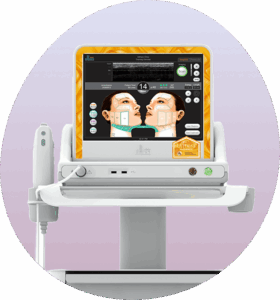
Titanium Lifting combines radiofrequency and ultrasound to lift and tone the skin’s surface layers. It is generally compatible after Botox, as it avoids direct pressure on injection sites and is performed by an experienced practitioner.
LED Light Therapy:
LED Light Therapy is a low-risk option after Botox, as it involves no physical contact or heat damage. It helps reduce inflammation, boost collagen production, and accelerate skin recovery, making it ideal in the early post-Botox phase.
Chemical Peels:
Mild chemical peels can be done after Botox once the skin barrier has stabilized, usually after two weeks. Gentle peels improve tone and clarity without affecting Botox placement, but deep peels should always be delayed and medically supervised.
The timing and technique of each procedure play a crucial role in ensuring both safety and optimal results. And following a personalized treatment timeline ensures smoother texture, longer-lasting results, and overall healthier, rejuvenated skin.
However, the ideal treatment is primarily based on your skin condition, laxity, metabolism and more, which is only known after a thorough analysis of your skin. Therefore, you should always consult an experienced dermatology expert to make treatment decisions.
Can You Get a Facial before Botox Injection?
Yes, you can get non-invasive facial treatments that focus on hydration before Botox injections too, as facials cleanse, exfoliate and prep your skin, creating a smooth surface on your skin. These facial results make the Botox injection even more safe, allowing the injector to perform the procedure on clean, hydrated, and calm skin, which improves comfort and precision during the procedure.
Meanwhile, you should not have aggressive facial treatments such as strong chemical peels, microdermabrasion, or deep extractions. Such treatments leave your skin irritated, inflamed, or more prone to bruising, which may worsen the Botox injection procedure and the results, too.
How to Maximize Results with Botox and Facials Effectively?
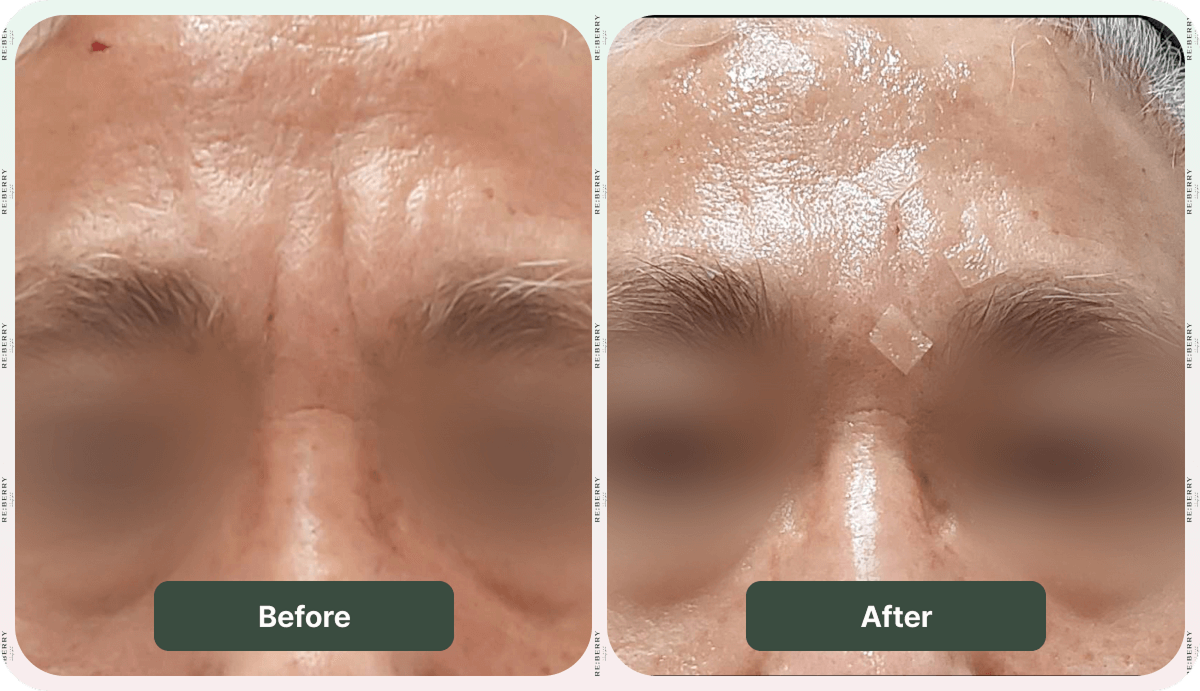
Giving the correct time interval between Botox and facial treatments is always a smart and essential step to achieve optimal results. Still, there are a few more important practices you should follow. Following proper post-treatment care, such as avoiding rubbing or massaging the treated areas, staying upright for a few hours, and skipping intense exercise or heat exposure, further supports effective results. Daily sun protection with SPF 30 or higher preserves collagen and prolongs the benefits of Botox.
Complementing in-office treatments with a supportive home routine, including hydration, medical-grade skincare with peptides and antioxidants, a balanced diet, stress management, and optional zinc supplements, enhances skin tone, elasticity, and overall rejuvenation. By combining correct timing, diligent aftercare, and healthy lifestyle practices, you can maximize the longevity and effectiveness of both Botox and facial treatments.
Get Advanced Botox and Facial Treatment at Reberry
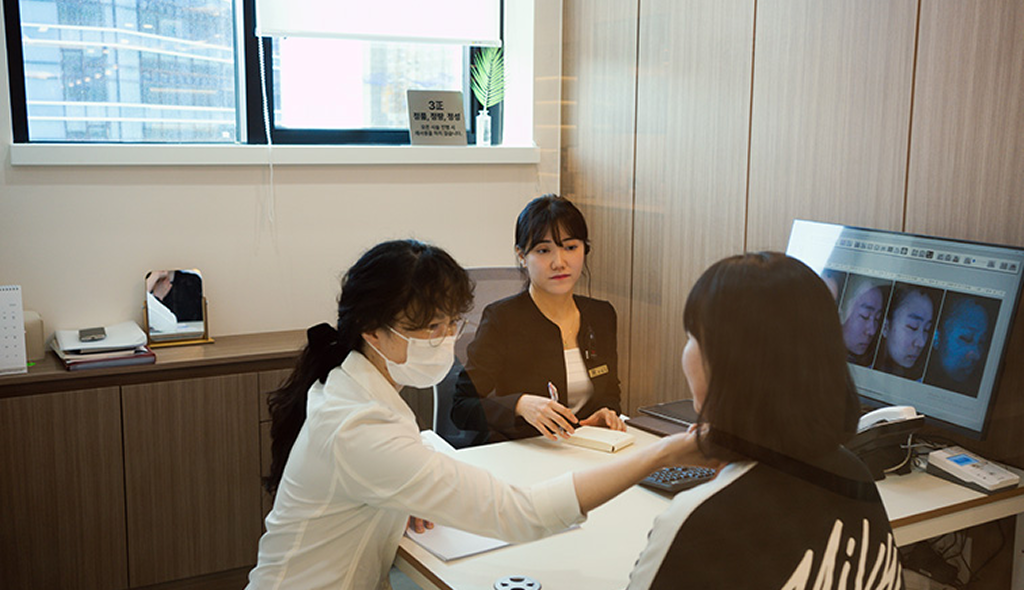
Getting skin treatments is not just about looking younger or smoother; it’s also about achieving lasting, natural results that truly enhance your confidence and skin health. At Reberry Clinic, our expert aesthetic medicine specialists not only provide precise, personalized Botox treatments but also recommend the ideal facial therapies to complement your skin goals. We use advanced, FDA-approved techniques and state-of-the-art equipment to ensure safe, effective, and long-lasting results. Experience the perfect synergy of Botox and facial treatments designed for your unique skin. Book your facelift and rejuvenation session at Reberry Clinic today and discover radiant, youthful skin with expert care.