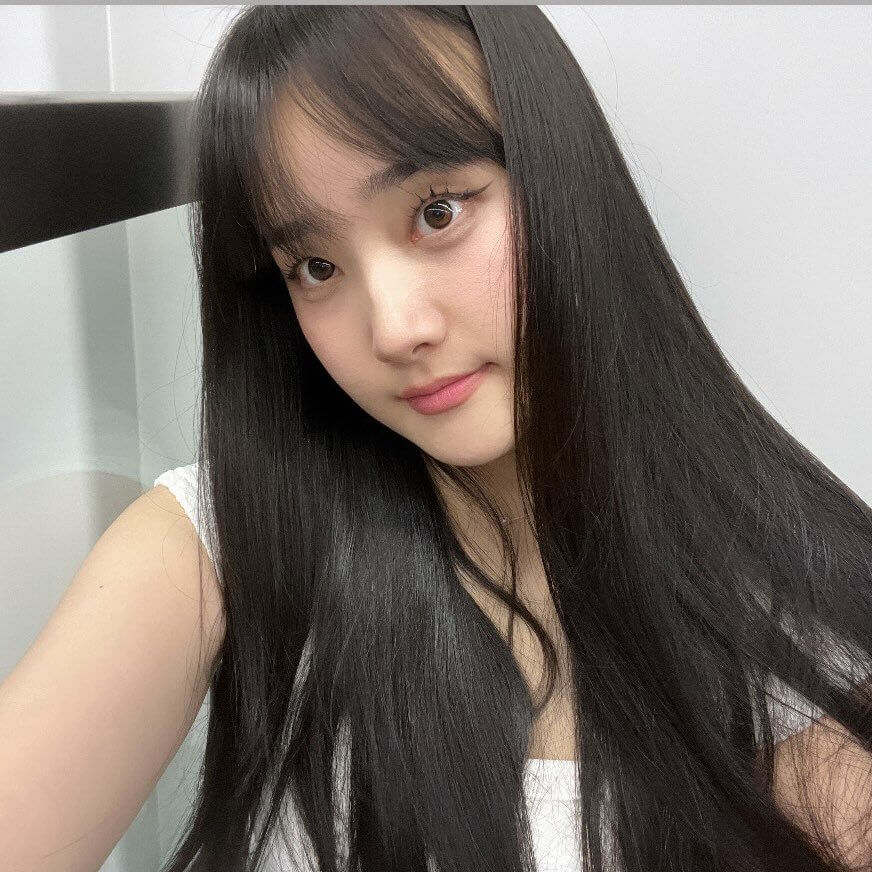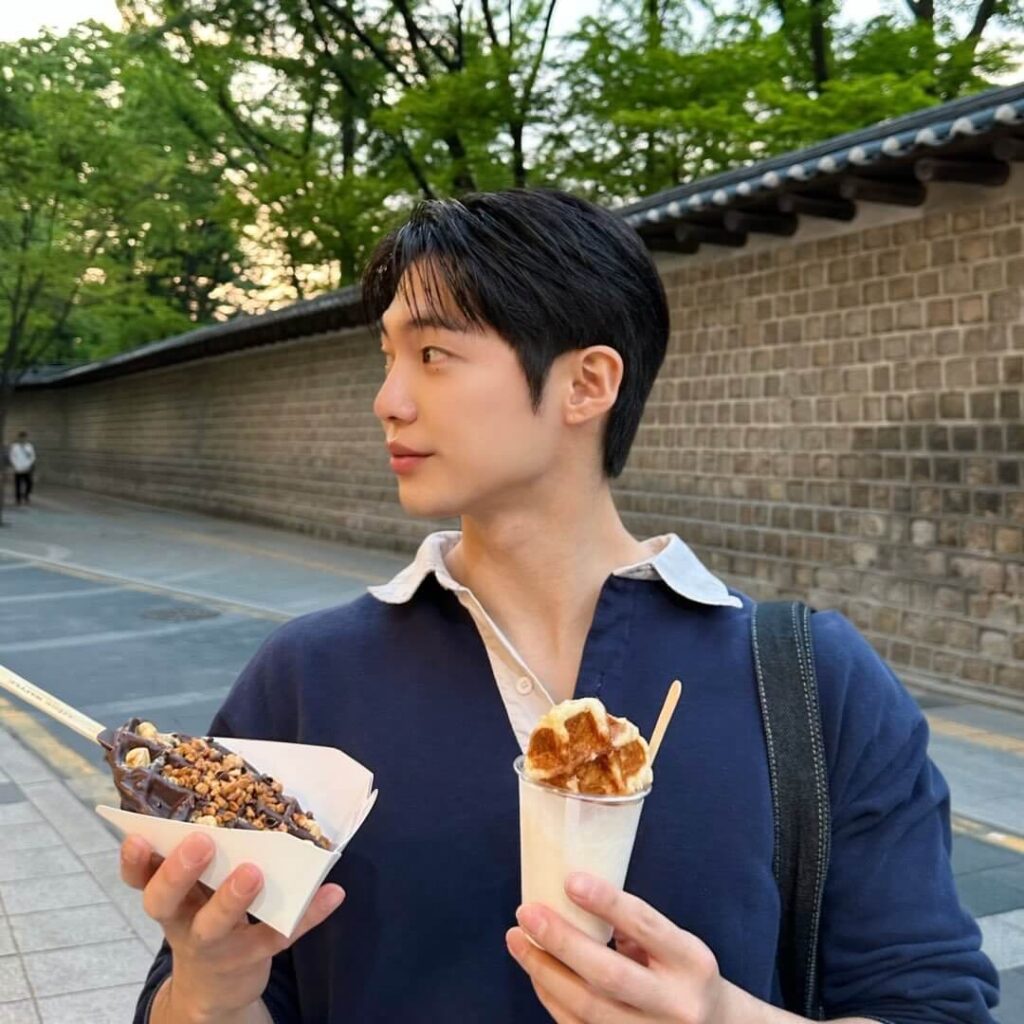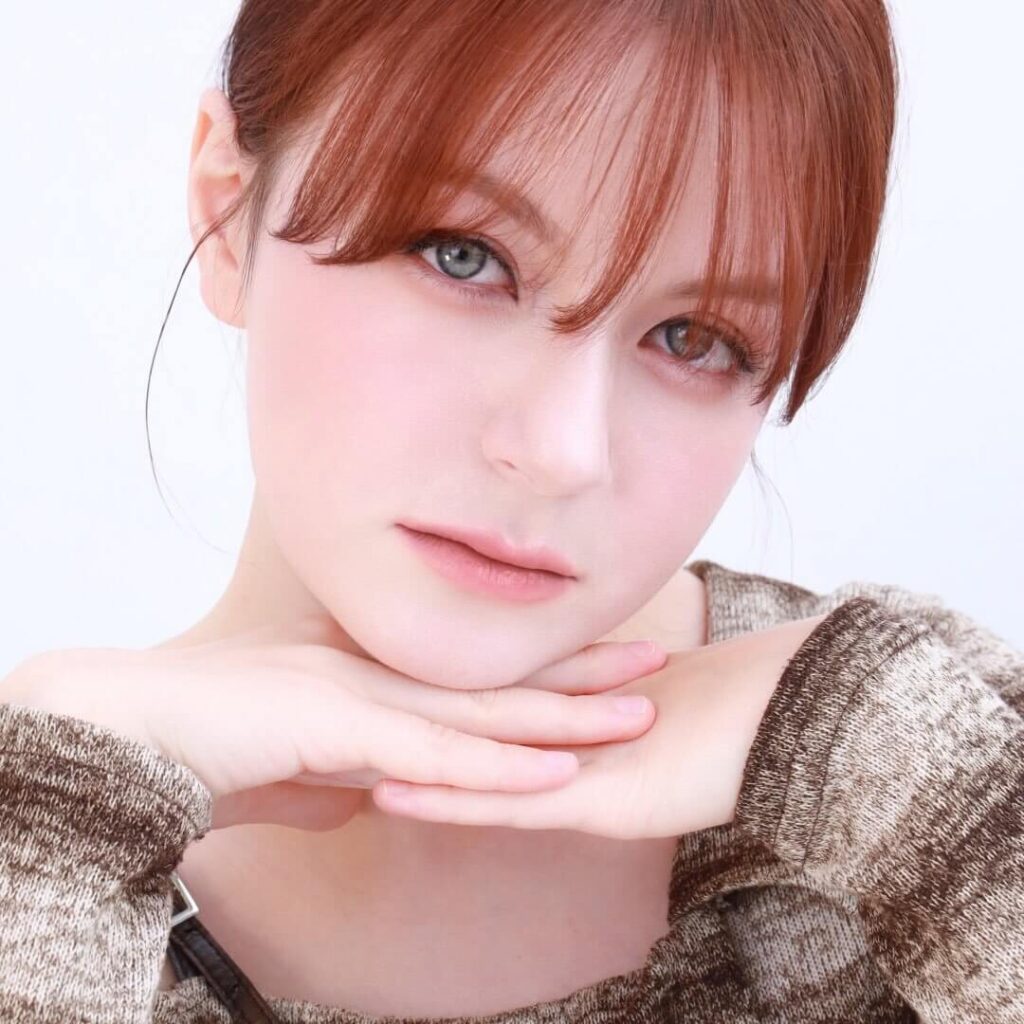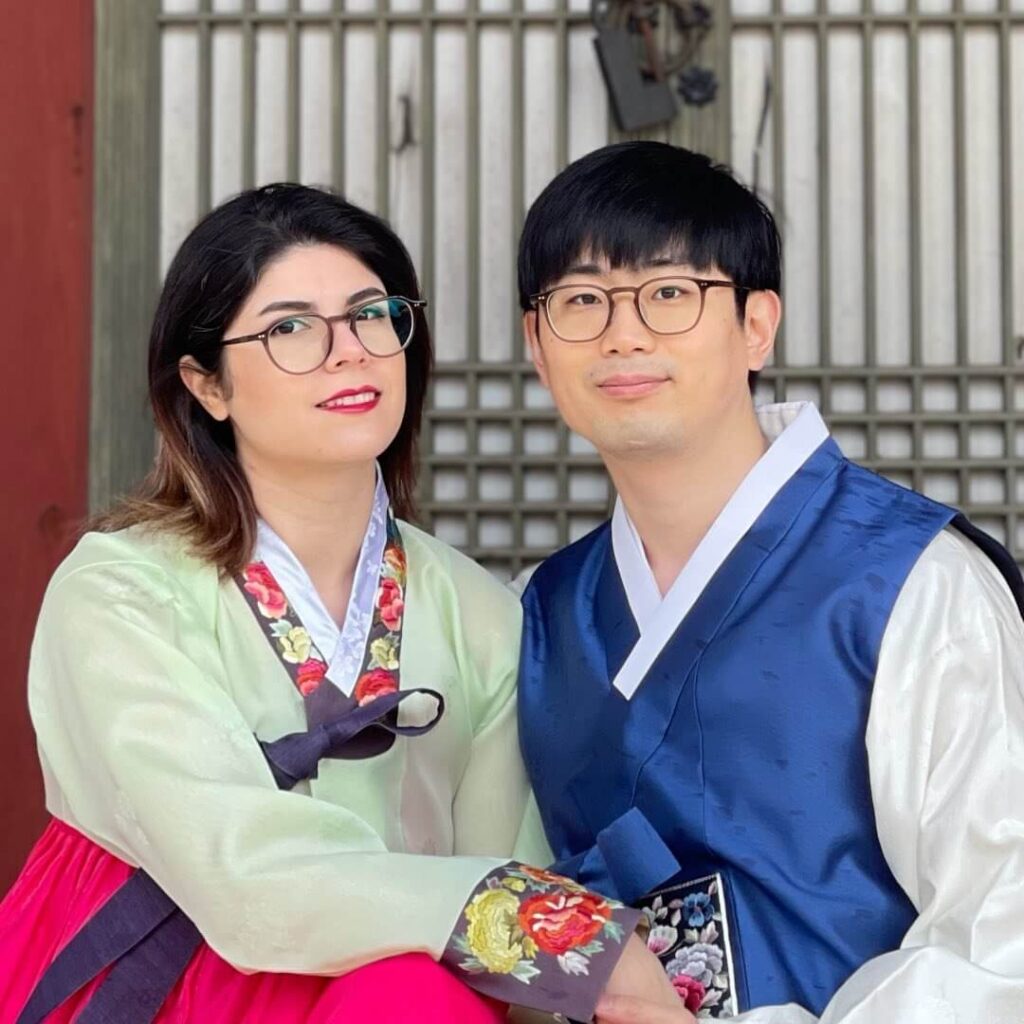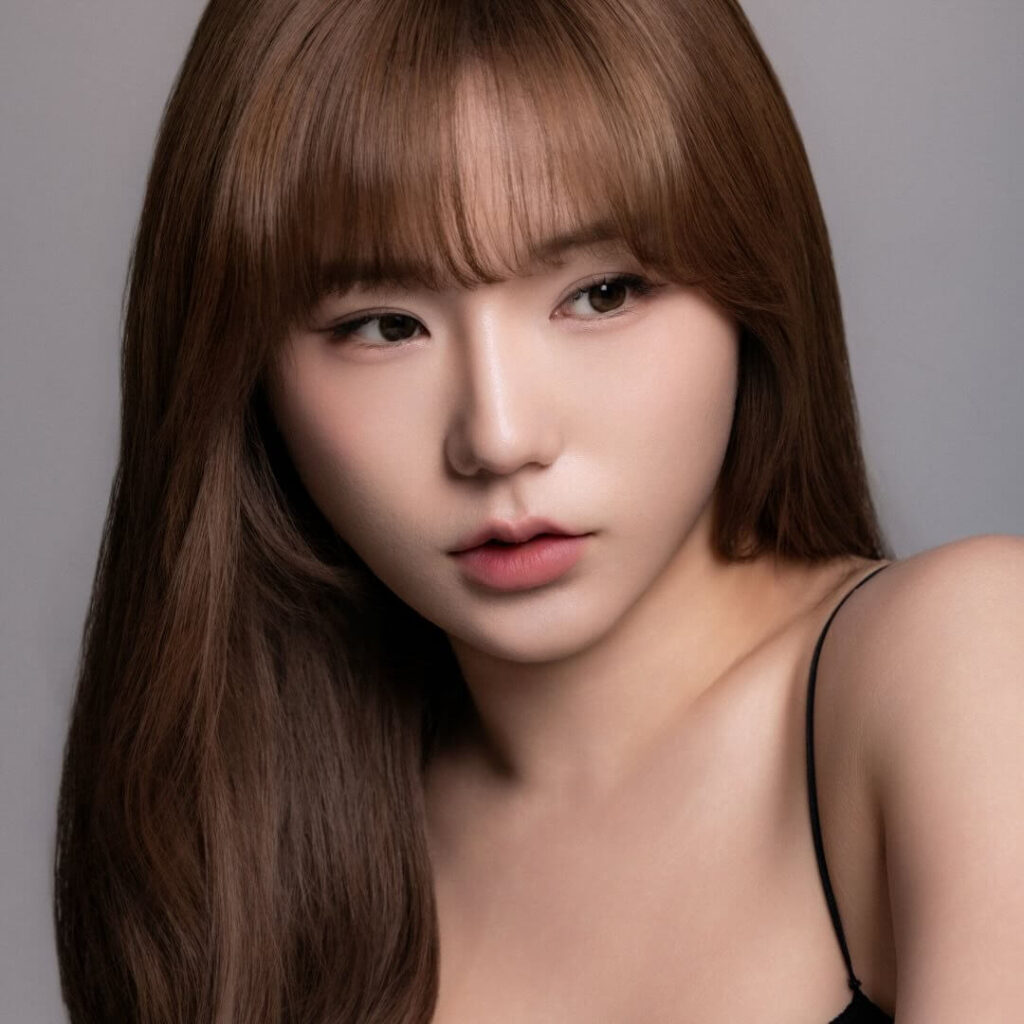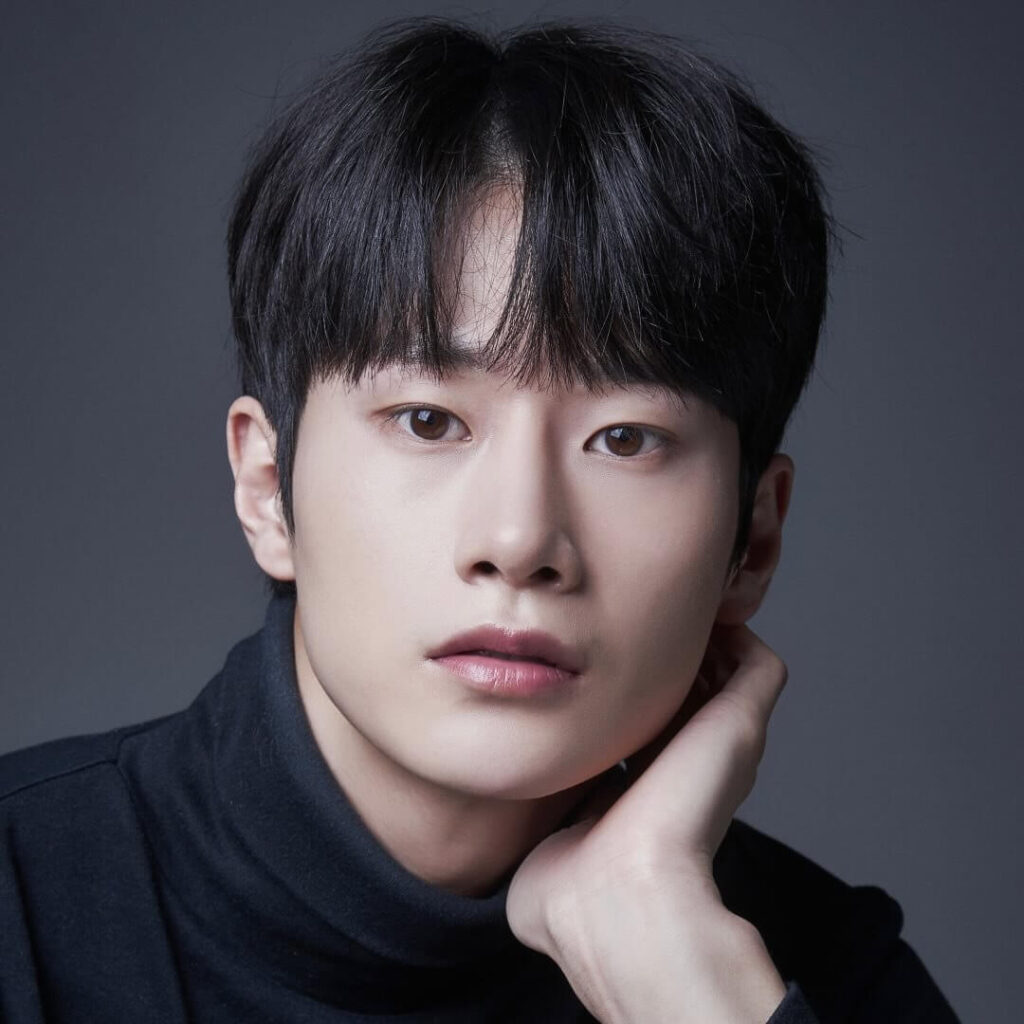


Have you ever seen a Korean who looks barely out of college and got surprised to know that they are in their 50s and have teenage kids? If you have, you must have wondered how these people can maintain such a youthful look. Or How can I achieve such firm and plump skin?
The reason behind Koreans looking young in their 40s, 50s, and beyond is due to a combination of genetics, innovative skincare, nutrient-rich diets, and disciplined lifestyles. In this in-depth blog, we discuss science-backed reasons behind this phenomenon, supported by compelling data and studies, along with insights from aesthetic medicine specialists.
The “Genetic Shield”: Dermis Thickness and Photo-Aging Resistance
Koreans often benefit from a biological advantage that sets the foundation for youthful skin. Comparative studies on skin types reveal distinct differences across ethnicities. Black skin usually features the thickest dermis and epidermis, providing robust protection. Caucasian skin tends to be thinner, with lower collagen density and fewer melanin cells, making it more vulnerable to environmental damage. Studies reveal that East Asians, including Koreans, possess skin with thicker dermal layers compared to Caucasians, providing better structural support against wrinkles and sagging.
This increased dermal thickness, driven by higher concentrations of collagen-producing fibroblasts, delivers superior structural support. Collagen maintains firmness and elasticity, effectively countering gravity, sagging, and fine lines. Research indicates that Asian skin also contains greater collagen and elastin levels, delaying visible aging signs. For instance, photoaging, i.e., premature wrinkling from UV exposure, progresses more slowly due to this resilience and naturally higher melanin, which offers built-in UV defense.
Furthermore, genetic polymorphisms identified in Korean populations influence facial morphology and skin traits. A twin-family study on 2,089 healthy Korean adults (from 484 families, including monozygotic and dizygotic twins) found heritability for skin melanin index at 44%, indicating strong genetic control over pigmentation.
Collective Intelligence” and the Sunscreen Culture
Genetics alone is not the only reason behind Korean looking young; cultural norms also play an equally vital role. In many Western societies, a bronzed tan symbolises health and attractiveness, even at the cost of long-term damage like sagging and rough texture. It is the opposite in Korea, where everyone knows UV rays speed up ageing, so sun protection is just an essential part of life, similar to brushing teeth.
Koreans frequently use hats, arm sleeves, umbrellas, and high-SPF products year-round. This behaviour is due to widespread awareness among Koreans that sun exposure causes up to 90% of visible ageing. Korean sunscreens often feature innovative, lightweight formulas with superior UVA/UVB protection (rated PA+++ or higher), making daily use effortless and effective.

Aesthetic Architecture: Round vs. Angular Faces
Volume loss is a key sign of facial aging, characterized by prominent cheekbones, deepening hollows, and sharper contours, which contribute to an older appearance. Many Western beauty ideals celebrate these sculpted, angular features. At the same time, the Korean beauty standards treat this as the opposite, i.e., a soft, rounded, full appearance is considered a sign of inherently youthfulness.
The Korean beauty standards goal involves maintaining fullness through collagen support, fillers, or non-invasive treatments, ensuring smooth, continuous contours without exaggeration. A rounded, plump face naturally conceals ageing signs like nasolabial folds or jowls. This approach focuses on harmony and freshness rather than dramatic changes.
Many Koreans invest early in preventive measures to sustain this architecture. For actionable benefits, they incorporate facial massages, hyaluronic acid products for hydration, and strength-training for underlying muscles to preserve volume naturally.
The Golden Ratio: The Philtrum and Chin
Visible facial aging is strongly influenced by the lower two-thirds of the face, especially the length of the philtrum and the chin. A shorter philtrum paired with a balanced, proportionate chin creates a naturally youthful facial appearance. When that mid-face distance elongates over time, the face appears older and tired.
To address these early facial aging changes, Koreans often focus on enhancing the nose tip projection to create a more defined profile. These processes include chemical peels, dermaplaning, subnasal lip lift and injection treatment procedures.
In these kinds of procedures, aesthetic medicine specialists strategically restore volume to visually reduce mid-face length. These approaches support structural facial harmony to create a naturally youthful, well-defined facial appearance.
The “Managed Oily Skin” Paradox
Oily skin due to overproduction of sebum is often criticized for its shine, breakouts, and enlarged pores. Yet when controlled properly, it serves as a powerful natural ageing defense. Sebum naturally hydrates, nourishes, and plumps the skin, reducing wrinkle visibility compared to dry types. Oily skin typically appears thicker and more resilient over time.
Therefore, rather than viewing oily skin as purely problematic, if you manage it properly, it can help slow visible signs of aging, such as fine lines and skin laxity. Koreans master this through meticulous yet gentle cleansing routines that remove excess sebum and impurities without stripping the barrier. Double cleansing, pH-balanced toners, lightweight gel moisturizers, and ingredients like niacinamide or centella asiatica keep oil production in check while preserving hydration.
How Does Korean Dermatology Contribute to the Youthful Look of Koreans?
Korean easy and safe dermatological procedures play a major role in the youthful appearance of Koreans. Korean dermatology includes precise aesthetic procedures, which target various concerns of the skin such as wrinkles, sagging skin, gaunt appearances and jowls, and treat them effectively and efficiently from depth.
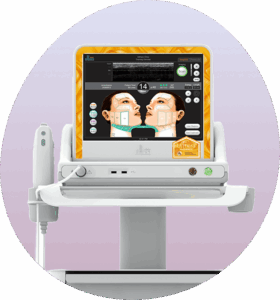
Popular procedures include dermal fillers, skin boosters, laser therapies, microwave-based lifting technologies, and stem cell applications, which can be used alone or in combination to target fine lines, sagging, and uneven tone. By stimulating collagen production, improving hydration, and supporting skin barrier function, these dermatology interventions help slow visible aging and maintain a fresh, vibrant, and naturally youthful look that complements preventive skincare routines.
In 2024–2025, South Korea treated over one million international patients annually, with dermatology consistently accounting for more than half of all treatments, according to national healthcare industry data. This highlights the global confidence in Korean dermatology for advanced skin rejuvenation and aesthetic care.
Get Advanced Aesthetic Treatments at Reberry Clinic
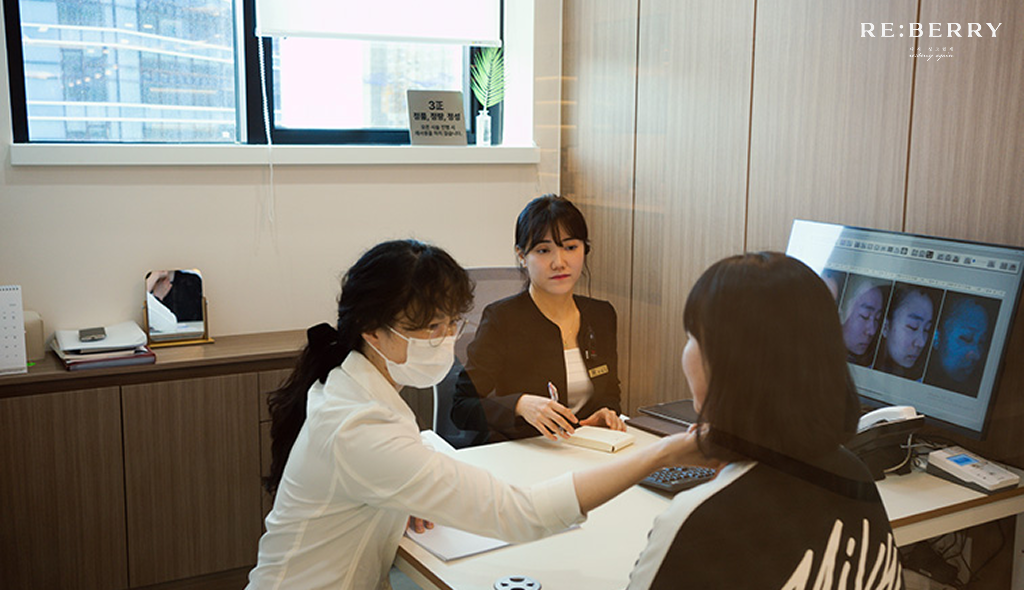
Having a youthful look requires a personalized dermatology treatment plan based on your skin condition and aging concerns. And, taking wrong treatment decisions can lead to poor results, skin damage, or faster visible aging. Therefore, you should always choose a medically trusted and experienced aesthetic clinic.
At Reberry Clinic, we have expert and qualified aesthetic medicine specialists who have dedicatedly served anti-aging treatments for years and are trusted by thousands of people around the world. Our expert doctors use advanced 3D analysis to design a medical treatment plan tailored specifically for your skin. To ensure safety and results, we only use FDA-approved products and certified medical devices, and we have treated numerous national and international patients and helped them achieve smoother, firmer, and more radiant skin.
So, ready for that famous Korean glow? Don’t wait! Book your consultation at Reberry Clinic today, and let us help you start your journey to a youthful appearance with luminous and radiant skin you’ve been dreaming of.