

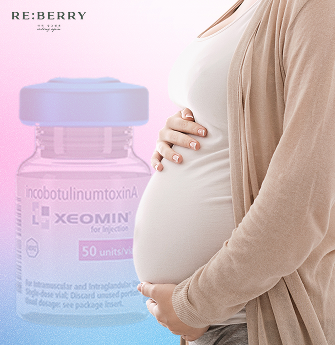
You just had Botox and discovered you are pregnant, or are considering Botox, but are worried about its safety during pregnancy. These conditions raise immediate concerns about potential risks to your baby, especially since Botox (onabotulinumtoxinA) involves a neurotoxin that temporarily relaxes muscles for wrinkle reduction or medical treatments. While it’s one of the safest cosmetic procedures for non-pregnant adults, pregnancy changes everything. Most experts advise against it due to limited human studies and ethical barriers to research.
In this article, we’ll explore how Botox works, what experts say about its safety during pregnancy, potential risks, and safe alternatives to help you maintain healthy, glowing skin throughout this important time.
What Is Botox and How Does It Work?
Botox is a purified form of Botulinum toxin type A, a protein that works by temporarily relaxing your specific targeted muscles. Botox is often injected in small controlled doses to reduce muscle activity and smooth the appearance of wrinkles. Botox works by temporarily blocking the nerve signals that tell muscles to contract. Normally, nerves release a chemical messenger called Acetylcholine, which triggers your muscle movement.
Botox also prevents the release of acetylcholine, stopping the muscle from contracting. As a result, the treated muscle relaxes, which helps soften lines and wrinkles in the treated area. Health care providers often inject small amounts of Botox into specific muscles to smooth wrinkles, prevent migraine headaches, and treat a wide range of other health conditions.
Is Botox Safe During Pregnancy?

It is generally recommended to avoid Botox during pregnancy due to limited evidence confirming that it is completely safe for pregnant women and their babies. The U.S. Food and Drug Administration (FDA) classifies botulinum toxin as a Category C drug, which means that there isn’t enough well-controlled research in pregnant humans to confirm whether it is completely safe or harmful to the fetus. Although Botox is generally considered safe for cosmetic use in adults, doctors suggest delaying treatments during pregnancy to avoid any possible risk to the developing fetus. Since Botox is an elective cosmetic procedure, most medical professionals advise waiting until after the baby is born.
According to Dr. DONGYOUNG KIM, Botulinum toxin is not known to be dangerous during pregnancy, but its safety has not been firmly established due to limited research. Because of this uncertainty, most medical professionals advise avoiding Botox treatments while pregnant.
For this reason, doctors usually recommend being careful and waiting until after pregnancy before getting Botox injections. Since there isn’t enough research to confirm that Botox is completely safe during pregnancy, it’s better to delay the treatment until after the baby is born.
What If You Had Botox Before Knowing You Were Pregnant?

It’s normal to feel worried when you regularly receive Botox and later find out that you were pregnant at the time of your injection. However, you can take a deep breath and stay calm. In most cases, Botox remains localized at the injection site, and only a very small amount enters the bloodstream, which is unlikely to reach the fetus and cause any harm.
While research on Botox during pregnancy is limited, there is no strong evidence showing harm when someone gets Botox treatments unknowingly during their pregnancy. However, a professional aesthetic medicine specialist suggests informing your provider and stopping any further Botox sessions until after you have given birth and finished breastfeeding.
What Are the Potential Risks of Botox During Pregnancy?

While Botox is injected in small amounts and usually stays localized, the full effects on fetal development are unknown. In rare cases, the botulinum toxin can spread beyond the injection site, leading to systemic effects similar to botulism symptoms in the mother, such as;
- muscle weakness,
- breathing difficulties,
- blurred vision
- Dry mouth
- Difficulty swallowing
- Fatigue or drooping eyelids
These symptoms usually develop within a few hours of receiving Botox injections, but they could take longer to develop and can indirectly impact pregnancy. For instance, severe muscle weakness or breathing difficulties could reduce the oxygen supply reaching the fetus, potentially leading to fetal distress. Pregnant women may also be more sensitive to these side effects due to changes in blood volume and immune response. Since Botox is primarily used for cosmetic purposes and has limited evidence regarding safety during pregnancy, the potential risks to a developing baby outweigh any benefits. For this reason, healthcare providers generally advise postponing Botox treatments until after pregnancy as the safest way to protect both mother and child.
What happens to your skin if you stop using Botox during pregnancy?

When you stop using Botox during pregnancy, you may first notice that the treated muscles gradually regain their strength and ability to contract, which can make the area look a bit more natural or less relaxed after prolonged use. Since Botox typically lasts three to six months, the effects will wear off on their own. The dynamic wrinkles like frown lines, crow’s feet, and forehead creases can slowly reappear, not because of pregnancy, but simply because the neurotoxin is no longer suppressing muscle movement.
Pregnancy hormones can have a surprisingly complex effect on your skin during this time. Elevated estrogen and progesterone may boost skin elasticity and hydration, contributing to the well-known “pregnancy glow” that can softly diminish the appearance of fine lines. However, these same hormones can also trigger increased oil production, melasma, and heightened skin sensitivity, making the absence of Botox more noticeable for some women.
Pregnancy-Safe Alternatives to Botox

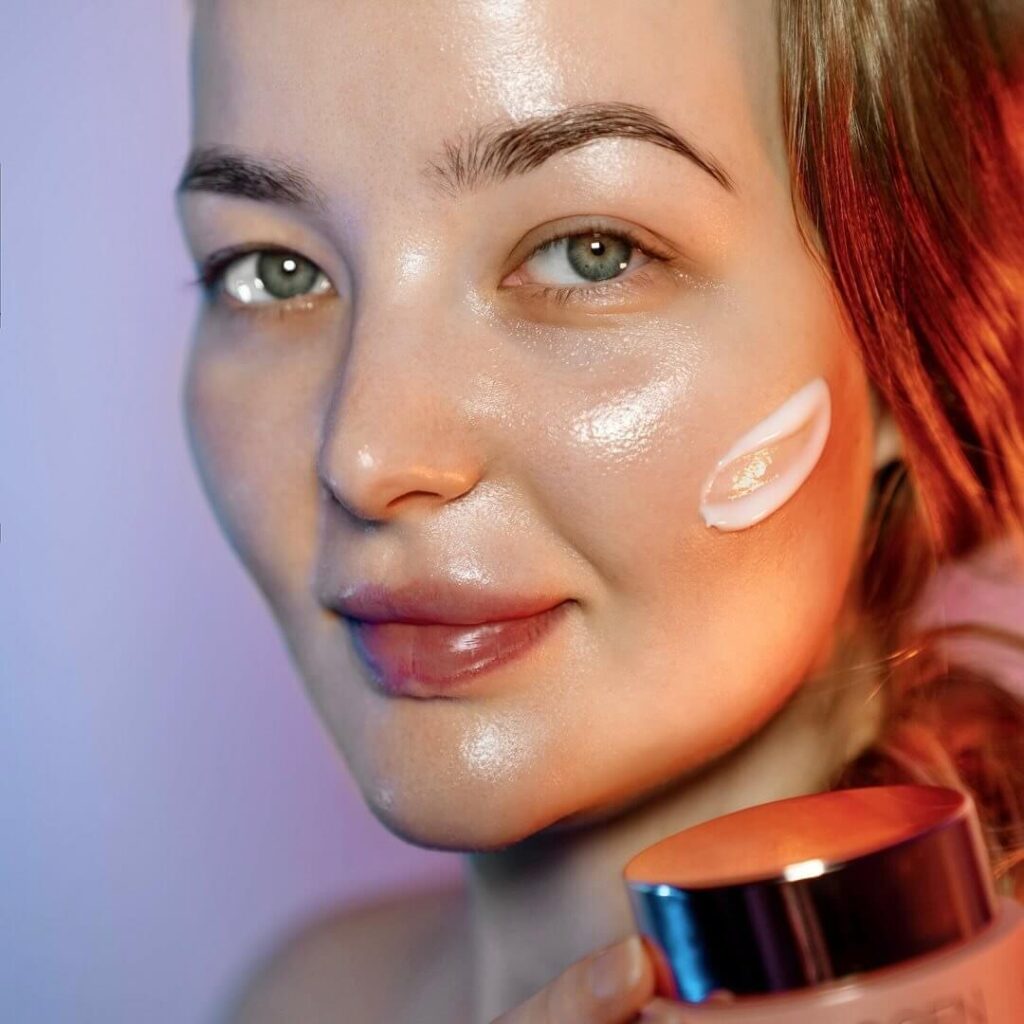
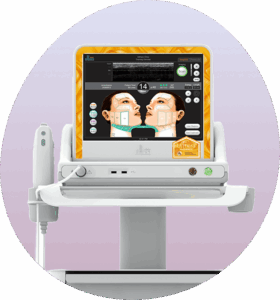
If you are pregnant and want to avoid Botox, various safe alternatives can keep your skin healthy while protecting your baby. Skincare ingredients like Vitamin C and Hyaluronic Acid can help brighten, hydrate, and plump the skin. Similarly, Non-invasive treatments such as LED Light Therapy, hydrafacial, can help stimulate collagen production, reduce inflammation, and improve skin texture without using harsh chemicals.
Hydrafacial
A HydraFacial is a non-invasive, three-step facial treatment designed to cleanse, exfoliate, and hydrate the skin, helping improve overall skin health with no downtime. During pregnancy, HydraFacial is generally considered safe and can be a good alternative to Botox for issues like hormonal acne and dryness. However, it’s important to be careful with the serums and acids used during the treatment. Always inform your aesthetic medicine specialist that you are pregnant so that only pregnancy-safe products are applied.
LED Light Therapy
LED light therapy is non-ionizing, meaning it does not carry the risks associated with UV light. Because it is non-invasive and does not enter the bloodstream, it is generally considered safe during pregnancy. LED therapy offers a chemical-free option to treat acne, reduce inflammation, and improve skin texture without exposing the fetus to any potential harm.
At-Home Skincare Options
During pregnancy, you can maintain healthy, radiant skin safely at home using gentle, pregnancy-approved products. As long as you do not have active skin inflammation, considering Hyaluronic acid, vitamin c and niacinamide are generally considered safe and help to combat dryness and improve elasticity, also fighting hyperpigmentation( melasma). Avoid ingredients such as retinoids and strong acids, as they can potentially cause congenital disabilities. Always check product labels and consult your aesthetic medicine specialist before using any new skincare products during pregnancy.
Get a Safe Pregnancy Skincare Treatment Plan at Reberry Clinic
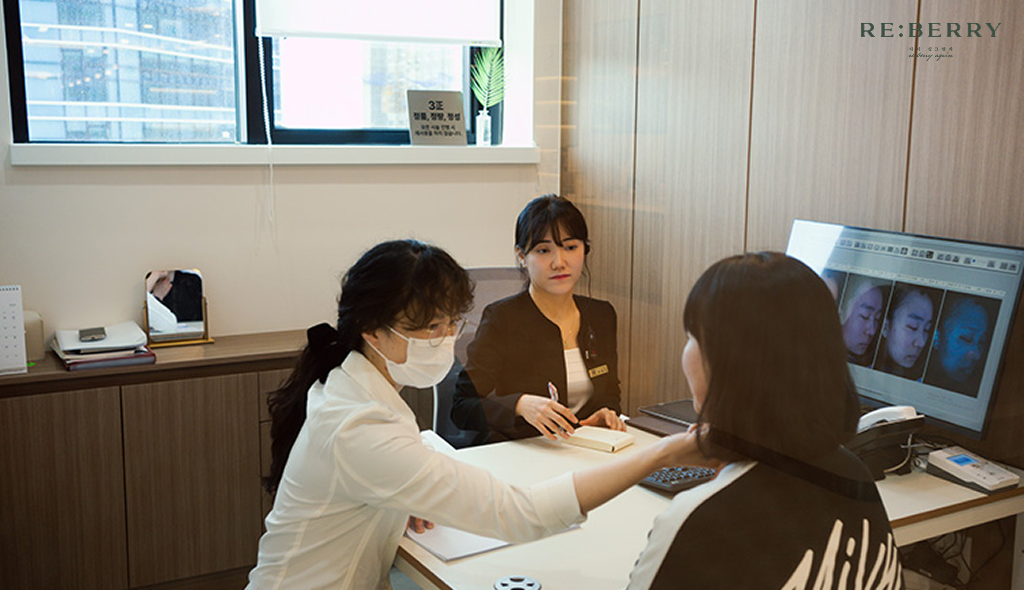
Botox is an advanced and effective treatment to reduce wrinkles and stimulate collagen, giving your skin a smoother appearance. However, during pregnancy, receiving Botox without proper customization or necessary precautions can pose risks and may potentially lead to complications or defects to the fetus.
At Reberry Clinic, we prioritize the safety of both mother and baby by offering pregnancy-safe skincare treatments tailored to your unique needs. Our expert team ensures all procedures and products are carefully selected to protect your health while helping you maintain glowing, healthy skin throughout your pregnancy journey.