


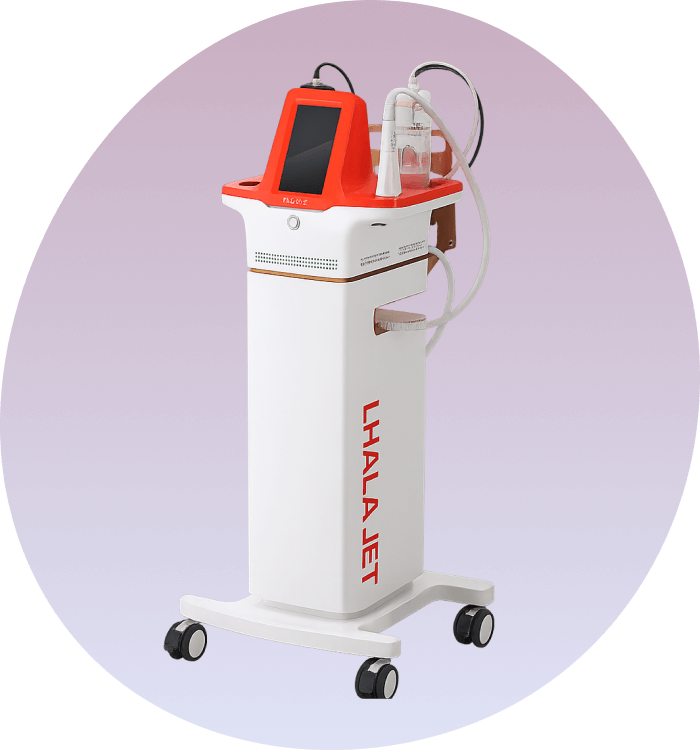
A Hydrafacial is worth it if your goal is deep cleansing, hydration and a same-day glow with no downtime, especially before an event or as regular maintenance. It is less worthwhile if you expect it to fix deep wrinkles, laxity or stubborn pigment, since hydradermabrasion works on the skin surface. Value depends on matching the treatment to the right concern and having realistic expectations.
“Is a Hydrafacial worth it?” is a frequently searched question about the treatment, and the honest answer is that it depends entirely on what you want from it. The Hydrafacial has become enormously popular, which invites both genuine praise and inflated promises. This guide cuts through that by explaining clearly what the treatment does well, where its limits lie, who tends to benefit most, and how to judge value for your own skin and goals.
Rather than selling the treatment, the aim here is to help you decide. We will look at the realistic benefits, the honest limitations, how results and value compare to alternatives, and the practical considerations for having one in Seoul as an international patient. The closing FAQ answers the specific decision questions people ask before booking, so you can arrive at a consultation knowing exactly what you are looking for.
The Short Answer: When It Is and Isn’t Worth It
A Hydrafacial is worth it when your goals align with what it actually does. If you want cleaner pores, a hydrated complexion and an immediate, downtime-free glow, the treatment delivers on those reliably, which is why it is a favorite before weddings, events and photoshoots and as a regular skin-health ritual. For maintenance and radiance, the value proposition is strong and the experience is comfortable and quick.
It is less worth it when expectations stray beyond surface skin quality. A Hydrafacial will not lift sagging skin, erase deep wrinkles, restore lost volume or remove established pigmentation, because it works on the outer layers rather than deeper structures. People hoping for those outcomes from a single facial are likely to be disappointed, not because the treatment failed, but because it was matched to the wrong concern.
So the worth-it question is really a matching question. The treatment is genuinely valuable within its lane and underwhelming outside it. Understanding that distinction before you book is the single most useful thing you can do, because it lets you judge value honestly and decide whether a Hydrafacial alone fits your goal or works well as one part of a broader plan. A consultation confirms the right fit.
It also helps to separate the treatment from the hype around it. Because the Hydrafacial is heavily marketed and widely shared online, it can be easy to absorb claims that promise more than any surface facial can deliver. Stripping those away and judging the treatment on what it reliably does, deep cleansing, hydration and an immediate glow, leaves you with a clear-eyed view. That clarity, more than any review, is what lets you decide whether the spend is justified for your own skin and goals.
What a Hydrafacial Genuinely Does Well
The Hydrafacial’s real strengths are cleansing, hydration and immediacy. Using a spiral handpiece that creates a vortex of fluid and gentle suction, it cleanses pores, lifts surface debris and infuses hydrating, antioxidant serums in one pass. The practical payoff is skin that looks visibly cleaner, plumper and more radiant the same day, with pores appearing clearer and the complexion more even, all without any recovery time.
Comfort and accessibility are part of the value too. The treatment is gentle enough for most skin types, including sensitive and reactive skin that might not tolerate stronger resurfacing, and it requires no numbing. Most people describe it as a cool, watery massage rather than anything uncomfortable. That combination of broad suitability, comfort and zero downtime is exactly why it fits busy schedules and pre-event timing so well.
It also works well as a consistent maintenance treatment. Because it keeps pores clear and skin hydrated, a regular cadence can support an even, healthy-looking complexion over time, especially alongside a good home routine. For people who value steady upkeep and a dependable glow rather than a single dramatic change, this maintenance role is where a Hydrafacial earns its keep and justifies the repeat visits.
There is also a psychological dimension worth naming honestly. Part of the value people place on a Hydrafacial comes from the reliable, comfortable experience itself and the immediate visible payoff, which is satisfying in a way slower treatments are not. That does not make the benefit imaginary; the skin genuinely looks fresher. But it does mean the worth of a session is partly about how much you value that dependable, instant result rather than purely about long-term skin change.
The Honest Limitations
The Hydrafacial’s limits follow directly from how it works. Because it acts on the skin surface and upper layers, it does not address deeper structural concerns. It will not tighten meaningful laxity, smooth deep wrinkles or replace lost facial volume, and it is not a treatment for established, stubborn pigmentation. Expecting those results from a hydrating facial sets you up for disappointment, so it is important to be clear-eyed about this from the start.
The other key limitation is duration. The glow is immediate but relatively short-lived, typically lasting from several days to around two weeks, which means a single session is a refresh rather than a lasting transformation. To maintain the effect you need to return regularly, and that ongoing cadence is part of the true cost and commitment. For some people that rhythm is appealing; for others it makes a different treatment a more economical choice.
None of this makes the treatment ineffective; it simply defines its scope. For deeper goals, a clinician would discuss other tools entirely. Stubborn dark spots might call for targeted dark spot removal, while persistent breakouts might need a structured acne treatment plan. Recognizing these limits is what lets you decide honestly whether a Hydrafacial is the right spend for your specific concern.
Who Gets Real Value From It
Certain people get clear, dependable value from a Hydrafacial. Those wanting deep cleansing, hydration and a quick glow, especially before an event, photos or travel, are the ideal candidates, because the treatment does precisely what they want with no downtime. People with congested, dull or dehydrated skin also tend to see an immediate, satisfying difference that makes the visit feel worthwhile.
It also suits people who like a maintenance routine. If you value consistent skin upkeep and a reliable, comfortable treatment you can repeat regularly, the Hydrafacial fits that mindset well, particularly for sensitive skin that cannot tolerate harsher options. By contrast, anyone primarily seeking firming, wrinkle reduction or pigment correction will get more value from treatments designed for those concerns, and a consultation can point them there.
The checklist below helps you place yourself. It is a starting point for your consultation, not a substitute for a professional assessment, since the right answer depends on your skin in person and on the concern you most want to address.
- Want a same-day glow, deep cleanse and hydration with no downtime: a Hydrafacial is likely worth it for you.
- Are preparing for a wedding, event, photos or travel: the immediate, recovery-free result fits perfectly.
- Have sensitive or reactive skin and want a gentle, comfortable treatment: hydradermabrasion suits you well.
- Want firming, deep-wrinkle smoothing or volume restoration: a facial alone will not deliver this; ask about alternatives.
- Have stubborn pigmentation or persistent acne: discuss targeted treatments, as a Hydrafacial is supportive rather than corrective here.
Hydrafacial Compared to the Alternatives
Judging worth is easier when you compare a Hydrafacial to its neighbors. Against a traditional facial, the Hydrafacial offers more controlled, consistent exfoliation and painless extraction plus serum infusion, which usually yields a more visible same-day glow. The trade-off is cost, since the device-based treatment generally sits at a higher price point than a manual facial, so the value depends on how much you prioritize that consistency and immediacy.
Against a chemical peel, the difference is depth and downtime. A peel resurfaces more aggressively and can address texture and pigment over a series, but it involves a renewal phase with flaking, whereas a Hydrafacial is gentle with no downtime but a shorter-lived effect. Many people actually combine them, using regular Hydrafacials for upkeep and occasional peels for deeper renewal, which can be better value than relying on either alone.
Against deeper treatments such as energy devices or injectables, there is no real overlap; those address laxity, wrinkles or volume that a facial cannot touch. For a luminous, glass-skin look a clinician might also mention a glass facial as a related option. The point is that a Hydrafacial is excellent value within its category and simply the wrong tool outside it, so comparing like with like keeps your decision grounded.
Framed this way, the comparison stops being about which treatment wins and becomes about which one matches your concern, your budget and your tolerance for downtime. A Hydrafacial competes well against other gentle, surface-level options and is not meant to compete against deeper procedures at all. Holding that distinction in mind as you weigh prices and reviews is the surest way to avoid feeling that a treatment disappointed you, when in truth it was simply asked to do a job it was never designed for.
How to Make It More Worth It
You can improve the value you get from a Hydrafacial with a few sensible choices. The first is matching the protocol and any boosters to your actual concern at consultation, so the session targets what matters to your skin rather than a generic template. Concentrated serums chosen for clarifying, brightening or soothing can make a single session more relevant to your goals when selected thoughtfully.
The second is supporting results between visits. Because the glow is surface-level and time-limited, a consistent home routine and diligent sun protection do a lot to extend the benefit and keep skin healthy. Pairing a Hydrafacial with good skin care turns occasional treatments into a more durable improvement, which materially changes the value equation over months rather than days.
The third is timing and frequency. Booking a session a day or two before an event captures the glow when you most want it, while a steady maintenance cadence suits ongoing upkeep. A clinician can help you find a realistic frequency for your skin rather than over-treating, and for visitors they can fit sessions sensibly around a trip. Thoughtful planning is what separates a worthwhile spend from an impulse one.
Common Misconceptions That Affect the Decision
Several myths can distort the worth-it judgment, so it helps to clear them up. The first is that a Hydrafacial is a luxury with no real substance. In fact, peer-reviewed research shows hydradermabrasion produces measurable skin-quality changes, so it is not merely a pampering ritual; it simply works on the surface rather than the deep structures, which is a question of scope, not effectiveness.
A second misconception is that one session delivers a lasting transformation. Because the glow is time-limited, treating a single facial as a permanent fix leads to disappointment, whereas viewing it as maintenance or a pre-event refresh sets a fair expectation. People who understand this rarely feel a Hydrafacial was a waste, because they bought exactly what it offers: a reliable, comfortable, downtime-free improvement in surface skin quality.
A third myth is that more expensive automatically means better. Added boosters and longer protocols can be genuinely useful when matched to your concern, but stacking add-ons you do not need inflates cost without adding value. The smarter approach is to let a clinician recommend only what your skin actually benefits from, which keeps the treatment relevant and the spend justified rather than padded with extras.
Questions to Ask at Your Consultation
A good consultation is where the worth-it question gets answered for your specific skin, so it helps to arrive with the right questions. Start by asking whether a Hydrafacial is the appropriate tool for your main concern at all, or whether another treatment would serve you better. An honest clinic will tell you when a facial is supportive rather than corrective, which protects you from spending on the wrong solution.
It is also worth asking which boosters, if any, genuinely suit your skin, and why. Rather than accepting a default upsell, you want to understand what each add-on targets and whether it addresses your concern. Ask too about realistic frequency: how often you would need to return to maintain results, since that ongoing cadence is part of the true cost and shapes whether the treatment is worthwhile for you long-term.
Finally, ask how to protect your results between visits and whether combining treatments would improve value. A clinician at Reberry Clinic can explain how good skin care and sun protection extend the benefit, and whether pairing the facial with another treatment makes sense for your goals. These questions turn a consultation into a genuine decision aid rather than a sales conversation, which is exactly what you want before committing.
It is also reasonable to ask about realistic results for your particular skin and concern, including what a single session can and cannot achieve. A candid clinic will set expectations rather than promise outcomes, and that honesty is itself a sign the advice is trustworthy. When you leave a consultation understanding the scope, the cadence and the alternatives, you are equipped to judge value for yourself rather than relying on marketing, which is a sound footing for any aesthetic decision.
Scientific evidence
Peer-reviewed research supports the idea that hydradermabrasion produces real, measurable skin changes, which is relevant to judging whether it is worth it. The foundational study by Freedman randomized twenty women over six treatments, comparing hydradermabrasion with an antioxidant serum against the same serum applied manually. Biopsies in the hydradermabrasion group showed increased epidermal thickness, increased papillary dermal thickness and significantly higher polyphenolic antioxidant levels (P less than 0.01), with reduced fine lines, pore size and hyperpigmentation.
Those results matter because they show the vortex delivery does more than feel pleasant: it objectively improved skin-quality markers and serum uptake compared with manual application. At the same time, the study reflects a series of treatments rather than a single session, which aligns with the honest point that a Hydrafacial’s strength is cumulative maintenance rather than a one-time transformation. Value, in other words, tends to build with consistency.
Imaging research adds nuance to the immediate effect. A 2024 study by Razi and colleagues used Line-Field Confocal Optical Coherence Tomography to image skin after hydradermabrasion and documented a visible reduction in stratum corneum thickness within about ten minutes, confirming the prompt exfoliation behind the same-day glow, while also observing transient mild inflammation that scaled with treatment intensity. Comparative work on related modalities, such as El-Domyati’s histometric microdermabrasion study, similarly shows surface-resurfacing techniques yield gradual, measurable improvement rather than dramatic instant change. None of these studies describe permanent results.
Freedman BM. Hydradermabrasion: an innovative modality for nonablative facial rejuvenation. Journal of Cosmetic Dermatology. 2008;7(4):275-280. doi:10.1111/j.1473-2165.2008.00406.x
Razi S, Truong TM, Khan S, Sanabria B, Rao B. Hydradermabrasion through the lens of Line-Field Confocal Optical Coherence Tomography. Skin Research and Technology. 2024;30(4):e13684. doi:10.1111/srt.13684
El-Domyati M, Hosam W, Abdel-Azim E, Abdel-Wahab H, Mohamed E. Microdermabrasion: a clinical, histometric, and histopathologic study. Journal of Cosmetic Dermatology. 2016;15(4):503-513. doi:10.1111/jocd.12252
Is It Worth It for International Patients in Seoul?
For international patients, a Hydrafacial can be particularly worthwhile in Seoul precisely because it fits travel so well. With no downtime, it slots into a packed itinerary without costing you recovery days, and it can be timed just before an event for a fresh, photo-ready finish. Reberry Clinic supports international patients with multilingual staff (English, Simplified Chinese, Traditional Chinese, Japanese and Spanish), so the consultation, booster choices and aftercare are easy to follow.
The clinic operates three Seoul-area locations (Gangnam, Myeongdong and Incheon Airport), which adds practical value for visitors, since you can choose the branch that suits your route, including a stop tied to your arrival or departure. For travelers who want a dependable glow without committing recovery time, that convenience genuinely improves the worth-it calculation compared with treatments that require careful downtime planning.
Where the value question gets more individual is frequency. Because the effect is time-limited, a single session during a trip is a refresh rather than a lasting change, so a visitor should weigh whether they want a one-off glow or plan to maintain it at home afterward. Sharing your goals and travel dates with the clinic early lets the team give an honest recommendation rather than overselling a series you do not need.
For visitors weighing the spend, it can help to frame the Hydrafacial as one part of a Korea skincare experience rather than the centerpiece. Paired with thoughtful consultation, it complements other treatments you might be considering and slots in around them without competing for recovery time. The clinic’s three locations make it convenient to add a session wherever your plans take you, and the multilingual support means nothing about candidacy, boosters or aftercare gets lost in translation, which protects the value of what you pay for.
Influencers with Reberry




















Planning a visit? A short consultation can help you judge honestly whether a Hydrafacial fits your goals, or whether another treatment offers better value for your concern. Our multilingual team at Reberry Clinic is happy to walk you through what it can and cannot do, the realistic results and aftercare before you decide.

Dr. Yoon-Gon Ryu
Frequently Asked Questions
Is a Hydrafacial really worth the money?
It is worth it if you want deep cleansing, hydration and a same-day glow with no downtime, especially before an event or as maintenance. It is less worth it if you expect deep wrinkle, laxity or pigment correction, since a Hydrafacial works on the surface. Value depends on matching it to the right concern.
How long does a Hydrafacial glow actually last?
The glow appears immediately and typically lasts from several days to around two weeks, depending on your skin, lifestyle and skincare. Because it is a surface treatment, a single session is a refresh rather than a lasting change. Regular sessions and good home care help maintain the result between visits at Reberry Clinic.
Will a Hydrafacial get rid of my wrinkles?
No, a Hydrafacial will not remove deep wrinkles, because it works on the skin surface rather than the deeper structures wrinkles come from. It can make skin look smoother and more hydrated temporarily. For wrinkle concerns, a clinician at Reberry Clinic would discuss other treatments better suited to that goal during your consultation.
Is a Hydrafacial worth it for acne-prone skin?
It can be worthwhile for clearing pore congestion and excess oil gently, and boosters may target clarifying. For active or persistent acne, though, a structured acne treatment plan usually offers better value. Reberry Clinic assesses your skin first to advise whether a Hydrafacial alone is enough for your breakouts.
Is a Hydrafacial better than a regular facial?
A Hydrafacial offers more controlled exfoliation, painless extraction and serum infusion than a manual facial, usually giving a more visible same-day glow. It also costs more, so whether it is better depends on how much you value that consistency and immediacy. Both aim to cleanse and refresh, but the Hydrafacial is more device-driven and uniform.
Weighing alternatives? The glass facial before and after photos show what a related in-clinic protocol delivers.
How often do I need a Hydrafacial for it to be worth it?
Many people repeat a Hydrafacial every few weeks, since its glow lasts days to about two weeks. A regular cadence is part of the value if you want ongoing maintenance. A consultation at Reberry Clinic in Seoul can suggest a realistic frequency for your skin rather than over-treating with sessions you do not need.
Is a Hydrafacial worth getting before a wedding or event?
Yes, this is one of its strongest use cases. A Hydrafacial gives an immediate glow with no downtime, so there is nothing to recover from before photos. Many people book it a day or two beforehand. Sharing your event date with Reberry Clinic helps the team time the session for a fresh-skin finish.
Does a Hydrafacial work on large pores or blackheads?
A Hydrafacial clears pore congestion and blackheads through painless vortex suction, so pores look cleaner and less visible temporarily. It does not permanently shrink pores. For more persistent texture or pore concerns, a clinician at Reberry Clinic may discuss resurfacing options during your consultation rather than relying on a facial alone.
Is a Hydrafacial worth it if I have sensitive skin?
Often yes. A Hydrafacial is gentle and non-ablative, so it is generally well tolerated by sensitive and reactive skin that cannot handle stronger resurfacing. Tell the clinician about your sensitivity so serums and protocol can be tailored. For many sensitive-skin patients at Reberry Clinic, it is a comfortable way to get a glow without irritation.
Hydrafacial or chemical peel: which is better value?
It depends on your concern. A Hydrafacial is gentle with no downtime but a shorter-lived effect, while a chemical peel resurfaces more deeply with a renewal phase. Many people get strong value by combining them. A consultation at Reberry Clinic can help you decide whether one, the other, or both suit your goals.
Can a Hydrafacial fade dark spots?
A Hydrafacial supports brightness gently but does not erase established pigmentation, since it works on the surface. For stubborn dark spots, targeted dark spot removal usually offers better value. Reberry Clinic can advise whether a facial is supportive enough or whether a dedicated pigment treatment suits your skin better.
Is a single Hydrafacial enough, or do I need a series?
A single Hydrafacial is enough for a one-off glow before an event, which many travelers want. For cumulative skin-quality benefit, a regular series tends to be more worthwhile, as research reflects effects building over multiple sessions. Reberry Clinic can advise honestly whether one session or a few suits your goals and stay.
What makes a Hydrafacial more worth the cost?
Matching boosters to your concern, supporting results with consistent skin care and sun protection, and timing sessions sensibly all raise the value. Booking before an event captures the glow when it matters most. A clinician at Reberry Clinic can tailor the protocol so each session targets what your skin actually needs.
Is a Hydrafacial worth it during a short trip to Seoul?
Yes, because it has no downtime and fits a packed itinerary without costing recovery days, and it can be timed before an event. For visitors, a single session is a refresh rather than a lasting change. Sharing your travel dates with Reberry Clinic lets the team give an honest recommendation rather than overselling a series.
Are there any risks or reasons a Hydrafacial might not be worth it?
A Hydrafacial is gentle, but it is not worthwhile if you have an active infection, an inflammatory flare, sunburn or broken skin, when it may be postponed. It is also poor value if your real goal is firming, deep wrinkles or volume. Reberry Clinic assesses your skin first to confirm it genuinely suits your concern.