



A glass skin facial is a multi-step Korean skincare program of gentle cleansing, mild exfoliation, layered hydrating serums and a moisture-sealing mask, designed to leave skin smooth, even and luminous like glass. It improves surface hydration, tone and glow rather than treating deep wrinkles or laxity, with little downtime and results that build over a short course of sessions.
The term glass skin has traveled far beyond Korea, but the facial behind it is often misunderstood. People sometimes imagine a single high-tech device or a dramatic procedure, when in reality a glass skin facial is a layered, gentle skincare program assembled from familiar steps. Understanding what it genuinely is, and just as importantly what it is not, helps you decide whether it matches your skin and your expectations before you book.
This guide answers the core question directly, then explains the science of the glassy glow, the steps involved, who it suits, what results to expect, and how to plan a visit as an international patient in Seoul. The tone is deliberately honest: a glass facial is a lovely, effective radiance and hydration treatment, but it works at the surface, and clear expectations are the key to being happy with it.
What Exactly Is a Glass Skin Facial?
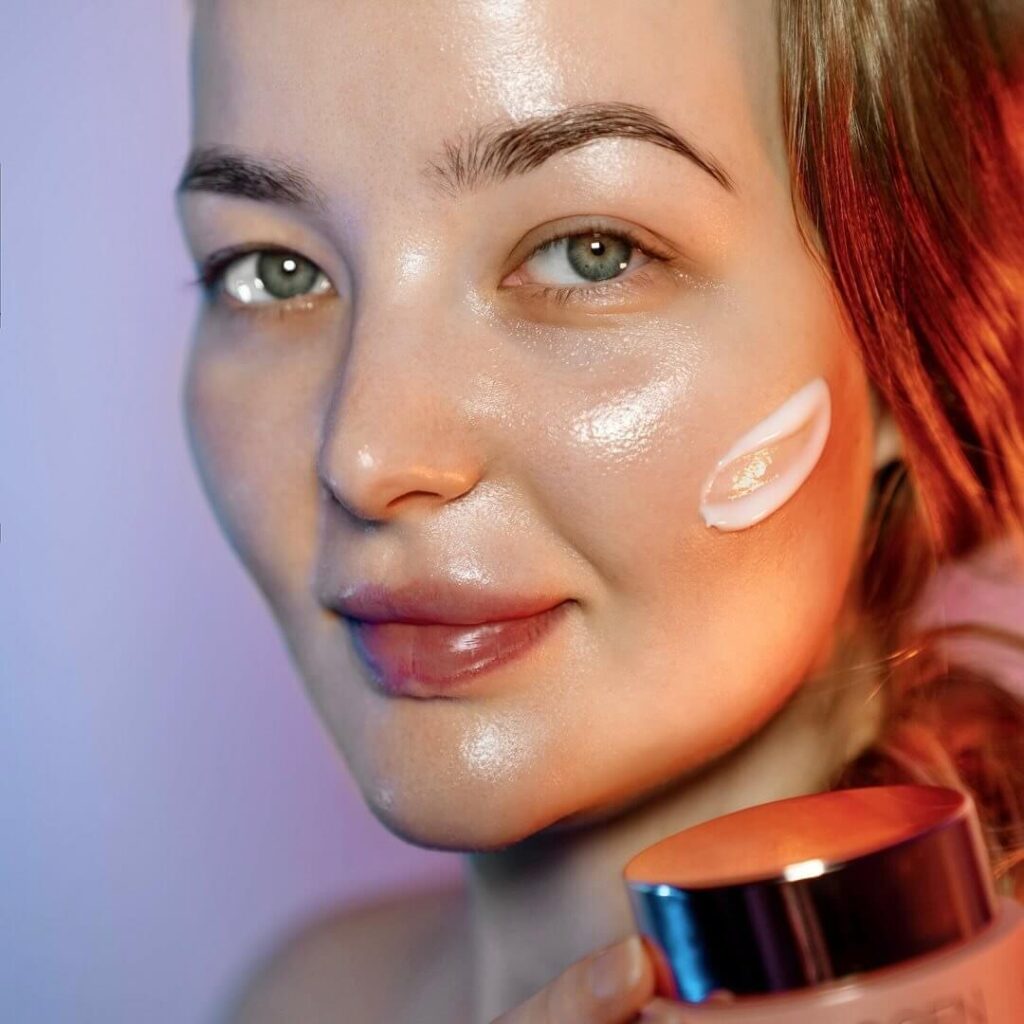
A glass skin facial is a multi-step skincare program rather than a single machine, injection or laser. Its name describes the goal: skin that looks as smooth, clear and reflective as a pane of glass, with refined-looking pores, even tone and a soft, luminous, almost dewy finish. The treatment pursues that look through layered hydration and gentle surface care, not through resurfacing or structural change.
The program typically combines a hydrating cleanse, a mild enzyme or acid exfoliation, multiple layered serums and essences rich in humectants such as hyaluronic acid, and a hydrating sheet or hydrogel mask to seal moisture in. Some protocols add barrier-supporting ingredients such as ceramides or niacinamide, or a gentle massage. Each step is chosen to support the next, which is why it is delivered as a sequence rather than one action.
It is worth being honest about what this means. Because the facial works mainly at the skin’s surface and upper layers, it improves hydration, smoothness, tone and glow rather than removing deep wrinkles or lifting sagging skin. That is not a limitation to apologize for; it is simply the right way to set expectations, so you can appreciate the genuine radiance it delivers without expecting it to do a different treatment’s job.
The Science Behind the Glassy Glow
The glass-skin look depends largely on the outermost layer of skin, the stratum corneum, being smooth, intact and well hydrated. When that layer is even and moisture-rich, light reflects off it uniformly and the skin reads as luminous and glassy; when it is dry, rough or uneven, light scatters and the skin looks dull and tired. A glass facial is essentially a structured way to optimize that surface for light reflection.
Each step contributes to that physics. Gentle exfoliation removes dead surface cells so the skin is smoother and reflects light more evenly, and it also makes the skin more receptive to what follows. Hydrating serums then deliver humectants like hyaluronic acid that bind water in the upper layers, plumping the surface, while a mask helps seal that moisture in. Barrier ingredients such as ceramides support the skin’s ability to hold water afterward.
This is why the effect is real but gradual and maintainable rather than permanent. Skin continuously sheds cells, loses water and is exposed to sun, climate and lifestyle, so the glassy finish naturally fades and benefits from upkeep. Framing the treatment around the skin’s own water-handling makes both the glow and its timeline easy to understand, and it explains why a course often works better than a single session for sustained radiance.
The role of hydration here is worth emphasizing, because it is the part people most often underestimate. Well-hydrated skin is not just more comfortable; it physically plumps the fine surface texture so light reflects more smoothly, which is most of what we read as glow. Humectants such as hyaluronic acid draw and bind water in the upper layers, while occlusive and barrier-supporting steps reduce how quickly that water escapes. The glassy look is therefore as much about retaining moisture as adding it, which is why barrier ingredients matter alongside the hydrators.
This also clarifies a common point of confusion: a glass facial is not a peel or a resurfacing treatment, even though it includes exfoliation. The exfoliation step is deliberately mild, intended only to smooth the very surface and improve receptivity, not to strip layers or force visible peeling. Keeping that distinction clear helps set the right expectation, since the goal is a soft, hydrated luminosity rather than the more aggressive turnover and downtime associated with chemical peels or ablative procedures.
What a Glass Facial Treats and What It Doesn’t
A glass facial is best understood by its strengths. It targets dullness, dehydration, uneven tone, rough texture and a tired-looking complexion, replacing them with smoother, brighter, more hydrated and reflective skin. People who want an overall refresh, a healthy glow, or to prep their skin before an event tend to be the happiest candidates, because those goals align with what layered hydration and gentle exfoliation genuinely deliver.
It is equally important to be clear about what it does not do. A glass facial does not remove deep, established wrinkles, lift sagging or jowls, dissolve fat, or correct deep pigmentation in a single pass, because none of those sit at the surface where the treatment works. Expecting structural or deep change from a surface facial is the most common reason people feel underwhelmed, so honesty here protects your experience.
When a concern sits deeper, a clinician can map it to a more suitable tool. Deeper pigmentation or texture may respond better to a laser treatment, skin-quality regeneration can be supported with an injection treatment such as a skin booster, and firmness or lifting goals belong to energy-based or surgical options. Matching each concern to the right approach is exactly what a consultation is for.
None of this diminishes what a glass facial does well; it simply places it accurately. Think of it as the radiance-and-hydration layer of a skincare plan rather than the corrective layer. For someone whose skin is fundamentally healthy but looks dull, tight or uneven, that radiance layer may be all they need to look refreshed. For someone whose main issue is a deeper structural or pigment concern, a glass facial can still be a pleasant complement, but it should not be expected to carry the whole result on its own.
Being honest about these boundaries actually makes the treatment more satisfying, because expectations and outcome line up. People who arrive understanding that a glass facial delivers smooth, hydrated, luminous skin, rather than a facelift or a deep peel, tend to be genuinely pleased with the glow. A consultation is the right place to confirm that fit, so the clinician can either tailor a glass facial to your goals or point you toward a more appropriate option without overselling.
Who Is a Good Candidate?
Good candidates for a glass skin facial generally want brighter, smoother, better-hydrated skin without downtime, and most skin types tolerate the program well because it is gentle and non-ablative. It suits people whose main concerns are dullness, dehydration, uneven tone or rough texture, and who prefer a relaxing, layered treatment over an aggressive resurfacing procedure. It is also a popular choice for prepping skin before a special occasion.
Some people should take extra care or wait. Active inflammatory breakouts, open or irritated skin, recent peels or laser work, eczema or rosacea flares, and certain sensitivities may mean adjusting the protocol or postponing the visit. Anyone with a known allergy to a serum ingredient should flag it, and pregnancy or specific skin conditions should be disclosed so the clinician can confirm suitability and tailor a gentle, appropriate approach.
The checklist below helps frame whether a glass facial fits your goals. It is a starting point for a consultation, not a substitute for a professional assessment, because the right answer depends on your skin in person and on the concern you most want to address.
- Mainly want hydration, brighter tone and a smooth, dewy glow: a glass facial is well suited.
- Looking to prep skin before an event with no downtime: a glass facial fits that goal.
- Hoping to remove deep wrinkles or lift sagging: discuss other approaches, as this works at the surface.
- Have very reactive or sensitive skin: tell the clinician so the protocol can be softened.
- Have active breakouts, irritated skin, recent procedures or ingredient allergies: raise this early so the clinician can advise and adjust safely.
What the Session Feels Like
A glass facial is generally experienced as relaxing and spa-like rather than clinical or uncomfortable. It begins with a consultation and skin check so the clinician understands your concern, confirms candidacy and selects suitable products. The face is then cleansed thoroughly with a hydrating cleanser, creating a clean base so the active steps that follow can work on skin free of makeup and debris.
From there, the clinician works through the layered steps: a gentle exfoliation to smooth and prime the surface, then careful application of hydrating serums and essences, often with a soothing facial massage to aid absorption and circulation. A hydrating sheet or hydrogel mask is usually applied and left on to drive moisture deeper and lock it in, which many people find the most relaxing part of the visit.
The session finishes with soothing steps, moisturizer and sunscreen to protect the freshly treated skin. Most people feel only pleasant sensations throughout, perhaps a mild tingle during exfoliation depending on their skin. Exact timing and product choices are decided on the day to suit you, so the clinician may adjust as they go, and the cumulative layering is what produces the smooth, glassy finish by the end.
Part of what makes the experience feel different from a routine at home is the order and quality of the layering, which a clinician controls precisely. Lighter, water-based hydrators go on before heavier occlusive steps so each layer can absorb properly, and the mask is timed to seal that hydration in rather than left on arbitrarily. This deliberate sequencing is why an in-clinic glass facial tends to produce a more even, longer-lasting glow than simply applying several products quickly one after another.
It is also a good moment to ask questions, since you are in the chair and the clinician is assessing your skin directly. Many people use the session to learn which ingredients suited their skin and how to support the result at home, turning a single visit into useful guidance for an ongoing routine. For international patients, having that conversation in your own language makes it far more valuable, which is one reason multilingual support matters during the appointment.
Results and How Long They Last
Glow from a glass skin facial is largely visible right away, but it is not permanent because skin constantly renews and loses moisture. After a single session, most people notice smoother, more hydrated, more luminous skin that looks freshest in the first days. Because the treatment works at the surface, that initial glow naturally softens over the following weeks as the skin cycles and environmental factors take effect.
The treatment’s real strength is cumulative, so a short course spaced over weeks tends to build a smoother tone and a more sustained luminosity than one session alone. The layered hydration and gentle exfoliation have a compounding effect, which is why many people treat a glass facial as an ongoing radiance routine, returning periodically to keep the glassy finish topped up rather than expecting a single visit to hold indefinitely.
How long any result lasts depends heavily on factors outside the treatment itself: your skin type, hydration habits, sun exposure, skincare routine and lifestyle all play a part. Diligent moisturizing and daily sunscreen meaningfully extend the glow, while dehydration, sun damage and harsh products shorten it. A clinician can give you a realistic, personalized estimate after evaluating your skin, rather than a single timeline that applies to everyone.
Scientific evidence
Peer-reviewed research supports the surface-level mechanisms a glass skin facial relies on: topical hydration ingredients and gentle exfoliation can produce measurable improvements in skin hydration, smoothness and the appearance of tone. For hyaluronic acid, a central humectant in these protocols, a multicenter clinical evaluation by Robinson and colleagues of a topical hyaluronic acid serum reported statistically significant increases in skin hydration at weeks four and eight versus baseline, with favorable participant ratings across measured parameters. A broader literature review concluded that topical hyaluronic acid improves hydration, smoothness and signs of skin quality when applied to the surface.
Barrier-supporting ingredients such as ceramides, often layered into hydration-focused facials, also have support. A qualitative review by Kono and colleagues analyzed dozens of controlled studies and concluded that ceramide-containing formulations improve the stratum corneum’s water-retention and barrier function. A randomized controlled study by Lueangarun and colleagues found a ceramide cream improved skin dryness and barrier measures over 24 hours and across 7 and 28 days versus a hydrophilic comparator, reinforcing that hydration and barrier support translate into measurable improvement.
Niacinamide, a common addition for tone and barrier support, has been studied for its effect on the skin’s water-handling. Research published in Scientific Reports examined how niacinamide influences the stratum corneum’s structure and water sorption, finding it enhances water uptake at higher humidity and supports barrier organization, which is consistent with its role in radiance-focused care. Across this evidence the consistent message is that hydration, gentle exfoliation and barrier support produce real but gradual and maintainable surface improvement, never a permanent or guaranteed outcome that applies identically to everyone. This is precisely why clinicians frame a glass facial around realistic, repeatable timelines.
Robinson DM, et al. Multicenter evaluation of a topical hyaluronic acid serum. Journal of Cosmetic Dermatology. 2022;21(9):3848-3858. doi:10.1111/jocd.15241
Kono T, Miyachi Y, Kawashima M. Clinical significance of the water retention and barrier function-improving capabilities of ceramide-containing formulations: A qualitative review. The Journal of Dermatology. 2021;48(12):1745-1758. doi:10.1111/1346-8138.16175
Lueangarun S, Tragulplaingam P, Sugkraroek S, Tempark T. The 24-hr, 28-day, and 7-day post-moisturizing efficacy of ceramides 1, 3, 6-II containing moisturizing cream compared with hydrophilic cream on skin dryness and barrier disruption in senile xerosis treatment. Dermatologic Therapy. 2019;32(6):e13090. doi:10.1111/dth.13090
Glass Facial in the Wider K-Beauty Picture
The glass skin facial sits within a broader Korean approach to skincare that prioritizes barrier health, hydration and a natural, healthy-looking glow over heavy coverage or aggressive correction. That philosophy is part of why the treatment resonates: it is less about a single dramatic intervention and more about consistently supporting the skin so it looks its best. The in-clinic facial often complements a careful daily routine at home.
Because it is gentle and surface-focused, a glass facial also pairs well with other treatments within a thoughtful plan. Some people use periodic deeper cleansing such as a Hydrafacial for decongestion alongside a glass facial as their ongoing radiance routine. Any combination should be planned and spaced by a qualified clinician, who considers your skin type, sensitivity and recovery before recommending how to sequence them.
Set against more intensive options, a glass facial is the gentle, maintenance-oriented end of the spectrum. It will not replace energy-based tightening, lasers or injectables, and it is not meant to. Its role is to keep skin hydrated, smooth and luminous, which for many people is exactly the result they want, and a consultation can help you decide whether that role matches your goals or whether another approach fits better.
Planning a Glass Skin Facial in Seoul
Seoul is a natural place to experience a glass skin facial, since the glass-skin aesthetic grew out of Korean skincare culture, and clinics are accustomed to international visitors. Reberry Clinic supports international patients with multilingual staff (English, Simplified Chinese, Traditional Chinese, Japanese and Spanish), which makes the consultation, the explanation of steps and ingredients, and the aftercare guidance far easier to follow when you are away from home and want to understand exactly what is happening to your skin.
The clinic operates three Seoul-area locations (Gangnam, Myeongdong and Incheon Airport), so you can often choose the branch that suits your route, whether a central Seoul visit or a stop tied to your arrival or departure. Because a glass facial has little or no downtime, many travelers fit a session around sightseeing or before an event, and a single session sits comfortably within a short trip without disrupting plans.
If you are considering a course rather than a single session, a little planning helps. You might start a course in Korea and continue a supportive routine at home, or space sessions across a longer stay. Sharing your travel window and goals with the clinic early lets the team confirm a realistic plan, explain candidacy and outline aftercare, so the treatment fits your skin and your itinerary rather than being rushed.
Influencers with Reberry




















Planning a visit? A short consultation can clarify whether a glass skin facial matches your skin and goals, and fit a session or course around your travel schedule. Our multilingual team at Reberry Clinic is happy to walk you through what the treatment includes, candidacy and aftercare before you decide.
Dr. Yoon-Gon Ryu
Frequently Asked Questions
What is a glass skin facial?
A glass skin facial is a multi-step Korean skincare program, not a single device. It combines a hydrating cleanse, gentle exfoliation, layered hydrating serums and a moisture-sealing mask to leave skin smooth, even and luminous. You can review glass facial details and confirm a tailored protocol during a consultation at Reberry Clinic in Seoul.
How does a glass skin facial create that glassy glow?
It optimizes the skin’s surface to reflect light evenly. Gentle exfoliation smooths the outer layer, hydrating serums with hyaluronic acid plump and bind water, and a mask seals moisture in. When the surface is smooth and well hydrated, light reflects uniformly, giving the luminous, glassy finish that defines the look.
Does a glass skin facial remove wrinkles or lift sagging?
No. A glass facial works at the skin’s surface to improve hydration, tone and glow, so it does not remove deep wrinkles or lift sagging. For firmness or lifting, a clinician may discuss energy-based options or a face lift during your consultation in Seoul, matched honestly to your concern rather than to this facial.
Is a glass skin facial painful?
No, it is generally relaxing rather than painful. The steps, cleansing, gentle exfoliation, serum layering, optional massage and a mask, feel spa-like for most people, with perhaps a mild tingle during exfoliation. The clinician adjusts the protocol to your skin and sensitivity, so tell them if any step feels uncomfortable during the session at Reberry Clinic.
How long do glass skin facial results last?
Glow is visible right away but is not permanent, since skin renews and loses moisture. The initial effect softens over weeks, so a glass facial is often repeated as a course for sustained radiance. Diligent moisturizing and daily sunscreen meaningfully help the result hold longer between visits.
How many glass skin facial sessions do I need?
There is no fixed number, but a glass facial is often done as a short course spaced over weeks for cumulative radiance, then periodically for upkeep. A single session still gives glow, yet layering builds smoother tone. A consultation at Reberry Clinic confirms a personalized schedule based on your skin and travel plans.
Who is a good candidate for a glass skin facial?
It suits most skin types wanting hydration, brighter tone and a smooth, dewy glow, especially for dullness, dehydration or uneven texture. Some should wait or adjust the protocol, such as those with active breakouts, irritated skin, recent peels, eczema or rosacea flares, or ingredient allergies. A consultation at Reberry Clinic confirms suitability and tailors a gentle approach.
Is there downtime after a glass skin facial?
There is little or no downtime, which appeals to travelers. Most people resume activities and apply makeup the same day, with any mild flush from exfoliation settling quickly. For a day or two, use sunscreen and avoid saunas and harsh actives. Follow the aftercare from Reberry Clinic and contact them if anything feels unusual.
What is the difference between a glass facial and a Hydrafacial?
A glass facial is a multi-step manual program built for layered radiance, while a Hydrafacial is a single device treatment using hydradermabrasion that exfoliates, extracts and infuses serums in one pass. Both improve surface hydration and glow. A clinician at Reberry Clinic can help you decide which fits your skin and schedule.
Can sensitive skin have a glass skin facial?
Often yes, because the program is gentle and non-ablative, and the clinician can soften exfoliation, choose calmer serums and patch-test where appropriate. Active flares of conditions like rosacea or eczema may mean postponing. A consultation reviewing your skin type and history is the right way to confirm a suitable, individualized plan at Reberry Clinic.
What ingredients are used in a glass skin facial?
Protocols vary, but they commonly feature humectants like hyaluronic acid to bind water, plus barrier-supporting ingredients such as ceramides or niacinamide, alongside gentle exfoliating enzymes or acids. The clinician selects ingredients suited to your skin type and concern, and you should flag any known allergies during the consultation at Reberry Clinic so the products chosen are safe for you.
New to the treatment? Our gallery of glass facial before and after photos shows how results look after a full course.
How should I prepare before a glass skin facial?
Arrive with clean skin and tell the clinic about recent peels, laser work, active breakouts, skin conditions, pregnancy or ingredient allergies, since these affect candidacy and product choice. Pausing strong actives shortly before may be advised. A consultation at Reberry Clinic confirms the right pre-care and outlines exactly what to expect on the day of your session.
What should I avoid after a glass skin facial?
For a day or two, avoid saunas, very hot showers, intense exercise, strong retinoids or exfoliating acids, and unprotected sun, since freshly exfoliated skin is more sensitive. Keep skin moisturized and use daily sunscreen. These are general comfort measures, and Reberry Clinic tailors specific aftercare to the products and exfoliation used in your session.
Can I have a glass skin facial during a short trip to Seoul?
Yes, easily. Because it has little or no downtime, a single session fits neatly into one visit and can be added around sightseeing or before an event. A course may benefit from spacing across a longer stay. Sharing your travel dates with Reberry Clinic early helps the team plan a realistic schedule and confirm cost.
Can a glass skin facial be combined with other treatments?
Yes, thoughtfully. Some people pair it with deeper cleansing such as a Hydrafacial, or support skin quality with an injection treatment like a skin booster over time. Any combination should be spaced by a qualified clinician based on your skin. At Reberry Clinic, the doctors can outline a realistic, sequenced plan.
Is a glass skin facial worth it?
It depends on your goals. If you want hydration, brighter tone and a smooth, dewy glow with no downtime, many people find it worthwhile, especially given Seoul’s link to the glass-skin aesthetic. If you want to treat deep wrinkles or laxity, another approach fits better. A consultation at Reberry Clinic helps confirm realistic expectations before you book.