



Gangnam
Dr. Yoon-Gon Ryu
Aesthetic Medicine Specialist
Flagship clinic · for leading lifting & regenerative devices · Featured in Authority Magazine (2026)

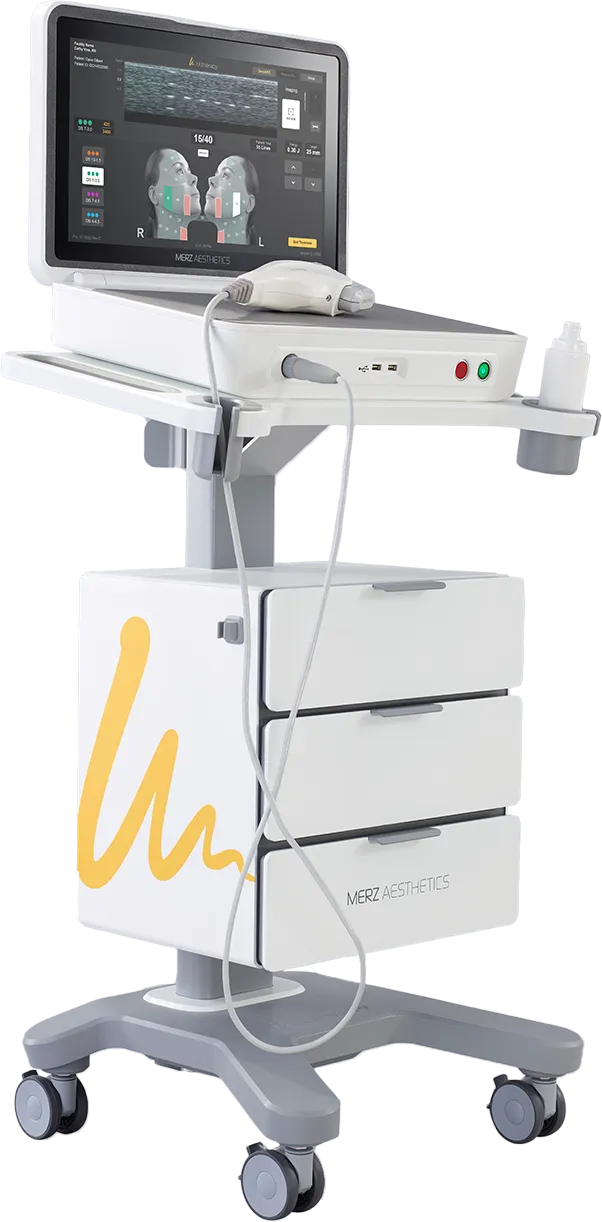
The core difference is depth and energy: Ultherapy uses focused ultrasound reaching the SMAS, while Thermage uses monopolar radiofrequency to tighten a broad volume of dermis.
Ultherapy and Thermage solve different problems: Ultherapy uses micro-focused ultrasound to lift deeper, sagging tissue at the SMAS, while Thermage uses monopolar radiofrequency to tighten and smooth a broad volume of dermis. Ultherapy suits jawline and lower-face lifting; Thermage suits overall crepey tightening. Many patients combine both, and a Seoul consultation maps your laxity to the right choice.
One-on-One guidance from a dedicated doctor, ensuring your skin is professionally monitored and treated from start to finish.
Fluent assistance in English, Japanese, and Chinese, making communication clear, respectful and comfortable for international patients.
Over 100,000 patients worldwide have received our personalized dermatological care, highlighting our expertise and reliable results.
Ultherapy and Thermage are both non-surgical lifting and tightening treatments, but they use different energy and reach different depths, which is the key to choosing between them. Ultherapy uses micro-focused ultrasound (MFU/MFU-V) to deposit precise heat at deeper layers, including the SMAS, the same connective layer a surgeon addresses in a facelift, making it well suited to lifting sagging tissue along the jawline and lower face. Thermage uses monopolar radiofrequency to heat a broad volume of the dermis, contracting and remodeling collagen to tighten and smooth crepey skin across a wider area.
Because they act on different targets, they are not strictly competitors. Ultherapy is often described as a lifting treatment, while Thermage is often described as a tightening and smoothing treatment. A person with jowl sagging may lean toward ultrasound, while someone with overall surface laxity and texture concerns may lean toward radiofrequency. Many patients actually benefit from both, sequenced over time, because they complement each other rather than overlap.
Reberry Clinic is a dermatology clinic serving international patients across three Seoul-area locations (Gangnam, Myeongdong, Incheon Airport) with English-speaking support. The clinic’s doctors assess your laxity, skin quality and goals, then explain whether Ultherapy Prime, Thermage FLX, or a combination fits you, rather than defaulting to one device for everyone.

Ultherapy delivers micro-focused ultrasound, creating tiny thermal coagulation points at set depths, around 65°C, at the SMAS, dermis and superficial layers, while sparing the skin surface. Its defining feature is DEEPSEE imaging, which shows the operator the exact tissue plane before energy is delivered. Thermage delivers monopolar radiofrequency, raising the dermal temperature (around 65°C) to denature and contract collagen across a broader, more uniform volume, with surface cooling for comfort and protection.
In practice, ultrasound concentrates energy at precise focal points for lift, while radiofrequency spreads heat through a larger area for tightening. Reberry Clinic is a dermatology clinic and energy-based lifting is performed by the clinic’s doctors. Because each device suits a different concern, the clinic may also discuss an ultrasound mid-dermis device as a third option when mid-depth laxity is the main issue.
One Reberry Clinic, multiple Seoul-area locations. Pricing & current promotions are listed on each branch's own site — tap a clinic to view pricing & book.
Our flagship in the heart of Gangnam.
In Seoul's shopping & tourism heart.
A beauty stop between flights.
The newest Reberry Clinic — in Seoul's trend district.
ONE REBERRY CLINIC · MFDS-REGISTERED DEVICES · MULTILINGUAL CARE AT EVERY LOCATION

Decide whether your main issue is sagging (lift) or surface laxity and texture (tighten); this guides the first choice between the 2 devices.
Ultherapy targets the deeper SMAS while Thermage heats a broad dermal volume; a doctor confirms which of the 2 depths fits your face.
Many patients use both, often spaced weeks apart, because the 2 act on different layers without overlapping.
Verify genuine Ultherapy and Thermage platforms; both are technique-dependent and rely on correct depth and settings.
Both build over 2 to 6 months, usually after a single session each, so plan around that gradual collagen response.
Reberry Clinic · Prices verified: Oct 2026
| Clinic | Price (KRW) |
|---|---|
| GangnamPromotional300-shot package ₩990,000 · per 100 shots | from₩330,000 |
| MyeongdongStandardcity-center flagship | from₩450,000 |
| Incheon AirportStandardinside the airport, same-day visits | from₩450,000 |
VAT excluded · Final price depends on treatment scope and skin condition · Confirmed after consultation
Before-and-after photos are being updated.
An English-language consultation assesses your laxity and goals and confirms whether Ultherapy, Thermage or a combination fits your face.
After cleansing and (for Ultherapy) imaging, the doctor delivers the chosen treatment; a session commonly takes around 45 to 60 minutes.
Each treatment is usually a single session, so it fits a short Seoul trip; combinations are spaced over separate visits.
Tightening appears early, with the main change building over 2 to 6 months as collagen remodels.
Results often last around a year; SPF, good skincare and maintenance sessions help sustain them.



Neither is universally better; they target different problems, so the right choice depends on your face. Ultherapy lifts deeper sagging at the SMAS, while Thermage tightens a broad volume of dermis for crepey skin. A doctor maps your laxity to the right option when you discuss Ultherapy Prime versus Thermage.
The main difference is energy and depth: Ultherapy uses focused ultrasound reaching the deeper SMAS for lifting, while Thermage uses monopolar radiofrequency to heat a broad dermal volume for tightening. One lifts, the other smooths. Both are detailed on the Thermage FLX and Ultherapy pages for comparison.
Yes, many patients combine them because they act on different layers, ultrasound for lift and radiofrequency for surface tightening, usually spaced weeks apart so the skin is not over-treated. The clinic’s doctors plan the sequence carefully. Combining is discussed when you review Ultherapy Prime with the team.
Ultherapy is typically the stronger choice for jowls and lower-face sagging, because micro-focused ultrasound reaches the deeper SMAS layer associated with lift. Thermage is better aimed at surface tightening. Your suitability is confirmed during assessment, where the doctor maps the lines needed for your jawline specifically.
Thermage is often favored for overall crepey tightening, because monopolar radiofrequency heats a broad volume of dermis to contract and remodel collagen across a wider area. Ultherapy is more focused on lift. The doctor confirms which matches your skin during the Thermage FLX consultation.
Both are tolerable; Ultherapy produces warmth and brief deep pulses at focal points, while Thermage delivers heat with cooling bursts across a broader area. Comfort varies by person and settings. Pain-management options are discussed beforehand and adjusted to your tolerance during either treatment at consultation.
Both have minimal downtime; mild redness, tenderness or slight swelling can occur but usually settles within hours to a couple of days, and most patients resume normal activities the same day. This makes either treatment practical for travelers fitting a session into a short Seoul trip.
Both build gradually: Ultherapy lift develops over 2 to 3 months, while Thermage tightening can develop over 2 to 6 months as collagen remodels. Some change shows earlier. The expected timeline for your chosen treatment is mapped during the Ultherapy Prime assessment.
Results from each often last around twelve months, though this varies with age, skin laxity and lifestyle, and Thermage tightening may persist somewhat longer for some patients. Maintenance sessions help sustain the effect. Longevity expectations are individualized during your consultation rather than promised as a single duration.
Most patients have a single session of either treatment, with an optional touch-up later depending on goals and skin response. When combining, the two are spaced over separate visits. Your plan is set when reviewing the options with the clinic’s doctors during assessment of your face.
Ultherapy uses focused ultrasound at the deeper SMAS, Thermage uses radiofrequency across a broad dermal volume, and Sofwave uses ultrasound at the mid-dermis (about 1.5 mm). Each suits a different depth and goal. Compare Sofwave with both during your Seoul consultation.
Yes, both bypass the skin surface and target deeper layers, so they suit a wide range of skin tones when settings and depths are chosen correctly. Imaging-guided and experienced technique support safety. Your suitability for either device is confirmed during the assessment before any treatment proceeds.
Both are consultation-led: Ultherapy cost depends mainly on lines and areas, while Thermage depends largely on the tip and area treated, so quotes follow assessment. Fixed figures are not advertised because needs differ per face. Pricing is explained transparently when you discuss either treatment with the team.
Yes, Reberry Clinic serves international patients with English-speaking support across three Seoul-area locations, including one near Incheon Airport. You can be assessed and treated on your trip and supported afterward from abroad. Message us on WhatsApp to choose between the two and plan your visit.
Yes, most patients fly the same or next day after either treatment, since downtime is minimal and any redness settles quickly, while the main change develops gradually after you return. You receive a written aftercare plan so you can follow up on your Ultherapy Prime or Thermage results from abroad.
| Ultherapy Prime | Thermage FLX | Sofwave | |
|---|---|---|---|
| Energy / mechanism | Micro-focused ultrasound (MFU) to SMAS with DEEPSEE imaging | Monopolar radiofrequency heating a broad dermal volume | SUPERB synchronous ultrasound to the mid-dermis (~1.5 mm) |
| Primary effect | Lifting deeper, sagging tissue | Tightening and smoothing the skin surface | Mid-depth lift and broad laxity |
| Best for | Jawline and lower-face sagging | Overall crepey laxity and texture | Mid-depth laxity wanting comfort |
| Pain / comfort | Moderate; warmth and brief deep pulses | Heat with cooling bursts | Generally comfortable; surface cooling |
| Downtime | Little; brief redness or tenderness | Little; brief redness | Little; brief redness |
| Results timeline | Builds over 2 to 3 months | Builds over 2 to 6 months | Builds over weeks to months |
| Longevity | Often around 12 months, varies by person | Often 12 months or more | Often around 12 months |
| Cost context | Consultation-led; depends on lines and area | Consultation-led; depends on tip and area | Consultation-led; depends on area |
Real verified reviews from our Google Business Profile, across all Reberry Clinic locations.
PULLED LIVE FROM GOOGLE · GANGNAM · MYEONGDONG · INCHEON AIRPORT
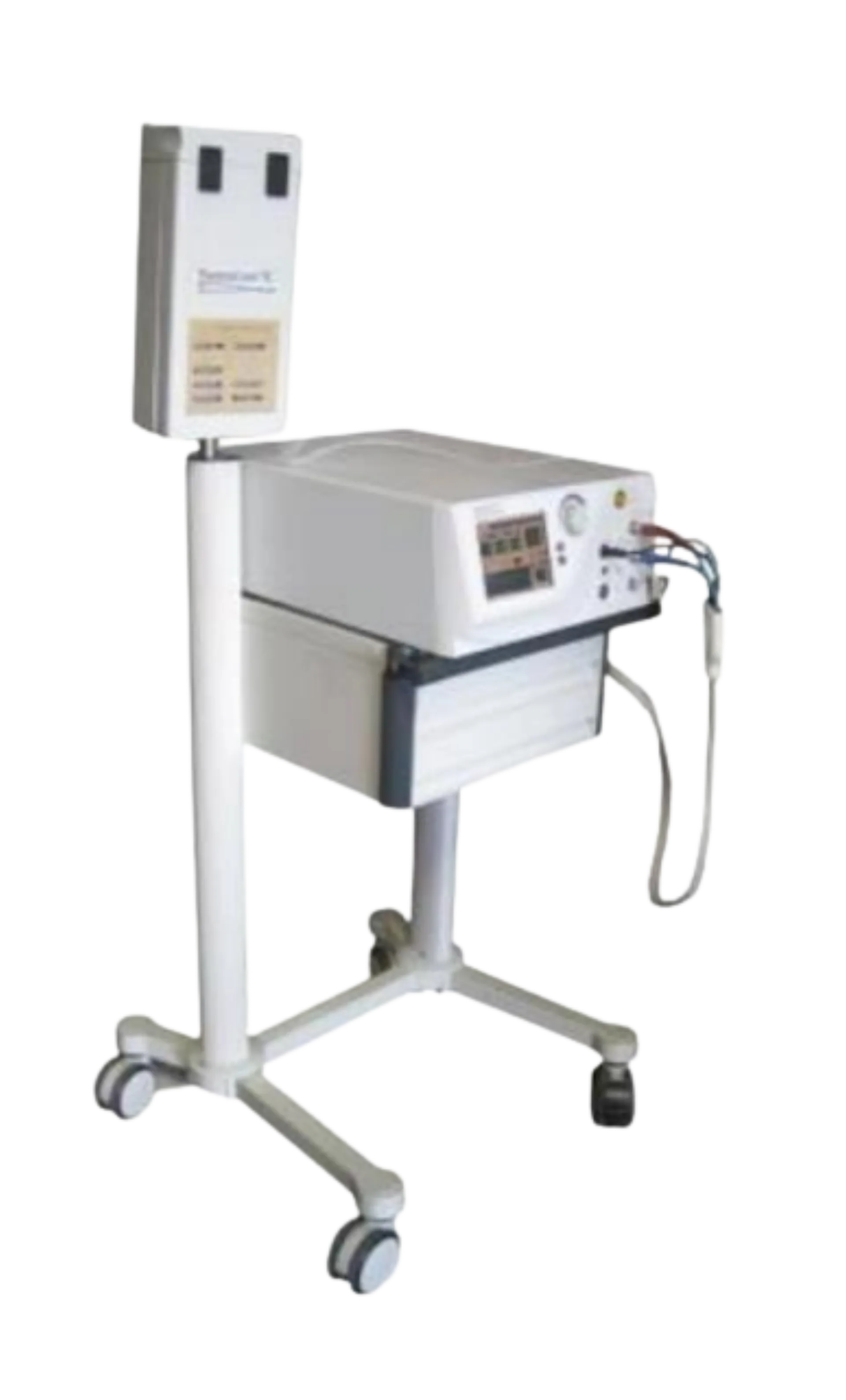 Thermage FLXRF tightening — the most compared alternativeView →
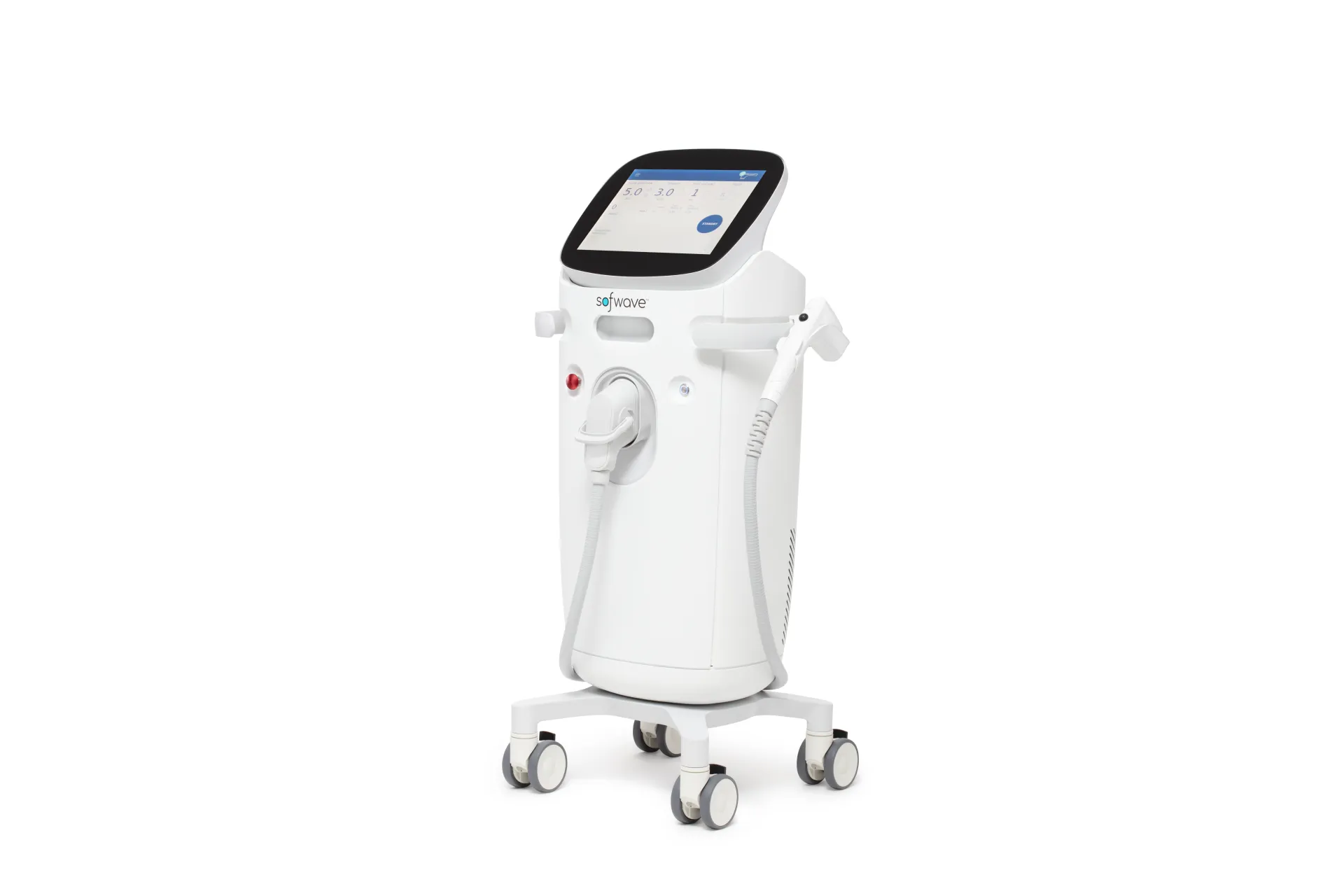 SofwaveLighter ultrasound lifting with shorter downtimeView →
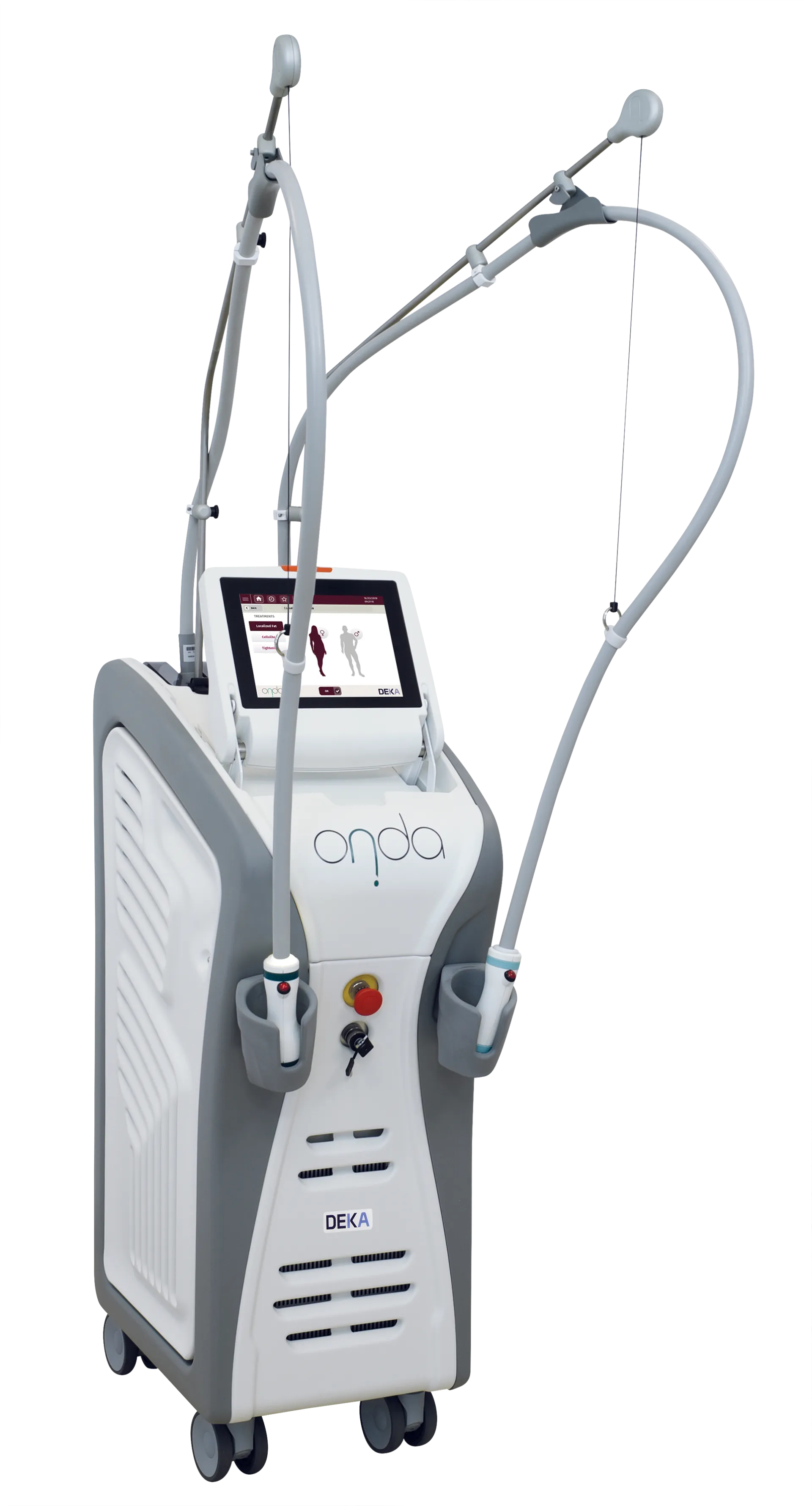 Onda LiftingMicrowave lifting for jawline and cheeksView →
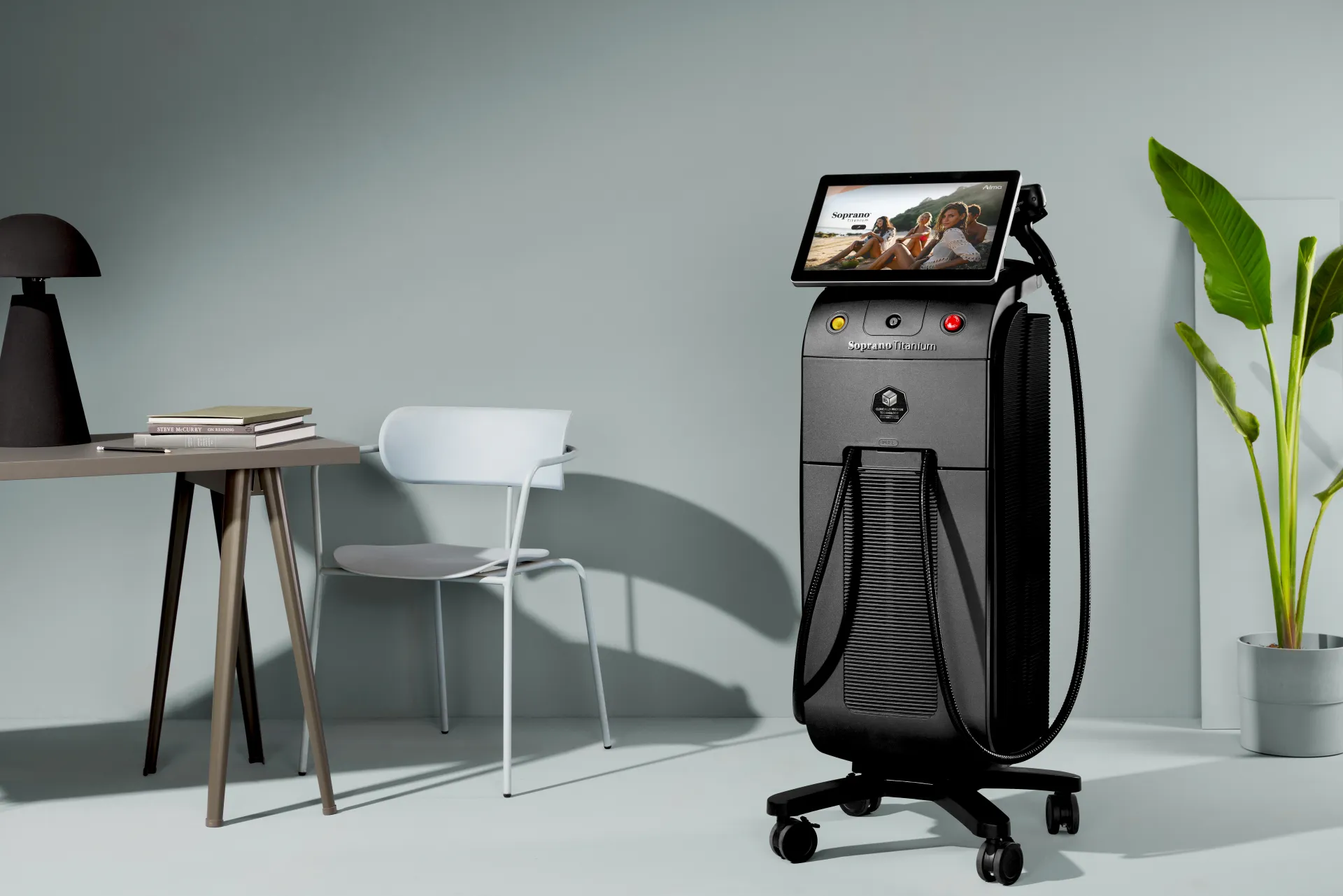 Titanium LiftingLaser lifting for tone and tighteningView →
Guides: Ultherapy vs Sofwave — which suits you? · Ultherapy: what to expect on the day
Your treatment is planned and performed by experienced, MFDS-registered doctors across our Seoul-area clinics, with multilingual support for international patients.
Flagship clinic · for leading lifting & regenerative devices · Featured in Authority Magazine (2026)

Multilingual tourist care beside Myeongdong Cathedral

Fast, effective care 20 minutes from the terminals
Message us on WhatsApp for a free consultation in English to find whether Ultherapy, Thermage or a combination suits you.