

Gangnam
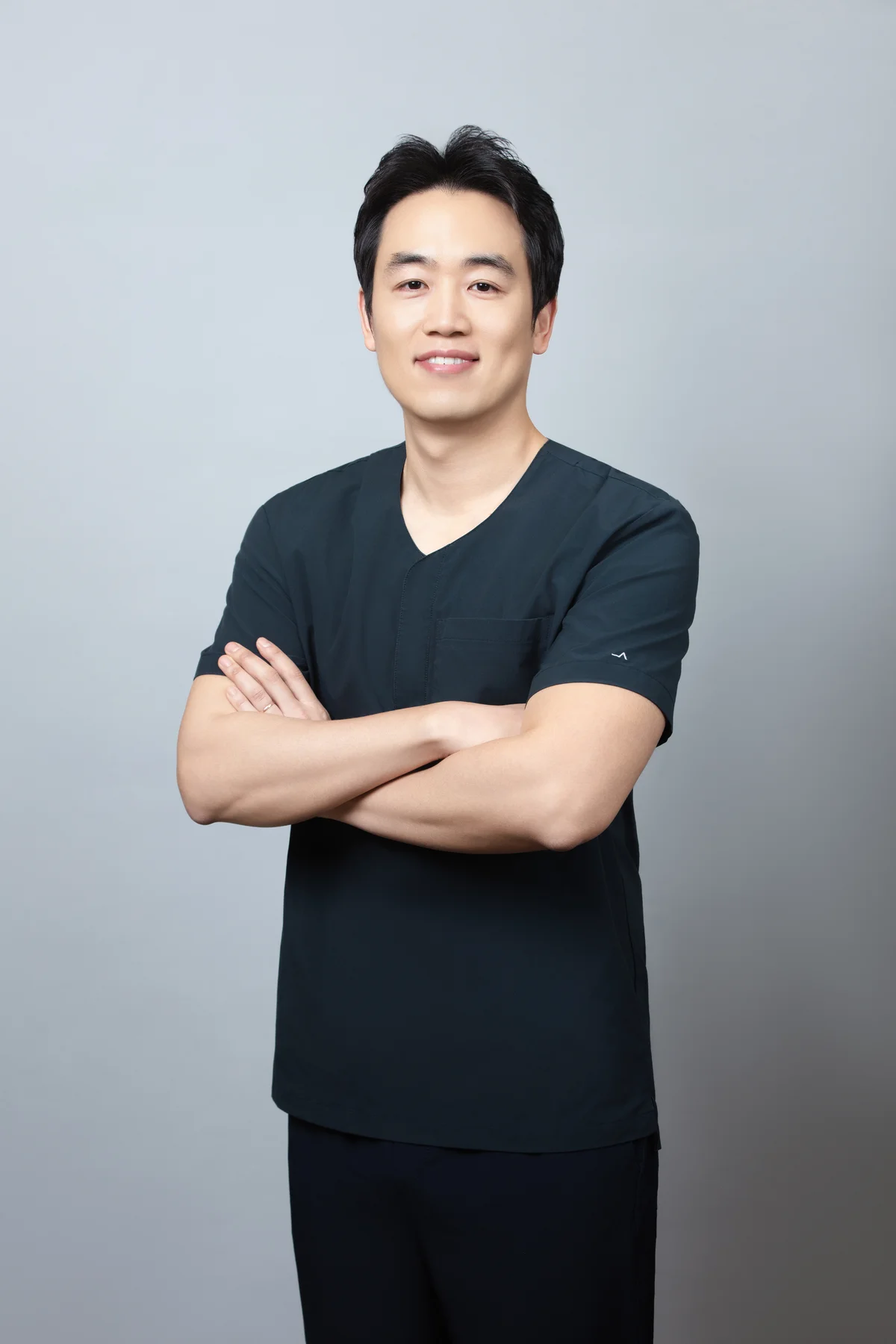
Dr. Yoongon Ryu
Aesthetic Medicine Specialist
Flagship clinic · KOL for leading lifting & regenerative devices

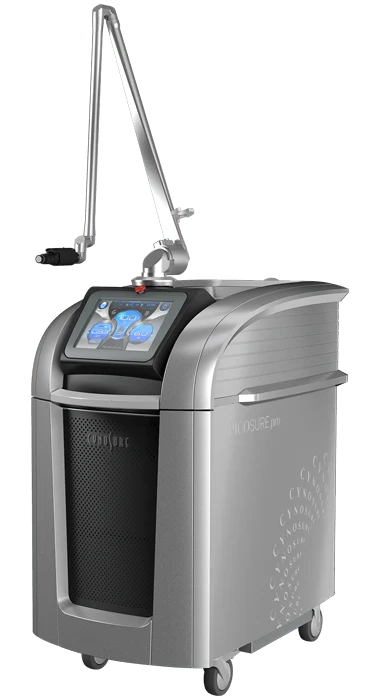
Picosecond lasers shatter pigment in trillionths of a second, with many patients seeing clearer tone after 3 to 5 toning sessions.
Pico laser in Seoul uses ultra-short picosecond pulses to fragment melanin into tiny particles your body clears, treating freckles, sun spots, melasma, and uneven tone. Most patients need 3 to 5 sessions for pigment and more for melasma, with little to no downtime, across our three Seoul-area locations.
One-on-One guidance from a dedicated doctor, ensuring your skin is professionally monitored and treated from start to finish.
Fluent assistance in English, Japanese, and Chinese, making communication clear, respectful and comfortable for international patients.
Over 100,000 patients worldwide have received our personalized dermatological care, highlighting our expertise and reliable results.
Pico laser is a picosecond-pulse laser treatment that breaks down unwanted melanin in the skin to reduce freckles, sun spots, age spots, melasma, and dull or uneven tone. Its defining feature is pulse duration measured in picoseconds (trillionths of a second), far shorter than older nanosecond lasers.
Because the energy is delivered so quickly, pico laser relies more on a photomechanical (shattering) effect than on heat. That fragments pigment into finer particles and is generally gentler on surrounding skin, which is why it suits Asian skin tones prone to post-inflammatory pigmentation.
At Reberry Clinic, pico laser is consultation-led: the clinic’s doctors first identify your pigment type, then choose between focused spot treatment and gentle full-face pico toning. International patients are supported in English across our three Seoul-area locations (Gangnam, Myeongdong, Incheon Airport).
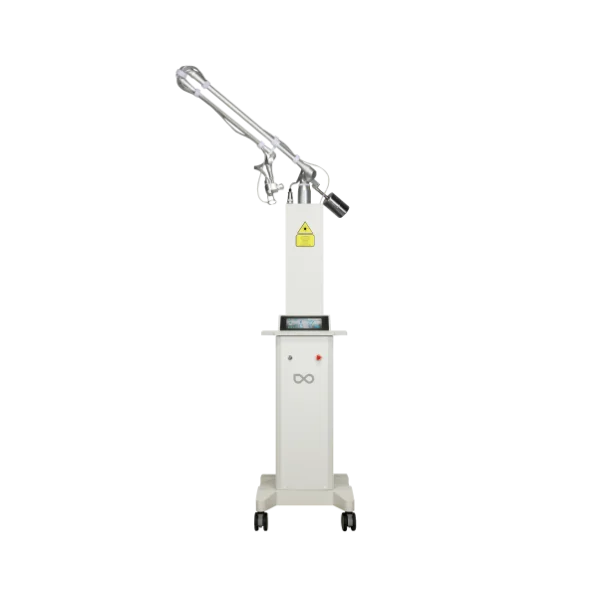
Pico laser fires pulses lasting roughly 300 to 750 picoseconds, compared with the 5 to 20 nanosecond pulses of Q-switched lasers, so each pulse is several hundred to a thousand times shorter. This ultra-short delivery concentrates energy in a photoacoustic shockwave that mechanically shatters melanin clusters into very fine particles rather than relying mainly on heat. The smaller fragments are easier for the immune system to clear, and the reduced thermal spread lowers the risk of burning surrounding tissue. Most pico platforms also offer a fractional or holographic lens that creates micro laser-induced optical breakdown zones to stimulate collagen and refine texture, all without a wounded skin surface.
One Reberry Clinic, multiple Seoul-area locations. Pricing & current promotions are listed on each branch's own site — tap a clinic to view pricing & book.
Our flagship in the heart of Gangnam.
In Seoul's shopping & tourism heart.
A beauty stop between flights.
The newest Reberry Clinic — in Seoul's trend district.
ONE REBERRY CLINIC · MFDS-REGISTERED DEVICES · MULTILINGUAL CARE AT EVERY LOCATION
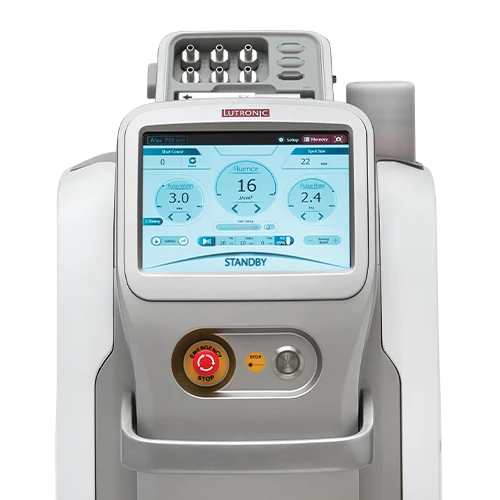
Pulses lasting about 300 to 750 picoseconds hit melanin so fast that energy stays confined to the pigment.
The rapid energy creates a shockwave that breaks pigment into particles far smaller than nanosecond lasers produce.
Macrophages carry off the fine fragments over about 2 to 6 weeks, so spots fade progressively, not instantly.
Low-fluence full-face toning suits melasma and tone, while higher-energy spot mode targets defined lesions in 1 to a few passes.
Most pigment needs 3 to 5 sessions about 2 to 4 weeks apart; melasma toning often needs more, spaced carefully.
See representative outcomes from Reberry Clinic. Results build gradually and vary by individual; your plan is assessed at consultation.
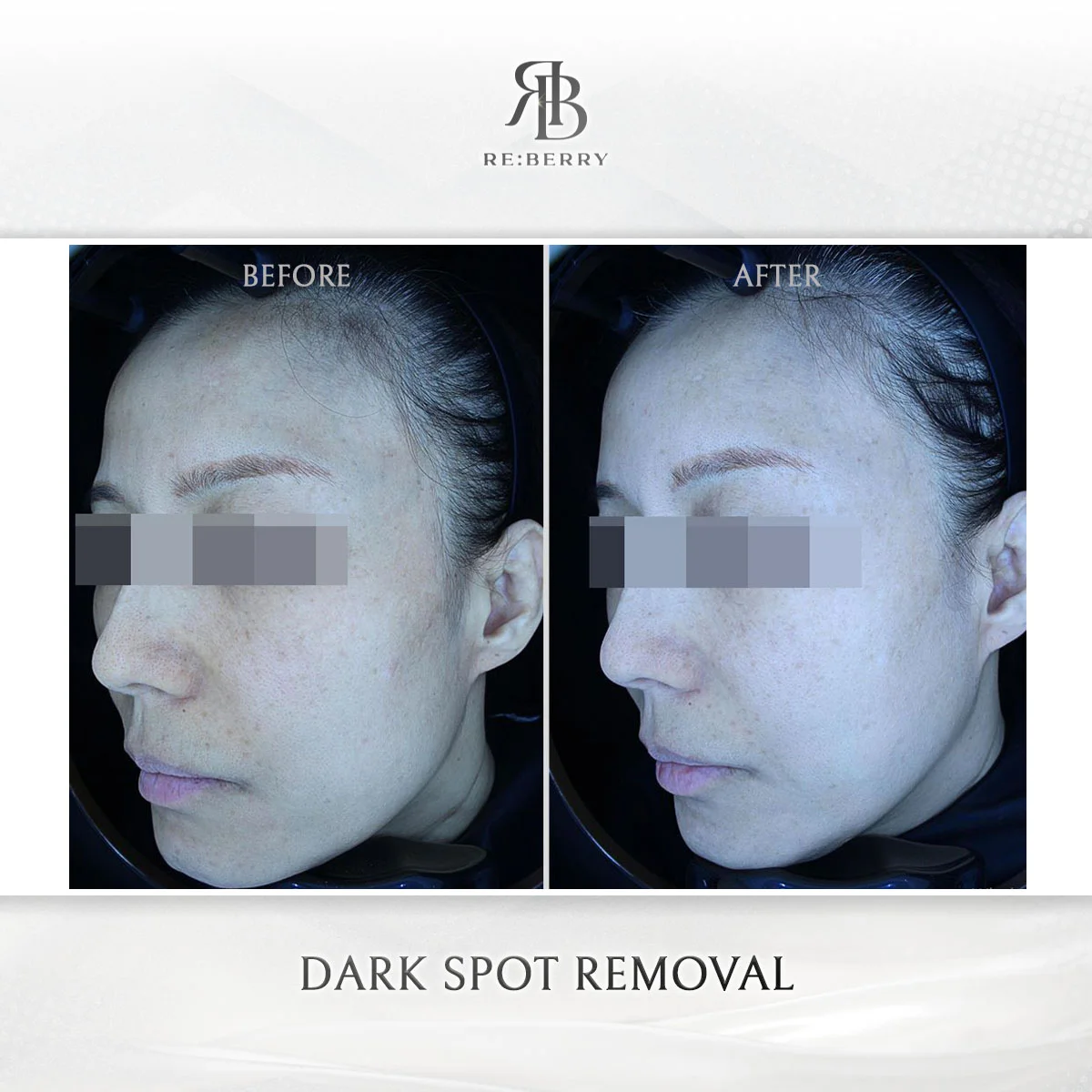
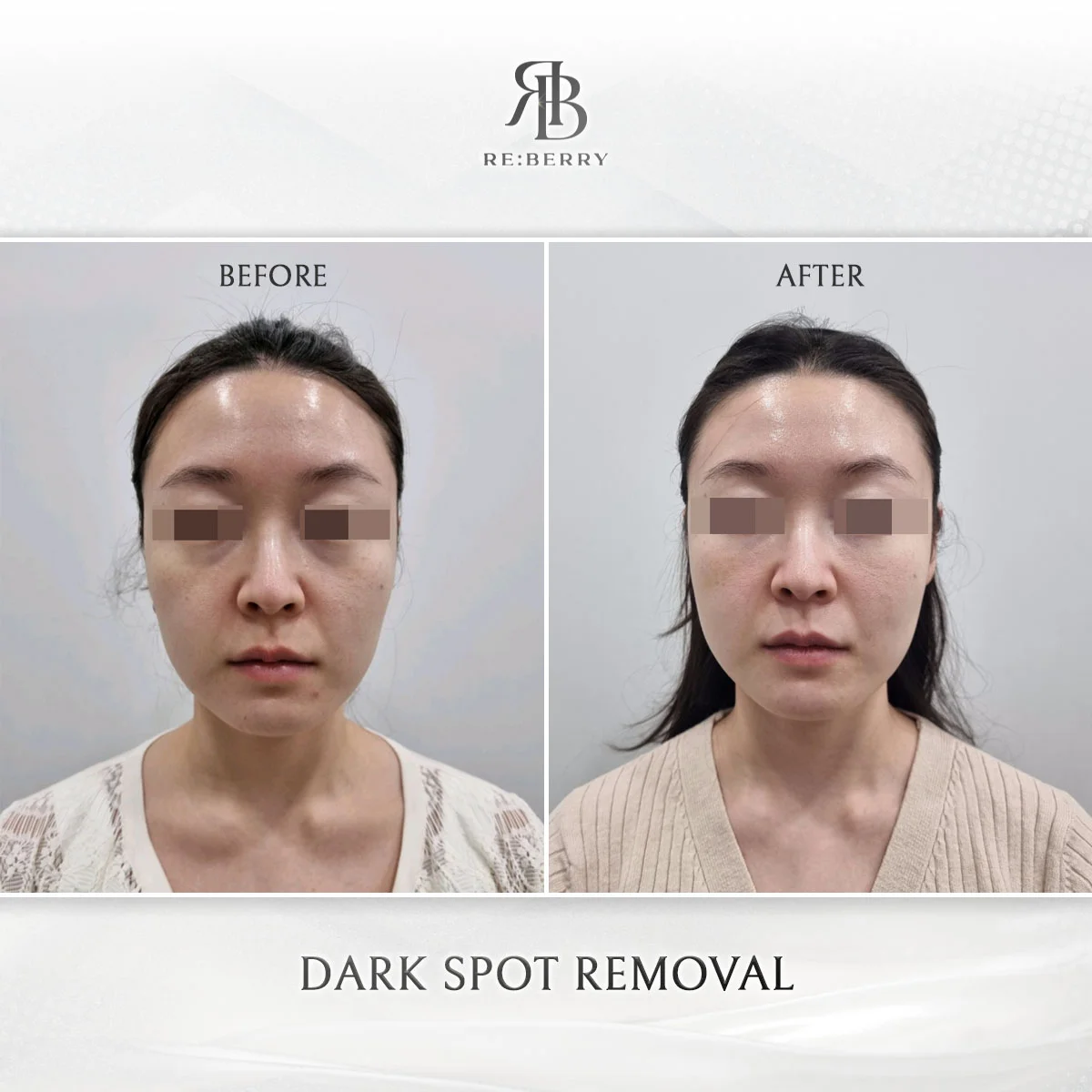
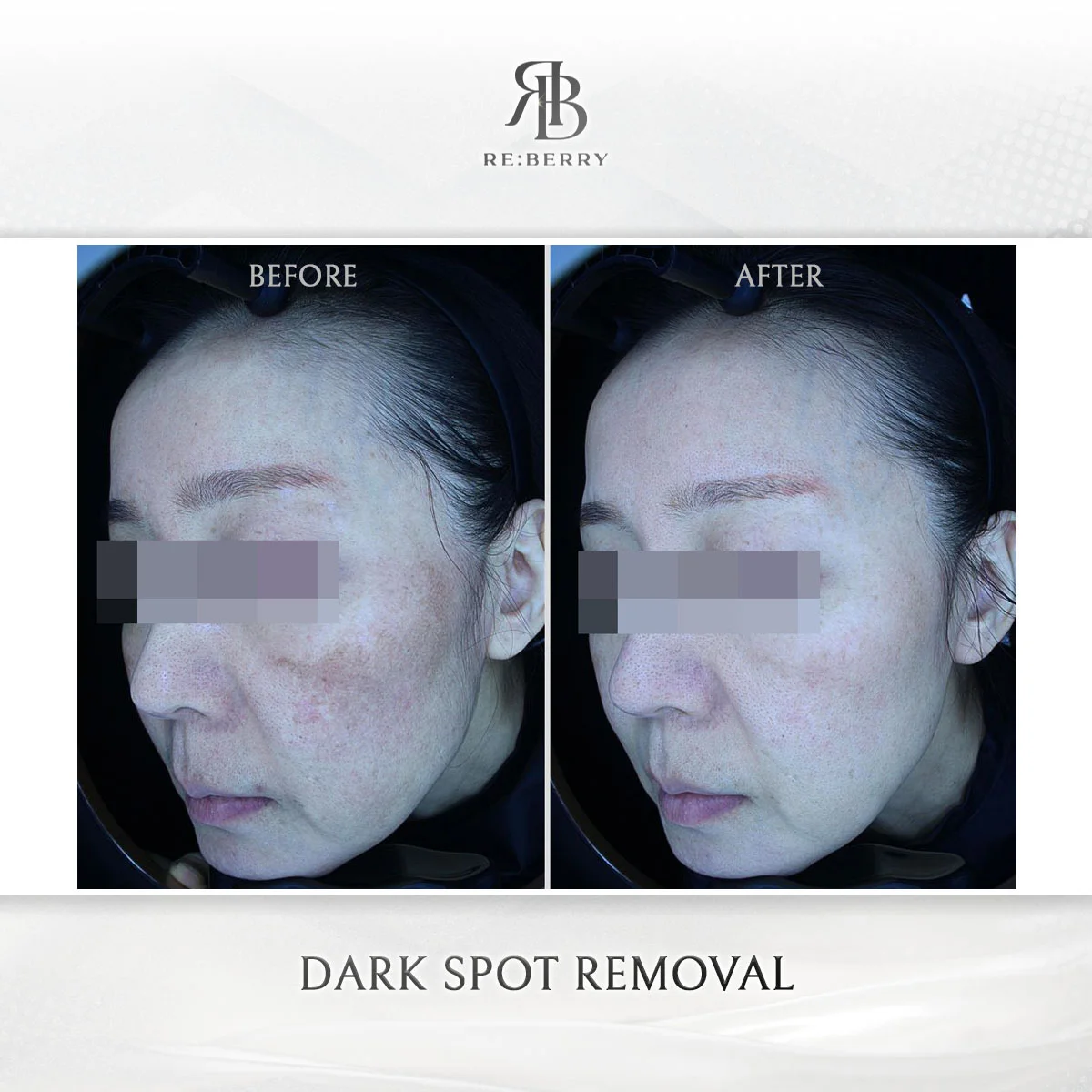
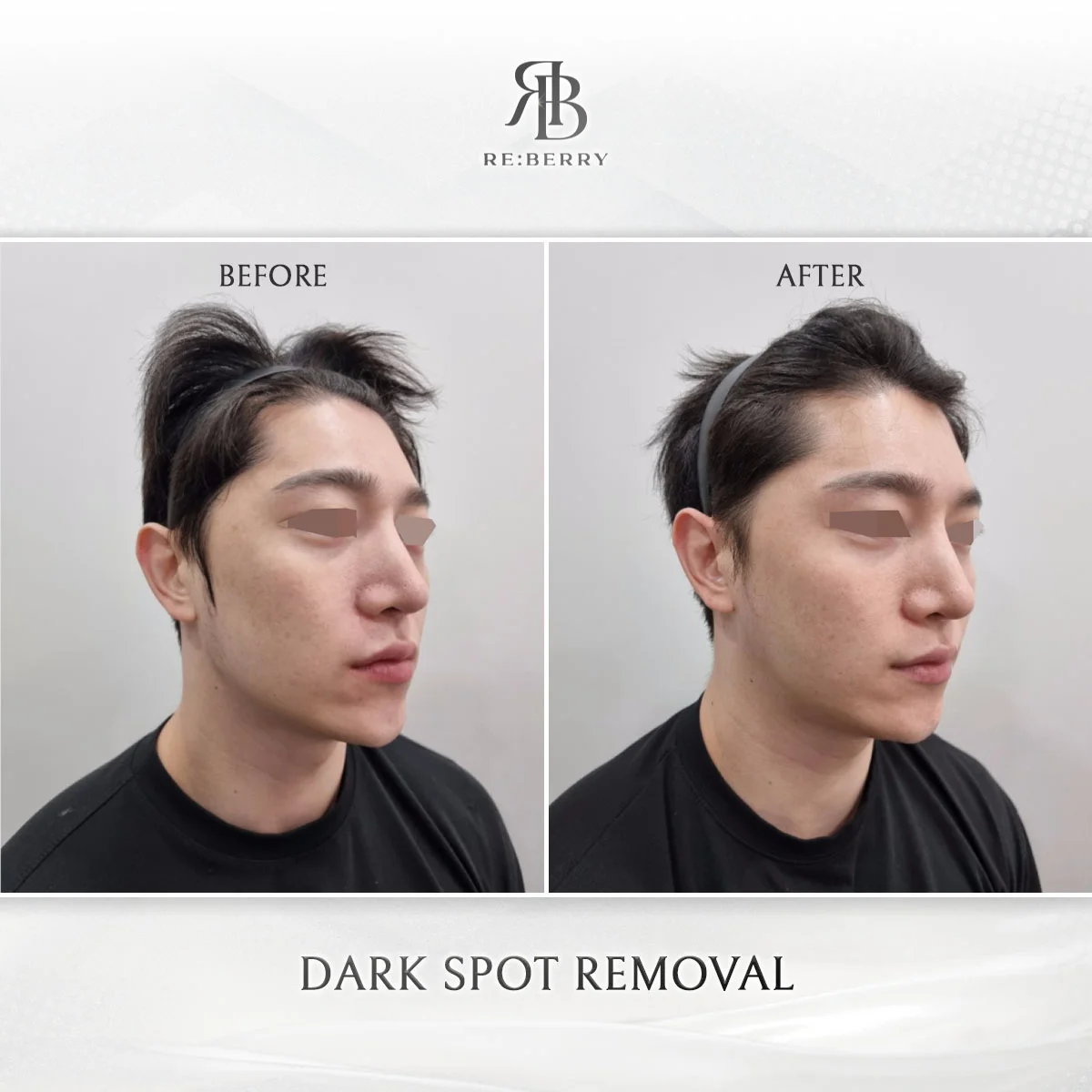
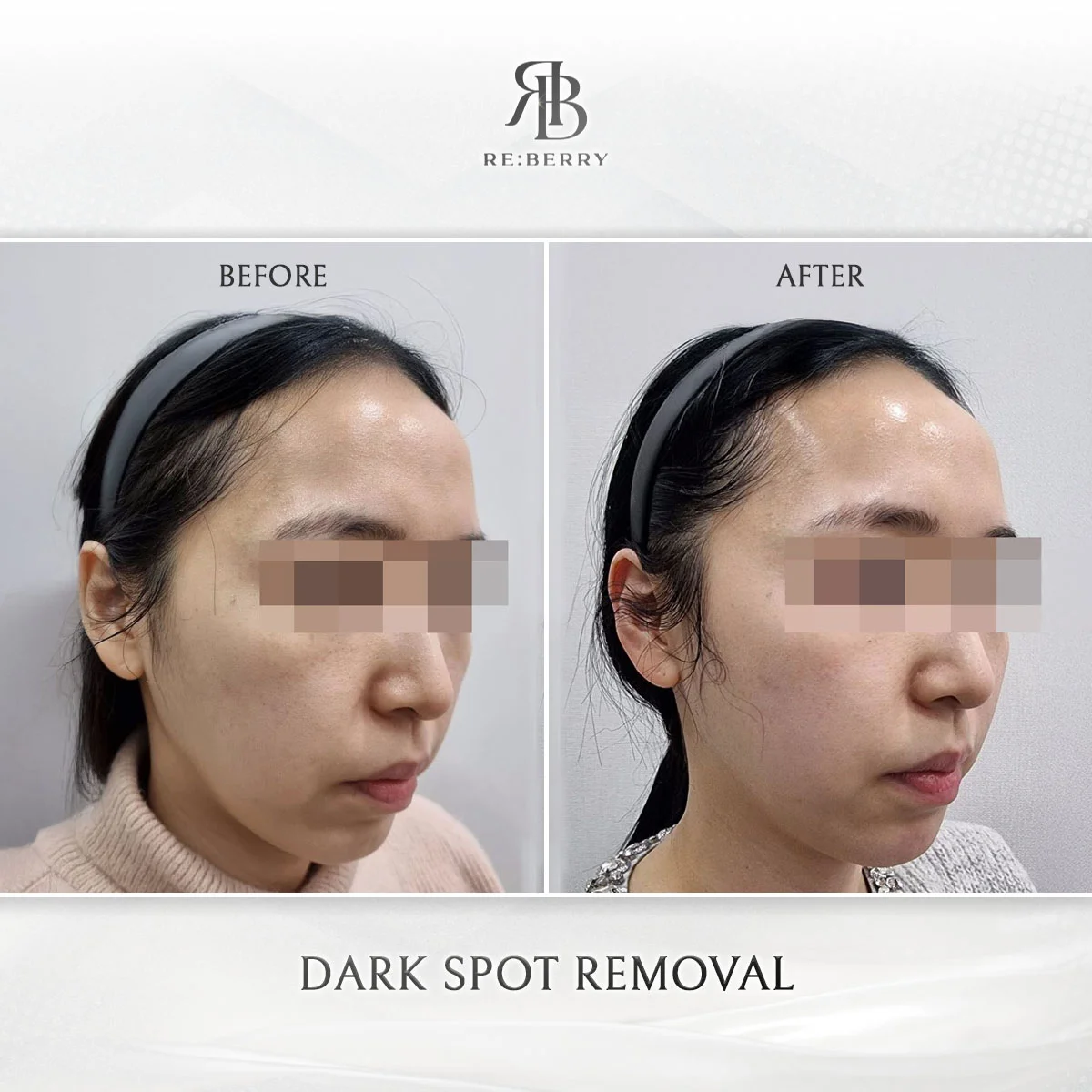
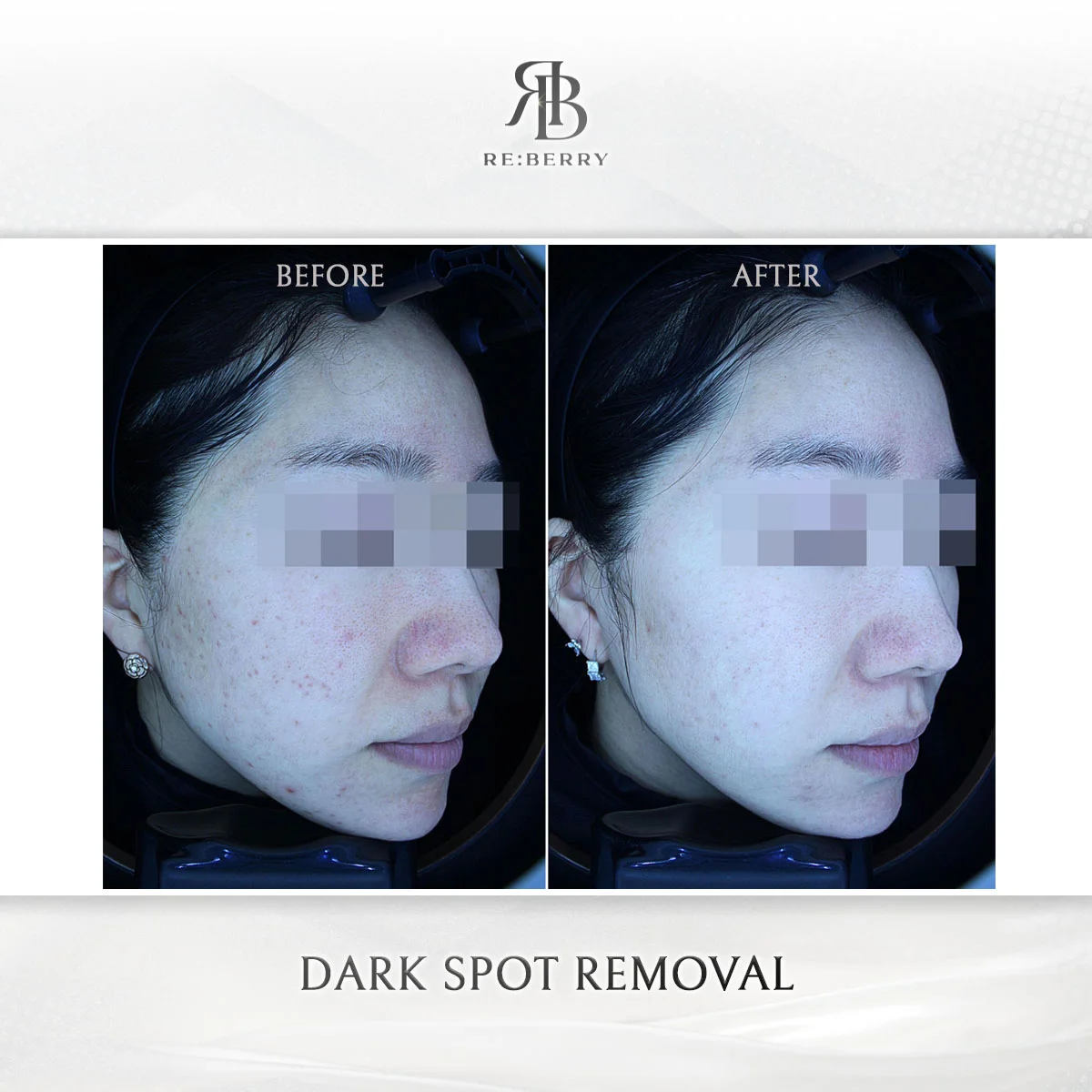
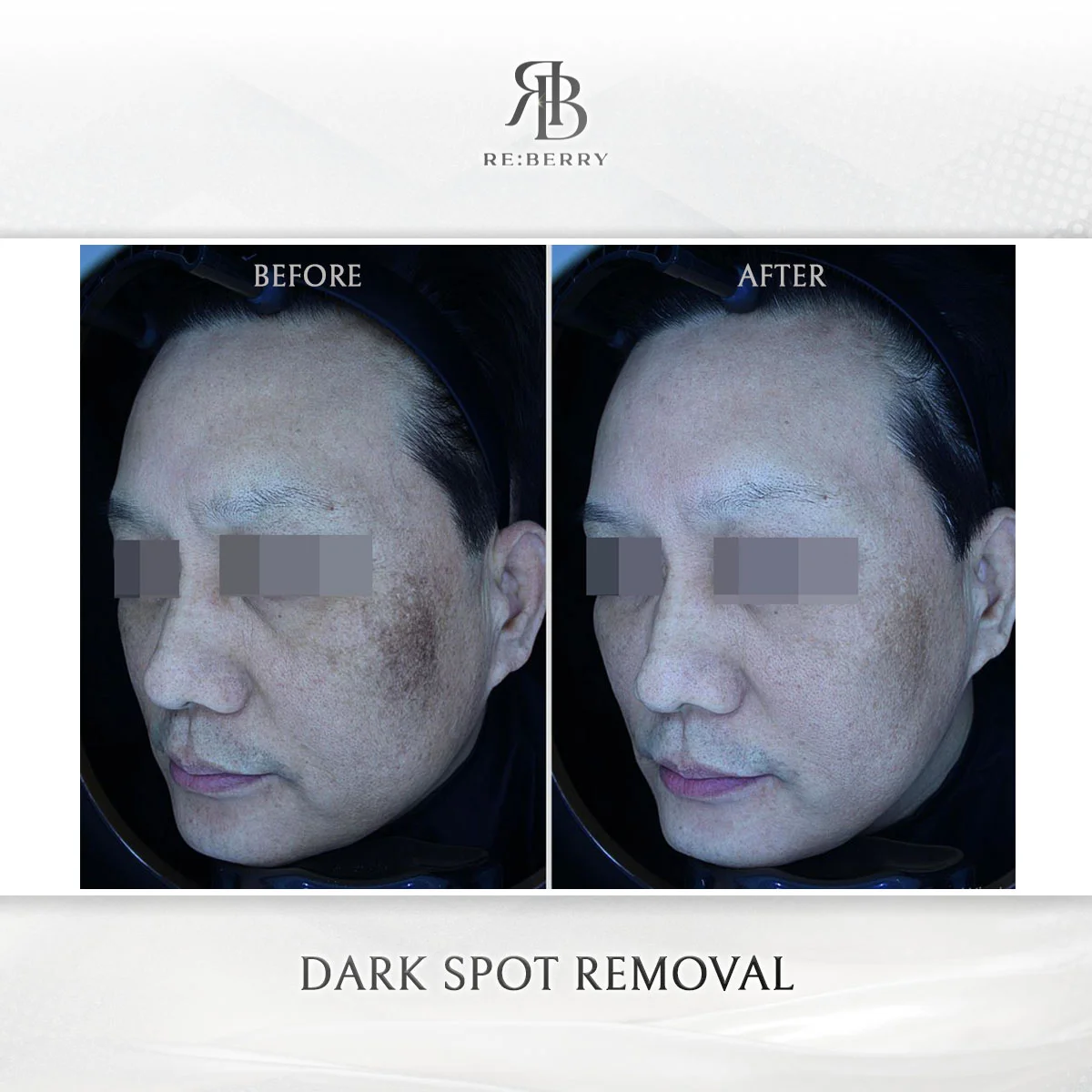
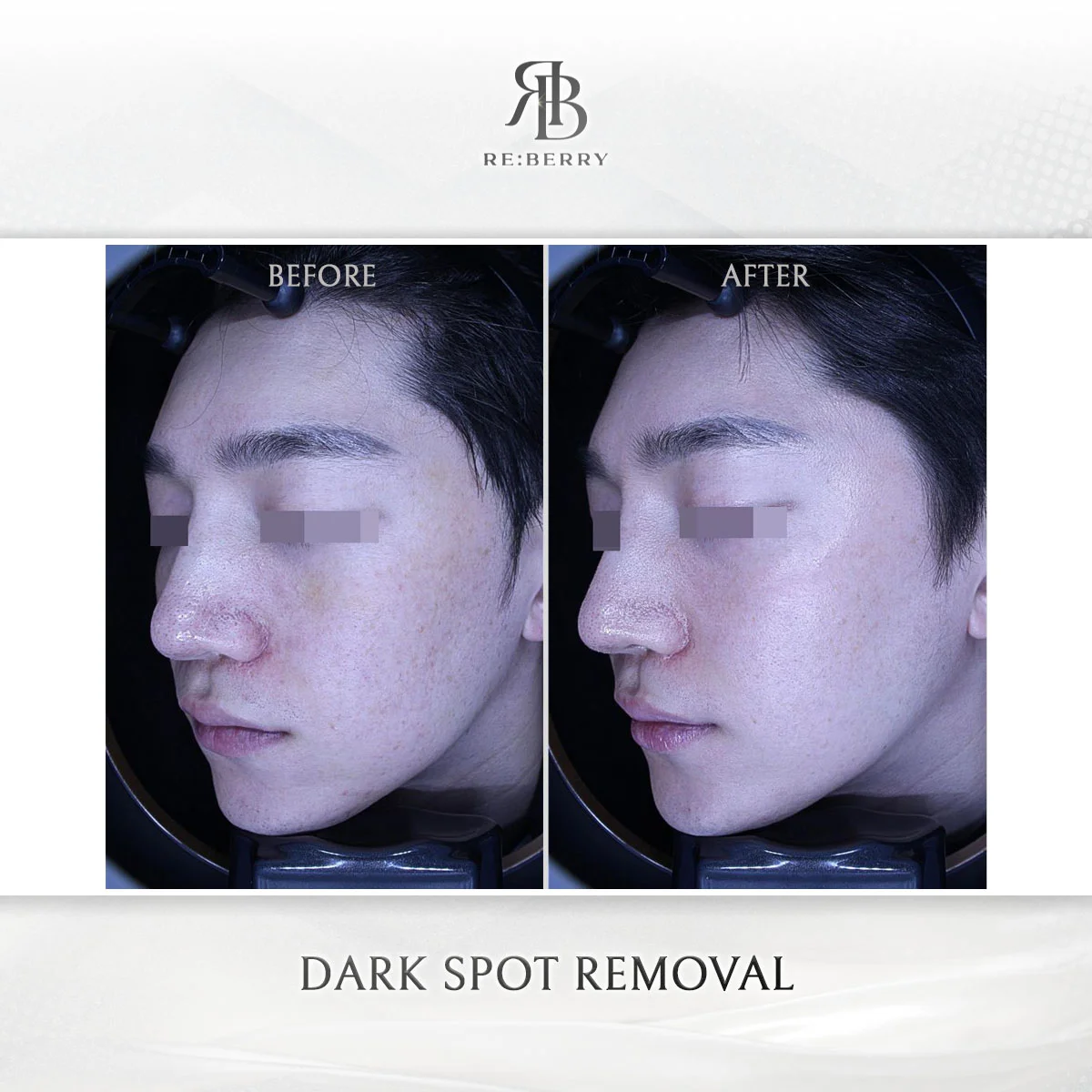
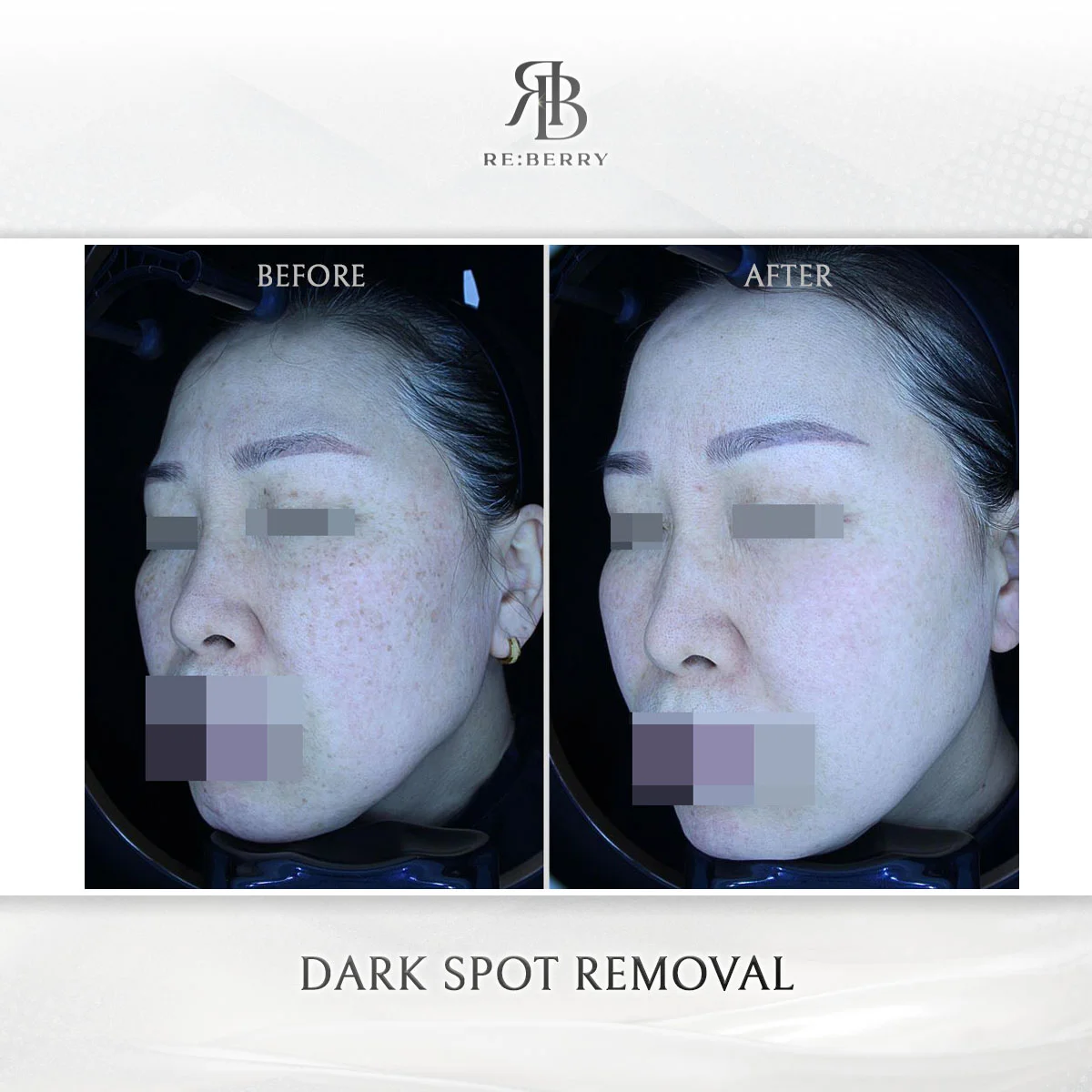
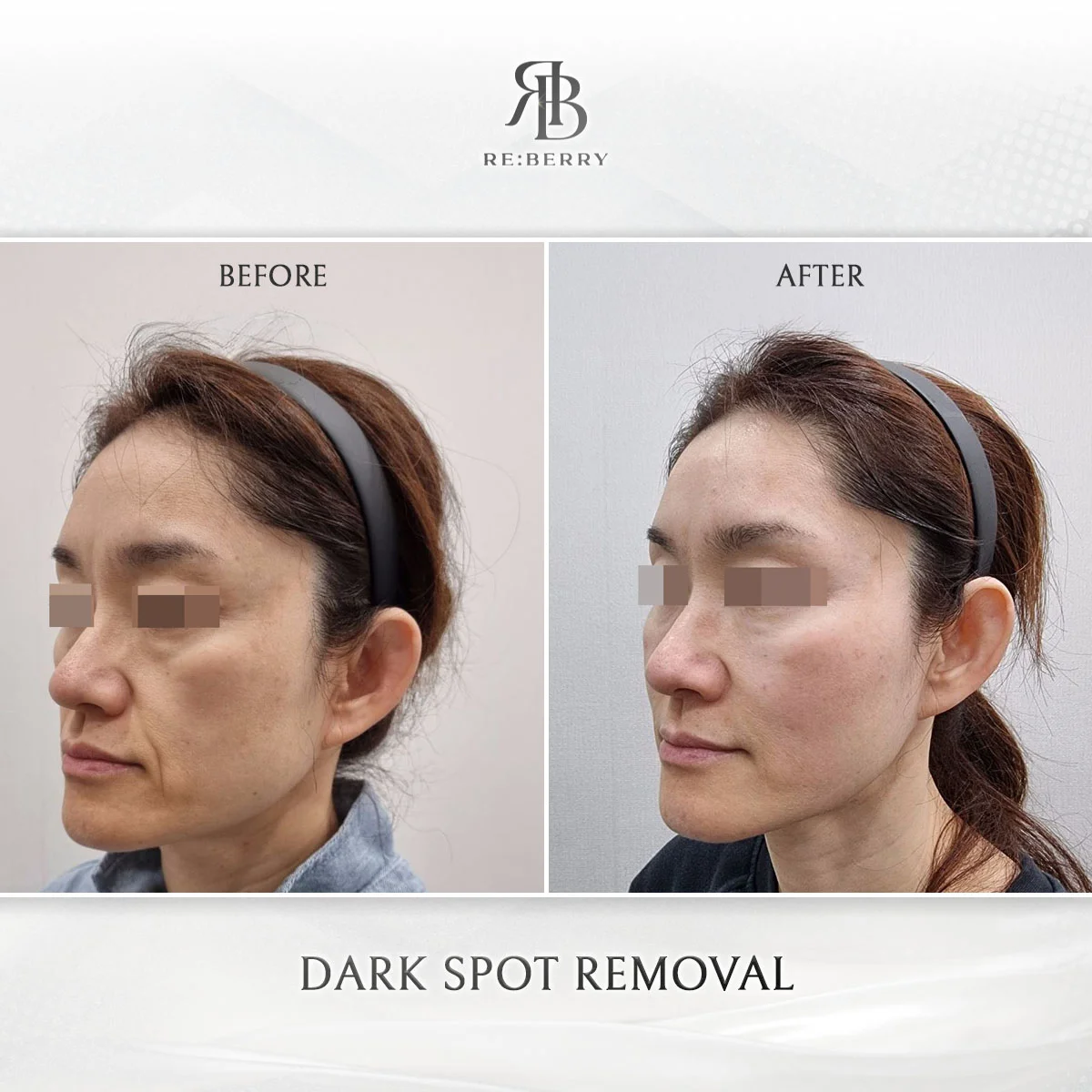
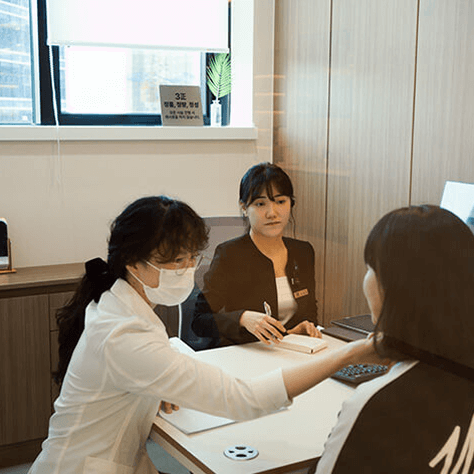
The clinic’s doctors examine your pigment type, skin tone, and history, then decide between spot treatment and full-face toning, and plan in English.
After cleansing and optional numbing cream, a session usually takes 15 to 30 minutes depending on the area treated.
Toning visits are short, and most patients return to normal activities the same day with sun protection.
Pigment fades gradually over 2 to 6 weeks per session, with cumulative gains across a series of 3 to 5 or more.
Daily sunscreen, gentle skincare, and occasional maintenance help hold results, since new sun exposure can trigger fresh pigment.
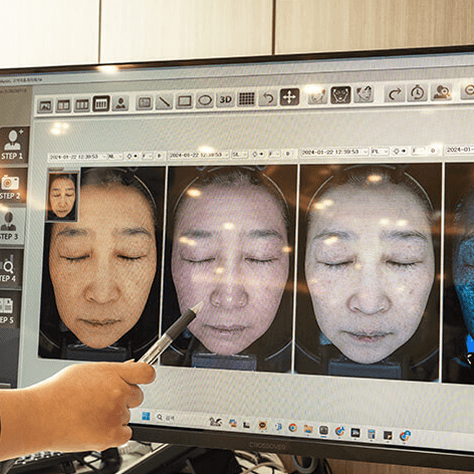

Pico laser is a picosecond-pulse laser that fragments melanin into tiny particles to fade freckles, sun spots, melasma, and uneven tone. Because each pulse lasts trillionths of a second, it relies more on a shattering effect than heat, which makes it well suited to Asian skin prone to pigmentation.
Pico laser cost in Seoul depends on the treatment area, your pigment type, whether you need focused spot work or full-face toning, and how many sessions are planned. Because pricing is individualised, the clinic’s doctors confirm it at consultation rather than quoting a single fixed figure for everyone.
Pico laser is widely used and generally considered safe when performed by trained doctors with settings matched to your skin tone. A consultation and sometimes a test spot reduce risks like temporary redness or pigment change. You can review related pigment options on our dark spot removal page beforehand.
Reberry Clinic offers pico laser with English-speaking support across three Seoul-area locations (Gangnam, Myeongdong, Incheon Airport). International patients can consult, treat, and arrange follow-ups in English without a language barrier. Explore the broader laser treatment options to see which approach suits your concern best.
Most adults with freckles, sun spots, age spots, dull tone, or stable melasma are suitable candidates for pico laser. A consultation confirms your pigment type and skin tone so energy can be tailored. Darker tones simply need more conservative settings to keep results safe and even.
Most patients describe a mild snapping or rubber-band sensation rather than real pain, often around 2 to 3 out of 10. Numbing cream is available for sensitive areas, and toning passes are generally more comfortable than focused spot treatment. Cooling is used to keep sessions tolerable throughout.
Downtime is usually little to none for pico toning, with mild redness that settles within hours. Focused spot treatment can leave tiny darkened crusts or pinpoint redness for a few days as pigment lifts. Most international patients return to sightseeing the same afternoon comfortably with sun protection.
Visible improvement typically builds over 2 to 6 weeks after each session as fragmented pigment is cleared by the immune system. Pigment rarely vanishes after one visit; instead it fades progressively across a series. Your doctor reviews progress between sessions and adjusts energy as needed.
Most pigment concerns need 3 to 5 sessions spaced about 2 to 4 weeks apart, while melasma toning often needs more, spaced carefully to avoid irritation. The clinic’s doctors confirm your schedule at consultation, since lesion type and skin tone affect the count. You can compare other modalities on our laser treatment page.
Results can last many months to years for stable spots, but new sun exposure can trigger fresh pigment, and melasma is prone to recurrence. Daily sunscreen, gentle skincare, and occasional maintenance sessions help sustain a brighter, more even tone over time after your initial series.
Yes, pico laser is often combined with brightening skincare, hydration facials, and other gentle therapies for an even result. Some patients add a hydrating facial to support the skin barrier. Your doctor sequences treatments so the skin is not over-stressed in a single visit.
Pico laser, used in low-fluence toning mode, is a common option for melasma because its shorter pulses and lower heat reduce the risk of worsening pigment. However, melasma is chronic and recurrence-prone, so treatment focuses on gradual control plus strict sun protection rather than a one-time cure.
Pico laser uses picosecond pulses that shatter pigment into finer particles with less heat, while conventional Q-switched toning uses longer nanosecond pulses that rely more on photothermal action. In practice pico can be gentler on melasma-prone skin, as outlined on our dark spot removal page.
Common side effects are temporary redness, mild swelling, and short-lived darkening or crusting of treated spots that resolve within days. Rarely, transient pigment change can occur, especially after sun exposure or with aggressive settings. Following aftercare and strict sun protection markedly lowers these risks for most patients.
Daily broad-spectrum sunscreen is essential, along with gentle, fragrance-free skincare and avoidance of heat, scrubbing, and sun for several days. A supportive skin care routine helps recovery and protects results. Your doctor provides a written aftercare plan tailored to your pigment type.
For a single toning session, 2 to 3 days is comfortable, allowing a consultation, the procedure, and a short review. If you want to begin a multi-session plan, longer stays or split trips can be arranged. Our English-speaking team helps coordinate timing around your travel schedule.
Yes, flying within 24 hours is generally fine because pico laser is non-invasive. Cabin air can be drying, so moisturise and protect treated skin from sun at your destination. If you had intensive spot treatment with crusting, your doctor will advise on aftercare and sun avoidance while you travel.
International patients can complete a pico laser series across one or more visits, and the clinic offers remote check-ins in English between trips. You can also book related care such as ongoing skin care when you return. Your treatment notes are kept on file for continuity.
| Pico Laser | Q-switched / Nd:YAG Toning | Intense Pulsed Light (IPL) | |
|---|---|---|---|
| Energy / mechanism | Picosecond pulses, photomechanical shattering | Nanosecond pulses, more photothermal | Broad-spectrum filtered light |
| Best for | Stubborn pigment, melasma toning, tattoo, texture | General toning and melasma | Diffuse sun damage, freckles, redness |
| Pain / comfort | Mild snapping, often well tolerated | Mild warmth and snaps | Mild warmth and light snaps |
| Downtime | Little to none for toning; brief redness for spots | Minimal | Minimal, possible mild redness |
| Results timeline | Builds over 2 to 6 weeks per session | Builds gradually over several sessions | Builds over several sessions |
| Sessions | Typically 3 to 5 for pigment, more for melasma | Often 5 to 10 for toning | Typically 4 to 6 |
| Cost factors | Depends on area, pigment type, and number of sessions | Depends on area and session count | Depends on area and session count |
Real verified reviews from our Google Business Profile, across all Reberry Clinic locations.
PULLED LIVE FROM GOOGLE · GANGNAM · MYEONGDONG · INCHEON AIRPORT
Your treatment is planned and performed by experienced, MFDS-registered doctors across our Seoul-area clinics, with multilingual support for international patients.
Flagship clinic · KOL for leading lifting & regenerative devices
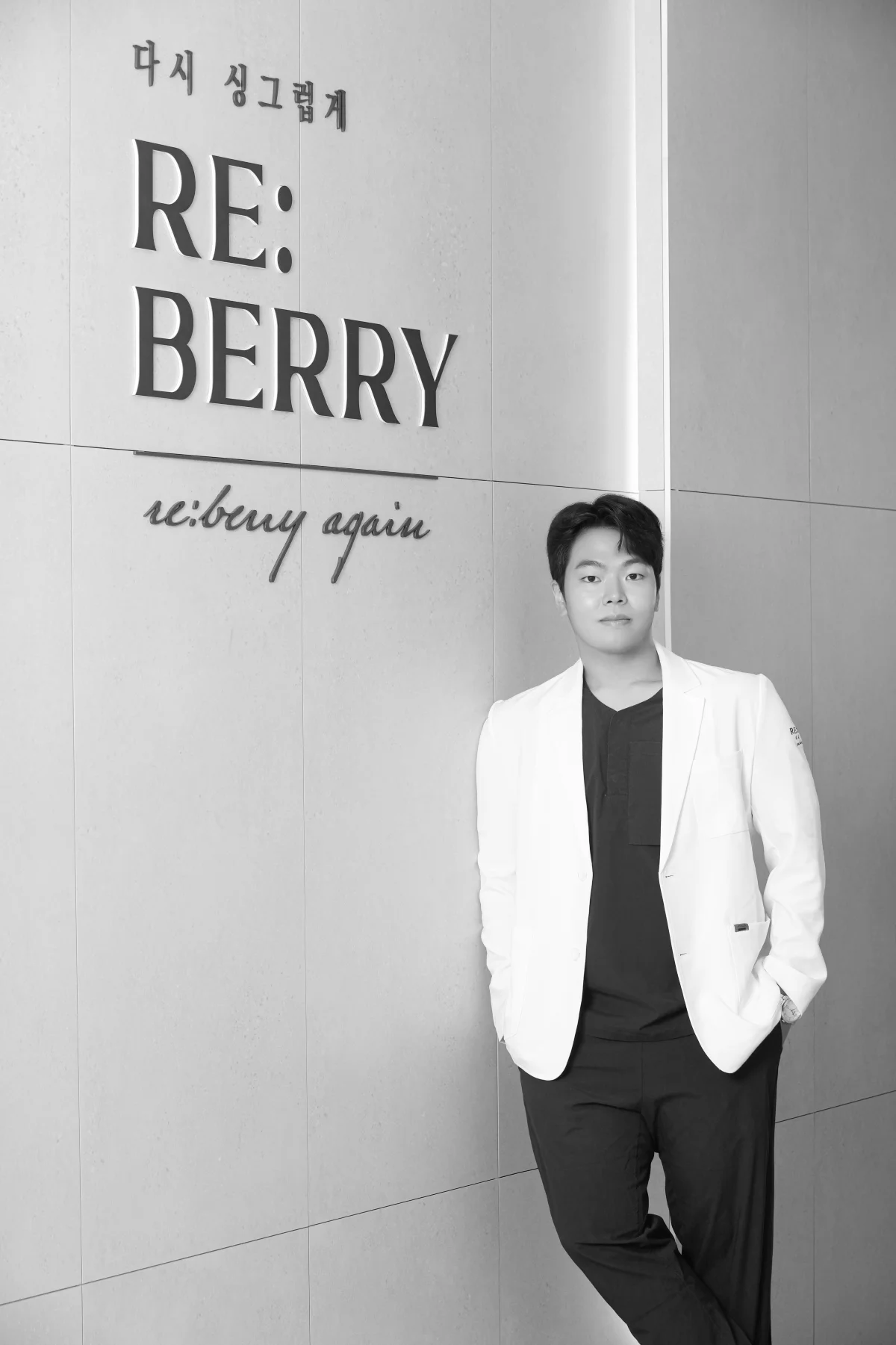
Multilingual tourist care beside Myeongdong Cathedral
Fast, effective care 20 minutes from the terminals
Message us on WhatsApp for a free consultation in English about your pigment and tone concerns.