



Gangnam
Dr. Yoon-Gon Ryu
Aesthetic Medicine Specialist
Flagship clinic · for leading lifting & regenerative devices · Featured in Authority Magazine (2026)

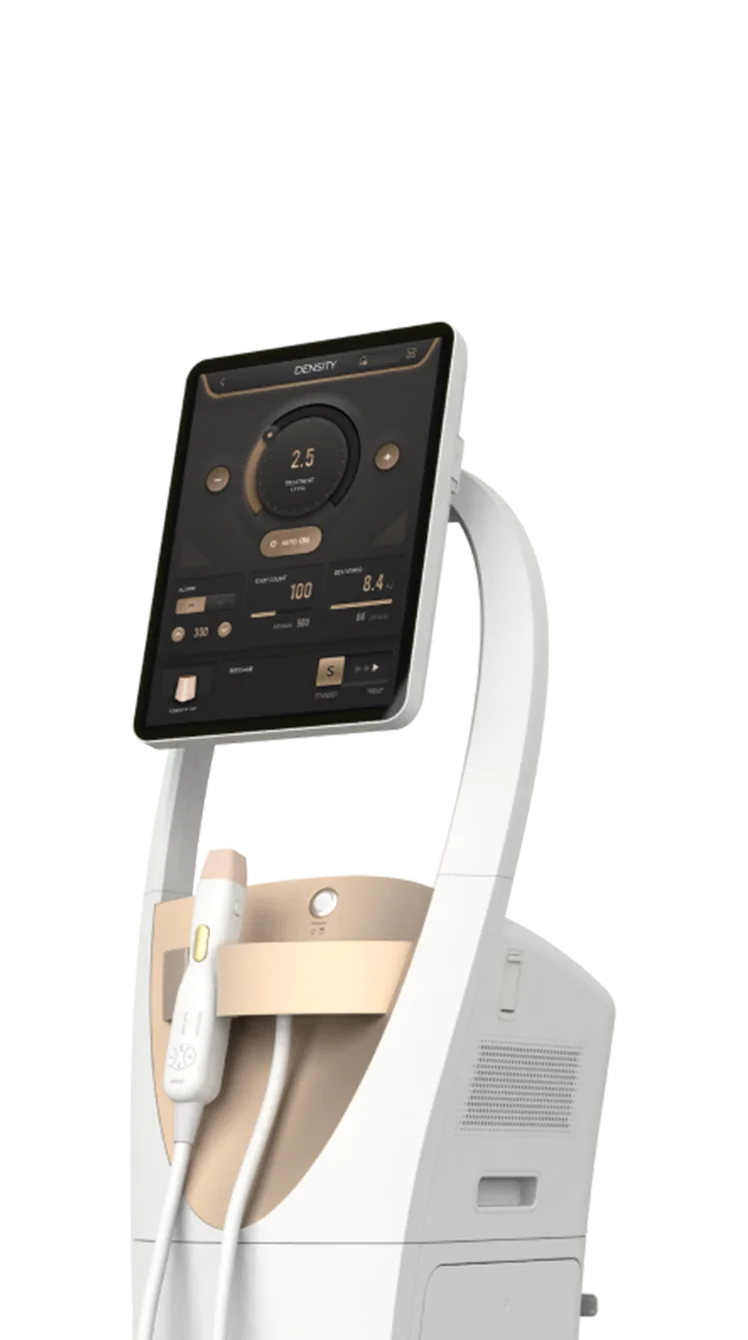
A tailored combination of hydration, gentle toning, and resurfacing aiming for the clear, dewy, even-toned look across 3 to 5 sessions.
Glass skin treatment in Seoul is a tailored program combining deep hydration, gentle laser toning, and resurfacing facials to create the clear, poreless-looking, dewy complexion known as Korean glass skin. It is not one device but a layered plan, usually 3 to 5 sessions, delivered in English across our three Seoul-area locations.
One-on-One guidance from a dedicated doctor, ensuring your skin is professionally monitored and treated from start to finish.
Fluent assistance in English, Japanese, and Chinese, making communication clear, respectful and comfortable for international patients.
Over 100,000 patients worldwide have received our personalized dermatological care, highlighting our expertise and reliable results.
Glass skin treatment describes a set of in-clinic procedures designed to create the smooth, luminous, almost translucent look popularised in Korean skincare, where skin appears as clear and reflective as glass. It is not a single machine but a tailored combination of hydration, gentle pigment toning, and light resurfacing, layered to improve clarity, texture, and even tone together.
Most plans blend skin-hydration boosters that flood the dermis with moisture, gentle low-fluence laser toning to soften pigment and unify tone, and a resurfacing or hydradermabrasion facial to refine pores and surface texture. The exact mix depends on your starting skin: someone with dullness needs different emphasis than someone with visible pores or uneven tone.
At Reberry Clinic, glass skin treatment is consultation-led: the clinic’s doctors first analyse your skin type, pigment, and pore condition, then build a stepwise plan rather than a one-size approach. International patients are supported in English across our three Seoul-area locations (Gangnam, Myeongdong, Incheon Airport).
For visual context, browse glass facial before and after photos, and see how the Korean glass facial protocol is structured.
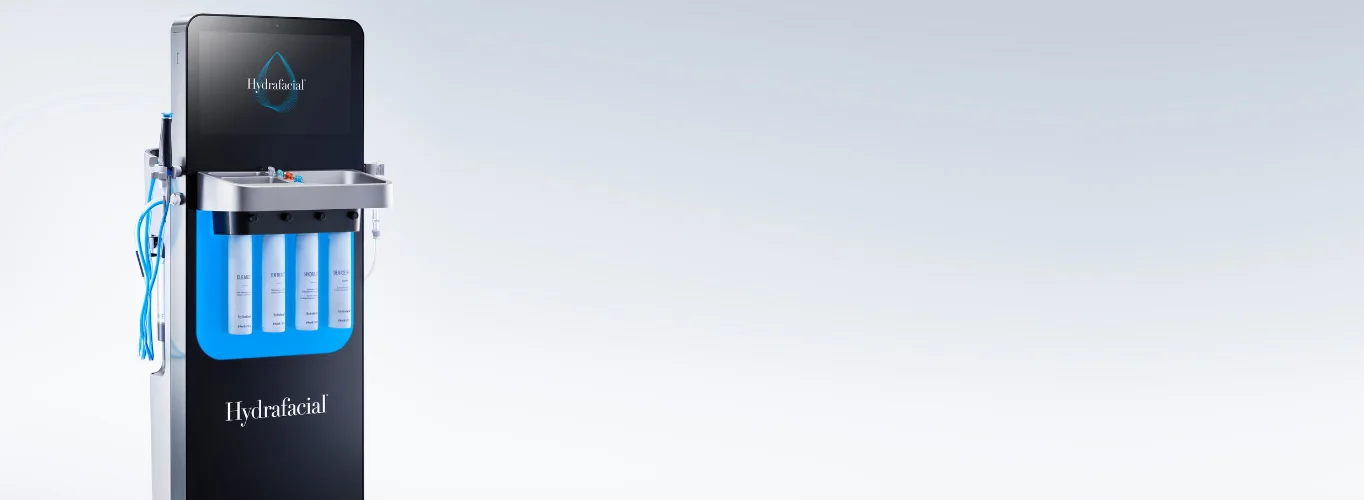
Glass skin treatment layers several complementary mechanisms rather than relying on one energy source. Hydration boosters deliver water-binding ingredients such as hyaluronic acid into the upper dermis, which plumps the skin and creates the light-reflecting, dewy surface that defines the look. Gentle low-fluence laser toning uses short, repeated pulses to break up excess melanin gradually, evening out tone and reducing the dull, blotchy appearance that hides natural radiance. A resurfacing or hydradermabrasion step clears dead cells and refines the surface so light reflects more evenly off smoother skin. Because each component is delivered at conservative settings and superficial depth, the overall plan emphasises gradual, cumulative improvement in clarity and texture while keeping irritation low, which matters for Asian skin types prone to post-inflammatory pigmentation.
One Reberry Clinic, multiple Seoul-area locations. Pricing & current promotions are listed on each branch's own site — tap a clinic to view pricing & book.
Our flagship in the heart of Gangnam.
In Seoul's shopping & tourism heart.
A beauty stop between flights.
The newest Reberry Clinic — in Seoul's trend district.
ONE REBERRY CLINIC · MFDS-REGISTERED DEVICES · MULTILINGUAL CARE AT EVERY LOCATION

The first visit assesses pigment, pores, and hydration so the plan targets your top 1 to 2 concerns.
Hydration boosters deliver hyaluronic acid into the upper dermis across 1 to 2 passes to plump skin and create a dewy surface.
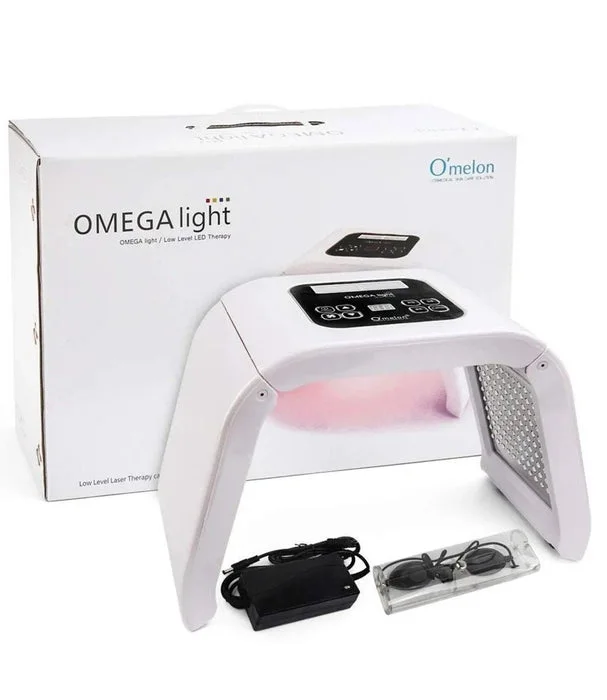
Low-fluence laser toning runs over several passes, often 8 to 10, to soften melanin and even tone without aggressive heat.
A hydradermabrasion or light resurfacing pass of 1 to 2 minutes clears dead cells so light reflects more evenly off smoother skin.
Most plans run 3 to 5 sessions spaced 2 to 4 weeks apart, with results building cumulatively between visits.

Before-and-after photos are being updated.
The clinic’s doctors analyse your skin type, pigment, and pores, then design a stepwise plan in English.
A combined session usually runs 30 to 60 minutes depending on the steps included, with optional numbing for comfort.
Most steps have little downtime, so many patients return to normal activities the same day with sun protection.
Hydration glow appears quickly, while clarity and tone build cumulatively across a series of 3 to 5 sessions.
Daily sunscreen, gentle hydration, and periodic maintenance help sustain the dewy, even-toned result.



Glass skin treatment is a tailored in-clinic program that combines hydration boosters, gentle laser toning, and light resurfacing to create the clear, dewy, even-toned look known as Korean glass skin. It is not a single device but a layered plan, customised to your skin type, pigment, and pore condition for cumulative radiance.
Glass skin treatment cost in Seoul depends on which components your plan includes, such as hydration boosters, toning, or resurfacing, and how many sessions you book. Because each program is individualised, the clinic’s doctors confirm pricing at consultation rather than quoting a single fixed figure for everyone.
Glass skin treatment is generally considered safe when each component is delivered at conservative settings by trained doctors who match them to your skin tone. A consultation screens for active infection, allergies, and recent sun exposure. You can review related options on our skin care page beforehand.
Reberry Clinic offers glass skin treatment with English-speaking support across three Seoul-area locations (Gangnam, Myeongdong, Incheon Airport). International patients can consult, plan, and treat in English without a language barrier. You can explore the program details on our glass facial skin page.
Most adults wanting clearer, more hydrated, even-toned skin are suitable candidates, including those with dullness, mild uneven tone, or visible pores. A consultation confirms your skin type so the plan can be tailored. People with active infection, unstable pigment disorders, or relevant allergies may need a modified approach.
Glass skin treatment is generally comfortable, since each step uses gentle, conservative settings. Hydration boosters may feel like small pinches, and toning feels like a mild snapping sensation, often around 2 to 3 out of 10. Numbing cream is available, and resurfacing facials feel like a cool massage.
Downtime is usually little to none across the steps, with mild redness or small injection marks that settle within hours to a day. Because the settings are conservative, most international patients return to sightseeing the same afternoon. Your doctor advises if a particular component needs a quiet day afterward.
A hydration glow often appears within days of the first session, while improvements in clarity and even tone build gradually over the series. Most patients notice the strongest dewy, glass-like effect after completing 3 to 5 sessions. Your doctor reviews progress between visits and adjusts the plan as needed.
Most glass skin plans run 3 to 5 sessions spaced about 2 to 4 weeks apart, then periodic maintenance to sustain the look. The clinic’s doctors confirm your schedule at consultation since starting skin condition affects the count. You can pair it with other care on our skin care page.
Results can last several months for tone and texture, while the dewy hydration effect is shorter and benefits from regular upkeep. New sun exposure and dehydration can dull the glow over time. Daily sunscreen, hydration, and occasional maintenance sessions help hold the clear, even result after your initial series.
Yes, glass skin programs are by nature combination-based and pair well with gentle add-ons. Many patients include a hydrating facial to support the skin barrier, and lifting or injectable plans can be sequenced separately. Your doctor spaces treatments so the skin is not over-stressed in a single visit.
Glass skin treatment can help pores look smaller because resurfacing and toning refine surface texture and even tone, which makes pores less noticeable. It improves their appearance rather than permanently shrinking them, so results are maintained with repeat sessions. Your doctor may emphasise resurfacing steps if pores are your main concern.
Glass skin treatment differs from one facial by layering hydration, pigment toning, and resurfacing into a planned series, rather than a single cleanse-and-mask session. This combined approach targets clarity, tone, and texture at once. You can compare device-based options on our laser treatment page to see the differences.
Common side effects are temporary redness, mild swelling, or small injection marks that resolve within hours to a couple of days. Rarely, transient pigment change can occur, especially after sun exposure, which is why settings stay conservative. Following aftercare and strict sun protection markedly lowers these risks for most patients.
Daily broad-spectrum sunscreen is essential, along with gentle, fragrance-free skincare and avoidance of heat, scrubbing, and sun for a few days. Good hydration supports the dewy result. A supportive routine, such as our skin care options, helps maintain clarity between sessions.
For a single combined session, 2 to 3 days is comfortable, allowing a consultation, the treatment, and a short review. If you want the full 3 to 5 session series, longer stays or split trips can be arranged. Our English-speaking team helps coordinate timing around your travel schedule.
Yes, flying within 24 hours is generally fine because the steps are non-invasive or minimally invasive. Cabin air is drying, so moisturise and protect treated skin from sun at your destination. If your plan included resurfacing, your doctor advises on aftercare and sun avoidance while you travel.
International patients can complete a glass skin series across one or more visits, and the clinic offers remote check-ins in English between trips. You can also book related care such as ongoing skin care when you return. Your treatment notes are kept on file for continuity.
| Glass Skin Program | Hydration Booster Alone | Laser Toning Alone | |
|---|---|---|---|
| Energy / mechanism | Layered hydration, gentle toning, and resurfacing | Hyaluronic-acid hydration of the upper dermis | Low-fluence pulses softening melanin |
| Best for | Overall clarity, tone, texture, and dewiness together | Dryness and surface dewiness mainly | Uneven tone and dullness from pigment |
| Pain / comfort | Comfortable; mild depending on the steps used | Mild, brief sensation | Mild snapping sensation |
| Downtime | Little to none across the steps | Minimal | Minimal, brief redness possible |
| Results timeline | Builds cumulatively over the session series | Hydration glow appears quickly, fades sooner | Tone evens gradually over sessions |
| Sessions | Typically 3 to 5, then maintenance | Repeated for upkeep | Often several for tone |
| Cost factors | Depends on which components and sessions are included | Depends on product and session count | Depends on area and session count |
Real verified reviews from our Google Business Profile, across all Reberry Clinic locations.
PULLED LIVE FROM GOOGLE · GANGNAM · MYEONGDONG · INCHEON AIRPORT
Your treatment is planned and performed by experienced, MFDS-registered doctors across our Seoul-area clinics, with multilingual support for international patients.
Flagship clinic · for leading lifting & regenerative devices · Featured in Authority Magazine (2026)

Multilingual tourist care beside Myeongdong Cathedral

Fast, effective care 20 minutes from the terminals
Message us on WhatsApp for a free consultation in English about achieving clearer, dewier skin.