

Gangnam
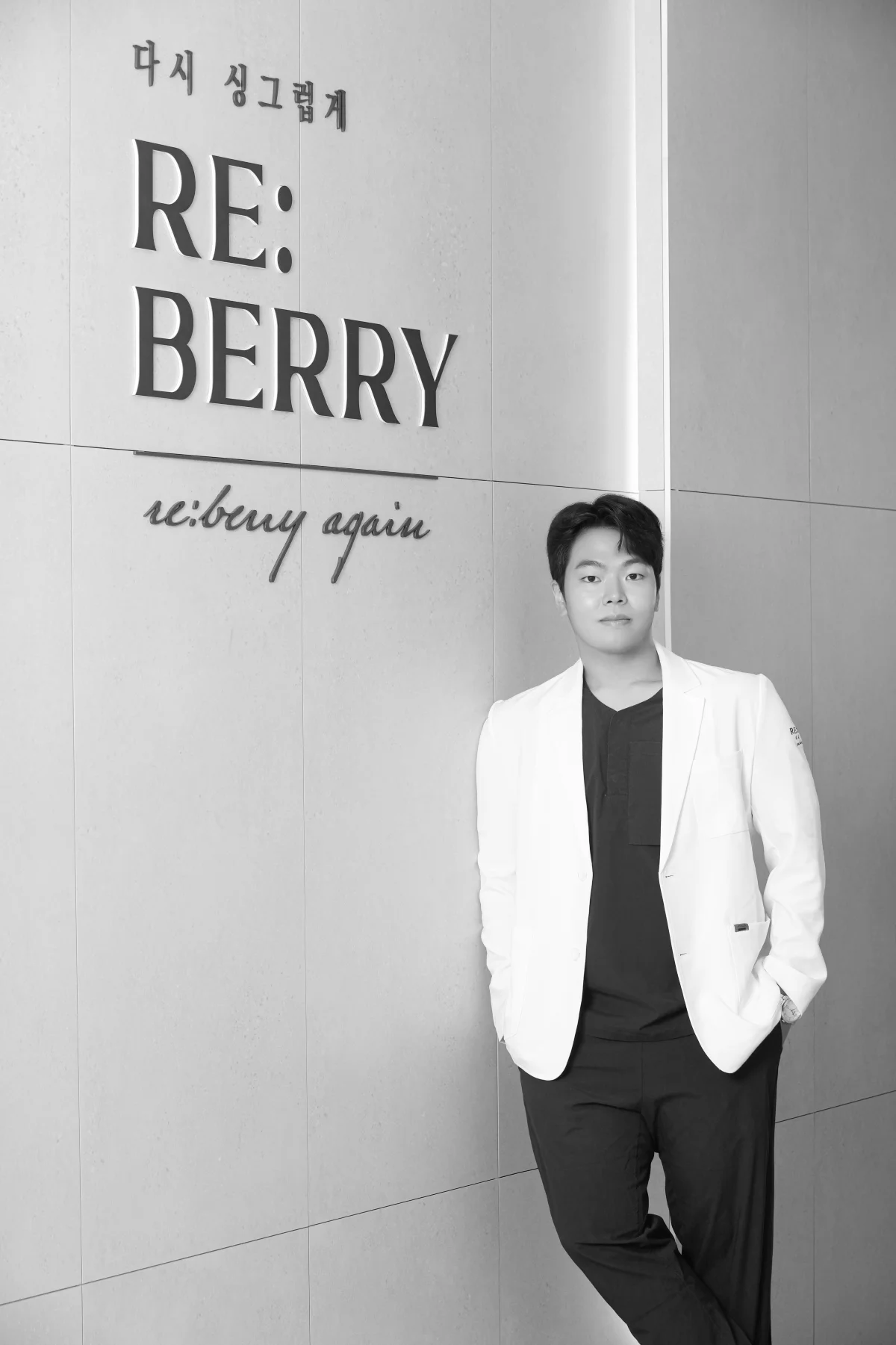
Dr. Yoongon Ryu
Aesthetic Medicine Specialist
Flagship clinic · KOL for leading lifting & regenerative devices

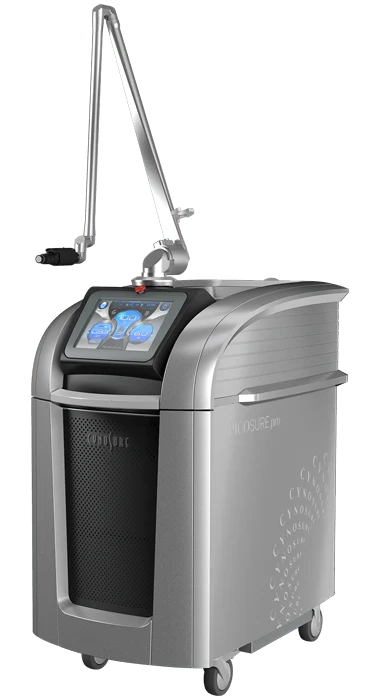
Picosecond and Q-switched lasers fade unwanted ink gradually over several sessions, typically spaced 6 to 8 weeks apart.
Laser tattoo removal uses rapid pulses of light from picosecond or Q-switched lasers to shatter tattoo ink into tiny particles your body then clears. It works gradually over several sessions, usually spaced 6 to 8 weeks apart, and the number needed depends on the ink colours, depth, and your skin. Reberry Clinic in Seoul plans treatment with the clinic’s doctors.
One-on-One guidance from a dedicated doctor, ensuring your skin is professionally monitored and treated from start to finish.
Fluent assistance in English, Japanese, and Chinese, making communication clear, respectful and comfortable for international patients.
Over 100,000 patients worldwide have received our personalized dermatological care, highlighting our expertise and reliable results.
Laser tattoo removal uses precisely targeted pulses of laser light to break down tattoo ink trapped in the skin. The light is absorbed by the pigment and converted into energy that fragments the ink into much smaller particles, which the body’s immune system then gradually clears over the following weeks.
Because ink sits at different depths and comes in different colours, removal is a staged process rather than a single procedure. Most tattoos need several sessions, commonly spaced 6 to 8 weeks apart to let the skin recover and the body clear fragmented pigment between visits. Black ink typically responds well, while some colours such as green and blue can need more sessions.
At Reberry Clinic the clinic’s doctors assess your tattoo, skin type, and goals, then plan a realistic course. As a dermatology clinic serving international patients across three Seoul-area locations (Gangnam, Myeongdong, Incheon Airport), Reberry offers multilingual English support throughout treatment.
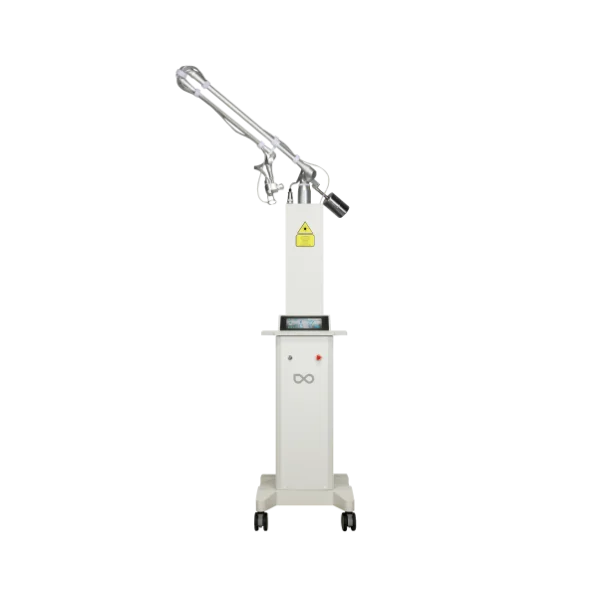
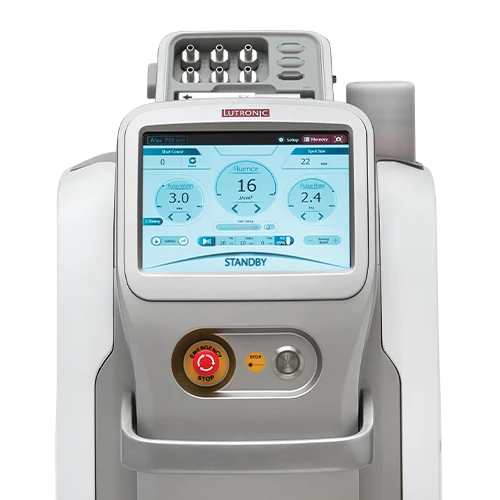
Modern tattoo removal relies on photoacoustic lasers that deliver energy in extremely short bursts. Q-switched lasers fire in nanoseconds (billionths of a second), while newer picosecond lasers fire in picoseconds (trillionths of a second), roughly 1,000 times shorter. These ultra-short pulses create a rapid mechanical shockwave that shatters ink into finer particles than heat alone, often improving clearance of stubborn colours in fewer sessions. Common wavelengths include 1064 nm and 532 nm, chosen to match the ink colour being targeted. The clinic’s doctors select the device settings and wavelength according to your specific ink, depth, and skin type for safe, controlled treatment.
One Reberry Clinic, multiple Seoul-area locations. Pricing & current promotions are listed on each branch's own site — tap a clinic to view pricing & book.
Our flagship in the heart of Gangnam.
In Seoul's shopping & tourism heart.
A beauty stop between flights.
The newest Reberry Clinic — in Seoul's trend district.
ONE REBERRY CLINIC · MFDS-REGISTERED DEVICES · MULTILINGUAL CARE AT EVERY LOCATION

The laser fires pulses lasting nanoseconds or picoseconds that are absorbed selectively by the tattoo ink, not the surrounding skin.
Each pulse creates a rapid shockwave that shatters ink into particles many times smaller than the original deposit.
Over the 6 to 8 weeks after each session, the body’s immune cells gradually carry the tiny ink fragments away.
Most tattoos need several sessions, often 5 to 10 or more, depending on ink colour, depth, and density.
The tattoo visibly lightens step by step across the multi-month course, with black ink typically responding within the first 1 to 2 sessions.

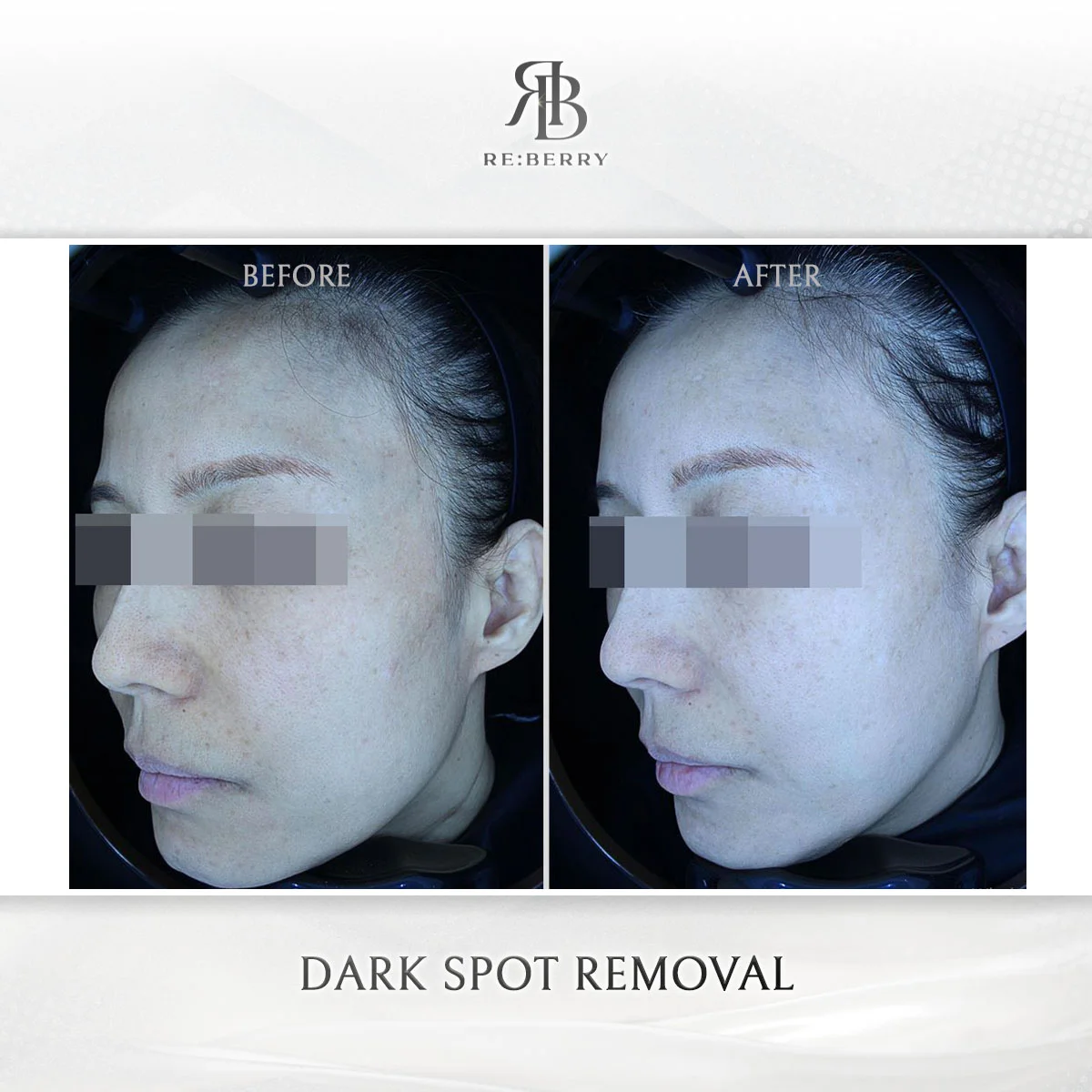
See representative outcomes from Reberry Clinic. Results build gradually and vary by individual; your plan is assessed at consultation.
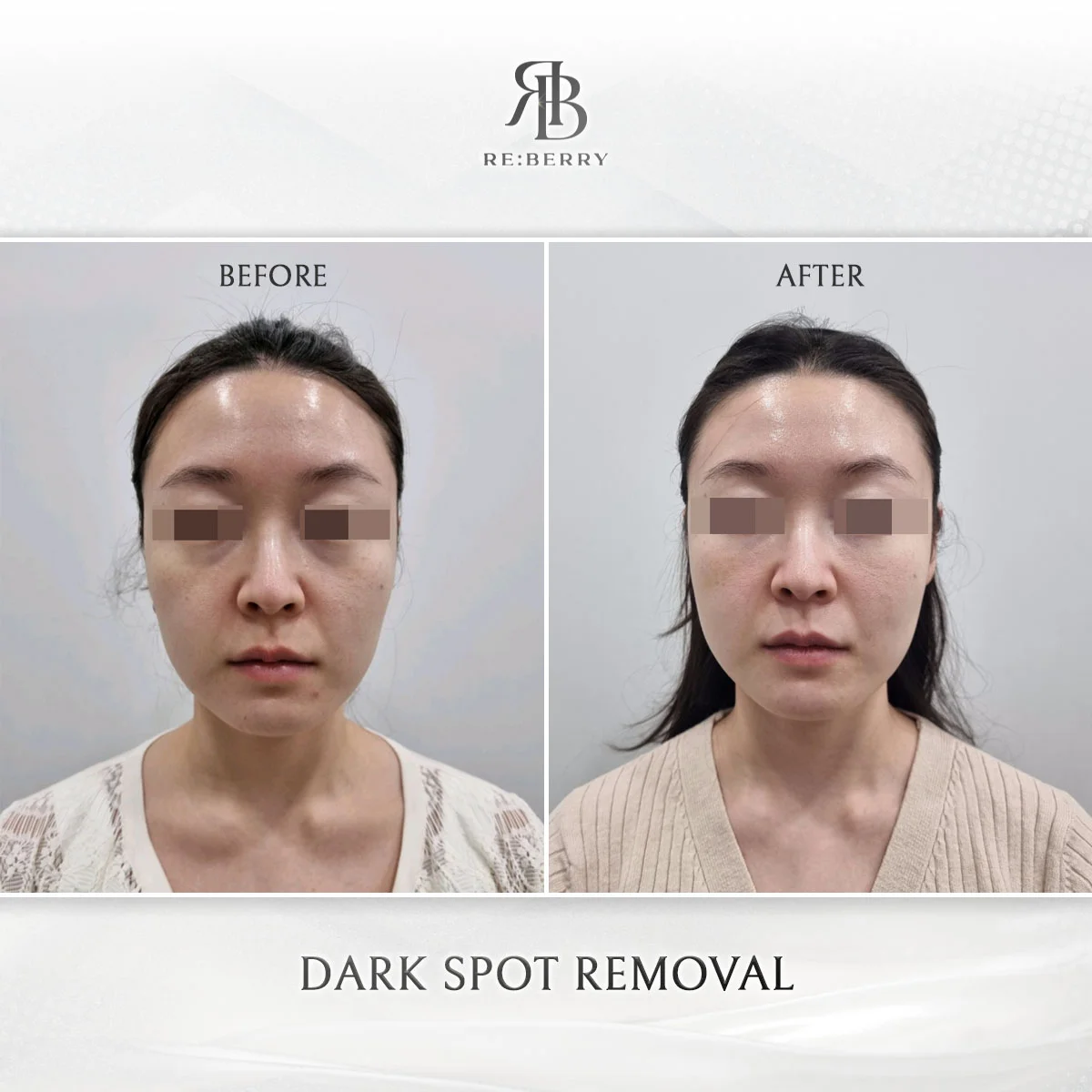
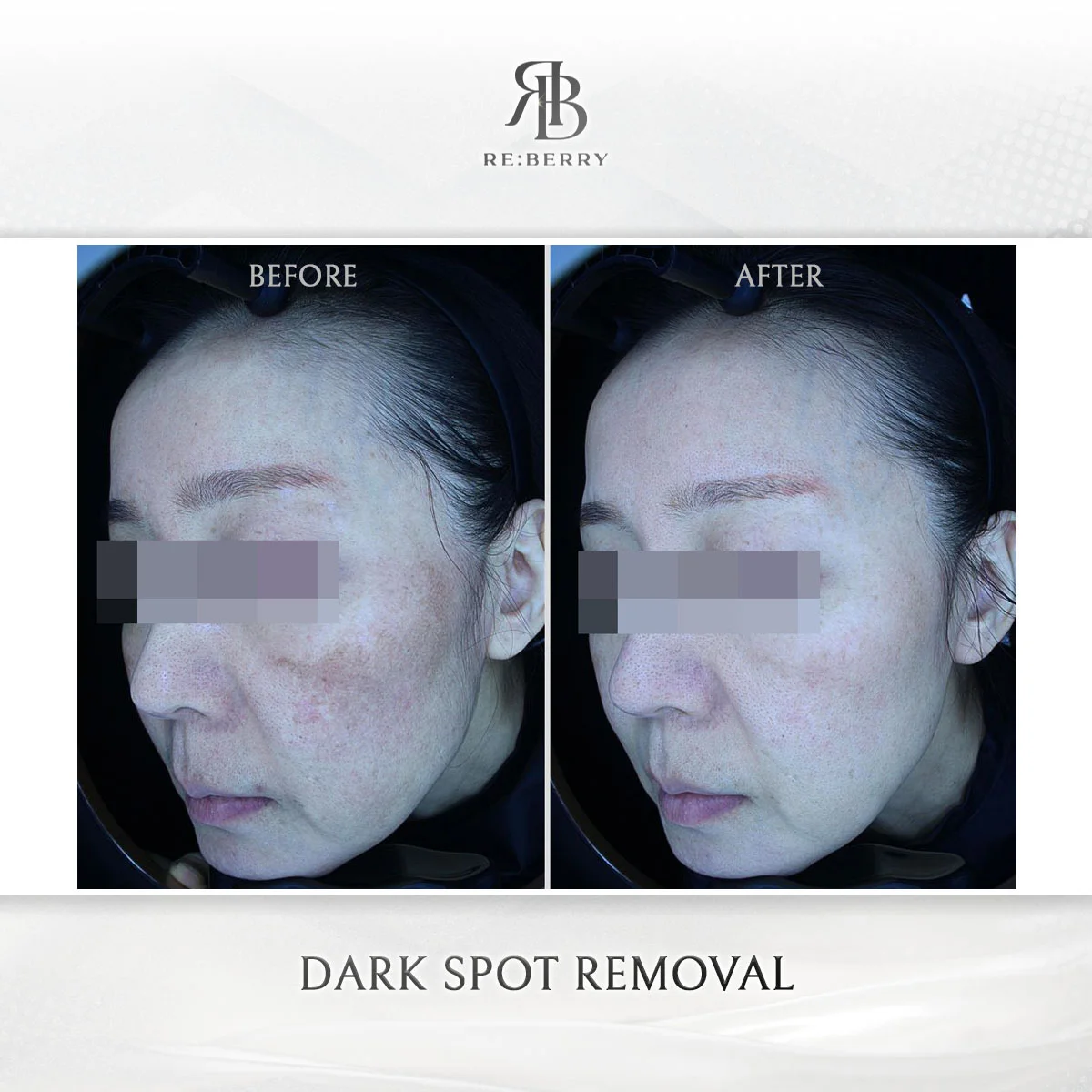
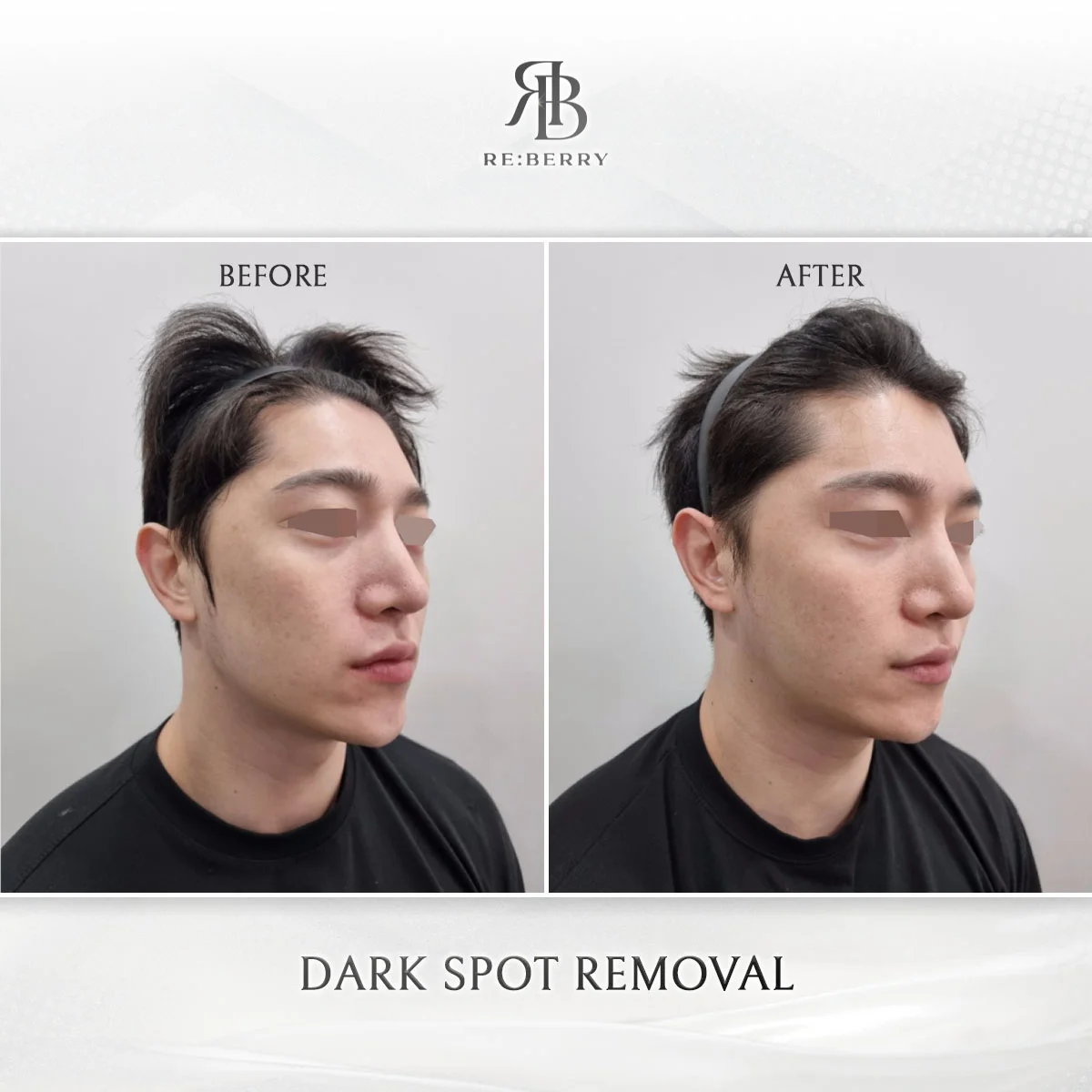
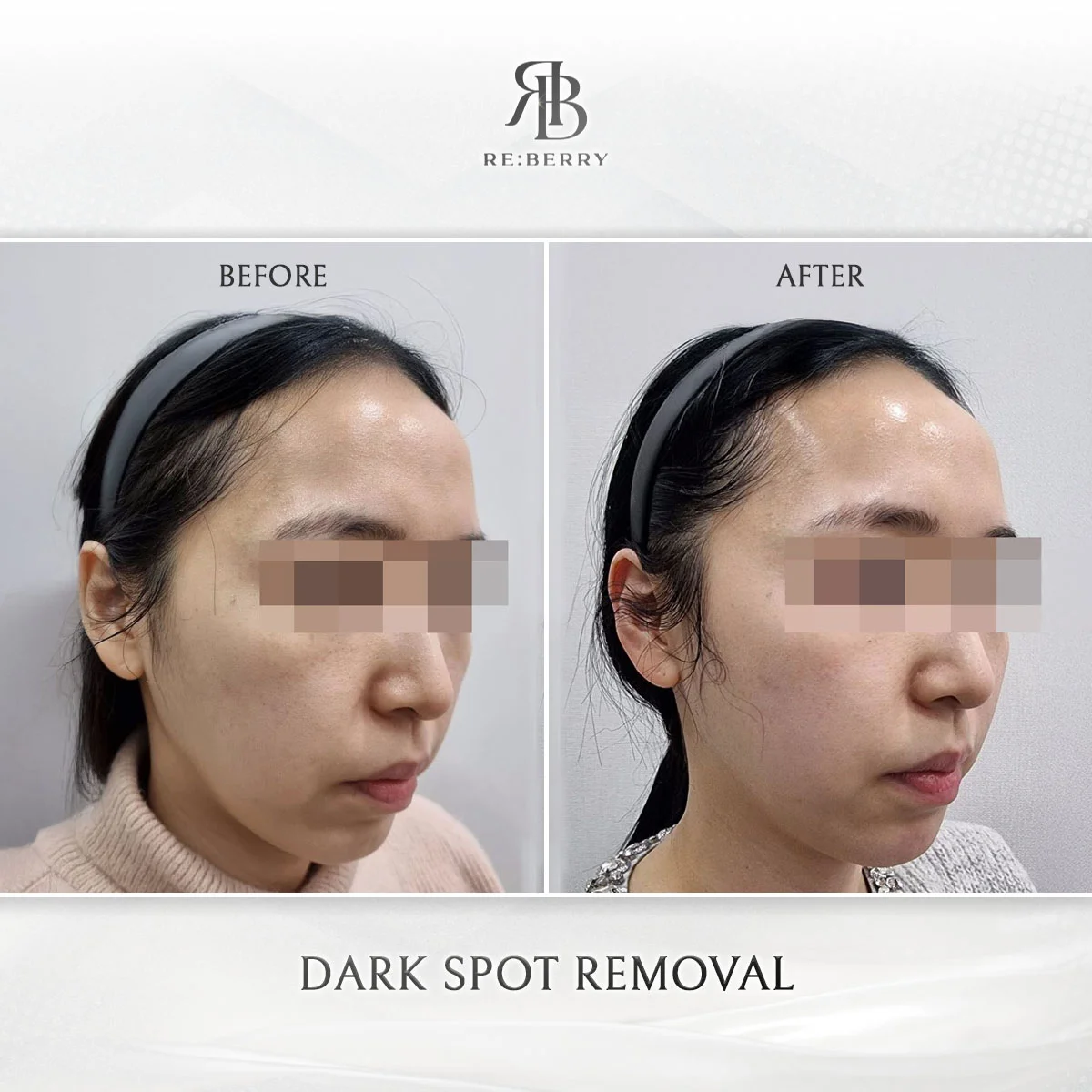
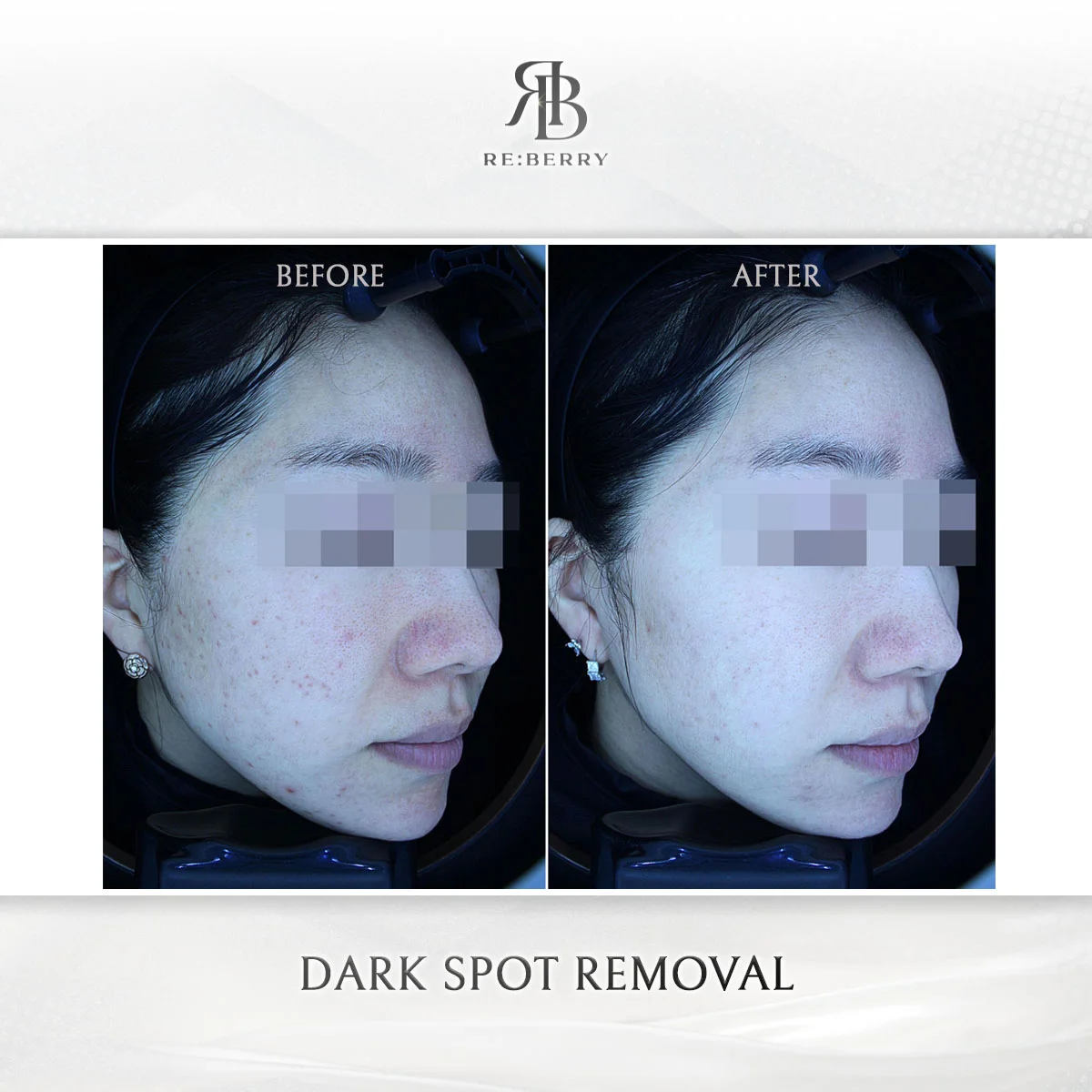
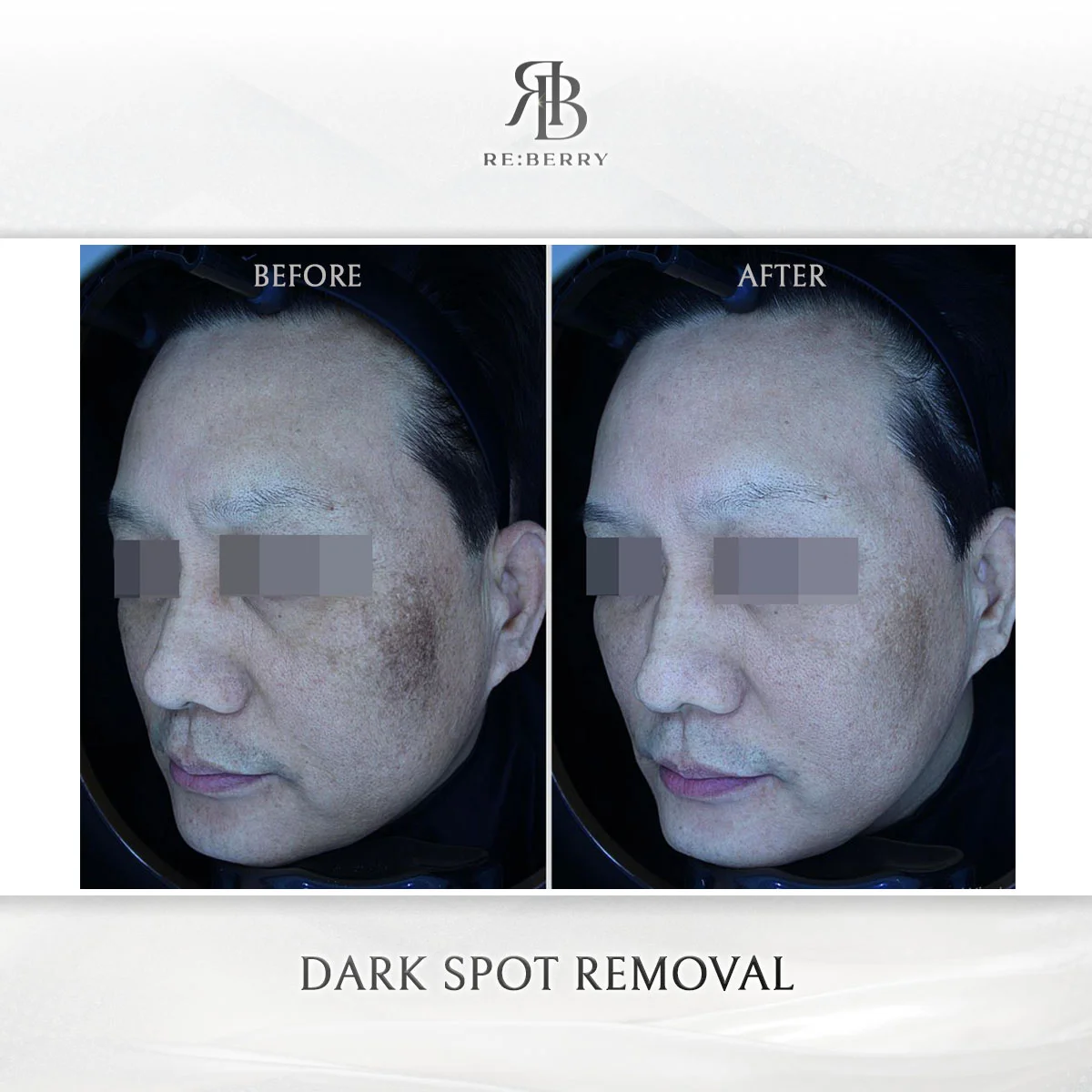
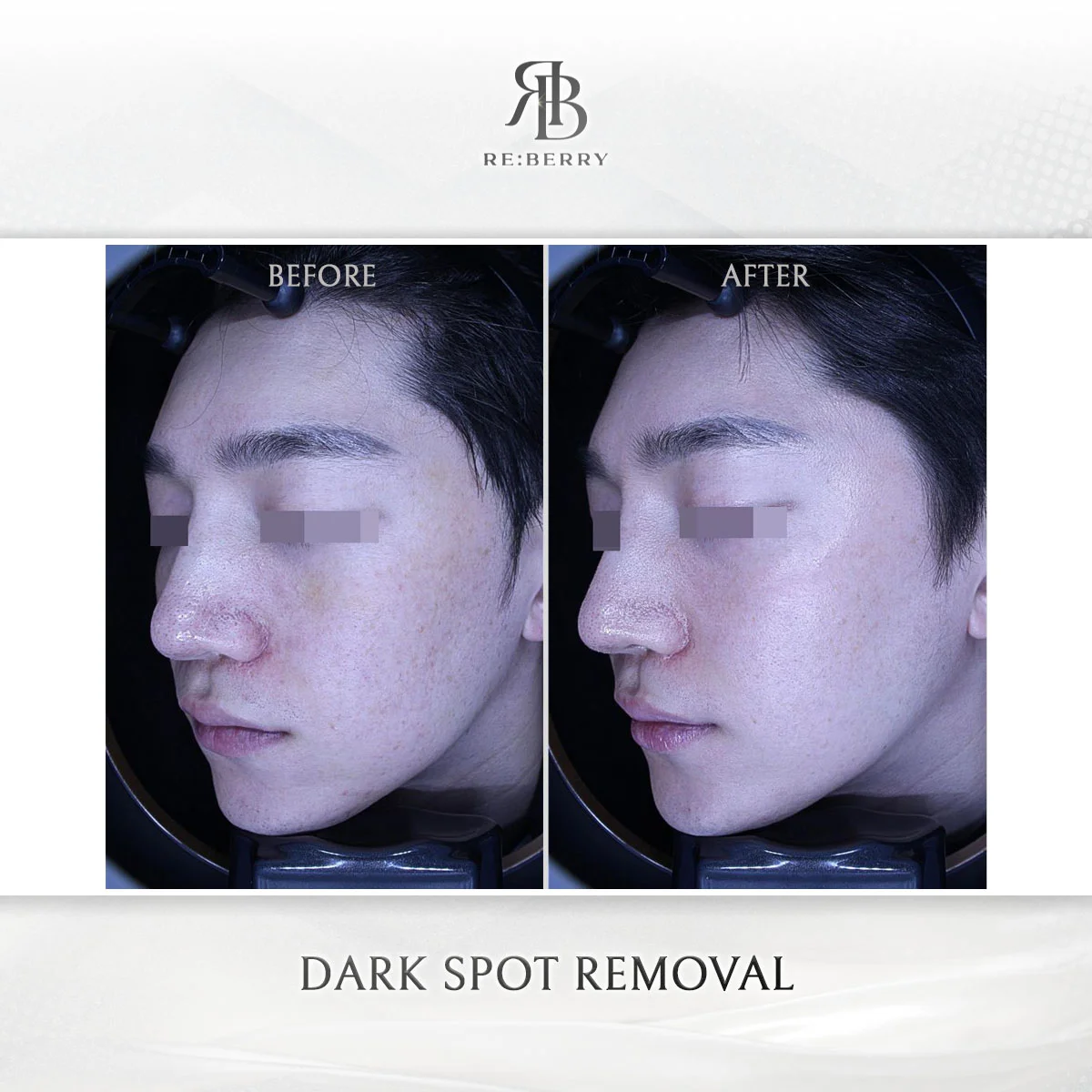
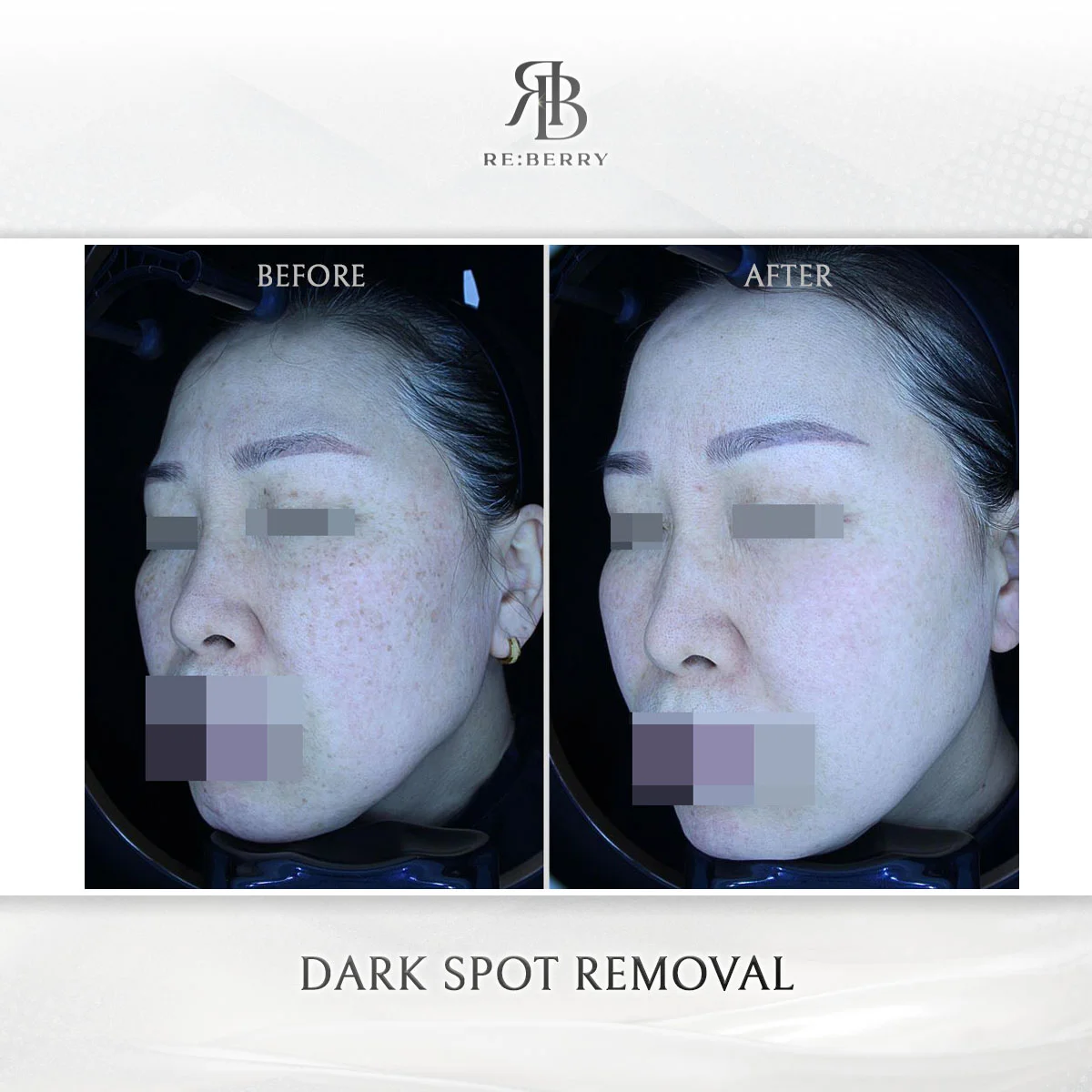
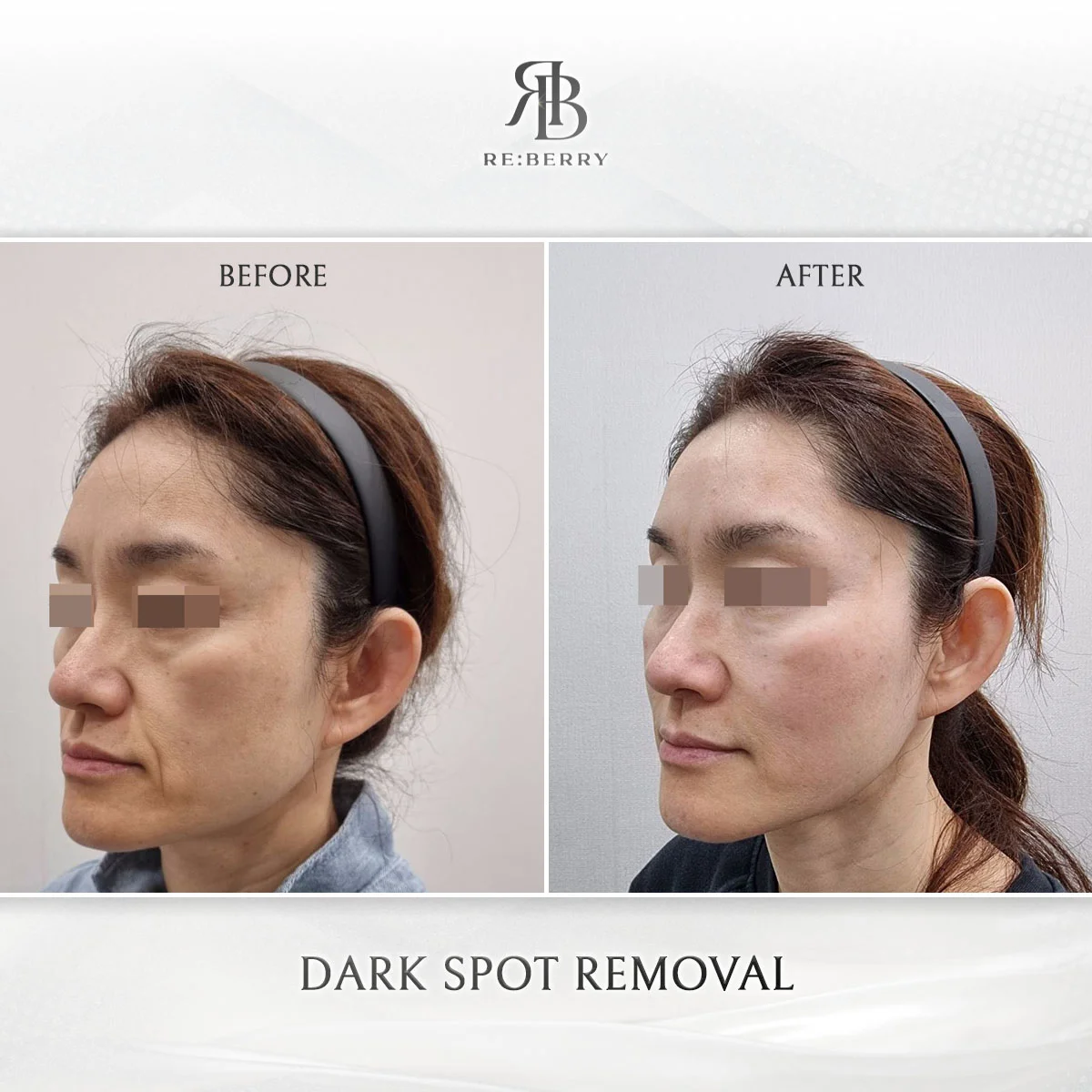
The clinic’s doctors assess your tattoo’s colours, depth, and your skin type, then estimate a realistic number of sessions in English.
After numbing, each session takes a few minutes to around 30 minutes depending on tattoo size.
Removal is staged: most tattoos need several sessions spaced 6 to 8 weeks apart.
The tattoo fades progressively across the course, with visible lightening between sessions over months.
Once cleared, results are lasting; sun protection and proper wound care between sessions protect the skin.
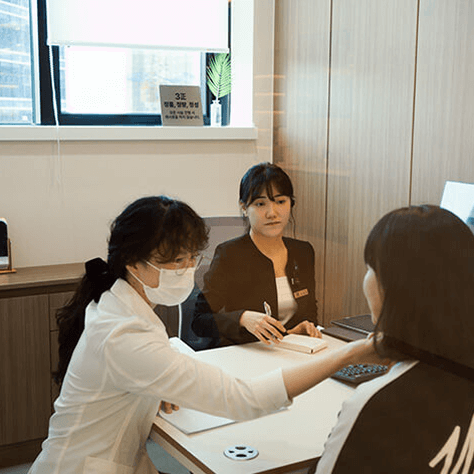
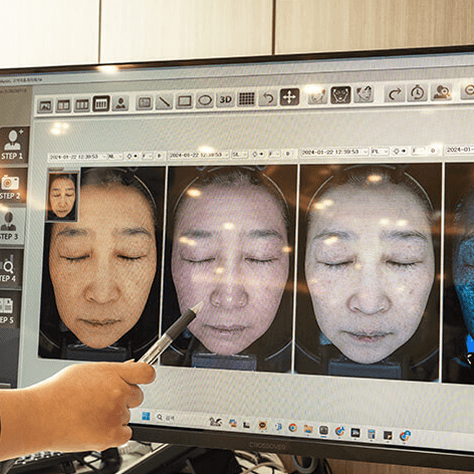

Laser tattoo removal uses rapid pulses of light to shatter tattoo ink into tiny particles that your body then clears over several weeks. It is staged across multiple sessions rather than done in one visit. The clinic’s doctors plan settings for your ink and skin, as outlined on our laser treatment page.
The laser fires extremely short pulses, lasting nanoseconds or picoseconds, that are absorbed by the pigment and create a shockwave shattering the ink. Your immune system then gradually carries the fragments away over the 6 to 8 weeks between sessions. This is why removal is progressive and needs more than one treatment to complete.
Most tattoos need several sessions, commonly 5 to 10 or more, depending on ink colours, depth, density, and your skin. Black ink usually responds fastest, while green and blue can take longer. The clinic’s doctors estimate a realistic range at consultation after assessing your specific tattoo and skin type.
Adults wanting to fade or remove an unwanted tattoo are generally suitable after assessment of ink colour, depth, and skin type. Those with a history of keloid scarring, recent tanning, or certain skin conditions need careful review first. A consultation confirms suitability; you can read about related options on our dark spot removal page.
Most patients describe a snapping sensation similar to a rubber band against the skin during the pulses. Numbing cream or cooling is used to improve comfort, and each session lasts only minutes to around 30 minutes. Any discomfort settles quickly once the session ends, and your clinician adjusts the approach if needed.
Expect mild redness, swelling, and sometimes pinpoint scabbing in the treated area for several days after each session. The skin should be kept clean and protected while it heals. There is no need for time off for most people, though the area looks irritated briefly between visits across the staged course.
The tattoo fades gradually rather than disappearing at once, with visible lightening usually noticeable after the first few sessions. Because the immune system clears fragmented ink over the 6 to 8 weeks between treatments, full results build over many months. Patience matters, since stubborn colours need additional sessions to fade further.
Black and dark colours respond best and fastest, while green, blue, and some bright pigments can be more stubborn and need extra sessions. Picosecond lasers help with difficult colours by shattering ink more finely. The clinic’s doctors choose the wavelength and device to match your ink; some colours may fade rather than vanish completely.
Once a tattoo is cleared, the result is lasting, because the removed ink does not return. Areas that only fade rather than fully clear stay faded. Maintaining sun protection helps the treated skin recover well. You can explore complementary skin treatments such as acne treatment if you have related concerns.
Laser tattoo removal has a well-established safety profile when performed by trained clinicians with appropriate settings, with side effects usually limited to temporary redness, swelling, or scabbing. Because the wavelength and energy are matched to your ink and skin type, the surrounding skin is protected. Careful assessment beforehand reduces the small risk of pigment change or scarring.
Expect temporary redness, swelling, and sometimes blistering or scabbing for a few days after each session. Less commonly, temporary lightening or darkening of the skin can occur and usually settles. Scarring is uncommon with proper technique and aftercare. The clinic’s doctors review your skin type and history to minimise these risks before starting.
Tattoo removal is usually performed as its own staged course, but the clinic can coordinate it around other appointments during your visit. Treated skin needs to heal between sessions, so timing is planned carefully by your doctor. You can review other laser-based options on our laser treatment page at consultation.
Keep the treated area clean, apply any recommended ointment, and avoid picking scabs while it heals. Protect the skin from sun and avoid swimming or saunas until healed. Strict sun protection between sessions is important, and a gentle skin care routine helps the area recover well between visits and at home.
Cost is consultation-led and depends on the tattoo’s size, colours, depth, and the number of sessions needed, so we do not quote fixed prices. Your doctor explains the likely range transparently at consultation. You can ask about pricing and related laser treatments when you message our English-speaking team.
Because removal is staged over months with 6 to 8 weeks between sessions, you usually cannot complete a tattoo in one trip. Each individual session needs only part of 1 day with brief healing. Many international patients start a course in Seoul and continue on later visits; our English team coordinates timing across our locations.
Yes, flying soon after a session is generally fine, since the procedure is non-surgical and downtime is short. Keep the treated area clean and protected during travel, and avoid sun exposure on arrival. If a larger area was treated, your doctor will advise on wound care and any precautions before you fly home.
| Picosecond laser | Q-switched laser | Surgical excision | |
|---|---|---|---|
| Mechanism | Trillionth-second pulses, photoacoustic | Billionth-second pulses, photoacoustic | Cutting out inked skin and stitching |
| Best for | Multi-colour or stubborn tattoos | Black and darker single-colour tattoos | Small tattoos where a scar is acceptable |
| Pain / comfort | Snapping sensation, numbing used | Snapping sensation, numbing used | Surgical, requires local anaesthetic |
| Downtime | Days of redness or scabbing per session | Days of redness or scabbing per session | Wound healing and suture care |
| Sessions | Often fewer for difficult colours | Several, varies by colour | Usually one, leaves a scar |
| Results timeline | Fades over months across sessions | Fades over months across sessions | Immediate removal, scar matures over months |
| Cost context | Consultation-led, varies by size and colours | Consultation-led, varies by size and colours | Consultation-led, depends on size and closure |
Real verified reviews from our Google Business Profile, across all Reberry Clinic locations.
PULLED LIVE FROM GOOGLE · GANGNAM · MYEONGDONG · INCHEON AIRPORT
Your treatment is planned and performed by experienced, MFDS-registered doctors across our Seoul-area clinics, with multilingual support for international patients.
Flagship clinic · KOL for leading lifting & regenerative devices
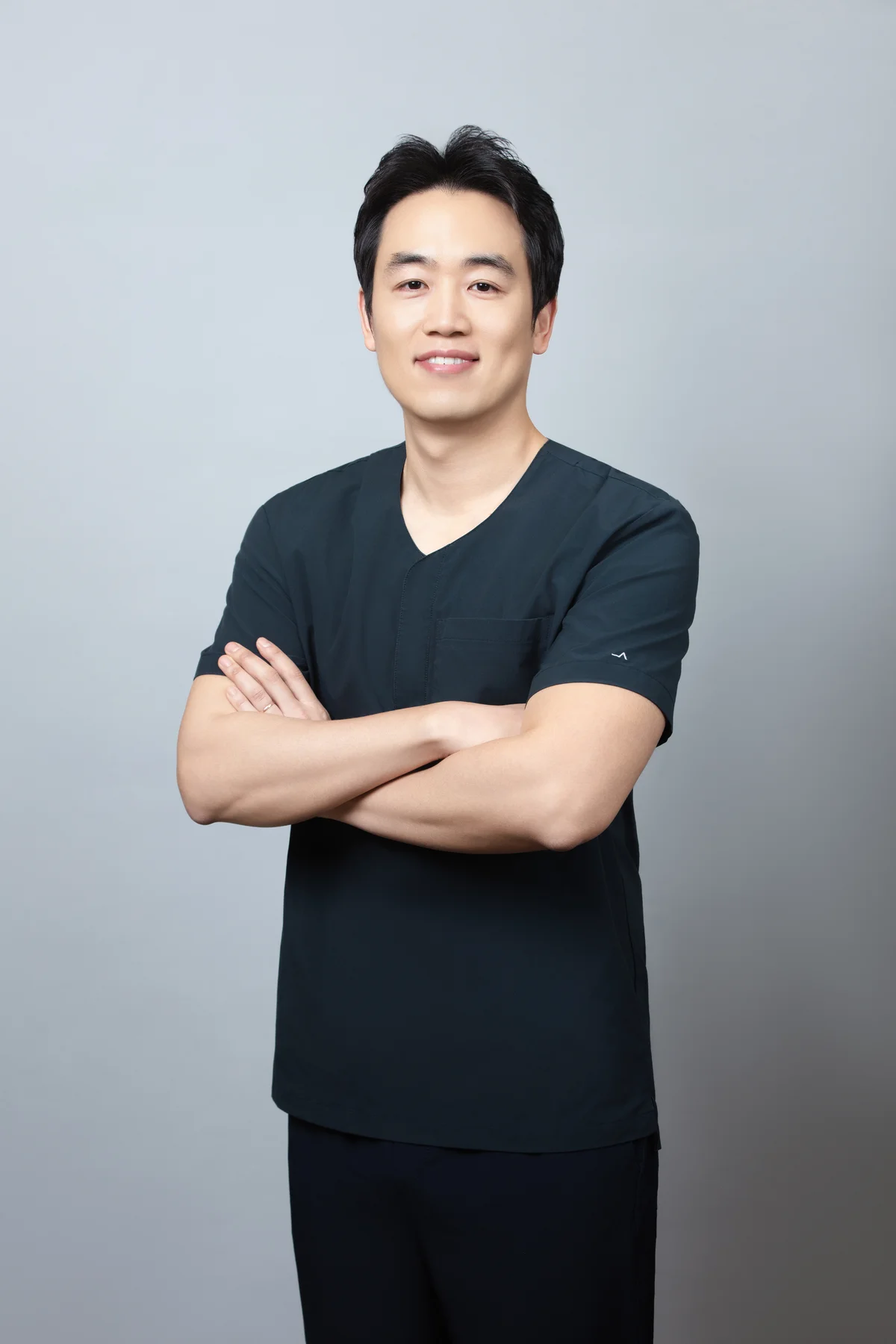
Multilingual tourist care beside Myeongdong Cathedral
Fast, effective care 20 minutes from the terminals
Message us on WhatsApp for a free consultation in English about laser tattoo removal in Seoul.