



Gangnam
Dr. Yoon-Gon Ryu
Aesthetic Medicine Specialist
Flagship clinic · for leading lifting & regenerative devices · Featured in Authority Magazine (2026)

Glass skin cost depends mainly on which injectable you receive and how many of the typical 3 sessions you complete.
Glass skin treatment cost in Seoul depends mainly on which injectable is used, how many of the usual 3 sessions you complete, the treatment area, and whether boosters are combined with other care. Because the right product is chosen for your skin, an accurate price comes from a consultation rather than a fixed online figure.
One-on-One guidance from a dedicated doctor, ensuring your skin is professionally monitored and treated from start to finish.
Fluent assistance in English, Japanese, and Chinese, making communication clear, respectful and comfortable for international patients.
Over 100,000 patients worldwide have received our personalized dermatological care, highlighting our expertise and reliable results.
Glass skin treatment is a category of injectable skin boosters, so its cost is driven by which product is used rather than a single fixed price. A hyaluronic acid hydration booster, a polynucleotide regenerating injectable, and a PDLLA collagen stimulator each carry different material costs, which is the largest single factor in your total.
The second major factor is the number of sessions. Because boosters build effect cumulatively, most plans involve around 3 sessions spaced 2 to 4 weeks apart, so the total reflects the course rather than one visit. Treatment area, the volume of product needed, and whether boosters are combined with complementary care such as laser toning also shift the figure.
Because the suitable product and session count depend on your skin, an accurate cost comes from a consultation, not an online list. Reberry Clinic serves international patients across three Seoul-area locations (Gangnam, Myeongdong, Incheon Airport), with each plan and price discussed transparently by the clinic’s doctors before you commit.
Curious how results actually look? See real glass facial before and after photos from our Seoul clinics, or read the full Korean glass facial protocol guide.
The single biggest cost driver is which injectable you receive, because glass skin is achieved with different materials. Stabilized hyaluronic acid boosters mainly hydrate; polynucleotide boosters (salmon-DNA derived) calm and regenerate; PDLLA stimulators encourage your own collagen over weeks to months. These products differ in manufacturing and licensing, so they sit at different price points, and a collagen stimulator that lasts around a year naturally differs from a hydration booster lasting weeks. A good clinic explains which product it recommends for your concern and why, so you understand what you are paying for rather than choosing on price alone. This is why an honest cost conversation always starts with a skin assessment.
One Reberry Clinic, multiple Seoul-area locations. Pricing & current promotions are listed on each branch's own site — tap a clinic to view pricing & book.
Our flagship in the heart of Gangnam.
In Seoul's shopping & tourism heart.
A beauty stop between flights.
The newest Reberry Clinic — in Seoul's trend district.
ONE REBERRY CLINIC · MFDS-REGISTERED DEVICES · MULTILINGUAL CARE AT EVERY LOCATION

The doctor evaluates your skin to choose 1 suitable injectable, which is the largest single cost factor.
Each booster type, whether hyaluronic acid, polynucleotide, or PDLLA, sits at a different price point, so the choice shapes the total.
Most courses run about 3 sessions spaced 2 to 4 weeks apart, so the quote reflects the full plan, not 1 visit.
Treating 2 or more zones, or using more product, raises the total, while a focused single-zone plan keeps it lower.
Adding 1 complementary treatment increases cost but may be planned in the same visit for efficiency.

Before-and-after photos are being updated.
The clinic’s doctors assess your skin and recommend a suitable injectable, then explain the cost factors in English.
You receive a clear plan covering the product, the number of sessions, and the area before any treatment begins.
Each session is short, usually 15 to 30 minutes, and the course typically spans about 3 visits over several weeks.
Hydration improves within days, while texture and glow build over 2 to 4 weeks across the course you choose.
Longer-lasting products repeat less often, so value depends on longevity as much as per-session cost.



The main factors are which injectable is used, how many of the usual 3 sessions you complete, the treatment area, and any combined care. Because the product is matched to your skin, cost varies between patients. The most accurate figure comes from a consultation, with options explained on our glass skin treatment page.
Because glass skin is a category of injectables, not one product, the price depends on which booster suits your skin and how many sessions you need. A hyaluronic acid booster, a polynucleotide, and a collagen stimulator differ in material cost and longevity. A consultation lets the doctor match the product to you and give an accurate, personalised quote.
The injectable itself is usually the largest single factor, because different boosters carry different material and licensing costs. The number of sessions in your course is the next most significant. Treatment area and combination care follow. Understanding which product suits you, as outlined on our glass skin treatment page, clarifies what drives your total.
Most glass skin plans involve about 3 sessions spaced 2 to 4 weeks apart, because boosters build effect cumulatively, so the cost reflects the course rather than one visit. Some collagen stimulators need only 2 to 3 sessions. Your doctor confirms the number at consultation, and you understand the full plan before starting.
Yes, significantly. Hyaluronic acid hydration boosters, polynucleotide regenerating injectables, and PDLLA collagen stimulators each sit at a different price point and last for different periods. A longer-lasting stimulator may cost more per session but repeat less often. You can compare a polynucleotide option on our Rejuran Healer page.
Not necessarily, because the right product depends on your skin concern rather than price. A hydration booster may suit dull, dehydrated skin perfectly, while a collagen stimulator suits longer-term firmness. Value comes from matching the product to your needs and its longevity, which a consultation determines, not from choosing the costliest option available.
Longevity matters as much as per-session price. A hydration booster lasting several weeks needs more frequent upkeep, while a collagen stimulator lasting around a year repeats less often. So a higher single-session cost can represent better value over time. Your doctor explains this trade-off so you can plan both the result and the budget realistically.
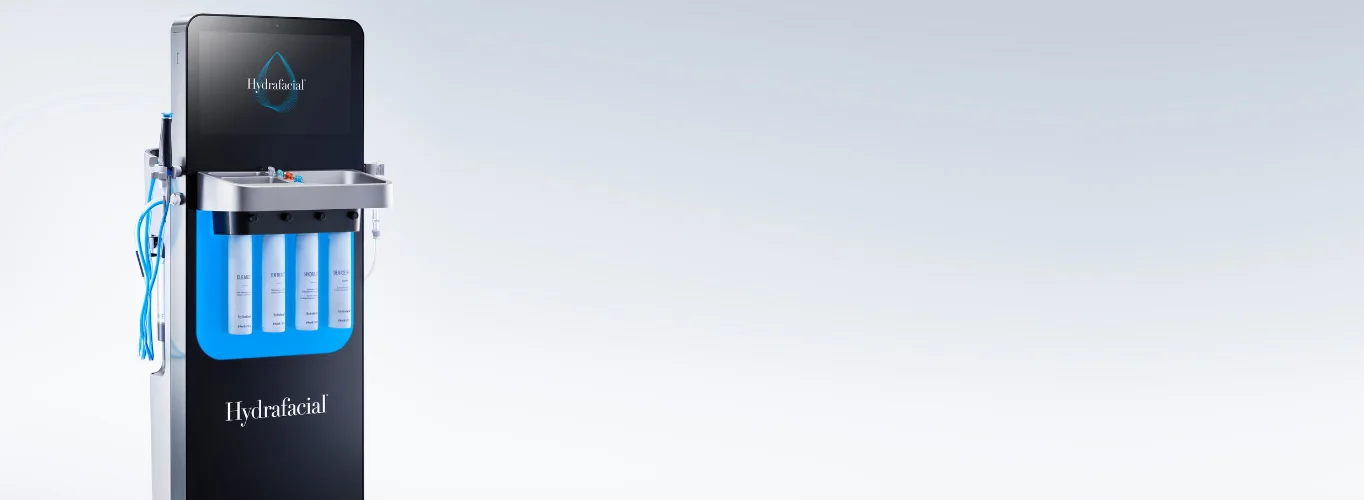
Yes, pairing a skin booster with complementary care such as laser toning increases the total but is often planned together for efficiency and a better overall glow. Whether to combine depends on your goals and skin. You can read about a surface-care option on our HydraFacial page to weigh complementary treatments.
Yes, a larger area or more product naturally raises the total, while a focused single-zone plan, such as the cheeks alone, keeps it lower. The volume of booster required is part of the calculation. Your doctor maps the area at consultation so the plan and its cost match your specific concern rather than a generic package.
Clinics may quote either way, but because glass skin relies on a course of about 3 sessions, it is best to understand the full course cost before starting. This avoids surprises and lets you compare value fairly between products. Ask the clinic to break down the plan so you see both per-session and total figures clearly.
Compare like for like: the same injectable, the same number of sessions, and the same area, rather than headline figures. A lower price for fewer sessions or a different product is not truly cheaper. Confirm the product is authentic and licensed, and weigh the doctor’s planning and aftercare, not price in isolation, when comparing clinics.
Ask whether the quote includes the consultation, numbing cream, aftercare products, and any follow-up review. Clarify whether maintenance sessions later are separate. A transparent clinic outlines the full plan up front. You can read about maintaining results between sessions on our skin care page when planning your budget.
Pricing reflects the product and plan rather than the location, and all three Seoul-area branches follow the same consultation-led approach. Choose the branch most convenient for your trip, whether Gangnam, Myeongdong, or near Incheon Airport. Your doctor confirms the plan and cost in person, so you receive the same transparent process at any location.
A single glass skin session needs only 1 to 2 days, covering consultation and treatment, with minimal downtime. If you want more than one session during a longer trip, that can sometimes be arranged. Budget time around the course rather than a single visit, and our English team coordinates timing to fit your stay.
Yes, you can share your concerns and photos with our English-speaking team in advance for general guidance, though the precise cost is confirmed at the in-person consultation once your skin is assessed. This lets you plan your budget realistically before the trip while keeping the final quote accurate to the product and plan chosen for you.
Because skin keeps aging naturally, periodic maintenance sustains the glass-skin glow, so long-term cost depends on how often you repeat sessions, which varies by product. A longer-lasting stimulator repeats less often than a hydration booster. You can explore maintenance options on our skin care page when planning beyond the initial course.
| Hyaluronic acid booster | Polynucleotide (Rejuran) | PDLLA stimulator (Juvelook) | |
|---|---|---|---|
| Main role | Hydration and immediate glow | Calming and skin regeneration | Long-term collagen and firmness |
| Typical course | About 3 sessions | About 3-4 sessions | Often 2-3 sessions |
| Longevity | Several weeks to a few months | Several months | Around a year as collagen matures |
| Repeat frequency | More frequent maintenance | Periodic maintenance | Less frequent over the year |
| Cost driver | Product plus number of sessions | Product plus number of sessions | Product plus number of sessions |
| Cost context | Varies with product and sessions | Varies with product and sessions | Varies with product and sessions |
Real verified reviews from our Google Business Profile, across all Reberry Clinic locations.
PULLED LIVE FROM GOOGLE · GANGNAM · MYEONGDONG · INCHEON AIRPORT
Your treatment is planned and performed by experienced, MFDS-registered doctors across our Seoul-area clinics, with multilingual support for international patients.
Flagship clinic · for leading lifting & regenerative devices · Featured in Authority Magazine (2026)

Multilingual tourist care beside Myeongdong Cathedral

Fast, effective care 20 minutes from the terminals
Message us on WhatsApp for a free consultation in English about glass skin treatment cost in Seoul.