


Gangnam
Dr. Yoon-Gon Ryu
Aesthetic Medicine Specialist
Flagship clinic · for leading lifting & regenerative devices · Featured in Authority Magazine (2026)

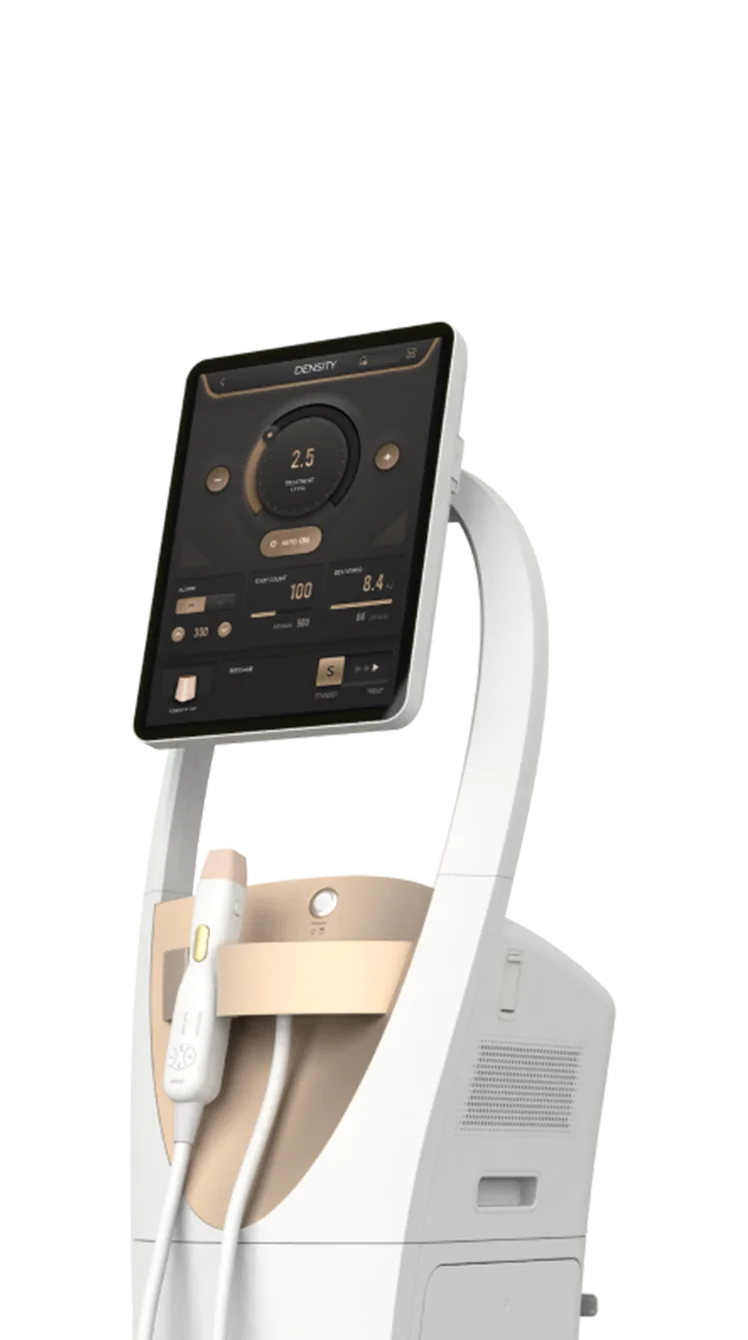
A good glass skin clinic builds a personalised multi-step plan, plans it with a doctor, and follows up clearly across all 4 skin-quality layers.
To choose a glass skin clinic in Seoul, check that it builds a personalised multi-step plan rather than selling one product, that a doctor assesses your skin and sequences the steps, and that you get realistic expectations plus written aftercare. For international patients, English support and a schedule fitting a short 2 to 4 day trip matter too.
One-on-One guidance from a dedicated doctor, ensuring your skin is professionally monitored and treated from start to finish.
Fluent assistance in English, Japanese, and Chinese, making communication clear, respectful and comfortable for international patients.
Over 100,000 patients worldwide have received our personalized dermatological care, highlighting our expertise and reliable results.
Glass skin is a multi-step result, so choosing a clinic is less about one machine and more about how the clinic plans and sequences several treatments together. A strong clinic treats hydration, tone, texture, and pores as connected goals and designs a protocol around your specific skin rather than a fixed package.
Look for a clinic where a doctor assesses your baseline, explains which modalities suit you (skin boosters, laser toning, resurfacing facials), and sets realistic expectations about gradual change over weeks. Beware of clinics that promise a complete transformation from a single session or rely only on marketing language; clear, honest planning is a better signal than dramatic claims.
For international patients, two practical factors decide a good fit: English-language consultation and a schedule that fits a short trip. Reberry Clinic plans glass skin protocols across three Seoul-area locations (Gangnam, Myeongdong, Incheon Airport), with each plan assessed and reviewed by the clinic’s doctors and explained in English.
Curious how results actually look? See real glass facial before and after photos from our Seoul clinics, or read the full Korean glass facial protocol guide.
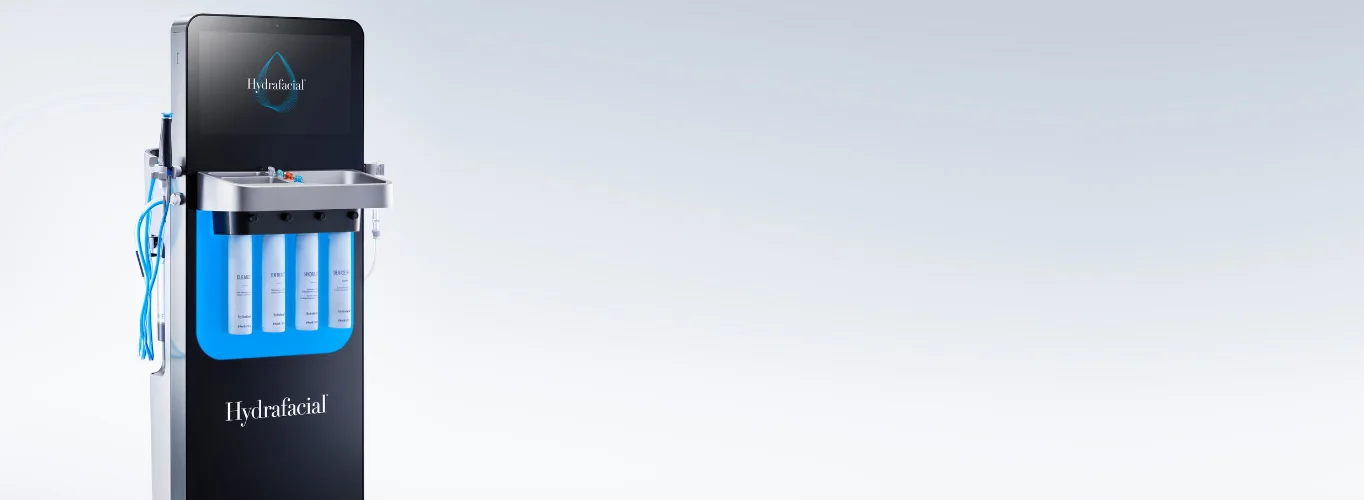
A capable glass skin clinic combines, rather than substitutes, the modalities that drive skin quality. Hydrating skin boosters deliver hyaluronic acid or polynucleotides (PN/PDRN) into the dermis through fine micro-injections to raise internal moisture and elasticity. Low-fluence laser toning evens tone gradually over a series of about 3 to 5 sessions, with settings adjusted for your skin tone to reduce risk. A resurfacing or hydrating facial refines pores and surface texture. When comparing clinics, ask how they assess your skin, how they sequence these steps, and how they tailor laser settings, rather than accepting a one-size package.
One Reberry Clinic, multiple Seoul-area locations. Pricing & current promotions are listed on each branch's own site — tap a clinic to view pricing & book.
Our flagship in the heart of Gangnam.
In Seoul's shopping & tourism heart.
A beauty stop between flights.
The newest Reberry Clinic — in Seoul's trend district.
ONE REBERRY CLINIC · MFDS-REGISTERED DEVICES · MULTILINGUAL CARE AT EVERY LOCATION
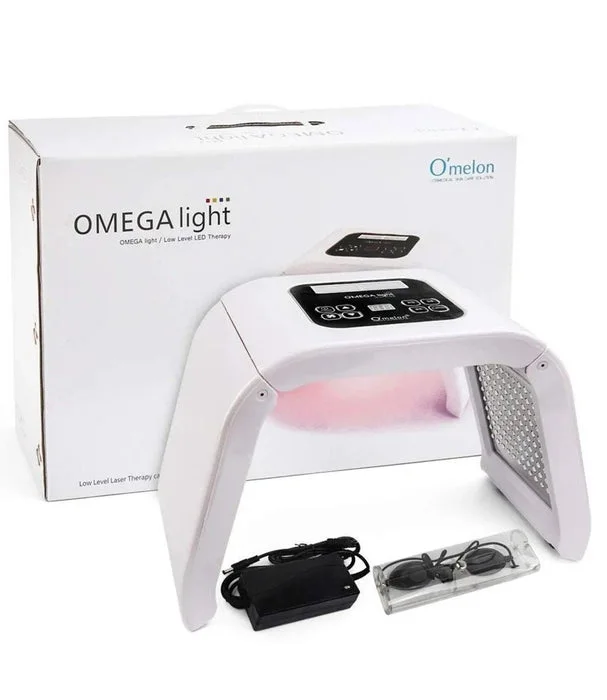

A good clinic spends time on 1 thorough skin assessment before recommending any of the 3 main modalities.
Look for a personalised sequence, typically 1 to 3 booster sessions and 3 to 5 toning sessions, not a fixed package.
Ask whether the laser-toning settings across all 3 to 5 sessions are adjusted for your skin tone, especially for deeper or pigment-prone skin.
A trustworthy clinic explains that results build over 2 to 6 weeks rather than promising 1-session dramatic change.
Confirm you get written aftercare and a way to review progress from abroad over the following weeks.

Before-and-after photos are being updated.
The clinic’s doctors assess your hydration, pigment, and texture, then design a tailored plan explained in English.
Each session runs about 30 to 60 minutes; combination days take a little longer with numbing time included.
Core steps often fit a 2 to 4 day visit, with remaining toning sessions advised over the following weeks.
Glow appears within days, with even tone and texture building over 2 to 6 weeks.
Results last months with sun protection and home care; periodic maintenance keeps the look.



Verify three things: the clinic builds a personalised multi-step plan rather than selling one product, a doctor assesses your skin and sequences the steps, and you receive realistic expectations with written aftercare. Compare the actual protocol on our glass facial skin page rather than relying on advertising alone.
A capable clinic combines hydrating skin boosters, gentle laser toning, and a resurfacing or hydrating facial, sequenced for your skin rather than offered as one fixed item. Each layer targets a different aspect of clarity. Our Rejuran Healer page explains one booster commonly used within such a plan.
Be cautious of clinics that pitch a complete transformation from a single session or lean on marketing language instead of skin assessment. A trustworthy clinic explains that change builds over 2 to 6 weeks and sets expectations honestly. Claims that sound too perfect, or promises of flawless skin, are a sign to look elsewhere.
Glass skin combines injections, lasers, and facials, so a doctor’s assessment ensures the right ingredients, settings, and sequence for your skin type and pigment. This is especially important for safe laser settings on deeper skin tones. Planning by the clinic’s doctors reduces risk and improves how evenly your results develop.
Comfort is high overall. Injection-based booster steps feel like brief pricking after numbing cream, laser toning feels warm, and facials are relaxing. Any discomfort is short-lived and ends with each session. A good clinic explains comfort measures in advance so you know what to expect at each step of the plan.
A reputable clinic will say downtime is minimal but honest about small effects: tiny bumps or mild redness from injections for a day or two, and brief warmth from toning. There are no dressings for most steps, which a good clinic confirms so you can plan sightseeing around your sessions.
A credible clinic explains that hydration glow appears within days, while even tone and refined texture build over 2 to 6 weeks across the series. If a clinic promises instant, dramatic results from one visit, that is a warning sign. Gradual, progressive change set honestly is the realistic and trustworthy answer.
A sound plan usually involves roughly 1 to 3 booster sessions and 3 to 5 laser-toning sessions plus facials, tailored to your skin rather than a fixed number. Your doctor sets the count at consultation. Maintenance is supported by a consistent skin care routine the clinic should explain.
With a well-planned protocol, results commonly last several months and can be extended with maintenance and home care. Because skin naturally turns over and ages, the glow softens over time without upkeep. A good clinic explains this honestly and offers a maintenance schedule rather than implying the change is permanent.
Yes, the protocol is itself a combination, and a capable clinic can add options like polynucleotide healers or hydrating facials sequenced safely by your doctor. It should explain why each addition helps. You can read about a complementary hydrating option on our Hydrafacial page.
Each component has a well-documented safety profile when performed by trained operators, with effects usually limited to brief redness, tiny bumps, or temporary warmth. To check a clinic, confirm a doctor reviews your medical history, adjusts settings for your skin tone, and explains contraindications before any step. Honest safety discussion is a reliable quality signal.
A single-product clinic improves one concern, such as hydration alone, while a full-protocol clinic also evens tone and refines texture for the reflective glass-skin finish. The combined approach is more complete. Our Juvelook page explains a collagen-stimulating booster that a full plan may include.
A good clinic provides written aftercare: protect skin from sun daily, keep it hydrated, avoid intense heat such as saunas for a couple of days, and follow a gentle routine. There are no dressings for most steps. Clear written guidance lets international patients maintain results confidently once they travel home.
Most clinics recommend a 2 to 4 day visit to complete the core booster, toning, and facial steps, with remaining sessions advised for later. Because downtime is minimal, sessions fit around sightseeing. A good clinic with an English team coordinates timing so a meaningful portion of the protocol fits your trip.
Yes, flying soon after the sessions is generally fine, often the same day, because the steps are non-surgical with minimal swelling. Stay hydrated on the flight and protect skin from sun on arrival. A good clinic notes any simple precautions if you had several steps in one day before you travel.
A good clinic offers remote check-ins in English to review progress as results build over the weeks, and keeps your notes on file for future visits. It should share maintenance guidance and let you explore complementary options such as our skin care services after you return home.
| Multi-step protocol clinic | Single-product clinic | Facial-only spa | |
|---|---|---|---|
| Energy / mechanism | Boosters, laser toning, and resurfacing combined | One booster or one laser only | Surface facials without medical modalities |
| Best for | Full clarity, tone, and texture together | One narrow concern | Light maintenance and relaxation |
| Planning | Doctor assessment and tailored sequence | Often a fixed package | Menu-based, limited assessment |
| Skin-tone safety | Laser settings adjusted per skin tone | Varies | Not applicable for boosters or lasers |
| Results timeline | Gradual over 2 to 6 weeks, set honestly | Limited to that one modality | Subtle, short-lived |
| International support | English consult and travel-fitted plan | Varies by clinic | Varies by spa |
| Aftercare | Written aftercare and remote follow-up | Varies | Usually minimal |
Real verified reviews from our Google Business Profile, across all Reberry Clinic locations.
PULLED LIVE FROM GOOGLE · GANGNAM · MYEONGDONG · INCHEON AIRPORT
Your treatment is planned and performed by experienced, MFDS-registered doctors across our Seoul-area clinics, with multilingual support for international patients.
Flagship clinic · for leading lifting & regenerative devices · Featured in Authority Magazine (2026)

Multilingual tourist care beside Myeongdong Cathedral

Fast, effective care 20 minutes from the terminals
Message us on WhatsApp for a free consultation in English about glass skin treatment in Seoul.