

Gangnam
Dr. Yoongon Ryu
Aesthetic Medicine Specialist
Flagship clinic · KOL for leading lifting & regenerative devices

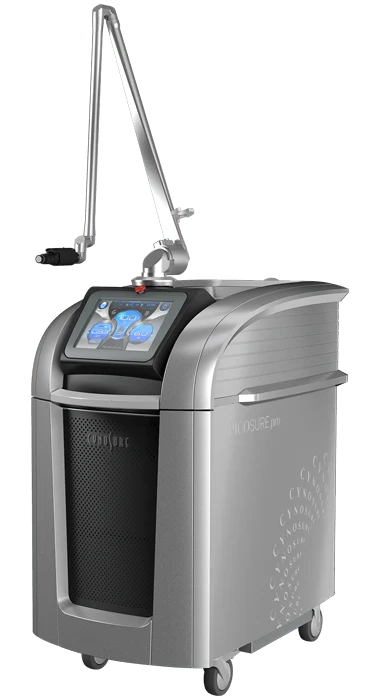
Pico laser pigment fades gradually, with many patients seeing visible change over 2 to 6 weeks per session across a series of 3 to 5.
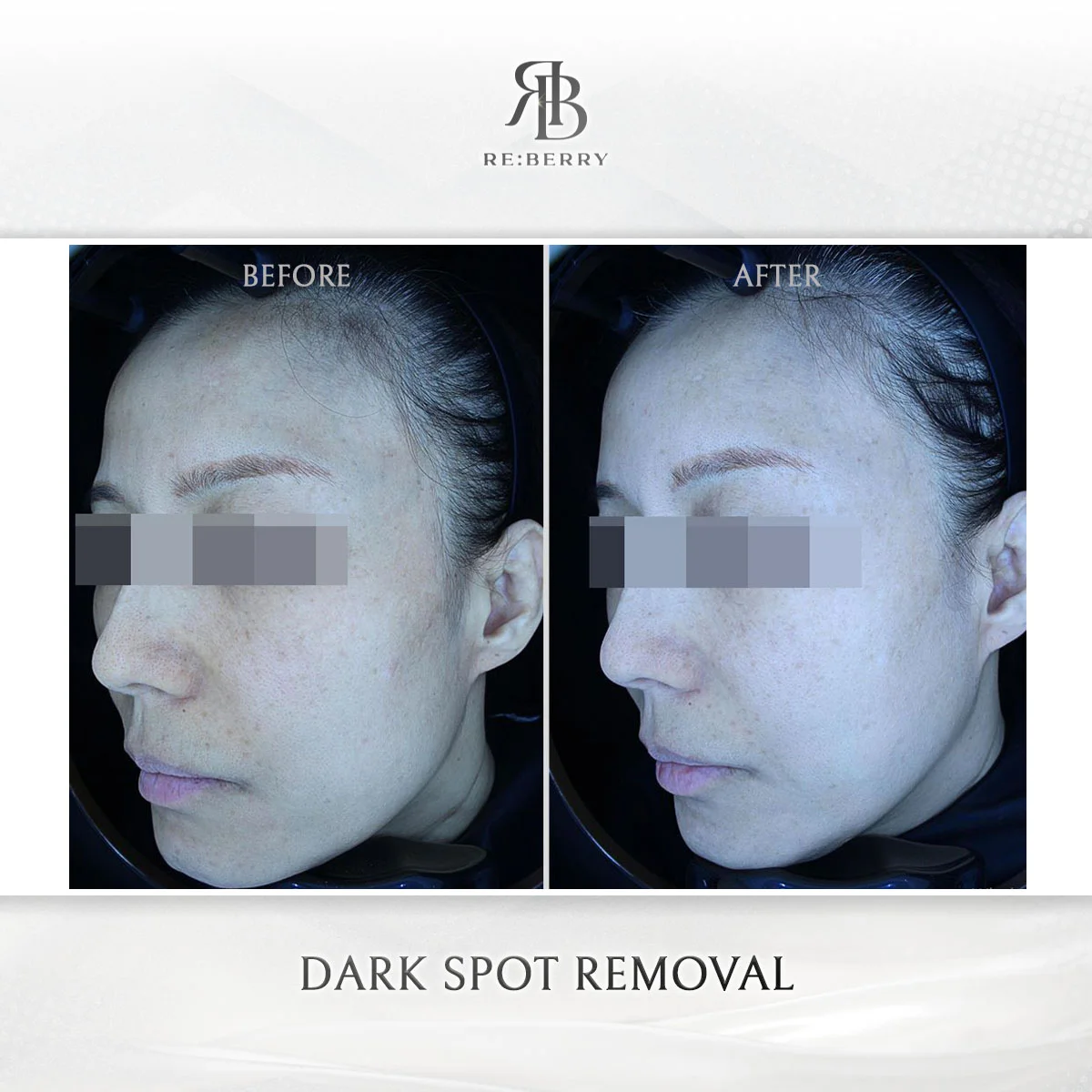
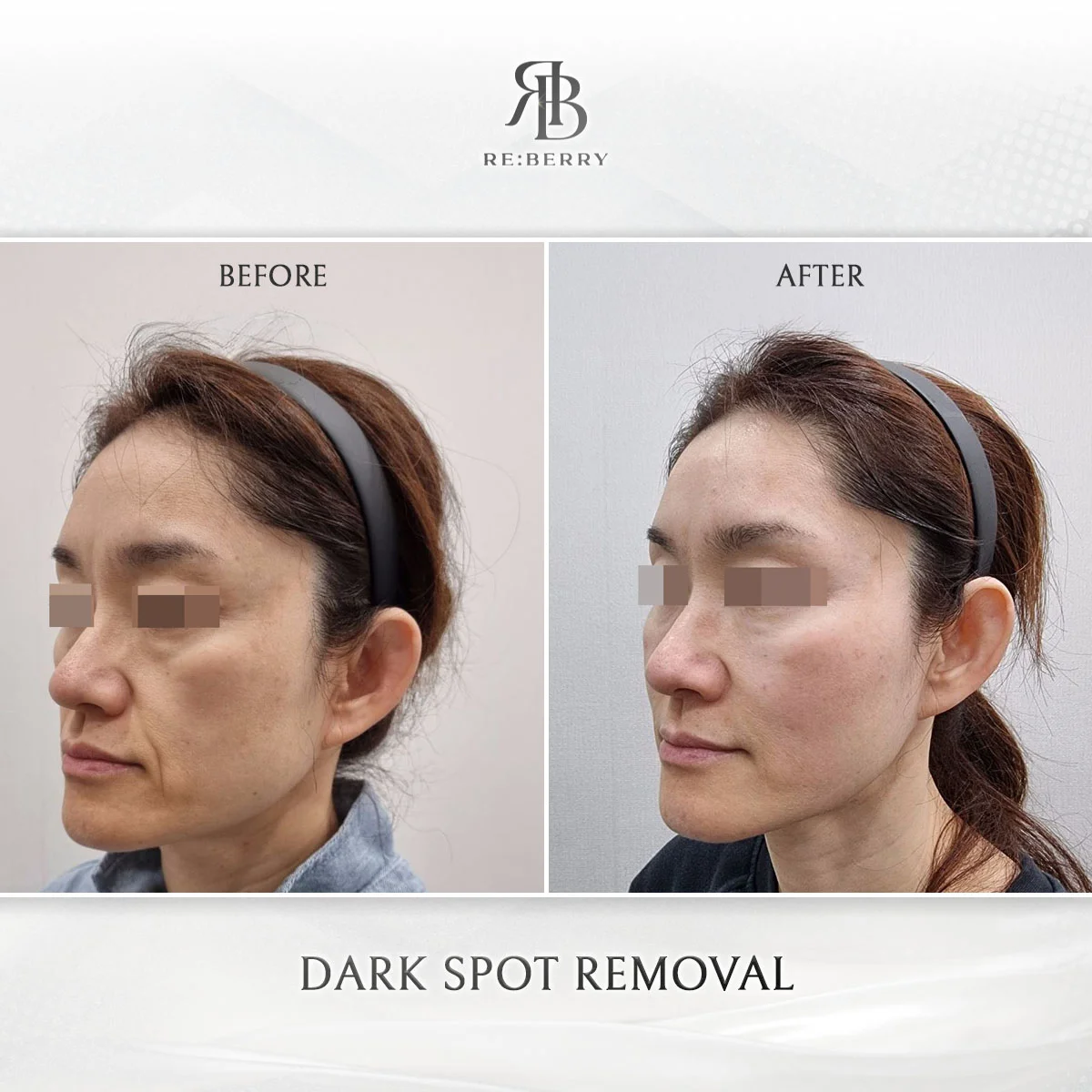
Pico laser before and after results in Seoul build gradually, not instantly. After each session, fragmented pigment clears over 2 to 6 weeks, so most patients see meaningful change across a series of 3 to 5 sessions. Outcomes vary by lesion type, skin tone, and sun habits, so individual photos are examples, not a promise of your result.
One-on-One guidance from a dedicated doctor, ensuring your skin is professionally monitored and treated from start to finish.
Fluent assistance in English, Japanese, and Chinese, making communication clear, respectful and comfortable for international patients.
Over 100,000 patients worldwide have received our personalized dermatological care, highlighting our expertise and reliable results.
Pico laser before and after photos document how pigment such as freckles, sun spots, age spots, and uneven tone changes after picosecond-laser treatment. The key point is timing: improvement is progressive, because the laser shatters melanin into fine particles that your immune system clears over the following weeks rather than erasing spots on the spot.
A realistic before and after usually spans one full treatment series. After a single session you may notice spots look slightly darker or crusted for a few days, then lighter as the pigment lifts. The fuller change appears across 3 to 5 sessions spaced roughly 2 to 4 weeks apart, with melasma toning often needing more visits because that condition is chronic and recurrence-prone.
At Reberry Clinic, before and after review is consultation-led: the clinic’s doctors photograph your starting point, identify your pigment type, and set realistic expectations in English across our three Seoul-area locations (Gangnam, Myeongdong, Incheon Airport). Comparable lighting and angles matter, because inconsistent photos can exaggerate or hide real change.
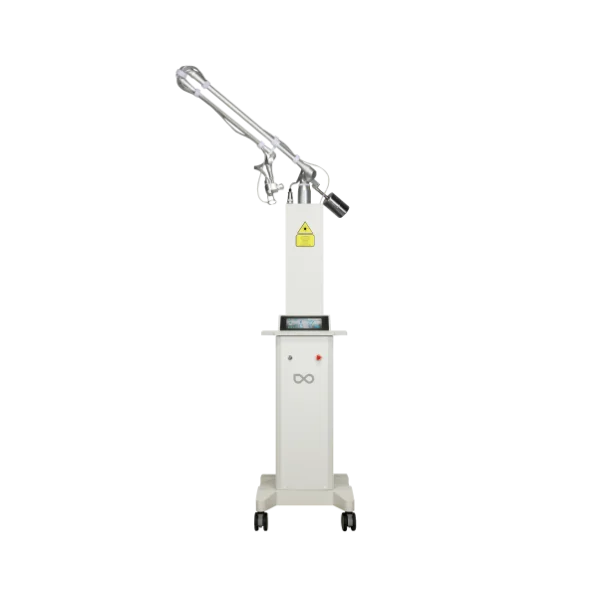
Pico laser fires pulses lasting roughly 300 to 750 picoseconds, hundreds of times shorter than the 5 to 20 nanosecond pulses of older Q-switched lasers. This ultra-short delivery creates a photoacoustic shockwave that mechanically shatters melanin into very fine particles instead of relying mainly on heat. Those small fragments are then carried away by macrophages over about 2 to 6 weeks, which is exactly why a before and after looks better at the 1-month mark than on day one. Lower thermal spread also reduces the risk of post-inflammatory hyperpigmentation, an important factor for the deeper Asian skin tones common among our patients. Because clearance is biological, no honest before and after can show an instant, complete result after a single pass.
One Reberry Clinic, multiple Seoul-area locations. Pricing & current promotions are listed on each branch's own site — tap a clinic to view pricing & book.
Our flagship in the heart of Gangnam.
In Seoul's shopping & tourism heart.
A beauty stop between flights.
The newest Reberry Clinic — in Seoul's trend district.
ONE REBERRY CLINIC · MFDS-REGISTERED DEVICES · MULTILINGUAL CARE AT EVERY LOCATION

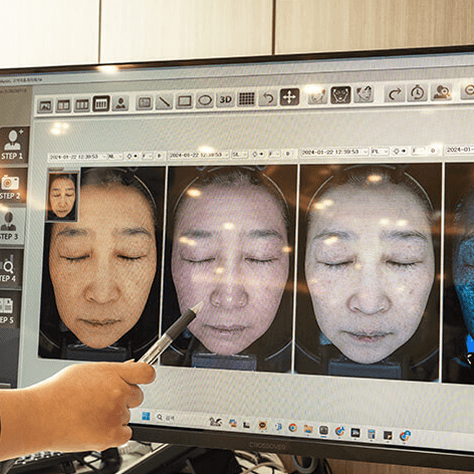
Your doctor takes standardised before images so the 3 to 5 session series can be tracked under matched lighting.
Treated spots may look slightly darker or form tiny crusts for a few days as fragmented pigment begins to lift.
Macrophages clear the fine particles over about 2 to 6 weeks, so spots visibly fade between sessions.
Most pigment needs 3 to 5 sessions, so the strongest before and after contrast appears after the full course.
Daily sunscreen and occasional top-ups hold results, since new sun exposure can darken tone again over months.
See representative outcomes from Reberry Clinic. Results build gradually and vary by individual; your plan is assessed at consultation.
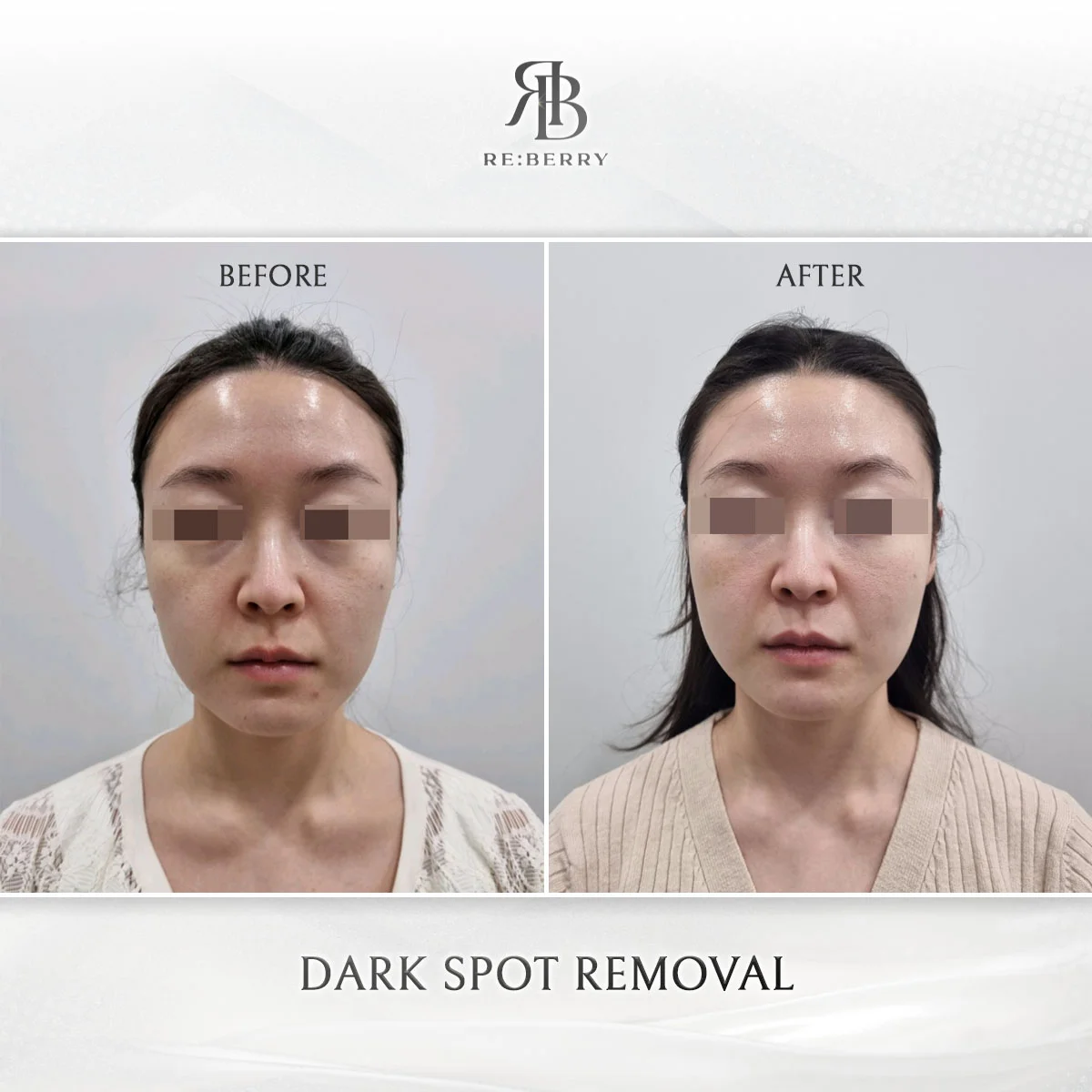
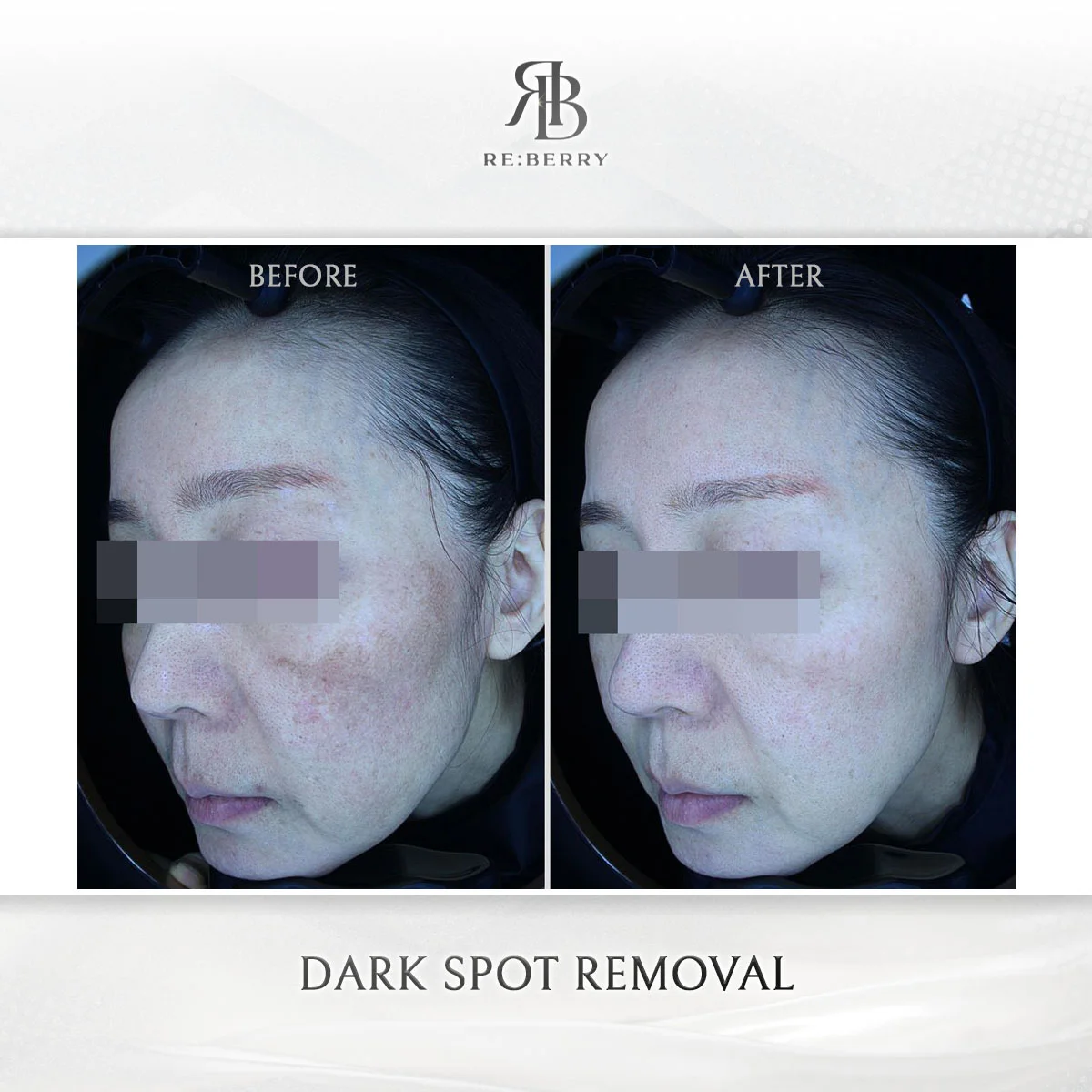
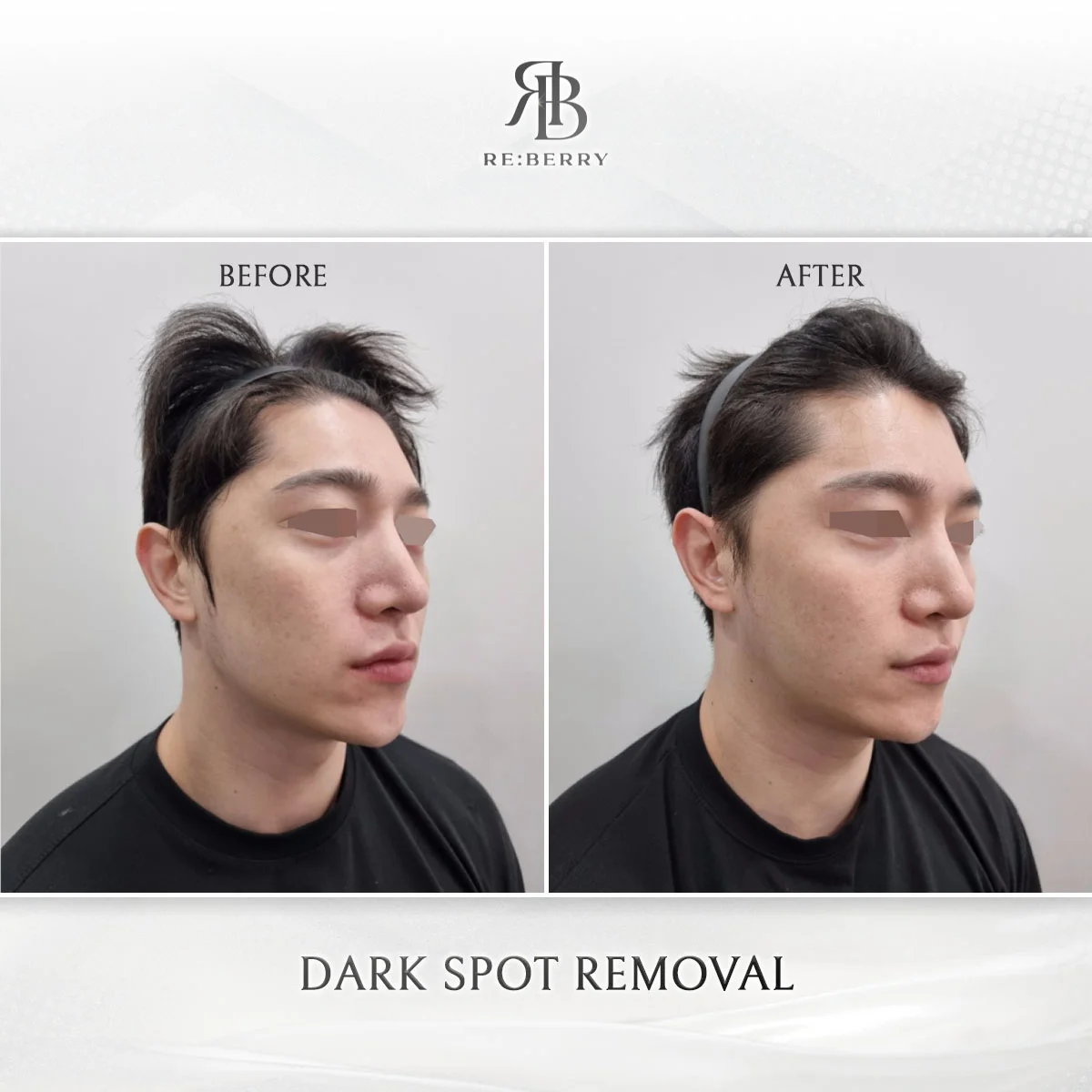
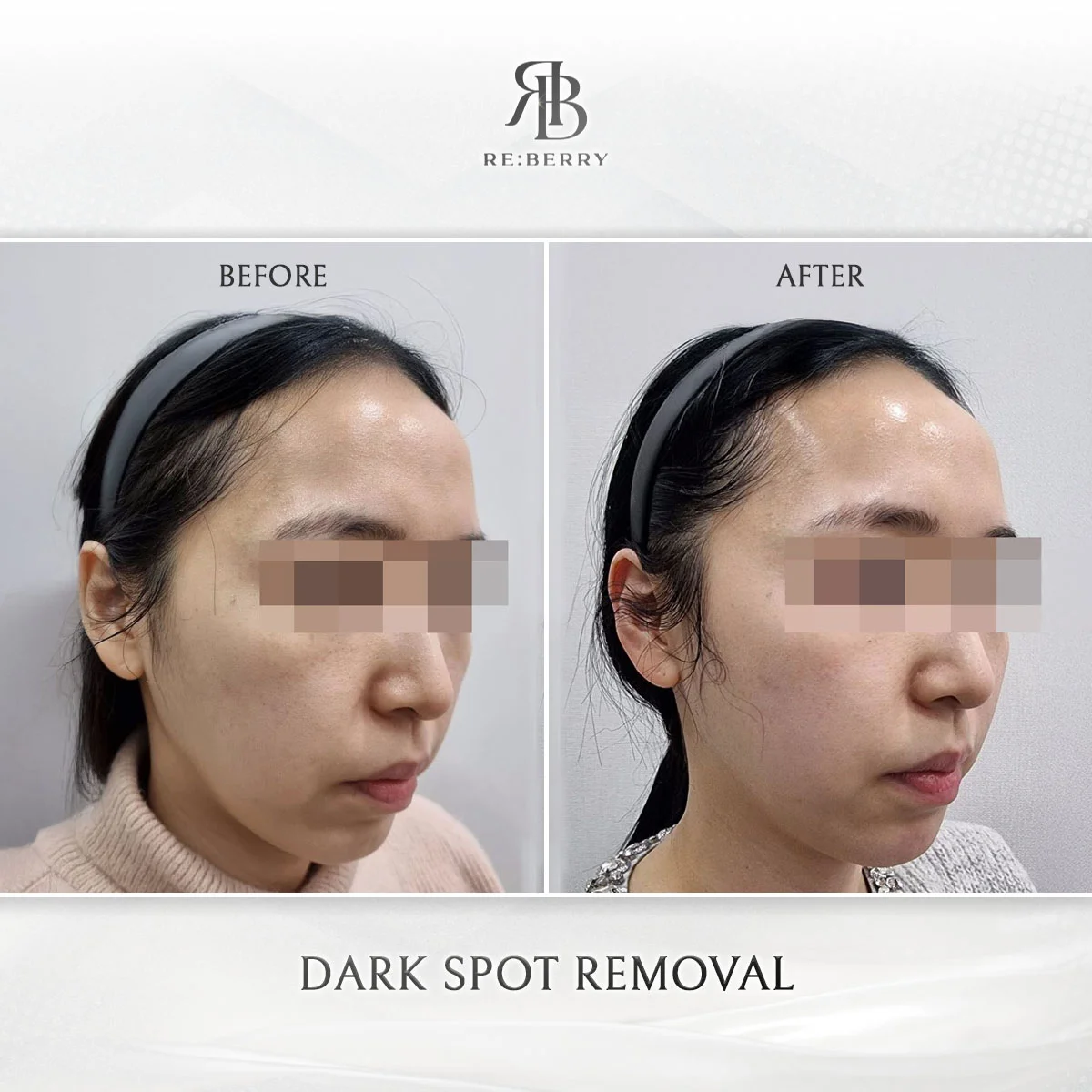
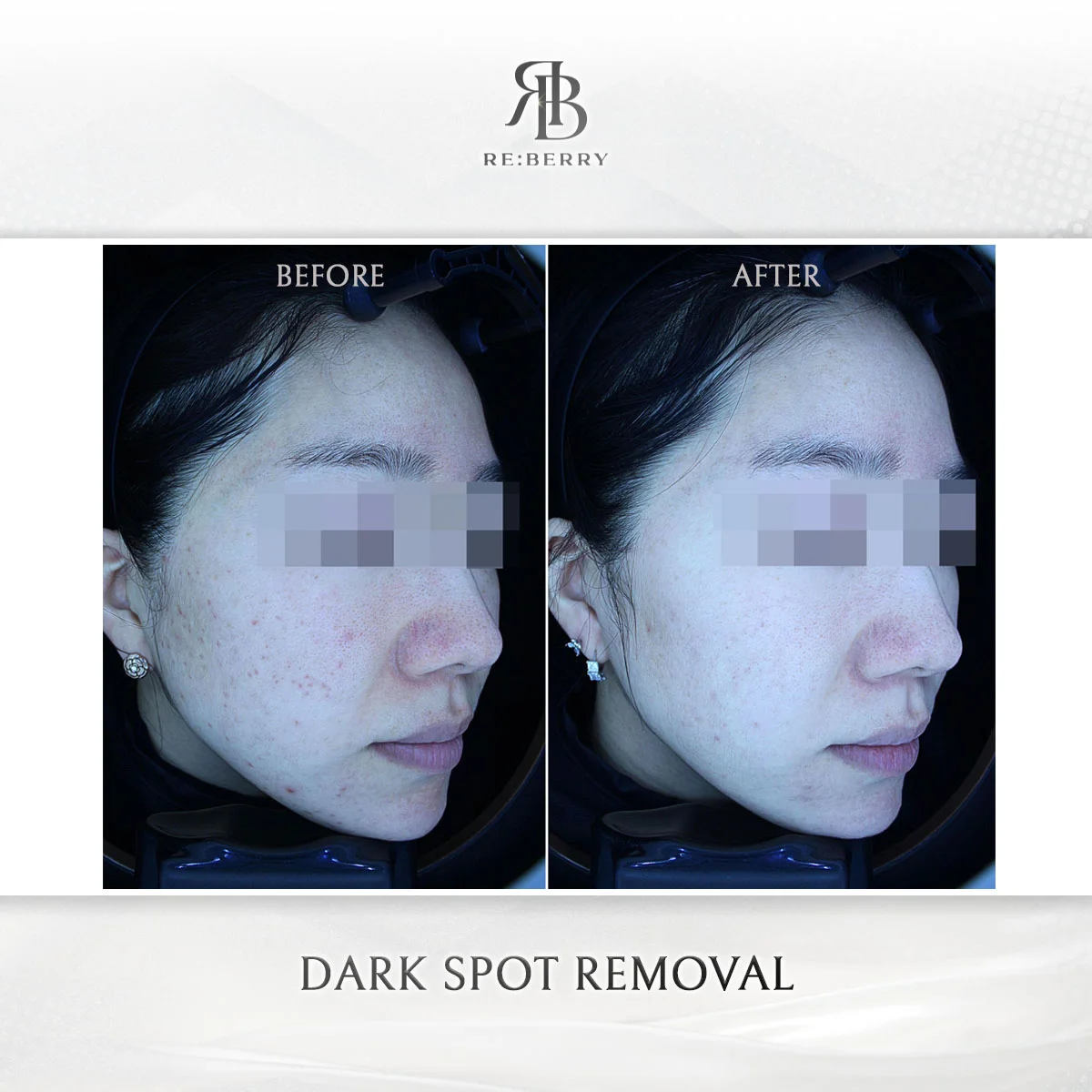
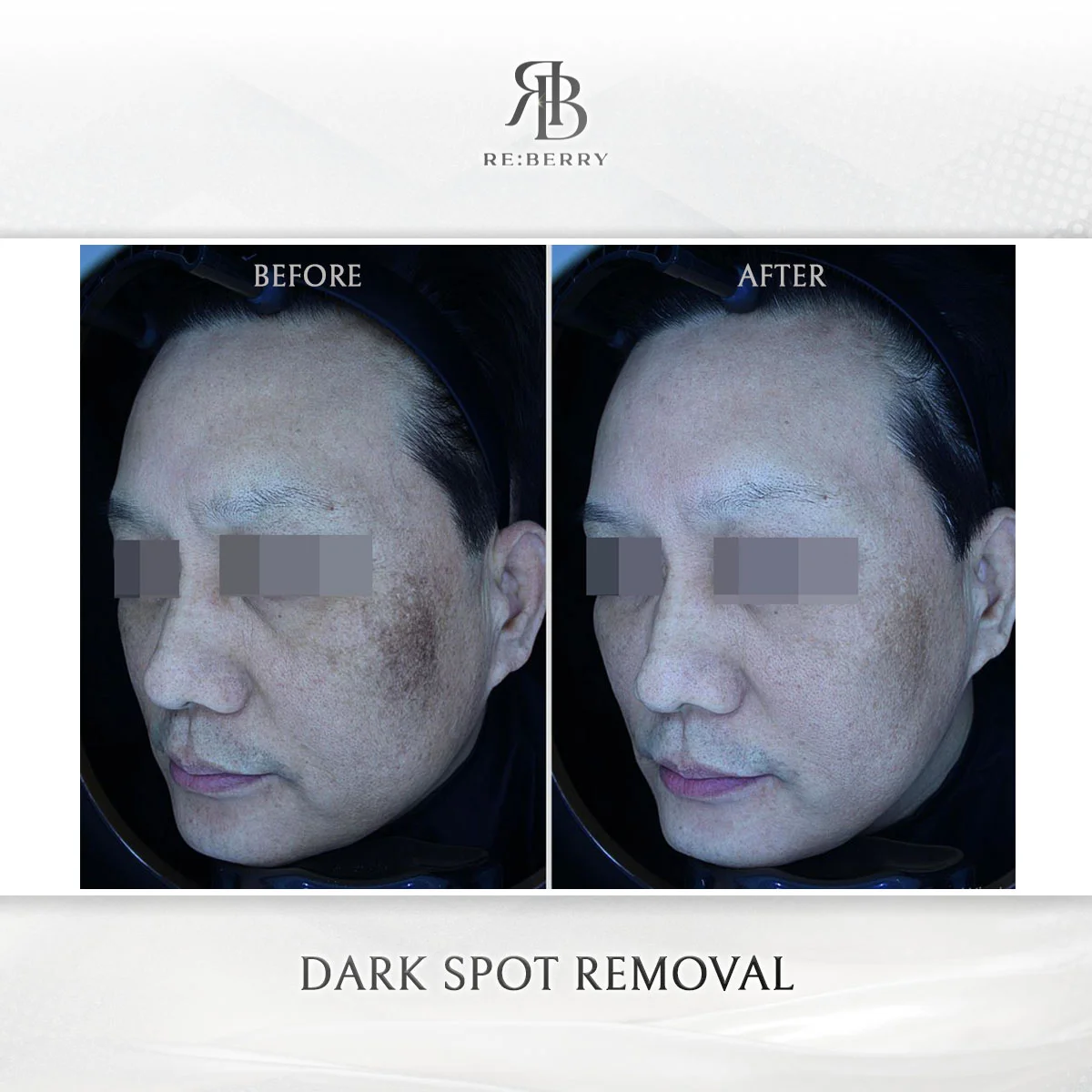
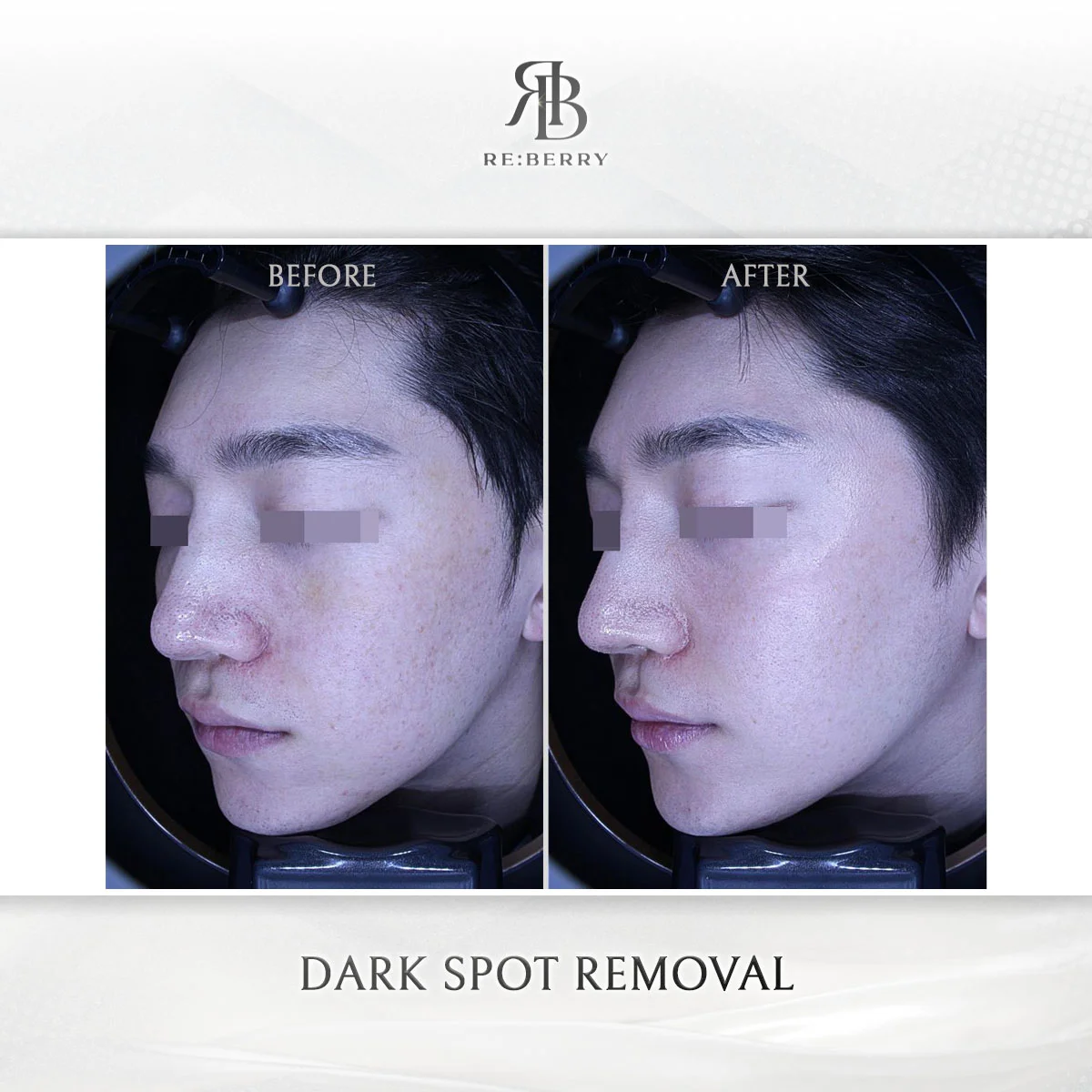
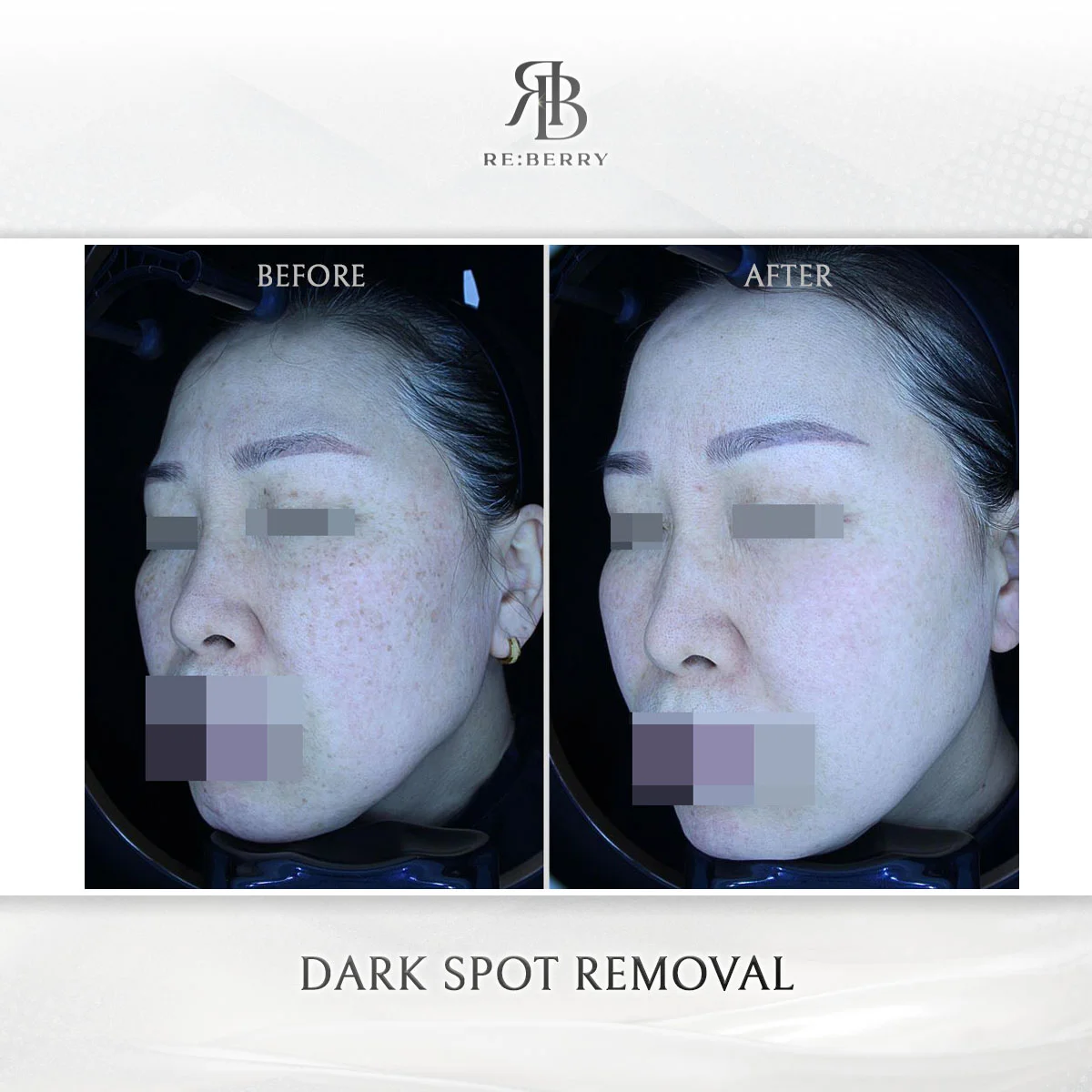
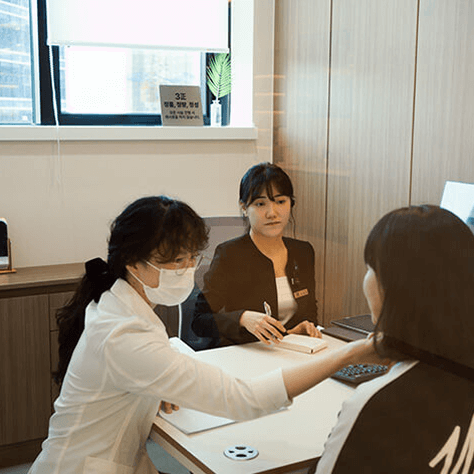
The clinic’s doctors examine your pigment type and skin tone, take baseline photos, and explain a realistic timeline in English.
After cleansing and optional numbing cream, a session usually takes 15 to 30 minutes depending on the area treated.
Spots fade over 2 to 6 weeks, and progress photos are compared under matched lighting before the next of 3 to 5 visits.
The clearest before and after contrast usually appears after the full course, reviewed together with your doctor.
Daily sunscreen, gentle skincare, and occasional maintenance help hold results, since new sun exposure can darken tone again.

A pico laser before and after shows how pigment such as freckles, sun spots, and uneven tone fades after picosecond-laser treatment. Because the laser shatters melanin that your body then clears over 2 to 6 weeks, the change is progressive, so the most useful comparison spans a full series rather than a single visit.
Visible change usually builds over 2 to 6 weeks after each session as fragmented pigment is cleared by your immune system. Spots rarely vanish after one visit; they fade progressively. Most patients see their strongest before and after contrast after a series, reviewed on our dark spot removal page approach.
Most pigment concerns need 3 to 5 sessions spaced about 2 to 4 weeks apart before the difference is clearly obvious, while melasma toning often needs more. The clinic’s doctors confirm your schedule at consultation, since lesion type and skin tone affect how many sessions a convincing before and after requires.
No, before and after photos are individual examples, not a promise of your result. Pigment response varies by lesion type, skin tone, sun habits, and sessions completed. A consultation sets realistic expectations for your skin. You can review related options on our laser treatment page first.
Most adults with freckles, sun spots, age spots, dull tone, or stable melasma can expect visible improvement, though darker tones simply need more conservative settings. A consultation confirms your pigment type so energy is tailored, which gives the most honest and achievable before and after for your individual skin.
Most patients describe a mild snapping or rubber-band sensation rather than real pain, often around 2 to 3 out of 10. Numbing cream is available for sensitive areas, and toning passes are usually more comfortable than focused spot treatment. Cooling keeps each session tolerable while building your before and after.
Downtime is usually little to none for pico toning, with mild redness that settles within hours. Focused spot treatment can show tiny darkened crusts or pinpoint redness for a few days as pigment lifts. This brief stage is normal and precedes the lightening seen in a good before and after.
Temporary darkening or fine crusting right after treatment is a normal early stage, not a failed result. The shattered pigment rises toward the surface before your immune system clears it over 2 to 6 weeks. This is why before and after comparisons should wait until after the clearance window, not on day one.
Results can last many months to years for stable spots, but new sun exposure can trigger fresh pigment and melasma is prone to recurrence. Daily sunscreen, gentle skincare, and occasional maintenance help sustain your after result. Supportive skin care protects the tone you achieve.
Pico laser, used in low-fluence toning mode, is a common option for melasma because its shorter pulses and lower heat reduce the risk of worsening pigment. However, melasma is chronic and recurrence-prone, so before and after results focus on gradual control plus strict sun protection rather than a one-time fix.
Yes, pico laser is often paired with brightening skincare and hydration to support an even result and a cleaner before and after. Some patients add a hydrating facial between sessions. Your doctor sequences treatments so the skin is never over-stressed in a single visit.
Early photos may show temporary redness, mild swelling, and short-lived darkening or crusting of treated spots that resolve within days. Rarely, transient pigment change can occur, especially after sun exposure. Following aftercare and strict sun protection markedly lowers these risks and improves your eventual before and after.
Daily broad-spectrum sunscreen is essential, along with gentle, fragrance-free skincare and avoidance of heat, scrubbing, and sun for several days. A supportive skin care routine protects your fading pigment. Your doctor provides a written aftercare plan matched to your pigment type.
Accurate before and after photos use the same lighting, distance, and angle each time, ideally taken at the clinic on standardised equipment. Self-taken phone photos with different lighting can exaggerate or hide change. The clinic’s doctors document each visit so your progress is judged fairly across the series.
For a single session that begins your before and after, 2 to 3 days is comfortable, allowing a consultation, the procedure, and a short review. If you want several sessions on one trip, longer stays or split visits can be arranged. Our English-speaking team coordinates timing around your travel.
Yes, flying within 24 hours is generally fine because pico laser is non-invasive. Cabin air can be drying, so moisturise and protect treated skin from sun. If you had intensive spot treatment with crusting, your doctor advises on aftercare so the healing stage and your before and after stay on track.
International patients can complete a series across one or more visits, and the clinic offers remote check-ins in English between trips, often using your own progress photos. You can also book related care such as ongoing skin care when you return. Your baseline photos stay on file for continuity.
| Pico Laser | Q-switched / Nd:YAG Toning | Intense Pulsed Light (IPL) | |
|---|---|---|---|
| Energy / mechanism | Picosecond pulses, photomechanical shattering | Nanosecond pulses, more photothermal | Broad-spectrum filtered light |
| Best for visible change | Stubborn pigment, melasma toning, texture | General toning and gradual melasma control | Diffuse sun damage, freckles, redness |
| When change shows | Builds over 2 to 6 weeks per session | Builds slowly over many sessions | Builds over several sessions |
| Downtime in photos | Brief crusting for spots; little for toning | Minimal | Minimal, possible mild redness |
| Sessions to see series result | Typically 3 to 5 for pigment, more for melasma | Often 5 to 10 for toning | Typically 4 to 6 |
| Recurrence shown over time | Melasma can partially return without sun care | Melasma can return; needs maintenance | Sun damage can recur with exposure |
| Cost factors | Depends on area, pigment type, and sessions | Depends on area and session count | Depends on area and session count |
Real verified reviews from our Google Business Profile, across all Reberry Clinic locations.
PULLED LIVE FROM GOOGLE · GANGNAM · MYEONGDONG · INCHEON AIRPORT
Your treatment is planned and performed by experienced, MFDS-registered doctors across our Seoul-area clinics, with multilingual support for international patients.
Flagship clinic · KOL for leading lifting & regenerative devices

Multilingual tourist care beside Myeongdong Cathedral

Fast, effective care 20 minutes from the terminals
Message us on WhatsApp for a free consultation in English about realistic before and after expectations for your pigment.