



Gangnam
Dr. Yoon-Gon Ryu
Aesthetic Medicine Specialist
Flagship clinic · for leading lifting & regenerative devices · Featured in Authority Magazine (2026)

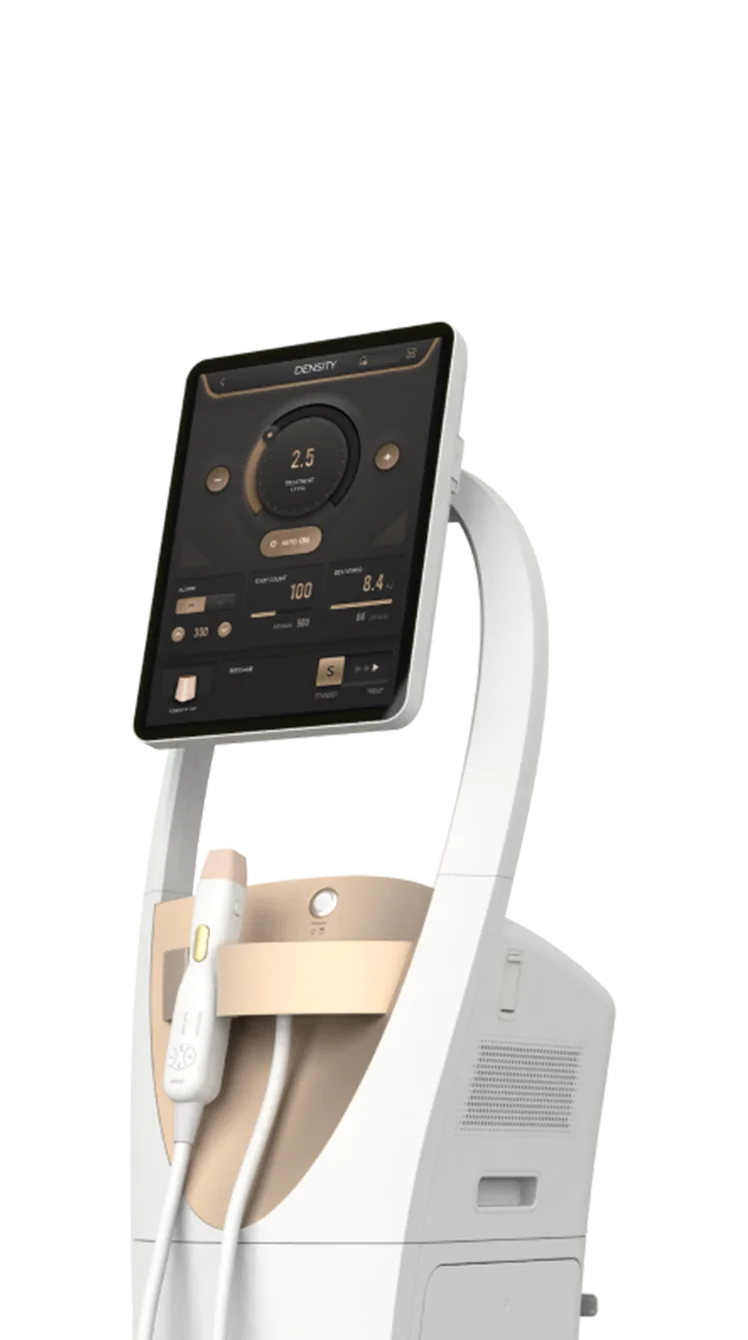
Glass skin is a combination of hydration, brightening and barrier care, so most honest reviews describe gradual change over a series of 3 to 5 sessions rather than one transformation.
Glass skin reviews are most useful when you read for context, not filtered photos: starting skin type, what was actually done, how many sessions, and how long the reviewer waited. Glass skin is a layered look built from hydration, brightening and barrier care, so the most reliable accounts describe steady improvement across a series, not a single dramatic post.
One-on-One guidance from a dedicated doctor, ensuring your skin is professionally monitored and treated from start to finish.
Fluent assistance in English, Japanese, and Chinese, making communication clear, respectful and comfortable for international patients.
Over 100,000 patients worldwide have received our personalized dermatological care, highlighting our expertise and reliable results.
Glass skin reviews are patient accounts of treatments aimed at a smooth, luminous, translucent complexion, and they are genuinely useful when read carefully. The most informative reviews say what the reviewer’s skin was like at the start, which specific treatments were combined, how many sessions were done, and how long they waited before judging. Because glass skin is built from hydration, even tone and a healthy barrier rather than one device, a review written the day after a facial mostly captures temporary glow, not lasting change.
Reviews also cannot replace a skin assessment. What people call glass skin is usually a stack of approaches: hydrating facials, gentle resurfacing, low-fluence pigment work and microneedling-style skin boosters that improve texture and hydration. Two reviewers with the same goal may have had very different protocols, so a glowing or critical post often reflects the plan that was chosen, not the idea of glass skin itself. Reading several detailed accounts reveals patterns; one filtered before-and-after rarely does.
Reberry Clinic is a dermatology clinic serving international patients across our three Seoul-area locations (Gangnam, Myeongdong, Incheon Airport) with English-speaking support. Rather than presenting testimonials as assured outcomes, the clinic encourages you to read reviews critically and then have your skin assessed, because the honest answer to whether a glass skin plan suits you comes from a consultation, not a stranger’s photo.
You can compare glass facial before and after photos, or explore the complete Korean glass facial treatment page.
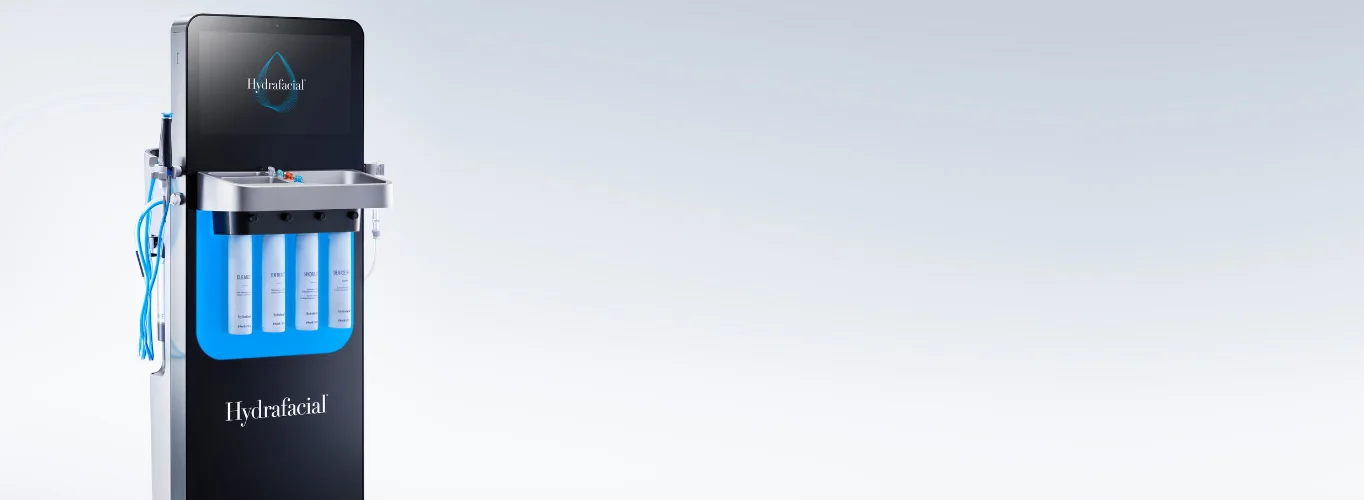
The glass skin look is not a single machine but a combination: deep hydration (such as hydradermabrasion-style cleansing and infusion), gentle brightening to even tone, barrier support, and texture refinement through skin boosters or light resurfacing. Each element works on a different layer, so a review that praises instant radiance is usually describing the immediate hydration and exfoliation effect, while a review noting smoother texture and clearer tone after 3 to 4 weeks reflects the slower remodeling part of the plan. This is why two reviews of the same clinic can sound so different depending on what was done. You can see how a hydration-led step fits in on our Hydrafacial page, and how barrier and texture care combine on our glass facial skin page.
Because glass skin layers several gentle steps, reviews praising one giant overnight change should be read with care, and reviews that describe cumulative brightening and a calmer barrier over a short series usually reflect how these protocols actually behave. At Reberry Clinic, glass skin protocols are planned and reviewed by the clinic’s doctors, who match the combination to your skin type rather than applying a fixed package, and may suggest a polynucleotide skin booster where deeper hydration and texture are the priority.
One Reberry Clinic, multiple Seoul-area locations. Pricing & current promotions are listed on each branch's own site — tap a clinic to view pricing & book.
Our flagship in the heart of Gangnam.
In Seoul's shopping & tourism heart.
A beauty stop between flights.
The newest Reberry Clinic — in Seoul's trend district.
ONE REBERRY CLINIC · MFDS-REGISTERED DEVICES · MULTILINGUAL CARE AT EVERY LOCATION
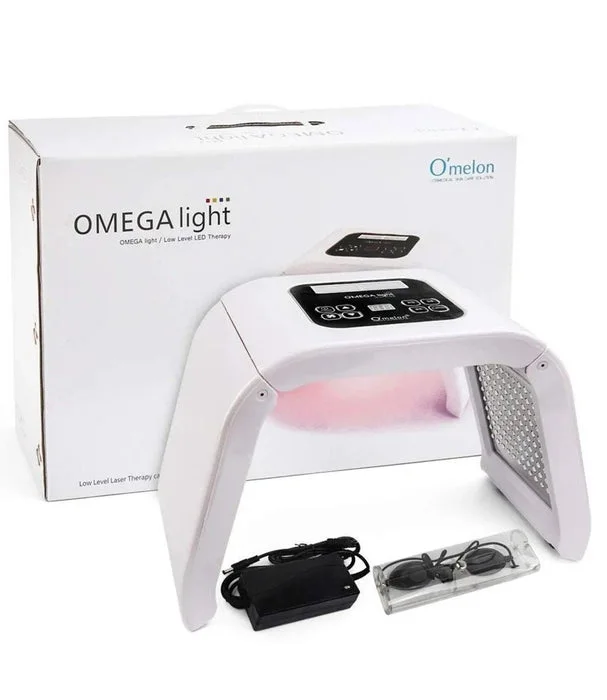

Note when the review was written; a post 1 day after a facial mostly shows temporary glow, not lasting change.
See which treatments were combined, since the same goal can involve 2 or 3 very different plans.
Check the reviewer’s starting concern, because 1 mismatched skin type can skew an otherwise strong picture.
Distinguish day-1 hydration shine from texture and tone improvement seen at 3 to 4 weeks.
Compare at least 8 to 10 honest accounts so single outliers do not distort your view.

Before-and-after photos are being updated.
An English-language consultation assesses your skin type and concerns so you can judge whether the reviews you have read apply to your own skin.
A combined glass skin session commonly takes around 30 to 60 minutes depending on which steps are included.
Each visit fits a short trip, and the doctor confirms how many of a 3 to 5 session series your skin needs.
Glow appears early, while smoother texture and more even tone build over 3 to 4 weeks across the series.
Daily sunscreen, hydration and gentle skincare sustain results, with occasional maintenance keeping the look fresh.



Glass skin reviews are reliable in aggregate, not individually, because outcomes depend on skin type, the exact protocol and the number of sessions. One filtered photo tells you little. Read several detailed accounts and confirm a plan that fits your skin on our glass facial skin page and at consultation before deciding.
A trustworthy review states the reviewer’s starting skin type, exactly which treatments were combined, how many sessions were done, and how long they waited before judging, ideally 3 to 4 weeks. It separates day-one glow from lasting texture change. Vague or single-session posts carry little weight, so look for specifics rather than only a rating.
Glass skin is a combination of hydration, brightening and barrier care, not one machine, so two reviewers with the same goal may have had very different plans. That is why a glowing or critical post often reflects the protocol chosen, not the idea itself. Your own plan is matched to your skin on our glass facial skin page at assessment.
Glass skin usually combines deep hydration such as a hydradermabrasion-style facial, gentle brightening, barrier support and texture refinement through skin boosters. Each works on a different layer, which is why a series matters. You can see a hydration-led step on our Hydrafacial page and discuss the full mix at consultation.
Not from one visit; the instant shine many reviews praise is largely temporary hydration and exfoliation that fades within days. The lasting part, smoother texture and more even tone, builds over a series of 3 to 5 sessions. Reading reviews with this distinction in mind helps you set realistic expectations for your own skin.
Comfort depends on the steps, so reviews differ; hydrating facials are essentially painless, while skin boosters involve a mild needle sensation with topical numbing, often rated 2 to 3 out of 10. Laser toning feels like light warmth. Your tolerance and comfort options are reviewed during consultation rather than predicted from a stranger’s post.
Most glass skin reviews report little to minimal downtime; hydrating facials and toning leave at most brief redness, while skin boosters can cause tiny marks for a day or two. Many people return to sightseeing the same afternoon. This low-downtime profile is why glass skin plans fit comfortably into a short Seoul trip.
Most reviews describe a series of 3 to 5 sessions spaced a couple of weeks apart, since glass skin builds cumulatively rather than in one visit. A single facial gives temporary glow only. Your exact count is confirmed at consultation, and you can compare individual steps such as a polynucleotide skin booster beforehand.
Glow appears the same day from hydration and exfoliation, but the lasting improvement in texture and tone builds over 3 to 4 weeks across the series. Honest reviews reflect this timeline, describing early radiance followed by steadier change. Doctors review progress between sessions and adjust the plan as your skin responds over time.
Results can last several months for the texture and tone improvements, but radiance fades without ongoing care because skin is constantly renewing. Daily sunscreen, hydration and a supportive skin care routine help sustain the look, and occasional maintenance sessions keep it fresh after your initial series.
Treat them as illustrative, not promises, because filters, lighting, makeup and angle dramatically change how skin looks online. Genuine improvement is gradual and depends on your skin type. Photos are a starting point for discussion, not a guarantee, which is why a personalized assessment matters far more than any single image you see.
Yes, and they can be reassuring, because glass skin protocols use gentle, layered steps that suit sensitive and Asian skin when settings stay conservative. Low-fluence toning in particular is chosen to avoid worsening pigment. Your suitability is confirmed at assessment rather than inferred from another person’s skin type and concerns.
Common side effects in reviews are mild and temporary: brief redness, slight tenderness, or tiny injection marks from skin boosters that settle within a day or two. Serious problems are rare when gentle settings are used. Following aftercare and strict sun protection further lowers risk, which careful reviews tend to confirm across many accounts.
Reberry Clinic offers glass skin protocols with English-speaking support across our three Seoul-area locations (Gangnam, Myeongdong, Incheon Airport). International patients can consult, treat and arrange follow-ups in English. Explore the combined approach on our glass facial skin page to see what fits your skin.
For a single glass skin session, 2 to 3 days in Seoul is comfortable, covering consultation, the treatment and a short review. Because the look builds over a series, many patients begin here and continue maintenance at home or on return trips. Our English-speaking team helps coordinate timing around your travel plans.
Yes, flying within 24 hours is generally fine because glass skin steps are non-invasive with minimal downtime. Cabin air is drying, so moisturise well and protect skin from sun on arrival. Your doctor confirms aftercare so your results are protected while you travel home and continue your routine.
Yes; international patients can begin a glass skin series here and continue care between trips, with the clinic offering remote check-ins in English to review progress. You can also book related care such as ongoing skin care when you return. Your treatment notes are kept on file for continuity.
Glass skin reviews praise different steps, so it helps to know what each part of the plan actually does.
| Hydrating Facial (Hydradermabrasion) | Skin Booster (Polynucleotide) | Laser Toning (Low-fluence) | |
|---|---|---|---|
| Energy / mechanism | Vortex cleansing, exfoliation and serum infusion | Microinjected polynucleotide for hydration and repair | Low-fluence 1064 nm laser for gentle brightening |
| What reviews praise | Instant glow and softer surface texture | Lasting hydration, plumper, smoother skin | More even tone and reduced dullness |
| Common review pitfall | Judging a one-off glow as a permanent result | Expecting same-day change before remodeling | Expecting one session to clear all pigment |
| Pain / comfort | Comfortable, no numbing usually needed | Mild needle sensation, topical numbing used | Mild warmth and light snaps |
| Downtime | Little to none | Possible tiny marks for a day or two | Little to none |
| Results timeline in reviews | Glow same day, fades without a series | Builds over 2 to 4 weeks | Builds gradually over the series |
| Cost context | Consultation-led; depends on add-ons | Consultation-led; depends on sessions | Consultation-led; depends on area and sessions |
Real verified reviews from our Google Business Profile, across all Reberry Clinic locations.
PULLED LIVE FROM GOOGLE · GANGNAM · MYEONGDONG · INCHEON AIRPORT
Your treatment is planned and performed by experienced, MFDS-registered doctors across our Seoul-area clinics, with multilingual support for international patients.
Flagship clinic · for leading lifting & regenerative devices · Featured in Authority Magazine (2026)

Multilingual tourist care beside Myeongdong Cathedral

Fast, effective care 20 minutes from the terminals
Message us on WhatsApp for a free consultation in English so your glass skin plan is based on your skin, not a stranger’s filtered review.