

Gangnam
Dr. Yoongon Ryu
Aesthetic Medicine Specialist
Flagship clinic · KOL for leading lifting & regenerative devices

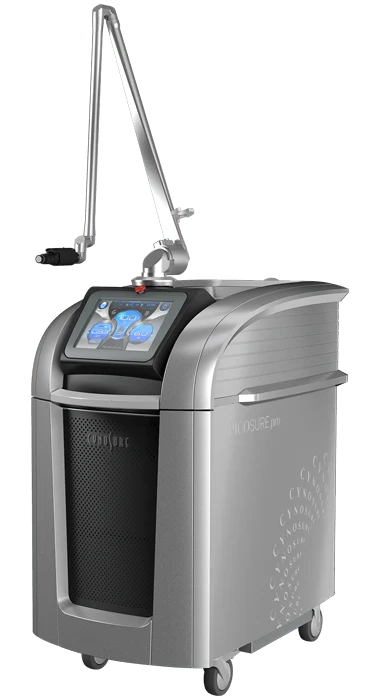
CO2 laser cost is shaped by at least 5 factors, including treatment area, ablation depth, and the number of sessions your skin concern needs.
CO2 laser cost in Seoul depends on the treatment area, ablation depth, lesion type, number of sessions, and whether spot or full-face resurfacing is planned. Because each plan is individual, the clinic’s doctors confirm cost at consultation rather than quoting one fixed figure, with English support across our three Seoul-area locations.
One-on-One guidance from a dedicated doctor, ensuring your skin is professionally monitored and treated from start to finish.
Fluent assistance in English, Japanese, and Chinese, making communication clear, respectful and comfortable for international patients.
Over 100,000 patients worldwide have received our personalized dermatological care, highlighting our expertise and reliable results.
CO2 laser cost in Seoul is not a single number because the treatment itself varies widely. A small mole or scar removal uses very different energy and time than full-face fractional resurfacing for texture and acne scars, so the price reflects the scope of work. The main drivers are the treatment area, the depth and intensity of ablation, the type of lesion or concern, and the number of sessions your skin needs to reach the goal.
Ablative fractional CO2 laser works by vaporising microscopic columns of skin to trigger collagen remodelling, which means deeper, more intensive settings deliver stronger results but require more recovery and care. That intensity, along with the size of the area treated, is a major cost factor. Add-ons such as post-laser soothing care, repeat sessions for scarring, and the complexity of the concern all influence the final figure.
At Reberry Clinic, CO2 laser is consultation-led: the clinic’s doctors assess your skin, define the plan, and explain what affects cost before treatment. International patients are supported in English across our three Seoul-area locations (Gangnam, Myeongdong, Incheon Airport), so cost expectations are clear from the start.
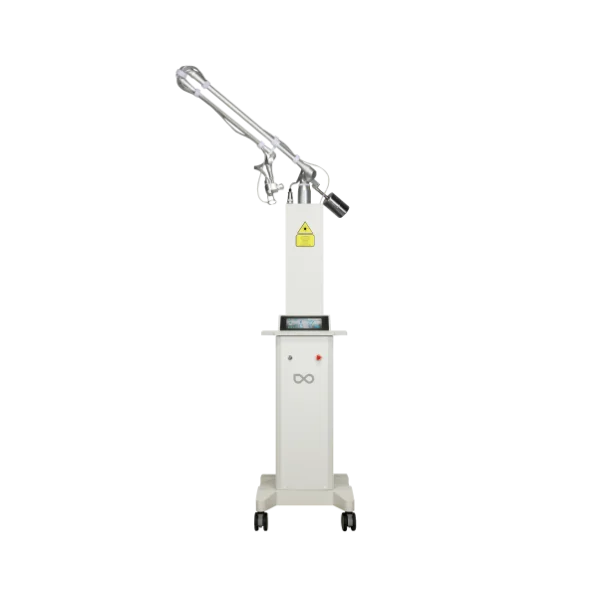
Ablative fractional CO2 laser emits a 10,600nm wavelength absorbed by water in the skin, vaporising precise microscopic columns and leaving surrounding tissue intact to speed healing. Because the device can be tuned across a wide range of depths and densities, a light resurfacing pass for tone is far less intensive than deep scar revision, and that range directly affects time, consumables, and recovery support, which all feed into cost. Larger areas such as the full face cost more than a single spot, and concerns like deep acne scars or surgical scars usually need a series of sessions spaced weeks apart, multiplying the total. Numbing, post-procedure soothing care, and follow-up reviews can also be part of the plan, which is why a personalised consultation, rather than a fixed menu price, gives the most accurate estimate.
One Reberry Clinic, multiple Seoul-area locations. Pricing & current promotions are listed on each branch's own site — tap a clinic to view pricing & book.
Our flagship in the heart of Gangnam.
In Seoul's shopping & tourism heart.
A beauty stop between flights.
The newest Reberry Clinic — in Seoul's trend district.
ONE REBERRY CLINIC · MFDS-REGISTERED DEVICES · MULTILINGUAL CARE AT EVERY LOCATION
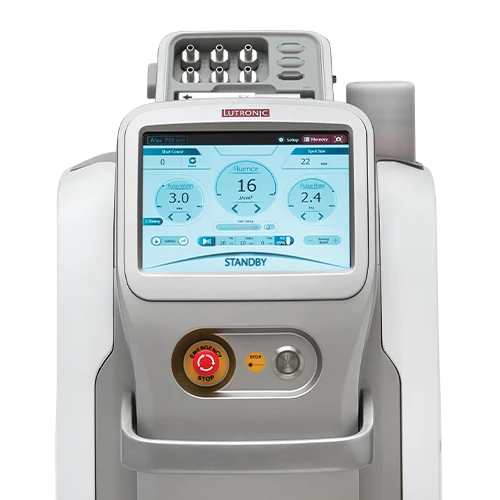
Cost starts with scope: 1 small spot versus full-face resurfacing changes time and energy dramatically.
Ablation depth and density are tuned to the concern; deeper settings for scars cost more than a light tone pass.
Moles, surgical scars, and acne scars each need 1 of several approaches, and complex concerns take more of the 15 to 45 minute session.
Scars often need 2 to 4 sessions spaced weeks apart, so the total reflects the series, not a single visit.
Numbing for 20 to 30 minutes, post-laser soothing care, and follow-up reviews may be part of the plan, affecting the final figure.
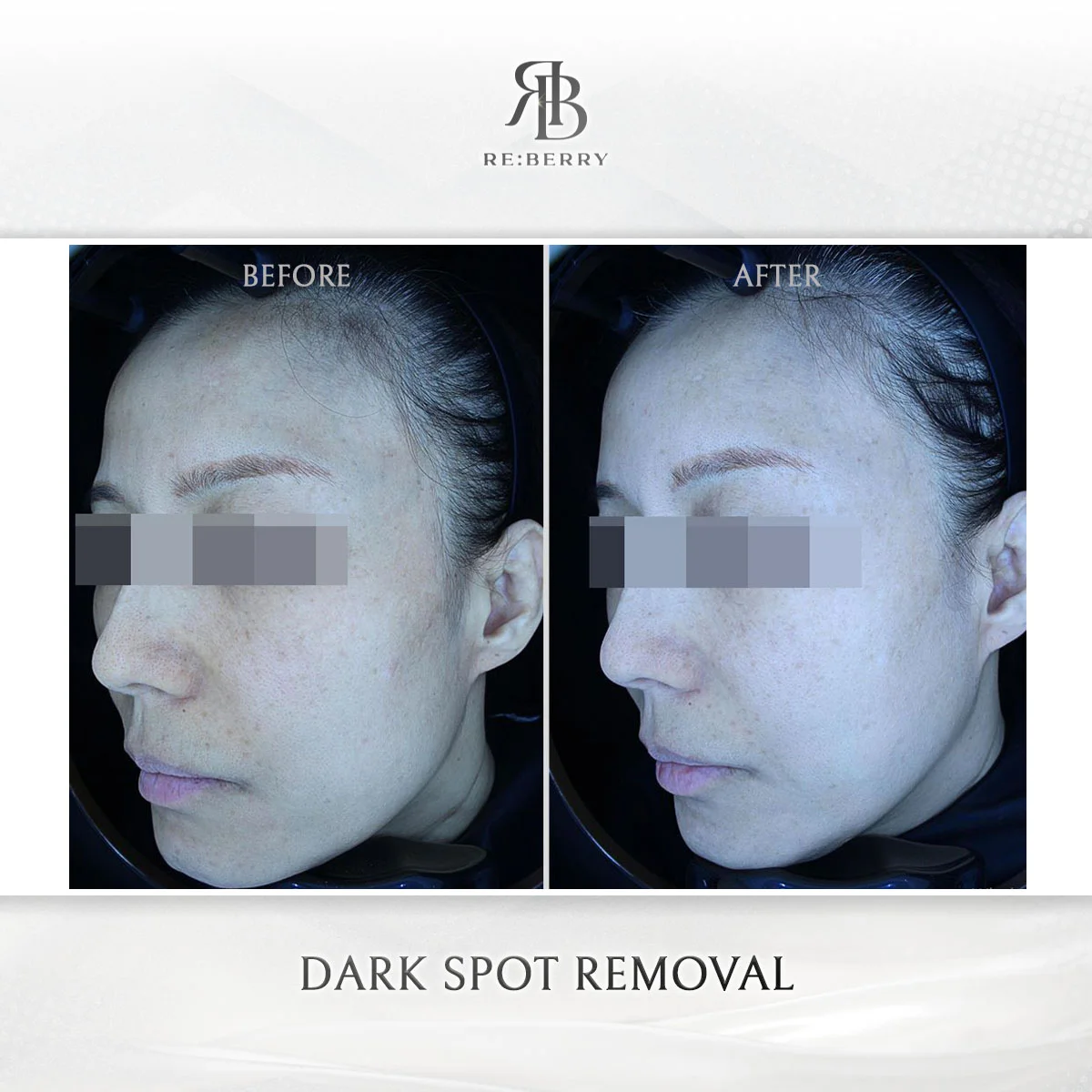
See representative outcomes from Reberry Clinic. Results build gradually and vary by individual; your plan is assessed at consultation.
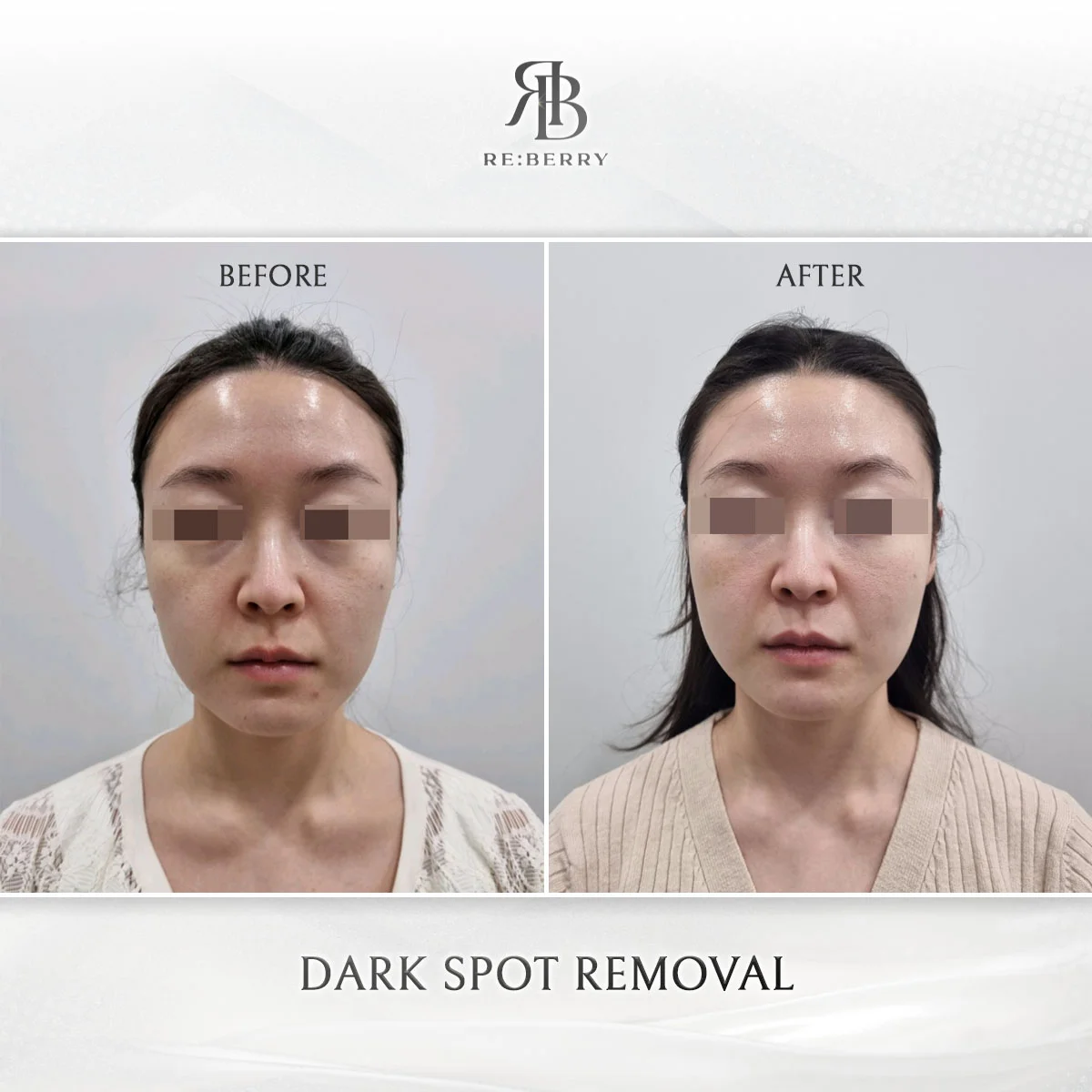
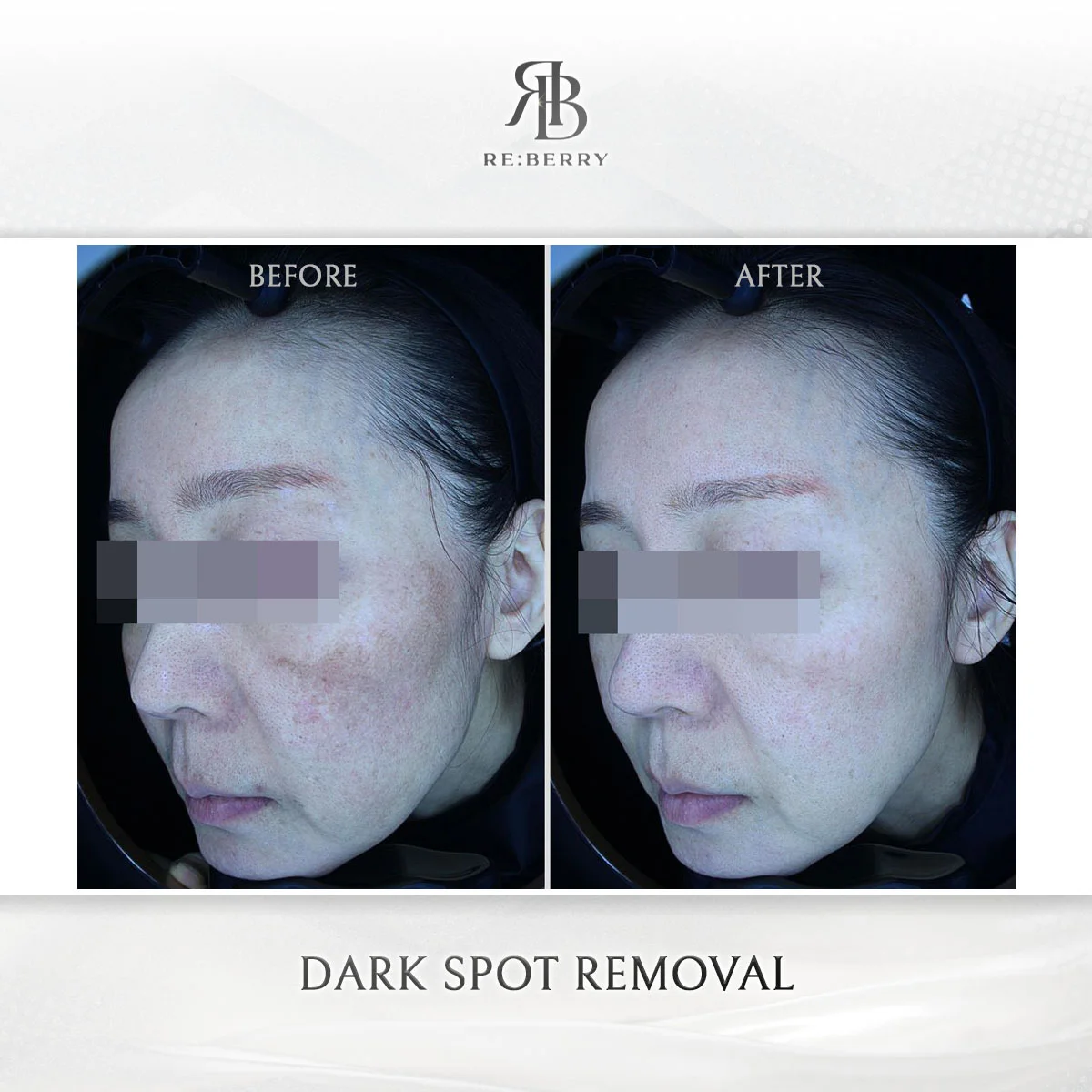
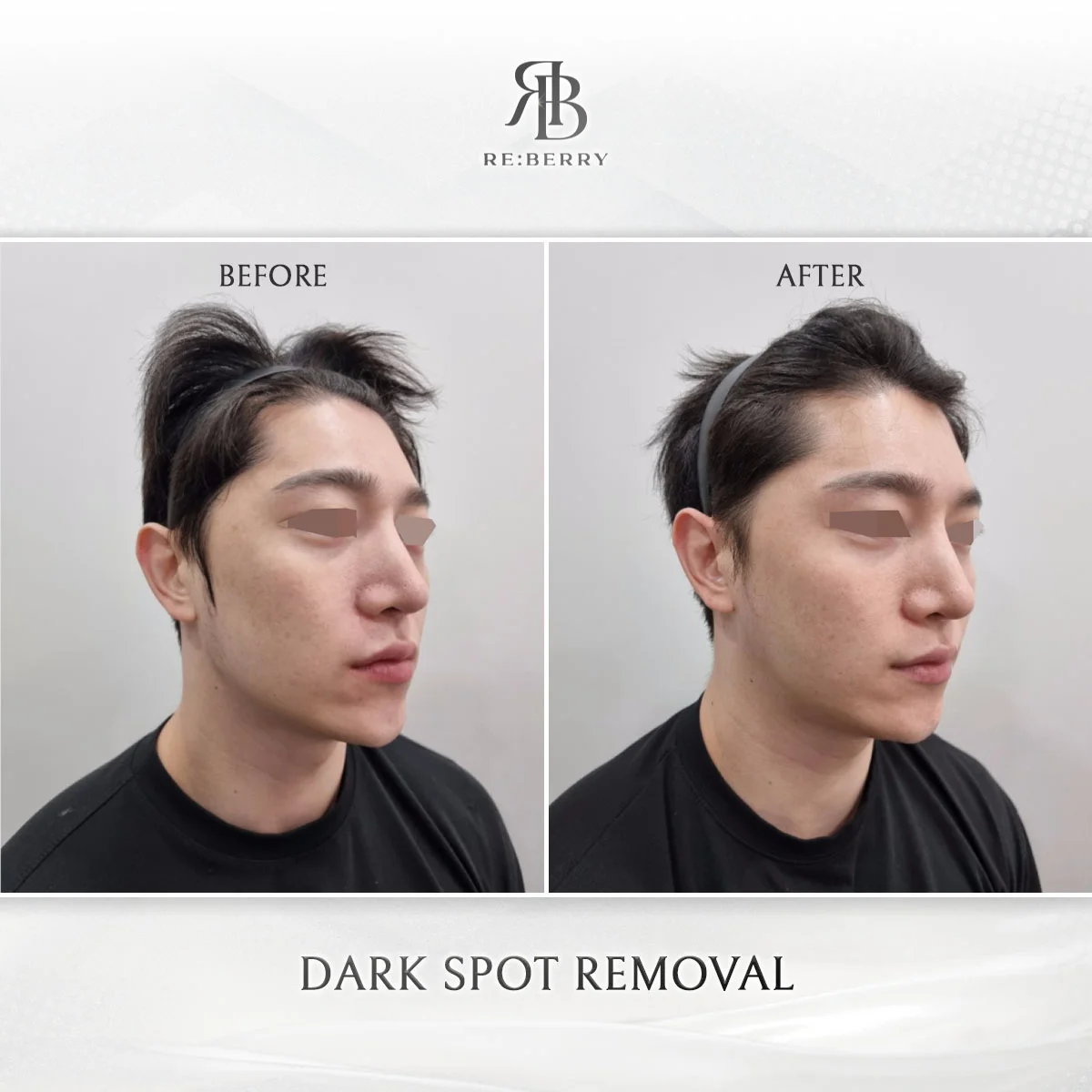
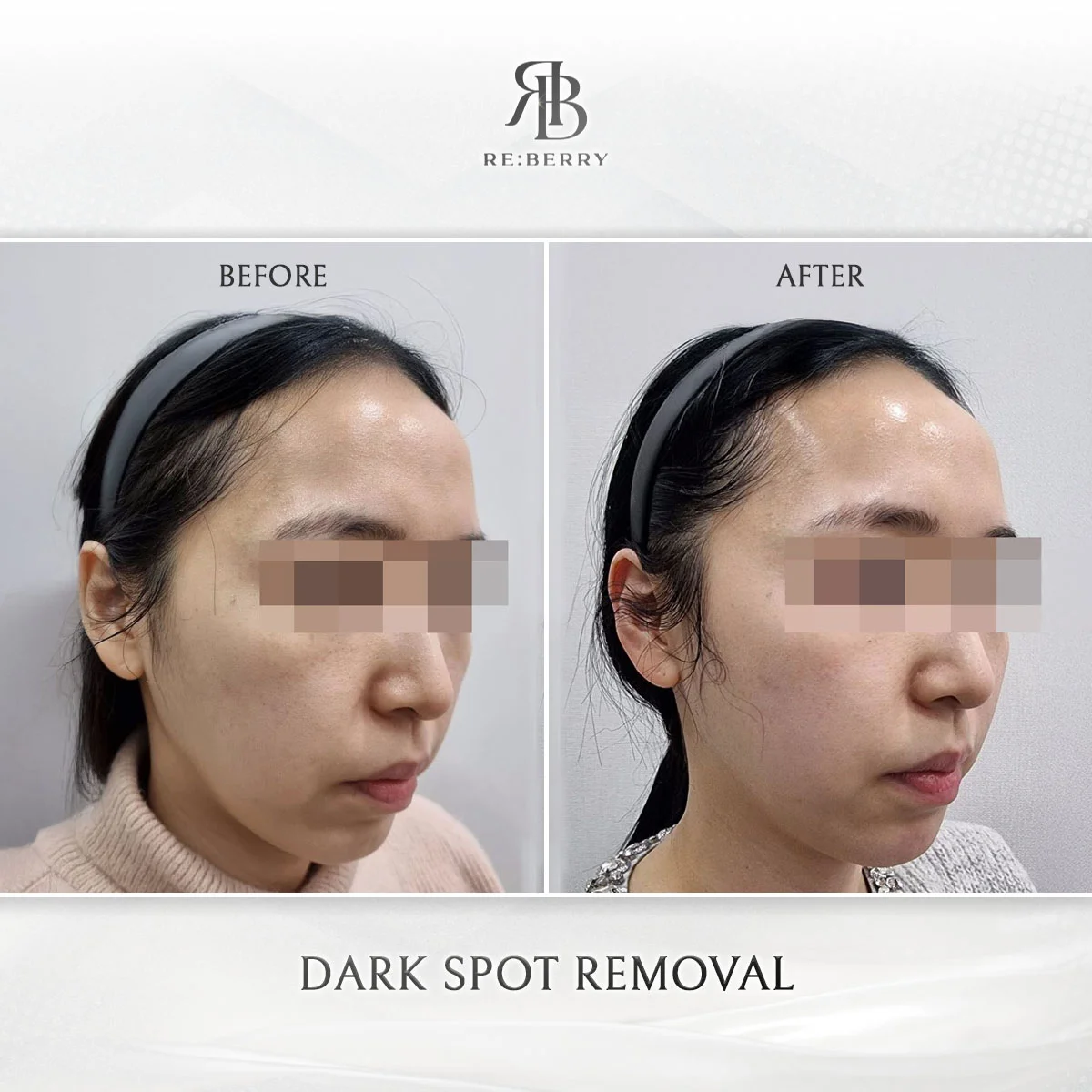
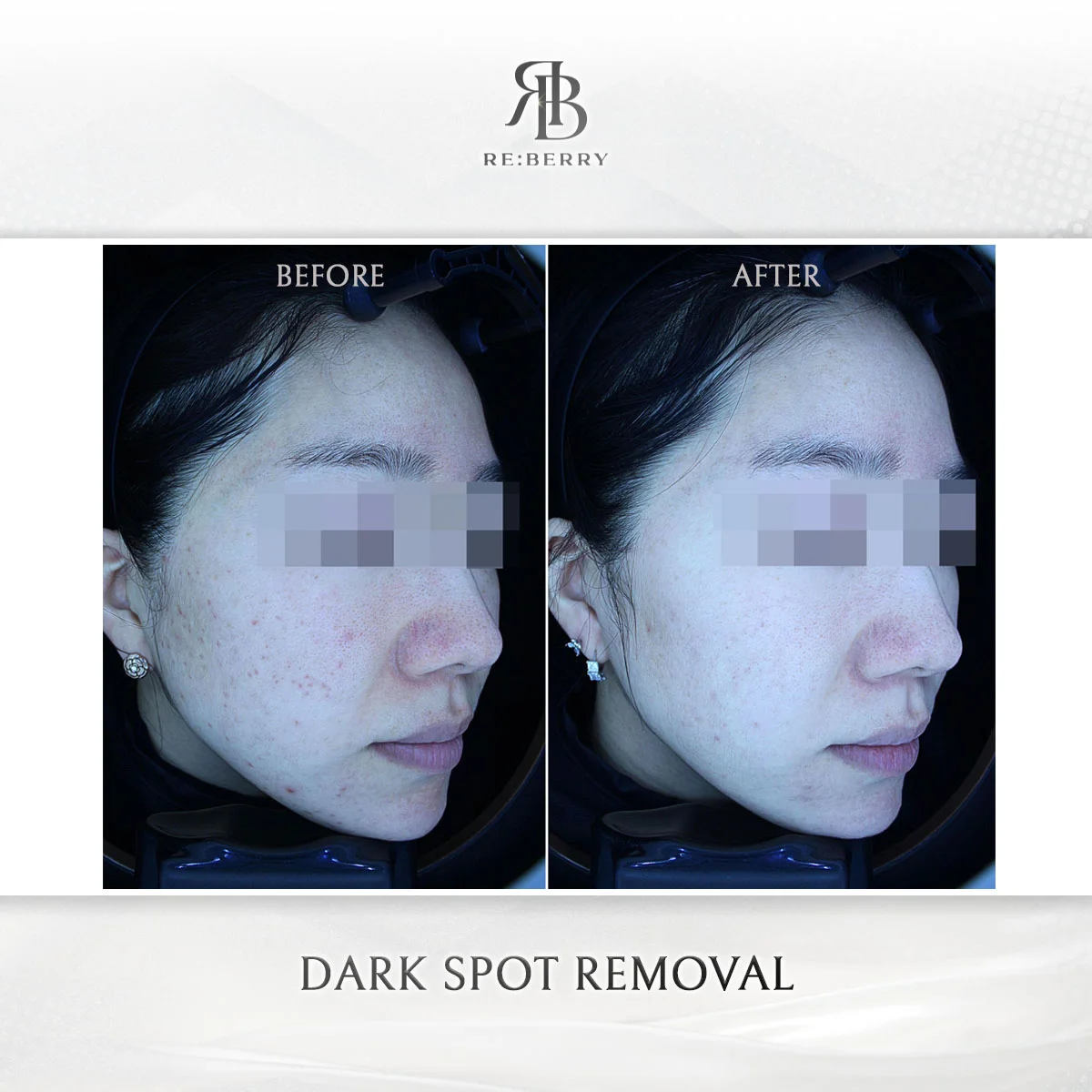
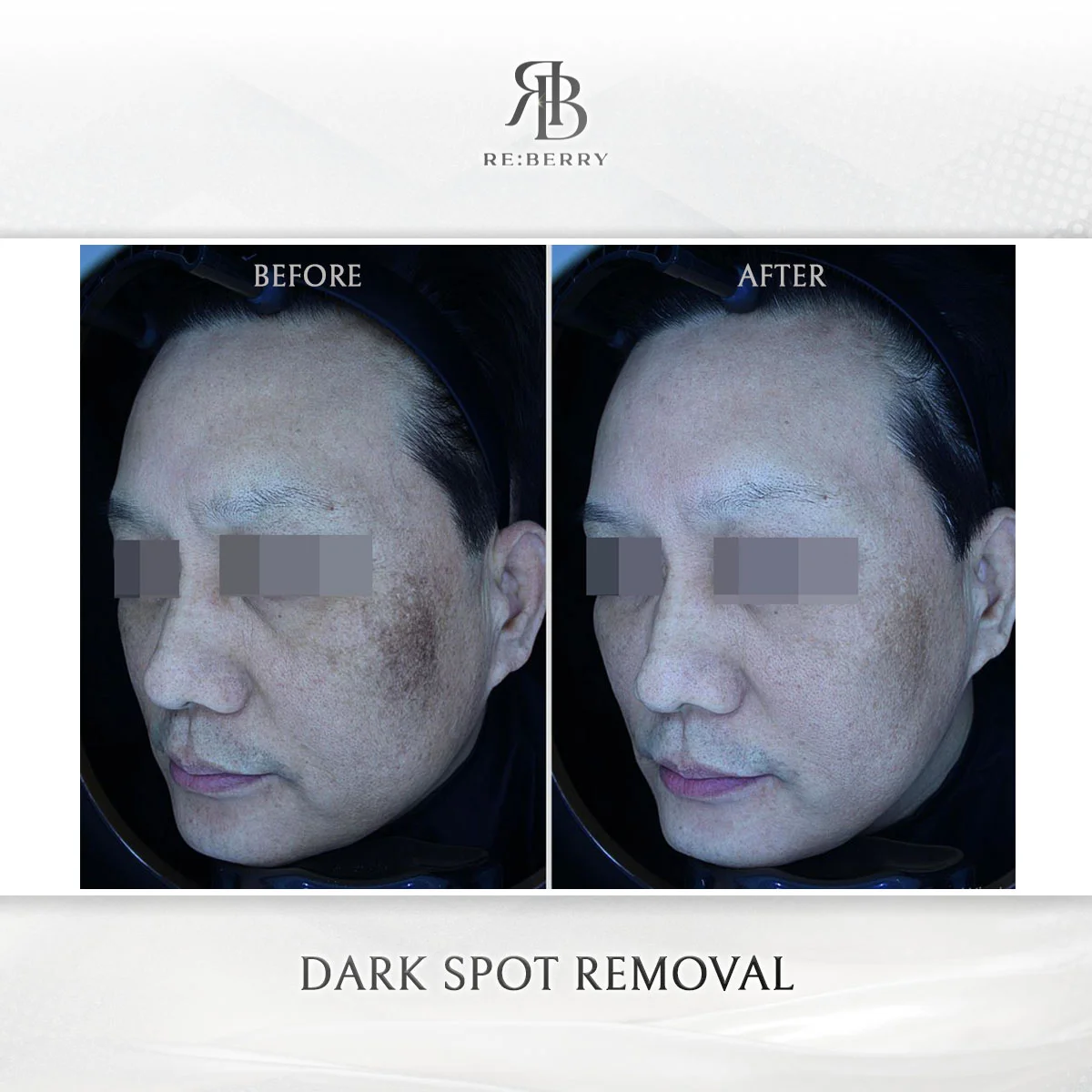
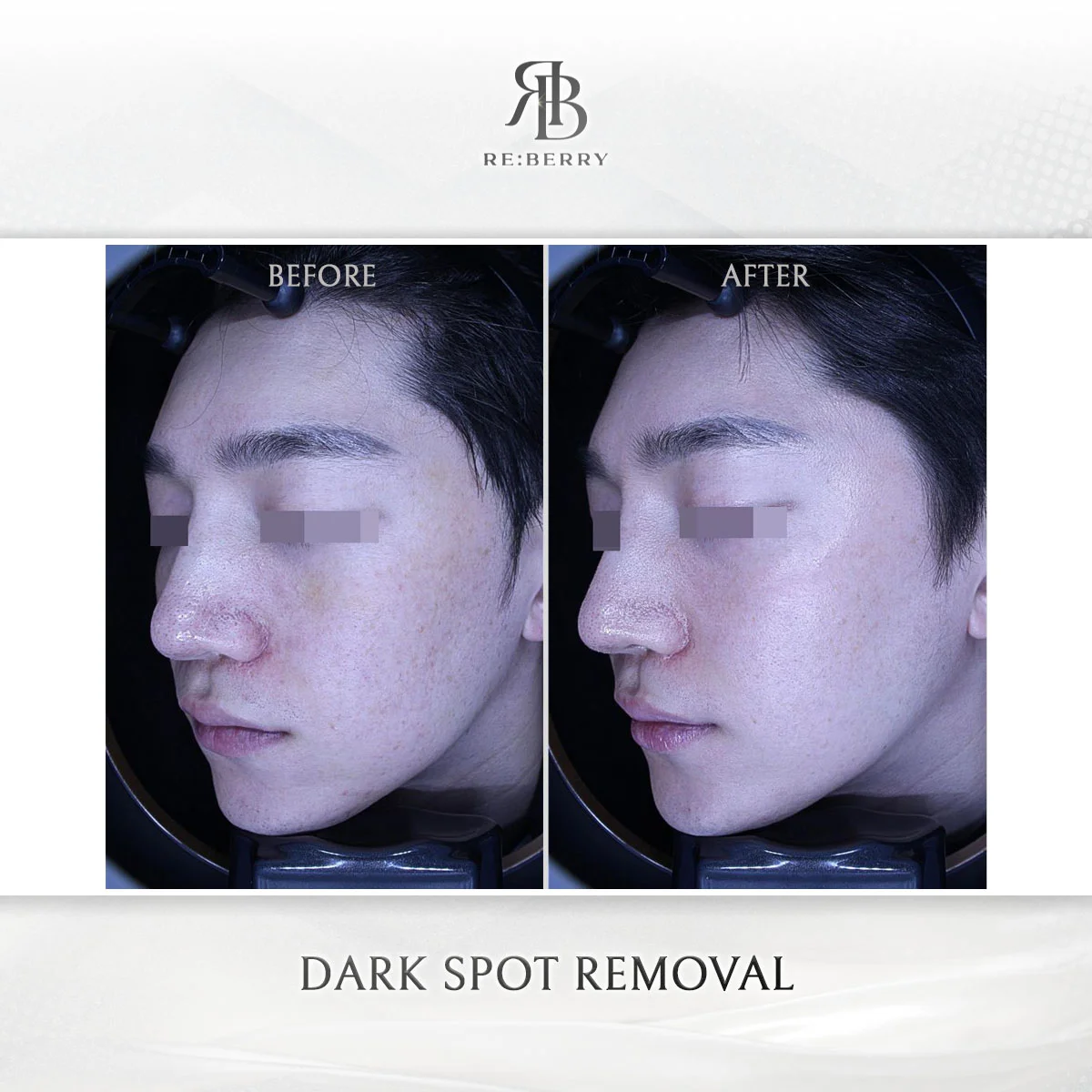
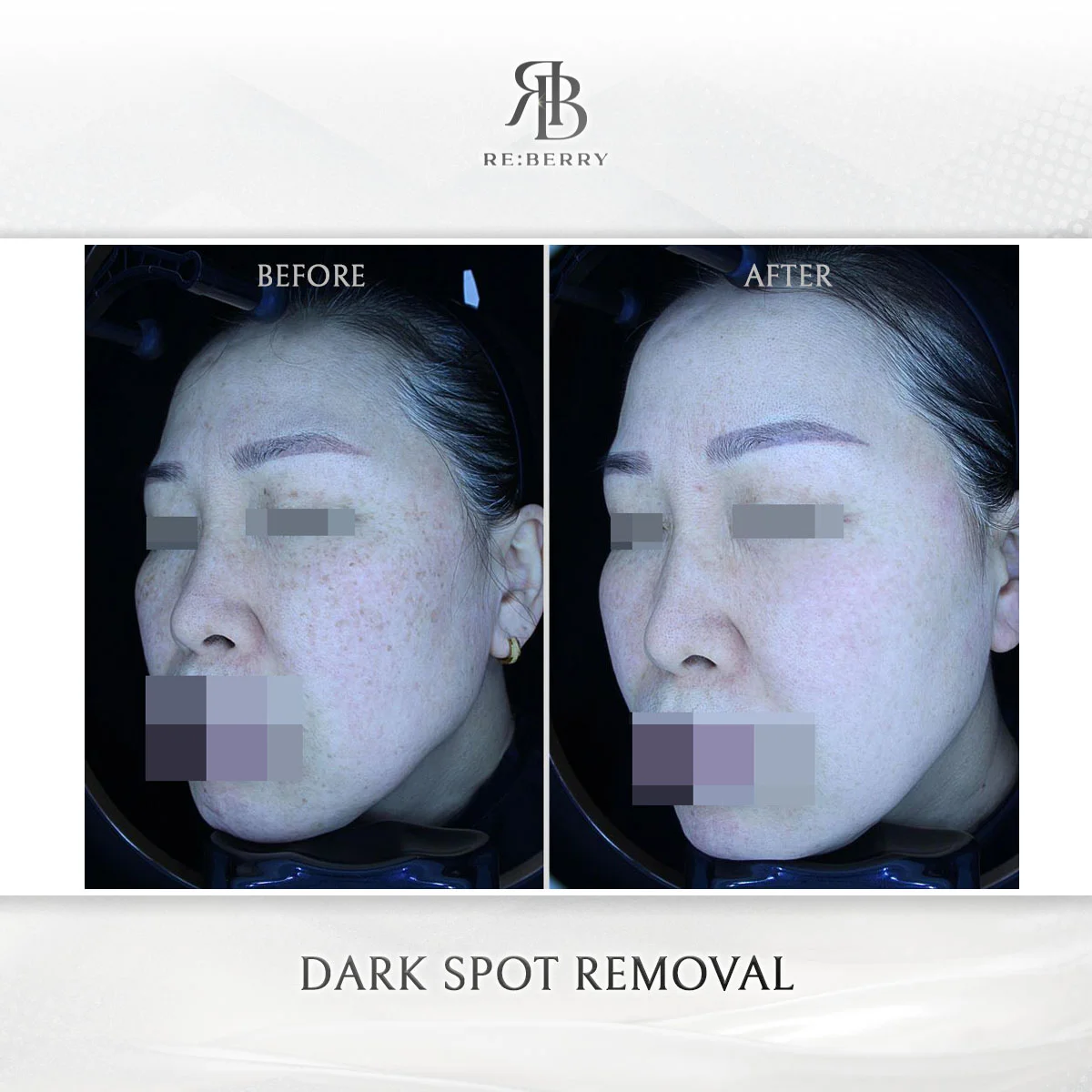
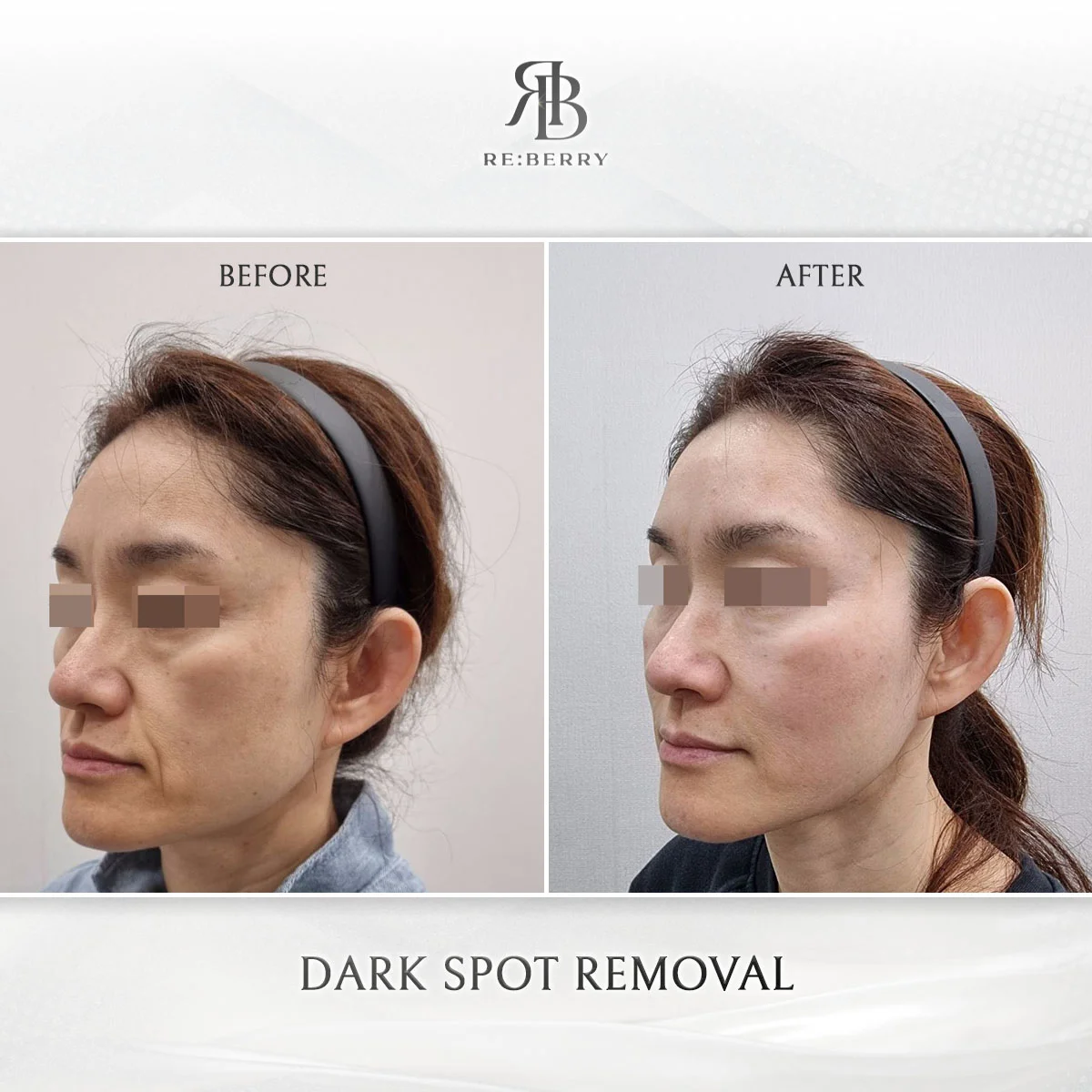
The clinic’s doctors assess your concern, skin tone, and goals, then define the plan and explain what affects cost in English.
After numbing for 20 to 30 minutes, a session usually takes 15 to 45 minutes depending on the area and depth.
Spot treatments are quick, while full-face resurfacing takes longer, with recovery planned around your schedule.
Skin remodels over weeks to months, with texture and scar gains building across a series of sessions.
Diligent aftercare and daily sunscreen protect results, since healing and collagen remodelling continue for months.
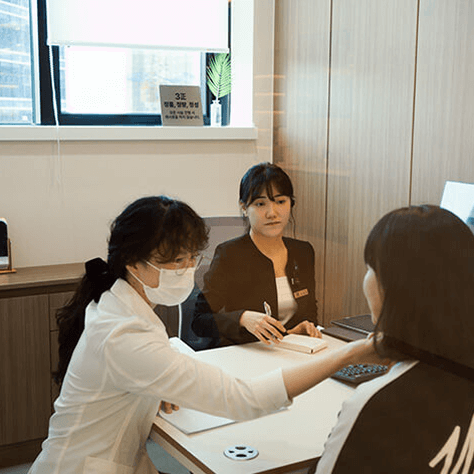
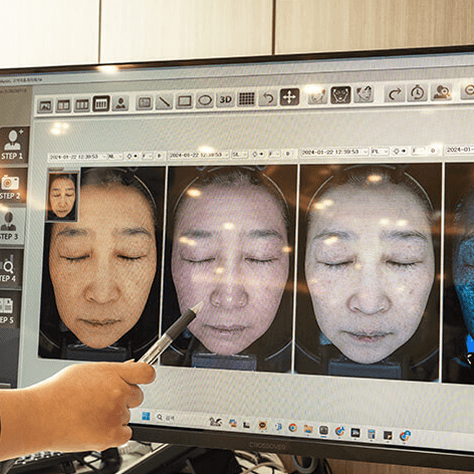
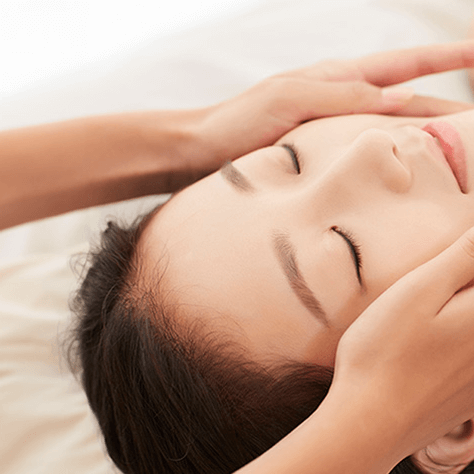
CO2 laser cost depends on the treatment area, ablation depth, lesion type, and number of sessions, which is why prices range widely. A single spot is far cheaper than full-face resurfacing or a scar series. The clinic’s doctors confirm your figure at consultation after assessing the concern, rather than quoting one fixed price.
There is no single fixed price because each plan is individual: depth, area, lesion type, and session count all vary. Quoting one number for everyone would be misleading. Instead, the clinic’s doctors examine your skin and explain the cost factors, as outlined on our laser treatment page.
Yes, treatment area is one of the biggest cost factors. A single mole or small scar uses little time and energy, while full-face fractional resurfacing covers far more skin and takes much longer. Because of this, area is one of the first things assessed when estimating your CO2 laser cost.
Mole or single-spot removal may need just 1 session, while acne or surgical scars often need 2 to 4 sessions spaced weeks apart. Each session in a series adds to the total cost. Your doctor confirms the plan after assessing scar depth, as explained on our laser treatment page.
Most adults with acne scars, surgical scars, texture concerns, or benign lesions are suitable candidates if they can accommodate downtime. A consultation confirms your skin tone and concern so settings stay safe. Darker tones need conservative settings to lower pigment risk, which your doctor reviews before treatment.
With numbing cream applied for 20 to 30 minutes beforehand, most patients tolerate CO2 laser as warmth and stinging rather than sharp pain, often around 3 to 5 out of 10. Deeper resurfacing feels stronger than a light pass. Cooling and aftercare keep the experience manageable throughout the session.
Downtime is usually several days of redness, swelling, and light peeling as skin heals, longer for deeper resurfacing. Plan recovery into your trip rather than booking events right after. Most patients look presentable within about a week, and a gentle skin care routine supports healing.
Initial smoothness appears after the skin heals in about a week, but collagen remodelling continues for weeks to months, so scar and texture improvement keeps building. For scarring, gains accumulate across a series. Your doctor reviews progress between sessions and adjusts depth to balance results and recovery.
Resurfacing and scar improvements are generally long-lasting because they remodel the skin’s structure, though natural ageing and sun damage continue over time. Daily sunscreen and good skincare help preserve results. Some patients return for maintenance or further scar work, which is planned individually rather than on a fixed schedule.
Yes, CO2 laser is often staged with hydration and barrier-support care, and sometimes other modalities for comprehensive scar work. Some patients add a hydrating facial during recovery phases. Your doctor sequences treatments so the skin heals fully before adding anything intensive in the same area.
A very low price can mean a lighter, less effective pass or fewer sessions than your concern needs, so cheapest is not always best value. Focus on the plan: appropriate depth, correct session count, and proper aftercare. The clinic’s doctors explain why the recommended plan fits your specific scarring or texture.
Common side effects are redness, swelling, peeling, and temporary darkening as skin heals over days. Rarely, pigment change or prolonged redness can occur, more so at aggressive settings or with sun exposure. Following aftercare and strict sun protection lowers these risks, and your doctor provides a tailored recovery plan.
Yes, scar type strongly affects cost. Deep ice-pick or boxcar acne scars need more intensive, repeated treatment than shallow texture, increasing energy, time, and session count. Your doctor assesses scar depth and pattern at consultation to plan an appropriate, individualised approach rather than applying one generic setting and price.
Aftercare such as gentle cleansing, moisturising, and strict daily sunscreen is essential for healing and protecting results, and may be included in the plan. A supportive skin care routine reduces complications. Your doctor provides a written aftercare plan so recovery stays on track and pigment risk stays low.
Fractional CO2 often costs more per session than gentler non-ablative resurfacing because it is more intensive and powerful, but it may need fewer sessions for deep scars. The best value depends on your concern. Your doctor compares options so the plan matches your goals, recovery tolerance, and budget realistically.
Because CO2 laser involves visible healing, many international patients plan 5 to 7 days in Seoul so redness and peeling settle before flying or events. For a small spot, fewer days may suffice. Our English-speaking team helps coordinate timing and follow-up around your travel schedule.
You can usually fly within a day or two, but skin will still be healing, so cabin dryness and sun at your destination need care. For deeper resurfacing, allowing a few days of recovery first is wiser. Your doctor advises on moisturising, sun avoidance, and timing based on your treatment depth.
International patients can complete a CO2 laser plan across one or more visits, with remote check-ins in English between trips for healing and scar progress. The clinic keeps your treatment notes on file for continuity. You can also arrange ongoing skin care support when you return.
| Fractional CO2 Laser | Erbium / Non-ablative Fractional | Picosecond Fractional | |
|---|---|---|---|
| Energy / mechanism | Ablative 10,600nm, vaporises micro-columns | Erbium ablation or non-ablative heating | Picosecond photomechanical, less ablation |
| Best for | Deep scars, texture, moles, resurfacing | Lighter resurfacing, less downtime | Pigment plus mild texture, gentle skin |
| Pain / comfort | Numbing used; warmth and stinging | Generally milder | Mild snapping sensation |
| Downtime | Several days of redness and peeling | Shorter, often 2 to 3 days | Little to minimal |
| Sessions | Often 2 to 4 for scarring | Often 3 to 5 | Often 3 to 5 |
| Cost factors | Depends on area, depth, lesion, sessions | Depends on area and session count | Depends on area and session count |
Real verified reviews from our Google Business Profile, across all Reberry Clinic locations.
PULLED LIVE FROM GOOGLE · GANGNAM · MYEONGDONG · INCHEON AIRPORT
Your treatment is planned and performed by experienced, MFDS-registered doctors across our Seoul-area clinics, with multilingual support for international patients.
Flagship clinic · KOL for leading lifting & regenerative devices
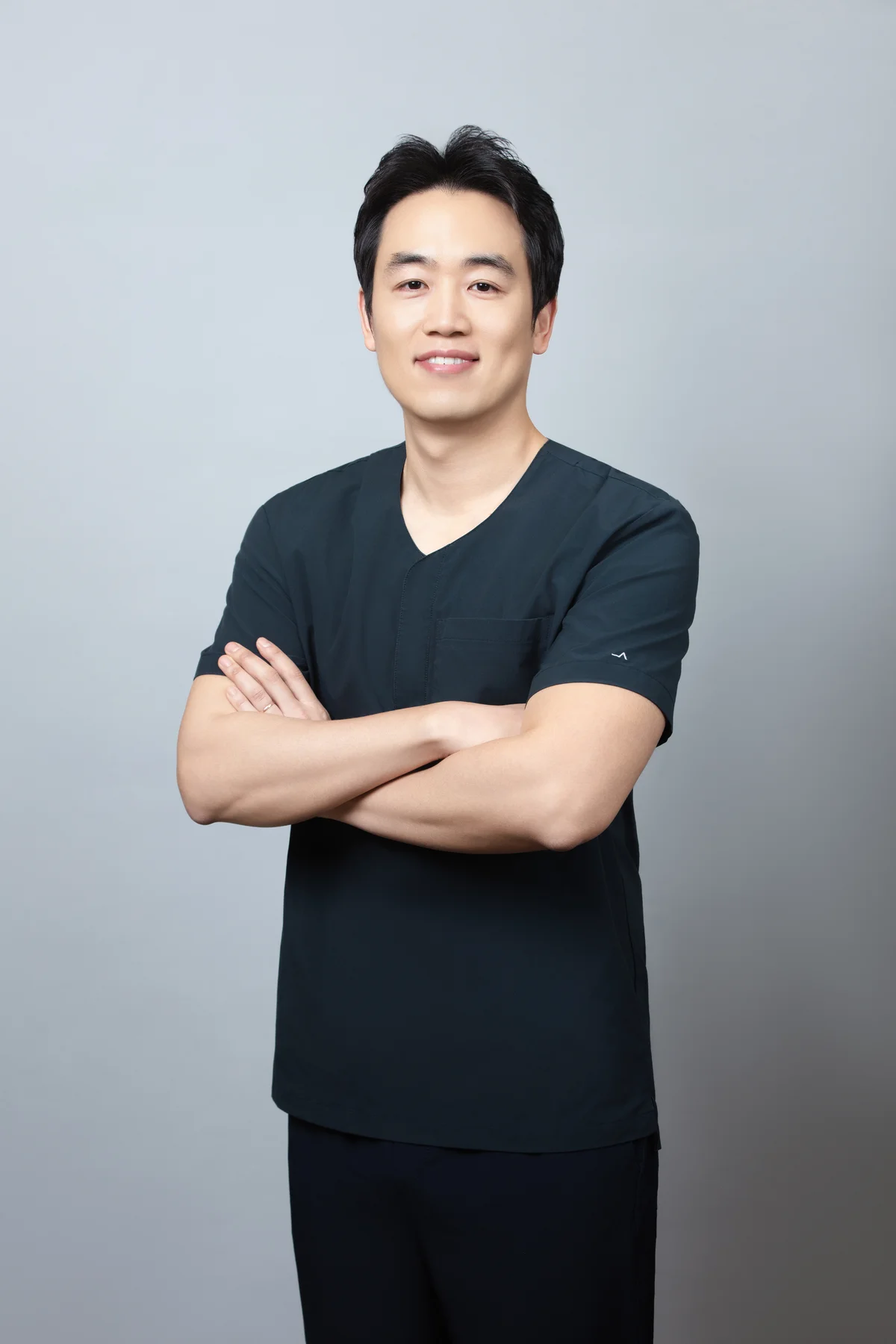
Multilingual tourist care beside Myeongdong Cathedral
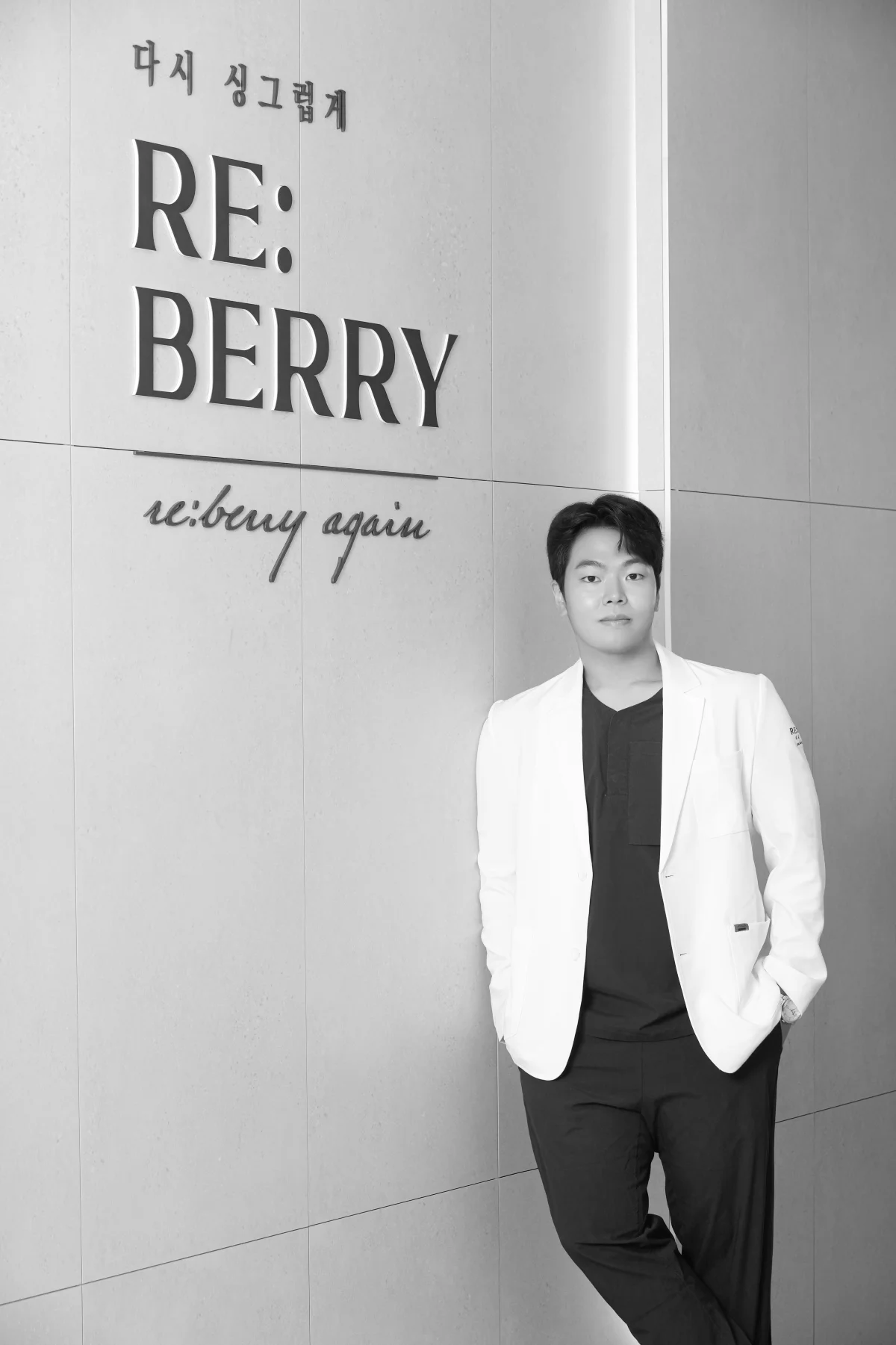
Fast, effective care 20 minutes from the terminals
Message us on WhatsApp for a free consultation in English about your skin concern and a clear cost plan.