



Gangnam
Dr. Yoon-Gon Ryu
Aesthetic Medicine Specialist
Flagship clinic · for leading lifting & regenerative devices · Featured in Authority Magazine (2026)


Autumn and winter, roughly October to March, suit light-based treatments because UV levels drop, while most non-surgical skin treatments can be done across all 4 seasons with the right aftercare.
Autumn and winter, roughly October to March, are widely recommended for laser and pigment treatments because lower UV reduces the risk of post-treatment darkening. Most other skin treatments, including boosters and energy lifting, can be done in all 4 seasons. The right timing depends more on your treatment and aftercare than on a single perfect month.
One-on-One guidance from a dedicated doctor, ensuring your skin is professionally monitored and treated from start to finish.
Fluent assistance in English, Japanese, and Chinese, making communication clear, respectful and comfortable for international patients.
Over 100,000 patients worldwide have received our personalized dermatological care, highlighting our expertise and reliable results.
For many skin treatments the season matters less than people expect, but for light-based procedures it genuinely helps to plan around lower sun exposure. Lasers and intense pulsed light target pigment, and freshly treated skin is temporarily more sensitive to ultraviolet light. Because of this, autumn and winter, roughly October to March in Korea, are widely recommended for pigment work, age spots and toning, since shorter days and weaker UV make diligent sun protection easier to maintain.
That said, most non-surgical treatments are far less season-dependent. Skin boosters, polynucleotide injectables, radiofrequency and micro-focused ultrasound lifting do not rely on light hitting pigment, so they can be performed comfortably across all four seasons. The deciding factors become your travel schedule, how much sun you expect afterwards, and how strictly you can follow aftercare, rather than the calendar alone.
Korea’s climate also shapes comfort. Summer is hot and humid with high UV, spring brings pollen and fine-dust days, while autumn is mild and dry and winter is cold but low in UV. Reberry Clinic is consultation-led and serves international patients in English across three Seoul-area locations (Gangnam, Myeongdong, Incheon Airport), so the team can match your treatment to the season you are able to travel.
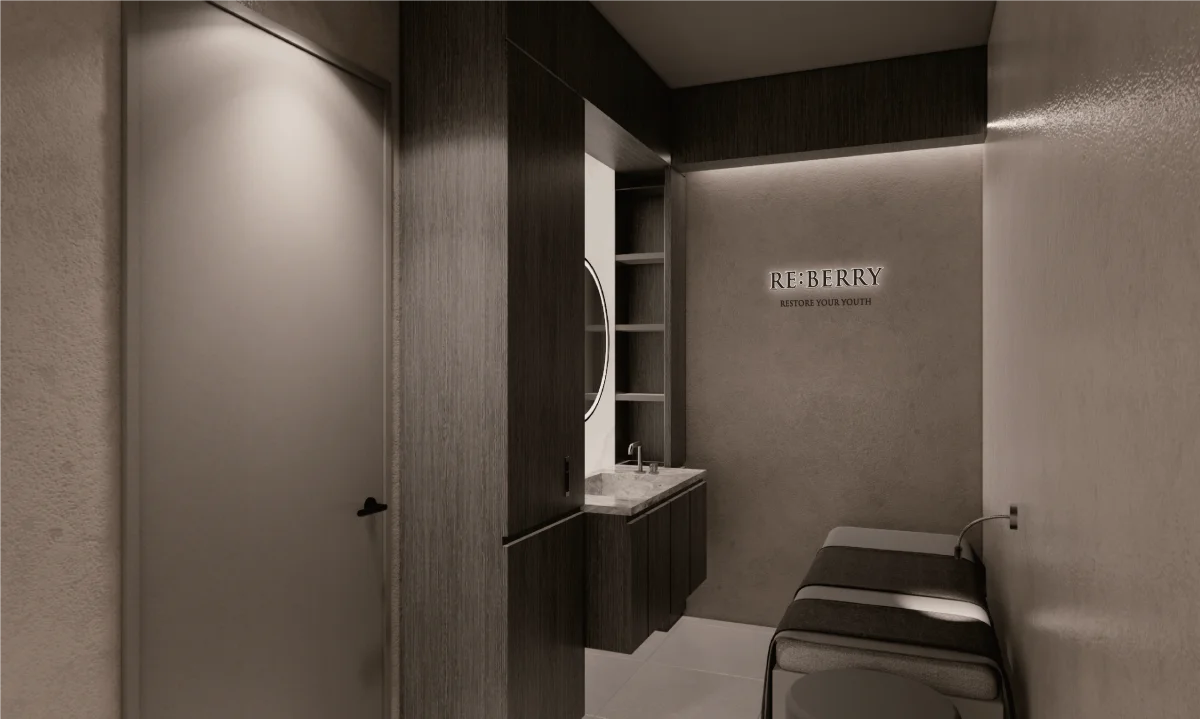
The science behind seasonal timing centers on melanin and inflammation. After a pigment laser or IPL session, the skin is briefly more reactive, and strong UV can trigger post-inflammatory hyperpigmentation, especially in the medium-to-deeper skin tones common across Asia. Lower-UV months make it easier to avoid that, which is why many clinics prefer scheduling pigment work between roughly October and March when the UV index in Seoul is markedly lower than in midsummer.
Energy-based and injectable treatments work differently. Micro-focused ultrasound and radiofrequency heat deeper layers without depending on surface pigment, and boosters like a polynucleotide Rejuran Healer course rebuild skin quality over weeks regardless of season. A gentle hydrafacial is suitable any time of year. The clinic’s doctors advise on the safest window for your specific plan, balancing season against your travel dates.
One Reberry Clinic, multiple Seoul-area locations. Pricing & current promotions are listed on each branch's own site — tap a clinic to view pricing & book.
Our flagship in the heart of Gangnam.
In Seoul's shopping & tourism heart.
A beauty stop between flights.
The newest Reberry Clinic — in Seoul's trend district.
ONE REBERRY CLINIC · MFDS-REGISTERED DEVICES · MULTILINGUAL CARE AT EVERY LOCATION

Decide whether you want light-based pigment work, which is UV-sensitive, or 1 of the many season-flexible options.
If you expect strong sun within 2 to 4 weeks after treatment, favor the lower-UV autumn-to-winter window.
Confirm which of the 4 seasons you can realistically visit, since timing must fit your schedule too.
Commit to daily SPF and gentle care for at least 2 weeks, which matters more than the exact month.
A doctor confirms the safest window for your skin and plan, adjusting for your 1 trip or recurring visits.
Before-and-after photos are being updated.
An English consultation, often online first, confirms whether your plan is UV-sensitive and which season suits it best.
Treatment takes 30 to 60 minutes for most options, so it fits any season’s itinerary easily.
Allow 3 to 5 days regardless of season; the window matters for aftercare, not appointment length.
Results develop over weeks to months after you return, with sun protection protecting pigment outcomes.
Daily SPF and gentle care sustain results; maintenance can be timed to a future low-UV trip.



Autumn and winter, roughly October to March, are recommended for light-based pigment treatments because lower UV reduces darkening risk. Most other treatments work in all 4 seasons. The right window depends on your plan, which is confirmed during a consultation about your skin-care goals before you book flights.
Yes, laser treatment is possible in summer, but it requires very strict sun protection because high UV raises the risk of post-treatment darkening, especially in medium to deeper skin tones. Many patients prefer the lower-UV autumn-to-winter window instead. Your doctor advises whether summer timing is appropriate for your specific pigment plan.
Not significantly; skin boosters do not rely on light targeting pigment, so they are suitable across all four seasons. Timing is mainly about your schedule and comfort. A polynucleotide course such as Rejuran Healer develops over weeks regardless of when in the year you visit.
Winter suits many treatments well, because low UV makes laser and pigment work safer and consistent sun protection easier. The cold and dry air mainly means you should moisturize and protect the skin barrier. Most boosters and lifting are equally suitable, so winter is a flexible season for several plans.
No, micro-focused ultrasound such as Ultherapy Prime heats deeper layers without depending on surface pigment, so it can be done in any season. The lift builds over 2 to 3 months at home regardless of when you travel. So you plan lifting around your schedule, not the calendar.
Spring is generally suitable, though pollen and fine-dust days can irritate sensitive skin, so gentle aftercare matters. UV begins rising toward late spring, which is worth noting for pigment lasers. For most boosters, lifting and a hydrafacial, spring is a comfortable, flexible time to visit.
Strict sun protection for at least 2 to 4 weeks is advised after a pigment laser, which is easier to maintain in lower-UV months. This reduces the risk of post-inflammatory darkening. Daily SPF, hats and shade matter more than the exact season, but a low-UV window makes compliance simpler.
No, the treatment type matters more than the season for most plans, because only light-based pigment work is strongly UV-sensitive. For boosters and lifting, your schedule and aftercare commitment outweigh the calendar. A consultation about your skin-care plan clarifies how much season actually matters for you.
Summer heat and humidity can make some patients sweat more, so keeping treated skin clean and protected is important, but recovery itself is usually unaffected for non-light treatments. The bigger summer factor is high UV after pigment lasers. The team adjusts aftercare guidance for the season you visit.
Yes, many international patients time maintenance to a lower-UV autumn-or-winter trip, especially if pigment treatments are involved. Booster and lifting maintenance can be scheduled in any season. The clinic helps you plan a recurring window that fits both your skin goals and your travel pattern.
Popular travel periods can be busier, so booking ahead is wise regardless of season, particularly around major holidays. Earlier scheduling secures your preferred appointment and consultation time. Contact the team in advance to confirm availability for your chosen dates and to plan your skin-care visit smoothly.
Plan 3 to 5 days regardless of season, since most non-surgical skin treatments are single sessions with a short buffer for recovery. The season influences aftercare, not appointment length. The team maps your day-by-day itinerary during consultation so it fits your travel window comfortably.
Yes, Reberry Clinic has a location near Incheon Airport that is convenient year-round, including arrival-day or departure-day appointments. This suits travelers with tight schedules in any season. The team coordinates timing so your visit works with both your flights and the recommended window for your treatment.
To some extent; medium to deeper skin tones are more prone to post-inflammatory pigmentation, so a lower-UV season and strict sun care are especially helpful for pigment lasers. For boosters and lifting, skin tone matters less to timing. Your suitability and safest window are confirmed during the assessment.
For pigment-focused plans, careful seasonal timing genuinely supports safer results, while for most other treatments it offers flexibility rather than a strict rule. Whether it suits you depends on goals and travel options. Message us on WhatsApp to discuss the ideal window and a realistic plan for your visit.
| Pigment lasers / IPL | Skin boosters | Energy lifting | |
|---|---|---|---|
| UV sensitivity | Higher; lower-UV months preferred | Low; season-flexible | Low; season-flexible |
| Recommended window | Roughly October to March | Year-round | Year-round |
| Why timing matters | Reduces post-treatment darkening risk | Mainly schedule and comfort | Mainly schedule and comfort |
| Aftercare focus | Strict daily SPF and sun avoidance | Gentle care; normal SPF | Gentle care; normal SPF |
| Summer suitability | Possible with very strict sun care | Suitable | Suitable |
| Cost context | Consultation-led; depends on area and passes | Consultation-led; depends on product and sessions | Consultation-led; depends on lines and area |
Real verified reviews from our Google Business Profile, across all Reberry Clinic locations.
PULLED LIVE FROM GOOGLE · GANGNAM · MYEONGDONG · INCHEON AIRPORT
Your treatment is planned and performed by experienced, MFDS-registered doctors across our Seoul-area clinics, with multilingual support for international patients.
Flagship clinic · for leading lifting & regenerative devices · Featured in Authority Magazine (2026)

Multilingual tourist care beside Myeongdong Cathedral

Fast, effective care 20 minutes from the terminals
Message us on WhatsApp for a free consultation in English and advice on the ideal timing for your skin-treatment visit.