



Gangnam
Dr. Yoon-Gon Ryu
Aesthetic Medicine Specialist
Flagship clinic · for leading lifting & regenerative devices · Featured in Authority Magazine (2026)

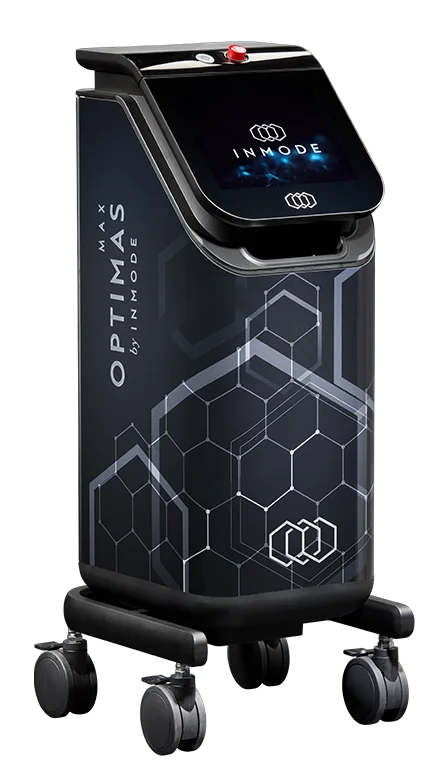
RF skin tightening has a strong safety record across 745-patient and review-level studies when delivered by trained doctors using genuine, temperature-controlled devices.
RF skin tightening is a well-studied, non-surgical treatment with a strong safety record when delivered by trained doctors using genuine, temperature-controlled devices. Side effects are usually mild and short-lived, such as brief redness, warmth or swelling. Safety depends on correct settings, surface cooling and an honest assessment, which is why a consultation comes first at a reputable Seoul clinic.
One-on-One guidance from a dedicated doctor, ensuring your skin is professionally monitored and treated from start to finish.
Fluent assistance in English, Japanese, and Chinese, making communication clear, respectful and comfortable for international patients.
Over 100,000 patients worldwide have received our personalized dermatological care, highlighting our expertise and reliable results.
RF skin tightening has a well-documented safety profile when it is delivered correctly. Across controlled trials and large clinical series, including a 745-patient experience with bipolar RF, the most common side effects are mild and temporary: brief redness, warmth, tenderness or slight swelling that usually settles within hours to a couple of days. Serious problems are uncommon and are most often linked to incorrect settings, an unmaintained or non-genuine device, or treatment of an unsuitable candidate, which is exactly what a proper consultation is designed to prevent.
Radiofrequency works by warming the dermis to around 40 to 45 degrees Celsius to contract and rebuild collagen. The key safety feature is heat control: genuine RF platforms use temperature sensors and surface cooling so the deeper layers reach a therapeutic range while the skin surface is protected. Because RF heats tissue through resistance rather than targeting pigment, it suits a wide range of skin tones, which is one reason it is widely used in Korea. No aesthetic treatment is entirely without risk, so the goal is to keep risk low through assessment, correct technique and honest expectations.
Reberry Clinic is a dermatology clinic and energy-based firming is performed by the clinic’s doctors. The clinic is consultation-led and serves international patients across three Seoul-area locations (Gangnam, Myeongdong, Incheon Airport) with English-speaking support, so contraindications are screened and the plan is matched to your skin before any treatment begins.
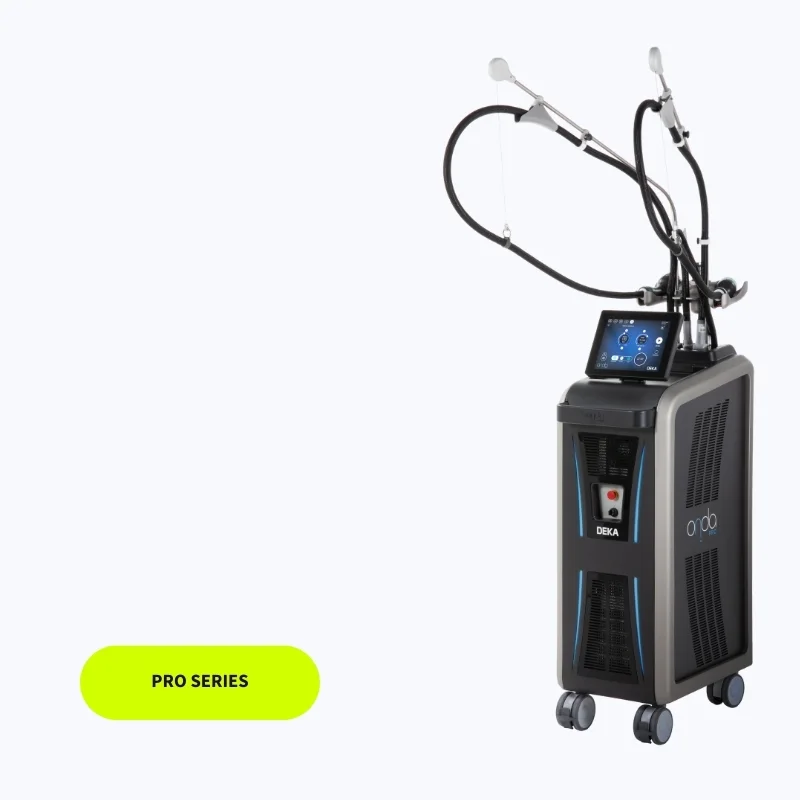
RF skin tightening passes a radiofrequency current into the skin, where tissue resistance turns energy into controlled heat. Monopolar RF reaches deeper into the dermis and subcutaneous tissue, bipolar RF keeps energy between two electrodes, and RF microneedling delivers heat at adjustable depths. In each mode, the safety margin comes from temperature monitoring and surface cooling that keep the surface protected while the target layer is heated. A genuine, well-maintained platform is therefore central to a good safety record.
Technique matters as much as the device. The clinic’s doctors set energy, depth and pass pattern to your anatomy, avoid over-treating one spot, and screen for contraindications such as implanted electrical devices. Because RF is one of several firming options, the doctor may also discuss whether the InMode RF platform or device-based lifting such as monopolar Thermage is a safer fit for your goals, so the plan reflects the most appropriate option rather than the most aggressive one.
One Reberry Clinic, multiple Seoul-area locations. Pricing & current promotions are listed on each branch's own site — tap a clinic to view pricing & book.
Our flagship in the heart of Gangnam.
In Seoul's shopping & tourism heart.
A beauty stop between flights.
The newest Reberry Clinic — in Seoul's trend district.
ONE REBERRY CLINIC · MFDS-REGISTERED DEVICES · MULTILINGUAL CARE AT EVERY LOCATION


A doctor reviews your history and screens for contraindications such as a pacemaker or active skin disease before any of the 1 to 3 sessions.
The dermis is warmed to about 40 to 45 degrees Celsius, the therapeutic range, while sensors keep the level in check.
Built-in cooling protects the skin surface across every pass so heat stays where it is intended.
Energy and depth, often 0.5 to 4 mm for microneedling, are matched to your area to avoid over-treatment.
After each session your skin response is reviewed before the next of the 1 to 3 planned visits.
Reberry Clinic · Prices verified: Oct 2026
| Clinic | Price (KRW) |
|---|---|
| GangnamThermage FLX 600 Shots | from₩1,990,000 |
| MyeongdongThermage FLX 600 Shots | from₩2,200,000 |
| Incheon AirportXERF 100 Shots | from₩330,000 |
VAT excluded · Treatment packages differ by clinic — see each clinic page for its full menu · Confirmed after consultation
Before-and-after photos are being updated.
An English-language consultation reviews your history, screens contraindications and confirms RF is suitable for you.
After cleansing, the doctor delivers controlled RF with cooling; a session commonly takes around 30 to 60 minutes.
A single session fits a short trip; a 1 to 3 session course is spaced about 4 weeks apart.
Some firming shows early, with the main change building over weeks to months as collagen forms.
With SPF and gentle skincare, side effects settle quickly and results can last around a year or more.



RF skin tightening is a well-studied non-surgical treatment with a strong safety record when delivered by trained doctors using genuine, temperature-controlled devices. Side effects are usually mild and brief. Safety depends on screening and correct technique, which is why a consultation comes first when you discuss RF body skin tightening at the clinic.
The most common side effects are mild and short-lived: brief redness, warmth, tenderness or slight swelling that usually settles within hours to a day or two. RF microneedling can leave tiny marks for a little longer. More serious effects are uncommon and most often relate to incorrect settings or a non-genuine device, which screening helps avoid.
Burns are uncommon because genuine RF platforms use temperature sensors and surface cooling to keep the skin surface protected while the deeper layer is heated. The main risk factors are an unmaintained device, wrong settings or untrained delivery. Choosing a clinic that uses authentic equipment and experienced doctors keeps this risk low.
Yes, because radiofrequency heats tissue through resistance rather than targeting pigment, it is generally well suited to a wide range of skin tones, which is one reason it is widely used in Korea. Correct settings and cooling still matter. Your suitability is confirmed during the RF assessment before treatment.
RF is generally avoided in pregnancy or breastfeeding, with implanted electrical devices such as a pacemaker, over active infection or inflamed skin, and where there is a keloid tendency or active skin disease. Metal implants or recent fillers in the zone need review. Screening at consultation is how these are identified before any plan is set.
Most patients feel warmth and pressure during RF, which is generally manageable thanks to surface cooling; RF microneedling can feel sharper, so numbing cream is used. Comfort is reviewed beforehand and adjusted to the mode, depth and area. Tell your doctor about any discomfort during the session so settings can be eased.
RF is non-surgical, so it avoids incisions, general anesthesia and the recovery surgery involves, which is why many people choose it for mild to moderate laxity. It is not a substitute for a surgical lift in advanced sagging, though. Your doctor explains when RF is appropriate and when other options should be discussed.
Choose a clinic that uses a genuine, maintained device and experienced doctors, disclose your full medical history, and follow the aftercare you are given. Avoid bargain offers that may signal a non-genuine device or rushed delivery. A thorough RF consultation that screens contraindications is the single most important step you can take.
Aftercare is simple: keep the area clean, use gentle skincare, apply SPF, and avoid intense heat or sun for a short period while any redness settles. Most patients resume normal activities the same day. Your doctor provides written instructions, and you can follow up from abroad if any question arises after you travel home.
They can be; a very low price sometimes reflects a non-genuine device, fewer safety features or rushed delivery, all of which raise risk. Value and safety go together. Ask which device and RF mode are used, and confirm trained delivery, rather than choosing on headline price, when you compare clinics for RF skin tightening.
All three are radiofrequency treatments with strong safety records when genuine devices and trained delivery are used, and all rely on cooling to protect the surface. InMode and Thermage FLX differ in depth and mode. Your doctor recommends the option whose profile best fits your skin and goals.
Recent fillers or threads in the planned area need review before RF, since heat can interact with some materials and timing matters. This is not an absolute barrier, but it must be disclosed so the doctor can plan safely. Mention any injectables when you discuss RF body skin tightening so the plan accounts for them.
Most plans involve 1 to 3 sessions spaced about 4 weeks apart, which is a well-tolerated rhythm because it lets skin recover and collagen remodel between visits. Treating too often or too aggressively raises risk without adding benefit. Your doctor sets a sensible number and interval at assessment rather than stacking sessions, keeping the course within a comfortable margin.
Yes, Reberry Clinic serves international patients with English-speaking support across three Seoul-area locations, including one near Incheon Airport, so screening, consent and aftercare are clearly explained in English. You are assessed before treatment and supported afterward from abroad. Message us on WhatsApp to discuss your suitability.
Yes, most patients fly the same or next day, since downtime is minimal and any redness settles quickly, so it fits a short Seoul trip safely. The collagen-based result develops gradually after you return. You receive a written aftercare plan so you can follow up on your RF skin tightening from abroad.
| RF Skin Tightening | InMode | Thermage FLX | |
|---|---|---|---|
| Energy / mechanism | Monopolar or bipolar RF heating the dermis | Bipolar RF and RF microneedling | Monopolar radiofrequency, broad dermal heating |
| Surface protection | Temperature control and cooling | Temperature sensor and cooling | Vibration and cooling with each pulse |
| Common side effects | Brief redness, warmth, mild swelling | Brief redness; more with microneedling | Brief redness or tenderness |
| Suited skin tones | Wide range; not pigment-dependent | Wide range; not pigment-dependent | Wide range; not pigment-dependent |
| Pain / comfort | Warmth, generally manageable | Moderate; warmth with cooling | Heat with cooling bursts |
| Downtime | Little; usually same-day activities | Little; more with microneedling | Little; usually same-day activities |
| Key safety factor | Genuine device and trained delivery | Genuine device and trained delivery | Genuine device and trained delivery |
Real verified reviews from our Google Business Profile, across all Reberry Clinic locations.
PULLED LIVE FROM GOOGLE · GANGNAM · MYEONGDONG · INCHEON AIRPORT
Your treatment is planned and performed by experienced, MFDS-registered doctors across our Seoul-area clinics, with multilingual support for international patients.
Flagship clinic · for leading lifting & regenerative devices · Featured in Authority Magazine (2026)

Multilingual tourist care beside Myeongdong Cathedral

Fast, effective care 20 minutes from the terminals
Message us on WhatsApp for a free consultation in English to check your suitability and discuss RF skin tightening safely.