

Gangnam
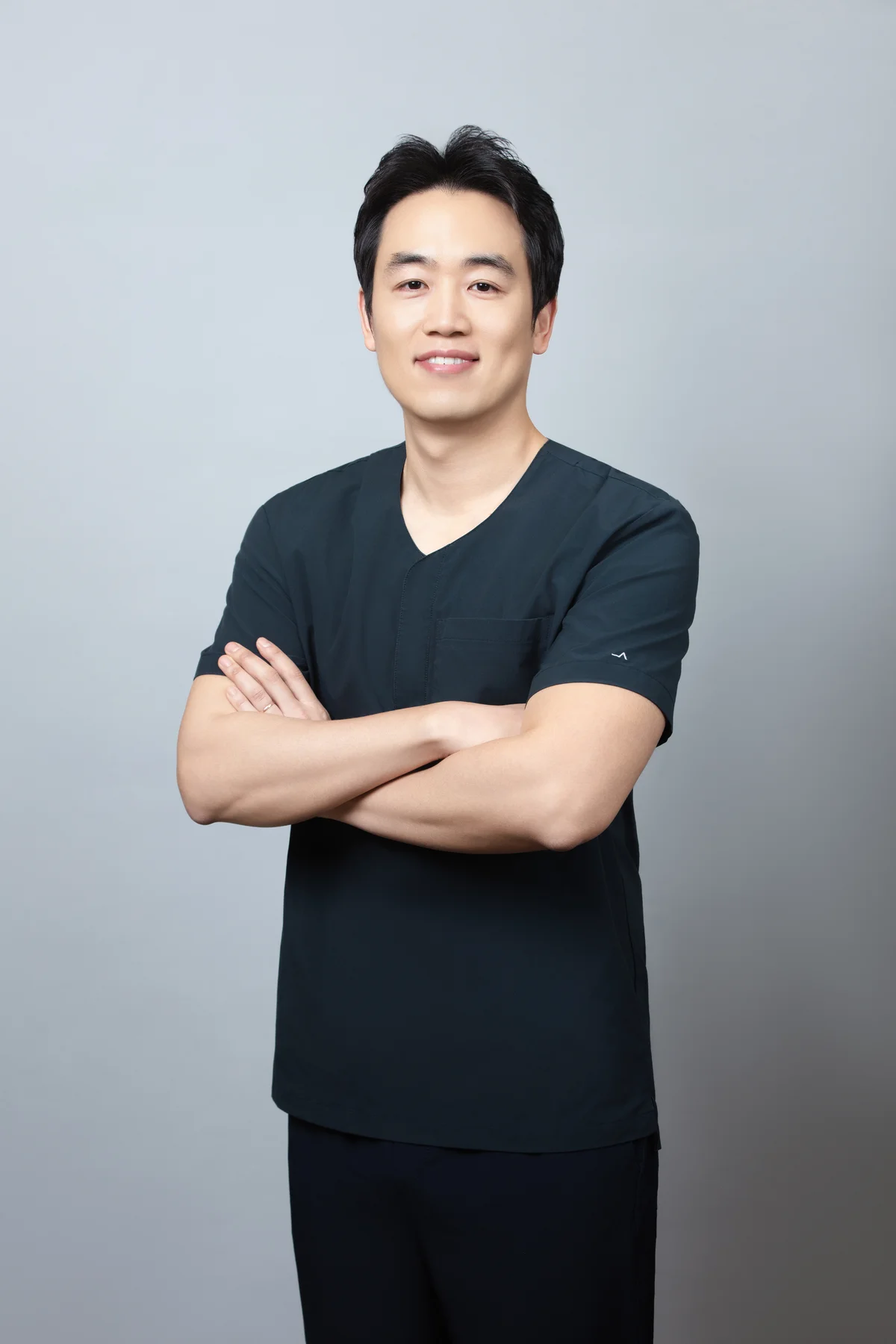
Dr. Yoongon Ryu
Aesthetic Medicine Specialist
Flagship clinic · KOL for leading lifting & regenerative devices

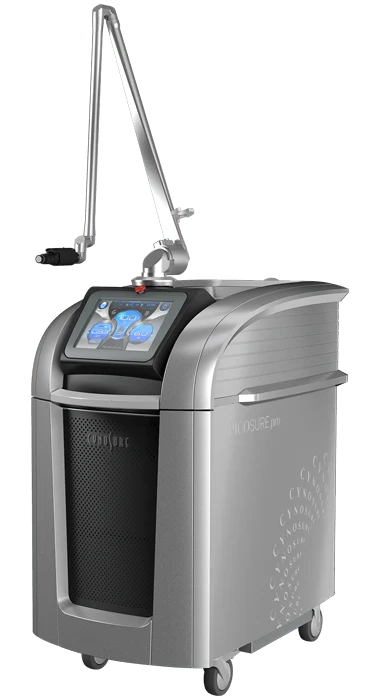
Ablative fractional CO2 laser treats only about 5 to 20 percent of the skin surface per pass, leaving healthy tissue between columns to speed healing.
CO2 laser is safe in Korea when performed by a trained doctor who matches settings to your skin tone and concern. The fractional design treats narrow columns of skin while sparing tissue between them, so most patients recover in 5 to 7 days. A consultation and conservative settings reduce risks like prolonged redness or pigment change.
One-on-One guidance from a dedicated doctor, ensuring your skin is professionally monitored and treated from start to finish.
Fluent assistance in English, Japanese, and Chinese, making communication clear, respectful and comfortable for international patients.
Over 100,000 patients worldwide have received our personalized dermatological care, highlighting our expertise and reliable results.
CO2 laser is an ablative fractional resurfacing treatment that uses a 10,600 nm carbon-dioxide laser to vaporise microscopic columns of skin. By removing damaged tissue and triggering new collagen, it improves acne scars, deep lines, large pores, and texture. Because it actually wounds the skin in a controlled pattern, safety is a fair and common question.
The key safety feature is the fractional approach: instead of removing the entire surface, the laser treats only a fraction (roughly 5 to 20 percent) in tiny columns, leaving intact skin between them to act as a healing reservoir. That dramatically shortens recovery and lowers complication risk compared with older fully ablative resurfacing.
At Reberry Clinic, CO2 laser is consultation-led: the clinic’s doctors assess your skin tone, scar type, and history before choosing depth and density. International patients are supported in English across our three Seoul-area locations (Gangnam, Myeongdong, Incheon Airport), so screening and aftercare are discussed clearly before anything is done.
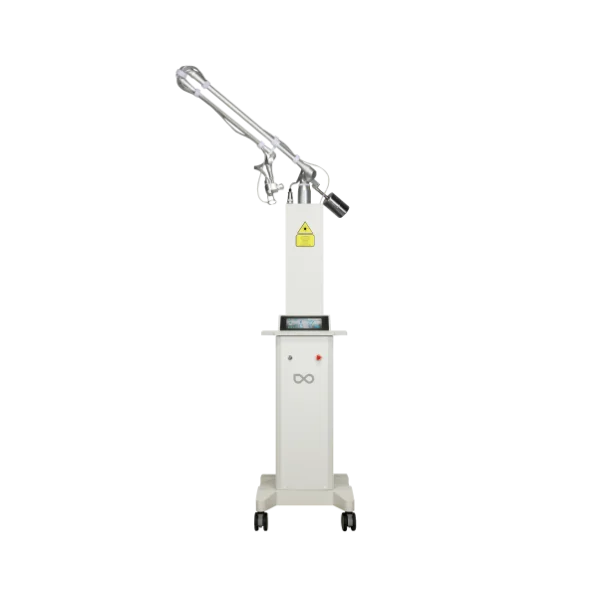
The 10,600 nm CO2 wavelength is absorbed strongly by water in the skin, so each microbeam vaporises a narrow column to a controlled depth, typically tens to a few hundred microns. The fractional pattern leaves up to 80 to 95 percent of the surface untouched per pass, and these spared zones supply the cells that re-cover the treated columns within days. Modern systems let the doctor independently set energy (depth), density (how many columns), and spot pattern, so the same device can be dialled gentle for a first session or stronger for stubborn scars. Smoke evacuation, sterile single-use tips, and integrated cooling further reduce infection and thermal risk. The biggest safety variable is not the machine but the operator: choosing settings appropriate to your skin tone, since darker skin needs more conservative density to limit post-inflammatory pigmentation.
One Reberry Clinic, multiple Seoul-area locations. Pricing & current promotions are listed on each branch's own site — tap a clinic to view pricing & book.
Our flagship in the heart of Gangnam.
In Seoul's shopping & tourism heart.
A beauty stop between flights.
The newest Reberry Clinic — in Seoul's trend district.
ONE REBERRY CLINIC · MFDS-REGISTERED DEVICES · MULTILINGUAL CARE AT EVERY LOCATION
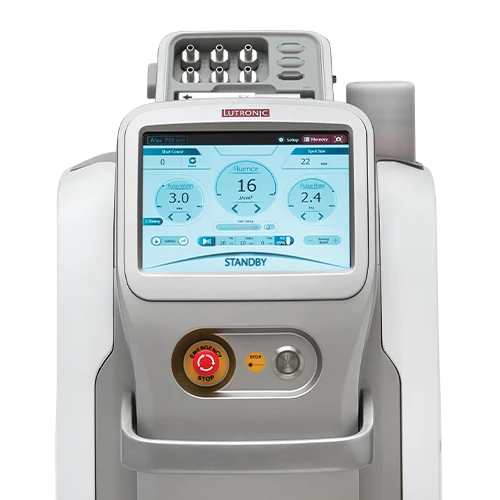
A consultation reviews your skin tone, scar type, medication, and history to set safe parameters before any of the 1 or more passes.
Only about 5 to 20 percent of the surface is treated per pass, leaving intact skin columns that rebuild the surface within days.
Energy is set to vaporise columns of tens to a few hundred microns deep, matched to the concern so heat stays confined.
Darker tones receive lower density and often 2 or more gentler sessions to reduce post-inflammatory pigmentation risk.
Wound care, sunscreen, and avoiding sun for several weeks help the 5 to 7 day healing window finish cleanly.
See representative outcomes from Reberry Clinic. Results build gradually and vary by individual; your plan is assessed at consultation.
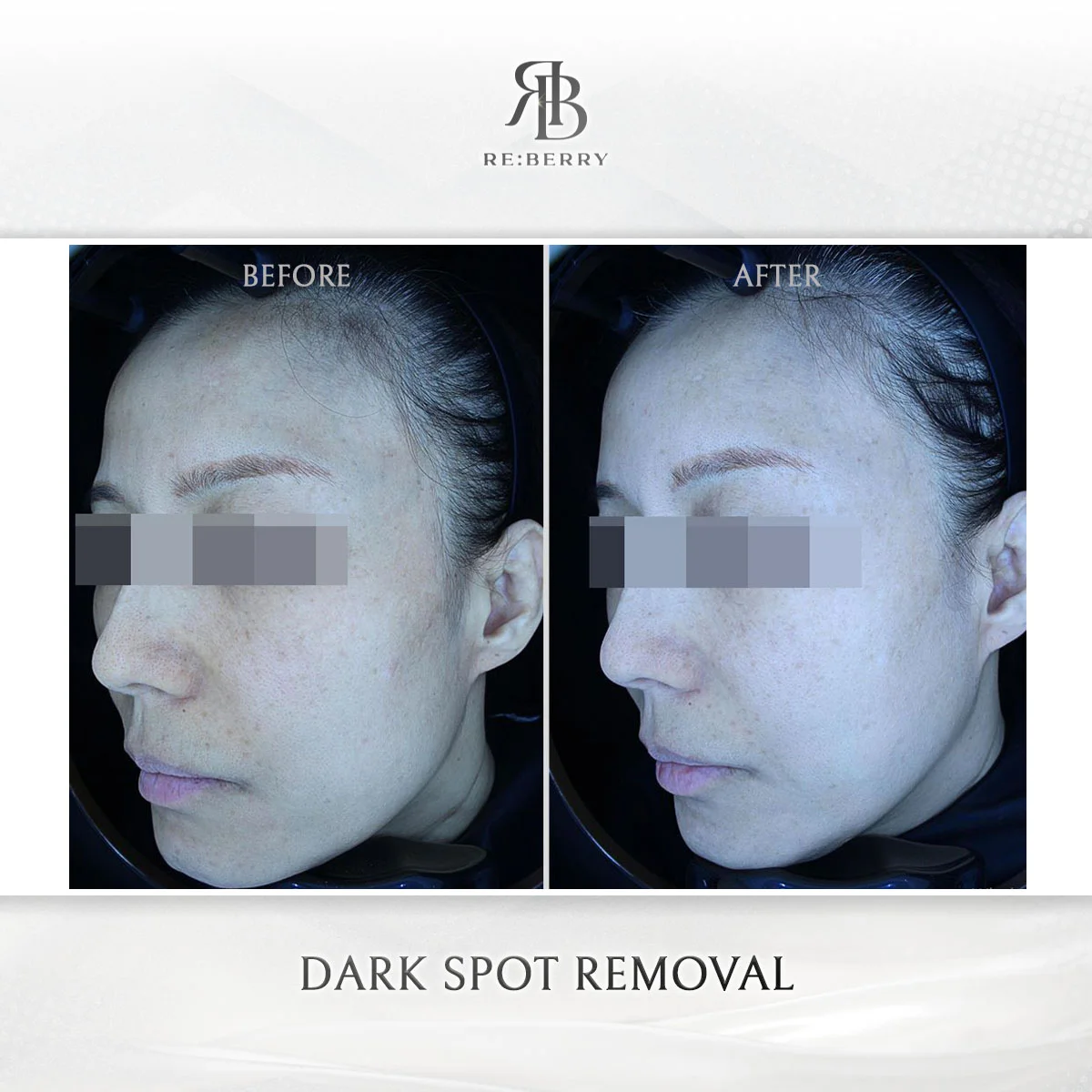
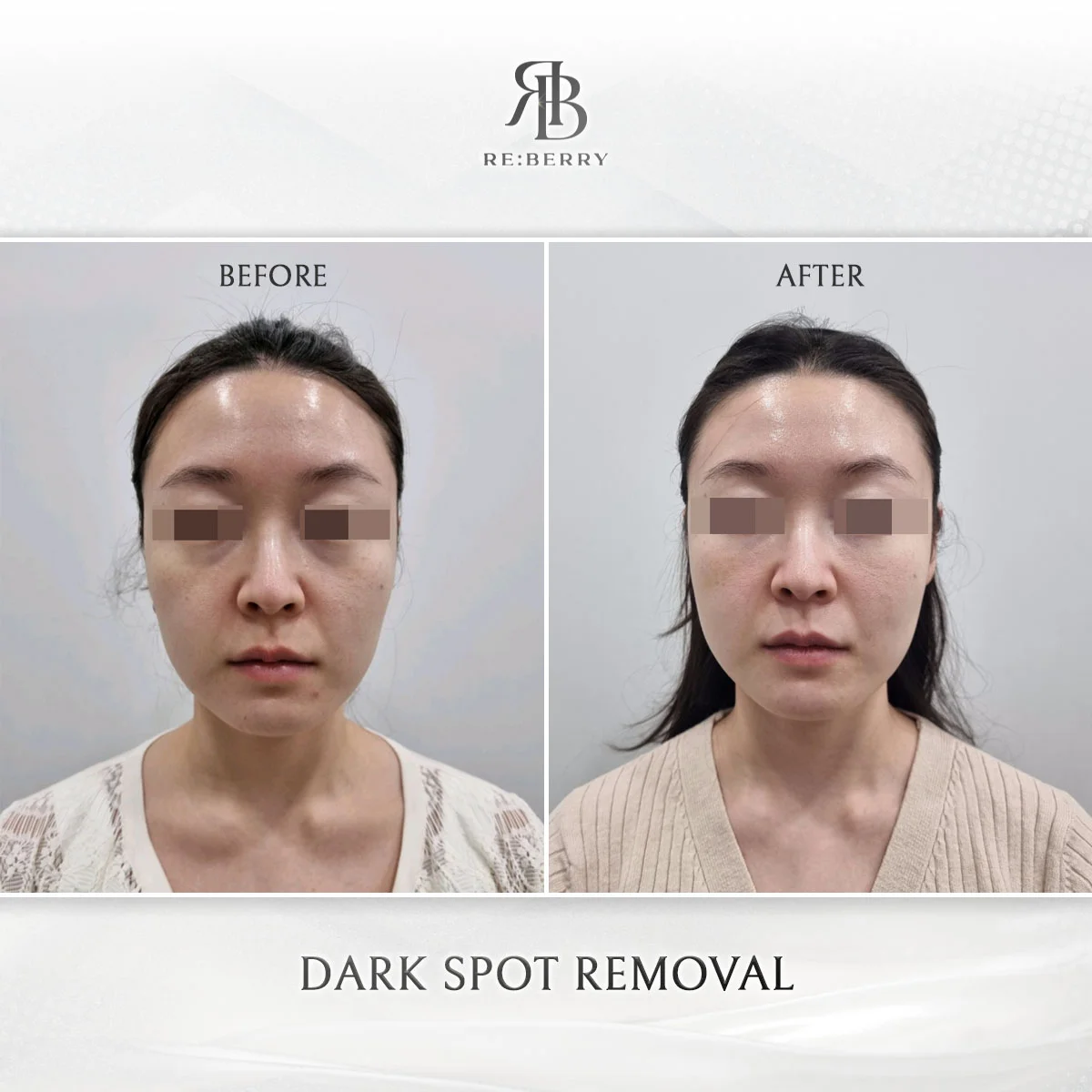
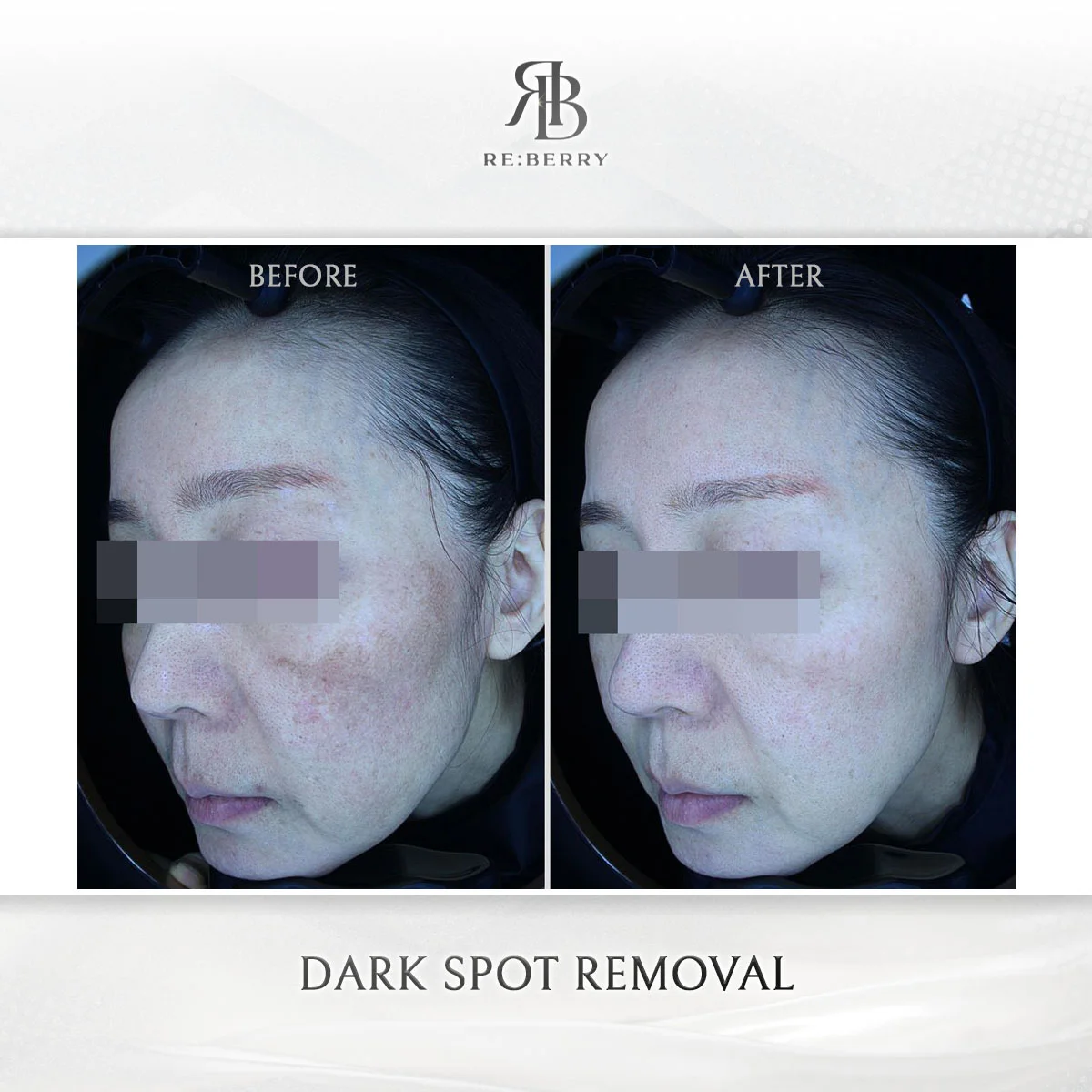
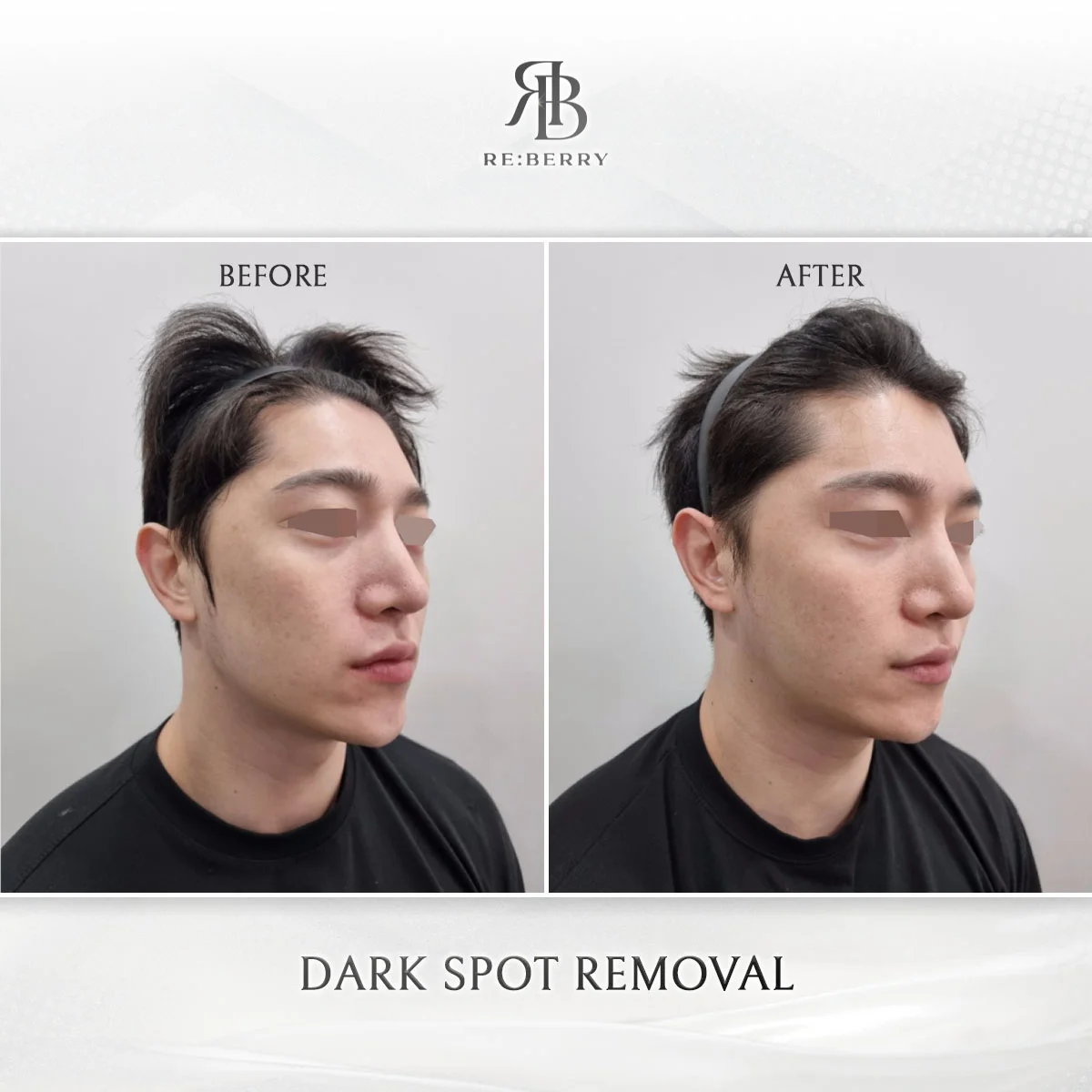
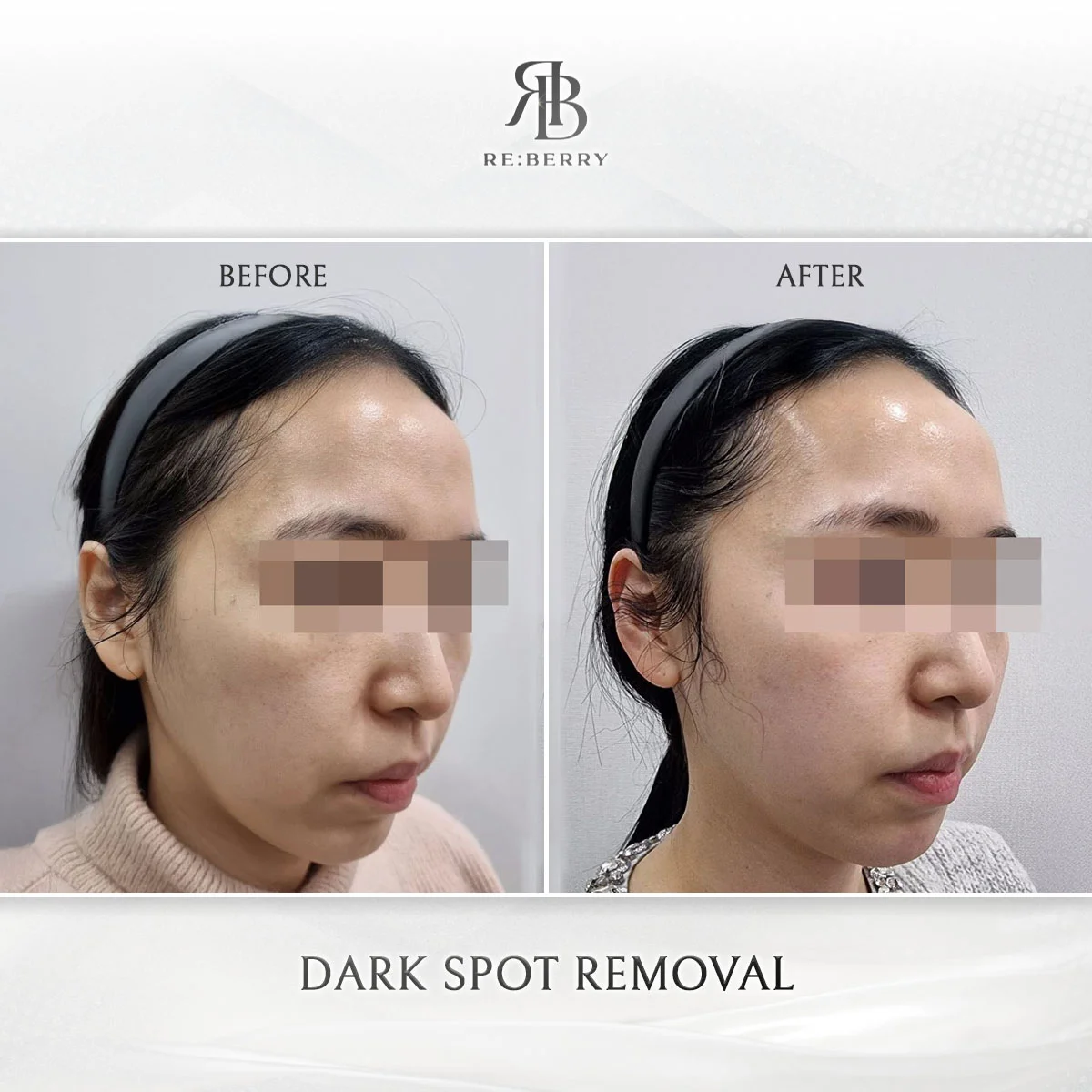
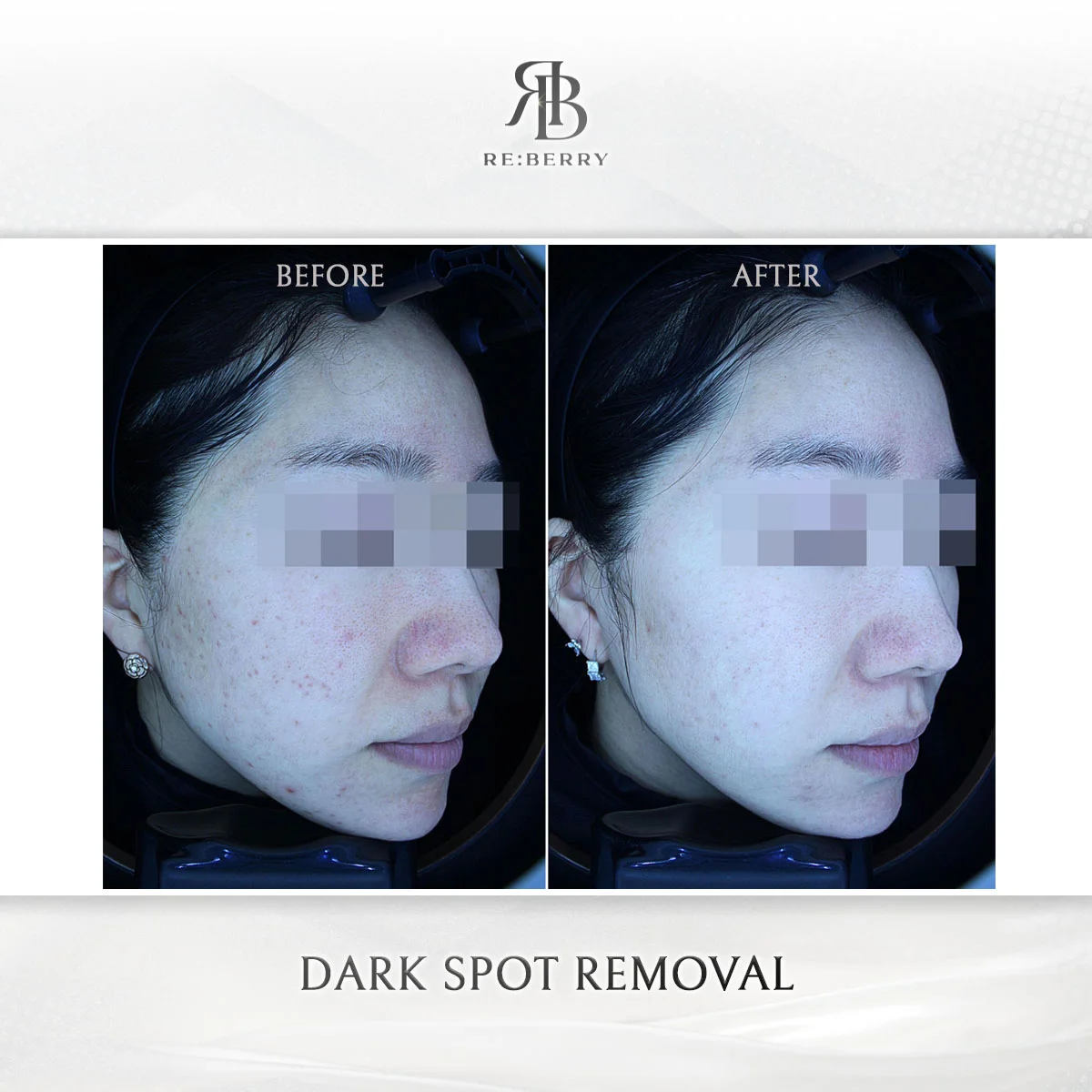
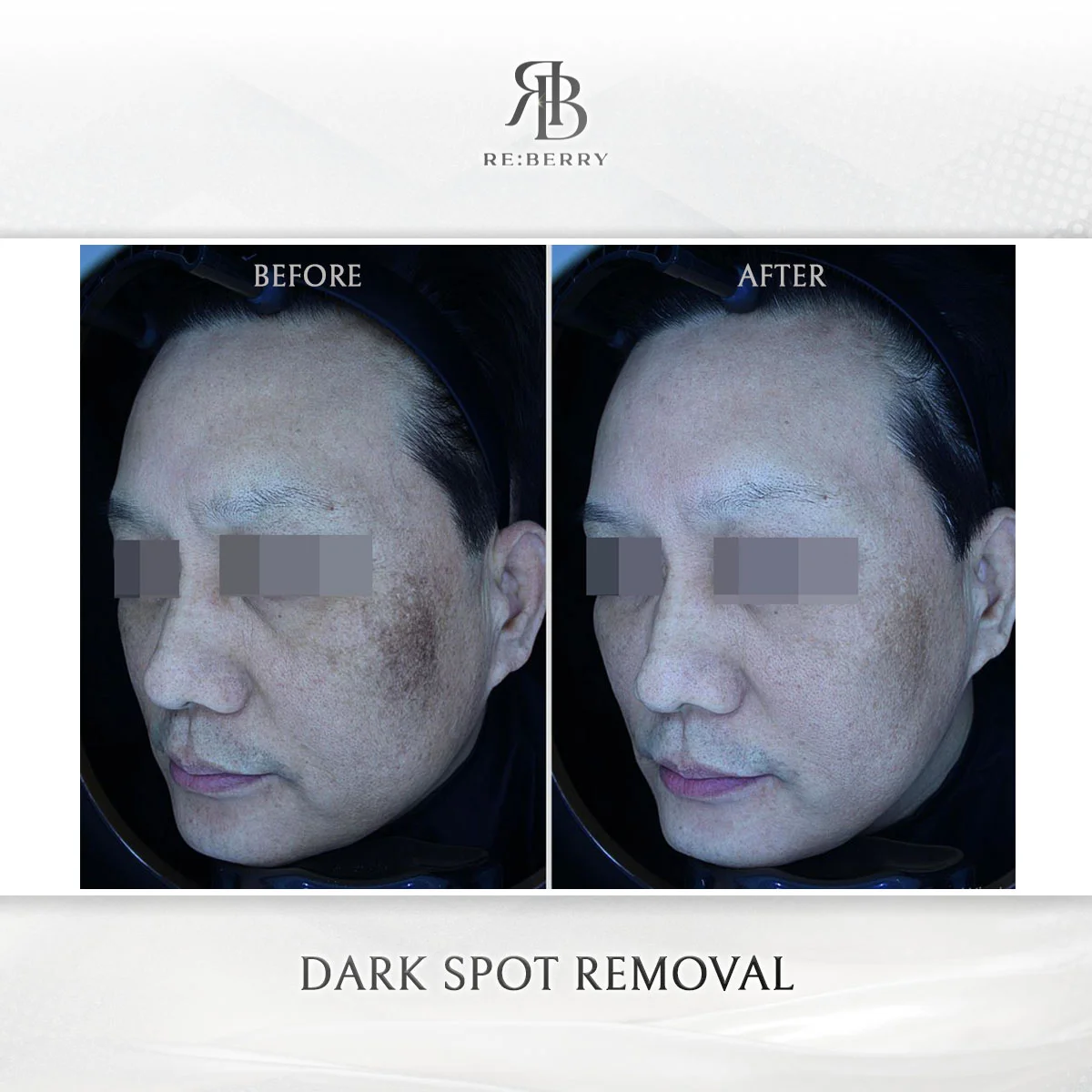
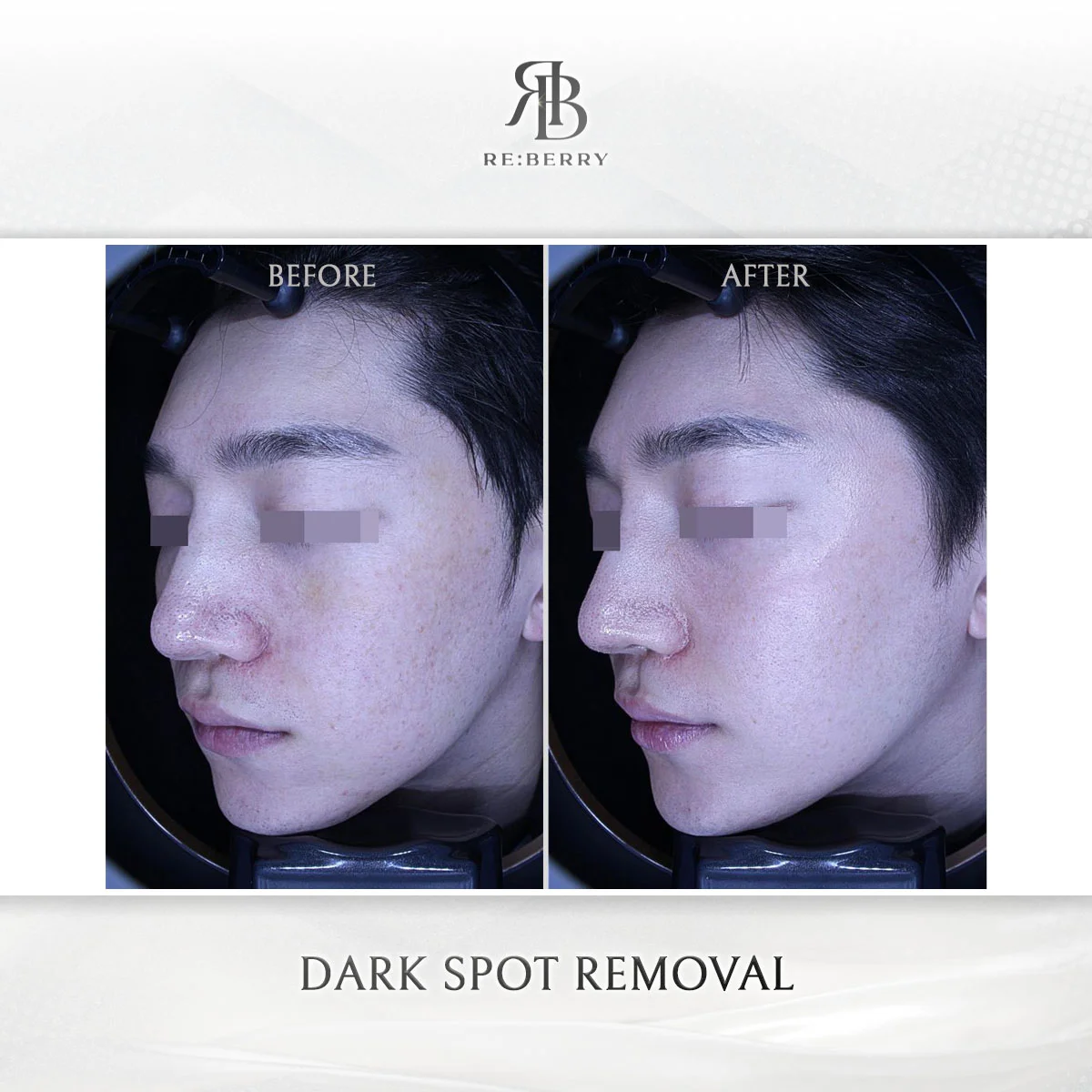
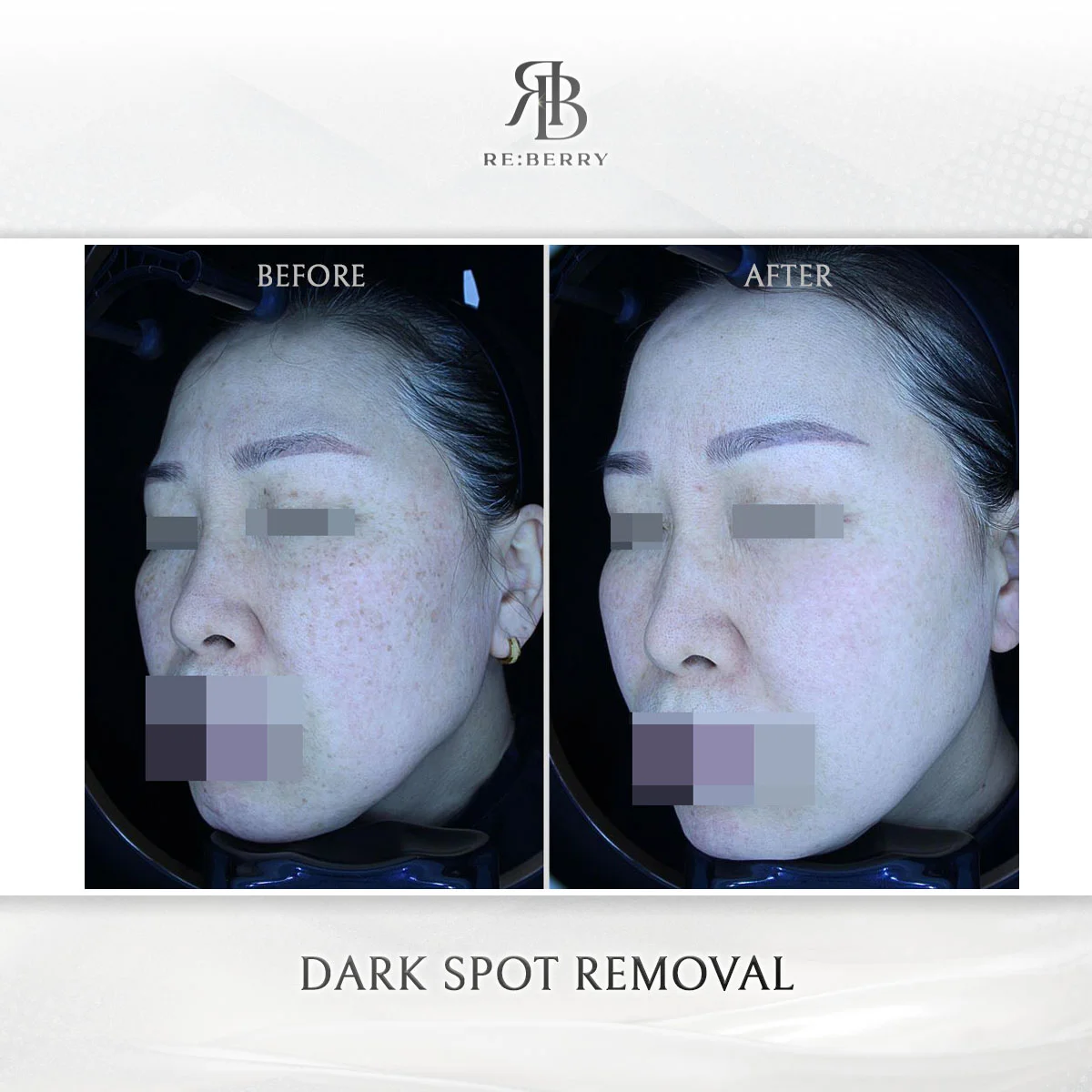
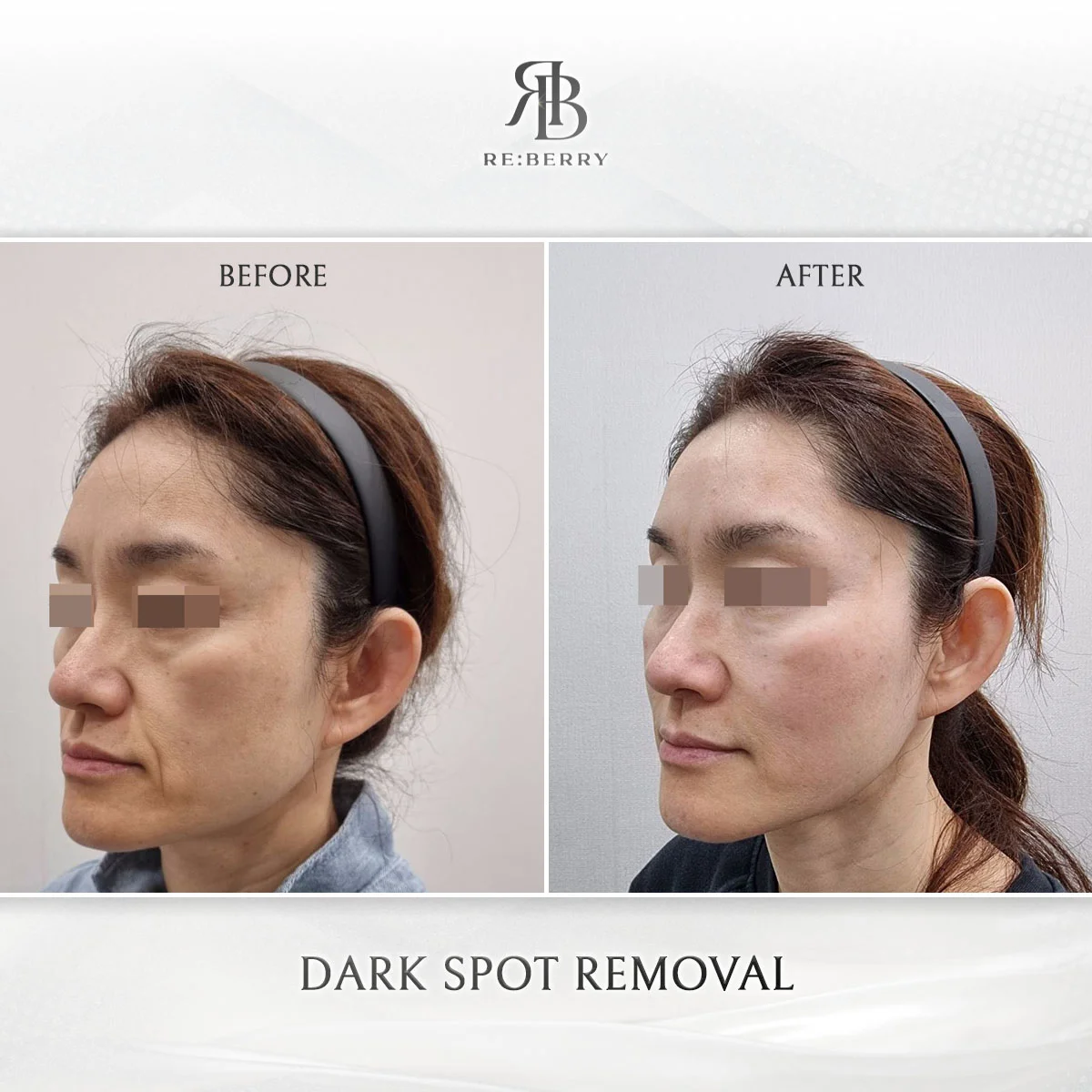
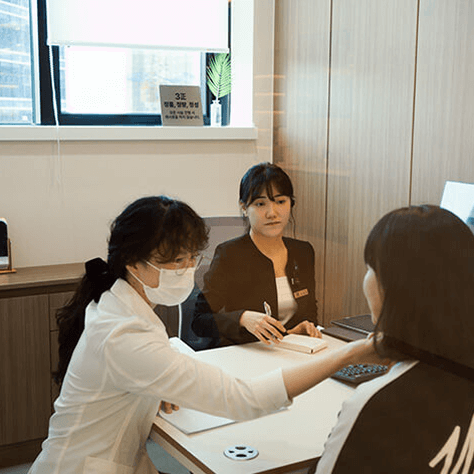
The clinic’s doctors examine skin tone, scar type, medication, and history, screen for contraindications, and explain risks and recovery in English.
After cleansing and numbing cream for about 30 to 45 minutes, the treatment itself usually takes 15 to 30 minutes depending on the area.
Expect mild redness and a sandpaper feel afterwards, with the most active healing across the first 5 to 7 days.
Texture and scars improve gradually over several weeks to a few months as new collagen forms, often across 1 to 3 sessions.
Strict sunscreen, gentle wound care, and avoiding sun for weeks protect results and keep pigment-change risk low.
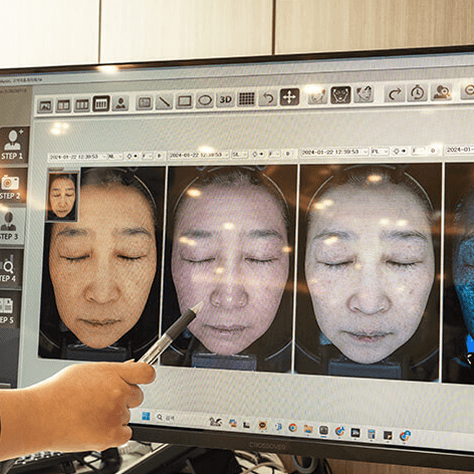
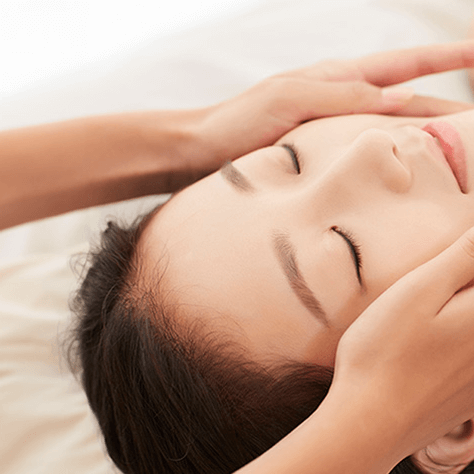
CO2 laser is safe in Korea when a trained doctor matches settings to your skin tone and concern. The fractional design treats only about 5 to 20 percent of the surface per pass, sparing tissue that speeds healing. A consultation and conservative settings keep risks low for most healthy adults seeking resurfacing.
The most common risks are temporary redness, swelling, and flaking during the 5 to 7 day healing window, plus a chance of post-inflammatory pigment change, especially in darker skin. Rarer risks include infection or scarring with aggressive settings. Proper screening and aftercare on our laser treatment page sharply reduce these.
CO2 laser can be safe for Asian and darker skin when the doctor uses lower density and often more conservative, spaced sessions to limit post-inflammatory hyperpigmentation. Skin tone assessment at consultation guides these settings. Strict sun protection afterwards is essential, since sun exposure is a leading trigger of pigment change in deeper tones.
Look for a clinic where a doctor performs the assessment, explains settings and risks clearly, and tailors energy to your skin tone rather than using one default. Reberry Clinic offers consultation-led CO2 laser with English support; you can review the broader laser treatment options before deciding.
Healthy adults with acne scars, fine lines, enlarged pores, or rough texture are usually good candidates for CO2 laser. A consultation confirms suitability and rules out contraindications like active infection or recent isotretinoin. Darker skin tones are still treatable but need more conservative density to keep results safe and even.
With numbing cream applied for about 30 to 45 minutes beforehand, most patients describe heat and a prickling sensation rather than sharp pain. Sensitivity varies by depth and area, and integrated cooling helps. Afterwards the skin feels warm and tight, similar to sunburn, which eases over the first day or two.
Most patients have redness, swelling, and fine flaking for about 5 to 7 days, with tiny brown specks (treated columns) shedding as skin renews. Makeup is usually possible after several days once flaking settles. Deeper, denser settings extend recovery slightly, which your doctor explains in advance.
Initial smoothness appears once healing finishes, but the main improvement builds over several weeks to a few months as new collagen forms. Scars and texture continue to refine across that period. For deeper scarring, a series of 1 to 3 sessions spaced weeks apart gives the strongest cumulative result.
Most concerns are addressed in 1 to 3 sessions spaced several weeks apart, allowing full healing between treatments. Deeper scars may need more, while darker skin often benefits from gentler, more numerous sessions. Your doctor confirms a safe schedule at consultation. You can compare modalities on our laser treatment page.
Improvements in scars and texture are long-lasting because they come from real collagen remodelling, often holding for years. However, natural ageing and new sun damage continue over time, so periodic maintenance or good skincare helps. This is not a one-time fix for skin that keeps ageing, so realistic expectations matter.
Yes, CO2 laser is often staged with other care, but not on the same day if it would overstress the skin. Once healing is complete, brightening skincare or a gentle hydrating facial can support the barrier. Your doctor sequences treatments so recovery is never compromised between sessions.
Expect redness, mild swelling, warmth, and fine flaking over about 5 to 7 days as treated columns shed. Temporary darkening of the area is common and usually fades. Less commonly, transient pigment change or, rarely, infection can occur; aftercare and sun protection markedly lower these risks for most patients.
Gentle cleansing, prescribed ointment, no picking of flaking skin, and daily broad-spectrum sunscreen are essential, with strict sun avoidance for several weeks. A supportive skin care routine aids healing. Your doctor provides a written aftercare plan tailored to your skin tone and the settings used.
No, recent significant sun exposure or a fresh tan raises the risk of burns and pigment change, so treatment is usually postponed. Doctors prefer skin that is not sun-stressed before resurfacing. Planning your trip so you avoid heavy sun before and after the session keeps CO2 laser safer for your skin.
Yes, but plan around the 5 to 7 day healing window when redness and flaking are visible, and protect treated skin from strong sun while sightseeing. Light indoor activities are fine soon after, while beaches and intense sun are best saved for later in the trip or a future visit.
Staying about 3 to 5 days lets you have a consultation, the treatment, and an early review before the most visible flaking. If you want a check after healing or a second pass, a longer stay or split trip can be arranged. Our English-speaking team helps coordinate timing around your travel.
Yes, flying within a day or two is generally fine since CO2 laser is superficial wound healing, not surgery. Cabin air is drying, so keep skin moisturised per your aftercare and shield it from sun at your destination. Your doctor will confirm timing based on the depth and density used.
International patients can complete a CO2 laser plan over one or more visits, and the clinic offers remote check-ins in English between trips to review healing and progress. You can also arrange related care such as ongoing skin care when you return, with your treatment notes kept on file.
| Fractional CO2 Laser | Erbium (Er:YAG) Laser | Non-ablative Fractional Laser | |
|---|---|---|---|
| Energy / mechanism | Ablative 10,600 nm, vaporises micro-columns | Ablative 2,940 nm, more superficial ablation | Heats dermis without removing surface |
| Best for | Deeper acne scars, lines, marked texture | Mild to moderate texture, finer resurfacing | Mild texture and tone with minimal downtime |
| Pain / comfort | Numbing cream used; heat felt during passes | Numbing cream; generally similar | Mildest of the three, well tolerated |
| Downtime | Redness and flaking for about 5 to 7 days | Usually 3 to 5 days | Little to none, brief redness |
| Results timeline | Builds over weeks to a few months | Builds over several weeks | Gradual over multiple sessions |
| Sessions | Often 1 to 3 depending on severity | 1 to 3 depending on goal | Typically 3 to 5 or more |
| Cost factors | Depends on area, depth, and number of sessions | Depends on area and session count | Depends on area and session count |
Real verified reviews from our Google Business Profile, across all Reberry Clinic locations.
PULLED LIVE FROM GOOGLE · GANGNAM · MYEONGDONG · INCHEON AIRPORT
Your treatment is planned and performed by experienced, MFDS-registered doctors across our Seoul-area clinics, with multilingual support for international patients.
Flagship clinic · KOL for leading lifting & regenerative devices
Multilingual tourist care beside Myeongdong Cathedral
Fast, effective care 20 minutes from the terminals
Message us on WhatsApp for a free consultation in English about CO2 laser safety and your skin.