



Gangnam
Dr. Yoon-Gon Ryu
Aesthetic Medicine Specialist
Flagship clinic · for leading lifting & regenerative devices · Featured in Authority Magazine (2026)

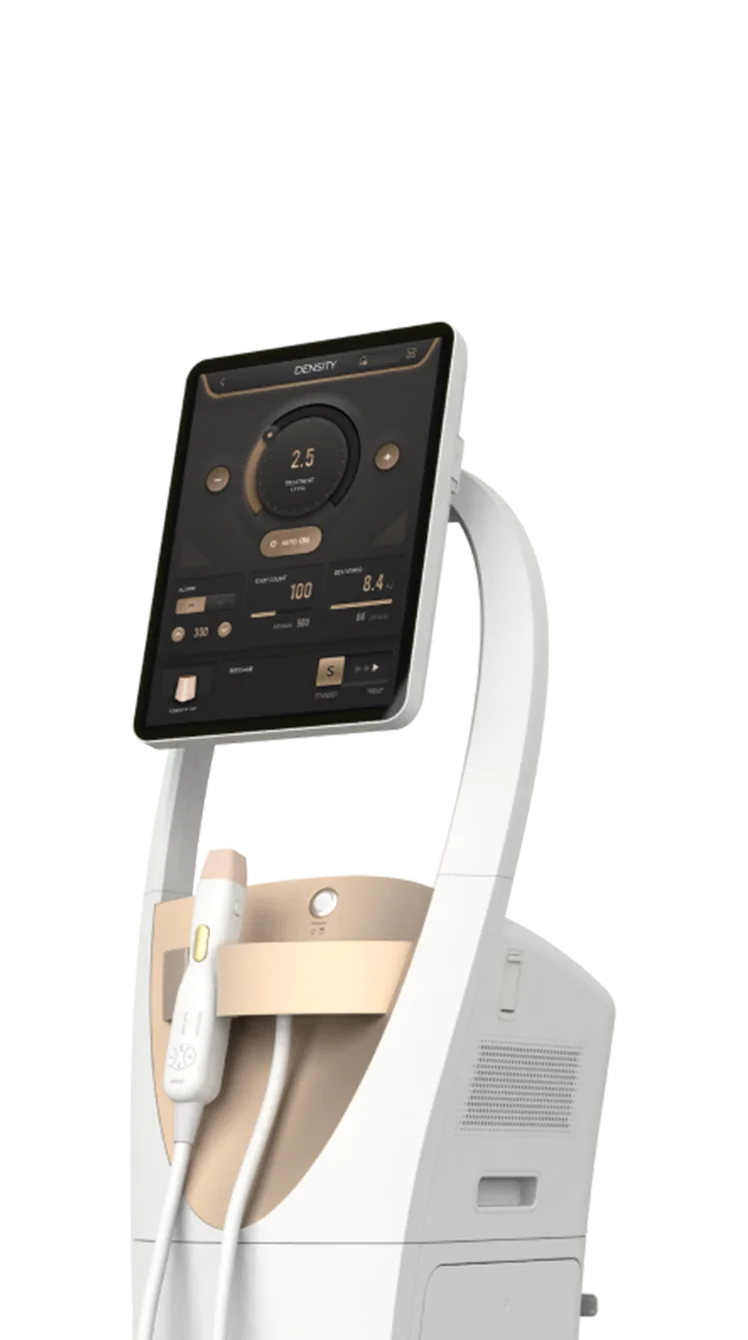
Glass skin treatment is generally safe when done by qualified doctors; serious complications are uncommon, with most side effects being mild redness or swelling that settles within 1 to 3 days.
Glass skin treatment in Korea is generally safe when performed by qualified doctors using approved injectables, lasers and skin boosters with proper screening and sterile technique. Most side effects are mild and short-lived, such as redness, swelling or pinpoint bruising. Choosing a licensed clinic and disclosing your medical history lowers risk further.
One-on-One guidance from a dedicated doctor, ensuring your skin is professionally monitored and treated from start to finish.
Fluent assistance in English, Japanese, and Chinese, making communication clear, respectful and comfortable for international patients.
Over 100,000 patients worldwide have received our personalized dermatological care, highlighting our expertise and reliable results.
Glass skin treatment is not one procedure but a category of skin-quality treatments aimed at a smooth, luminous, even complexion that reflects light like glass. In Korea it typically combines gentle skin boosters such as polynucleotide or hyaluronic-acid micro-injections, light laser toning, hydrating facials and a tailored skincare routine. The goal is healthier skin texture, refined pores and steady hydration rather than dramatic structural change.
Because the term covers several modalities, safety depends on which treatments are chosen and how they are delivered. Injectable skin boosters carry different considerations from laser toning or a hydrafacial, so a doctor assesses your skin type, sensitivity and goals before building a plan. Approved products, sterile technique and correct depth are what keep results safe and predictable.
Reberry Clinic is a dermatology clinic that performs these treatments through the clinic’s doctors. It serves international patients across three Seoul-area locations (Gangnam, Myeongdong, Incheon Airport) with English-speaking support, and explains the realistic safety profile of each option so you can make an informed choice rather than chasing a trend.
For visual context, browse glass facial before and after photos, and see how the Korean glass facial protocol is structured.
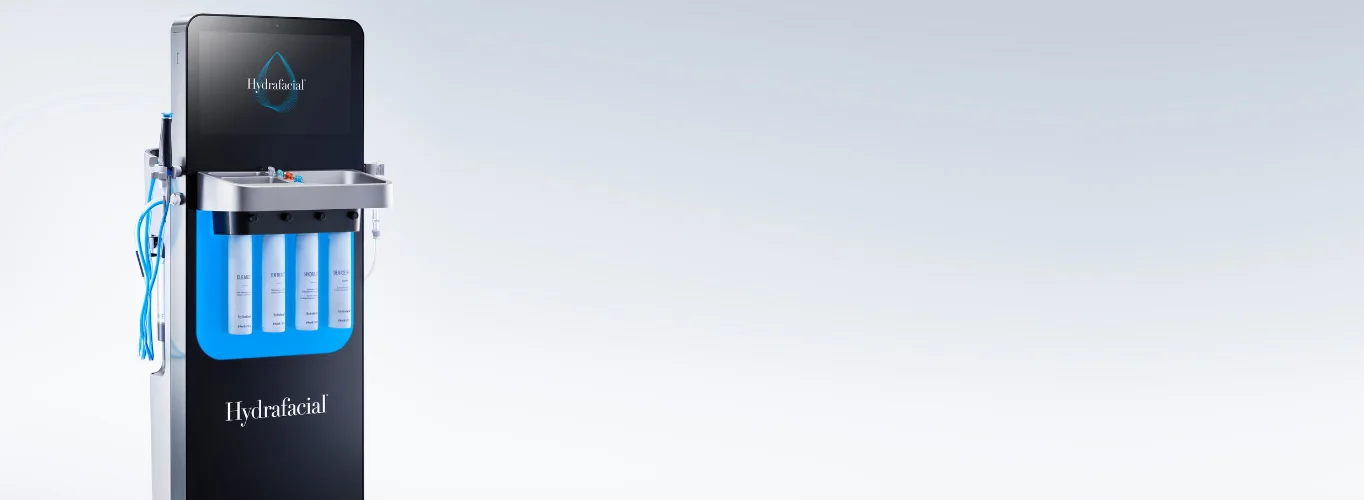
Most glass-skin protocols use well-studied, minimally invasive methods. Skin boosters deliver tiny amounts of hydrating or regenerative material into the upper dermis with very fine needles, while laser toning uses low-fluence picosecond or Q-switched light to even pigment without breaking the skin surface. A hydrafacial works by vortex cleansing and hydration, which is non-thermal and gentle. None of these aim to ablate or wound tissue, which keeps the safety profile favorable.
The main safeguards are clinical, not just technological: using approved injectables and devices, screening for contraindications, sterile single-use needles and correct dosing. A regenerative booster like Rejuran Healer is performed by the clinic’s doctors, who adjust technique to your skin so the treatment supports skin health safely rather than overloading it.
One Reberry Clinic, multiple Seoul-area locations. Pricing & current promotions are listed on each branch's own site — tap a clinic to view pricing & book.
Our flagship in the heart of Gangnam.
In Seoul's shopping & tourism heart.
A beauty stop between flights.
The newest Reberry Clinic — in Seoul's trend district.
ONE REBERRY CLINIC · MFDS-REGISTERED DEVICES · MULTILINGUAL CARE AT EVERY LOCATION
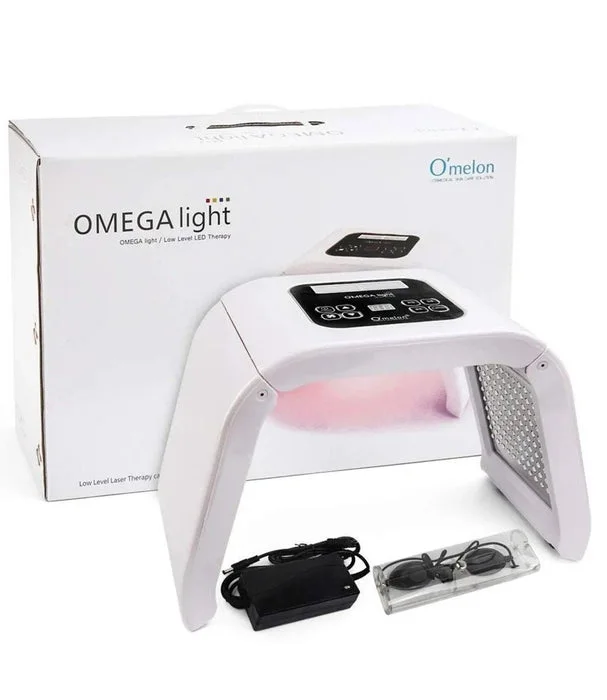

A doctor evaluates your skin type, sensitivity and goals across the 3 main concerns: hydration, tone and texture.
You disclose allergies, medications and conditions so the doctor can exclude any of the 4 to 5 common risk factors.
The plan selects 1 to 3 gentle methods, such as a skin booster, light toning and a hydrating facial, matched to your skin.
Treatment uses approved products and single-use needles, with depth and dose adjusted for safety.
You receive written aftercare and a follow-up plan; most mild effects settle within 1 to 3 days.

Before-and-after photos are being updated.
An English-language consultation assesses your skin, screens for contraindications and builds a personalized, safety-first plan.
The doctor delivers the chosen gentle treatments using approved products and sterile single-use needles; a session commonly takes 30 to 60 minutes.
Many patients start with a single visit, while skin boosters may suit a short course of 2 to 3 sessions.
Hydration and glow appear within days to a few weeks, with texture improving steadily after that.
Maintaining results means SPF, gentle skincare and periodic touch-ups; written aftercare supports travelers.



Glass skin treatment in Korea is generally safe when performed by qualified doctors using approved products and sterile technique, with serious complications uncommon. Most side effects are mild, such as redness or brief swelling. Choosing a licensed dermatology clinic and a consultation-led plan like glass facial skin care keeps risk low.
The most common side effects are mild and short-lived: temporary redness, slight swelling, pinpoint bruising from injections or brief warmth from a hydrafacial or toning, usually settling within 1 to 3 days. Rare effects depend on the modality and are discussed at consultation. Following written aftercare reduces irritation.
Good candidates are adults wanting smoother, more hydrated, even-toned skin without dramatic structural change. Most skin tones are suitable when settings and products are chosen correctly. A doctor confirms your candidacy and screens for contraindications, then tailors gentle methods within your glass facial skin plan.
Discomfort is generally mild. Skin boosters use very fine needles and feel like quick pinpricks, often eased with numbing cream, while laser toning and a hydrafacial are usually painless. Comfort options are reviewed beforehand and adjusted to your sensitivity, so the experience stays manageable for most patients.
Downtime is minimal for most options. Toning and a hydrafacial often allow same-day normal activity, while skin boosters may leave brief redness or pinpoint marks that settle within 1 to 3 days. This makes glass-skin plans practical for travelers fitting treatment into a short Seoul trip.
Hydration and a fresher glow can appear within days, while texture, tone and overall skin quality improve steadily over several weeks, especially with skin boosters. Results build rather than appear instantly. Your expected timeline is mapped at consultation so you know what to anticipate after each session.
Longevity varies by modality and skin: a hydrating glow may last weeks, while skin-booster and toning benefits can persist for months with maintenance. Because results are quality-based rather than permanent, periodic touch-ups, SPF and good skincare help sustain them. Expectations are individualized at your consultation.
Many patients start with a single visit, while skin boosters often work best as a short course of about 2 to 3 sessions spaced a few weeks apart. The exact number depends on your skin and goals. Your plan is set after assessment, with maintenance discussed separately.
Yes, glass-skin protocols are often combined thoughtfully, for example pairing a hydrating booster with gentle toning, sequenced so the skin is not overloaded. A doctor decides safe combinations and spacing. You can explore options such as Rejuran Healer and a hydrafacial together at consultation.
They address different layers: skin boosters add hydration and dermal support via micro-injections, while laser toning evens surface pigment and dullness without breaking the skin. Many patients benefit from both in sequence. Compare a booster like Rejuran Healer with toning during your consultation to match your skin.
Yes, sensitive skin can usually be treated safely when gentle modalities, conservative dosing and approved products are used, and a doctor screens for triggers first. Settings are adjusted to minimize irritation, and aftercare focuses on barrier support. Your sensitivity is assessed before any plan or product is finalized.
Yes, with correct technique. Skin boosters suit all tones, and laser toning is performed at conservative, low-fluence settings to lower the chance of temporary pigment change in deeper skin tones. Imaging and experience guide the approach, and your suitability is confirmed by the clinic’s doctors at assessment.
Avoid strong actives, exfoliation, saunas, intense sun and heavy makeup for a short period, typically 1 to 3 days, while skin settles. Keep skin hydrated and wear SPF daily. The clinic provides written skin care aftercare so you can follow these steps correctly, including from abroad.
Yes, Reberry Clinic serves international patients with English-speaking support across three Seoul-area locations, including one near Incheon Airport. You can be assessed and treated on your trip and supported afterward from abroad. Message us on WhatsApp to plan a safe, consultation-led visit.
A short trip is usually enough; many options are done in a single visit of about 30 to 60 minutes after assessment. If you choose a skin-booster course, sessions can be spaced or partly continued elsewhere. Our team helps schedule treatment around your itinerary and travel dates.
Yes, most patients fly the same or next day, since downtime is minimal and any redness settles quickly. Avoid excess heat and sun in the first days and follow your aftercare. You receive a written plan so you can maintain your results and follow up from abroad if needed.
| Skin booster (e.g. Rejuran) | Laser toning | Hydrafacial | |
|---|---|---|---|
| Mechanism | Polynucleotide / hyaluronic micro-injections into upper dermis | Low-fluence picosecond or Q-switched light for even tone | Vortex cleansing and hydration, non-thermal |
| Invasiveness | Minimally invasive (fine needles) | Non-invasive, no surface break | Non-invasive surface treatment |
| Common side effects | Pinpoint bruising, brief swelling | Mild redness, rare temporary pigment change | Temporary redness, very mild |
| Downtime | Little; redness settles in 1 to 3 days | Little; same-day recovery common | None to minimal |
| Best for | Hydration, texture and skin resilience | Evening pigment and dullness | Cleansing, hydration and glow |
| Sessions | Often a short course | Often a series | Single or repeated |
| Cost context | Consultation-led; depends on product and sessions | Consultation-led; depends on sessions | Consultation-led; depends on add-ons |
Real verified reviews from our Google Business Profile, across all Reberry Clinic locations.
PULLED LIVE FROM GOOGLE · GANGNAM · MYEONGDONG · INCHEON AIRPORT
Your treatment is planned and performed by experienced, MFDS-registered doctors across our Seoul-area clinics, with multilingual support for international patients.
Flagship clinic · for leading lifting & regenerative devices · Featured in Authority Magazine (2026)

Multilingual tourist care beside Myeongdong Cathedral

Fast, effective care 20 minutes from the terminals
Message us on WhatsApp for a free consultation in English and a safety-first, personalized glass skin plan.