



Gangnam
Dr. Yoon-Gon Ryu
Aesthetic Medicine Specialist
Flagship clinic · KOL for leading lifting & regenerative devices · Featured in Authority Magazine (2026)

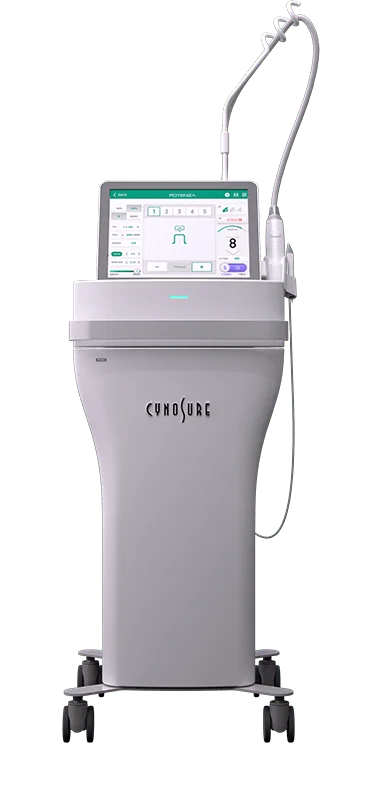
Atrophic acne scars fall into 3 main types (ice-pick, boxcar, rolling), and each responds to a different mix of RF microneedling, laser resurfacing, and subcision over a planned series.
Acne scar treatment in Gangnam, Seoul remodels atrophic scars by combining RF microneedling, fractional laser resurfacing, and subcision matched to your scar type. Because ice-pick, boxcar, and rolling scars respond differently, the clinic’s doctors at our Gangnam (Seoul) location build an individualised series across several sessions rather than a single fix.
One-on-One guidance from a dedicated doctor, ensuring your skin is professionally monitored and treated from start to finish.
Fluent assistance in English, Japanese, and Chinese, making communication clear, respectful and comfortable for international patients.
Over 100,000 patients worldwide have received our personalized dermatological care, highlighting our expertise and reliable results.
Acne scar treatment is a set of dermatological procedures that remodel the skin’s collagen to soften scars left behind after acne has healed. Most facial acne scars are atrophic, meaning the skin sits below the surrounding surface, and they divide into three broad types: narrow ice-pick scars, sharp-edged boxcar scars, and shallow, wide rolling scars. Because these behave differently, effective treatment rarely relies on one tool.
At our Gangnam (Seoul) location, acne scar care is consultation-led. Dr. Yoongon Ryu and the clinic’s doctors first map your scar types and skin tone, then design a plan that may layer RF microneedling, fractional laser resurfacing, and subcision for tethered rolling scars. Deeper tones need conservative laser settings to protect against pigment change, which is why a personal assessment comes before any device is chosen.
Scar remodelling is gradual: new collagen forms over weeks after each session, so results build across a course rather than appearing overnight. Our Gangnam clinic is on Gangnam-daero, about 2 minutes from Gangnam Station exit 10, with English-language support for international patients throughout the plan.

Acne scars improve when the dermis is prompted to rebuild collagen in a controlled way, and each modality does this differently. RF microneedling drives fine insulated needles into the dermis and releases radiofrequency energy at their tips, creating focused zones of heat that trigger collagen and elastin renewal while largely sparing the surface epidermis, which suits a range of skin tones. Fractional laser resurfacing instead creates microscopic columns of thermal injury across the surface to smooth texture and edges. Subcision uses a fine cannula or needle to release the fibrous bands that tether rolling scars downward, lifting the depressed skin so it can heal higher. Because ice-pick scars, boxcar scars, and rolling scars each respond to a different combination, the clinic’s doctors sequence 2 or more of these tools across a series rather than relying on one. Severity, scar depth, and skin type all shape which devices and settings are used, so the plan is confirmed only after assessment at our Gangnam (Seoul) location.
One Reberry Clinic, multiple Seoul-area locations. Pricing & current promotions are listed on each branch's own site — tap a clinic to view pricing & book.
Our flagship in the heart of Gangnam.
In Seoul's shopping & tourism heart.
A beauty stop between flights.
The newest Reberry Clinic — in Seoul's trend district.
ONE REBERRY CLINIC · MFDS-REGISTERED DEVICES · MULTILINGUAL CARE AT EVERY LOCATION


The clinic’s doctors classify your scars across the 3 atrophic types and grade depth, which decides the modality mix and session count.
For rolling scars, subcision cuts the fibrous bands anchoring the skin, and 1 to 3 subcision sessions are often planned depending on tethering.
Insulated needles deliver radiofrequency into the dermis, stimulating new collagen; most plans use 3 to 4 sessions spaced about 4 weeks apart.
Fractional laser passes smooth scar edges and surface texture, added when skin tone and downtime tolerance allow, usually across 2 or more visits.
Collagen keeps forming for weeks, so your doctor reviews progress every session and adjusts the plan across the roughly 3 to 6 month course.
See representative outcomes from Reberry Clinic. Results build gradually and vary by individual; your plan is assessed at consultation.
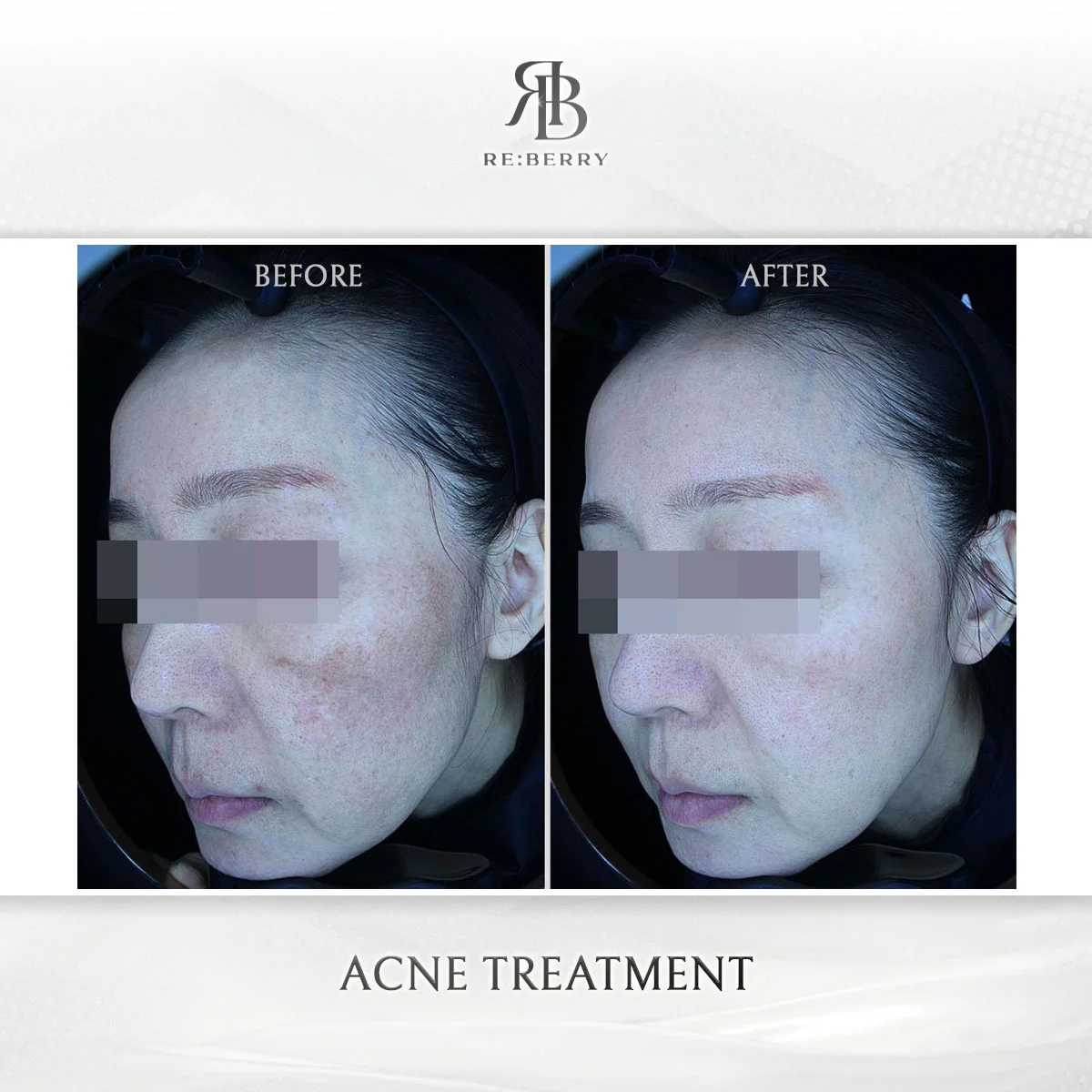
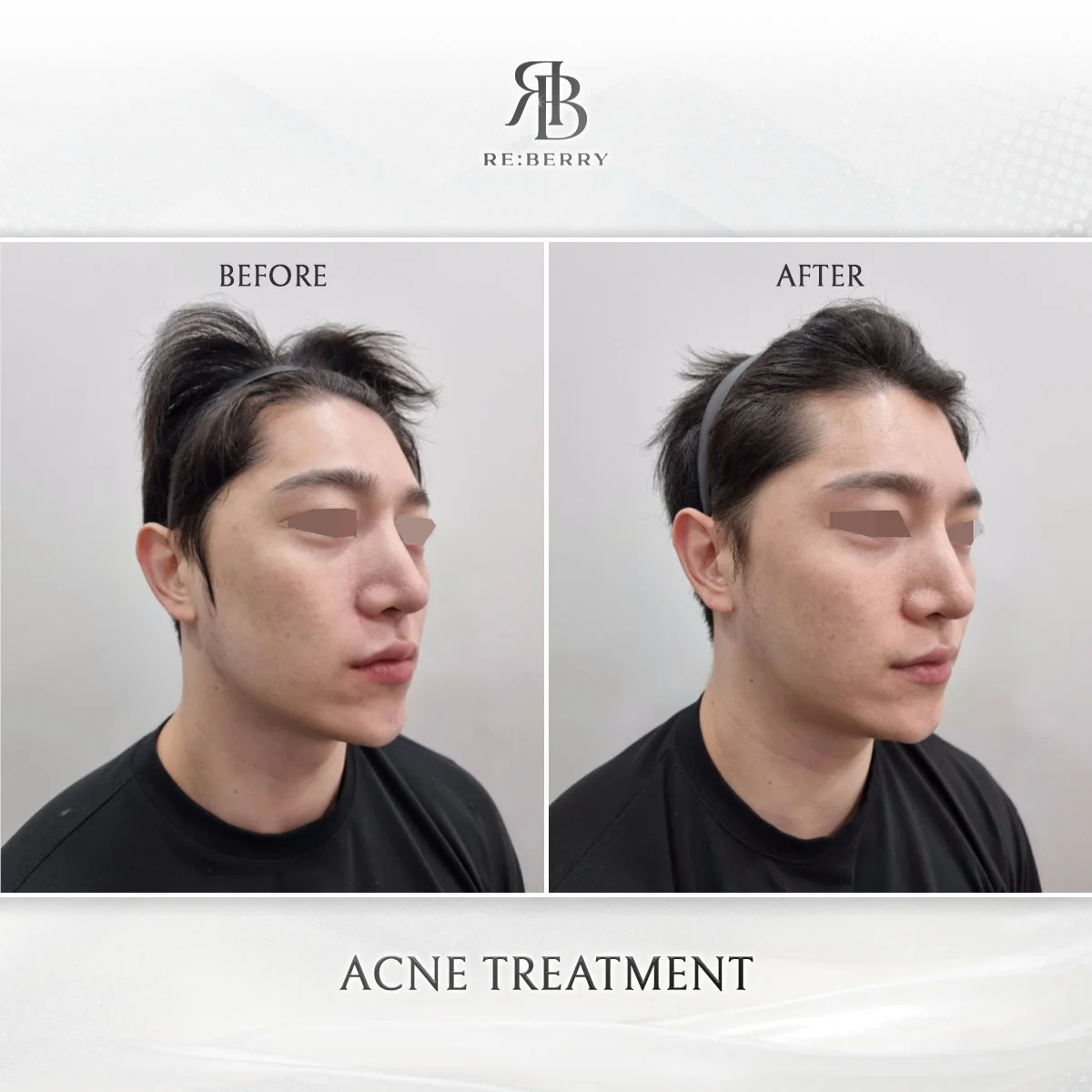
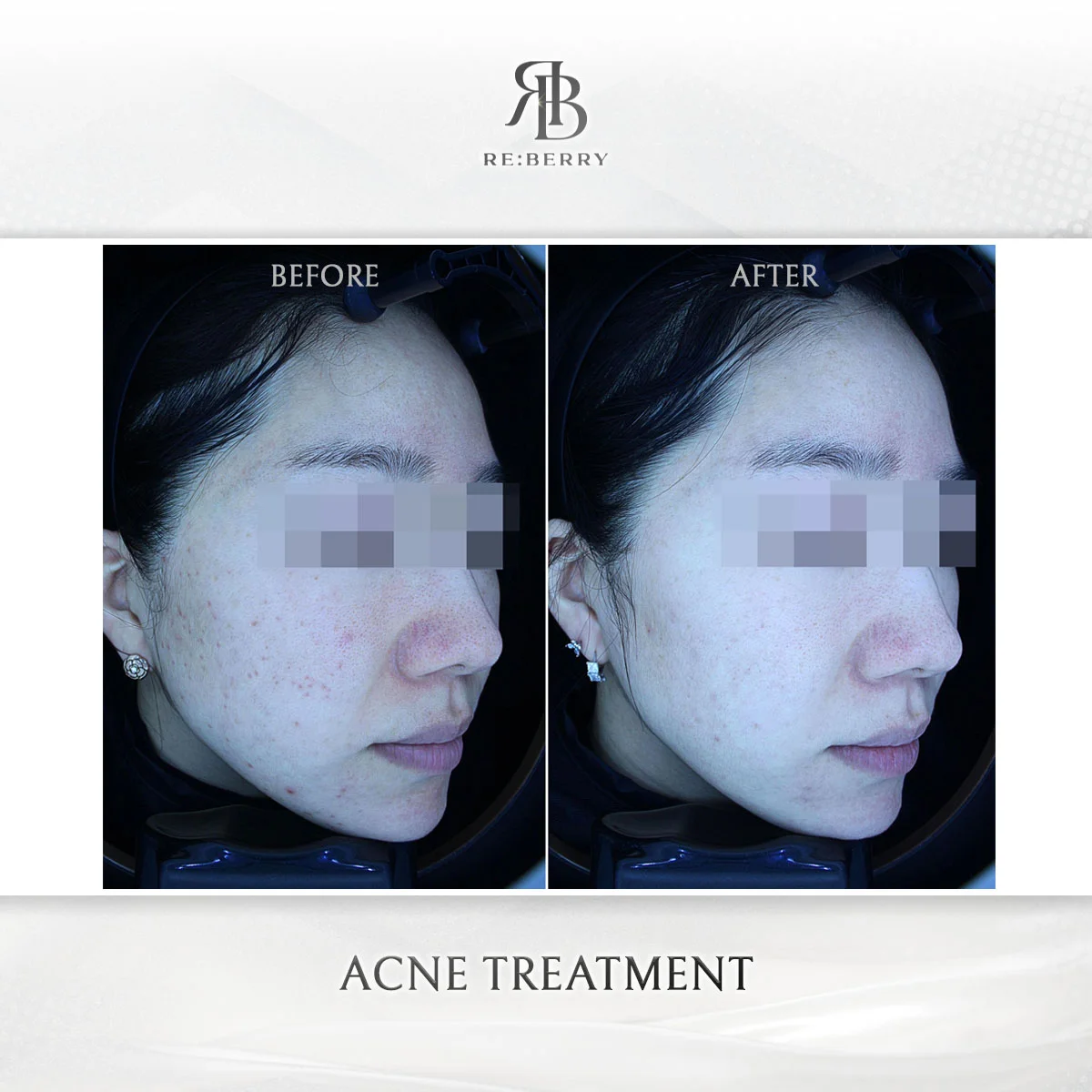
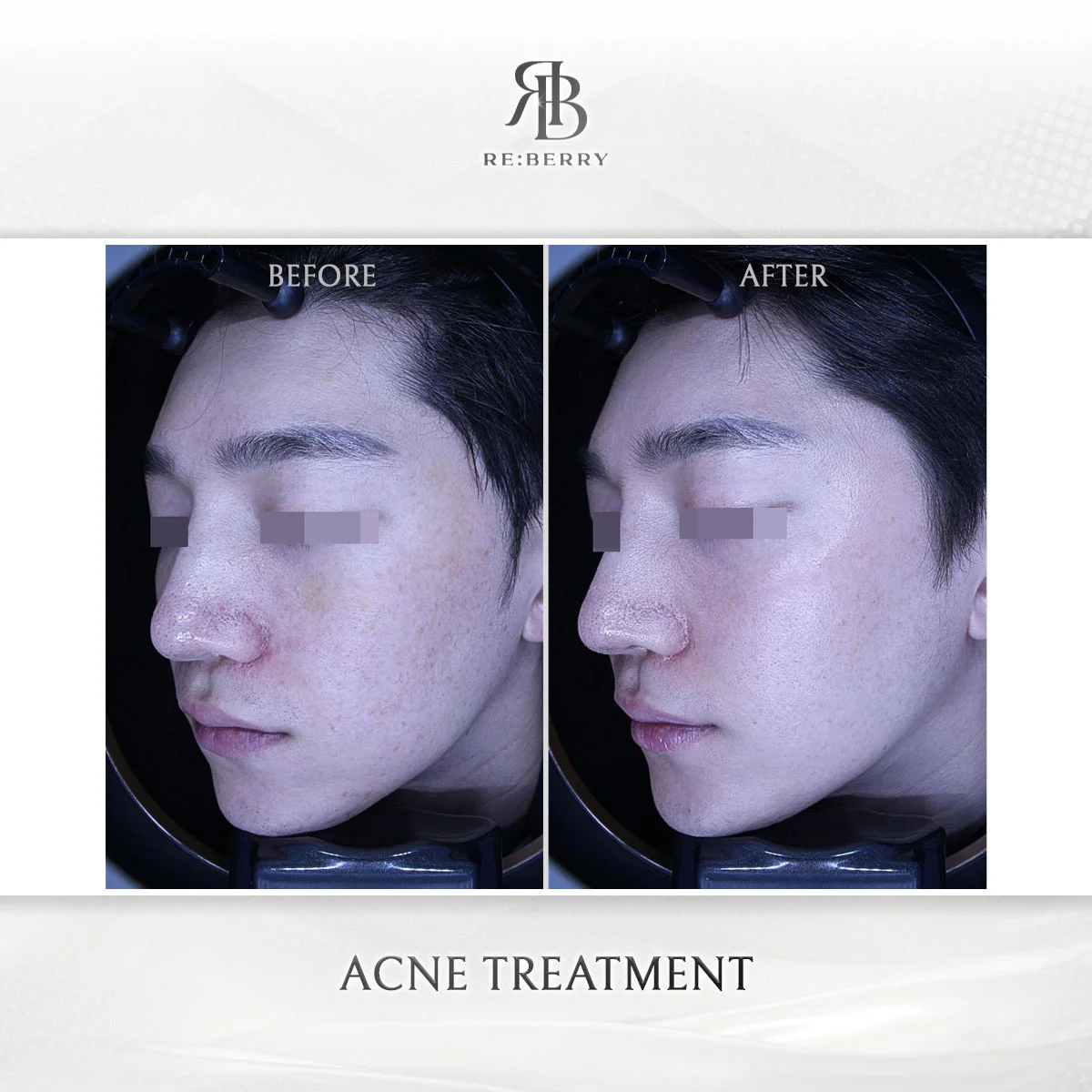
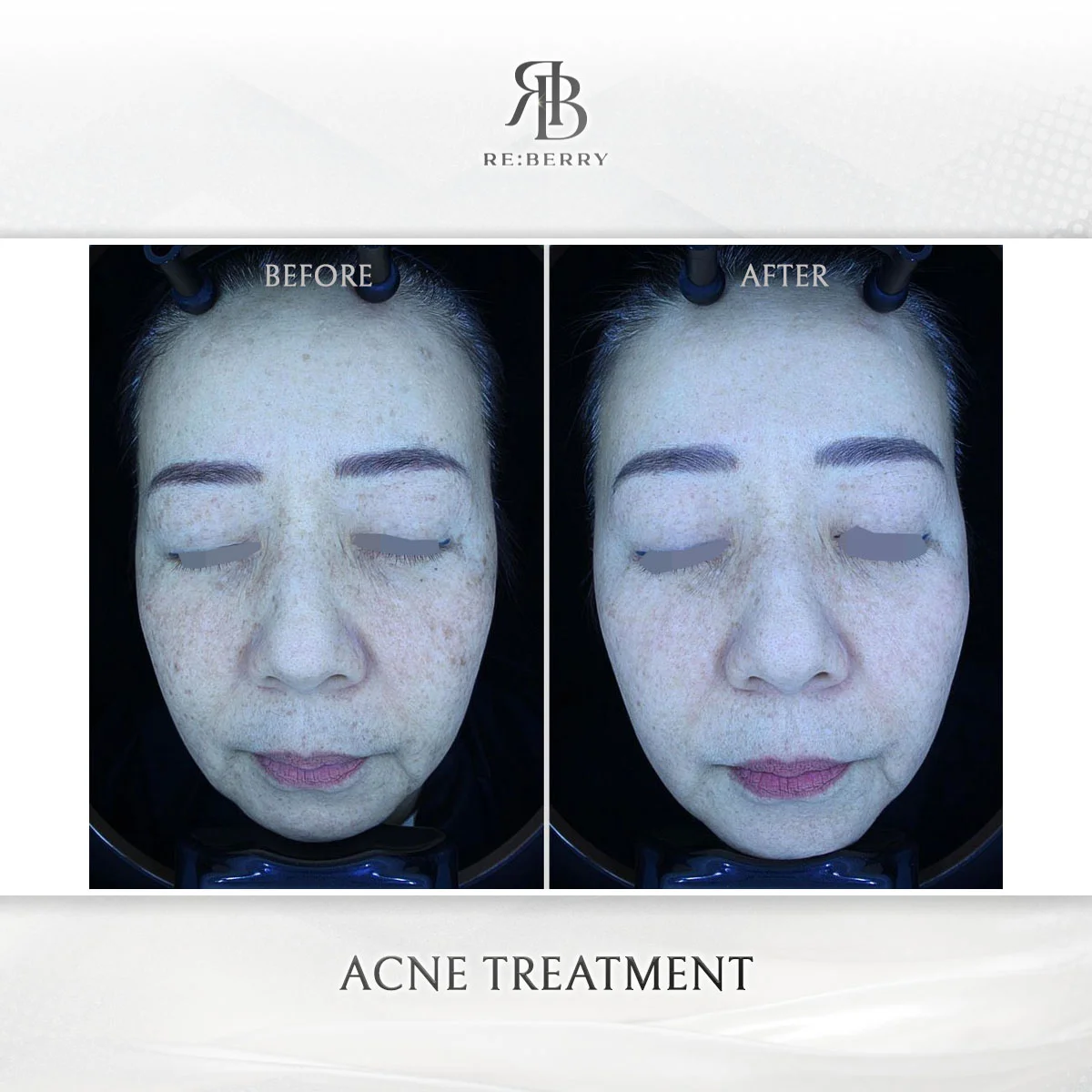
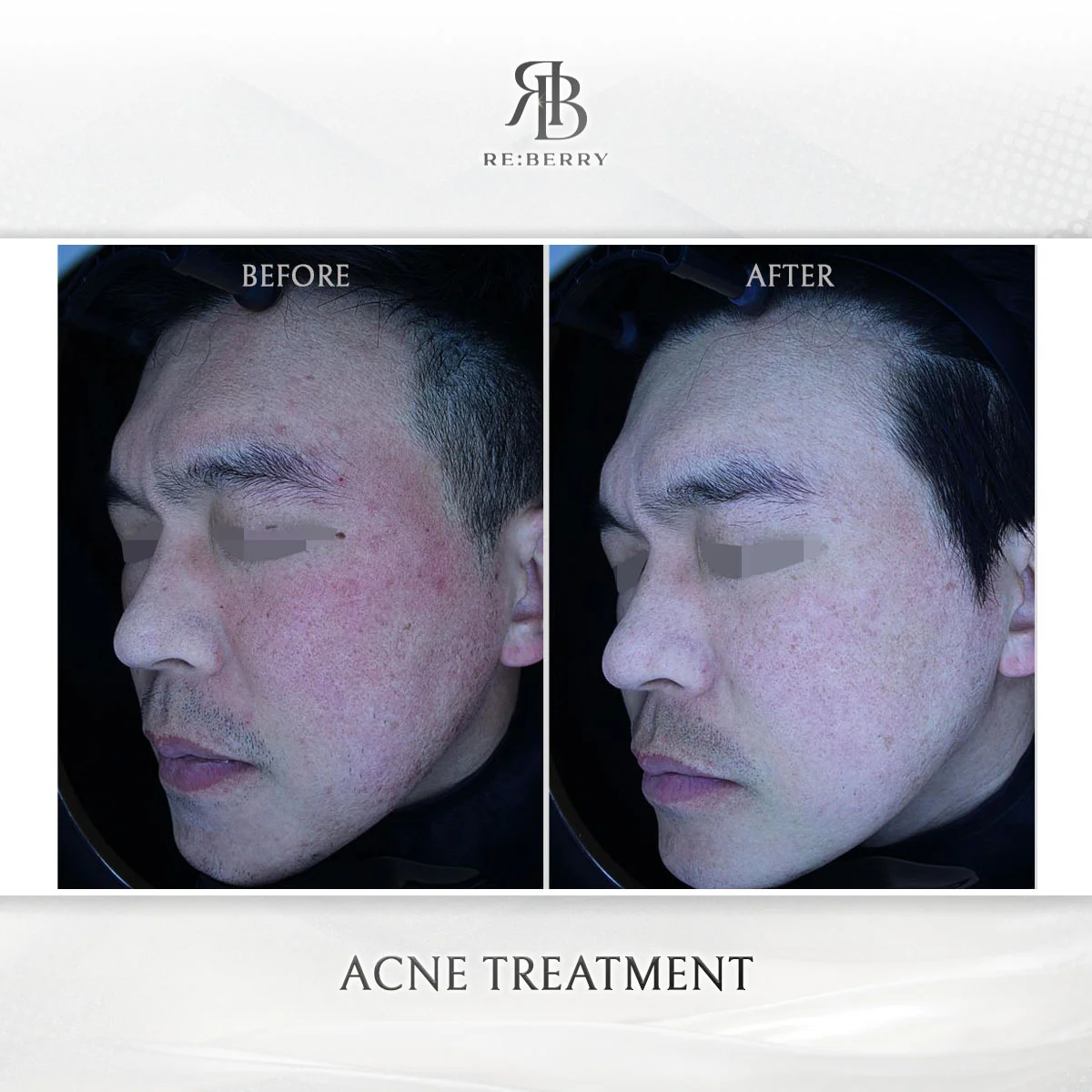
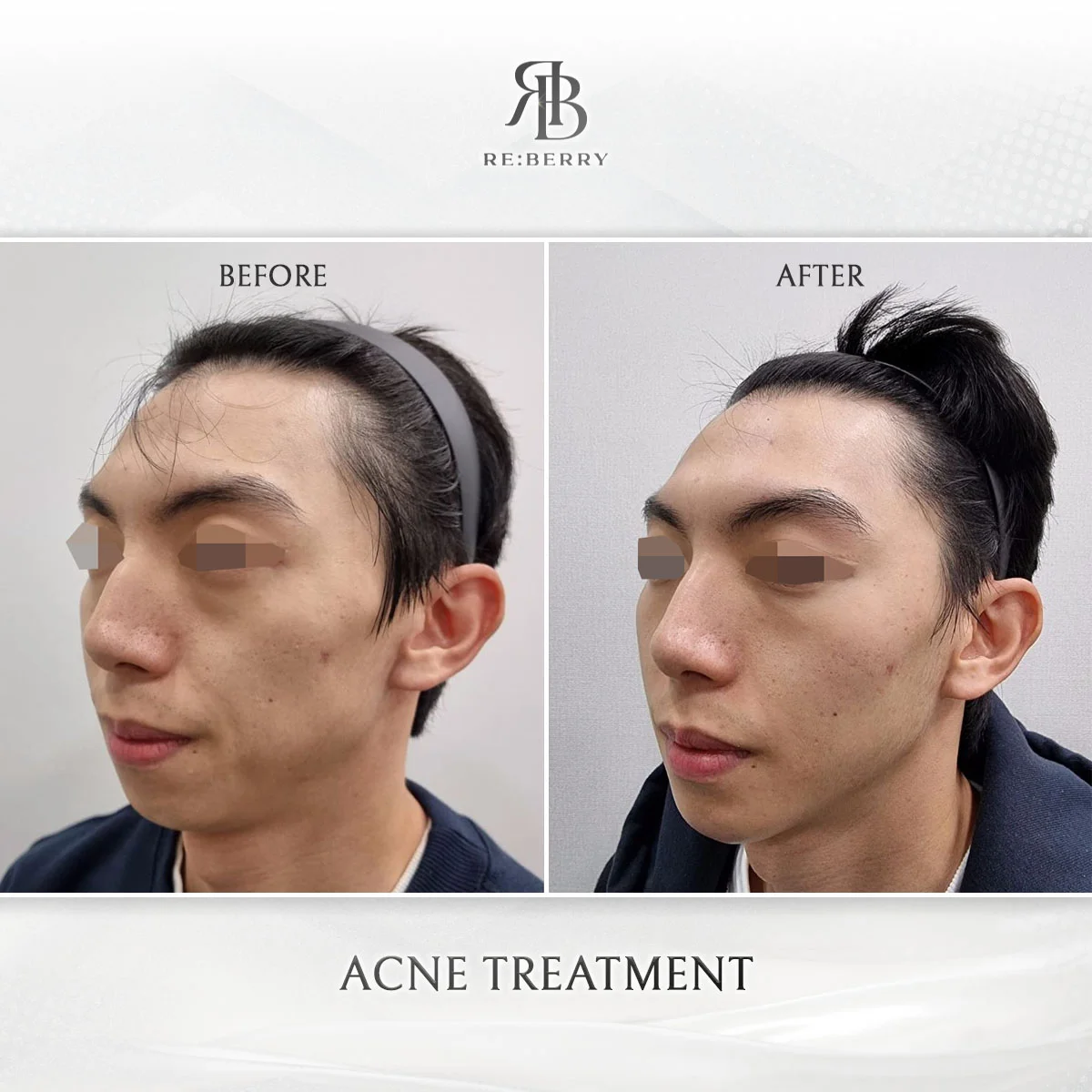
At our Gangnam (Seoul) location, the clinic’s doctors map your scar types and skin tone, then explain the modality mix and cost in English.
After numbing, a session typically takes about 30 to 60 minutes depending on how many modalities are combined that visit.
A full course usually spans about 3 to 6 months, with sessions spaced roughly 4 weeks apart to allow healing between treatments.
Because collagen remodels gradually, visible smoothing builds over several weeks and continues improving across the series.
Remodelled collagen is durable, but daily sunscreen and a gentle routine protect results; occasional touch-ups may be advised over time.



There is no single answer, because the right plan depends on your scar type; ice-pick, boxcar, and rolling scars respond to different tools. Our Gangnam (Seoul) location combines RF microneedling, laser, and subcision after assessing your skin. You can start on our acne treatment page.
Our Gangnam (Seoul) location sits on Gangnam-daero, about 2 minutes from Gangnam Station exit 10, making it easy to reach for international patients. Dr. Yoongon Ryu and the clinic’s doctors provide English-language consultations there. Care spans our three Seoul-area locations, but scar plans are commonly run from Gangnam.
Rolling scars usually need subcision to release tethering bands, boxcar scars respond to RF microneedling and laser resurfacing, and ice-pick scars often need focused techniques. Most patients have mixed scars, so plans combine tools. Your doctor confirms the mix after mapping your scars at consultation.
Yes, RF microneedling is a mainstay for atrophic acne scars because it heats the dermis to rebuild collagen while sparing much of the surface. Studies show measurable collagen and elastin increases after a series. It also refines pores and texture. Learn more on our acne treatment page.
Most acne scar plans run 3 to 6 sessions spaced about 4 weeks apart, though tethered or deep scars can need more. The number depends on scar type, depth, and how your collagen responds. Your doctor reviews progress each visit and adjusts the plan and session count accordingly.
Discomfort is managed with topical numbing and, for subcision, local anaesthetic, so most patients tolerate sessions well. You may feel pressure, warmth, or stinging during the procedure. Bruising is common after subcision. Your doctor explains what each modality feels like before you begin the series.
Downtime is usually a few days of redness and pinpoint marks after RF microneedling, longer flaking with deeper laser settings, and several days of bruising after subcision. Most people return to routine quickly with makeup after 1 to 2 days. Your doctor tailors intensity to your schedule and skin.
Yes, with adjusted settings; RF microneedling is often favoured for deeper tones because it spares much of the epidermis, lowering pigment-change risk. Laser settings are kept conservative and tested carefully. A consultation grades your skin type so the plan stays both safe and effective for your tone.
Visible smoothing usually builds over several weeks as new collagen forms, not immediately after one session. Subcision can lift scars sooner, while remodelling continues for months. Because results are cumulative, your doctor assesses improvement across the full series rather than judging it from a single visit.
Collagen-based improvement is durable and generally long-lasting once the series is complete, since remodelled tissue is structural. It is not an overnight or one-time fix, and ageing continues, so occasional maintenance may help. Daily sun protection is key to preserving results over the years.
Yes, scar plans routinely combine subcision, RF microneedling, and laser, and can pair with texture or brightening care. Some patients add a laser treatment for tone. Your doctor sequences procedures so the skin is not over-stressed and each step supports the next in the plan.
Usually yes; active inflammatory acne is best controlled before dedicated scar remodelling, so new lesions do not create fresh scars. Your doctor may run acne care and early scar work in a coordinated sequence. Explore active-acne options on our acne treatment page first.
Common temporary effects include redness, swelling, pinpoint scabbing, and bruising, which settle within days. Less common risks include prolonged redness or, rarely, pigment change, which conservative settings help avoid. A doctor-led plan and honest skin-type grading reduce these risks. Side effects are reviewed with you before each session.
Daily broad-spectrum sunscreen, gentle non-irritating skincare, and avoiding picking are essential to protect remodelling skin. A tailored skin care routine supports healing between visits. Your doctor gives specific guidance after each modality, since laser and subcision recovery differ slightly from microneedling.
Cost depends on your scar types, how many modalities are combined, and the number of sessions, so it is set after assessment rather than as one fixed price. Combining subcision, RF microneedling, and laser costs more than a single tool but is often more efficient. The clinic explains cost transparently at consultation.
For a first session, 2 to 3 days is comfortable, allowing consultation, the procedure, and a short review, especially if subcision bruising is expected. Because scar plans run as a course, many international patients begin in Gangnam and continue over return trips coordinated by our English-speaking team.
Yes, most patients fly within a day or two, though after subcision you may prefer to let bruising settle before travel. Cabin air is drying, so moisturise and shield treated skin from sun. If deeper laser was used, your doctor advises specific aftercare for the journey home.
International patients can complete a scar course across one or more visits, and the clinic offers English-language remote check-ins between trips so the plan stays on track. You can continue supportive skin care at home, and your treatment notes are kept on file for continuity.
| RF Microneedling | Fractional Laser | Subcision | |
|---|---|---|---|
| Energy / mechanism | Radiofrequency heat into the dermis via insulated needles | Fractional laser columns resurface texture and edges | Mechanical release of fibrous bands tethering scars |
| Best for | Boxcar and mixed atrophic scars, larger pores | Surface texture, shallow scars, tone refinement | Tethered rolling scars that dip when you smile |
| Pain / comfort | Numbing used; pressure and warmth during needling | Numbing used; heat and stinging sensation | Local anaesthetic used; pressure and bruising likely |
| Downtime | Redness and pinpoint marks for a few days | Redness and flaking, longer with deeper settings | Bruising and swelling for several days |
| Results timeline | Builds over weeks as collagen remodels | Texture smooths over successive sessions | Immediate lift plus gradual collagen filling |
| Sessions | Typically a series of several treatments | Usually multiple passes over a course | Often combined with other modalities per scar |
| Cost context | Depends on area and session count | Depends on depth, area, and number of passes | Depends on scar count and pairing with other tools |
Real verified reviews from our Google Business Profile, across all Reberry Clinic locations.
PULLED LIVE FROM GOOGLE · GANGNAM · MYEONGDONG · INCHEON AIRPORT
Your treatment is planned and performed by experienced, MFDS-registered doctors across our Seoul-area clinics, with multilingual support for international patients.
Flagship clinic · KOL for leading lifting & regenerative devices · Featured in Authority Magazine (2026)

Multilingual tourist care beside Myeongdong Cathedral

Fast, effective care 20 minutes from the terminals
Message us on WhatsApp for a free consultation in English about your acne scars at our Gangnam (Seoul) location.