



Gangnam
Dr. Yoon-Gon Ryu
Aesthetic Medicine Specialist
Flagship clinic · KOL for leading lifting & regenerative devices · Featured in Authority Magazine (2026)


Clinical K-beauty layers 3 pillars — barrier repair, deep hydration, and gentle resurfacing — across a tailored series rather than one dramatic session.
Korean skincare treatment in Gangnam, Seoul is clinical K-beauty: doctor-guided facials, skin boosters, and light peels that strengthen the skin barrier, deepen hydration, and refine tone and texture. At our Gangnam (Seoul) location, Dr. Yoongon Ryu builds a layered plan over a series of gentle sessions rather than one harsh treatment.
One-on-One guidance from a dedicated doctor, ensuring your skin is professionally monitored and treated from start to finish.
Fluent assistance in English, Japanese, and Chinese, making communication clear, respectful and comfortable for international patients.
Over 100,000 patients worldwide have received our personalized dermatological care, highlighting our expertise and reliable results.
Korean skincare treatment, often called clinical K-beauty, is a doctor-led approach that treats skin as a system to be strengthened rather than a surface to be stripped. Instead of one aggressive procedure, it layers gentle, evidence-based steps — medical facials, hydrating skin boosters, and light chemical peels — to build a healthy barrier, hold moisture, and produce the soft, even “glass skin” glow K-beauty is known for. The philosophy prizes consistency and restraint over intensity.
Three pillars anchor the method. First, barrier support: gentle cleansing at skin-friendly pH plus actives such as niacinamide and ceramides keep the outer layer resilient. Second, hydration: water-based facials and boosters raise moisture and reduce transepidermal water loss. Third, controlled resurfacing: light peels refine texture, pores, and tone without heavy downtime. Together these compound over weeks into visibly calmer, more luminous skin.
At our Gangnam (Seoul) location, Korean skincare is consultation-led. Dr. Yoongon Ryu assesses your skin type, barrier condition, and goals, then designs a series that suits your skin and travel schedule. International patients are supported in English, and Gangnam is roughly 2 minutes from Gangnam Station exit 10, making regular sessions easy to plan around a Seoul visit.
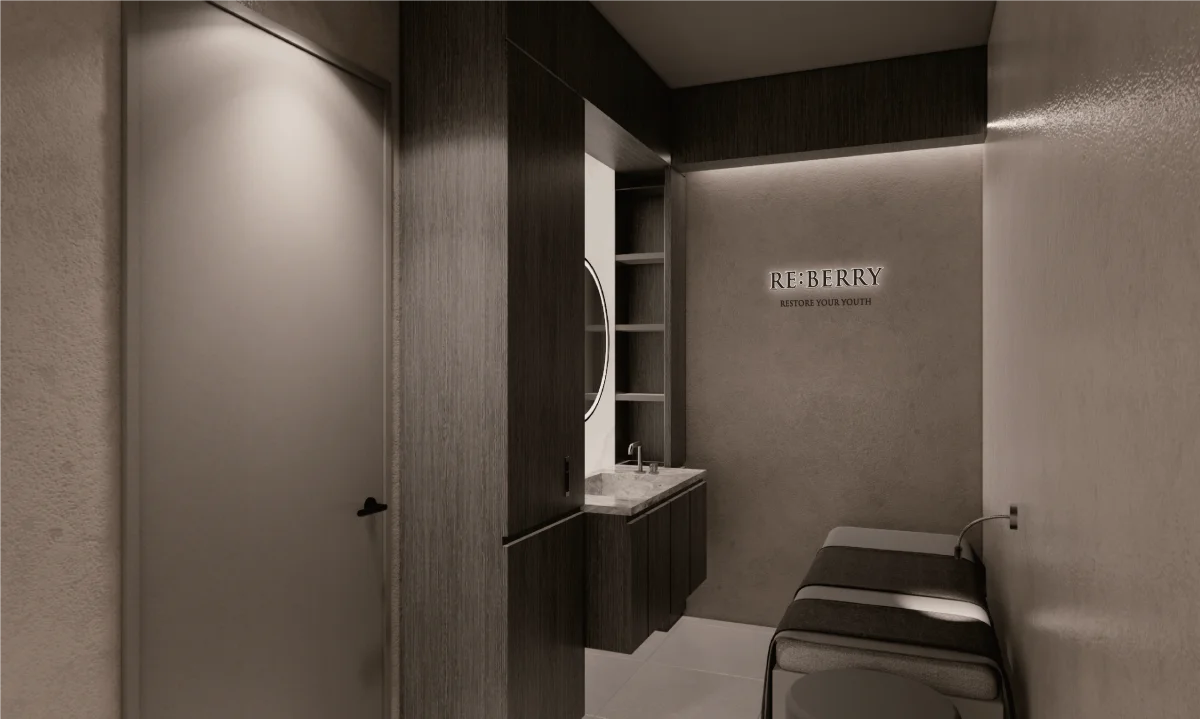
Clinical K-beauty combines several modalities because healthy skin depends on more than one factor. Medical facials use hydradermabrasion — vortex-based water cleansing that lifts debris from pores while infusing serums — to hydrate and decongest without abrasion. Skin boosters deliver hydrating ingredients such as hyaluronic acid or polynucleotides into the upper dermis through fine micro-injections, where they draw and hold water and support collagen. Light chemical peels use controlled acids (for example glycolic or mandelic) to loosen dull surface cells, so fresher, more even skin emerges. Actives like niacinamide help regulate oil and calm redness, while ceramides rebuild the lipid barrier so hydration lasts. Because each step addresses a different mechanism — cleansing, hydration, resurfacing, and barrier repair — the clinic’s doctors sequence them so the skin is nourished, not over-stressed. This layered, low-downtime strategy is what distinguishes Korean skincare from a single one-off facial.
One Reberry Clinic, multiple Seoul-area locations. Pricing & current promotions are listed on each branch's own site — tap a clinic to view pricing & book.
Our flagship in the heart of Gangnam.
In Seoul's shopping & tourism heart.
A beauty stop between flights.
The newest Reberry Clinic — in Seoul's trend district.
ONE REBERRY CLINIC · MFDS-REGISTERED DEVICES · MULTILINGUAL CARE AT EVERY LOCATION

Dr. Yoongon Ryu grades your skin across 3 pillars — barrier health, hydration, and texture — to decide which modalities your plan needs.
A hydradermabrasion facial uses vortex water cleansing to clear pores and infuse serums, usually taking about 30 to 45 minutes.
A skin booster delivers hyaluronic acid or polynucleotides through fine micro-injections across roughly 30 to 50 points per side into the upper dermis to raise moisture and support collagen.
A light peel with controlled acids loosens dull cells; most patients need a series of 3 to 5 sessions spaced 2 to 4 weeks apart.
Ceramide- and niacinamide-based homecare plus daily SPF lock in results, since studies link barrier support to lasting hydration.
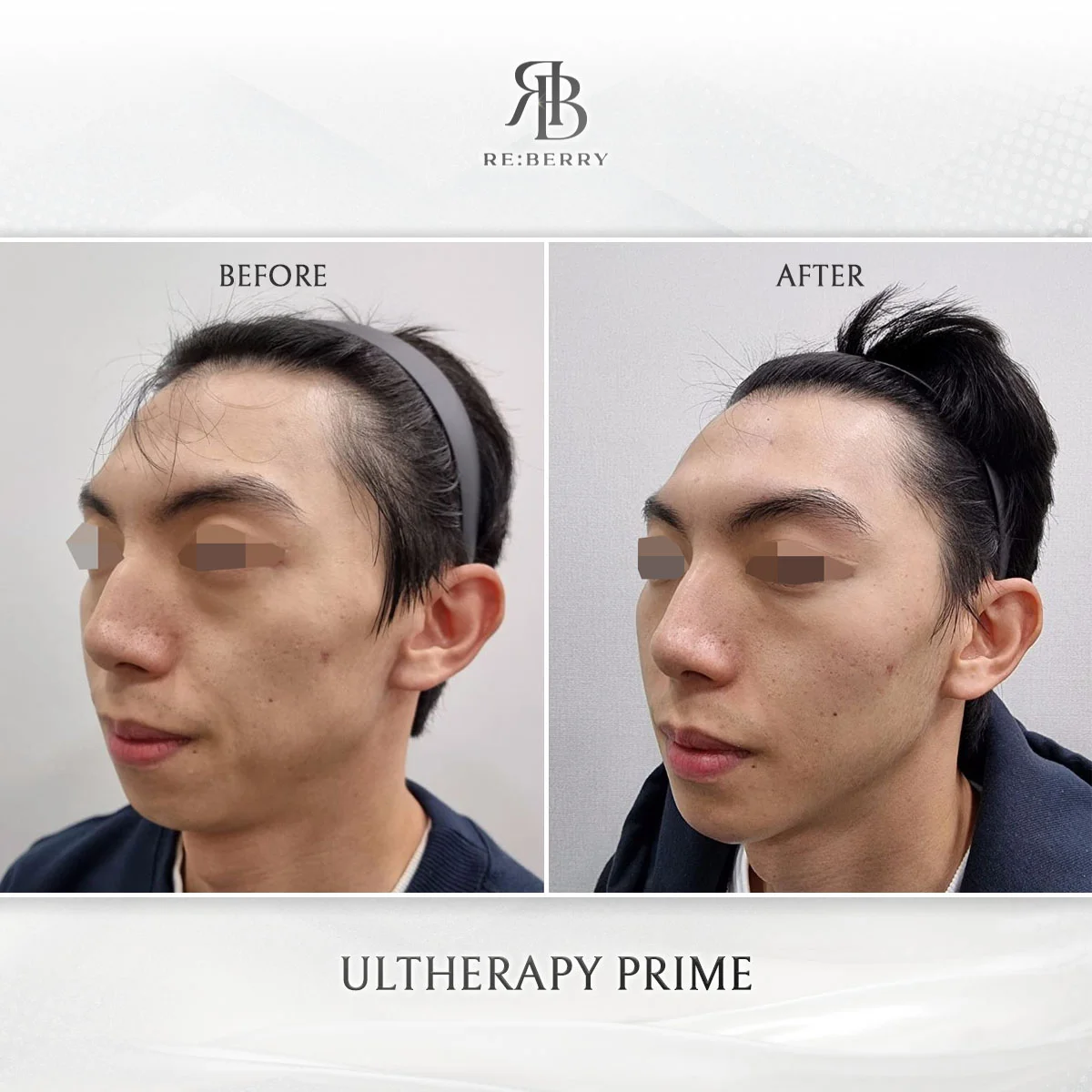
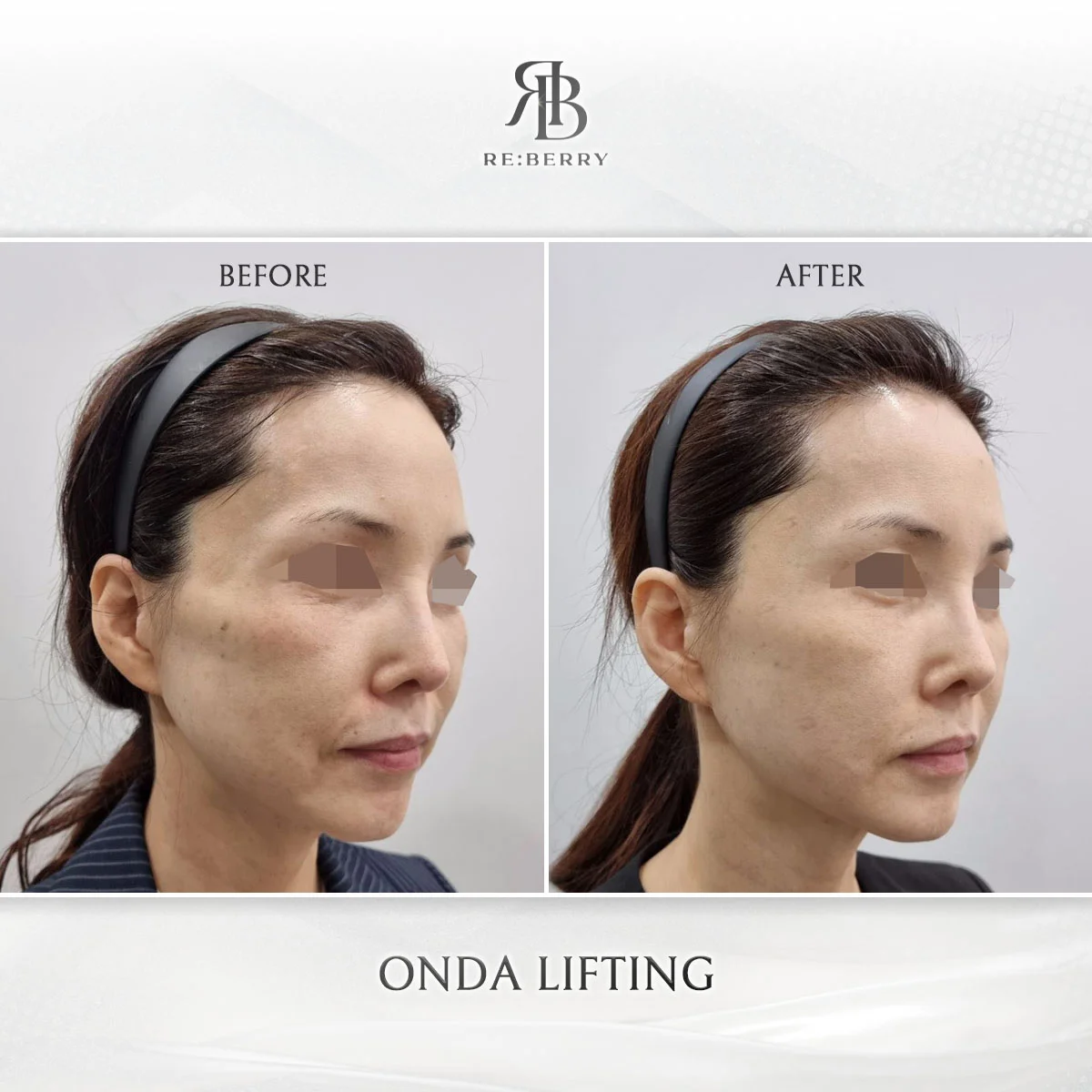
See representative outcomes from Reberry Clinic. Results build gradually and vary by individual; your plan is assessed at consultation.
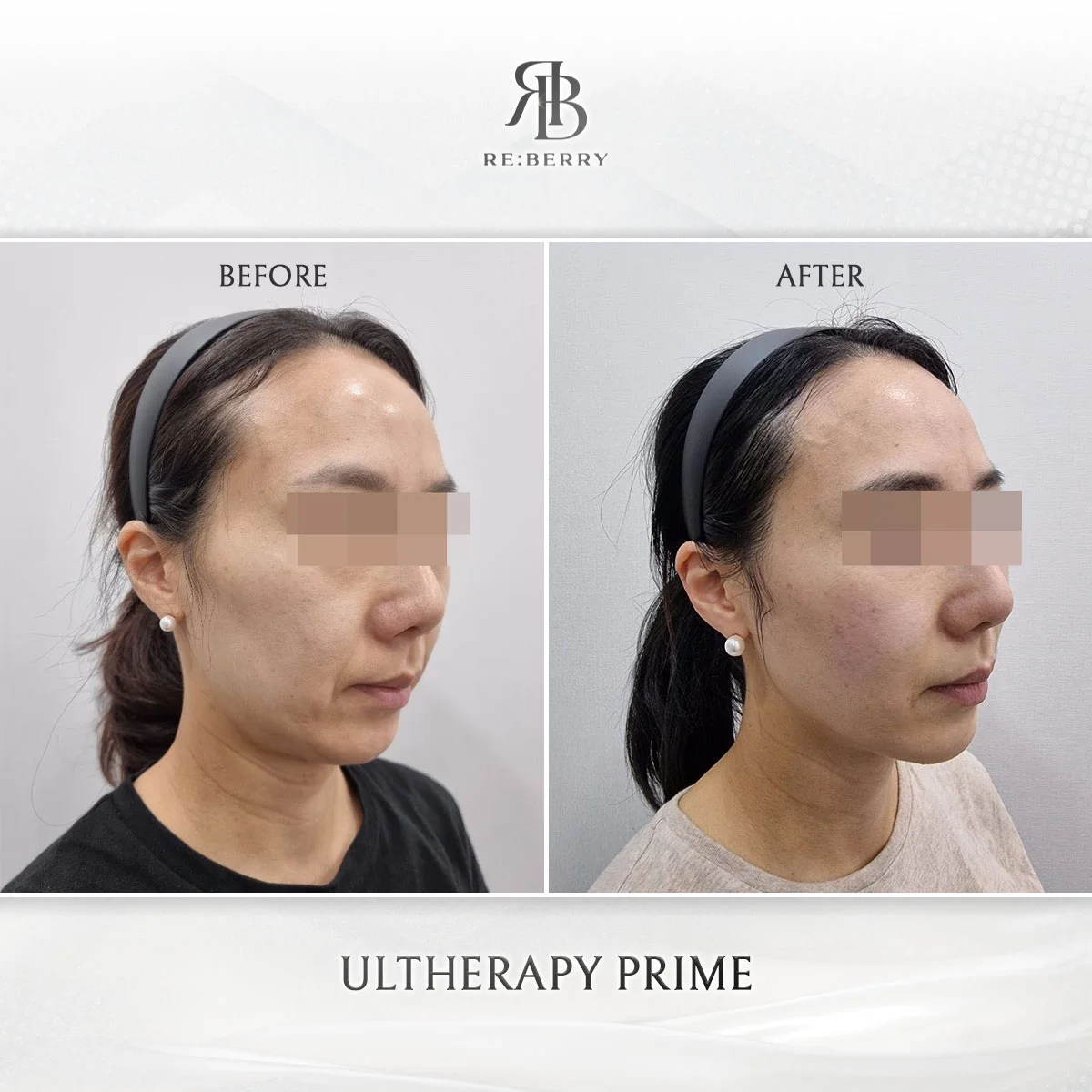
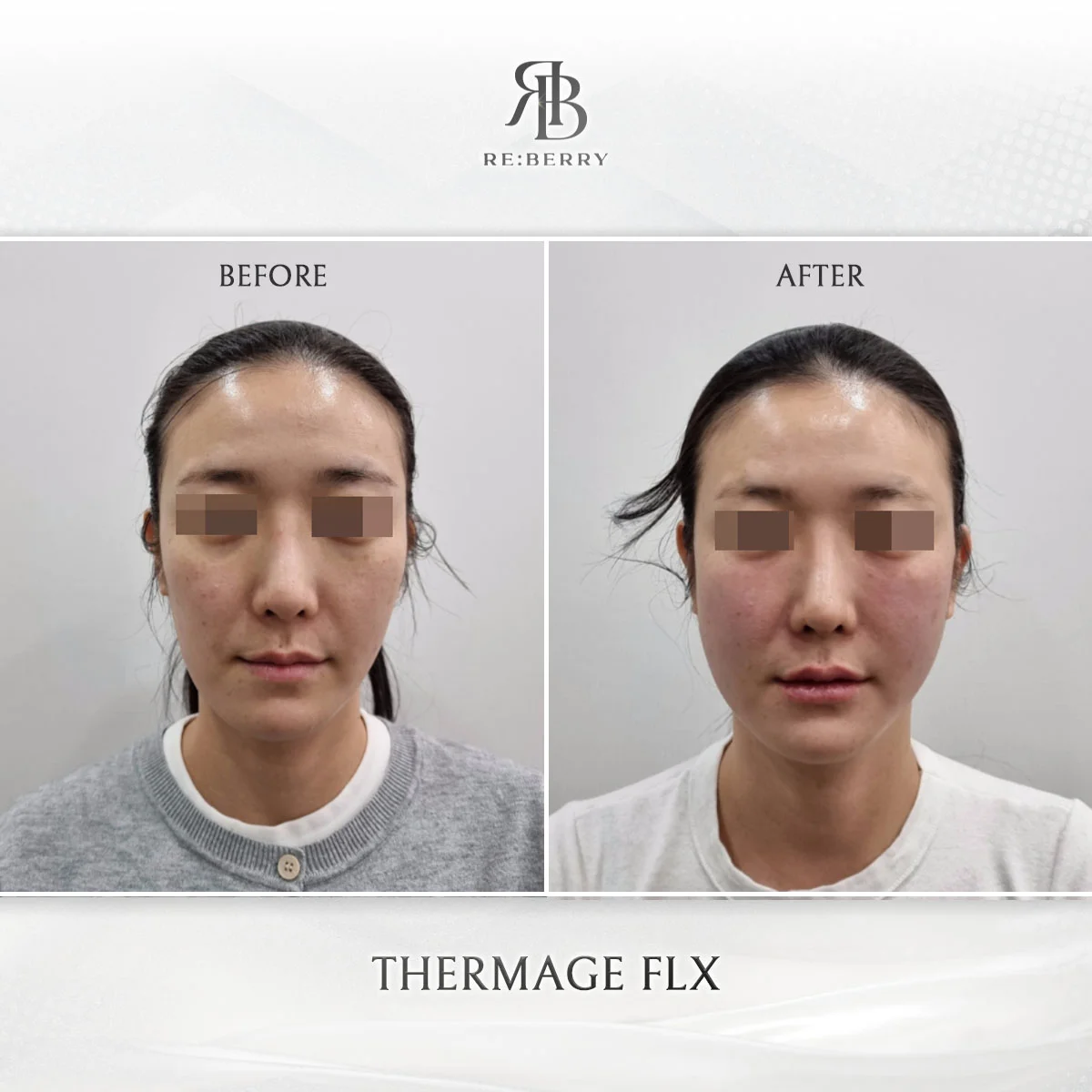
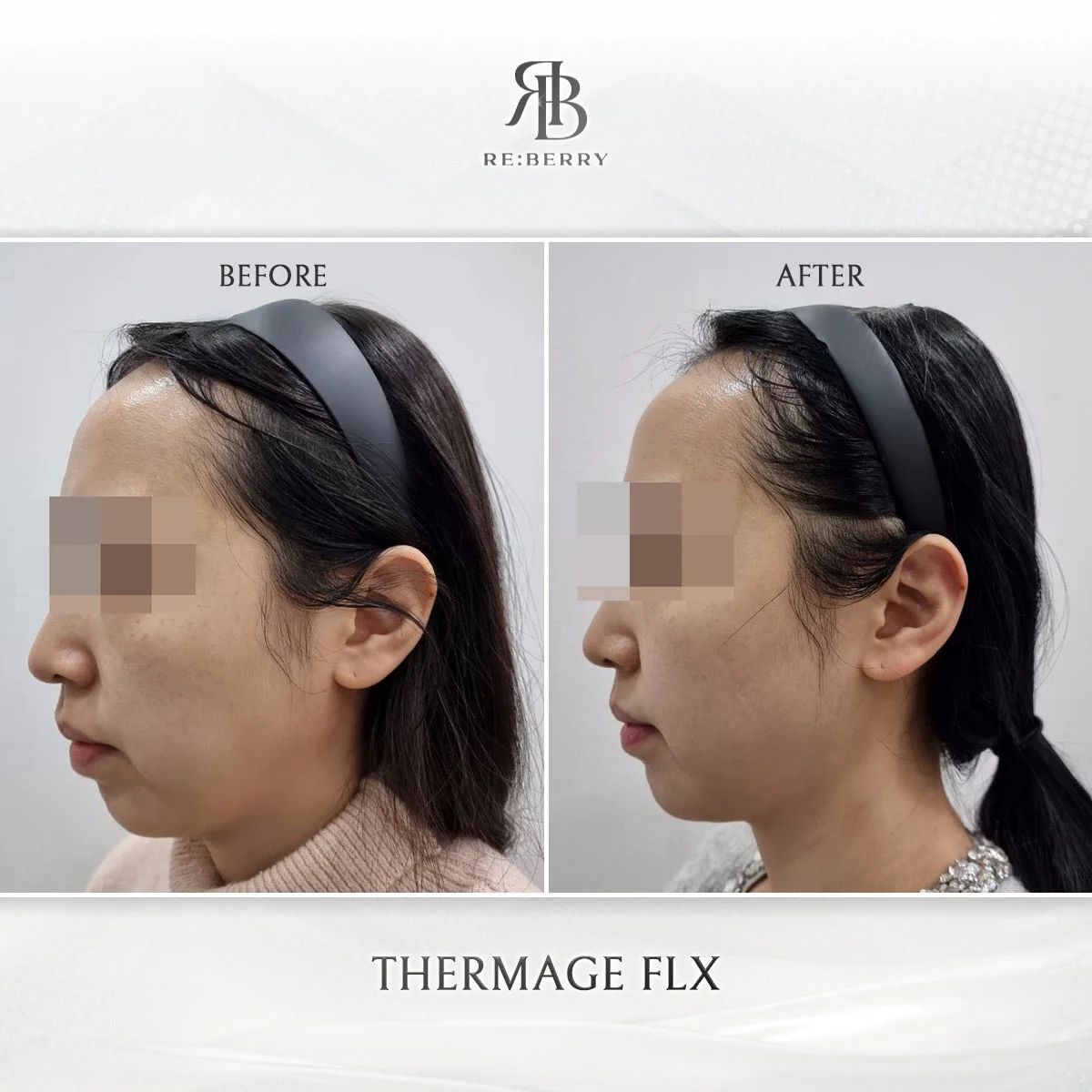
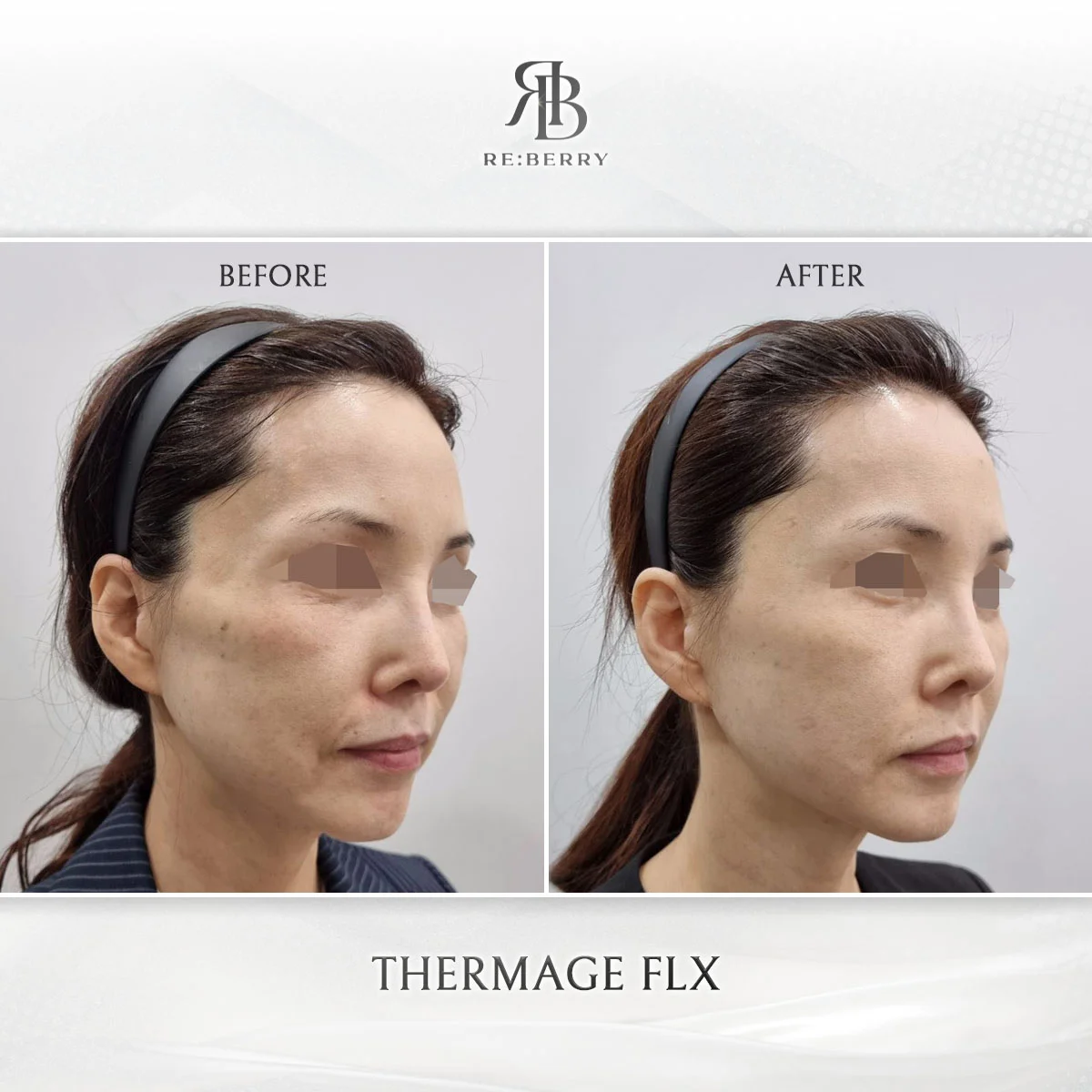
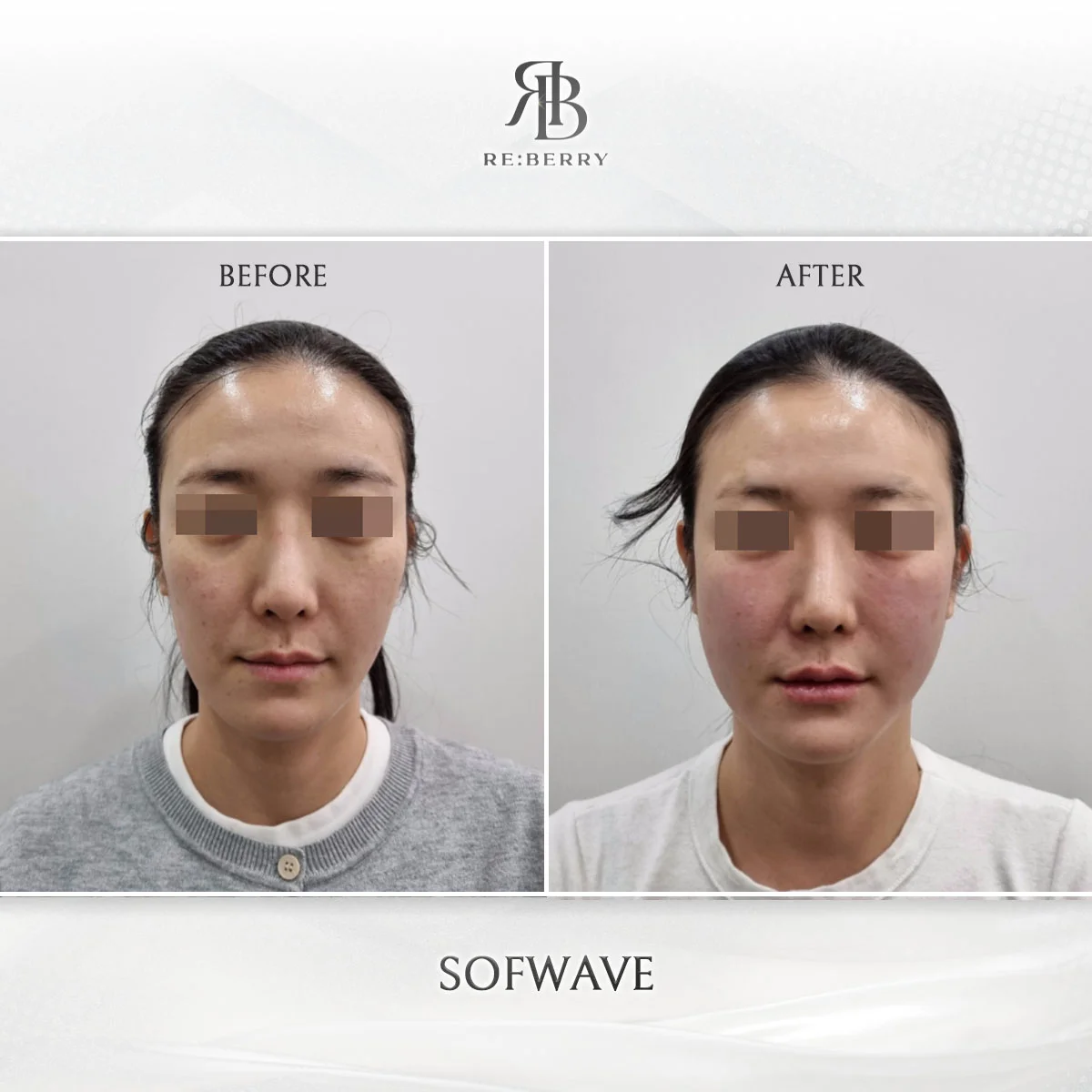
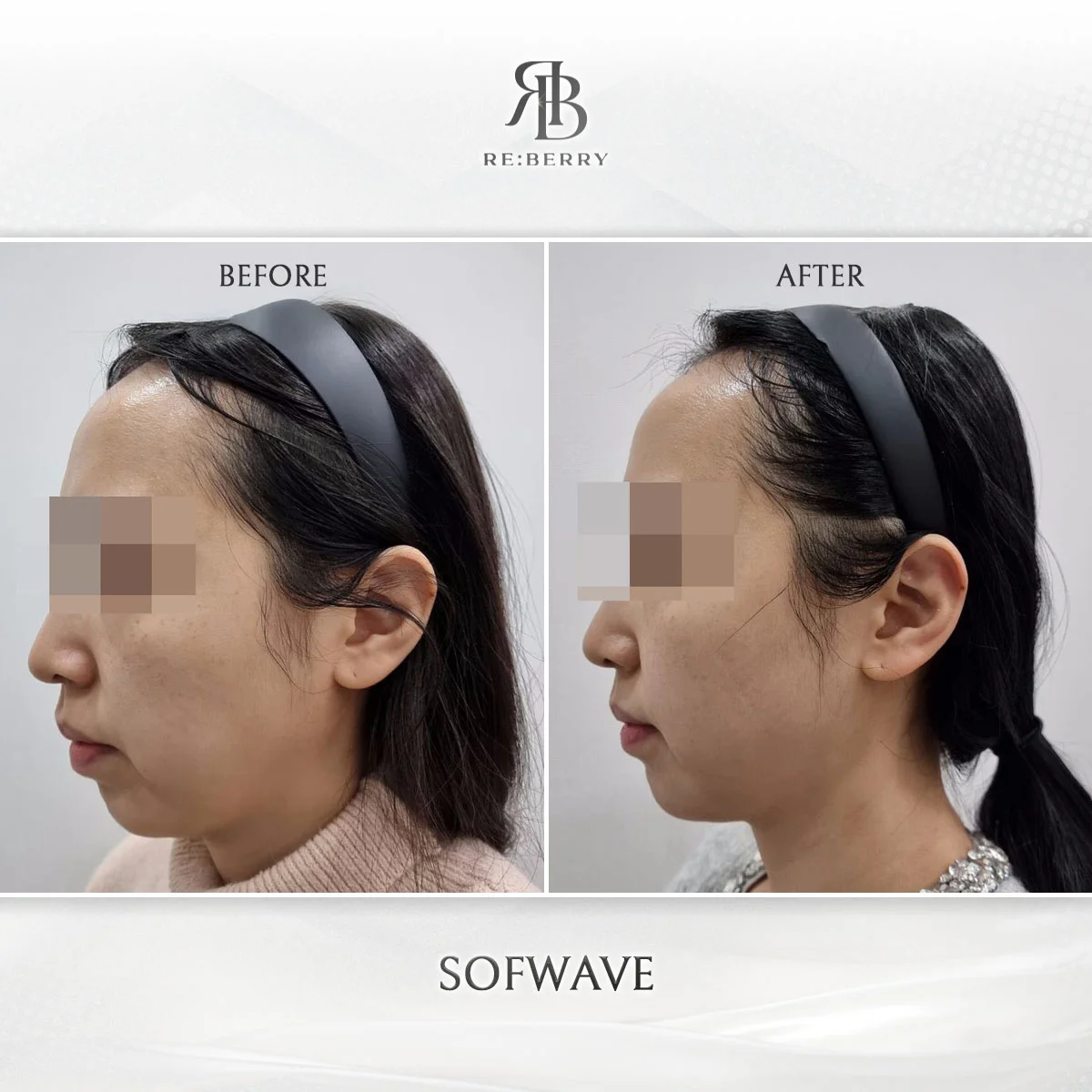
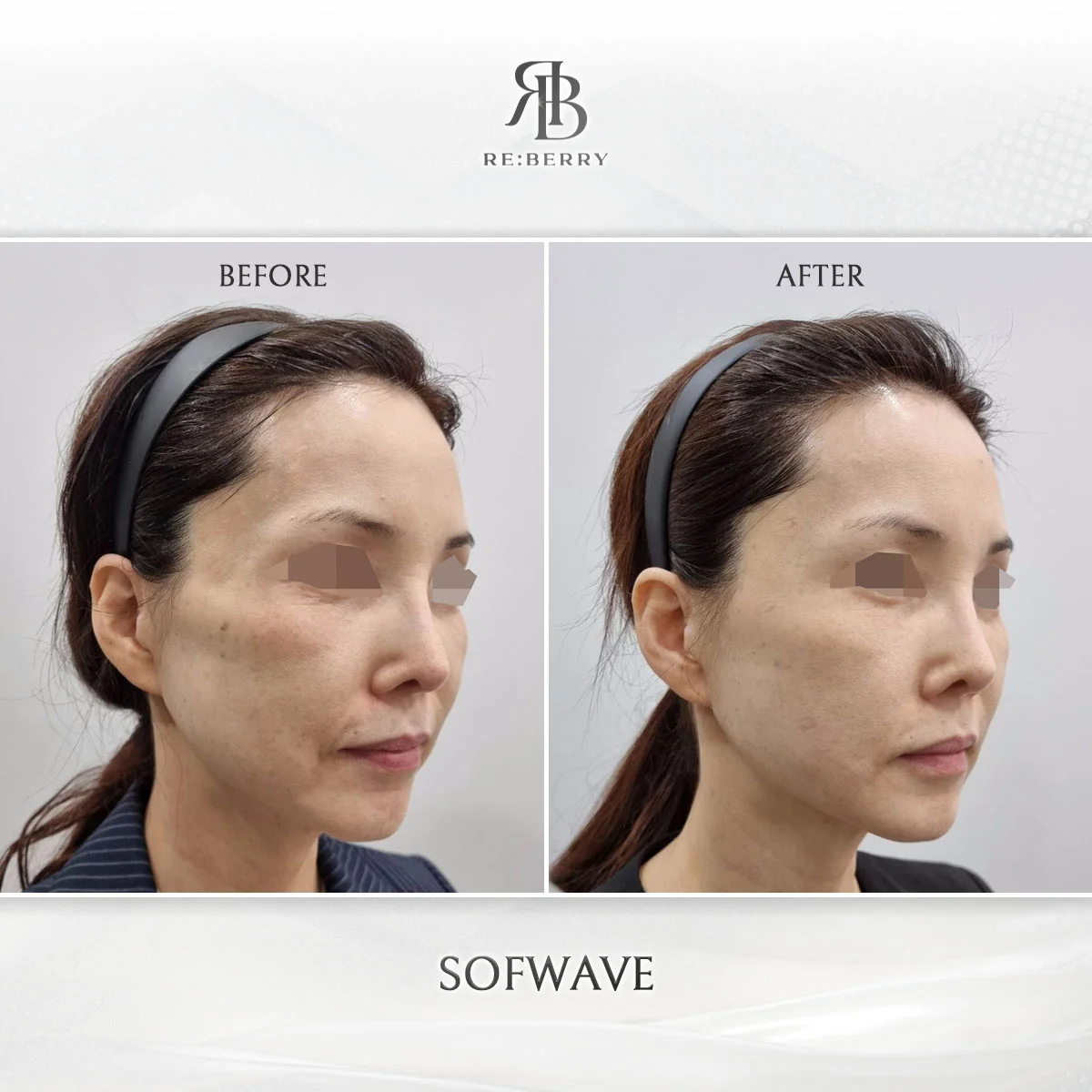
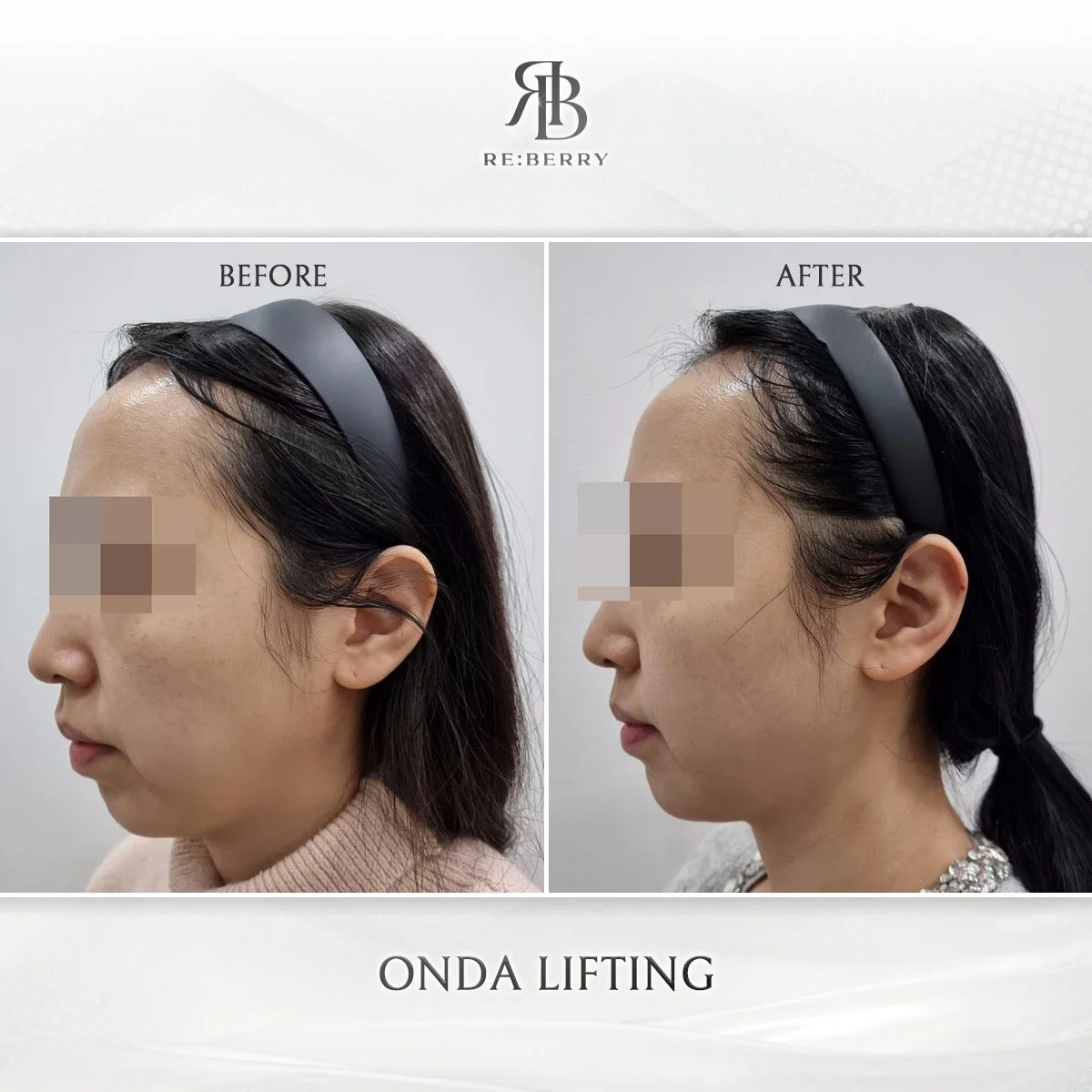
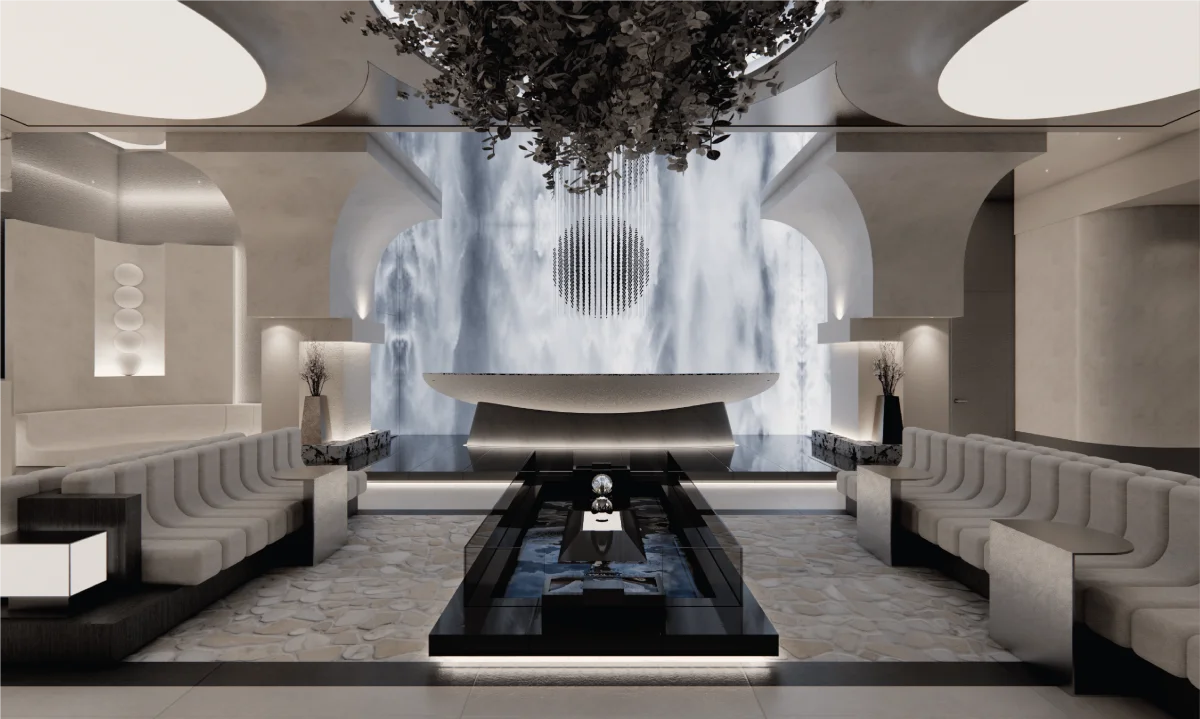
At our Gangnam (Seoul) location, Dr. Yoongon Ryu assesses your barrier, hydration, and texture in English, then designs a layered plan for your skin and travel dates.
A typical session combines a facial, a booster or peel, and homecare guidance, usually taking about 45 to 60 minutes in total.
Korean skincare runs as a series, so most plans span 3 to 5 sessions spaced 2 to 4 weeks apart for steady, compounding results.
Hydration and calmness often show within days, while tone, texture, and glow build across the full series over several weeks.
Because skin quality is maintained rather than fixed once, a ceramide- and niacinamide-based routine plus periodic top-ups sustain the glow.



Korean skincare treatment is clinical K-beauty: a doctor-led series that layers medical facials, hydrating skin boosters, and light peels to strengthen the barrier, deepen hydration, and refine tone. Rather than one aggressive procedure, it builds healthy, luminous skin gradually. You can explore the approach on our skin care page.
Korean skincare treats skin as a system across 3 pillars — barrier, hydration, and texture — rather than a single one-off facial. It combines cleansing, micro-injected boosters, and gentle peels in a planned series, so results compound over weeks. The clinic’s doctors sequence each step so skin is nourished, not over-stressed, which a standalone facial rarely does.
You can receive Korean skincare at our Gangnam (Seoul) location, about 2 minutes from Gangnam Station exit 10, where Dr. Yoongon Ryu leads consultations in English. Reberry Clinic also has Myeongdong and Incheon Airport locations, so international patients can choose the site that best fits their Seoul itinerary and follow-up schedule.
Most Korean skincare steps are gentle; facials and peels feel like mild tingling, while skin boosters involve fine needle pricks with numbing cream applied first. Discomfort is brief and well tolerated by most patients. Your doctor tailors intensity to your comfort and skin sensitivity, and can start conservatively if your skin reacts easily.
Downtime is usually minimal. Facials and boosters may leave brief redness or tiny bumps that settle within hours to a day, while light peels can cause mild flaking for a few days. Because the plan is low-downtime by design, most patients return to normal activities quickly, which suits busy travel schedules.
Most plans run 3 to 5 sessions spaced 2 to 4 weeks apart, since Korean skincare builds skin quality gradually rather than in one visit. The exact number depends on your skin condition and goals, which your doctor reviews between sessions. Occasional maintenance afterward helps sustain the glow over time.
Common boosters include hyaluronic-acid formulas for hydration and polynucleotide (salmon-DNA) boosters such as Rejuran for repair and elasticity. Your doctor selects the booster that matches your skin needs. Studies in Korean and Asian cohorts show measurable gains in glow, firmness, and hydration across a short series of sessions.
Korean skincare aims for the smooth, luminous “glass skin” look by improving hydration, barrier health, and even texture over a series. It works with your own skin biology rather than promising a fixed outcome. Consistency matters: results build across sessions and are sustained with a supportive homecare routine and periodic in-clinic top-ups.
Yes, Korean skincare pairs well with hydration-focused facials and boosters, and can precede or follow devices like lasers when appropriate. Your doctor sequences everything so the skin is not overloaded. Many patients add a hydrafacial for extra cleansing and glow between deeper booster sessions.
Korean skincare is often ideal for sensitive skin because it prioritises barrier repair and gentle, controlled steps over harsh treatments. Your doctor starts conservatively and adjusts based on how your skin responds. Ceramide- and niacinamide-based support helps calm reactivity, though active infections or open wounds must settle before any in-clinic procedure.
Side effects are usually mild and temporary: brief redness, tiny booster bumps, mild flaking after peels, or transient sensitivity. Serious reactions are uncommon when a trained doctor matches modalities to your skin type. A consultation screens for contraindications like recent sun exposure or isotretinoin use, reducing risk before any treatment begins.
Cost depends on which modalities your plan combines and how many sessions it runs, since facials, boosters, and peels each contribute differently. Because plans are individualised, the clinic’s doctors confirm your cost transparently at consultation rather than quoting one fixed figure. A tailored plan avoids paying for steps your skin does not actually need.
Most adults wanting brighter, better-hydrated, healthier-looking skin are suitable, including those with dryness, dullness, or mild texture concerns. A consultation grades your barrier, hydration, and texture to confirm the right plan. Skin with active infection or requiring isotretinoin review may need to wait, which your doctor will explain clearly upfront.
It boosts hydration in two ways: micro-injected boosters place water-binding ingredients into the dermis, while barrier-supporting homecare reduces moisture loss. A dedicated skin care routine keeps hydration high between visits. Clinical studies show ceramide-based care raises stratum-corneum moisture and lowers transepidermal water loss for up to 24 hours after use.
Daily broad-spectrum SPF, gentle non-stripping cleansing, and a ceramide- or niacinamide-based moisturizer are the essentials, plus avoiding harsh scrubs right after a peel. A supportive skin care plan protects your results between sessions. Your doctor gives specific homecare guidance matched to the modalities used in your program.
For a first session, 2 to 3 days is comfortable, allowing a consultation, one combined treatment, and a short review. Because the program runs as a series, many international patients begin in Seoul and continue across return visits. Our English-speaking team at the Gangnam location helps coordinate timing around your travel.
Yes, flying within a day is generally fine, since most Korean skincare steps are non-invasive to minimally invasive with little downtime. Cabin air is drying, so moisturise well and protect treated skin from sun. If you had a deeper peel, your doctor will advise on flaking and aftercare while you travel.
International patients can complete a Korean skincare series across one or more visits, and the clinic offers remote check-ins in English between trips to keep your plan on track. You can continue supportive skin care at home. Your treatment notes are kept on file so future sessions build on your progress.
| Korean Skincare Program | Skin Booster | Chemical Peel | |
|---|---|---|---|
| Mechanism | Layered facials, boosters and peels combined | Micro-injected hyaluronic acid or polynucleotides | Controlled acids that refine surface cells |
| Best for | Overall glow, barrier and long-term skin quality | Dehydration, dullness and fine-line hydration | Uneven tone, texture and clogged pores |
| Pain / comfort | Gentle overall; boosters use fine needles | Mild pin-prick with numbing applied | Mild tingling during application |
| Downtime | Minimal, planned around each modality | Minimal, with brief tiny bumps possible | Usually mild flaking for a few days |
| Results timeline | Builds steadily across the series | Hydration seen within days to weeks | Fresher tone as surface renews |
| Cost factors | Depends on how many modalities and sessions | Depends on product and number of sessions | Depends on peel depth and frequency |
Real verified reviews from our Google Business Profile, across all Reberry Clinic locations.
PULLED LIVE FROM GOOGLE · GANGNAM · MYEONGDONG · INCHEON AIRPORT
Your treatment is planned and performed by experienced, MFDS-registered doctors across our Seoul-area clinics, with multilingual support for international patients.
Flagship clinic · KOL for leading lifting & regenerative devices · Featured in Authority Magazine (2026)

Multilingual tourist care beside Myeongdong Cathedral

Fast, effective care 20 minutes from the terminals
Message us on WhatsApp for a free consultation in English about a tailored Korean skincare plan at our Gangnam (Seoul) location.