



Gangnam
Dr. Yoon-Gon Ryu
Aesthetic Medicine Specialist
Flagship clinic · KOL for leading lifting & regenerative devices · Featured in Authority Magazine (2026)


Autumn and winter, roughly October to March, are the most popular months for lasers and lifting because lower UV protects freshly treated skin across a healing window of 1 to 4 weeks.
The best time to visit Korea for a skin treatment clinic in Gangnam is generally autumn to winter, October through March, when lower UV and cooler weather protect laser, peel, and lifting results during healing. Timing really depends on the procedure and your travel window, so at our Gangnam (Seoul) location the plan is tailored to your dates.
One-on-One guidance from a dedicated doctor, ensuring your skin is professionally monitored and treated from start to finish.
Fluent assistance in English, Japanese, and Chinese, making communication clear, respectful and comfortable for international patients.
Over 100,000 patients worldwide have received our personalized dermatological care, highlighting our expertise and reliable results.
For most energy-based and resurfacing skin treatments, the best time to visit Korea is autumn or winter, roughly October to March, because lower ultraviolet exposure and cooler, less humid weather protect skin while it heals. Fresh laser, peel, or micro-needling results are sensitive to sun, so a lower-UV season reduces the risk of temporary pigment changes and helps outcomes settle cleanly. This is why many international patients plan Gangnam clinic visits around Korea’s cooler months.
That said, timing depends far more on the procedure than the calendar. Non-ablative lifting such as ultrasound or radiofrequency tightening has little sun sensitivity and can be done year-round, while pigment lasers, deeper peels, and resurfacing benefit most from a low-UV window and diligent sun protection afterward. Injectables and skin boosters are flexible on season but still need a few days for any swelling or pinpoint marks to settle before events.
At Reberry Clinic, planning is consultation-led. Dr. Yoongon Ryu and the clinic’s doctors at our Gangnam (Seoul) location review what you want treated, your travel dates, and how many days you can stay, then map a realistic timeline in English. International patients are supported across our three Seoul-area locations (Gangnam, Myeongdong, Incheon Airport), so the schedule can flex around your trip.
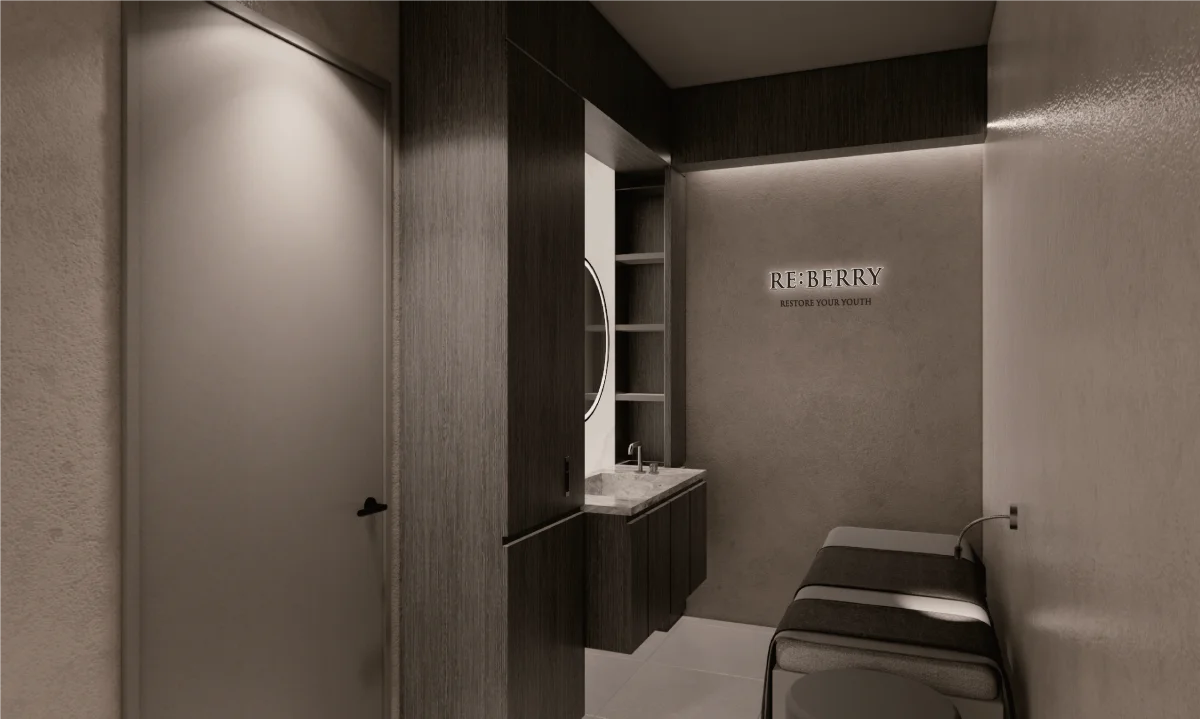
Skin treatments interact with your environment during recovery, so seasonal timing is a genuine clinical factor rather than a marketing idea. Ultraviolet exposure is the biggest variable: after pigment lasers, chemical peels, or fractional resurfacing, freshly treated skin has a temporary window of 1 to 4 weeks when it is more prone to post-inflammatory hyperpigmentation if exposed to strong sun. Korea’s autumn and winter, roughly October to March, carry a lower UV index than summer, which is why low-UV months are often preferred for these procedures. Heat and humidity add a second factor, since summer sweat and sun can irritate skin recovering from resurfacing. By contrast, non-ablative lifting such as ultrasound (HIFU) and radiofrequency works below the surface and is far less season-dependent, so it can be scheduled comfortably at any time of year with normal sun care. The practical takeaway is to match your visit window to how sun-sensitive your chosen procedure is, and to allow enough days on the ground for the first review, which is exactly what the clinic’s doctors plan at consultation.
One Reberry Clinic, multiple Seoul-area locations. Pricing & current promotions are listed on each branch's own site — tap a clinic to view pricing & book.
Our flagship in the heart of Gangnam.
In Seoul's shopping & tourism heart.
A beauty stop between flights.
The newest Reberry Clinic — in Seoul's trend district.
ONE REBERRY CLINIC · MFDS-REGISTERED DEVICES · MULTILINGUAL CARE AT EVERY LOCATION

Decide which 1 to 3 concerns you want treated, because sun-sensitive lasers and peels favour the lower-UV months of roughly October to March, while lifting is year-round.
Korea’s autumn and winter carry a lower UV index than summer, which better protects freshly treated skin during a 1 to 4 week healing window.
Allow at least 2 to 3 days for a first visit so a consultation, the procedure, and a short review fit comfortably into your trip.
If a wedding or holiday is the goal, book 2 to 4 weeks ahead so any swelling, redness, or peeling has time to settle before the day.
The clinic’s doctors at our Gangnam (Seoul) location finalise your timeline in English, adjusting to your dates rather than a single fixed calendar.
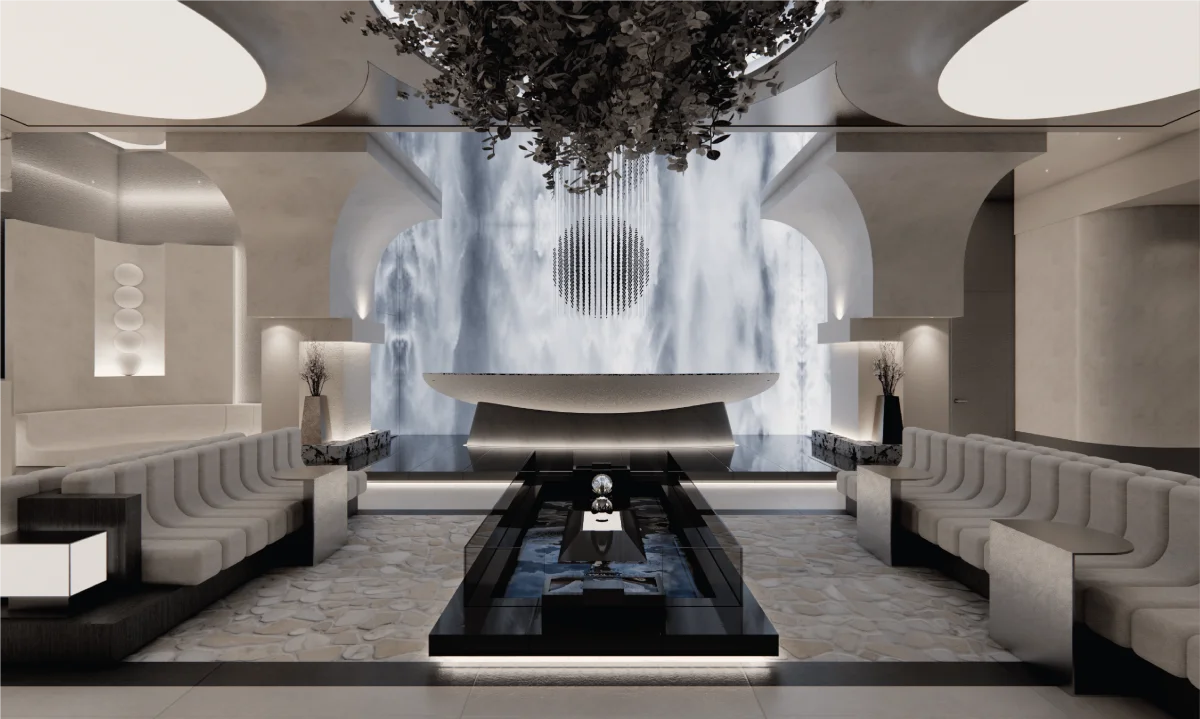
See representative outcomes from Reberry Clinic. Results build gradually and vary by individual; your plan is assessed at consultation.
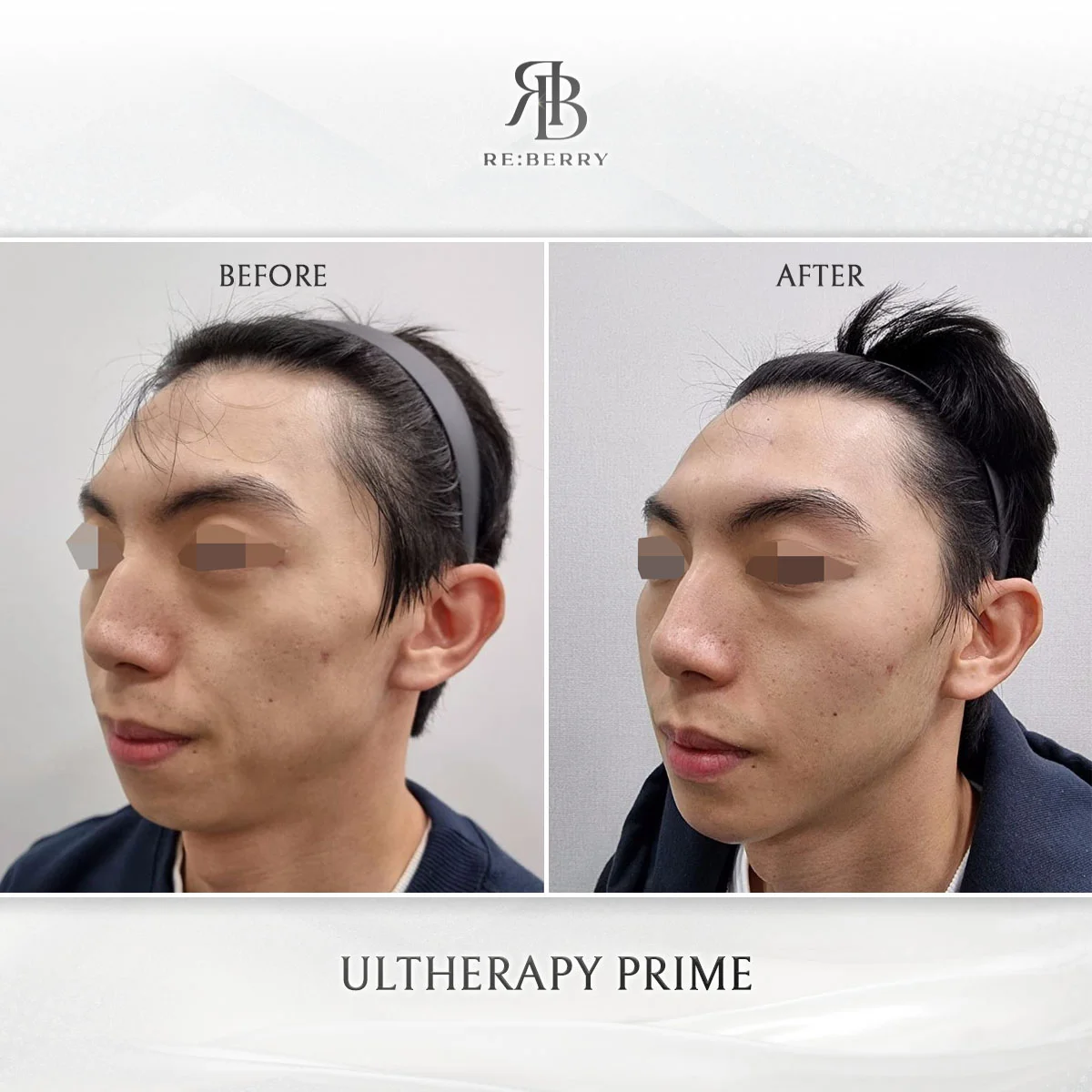
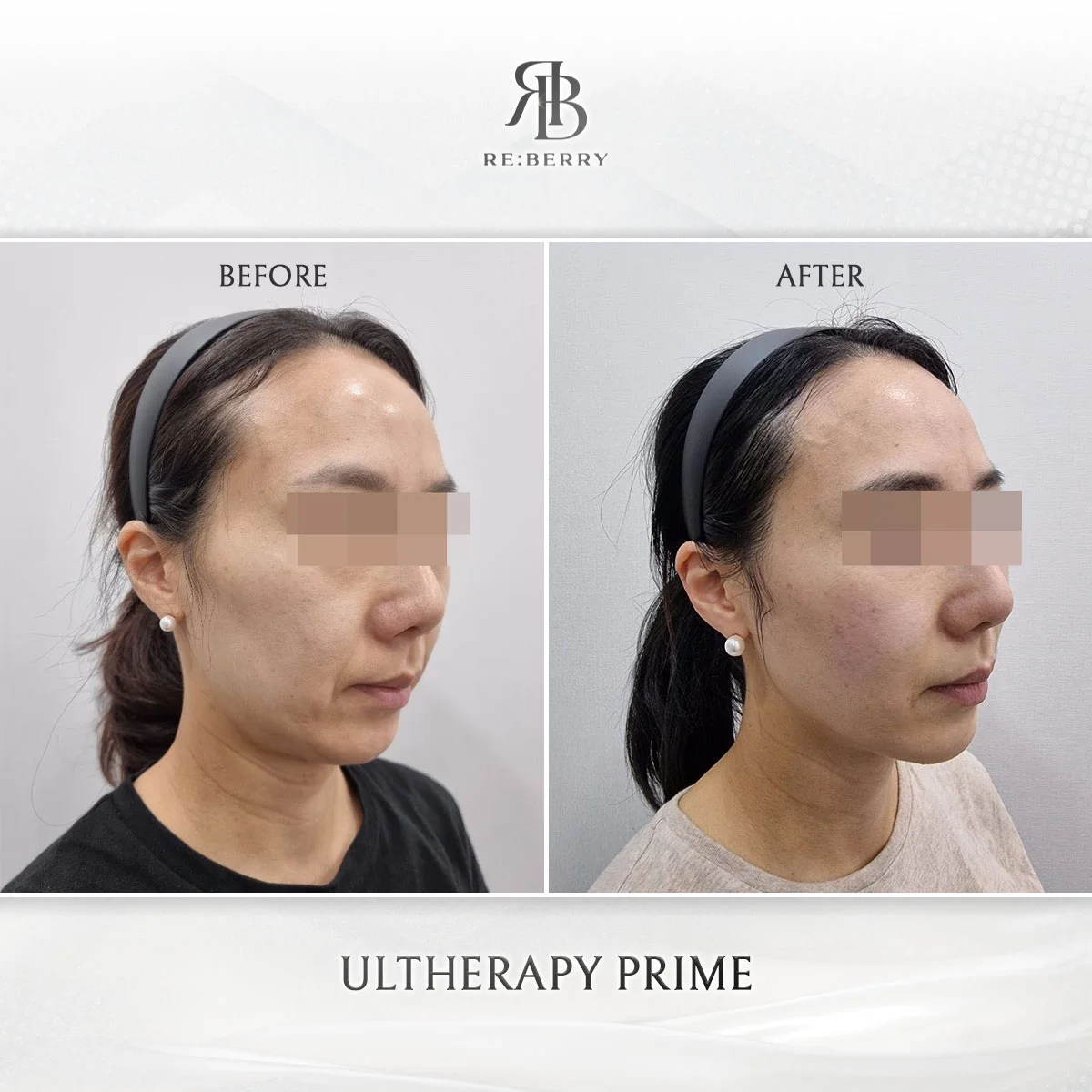
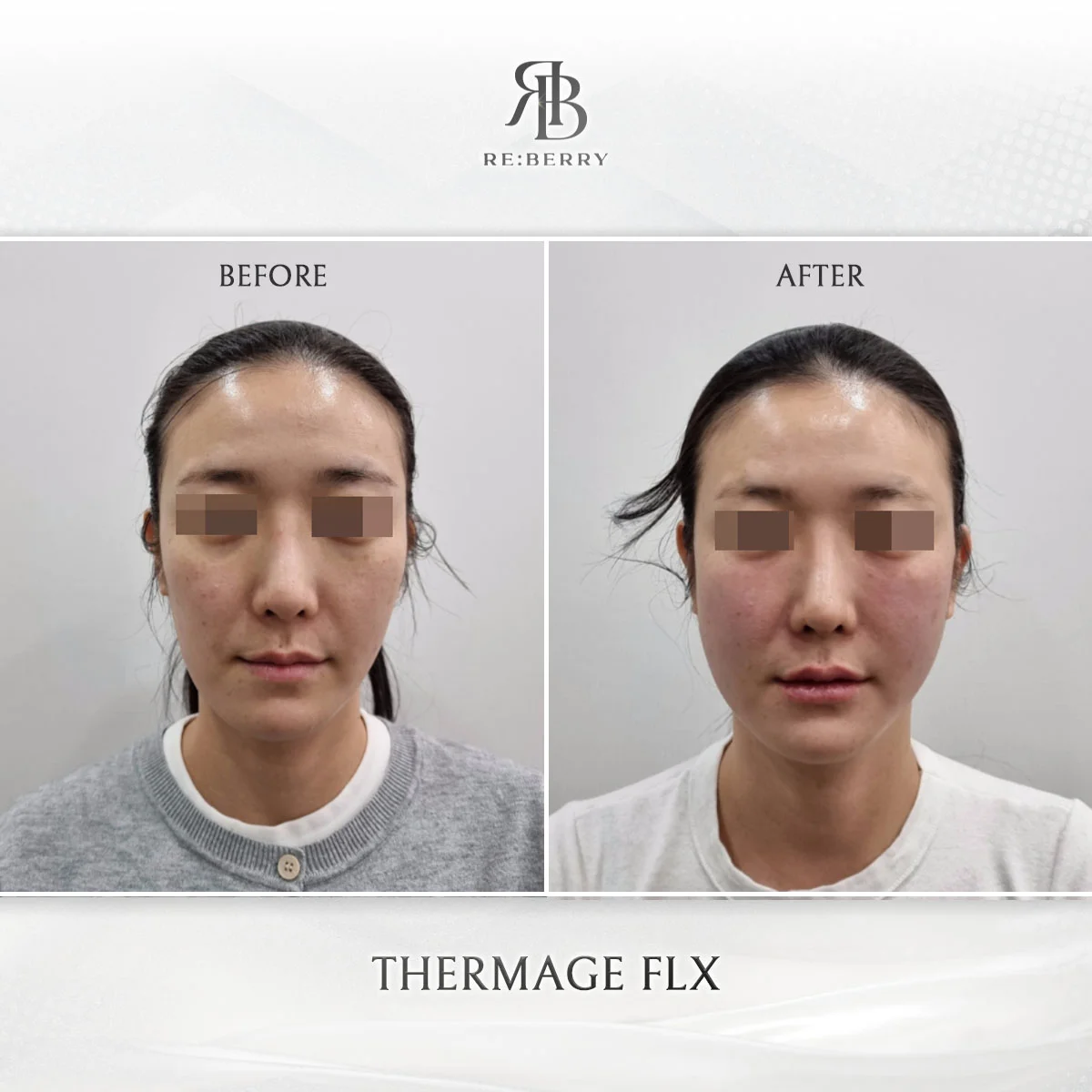
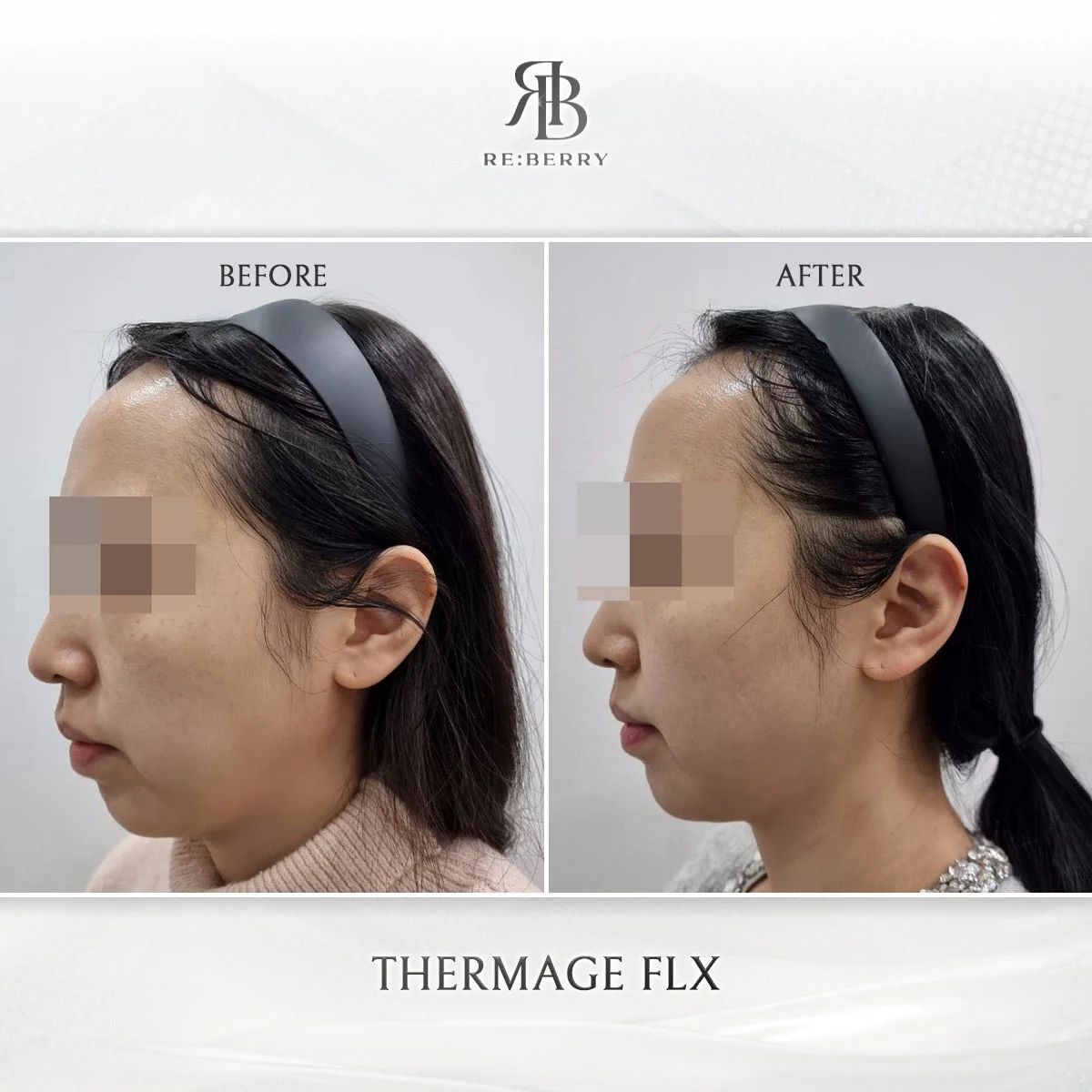
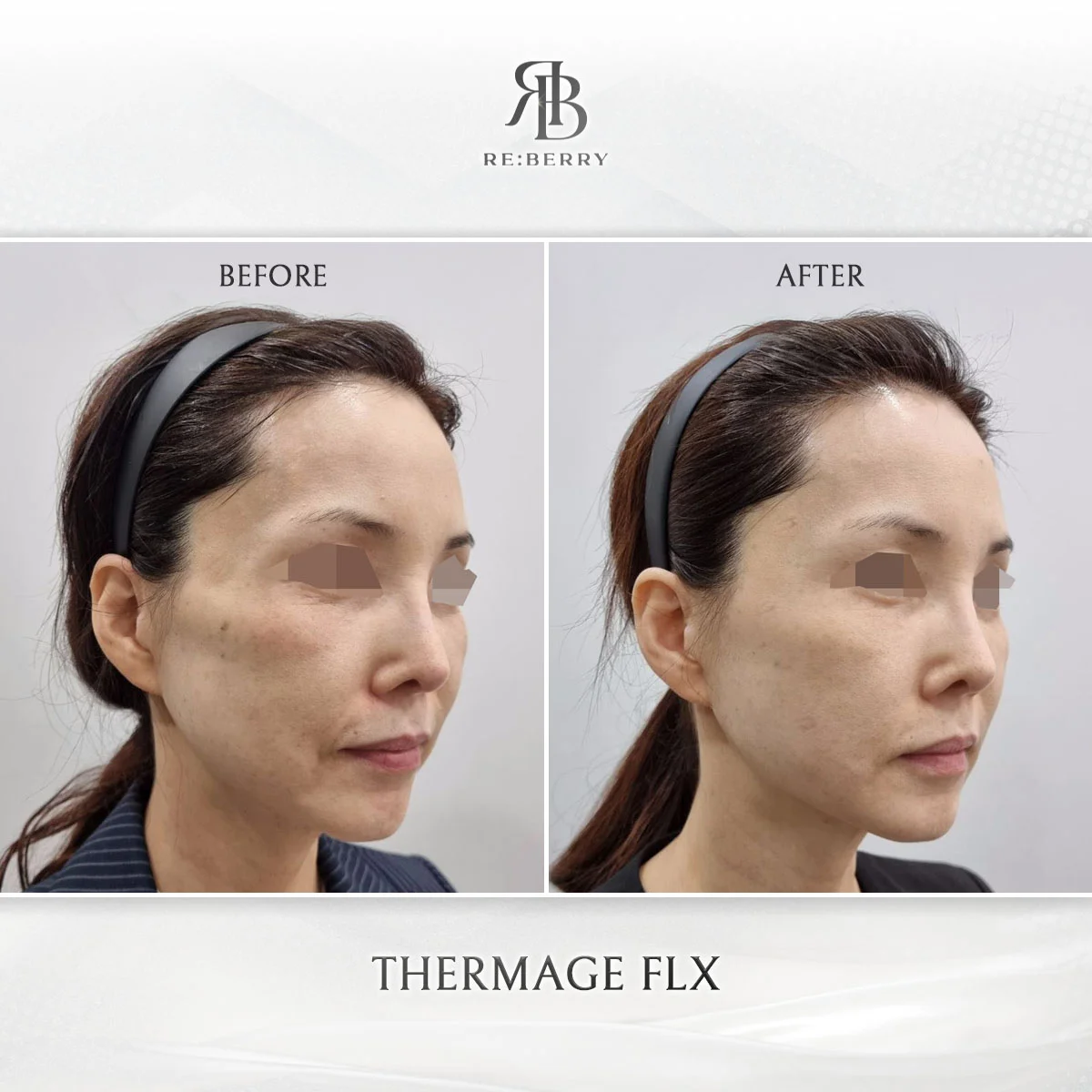
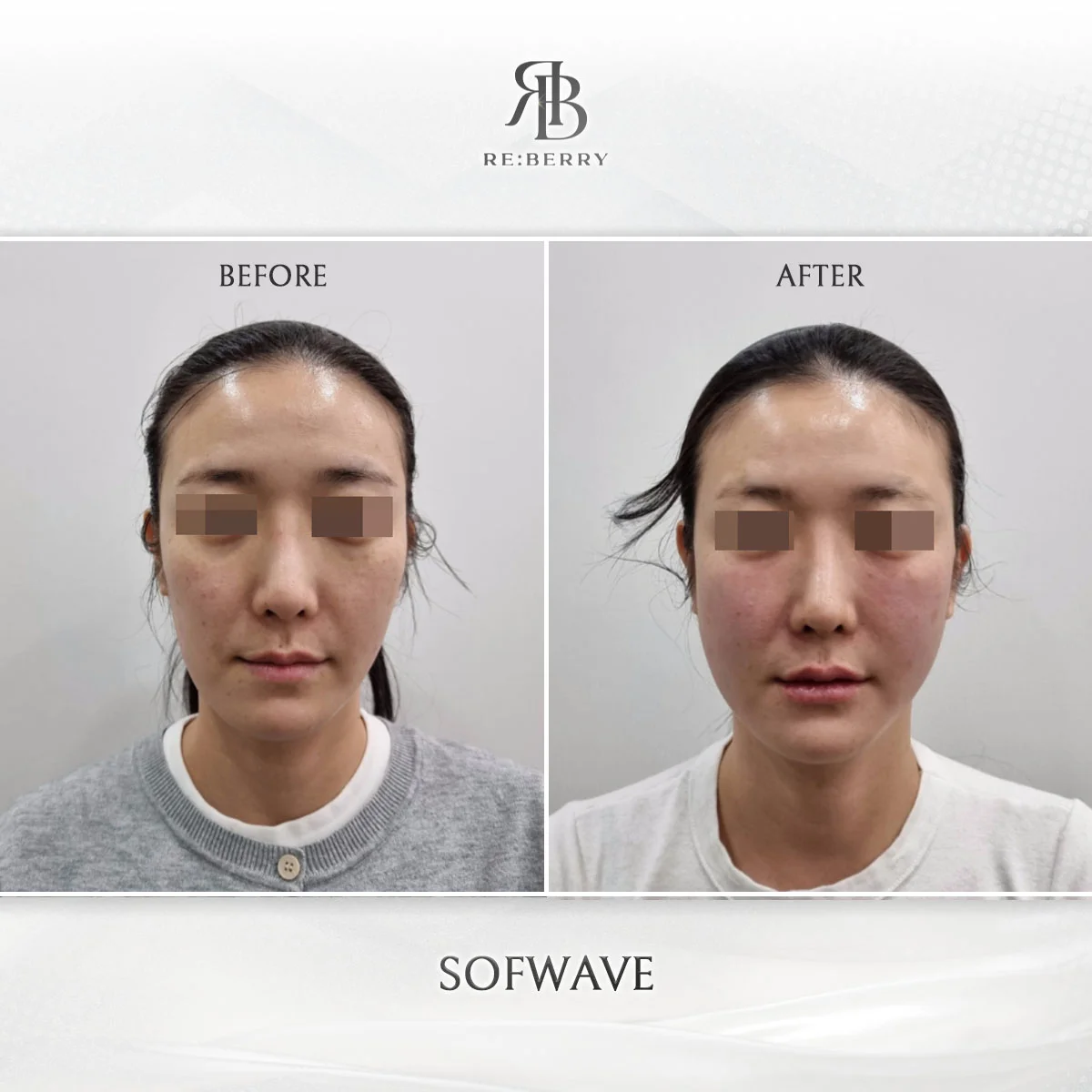
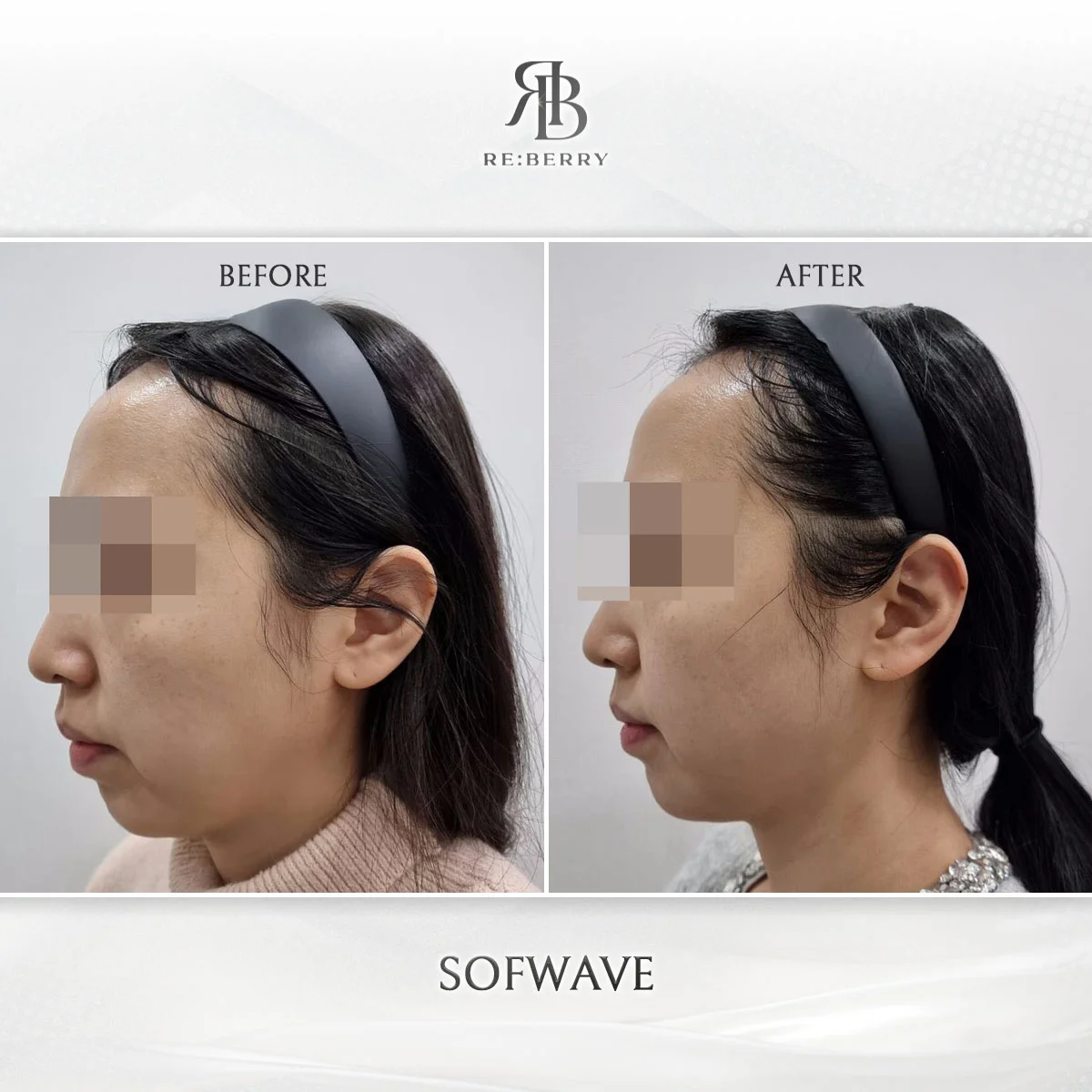
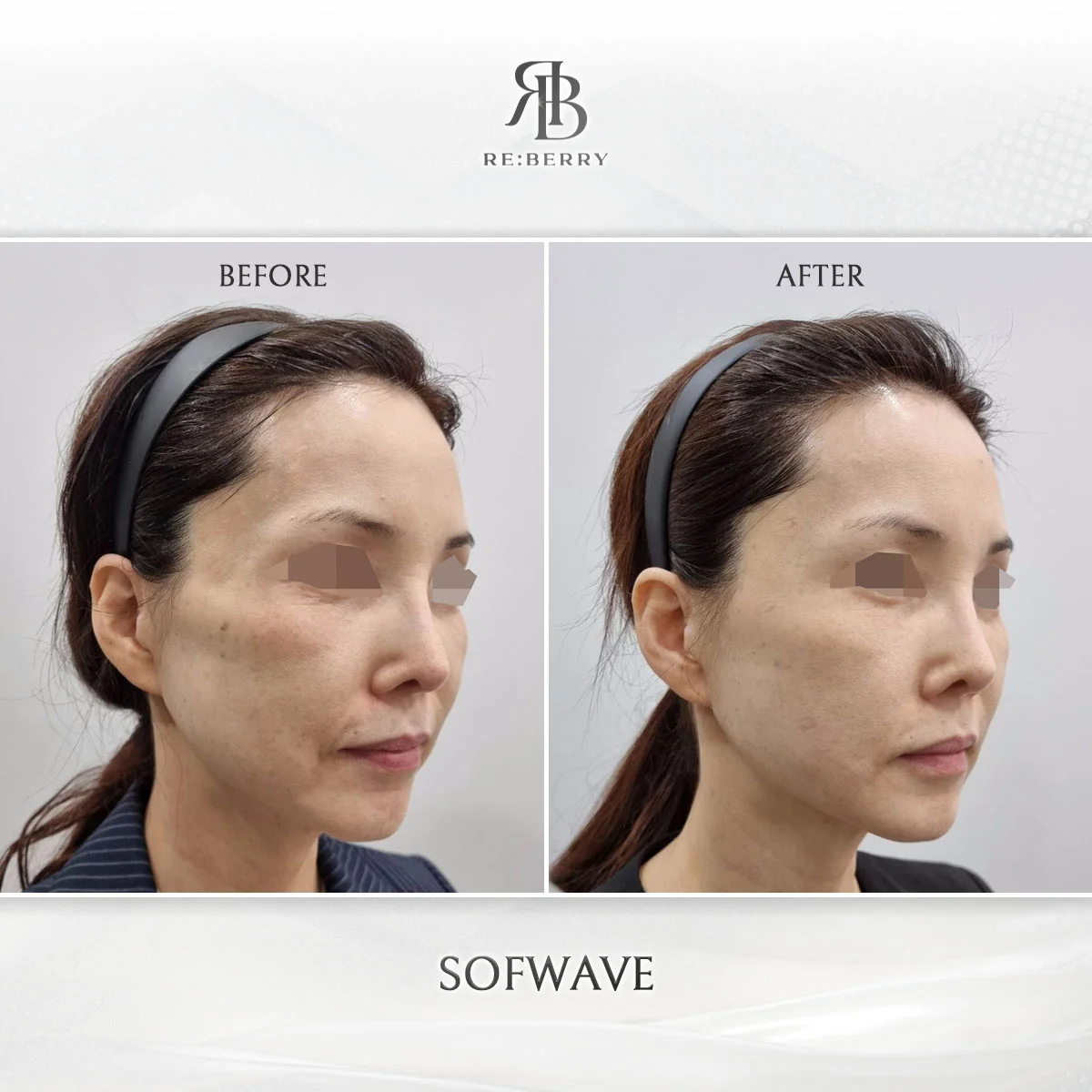
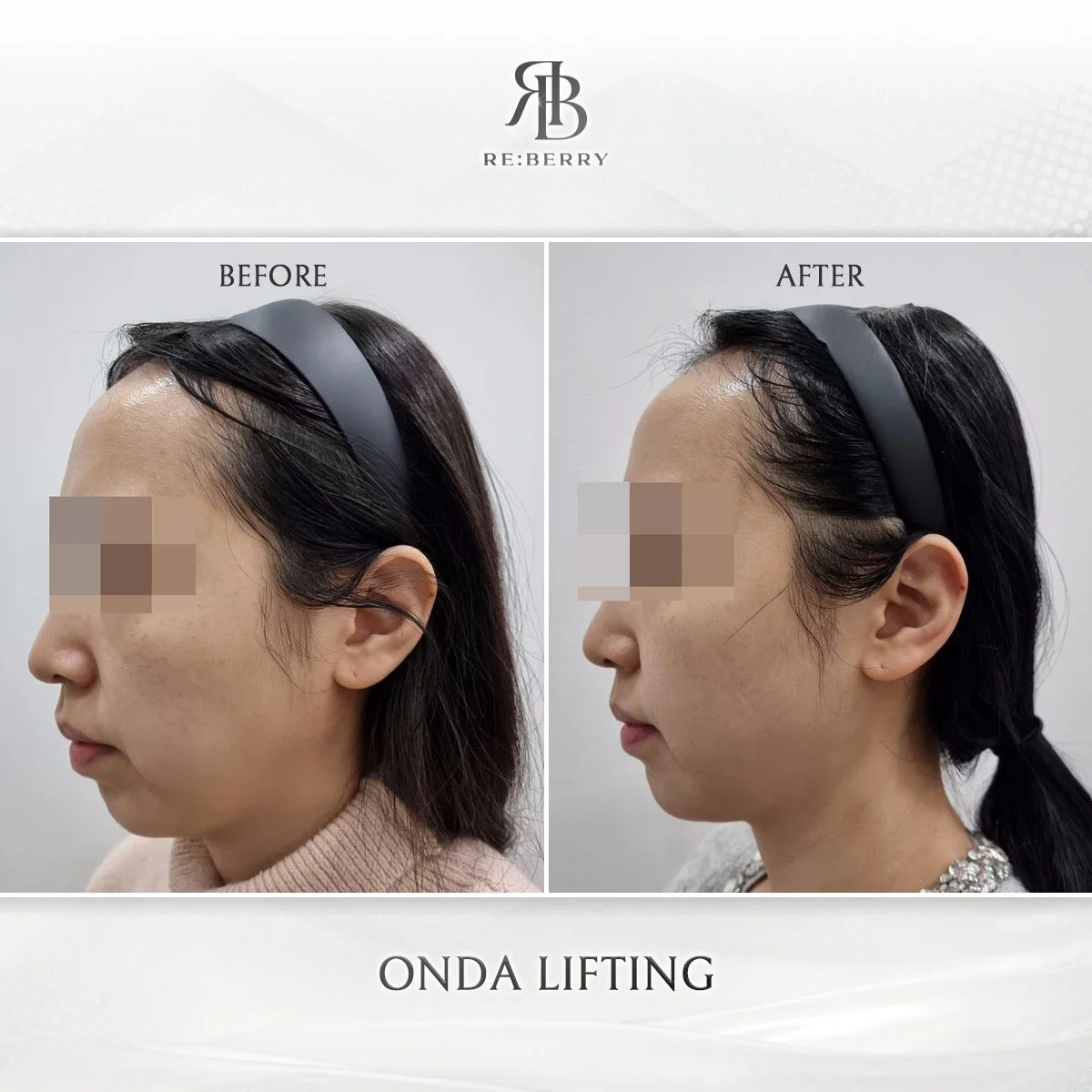
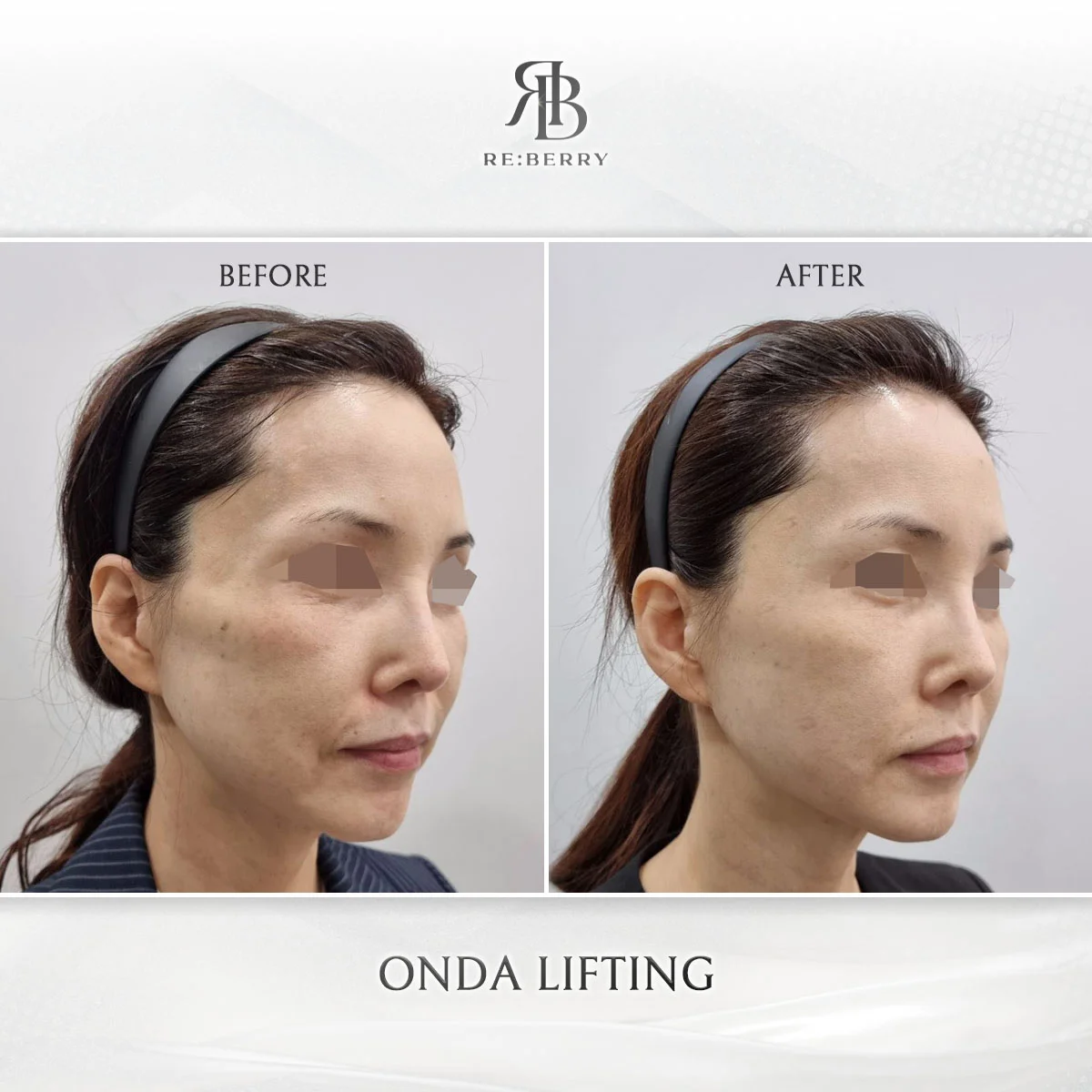
Dr. Yoongon Ryu and the clinic’s doctors review your goals, travel dates, and skin type, then recommend the best season and timeline in English.
Your first session usually takes about 20 to 60 minutes depending on the procedure, with numbing where needed for comfort.
Plan at least 2 to 3 days in Seoul so a consultation, the treatment, and a short review fit into one trip.
Lasers and peels settle over 1 to 4 weeks, while lifting builds over 2 to 3 months, so timing is matched to your event.
Daily sunscreen and gentle skincare protect results year-round, and the clinic explains aftercare you can follow at home.



Autumn and winter, roughly October to March, are usually best for lasers, peels, and resurfacing because lower UV protects skin during a 1 to 4 week healing window. Lifting and injectables are far more flexible on season. You can start planning on our skin care page and confirm timing at consultation.
Yes, season affects results mainly through UV exposure and heat during recovery. Freshly treated skin from pigment lasers or peels is more prone to temporary pigment changes in strong sun, so lower-UV months help. Cooler, less humid weather is also kinder to healing skin, which is why many patients choose autumn or winter.
Yes, you can treat in summer, but the plan shifts toward less sun-sensitive options like ultrasound or RF lifting and injectables, with strict sun protection afterward. Deeper resurfacing and pigment lasers are often better in cooler months. Our doctors adjust the plan to your dates, so summer visits are still worthwhile.
Non-ablative lifting such as ultrasound and radiofrequency, plus most injectables and skin boosters, can be scheduled year-round because they carry little photosensitivity. You can explore year-round options like Ultherapy Prime and firming treatments, and confirm suitability for your travel window at consultation.
For a first visit, plan at least 2 to 3 days so a consultation, the procedure, and a short review fit comfortably. Multi-step plans or combined treatments may need a little longer. Our English-speaking team helps coordinate timing around your flights so nothing feels rushed on the day.
Book about 2 to 4 weeks before a wedding, holiday, or big event so any swelling, redness, or peeling has time to settle. Lifting results build over 2 to 3 months, so those are planned even earlier. Your doctor maps the timeline backward from your event date at consultation.
Winter is often ideal for pigment lasers and resurfacing because Korea’s UV index is lower and freshly treated skin is less exposed to strong sun. Cooler, drier air is also gentler during the 1 to 4 week healing window. Diligent sunscreen still matters, since UV reflects off snow and passes through clouds.
Our Gangnam (Seoul) location, about 2 minutes from Gangnam Station exit 10, is a convenient base for international patients, with Dr. Yoongon Ryu and the clinic’s doctors. We also have Myeongdong and Incheon Airport locations, so you can choose the site that best fits your itinerary.
Cost is driven by your procedures and the number of sessions, not the calendar, so season itself does not set the price. Because plans are individualised, the clinic’s doctors confirm your cost at consultation. Timing your visit well mainly protects your results and comfort rather than changing what you pay.
Downtime depends on the procedure, so it is worth planning around. Lifting and injectables usually allow normal activity quickly, while peels and resurfacing may bring a few days of redness or flaking. Tell the clinic your itinerary, and the plan can be sequenced so treatment fits your trip. See our skin care overview.
Spring, roughly April to June, is comfortable for most treatments as long as you apply diligent daily sunscreen, since UV is rising toward summer levels. It suits a wide mix of lasers, lifting, and injectables. Our doctors will note any sun-sensitive procedures that are better held for the cooler months.
Often yes, and combining is a common reason international patients travel, but sequencing matters so skin is not over-stressed. Some procedures pair well on the same visit, while others are spaced days apart. A consultation maps a safe order across your skin care priorities and confirms how many days to budget.
Broad-spectrum sunscreen every day, gentle non-irritating skincare, and avoiding heat or friction on treated skin are the essentials in any season. These protect results and lower pigment risk. You can build a supportive skin care routine that your doctor tailors to the procedures you have.
Yes, flying within a day or so is generally fine for most non-invasive to minimally invasive skin treatments. Cabin air is drying, so moisturise and protect treated skin. If you had deeper resurfacing, your doctor will give tailored travel aftercare and advise the safest gap before your flight.
International patients can complete a plan across one or more visits, and the clinic offers remote check-ins in English between trips so progress stays on track. Your treatment notes are kept on file for continuity. You can also continue supportive care at home while planning any return visit around the right season.
It helps to plan around major Korean holidays such as Seollal and Chuseok, when clinics and transport are busier and some services adjust hours. Booking early keeps your preferred dates open. Our English-speaking team can flag holiday periods and suggest smoother windows when you coordinate your appointment.
There is no truly off-limits season, but midsummer is the trickiest for sun-sensitive lasers and peels because high UV and humidity raise pigment risk and irritation. If summer is your only window, our doctors lean toward less photosensitive options and stricter aftercare so your trip still delivers meaningful results.
| Autumn / Winter (Oct-Mar) | Spring (Apr-Jun) | Summer (Jul-Sep) | |
|---|---|---|---|
| UV level | Lower UV, easier on healing skin | Rising UV, moderate care needed | High UV, strict sun protection required |
| Best for | Pigment lasers, peels, resurfacing | Most procedures with good sun care | Non-ablative lifting, injectables |
| Weather comfort | Cool and dry, kind to recovery | Mild, generally comfortable | Hot and humid, can irritate skin |
| Crowds and travel | Popular for treatments, book early | Steady, moderate demand | Peak tourism, plan ahead |
| Aftercare focus | Standard moisturising and SPF | Diligent daily sunscreen | Intensive sun avoidance and SPF |
| Cost factors | Depends on procedures and sessions | Depends on procedures and sessions | Depends on procedures and sessions |
Real verified reviews from our Google Business Profile, across all Reberry Clinic locations.
PULLED LIVE FROM GOOGLE · GANGNAM · MYEONGDONG · INCHEON AIRPORT
Your treatment is planned and performed by experienced, MFDS-registered doctors across our Seoul-area clinics, with multilingual support for international patients.
Flagship clinic · KOL for leading lifting & regenerative devices · Featured in Authority Magazine (2026)

Multilingual tourist care beside Myeongdong Cathedral

Fast, effective care 20 minutes from the terminals
Message us on WhatsApp for a free consultation in English to plan the best time and timeline for your skin treatment in Gangnam, Seoul.