



Gangnam
Dr. Yoon-Gon Ryu
Aesthetic Medicine Specialist
Flagship clinic · KOL for leading lifting & regenerative devices · Featured in Authority Magazine (2026)


In 2024 over 1.17 million international patients came to Korea, 85% treated in Seoul, so timing your trip well, from season to session count, shapes both convenience and cost.
The best time to visit Korea for skin treatment is when your treatment, its downtime, and the season align with your schedule. Autumn and winter suit laser and resurfacing because sun exposure is lower, while boosters and lifting work year-round. Cost depends on your plan, not the season, and is confirmed at consultation in Gangnam, Seoul.
One-on-One guidance from a dedicated doctor, ensuring your skin is professionally monitored and treated from start to finish.
Fluent assistance in English, Japanese, and Chinese, making communication clear, respectful and comfortable for international patients.
Over 100,000 patients worldwide have received our personalized dermatological care, highlighting our expertise and reliable results.
The best time to visit Korea for skin treatment is less about a fixed month and more about matching three things: the treatment you want, how much recovery it needs, and the season you travel in. A picosecond laser or resurfacing session, for example, is more comfortable in autumn or winter when daily sun exposure is lower, since sun sensitivity afterwards is a real factor. Skin boosters, hydrating facials, and energy-based lifting, by contrast, work well in any season, so those trips can be planned around your calendar rather than the weather.
Season also shapes the practical experience. Korea’s spring (March to May) and autumn (September to November) are mild and popular, summer (June to August) is hot and humid with strong UV, and winter (December to February) is cold and dry. For an international patient, the takeaway is that timing affects comfort and aftercare more than it affects the treatment’s effectiveness, and that a short buffer for any redness or peeling should be built into the itinerary.
At Reberry Clinic, trip timing is consultation-led. The clinic’s doctors at our Gangnam (Seoul) location, about 2 minutes from Gangnam Station exit 10, review your goals and treatment in English before you travel, so you know how many days to stay, when in the year suits your plan, and what drives the cost. Reberry Clinic serves international patients across three Seoul-area locations (Gangnam, Myeongdong, Incheon Airport), so timing can be planned around your flights and schedule.
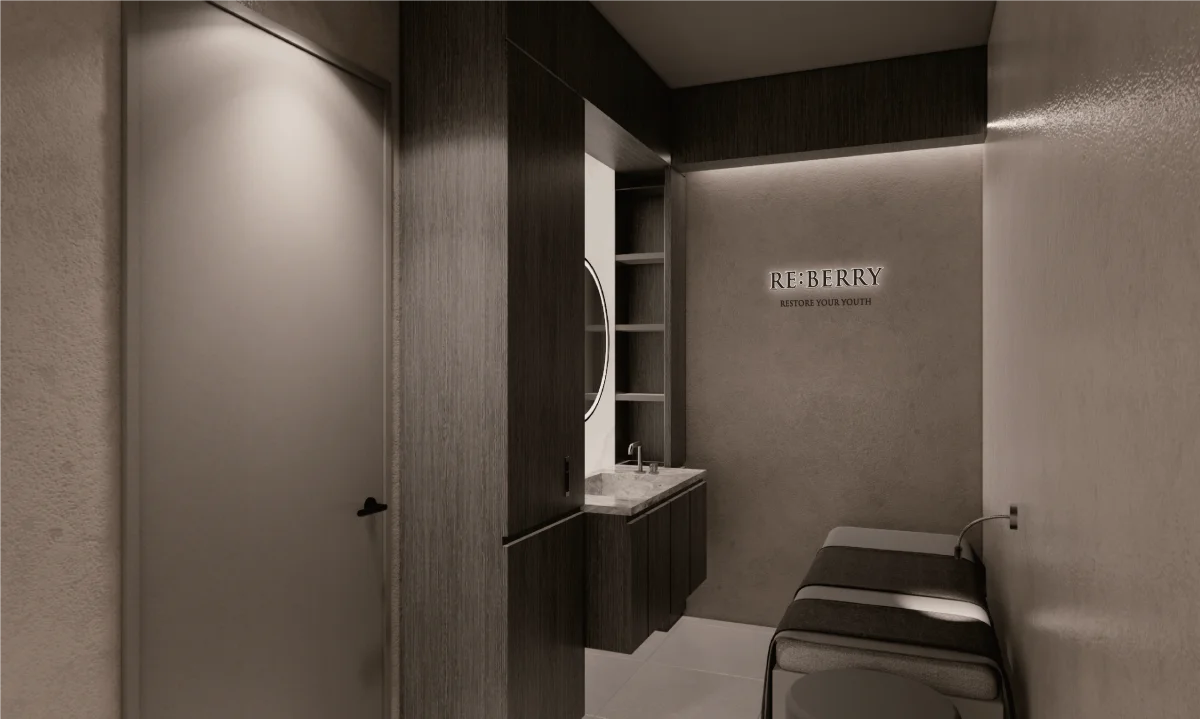
Different treatments interact with the calendar in different ways, which is why there is no single best month for everyone. Light- and laser-based treatments such as pigment lasers, toning, and fractional resurfacing temporarily raise sun sensitivity, so many patients prefer the lower-UV months of autumn and winter to make strict sun protection easier, though summer treatment is still possible with diligent sunscreen and shade. Injectable skin boosters, polynucleotide treatments, and energy-based lifting such as micro-focused ultrasound or radiofrequency do not depend on season and can be scheduled whenever suits your travel. Downtime is the second variable: a gentle facial has essentially no recovery and fits a tight trip, while resurfacing or microneedling may leave a few days of redness that you may prefer not to have during peak sightseeing or a beach leg of your holiday. The clinic’s doctors sequence treatment and aftercare so your visit uses its days efficiently, which is why the final plan, and its cost, is set after assessment rather than picked from a seasonal menu.
One Reberry Clinic, multiple Seoul-area locations. Pricing & current promotions are listed on each branch's own site — tap a clinic to view pricing & book.
Our flagship in the heart of Gangnam.
In Seoul's shopping & tourism heart.
A beauty stop between flights.
The newest Reberry Clinic — in Seoul's trend district.
ONE REBERRY CLINIC · MFDS-REGISTERED DEVICES · MULTILINGUAL CARE AT EVERY LOCATION

Choose lower-UV autumn or winter for the 2 sun-sensitive categories, laser and resurfacing, and any season for boosters, facials, and lifting.
Add 2 to 3 buffer days if your plan includes resurfacing or microneedling, so any redness settles before key sightseeing or your flight home.
Most non-surgical plans need 2 to 5 days in Seoul for a consultation, treatment, and a short review, which the doctors confirm for your case.
Staying near 1 Gangnam hub keeps consultation and treatment within a short walk, saving time on a limited trip.
Because plans are individualised, the clinic’s doctors set your transparent cost after assessment in English, rather than by season or a single fixed figure.
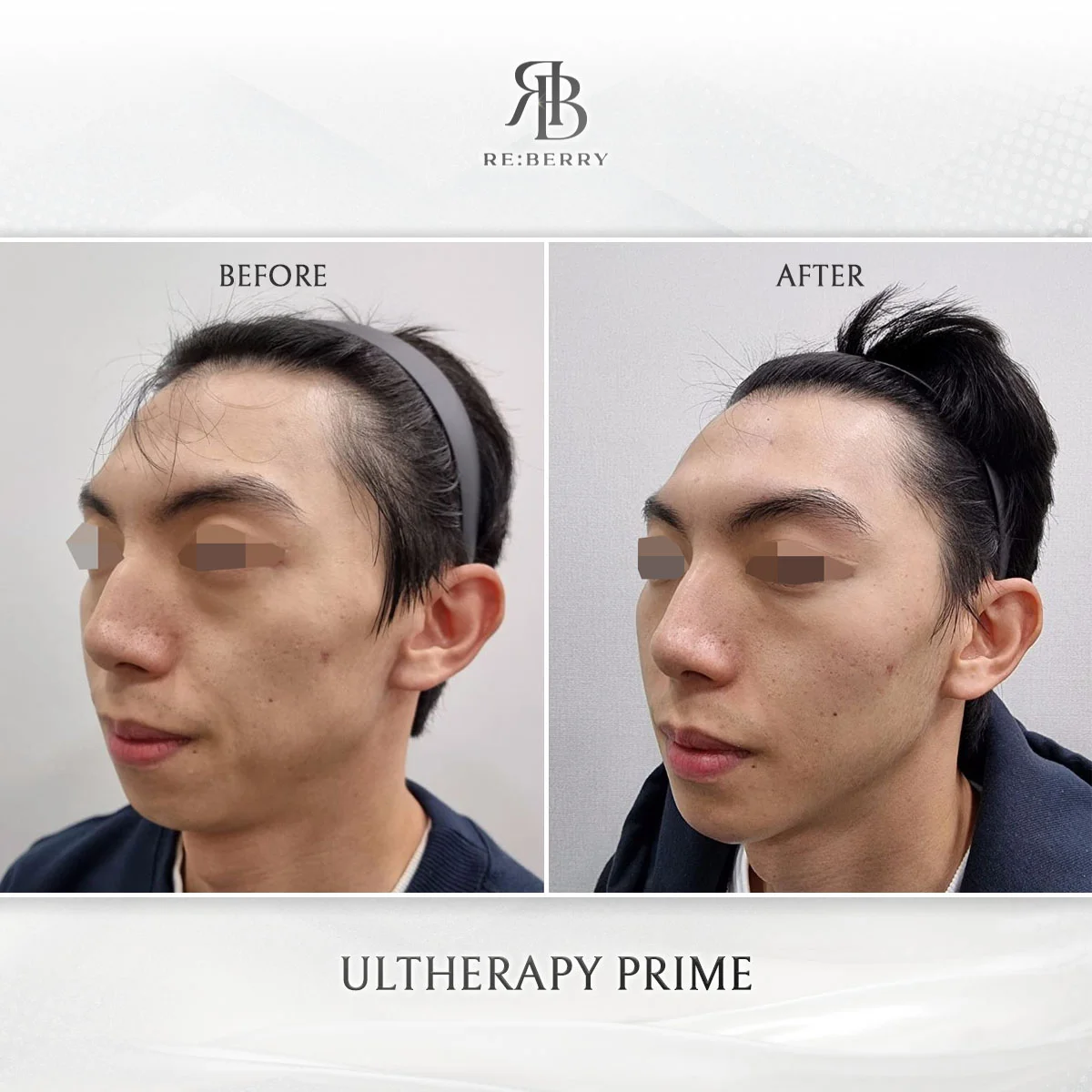
See representative outcomes from Reberry Clinic. Results build gradually and vary by individual; your plan is assessed at consultation.
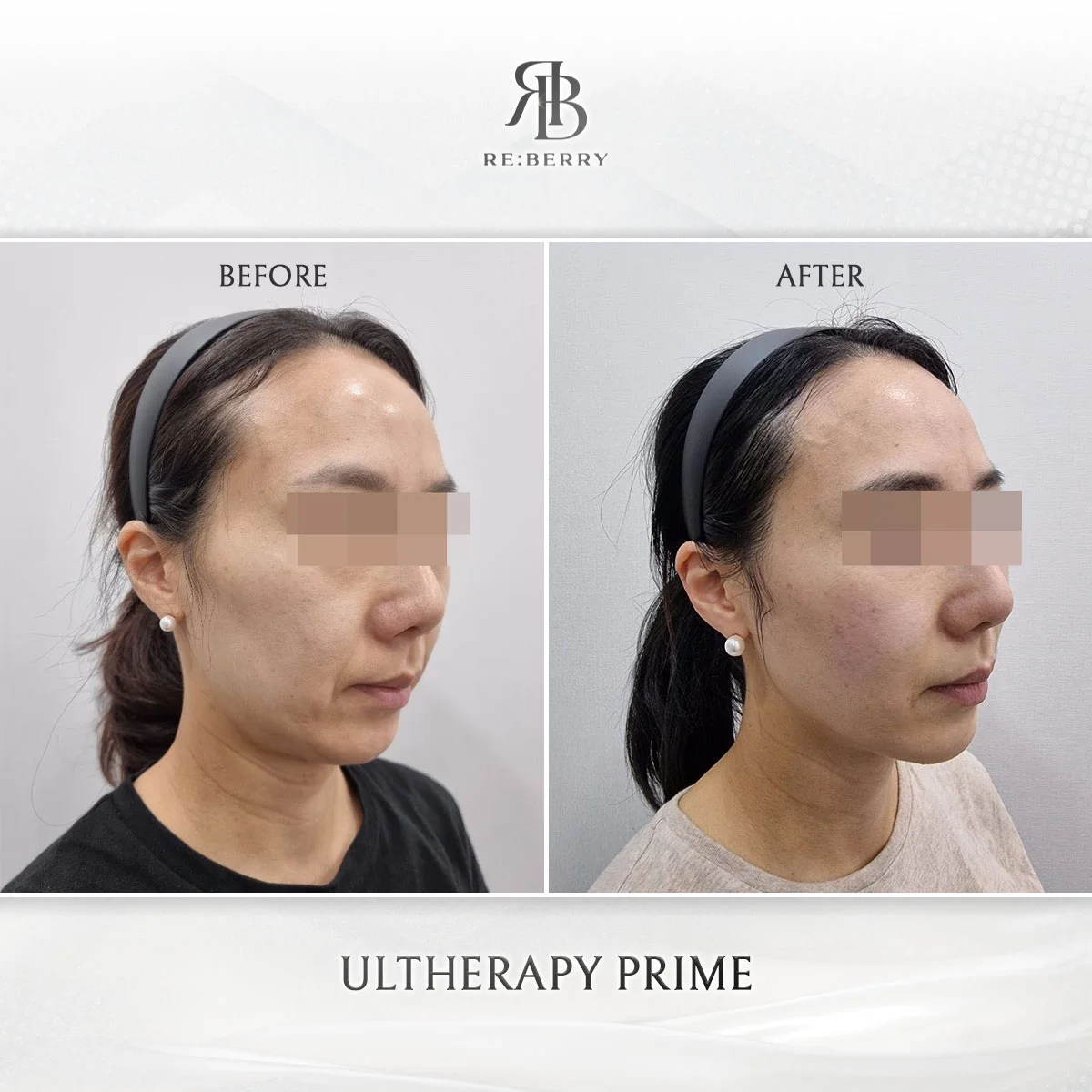
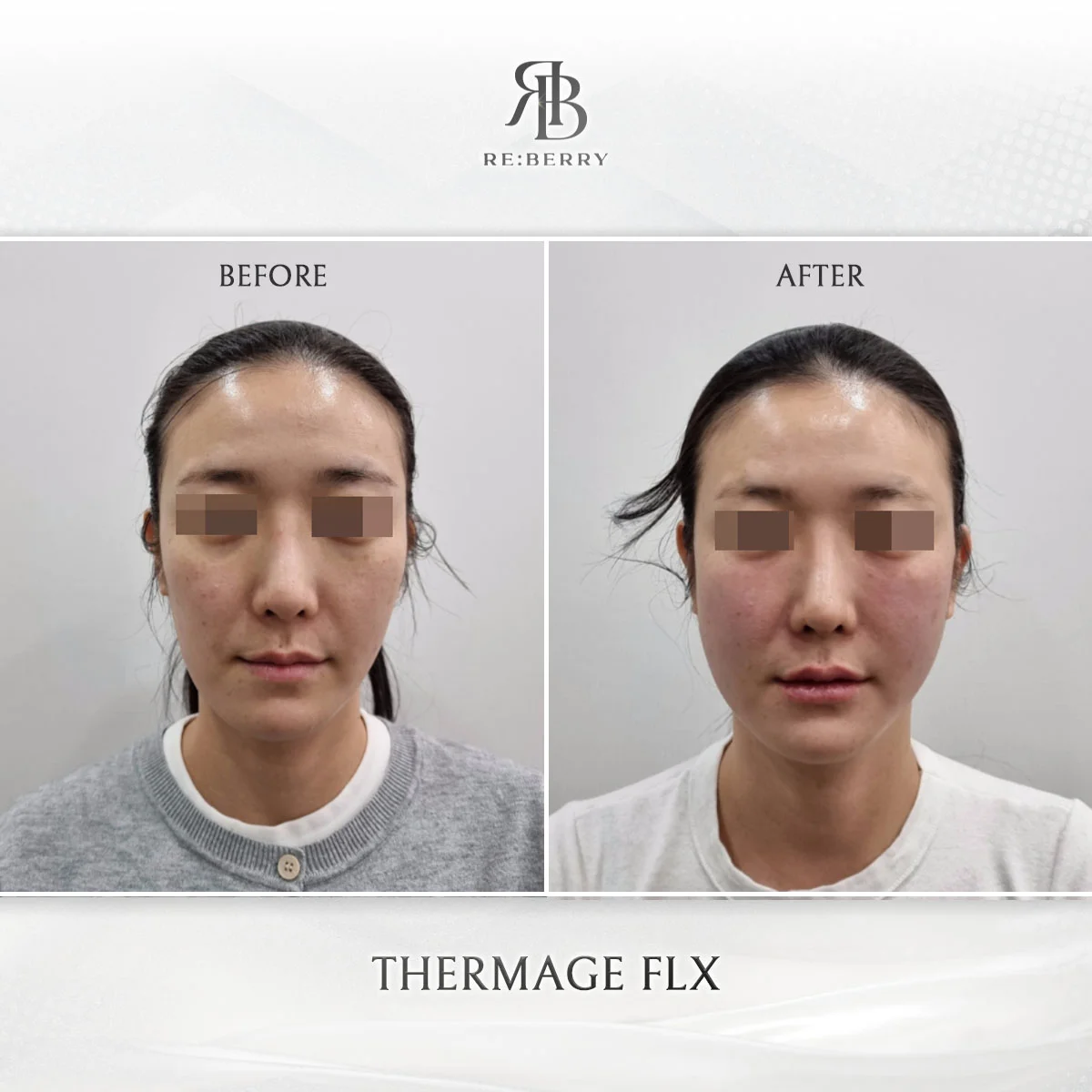
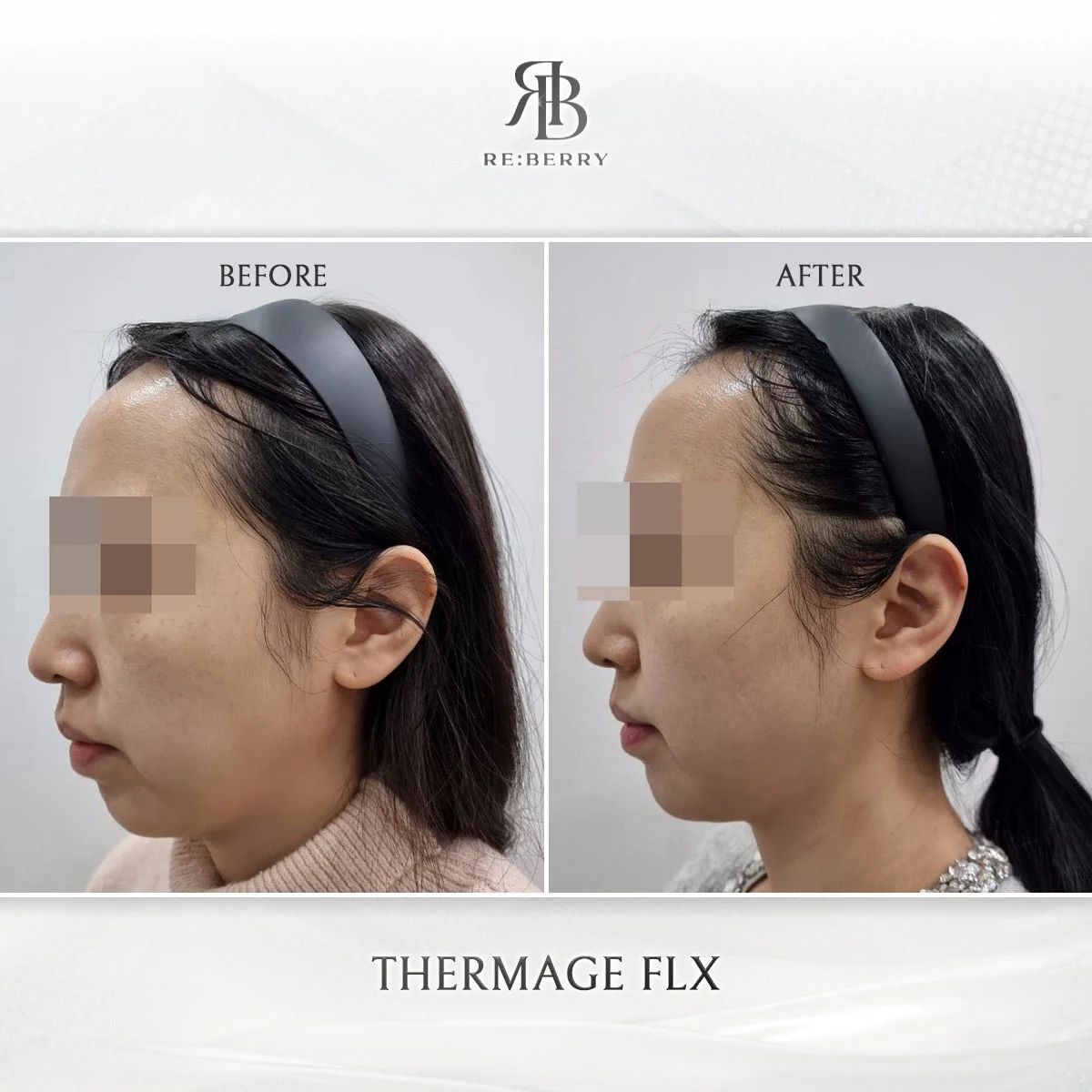
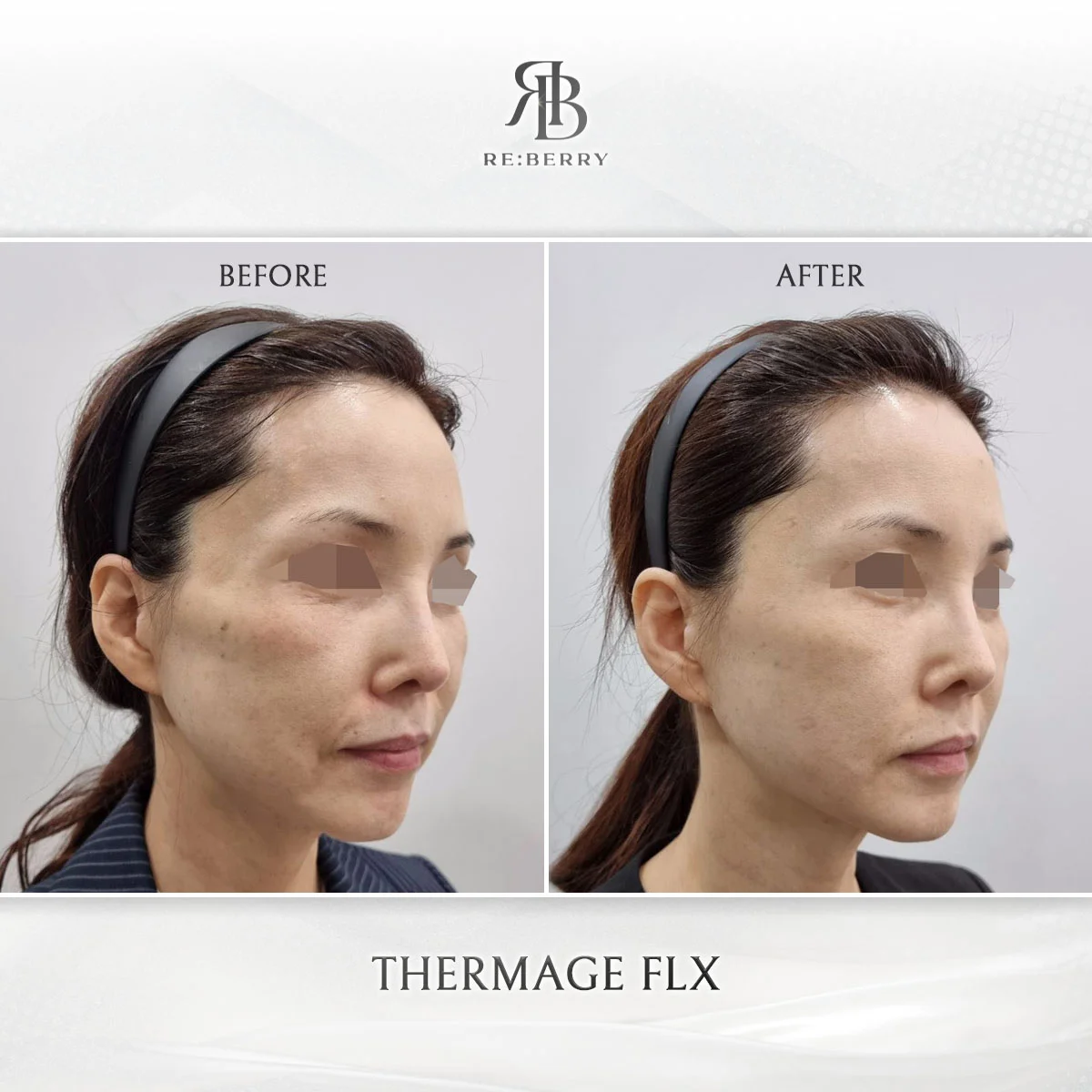
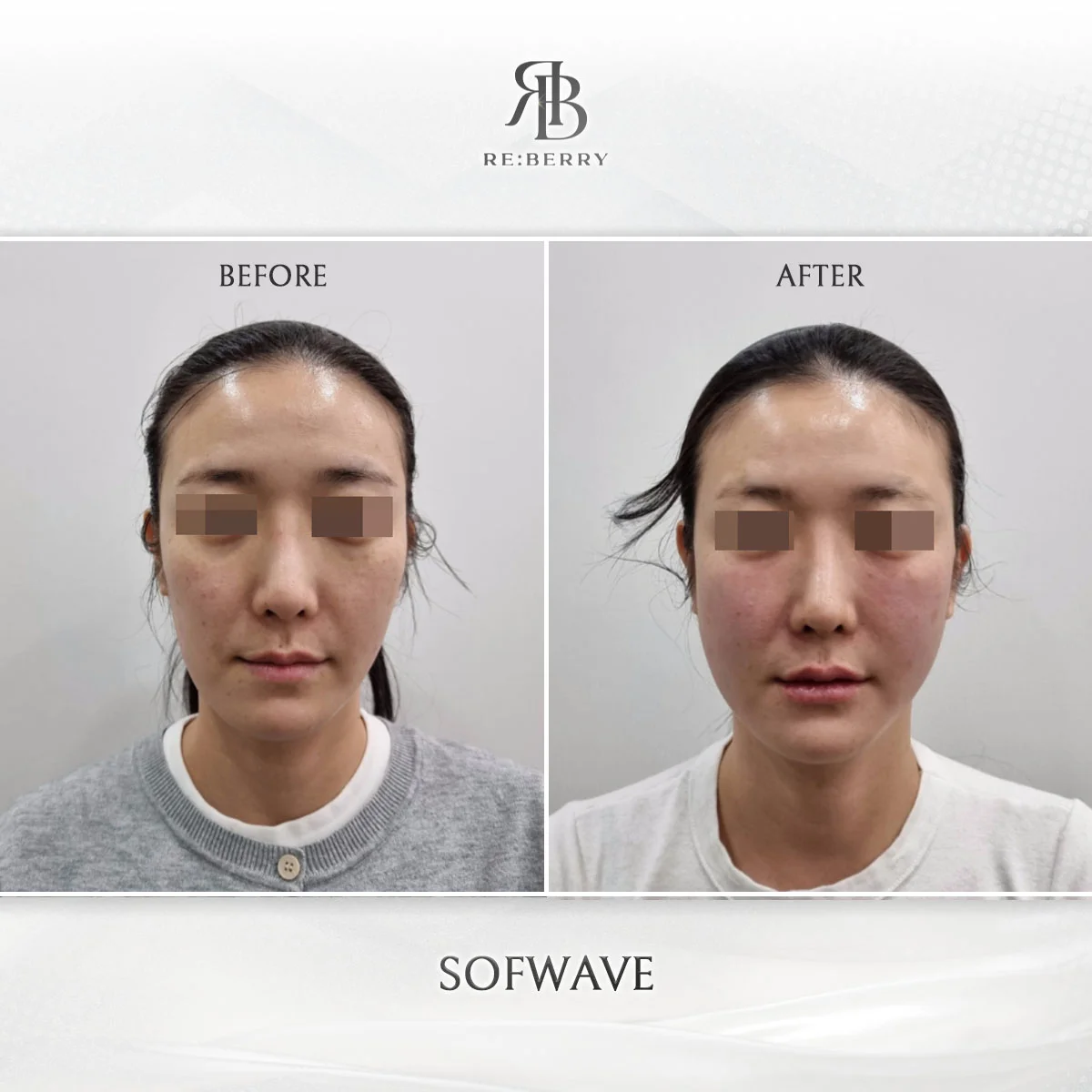
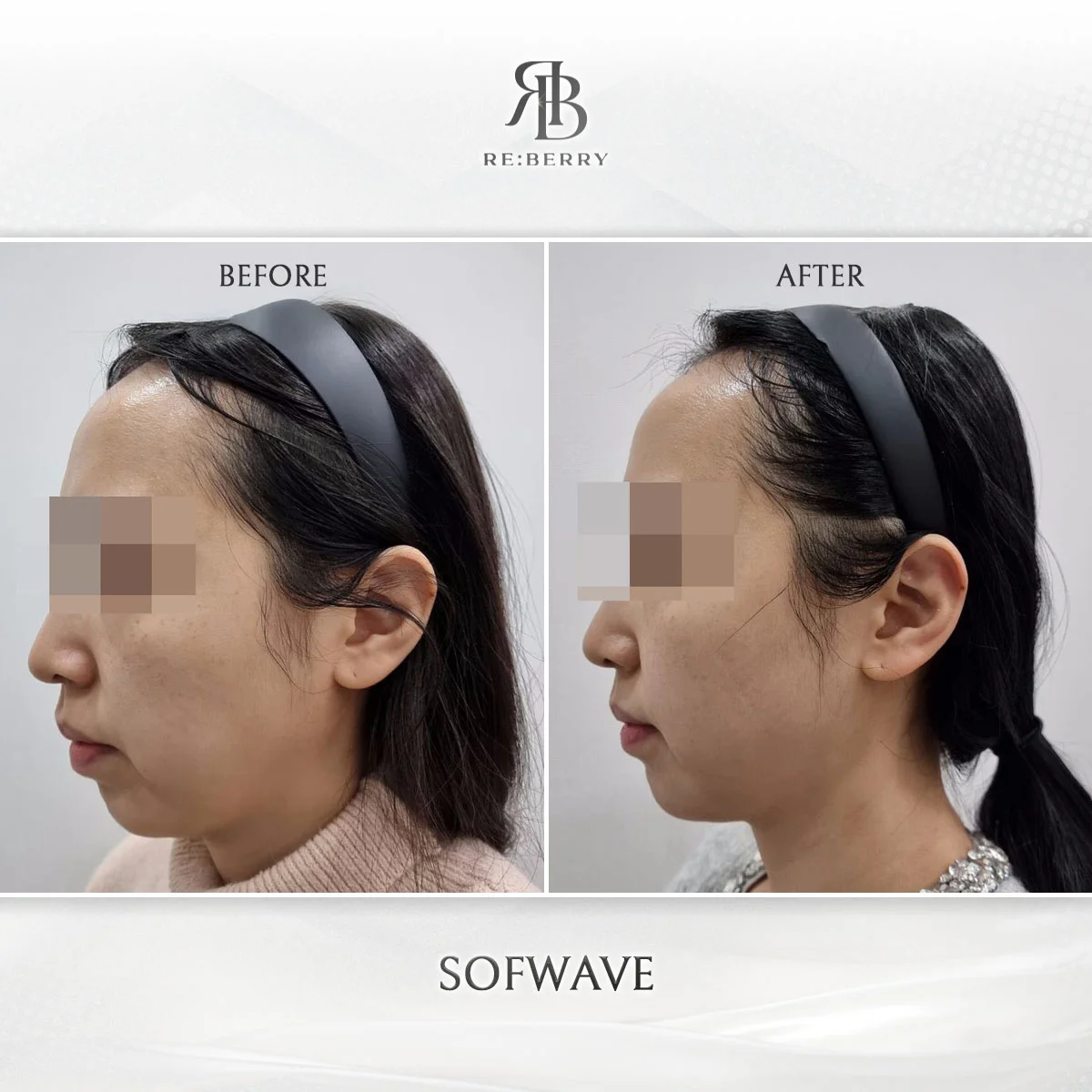
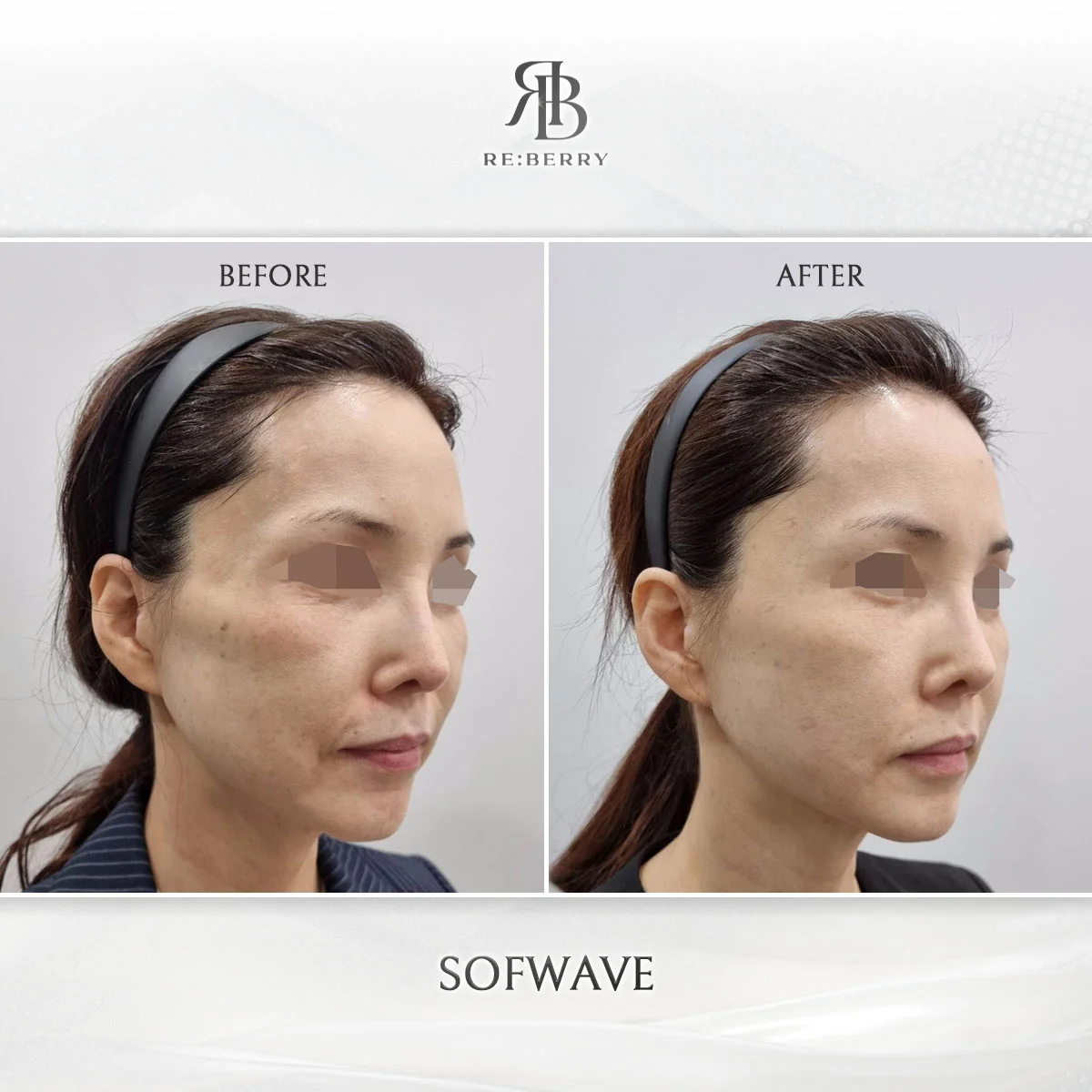
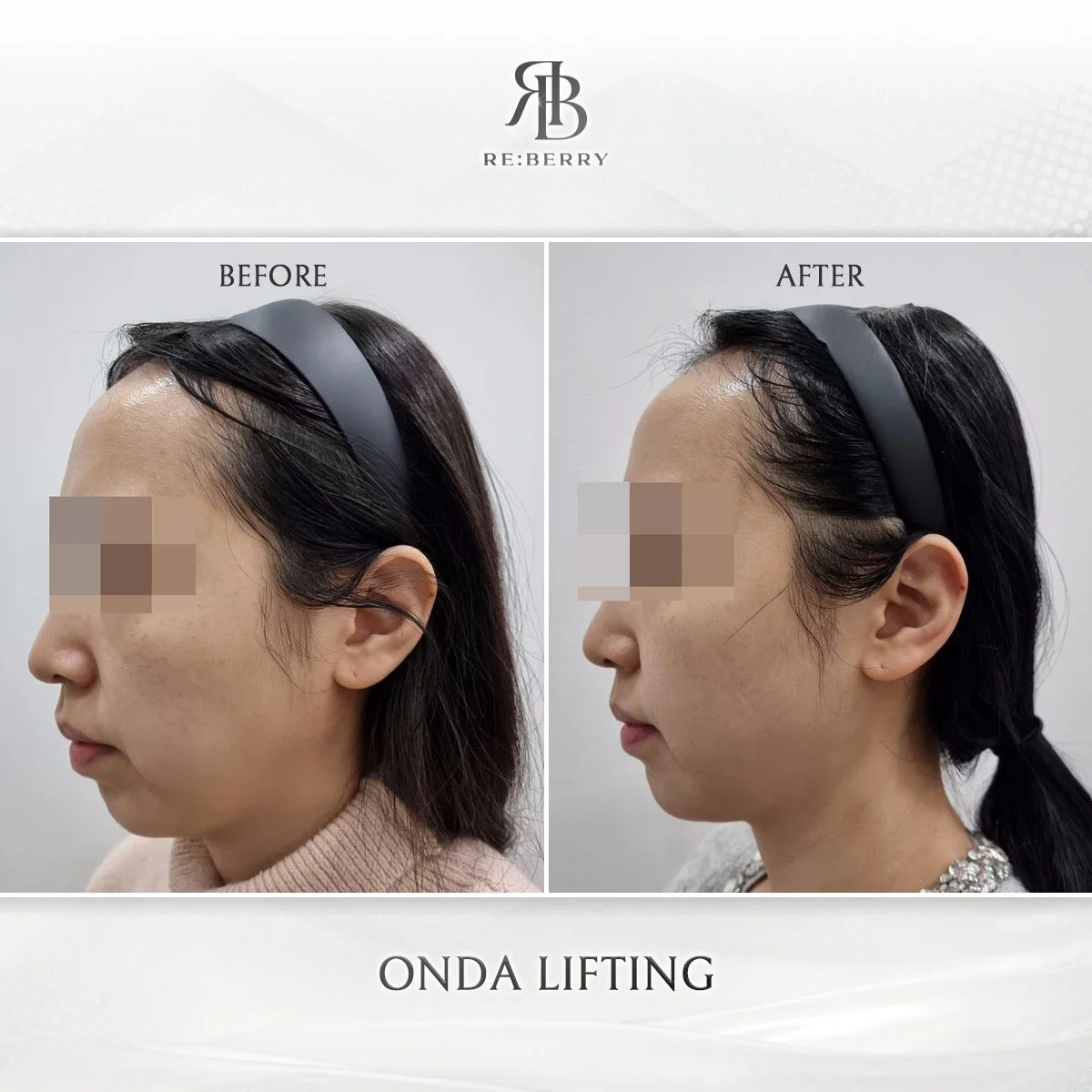
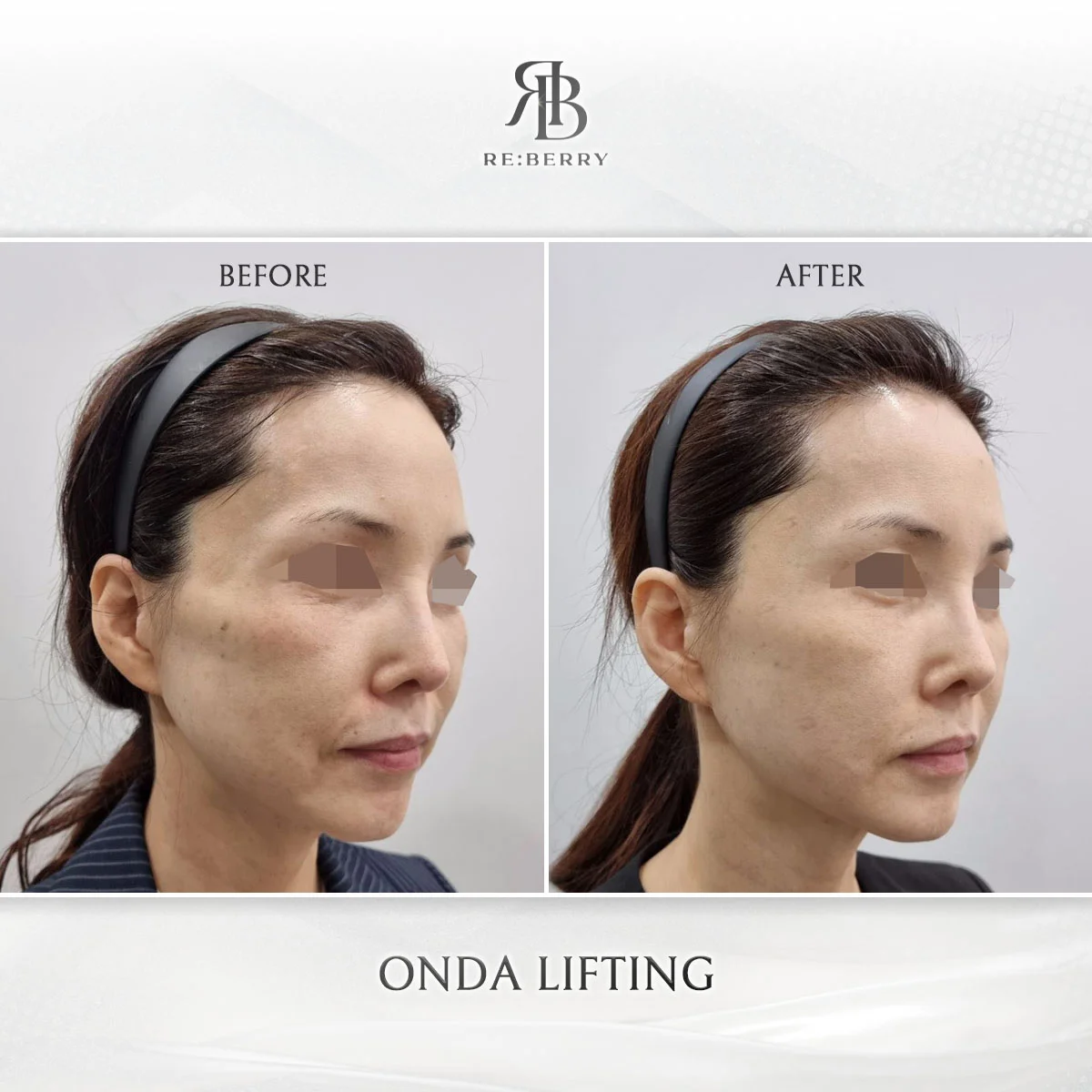
You reach the clinic in English before travelling, and the clinic’s doctors advise which season and how many days suit your treatment and goals.
Consultation and treatment usually fit within 30 to 60 minutes each, so a single Gangnam base keeps your itinerary efficient.
Most non-surgical plans span 2 to 5 days in Seoul, with any downtime buffered so it does not clash with sightseeing or your flight.
Results build over weeks to months at home, independent of the season, so you do not need to stay in Korea while they mature.
You leave with written English aftercare, including season-specific sun protection, and can follow up from abroad to plan any maintenance trip.



The best time depends on your treatment and downtime rather than one ideal month. Autumn and winter suit sun-sensitive lasers and resurfacing, while boosters, facials, and lifting work in any season. Plan around your schedule and a short recovery buffer. You can start by exploring our skin care approach for international patients.
No, the season does not change how well a treatment works, since results develop over weeks to months regardless of when you visit. What season changes is comfort and aftercare, especially sun protection after laser or resurfacing. That is why timing affects your experience and planning more than the treatment’s underlying effectiveness.
Winter is often recommended for lasers because ultraviolet exposure is lower, making strict post-treatment sun avoidance easier and reducing the risk of pigment changes. Summer treatment is still possible with diligent sunscreen and shade. Your doctor advises on timing when your plan includes a laser treatment so aftercare fits your trip.
Yes, summer is fine for many treatments, particularly boosters, hydrating facials, and energy-based lifting that do not raise sun sensitivity. For lasers, careful sun protection becomes more important. Indoor recovery in air-conditioning can actually be comfortable, so a summer trip works well when the plan is matched to the season.
Most non-surgical plans need 2 to 5 days for a consultation, treatment, and a short review, with a buffer if resurfacing is involved. The exact count depends on your treatment, which the doctors confirm at consultation. Our English-speaking team helps you plan days in Seoul around your flights and itinerary.
No, cost is driven by your individual plan, how many modalities and sessions it involves, not by the season you visit. Reputable clinics are consultation-led rather than seasonal. Reberry Clinic explains cost transparently at consultation for your skin care plan, so you understand what drives it before committing.
Yes, if your plan includes resurfacing, microneedling, or stronger lasers, add 2 to 3 buffer days so any redness or peeling settles before key sightseeing or your flight home. Gentle facials and boosters have little to no downtime. Your doctor explains expected recovery so your itinerary is realistic.
Yes, spring is mild and comfortable and suits almost any treatment, from boosters to gentle lasers with proper sun care. It is a popular season, so booking flights and appointments early helps. The balanced weather also makes any short recovery buffer pleasant, which is why spring and autumn are common choices for visitors.
Often yes, the clinic’s doctors can sequence compatible treatments so your visit is efficient, though some plans are staged across return trips. Combining is decided at consultation based on your skin and downtime. You can review options, from a gentle hydrafacial to firming treatments, to see what may fit your visit.
Most non-surgical treatments show gradual results over weeks to months, not immediately, and this timeline is independent of the season. Boosters and lifting build collagen slowly, while facials give a quicker glow. Your doctor explains the realistic timeline so you know what to expect after you fly home.
Longevity varies by treatment and is discussed at consultation, ranging from weeks for facials to many months for collagen-stimulating boosters and lifting. Results are maintained rather than fixed once, so many patients plan a maintenance visit. A consistent skin care routine at home helps sustain them between trips.
Yes, spring and autumn are popular for travel generally, and Seoul treated about 85% of Korea’s 1.17 million international patients in 2024. Booking flights and consultations early for peak seasons is wise. Reberry Clinic’s Gangnam location sees international visitors year-round and coordinates timing to keep your trip smooth.
Yes, recent significant sun exposure or a fresh tan can make laser treatment less suitable, which is one reason lower-UV seasons are convenient. Arriving with unprotected, tanned skin may mean rescheduling. Your doctor assesses your skin at consultation and advises on sun protection before and after any light-based treatment.
It depends on your flights and itinerary. Reberry Clinic operates a Gangnam (Seoul) location, about 2 minutes from Gangnam Station exit 10, plus Myeongdong (Seoul) and a location near Incheon Airport for arrival or departure-day appointments. The team helps you pick the site that best fits your travel and your skin care plan.
For many non-invasive treatments, flying within a day or two is generally fine, though it depends on the procedure. Cabin air is drying, so moisturise and protect treated skin. If your plan included resurfacing or a stronger laser, your doctor advises on travel timing and aftercare while you are away.
International patients can complete a plan across one or more visits, and the clinic offers remote check-ins in English between trips so care continues after you fly home. You can also keep up supportive skin care at home. Your treatment notes are kept on file for continuity across seasons.
For sun-sensitive lasers and resurfacing, timing your trip to a lower-UV season can make aftercare easier, so it can be worthwhile. For most other treatments, convenience matters more than the calendar. Message us on WhatsApp to discuss which season and how many days suit your specific skin goals.
| Spring / Autumn (Mar-May, Sep-Nov) | Summer (Jun-Aug) | Winter (Dec-Feb) | |
|---|---|---|---|
| Weather | Mild, comfortable for walking and recovery | Hot, humid, strong UV | Cold and dry, low UV |
| Best for | Almost any treatment; balanced conditions | Boosters, facials, lifting with strict sun care | Laser, toning, and resurfacing with easy sun avoidance |
| Sun-sensitive treatments | Manageable with sunscreen | Possible but needs diligent protection | Easiest window for light-based work |
| Crowds and travel | Popular seasons; book flights early | Peak heat; indoor recovery is comfortable | Quieter for some clinics; pack for cold |
| Downtime comfort | Pleasant weather for a recovery buffer | Humidity can feel heavy on treated skin | Dry air means extra moisturising after treatment |
| Cost context | Consultation-led; varies by plan not season | Consultation-led; varies by plan not season | Consultation-led; varies by plan not season |
Real verified reviews from our Google Business Profile, across all Reberry Clinic locations.
PULLED LIVE FROM GOOGLE · GANGNAM · MYEONGDONG · INCHEON AIRPORT
Your treatment is planned and performed by experienced, MFDS-registered doctors across our Seoul-area clinics, with multilingual support for international patients.
Flagship clinic · KOL for leading lifting & regenerative devices · Featured in Authority Magazine (2026)

Multilingual tourist care beside Myeongdong Cathedral

Fast, effective care 20 minutes from the terminals
Message us on WhatsApp for a free consultation in English about the best time to visit and a transparent cost plan for your skin goals.