



Gangnam
Dr. Yoon-Gon Ryu
Aesthetic Medicine Specialist
Flagship clinic · KOL for leading lifting & regenerative devices · Featured in Authority Magazine (2026)


Autumn and winter (roughly October to March) are the most popular windows because lower UV around 3 to 5 on the index protects healing laser and lifting results.
The best time to visit Korea for skin treatment is autumn or winter, roughly October to March, when lower UV protects healing skin after laser, peels, and lifting. Timing also depends on your procedure and downtime needs, so the clinic’s doctors at our Gangnam (Seoul) location help match your visit dates to the plan.
One-on-One guidance from a dedicated doctor, ensuring your skin is professionally monitored and treated from start to finish.
Fluent assistance in English, Japanese, and Chinese, making communication clear, respectful and comfortable for international patients.
Over 100,000 patients worldwide have received our personalized dermatological care, highlighting our expertise and reliable results.
The best time to visit Korea for skin treatment is generally autumn and winter, roughly October through March, because cooler weather and lower UV give resurfacing lasers, peels, and pigment work the calm healing window they need. Post-procedure skin is temporarily more sun-sensitive, so a season with a UV index around 3 to 5 lowers the risk of rebound pigmentation compared with a Korean summer, where the index often climbs past 8.
That said, “best” depends as much on your procedure as on the calendar. Energy-based lifting such as micro-focused ultrasound or radiofrequency has minimal downtime and can be done year-round, while ablative resurfacing benefits most from a low-sun season and a few quieter days afterward. Humidity, holiday crowding, and your own travel schedule all factor in, which is why timing is planned around the treatment, not just the month.
At Reberry Clinic, planning is consultation-led. International patients are supported in English at our Gangnam (Seoul) location, where the clinic’s doctors, including Dr. Yoongon Ryu, help you choose dates that fit both the season and the recovery your specific plan needs. Gangnam sits about 2 minutes from Gangnam Station exit 10, making it easy to reach from across Seoul, Korea.
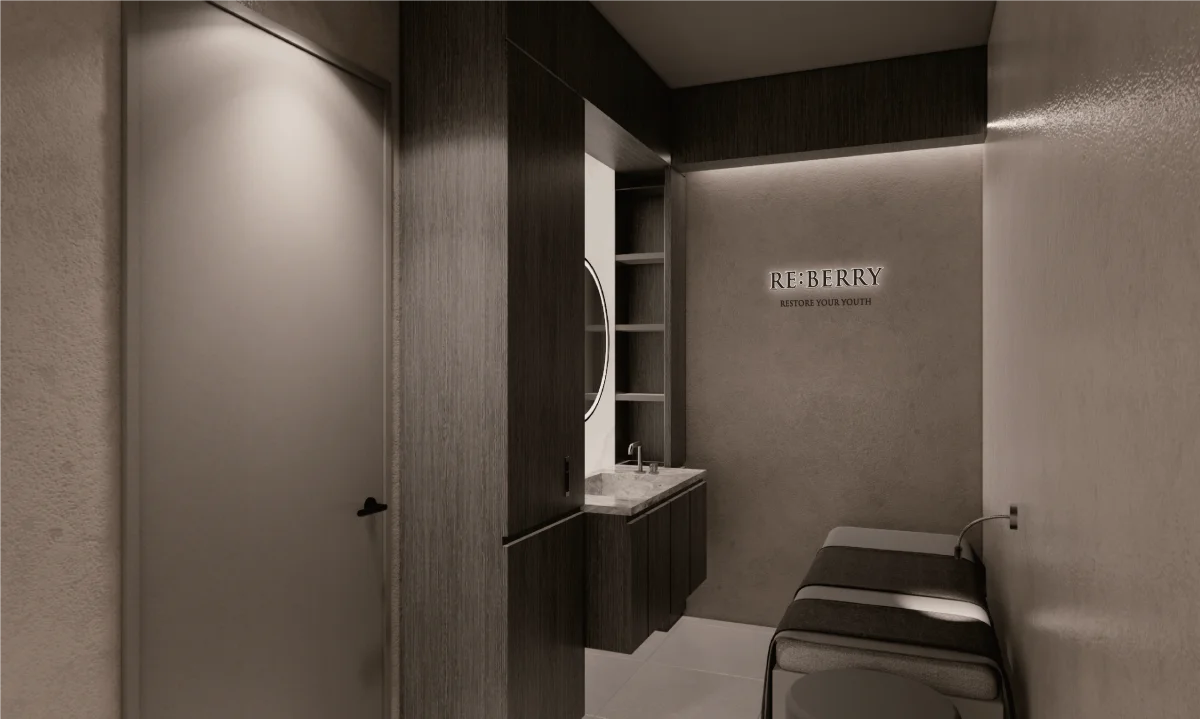
Season matters most through ultraviolet exposure and heat. After lasers, chemical peels, and pigment or dark-spot work, the skin’s barrier is briefly compromised and melanocytes are more reactive, so strong UV can trigger post-inflammatory hyperpigmentation, especially in the medium-to-deeper skin tones common across Asia. Autumn and winter in Seoul typically carry a UV index of 3 to 5, versus 8 or higher in June to August, which is why low-sun months are favored for resurfacing and toning. Cooler air also reduces sweating and flushing after energy devices, keeping treated skin more comfortable during the first 48 to 72 hours. Injectables and biostimulators like collagen-stimulating boosters are far less season-dependent and can be spaced across visits year-round. Because each modality carries a different sun-sensitivity and downtime profile, the clinic’s doctors sequence your plan and recommend a visit window rather than applying one calendar rule to every treatment.
One Reberry Clinic, multiple Seoul-area locations. Pricing & current promotions are listed on each branch's own site — tap a clinic to view pricing & book.
Our flagship in the heart of Gangnam.
In Seoul's shopping & tourism heart.
A beauty stop between flights.
The newest Reberry Clinic — in Seoul's trend district.
ONE REBERRY CLINIC · MFDS-REGISTERED DEVICES · MULTILINGUAL CARE AT EVERY LOCATION

Resurfacing lasers and peels favor the low-UV window of roughly October to March, while lifting and injectables can run year-round across 12 months.
Allow about 1 day for injectables and energy lifting, and 3 to 7 days for ablative resurfacing, before big outdoor plans or a long flight.
Treatments like collagen boosters often need 2 to 3 sessions spaced weeks apart, so one longer trip or staged return visits are planned in advance.
Seoul is busiest around cherry blossom season and autumn foliage, so booking 2 to 4 weeks ahead helps secure preferred consultation slots.
The clinic’s doctors review your goals and skin type, then recommend a visit window and session schedule rather than a single fixed date for everyone.
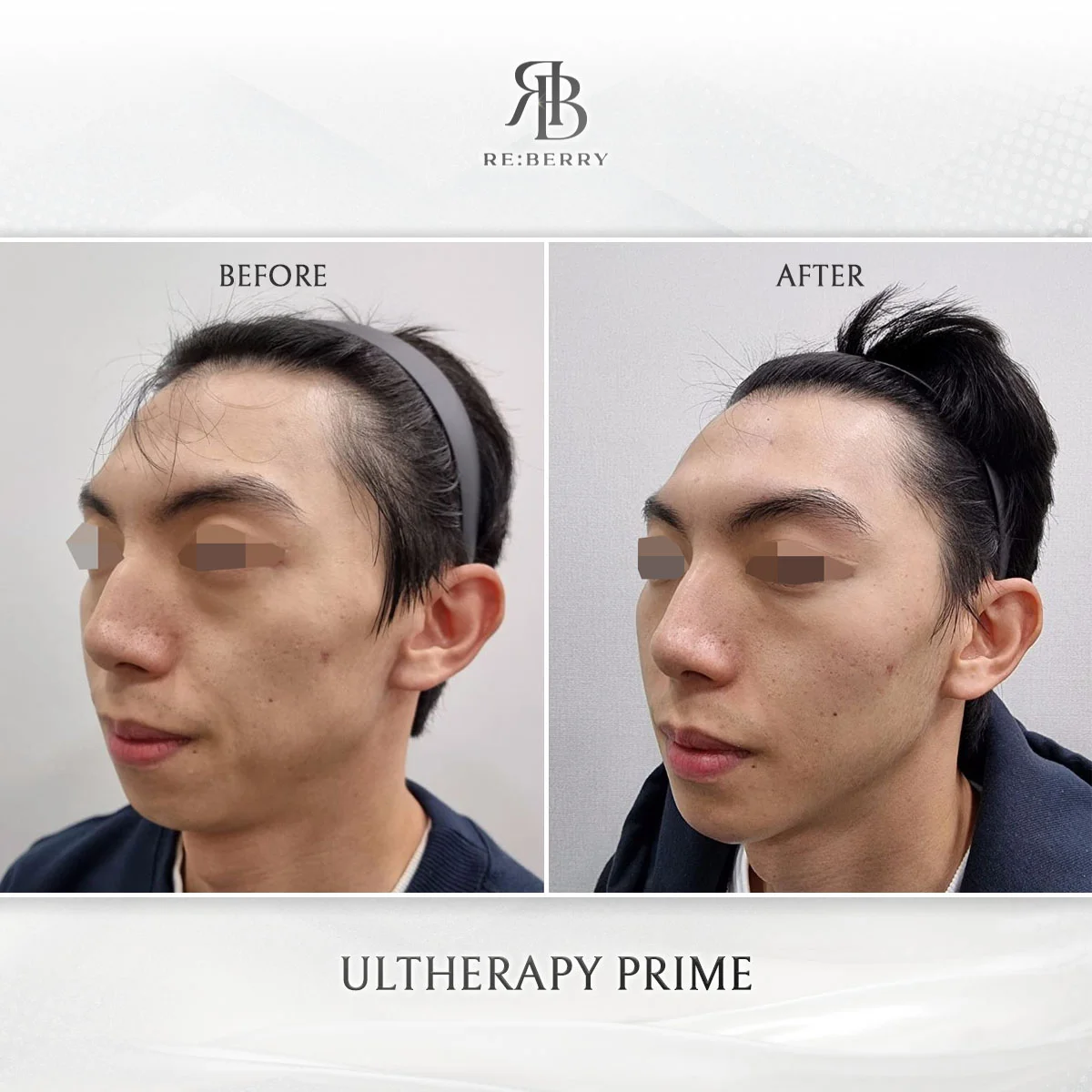
See representative outcomes from Reberry Clinic. Results build gradually and vary by individual; your plan is assessed at consultation.
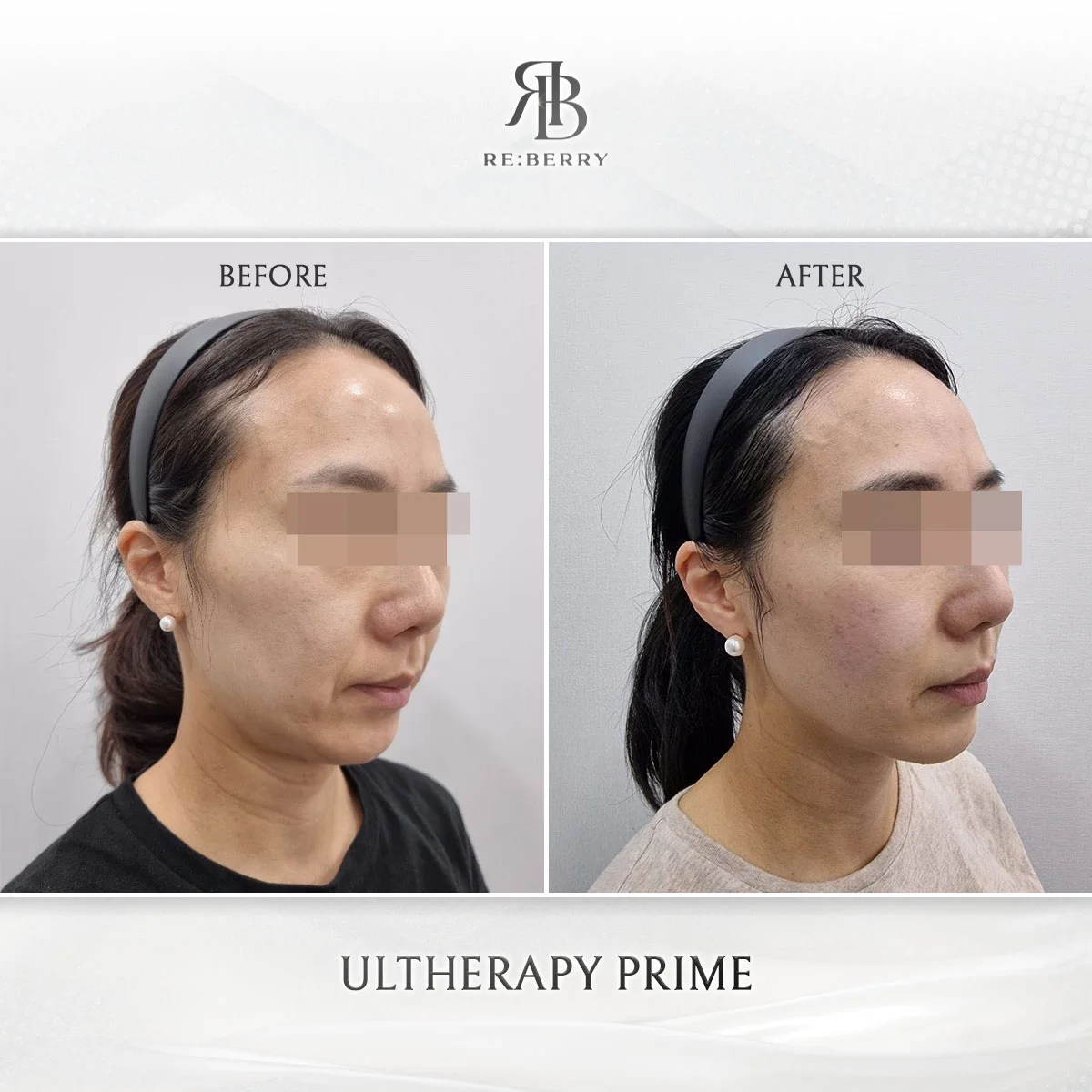
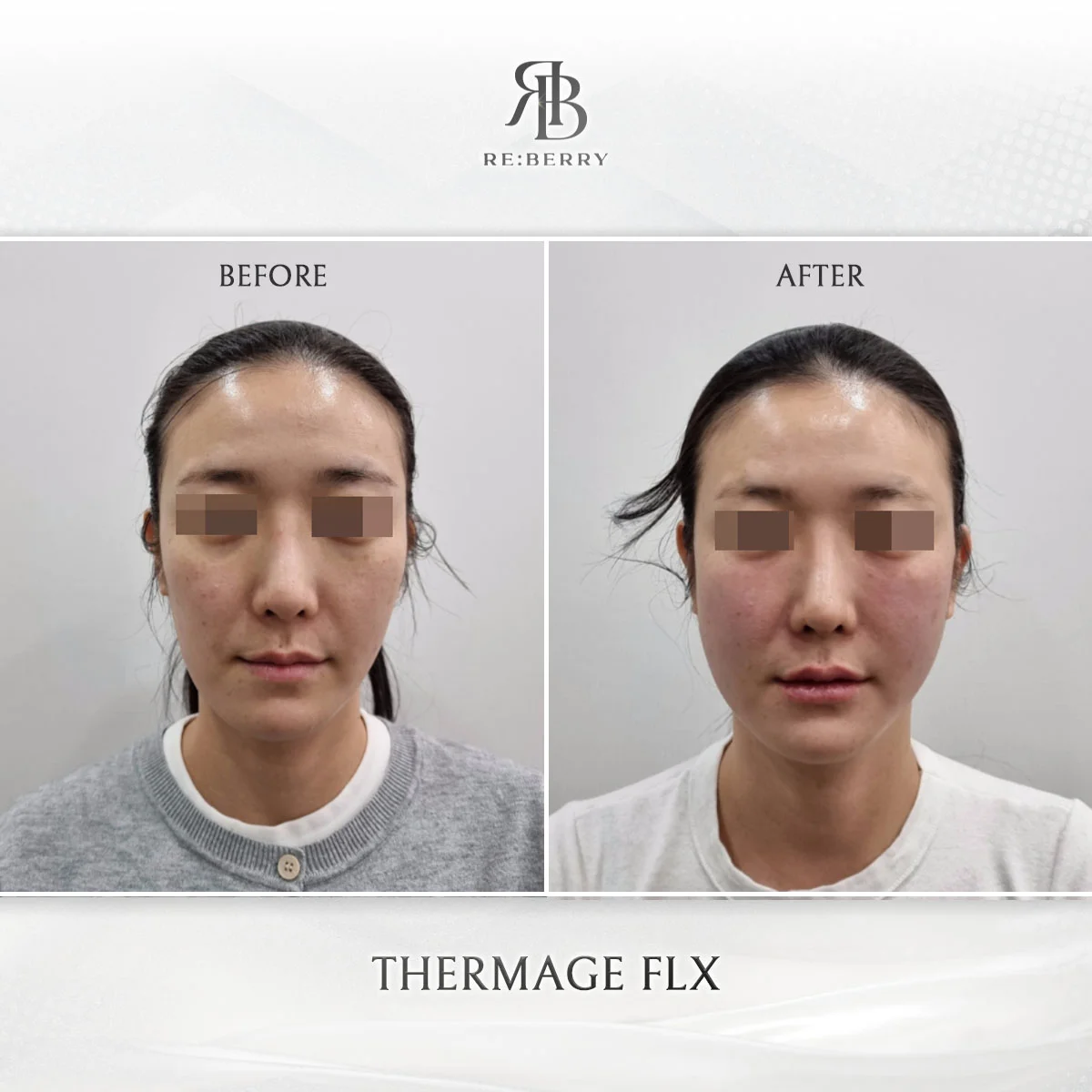
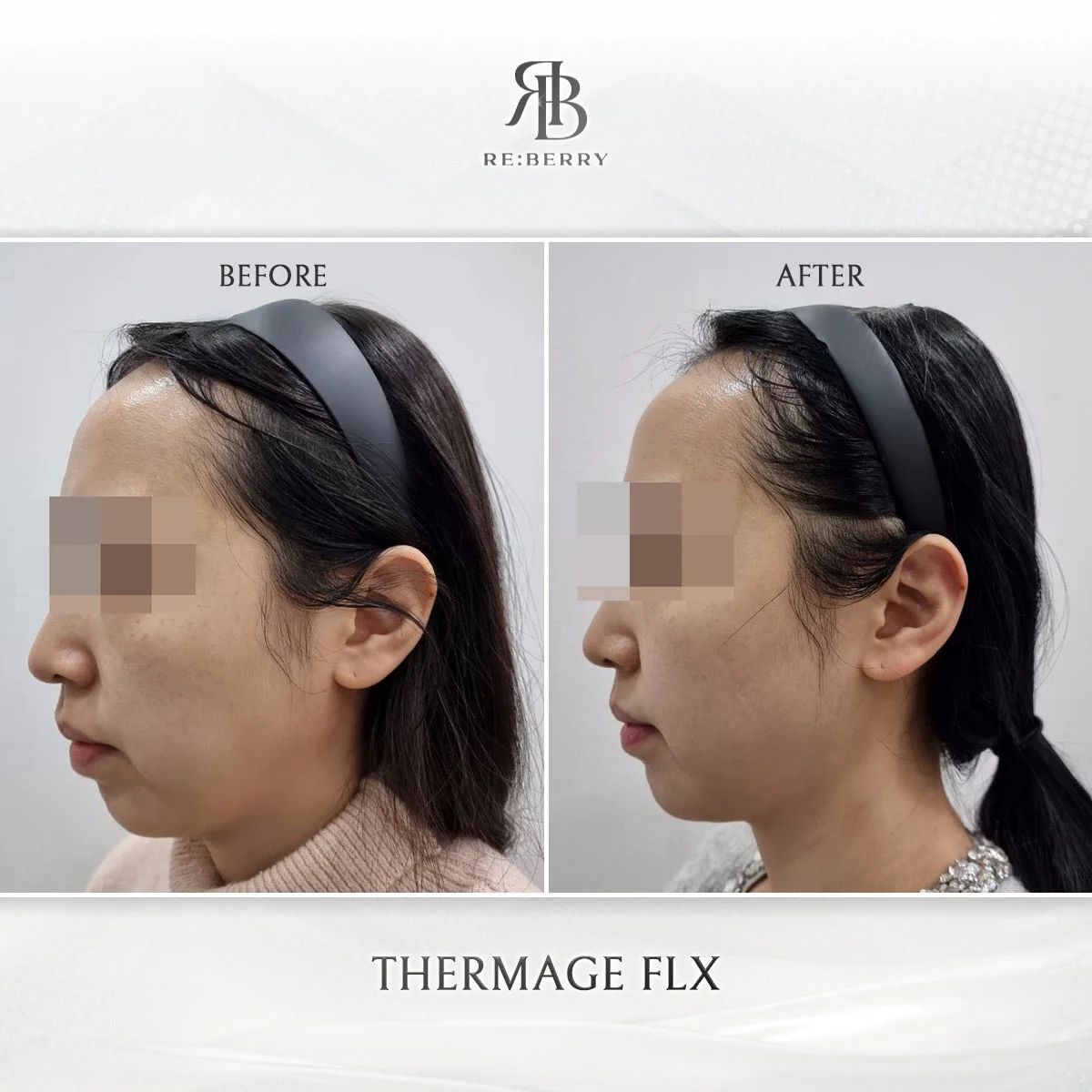
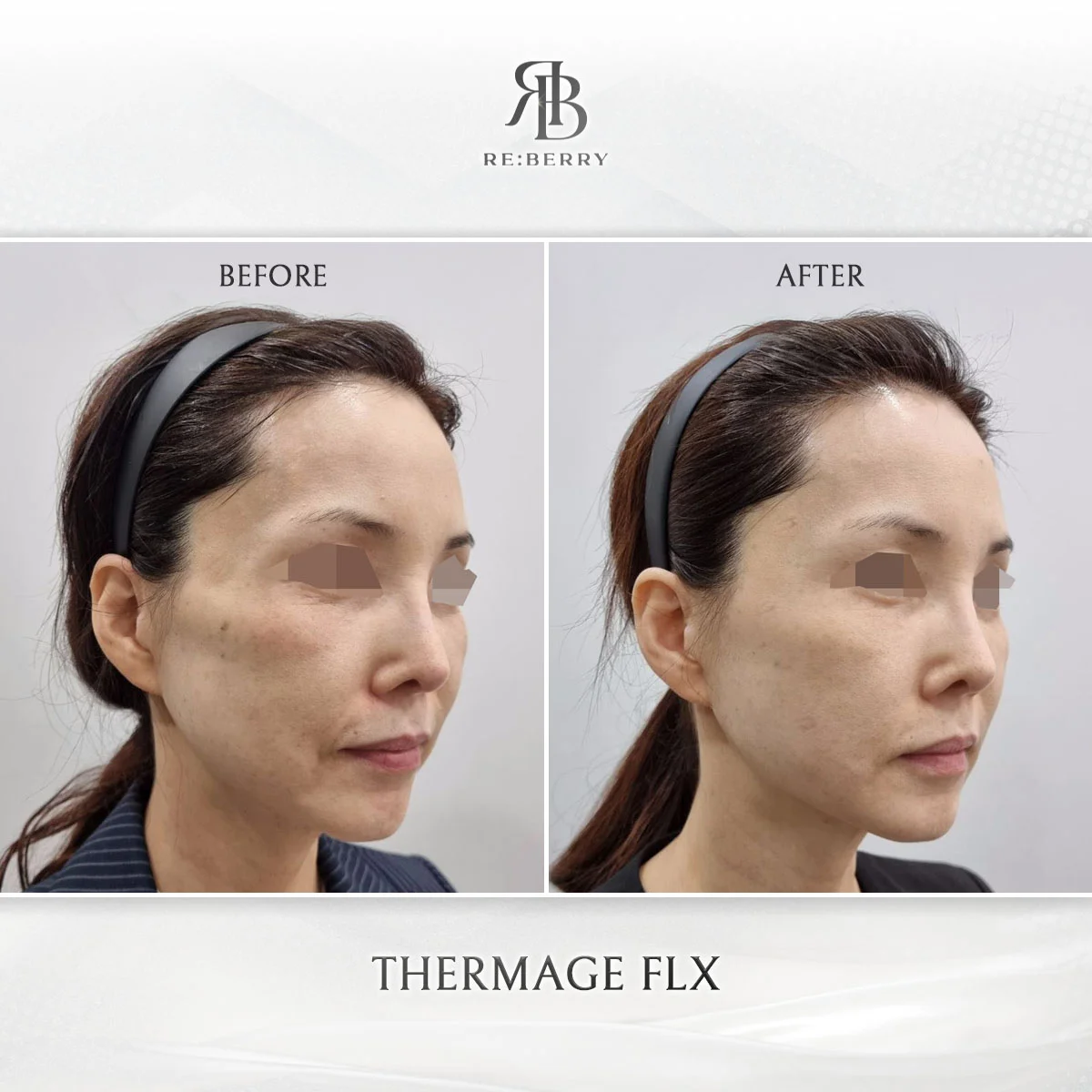
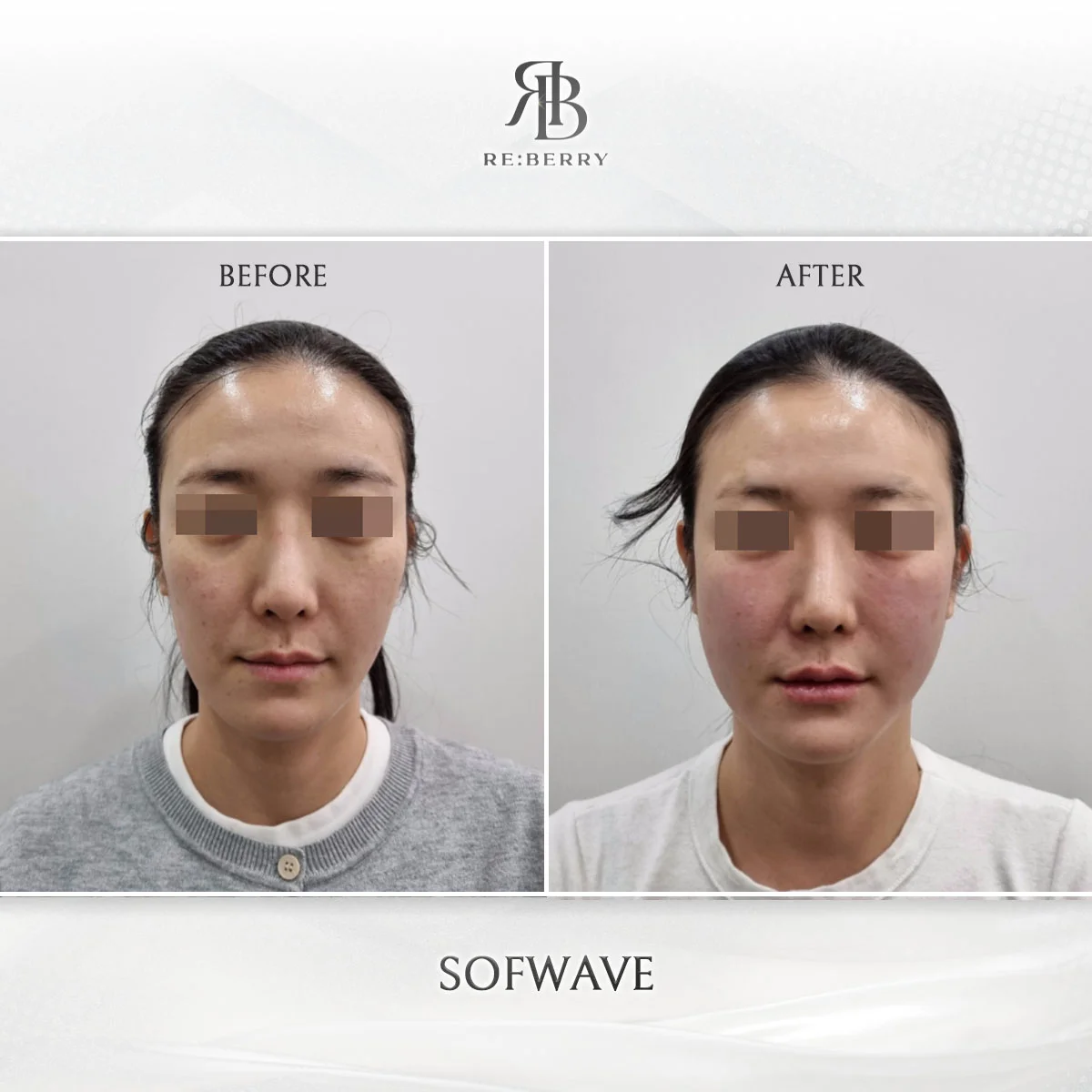
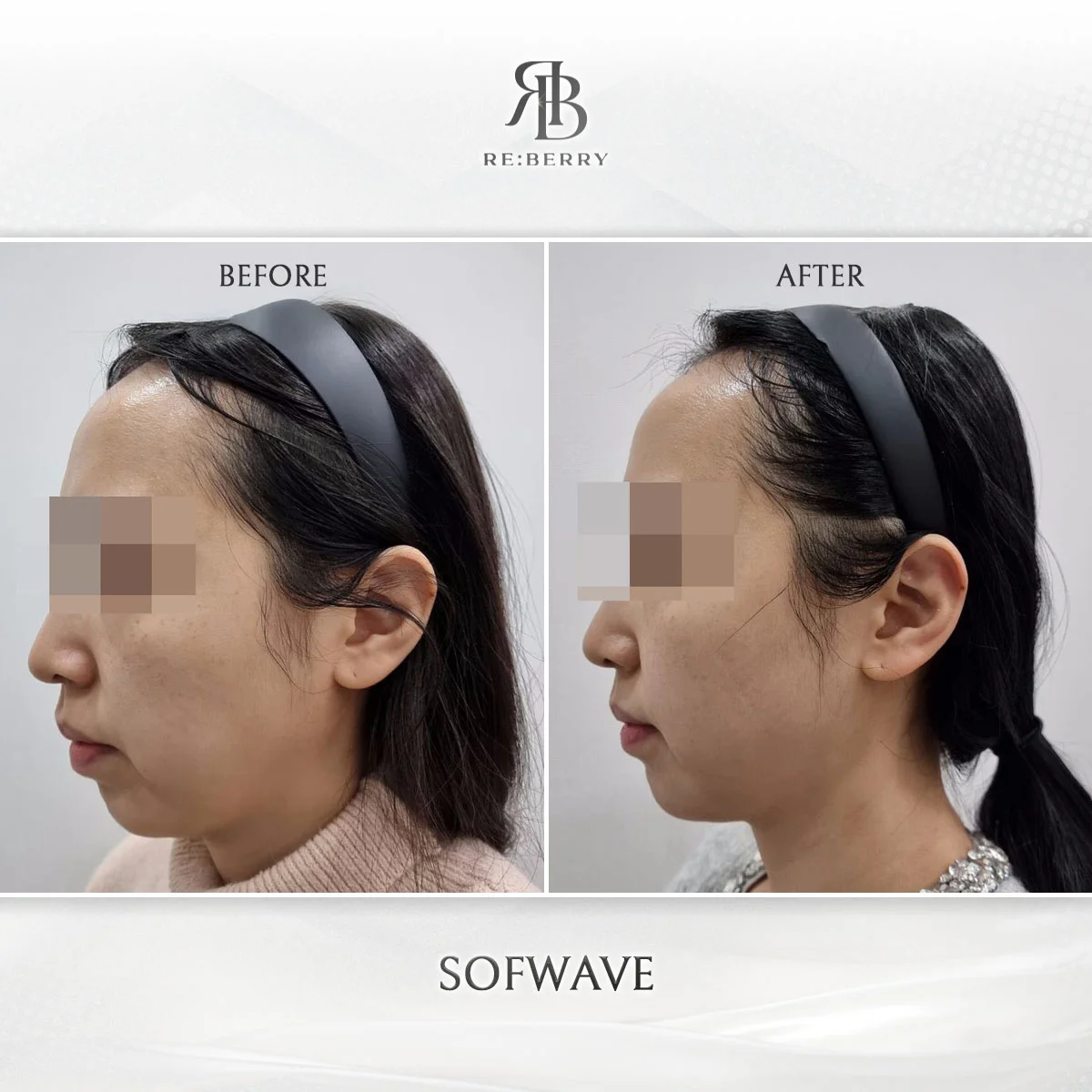
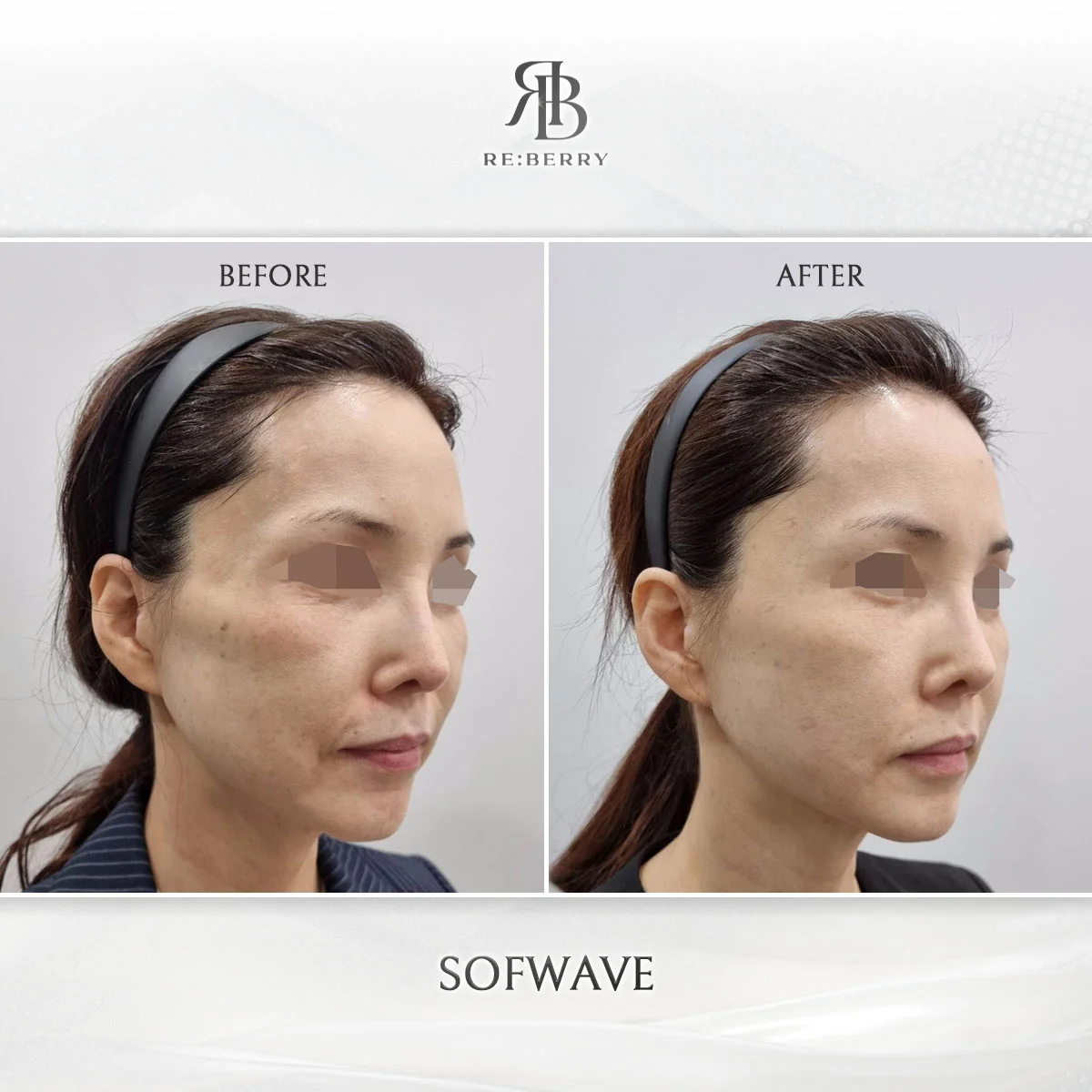
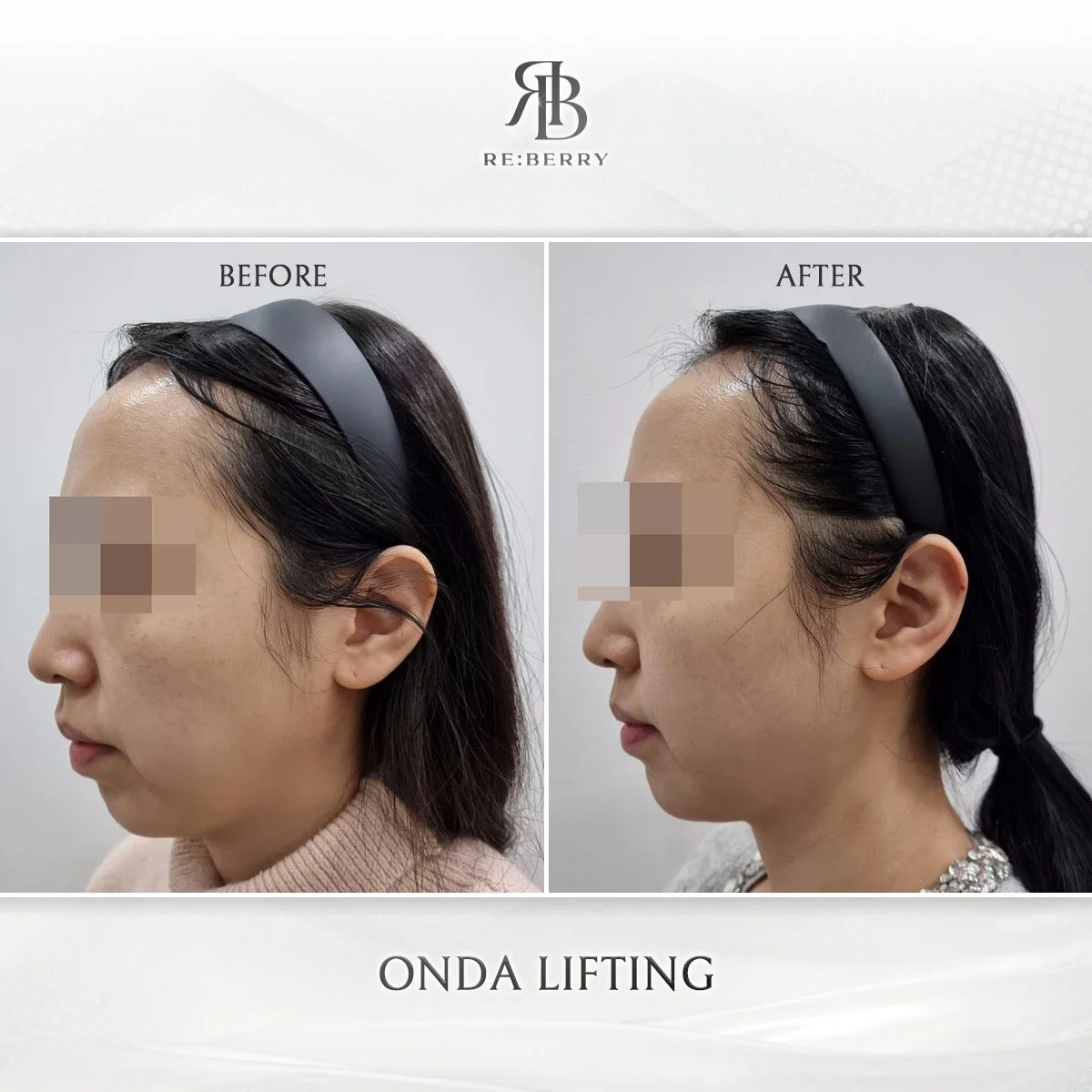
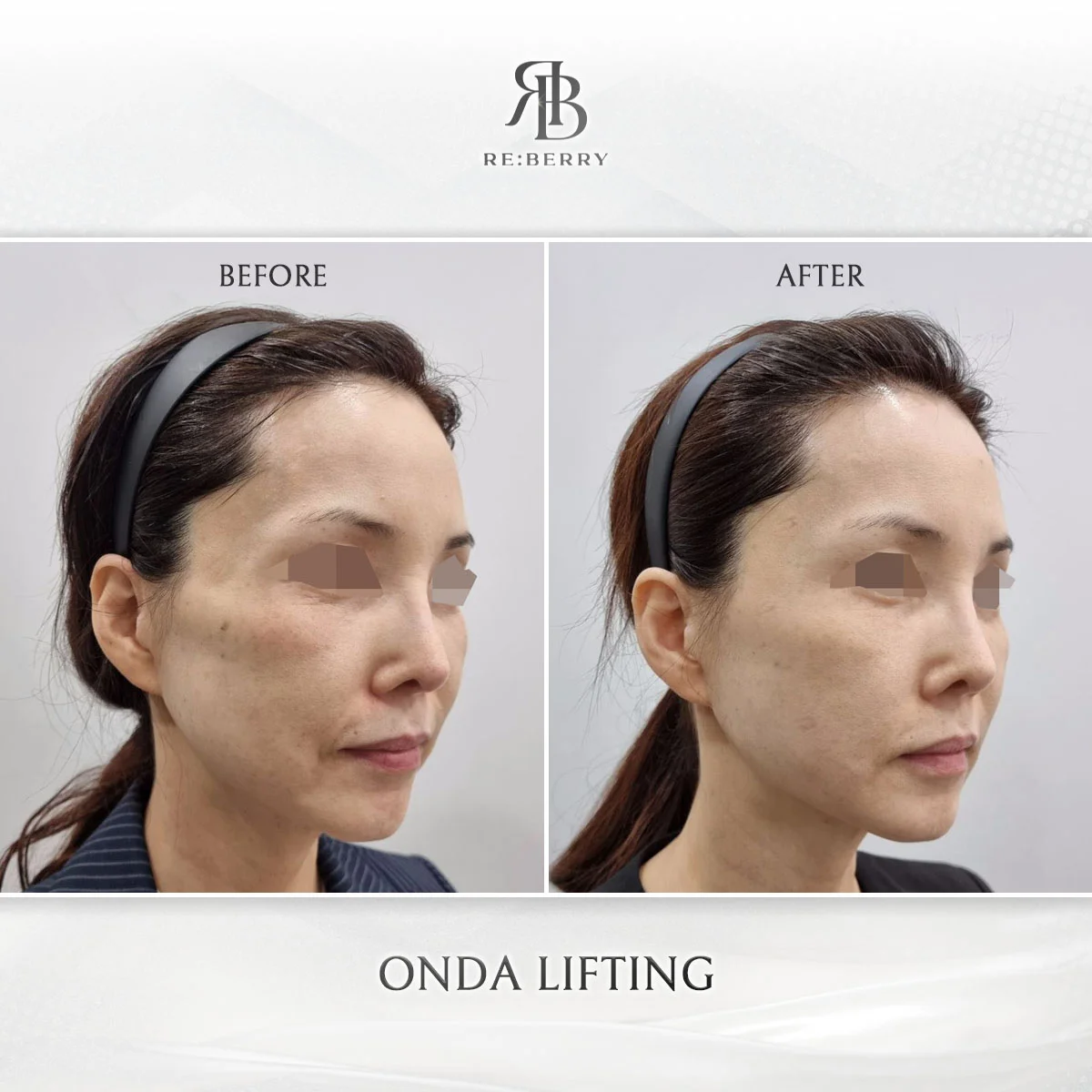
Before or after arrival, the clinic’s doctors review your skin type, goals, and travel dates in English, then recommend the best season and session schedule for your plan.
Most first sessions take about 20 to 60 minutes depending on the procedure, so a treatment day can usually fit around your Seoul itinerary.
Single treatments are often one visit, while courses such as boosters run 2 to 3 sessions spaced weeks apart, planned across your trip or return visits.
Injectable results may show within days, while collagen and lifting effects build over 2 to 6 months, which is factored into when you visit.
Diligent sunscreen year-round protects results, and seasonal maintenance visits are planned so improvements are sustained after you return home.



Autumn and winter, roughly October to March, are the most popular window because a lower UV index around 3 to 5 protects healing skin after laser, peels, and pigment work. That said, injectables and lifting can be done year-round. Explore options first on our skin care page.
Yes, summer is fine for many procedures, especially non-ablative lifting, hydration, and maintenance, which carry minimal sun-sensitivity. Resurfacing lasers and pigment work are better in lower-UV months, but strict SPF 30-plus sunscreen and sun avoidance make summer treatments possible when your schedule requires it.
After lasers and peels, skin is briefly more sun-sensitive, so strong UV can trigger post-inflammatory hyperpigmentation, especially in medium-to-deeper tones. Autumn and winter keep the UV index near 3 to 5 in Seoul, which lowers that risk. Your doctor explains sun-protection steps for whichever season you visit.
Injectables, collagen-stimulating boosters, and energy-based lifting are the least season-dependent, since they do not resurface the skin surface. These can be scheduled across 12 months of the year. A skin booster treatment is a common year-round choice for international patients.
Plan about 1 to 2 days for injectables and energy lifting, and 3 to 7 days if you have ablative resurfacing that needs recovery. Courses may run across return visits. Our English-speaking team at our Gangnam (Seoul) location helps map dates to your specific plan.
Flying within a day is usually fine after injectables and non-ablative lifting. After ablative laser or deeper peels, waiting a few days is safer because cabin air is drying and skin is healing. Your doctor advises a suitable gap based on the procedure you have.
Spring works well for injectables, boosters, and mild toning, though UV rises through April and May, so resurfacing needs strict sun protection. Seoul is also busiest around cherry-blossom season, so booking 2 to 4 weeks ahead helps. You can plan a hydrafacial as an easy spring option.
Our Gangnam (Seoul) location is in the Gangnam-daero area, about 2 minutes from Gangnam Station exit 10, and is easy to reach from across the city. Dr. Yoongon Ryu and the clinic’s doctors provide English support. You can review the full skin care range before booking.
Yes, sun protection matters most in the weeks after laser, peel, or pigment procedures, when skin is healing. Use SPF 30-plus, a hat, and shade during outdoor sightseeing. Non-ablative and injectable treatments allow more freedom, but daily sunscreen is always recommended to protect and prolong your results.
Humidity itself rarely prevents treatment, but summer heat and sweating can make healing skin less comfortable in the first 2 to 3 days. Cooler, drier autumn and winter conditions are gentler after energy devices. Your doctor tailors aftercare advice to the season you choose to visit.
Yes, many international patients combine complementary procedures in one visit when downtime allows, such as lifting plus a booster. The clinic’s doctors sequence treatments so the skin is not over-stressed. A combined plan and its laser treatment timing are confirmed at consultation.
Timelines vary by procedure: injectable smoothing may appear within days, while collagen and lifting effects build gradually over 2 to 6 months. Planning your visit around this helps set realistic expectations. Your doctor explains the expected timeline so you know what to see before and after you travel home.
Yes, booking ahead is recommended, especially in busy blossom and autumn-foliage seasons, so you secure preferred slots and leave recovery time. Many patients complete an online English consultation first. You can start by browsing our skin care options and messaging the team to plan dates.
No, cost is driven by your procedure, skin needs, and number of sessions rather than the month you visit. Season mainly affects sun-sensitivity and comfort, not pricing. Because plans are individualised, the clinic’s doctors confirm cost transparently at consultation rather than quoting one seasonal figure.
No, winter is one of the best windows because low UV protects healing skin, and indoor treatments are unaffected by cold outside. Dry winter air means moisturising and gentle aftercare matter more, which your doctor covers. Cooler weather also reduces post-treatment flushing after energy lifting.
International patients can complete a course across one or more trips, and the clinic offers remote English check-ins between visits so your plan stays on track. Seasonal maintenance is scheduled around your travel. Continuing a steady skin care routine at home protects your results.
A short trip suits injectables, energy lifting, or a hydration facial that need little to no downtime, letting you sightsee the same or next day. Save ablative resurfacing for a longer stay. Your doctor recommends procedures that realistically fit a 2 to 3 day itinerary.
| Autumn / Winter (Oct-Mar) | Spring (Apr-May) | Summer (Jun-Aug) | |
|---|---|---|---|
| UV level | Lower, index around 3 to 5 | Moderate and rising | High, index often 8 or more |
| Best for | Laser resurfacing, peels, pigment and dark-spot work | Injectables, boosters, mild toning | Non-ablative lifting, hydration, maintenance |
| Sun-sensitivity risk | Lower, easier aftercare | Manageable with strict sunscreen | Higher for resurfacing and pigment work |
| Downtime comfort | Cooler air, less flushing | Comfortable, variable pollen | Heat and sweat can affect healing |
| Travel context | Popular window, book ahead | Cherry-blossom crowds | Warm, humid, off-peak for treatment |
| Cost context | Depends on plan, not season | Depends on plan, not season | Depends on plan, not season |
Real verified reviews from our Google Business Profile, across all Reberry Clinic locations.
PULLED LIVE FROM GOOGLE · GANGNAM · MYEONGDONG · INCHEON AIRPORT
Your treatment is planned and performed by experienced, MFDS-registered doctors across our Seoul-area clinics, with multilingual support for international patients.
Flagship clinic · KOL for leading lifting & regenerative devices · Featured in Authority Magazine (2026)

Multilingual tourist care beside Myeongdong Cathedral

Fast, effective care 20 minutes from the terminals
Message us on WhatsApp for a free consultation in English to match your travel dates with the best season and schedule for your plan.