



Gangnam
Dr. Yoon-Gon Ryu
Aesthetic Medicine Specialist
Flagship clinic · for leading lifting & regenerative devices · Featured in Authority Magazine (2026)


A good hydration clinic works at 2 levels, surface moisture from a facial and deep dermal water-binding from a booster, matched to why your skin feels dry.
To choose a skin hydration treatment clinic in Myeongdong, look for one that identifies whether your dryness is surface or deep, then matches it to the right option, a HydraFacial or aqua-peel for the surface, or a hyaluronic acid or polynucleotide booster for the dermis. At our Myeongdong (Seoul) location, doctors tailor this.
One-on-One guidance from a dedicated doctor, ensuring your skin is professionally monitored and treated from start to finish.
Fluent assistance in English, Japanese, and Chinese, making communication clear, respectful and comfortable for international patients.
Over 100,000 patients worldwide have received our personalized dermatological care, highlighting our expertise and reliable results.
A skin hydration treatment is any in-clinic option that raises the skin’s water content and helps it hold moisture, from a surface-hydrating facial to deep, water-binding injections. The reason clinics matter is that dry skin has different causes: a weakened surface barrier that lets water escape, or a dermis that simply holds less water than it used to. A good clinic works out which layer is behind your dryness before choosing a treatment, rather than defaulting to one menu item.
Surface dryness responds well to a HydraFacial or aqua-peel, which cleanse and infuse hydrating serums, and to gentle superficial peels that remove flaky build-up so moisturisers absorb better. Deeper, persistent dehydration, the kind that leaves fine lines looking more obvious, responds better to skin boosters, which micro-inject hyaluronic acid or polynucleotide to bind water inside the skin and support the barrier over a series of sessions. Well-rounded hydration plans often combine both levels.
At Reberry Clinic, hydration care is consultation-led. The clinic’s doctors assess your barrier and skin type, then build a tailored plan in English, at our Myeongdong (Seoul) location, led by Dr. Seung Jae Baek, Medical Director. International patients are supported across our Seoul-area locations, including an Incheon Airport branch, so care can be planned around travel.
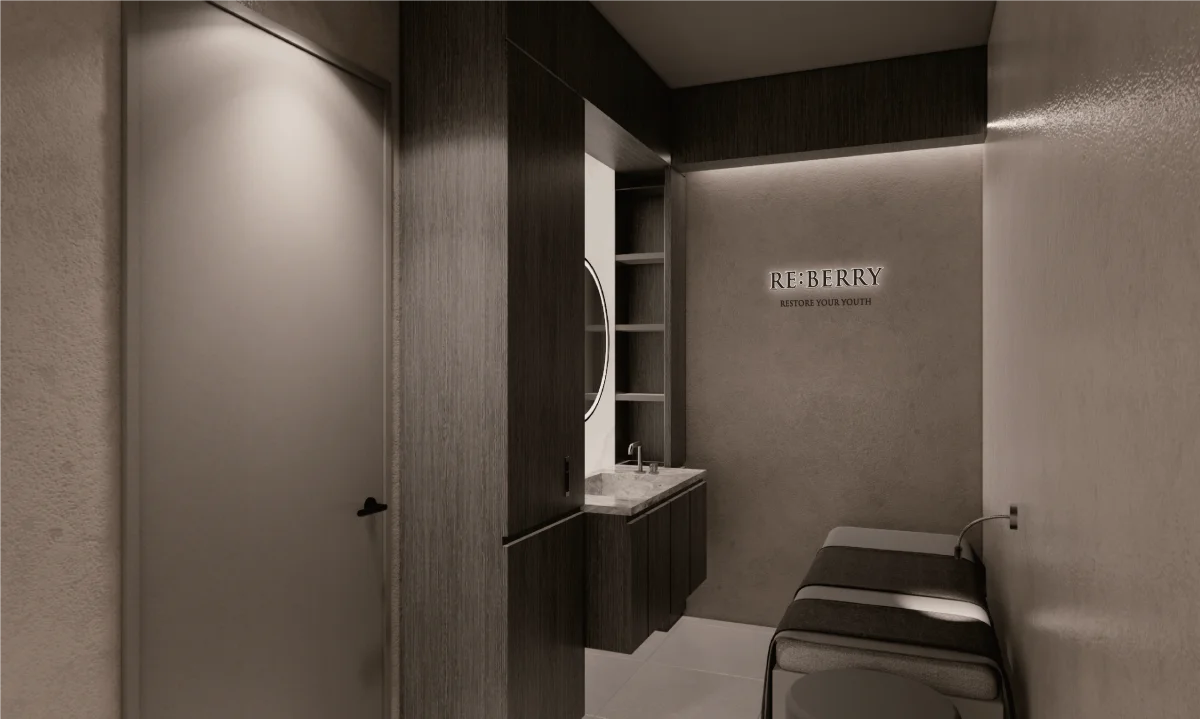
Hydration treatments work at two distinct depths, and a good clinic treats the right one. At the surface, the stratum corneum and its barrier control how much water escapes, measured as transepidermal water loss. A HydraFacial and aqua-peel use vortex hydradermabrasion to cleanse and infuse hydrating serums, while a light superficial peel clears flaky build-up so topical moisture penetrates better, both improving how the surface holds water in about 30 to 45 minutes with minimal downtime. Deeper in the dermis, water-holding depends on molecules like hyaluronic acid, which can bind many times its weight in water, and on channels called aquaporins that move water between skin layers. Skin boosters micro-inject hyaluronic acid or polynucleotide directly into the skin to raise dermal water retention and support the barrier, which studies link to lower transepidermal water loss over a series of about 3 sessions spaced roughly 4 weeks apart. Because surface and deep dryness need different tools, the clinic’s doctors match the treatment to the cause instead of applying one solution to every complaint.
One Reberry Clinic, multiple Seoul-area locations. Pricing & current promotions are listed on each branch's own site — tap a clinic to view pricing & book.
Our flagship in the heart of Gangnam.
In Seoul's shopping & tourism heart.
A beauty stop between flights.
The newest Reberry Clinic — in Seoul's trend district.
ONE REBERRY CLINIC · MFDS-REGISTERED DEVICES · MULTILINGUAL CARE AT EVERY LOCATION

Doctors check whether your dryness is surface (barrier-related) or deep (dermal), which decides the right 1 or 2 treatments.
For surface dryness, a HydraFacial, aqua-peel, or light peel cleanses and hydrates in about 30 to 45 minutes with minimal downtime.
For deep dehydration, a hyaluronic acid or polynucleotide booster is micro-injected over about 3 sessions spaced roughly 4 weeks apart.
Many plans layer both levels, so surface and deep hydration are addressed together for a steadier, longer-lasting result.
Your doctor sets a home skincare routine and periodic top-ups, since hydration is maintained over time, not fixed in 1 visit.
Reberry Clinic · Prices verified: Oct 2026
| Clinic | Price (KRW) |
|---|---|
| Incheon Airport2.5cc | from₩110,000 |
VAT excluded · Final price depends on treatment scope and skin condition · Confirmed after consultation
Before-and-after photos are being updated.
The clinic’s doctors assess your barrier and skin type in English, then explain whether surface, deep, or combined hydration suits you.
A surface treatment takes about 30 to 45 minutes, while a booster session is quick, with tiny injection points that settle fast.
Surface refreshers are single sessions, while deeper booster plans run as a course of about 3 sessions across several weeks.
A HydraFacial gives an immediate glow, while boosters build hydration gradually over the series and the weeks that follow.
Hydration is maintained with periodic top-ups and a home routine, since it is managed over time rather than fixed in one visit.



A skin hydration treatment is any in-clinic option that raises the skin’s water content and helps it hold moisture. It ranges from surface options like a HydraFacial or aqua-peel to deep, water-binding boosters using hyaluronic acid or polynucleotide. The right one depends on whether your dryness is at the surface or deeper in the skin.
Choose a clinic that first identifies whether your dryness is surface or deep, then matches the treatment to it. Our Myeongdong (Seoul) location, about 5 minutes from Myeongdong Station, offers consultation-led skin care across both levels with full English support.
Dryness usually comes from two sources: a weakened surface barrier that lets water escape, or a dermis that holds less water than before. Each needs a different treatment, which is why a barrier assessment matters. You can explore hydration-focused options on our glass facial skin page.
It depends on your dryness. Surface dryness suits a HydraFacial or aqua-peel, while deeper, persistent dehydration suits a hyaluronic acid or polynucleotide booster. Many plans combine both. The clinic’s doctors assess your barrier at consultation and recommend the option, or combination, that fits your skin type.
A skin booster micro-injects hydrating ingredients such as hyaluronic acid or polynucleotide into the skin, where they bind water and support the barrier. Hyaluronic acid can hold many times its weight in water. See how boosters fit a broader plan on our Rejuran Healer page.
Surface refreshers like a HydraFacial can be single sessions, repeated for upkeep. Deeper booster plans usually run as a course of about 3 sessions spaced roughly 4 weeks apart. Your doctor confirms the number after assessing how dehydrated your skin is and how it responds between visits.
Downtime is minimal. A HydraFacial or aqua-peel may leave brief pinkness, a light peel can flush for a few hours, and boosters leave only tiny injection points that settle quickly. Most patients return to normal activities the same day, which makes these practical for travellers.
Surface treatments like a HydraFacial are generally very comfortable with no needles. Boosters involve fine micro-injections that feel like brief pinpricks, and numbing cream is used to keep them comfortable. Your doctor explains what to expect for each option before you start, so there are no surprises.
A HydraFacial gives an immediate refresh and glow, often visible the same day. Boosters build hydration more gradually over the series and the following weeks as the skin retains more water. Results improve steadily rather than all at once, which your doctor reviews between booster sessions.
It varies by option: a HydraFacial refresh lasts days to a couple of weeks, while a booster course can support hydration for months before a top-up. Because hydration is managed over time, a home routine and periodic sessions keep skin comfortable rather than fixing it in one visit.
Yes, hydration pairs well with many treatments, and combining surface and deep options is common. The clinic’s doctors sequence them so the skin is not over-stressed. A tailored skin care routine supports in-clinic results, and boosters can complement brightening or texture-focused plans.
Hydration options like a HydraFacial, peel, and skin booster are widely performed and generally considered safe when a trained doctor matches them to your skin type. A consultation reduces risks such as temporary redness or minor swelling and confirms you are a suitable candidate before treatment begins.
Most adults with surface dryness or persistent dehydration are suitable, and a consultation confirms which level to treat. Those with active infection, a fresh tan, or a known ingredient allergy may need review first. The clinic’s doctors assess your barrier and explain the safest option for your skin.
Yes, your skin type influences which options and settings are safest and most effective. Sensitive or reactive skin may suit gentler surface treatments or polynucleotide boosters, while robust skin may combine levels sooner. Your doctor accounts for this at consultation so the plan is both comfortable and appropriate.
For a single HydraFacial or first booster session, 1 to 2 days is comfortable, allowing a consultation and treatment. Because booster courses run over weeks, many international patients start in Seoul and continue on return visits. Our English-speaking team helps coordinate timing around your travel.
Yes, the clinic offers remote check-ins in English and keeps your notes on file, so a booster course can continue across visits. Maintain results at home with a supportive skin care routine, and book top-up sessions on a return trip to Seoul when it suits you.
| HydraFacial / Aqua-Peel | HA Skin Booster | Polynucleotide Booster | |
|---|---|---|---|
| Level treated | Surface hydration and cleansing | Deep dermal water-binding | Deep dermal hydration and barrier support |
| Mechanism | Vortex hydradermabrasion and serum infusion | Micro-injected hyaluronic acid holds water | Micro-injected polynucleotide aids water retention |
| Best for | Surface dryness and a quick glow | Persistent dehydration and dull, tired skin | Dehydration with sensitivity or redness |
| Downtime | Little to none, brief pinkness possible | Tiny injection points that settle quickly | Tiny injection points that settle quickly |
| Sessions | Single session, repeat for upkeep | A course of about 3 sessions | A course of about 3 to 4 sessions |
| Results timeline | Immediate refresh | Builds over the series across weeks | Builds over the series across weeks |
Real verified reviews from our Google Business Profile, across all Reberry Clinic locations.
PULLED LIVE FROM GOOGLE · GANGNAM · MYEONGDONG · INCHEON AIRPORT
Your treatment is planned and performed by experienced, MFDS-registered doctors across our Seoul-area clinics, with multilingual support for international patients.
Flagship clinic · for leading lifting & regenerative devices · Featured in Authority Magazine (2026)

Multilingual tourist care beside Myeongdong Cathedral

Fast, effective care 20 minutes from the terminals
Message us on WhatsApp for a free consultation in English about surface and deep hydration options tailored to your skin.