



Gangnam
Dr. Yoon-Gon Ryu
Aesthetic Medicine Specialist
Flagship clinic · for leading lifting & regenerative devices · Featured in Authority Magazine (2026)

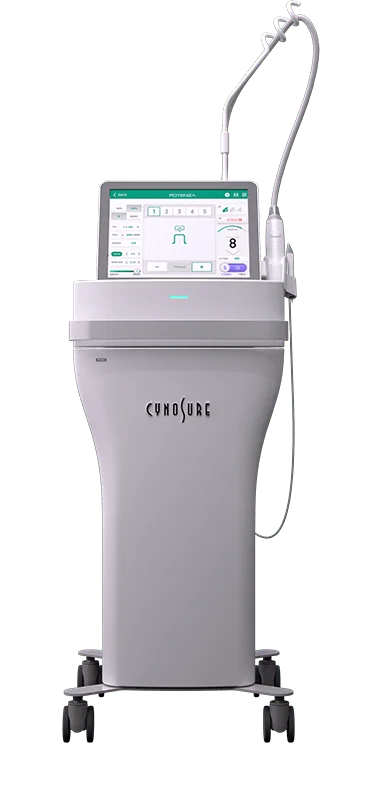
A good clinic matches your scar type to the right resurfacing tool, since atrophic acne scars usually improve gradually across roughly 3 to 5 sessions, not in a single visit.
To choose a good acne scar clinic near Incheon Airport, look for a doctor who identifies your scar type first, then matches it to fractional laser or microneedling across a planned series rather than one session. At our Incheon Airport (Yeongjongdo) location, Dr. Sunbeen Kim assesses scars and skin tone before treatment.
One-on-One guidance from a dedicated doctor, ensuring your skin is professionally monitored and treated from start to finish.
Fluent assistance in English, Japanese, and Chinese, making communication clear, respectful and comfortable for international patients.
Over 100,000 patients worldwide have received our personalized dermatological care, highlighting our expertise and reliable results.
Acne scar treatment uses resurfacing methods, mainly fractional laser and microneedling, to remodel the skin and stimulate new collagen so depressed or textured scars become shallower and smoother over time. Acne scars are not all the same: rolling, boxcar, and ice-pick scars each respond differently, and a plan that ignores that distinction rarely works well. This is why the single most important thing when choosing a clinic is whether a doctor actually assesses your scar type before recommending a tool.
A good acne scar clinic sets honest expectations. Scars improve gradually across a series of sessions rather than disappearing after one, and results build as collagen remodels over the following months. Beware of clinics promising flawless skin or a one-session fix, because atrophic scars are stubborn and layered plans usually work more efficiently than any single pass.
At Reberry Clinic, scar care is doctor-led and matched to skin tone as well as scar type. Care is available at our Incheon Airport (Yeongjongdo) location, near ICN, convenient for transit and stopover patients, with English-speaking support so international travellers understand the plan and timeline clearly.

Fractional laser resurfacing works by creating thousands of microscopic treatment columns across the skin while leaving surrounding tissue intact, which triggers a controlled healing response and new collagen that gradually fills atrophic scars over the following months. Ablative fractional lasers remove tiny columns of tissue for stronger remodelling with more downtime, while non-ablative versions heat the dermis with less recovery across more sessions. Microneedling takes a mechanical route, using fine needles to create controlled micro-injuries that stimulate collagen; RF microneedling adds radiofrequency energy delivered into the dermis through those needles for deeper remodelling. Because each method suits different scar types and skin tones, a good clinic chooses based on assessment rather than defaulting to one device. Studies in Asian and Korean skin typically report visible improvement over roughly 3 to 5 sessions spaced 4 to 6 weeks apart, and darker skin tones need conservative settings to reduce the risk of post-inflammatory pigmentation, which is a key reason doctor-led setting selection matters when you compare clinics.
One Reberry Clinic, multiple Seoul-area locations. Pricing & current promotions are listed on each branch's own site — tap a clinic to view pricing & book.
Our flagship in the heart of Gangnam.
In Seoul's shopping & tourism heart.
A beauty stop between flights.
The newest Reberry Clinic — in Seoul's trend district.
ONE REBERRY CLINIC · MFDS-REGISTERED DEVICES · MULTILINGUAL CARE AT EVERY LOCATION


A good clinic identifies whether you have rolling, boxcar, or ice-pick scars, since these 3 types respond to different tools.
For deeper skin tones, conservative settings lower the risk of pigment changes, so ask how settings are chosen for your skin.
Atrophic scars typically need roughly 3 to 5 sessions spaced 4 to 6 weeks apart, so a single-session promise is a red flag.
Scarring care works best once active breakouts are settled, so a good clinic sequences the 2 stages rather than mixing them.
Realistic clinics say scars improve, not vanish; promises of flawless skin in 1 visit are a warning sign when choosing.
Reberry Clinic · Prices verified: Oct 2026
| Clinic | Price (KRW) |
|---|---|
| MyeongdongSubcision 1 Area | from₩110,000 |
| Incheon AirportSubcision Add-On 1 Session | from₩55,000 |
VAT excluded · Treatment packages differ by clinic — see each clinic page for its full menu · Confirmed after consultation
Before-and-after photos are being updated.
Dr. Sunbeen Kim identifies your scar type and skin tone, then recommends a tool and explains the timeline over a series, in English.
After numbing, a session usually takes about 30 to 60 minutes depending on the modality and treated area.
Most plans run roughly 3 to 5 sessions spaced 4 to 6 weeks apart, so treatment is mapped across weeks, not one visit.
Texture improves gradually as collagen remodels over months, with each session building on the last.
Diligent daily sunscreen and gentle skincare protect results, since sun exposure can undo scar and pigment progress.



Look for a clinic where a doctor identifies your scar type and skin tone before choosing a tool, plans a series rather than one session, and keeps claims realistic. Active acne should be controlled first. You can start on our acne treatment page to see how assessment guides scar care.
The right treatment depends on your scar type: boxcar and mixed atrophic scars often suit fractional laser, milder rolling scars suit microneedling, and deeper scars with oily skin may suit RF microneedling. A doctor’s assessment matches the tool to your skin. You can compare options via our laser treatment page.
Most atrophic acne scar plans run roughly 3 to 5 sessions spaced 4 to 6 weeks apart, because collagen remodelling is gradual. The exact number depends on scar depth, type, and how your skin responds. A single-session promise is a warning sign, since stubborn scars rarely resolve in one visit.
Numbing cream is applied first, so most patients tolerate fractional laser and microneedling with a manageable heat or pricking sensation. Comfort varies by modality and depth. Your doctor adjusts settings to balance effectiveness and comfort, and explains what each session will feel like before you start.
Downtime is usually redness and mild peeling or swelling for a day or two, more with ablative fractional laser and less with gentler microneedling. Most people resume normal activity quickly with sun protection. Your doctor tells you the expected recovery for your chosen modality so you can plan around it.
Improvement builds gradually over months as collagen remodels, with each session in the series adding to the last, rather than after a single visit. Early texture changes may appear within weeks, but the fuller effect develops over several months. Consistent sun protection helps the results settle properly.
Yes, skin tone strongly affects settings, because deeper tones are more prone to post-inflammatory pigmentation and need conservative laser or energy settings. A good clinic assesses your tone and adjusts accordingly. This is a key reason doctor-led, tone-matched treatment matters more than any single device claim when choosing a clinic.
Yes, active acne is usually controlled before resurfacing scars, because treating over inflamed skin can irritate it and even create new marks. A good clinic sequences active-acne care and scar care in stages. You can see the active-acne approach on our acne treatment page first.
Yes, plans often layer modalities, such as fractional laser with microneedling or RF microneedling, so different scar types are addressed together. Combining can be more efficient for mixed scarring than one method alone. Your doctor sequences sessions so the skin is not over-stressed, spacing them to allow full healing between visits.
Scar improvement from resurfacing is generally long-lasting once collagen has remodelled, though it is a gradual softening rather than complete erasure. New scars can still form if active acne returns, so controlling breakouts protects your results. Sun protection is essential to maintain both texture and even tone over time.
Acne scar resurfacing is generally safe when a trained doctor matches the method and settings to your scar type and skin tone. Temporary redness and pigment changes are the main risks, reduced by careful settings and aftercare. A thorough consultation and honest expectations lower risk far more than any promise of flawless skin.
A single fixed price is not a reliable quality signal, because scar type, depth, and the number of sessions vary per person. A good clinic explains what affects cost after assessing your scars rather than quoting one figure for everyone. Transparency about the plan matters more than a headline price.
Most adults with atrophic acne scars are candidates once active acne is settled, particularly rolling, boxcar, or mixed scars. A consultation confirms scar type, skin tone, and the best modality. Very deep ice-pick scars sometimes need combined approaches, which your doctor will explain honestly at assessment.
Daily sunscreen, gentle non-comedogenic products, and avoiding picking or scrubbing are essential to protect healing and pigment. A tailored skin care routine supports the skin between sessions. Your doctor explains what to avoid for a few days after each session so results are not compromised.
For a first scar session, 2 to 3 days is comfortable, allowing consultation, treatment, and initial recovery. Because scar plans run as a series, many international patients begin near ICN and continue on return trips. Our English-speaking team at the Incheon Airport (Yeongjongdo) location coordinates timing around your travel.
Yes, flying within a day or so is generally fine after most scar sessions, though ablative fractional laser needs a little more recovery. Cabin air is drying, so moisturise and protect treated skin from the sun. Your doctor gives modality-specific advice so you can travel comfortably after treatment.
Scar treatment is available at our Incheon Airport (Yeongjongdo) location under Dr. Sunbeen Kim, handy for transit patients, and at our Seoul locations. International patients can complete a series across visits, continue supportive skin care at home, and use English-language check-ins to keep the plan on track.
| Fractional Laser | Microneedling | RF Microneedling | |
|---|---|---|---|
| Mechanism | Micro-columns of light energy trigger collagen remodelling | Fine needles create micro-injuries to stimulate collagen | Needles deliver radiofrequency energy into the dermis |
| Best for | Boxcar and mixed atrophic scars, texture | Milder rolling scars, sensitive or budget-conscious skin | Deeper rolling and boxcar scars, with oil and pores |
| Comfort | Numbing used; heat sensation during treatment | Numbing used; mild pricking sensation | Numbing used; heat plus needling sensation |
| Downtime | Redness and mild peeling, more with ablative | Redness for a day or two | Redness and mild swelling for a day or two |
| Sessions | A planned series over weeks | A planned series, often more sessions | A planned series over weeks |
| Cost factors | Depends on ablative vs non-ablative and sessions | Depends on number of sessions and add-ons | Depends on depth, area, and number of sessions |
Real verified reviews from our Google Business Profile, across all Reberry Clinic locations.
PULLED LIVE FROM GOOGLE · GANGNAM · MYEONGDONG · INCHEON AIRPORT
Your treatment is planned and performed by experienced, MFDS-registered doctors across our Seoul-area clinics, with multilingual support for international patients.
Flagship clinic · for leading lifting & regenerative devices · Featured in Authority Magazine (2026)

Multilingual tourist care beside Myeongdong Cathedral

Fast, effective care 20 minutes from the terminals
Message us on WhatsApp for a free consultation in English about your acne scars and a plan matched to your skin.