



Gangnam
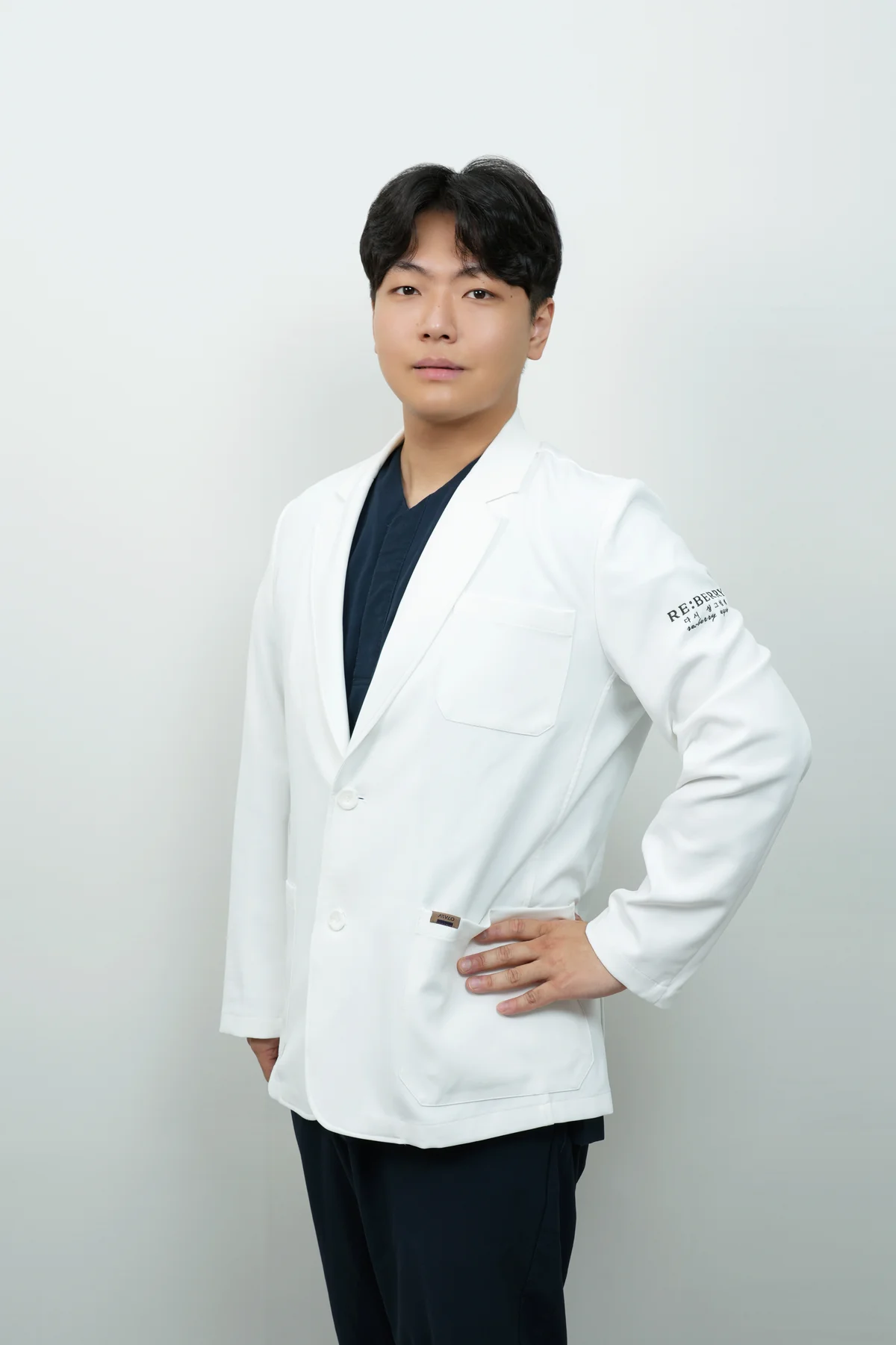
Dr. Yoon-Gon Ryu
Aesthetic Medicine Specialist
Flagship clinic · KOL for leading lifting & regenerative devices · Featured in Authority Magazine (2026)

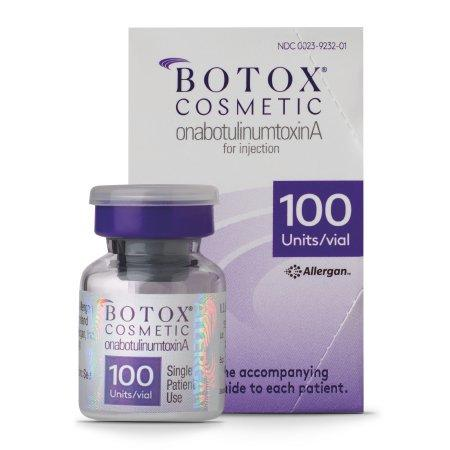
Botulinum toxin is placed across roughly 15 to 20 points per sole to block the sweat signal, and studies report most patients staying noticeably drier for up to about 20 weeks.
Sole hyperhidrosis, or excessive foot sweating, is treated with botulinum toxin injected across the soles to block the acetylcholine signal that triggers sweat glands, keeping feet drier for several months per session. For patients near Hongdae (Hongik Univ.) Station, care is provided across our Seoul locations, easily reached from 홍대입구역.
One-on-One guidance from a dedicated doctor, ensuring your skin is professionally monitored and treated from start to finish.
Fluent assistance in English, Japanese, and Chinese, making communication clear, respectful and comfortable for international patients.
Over 100,000 patients worldwide have received our personalized dermatological care, highlighting our expertise and reliable results.
Sole hyperhidrosis is excessive, uncontrolled sweating of the feet that goes beyond what the body needs to cool itself. It often runs alongside sweaty palms and can lead to slippery footing, damp socks and shoes, odour, and skin irritation, affecting confidence and daily comfort. Unlike ordinary sweating in heat or exercise, primary plantar hyperhidrosis persists regardless of temperature and can start in childhood or the teenage years.
Botulinum toxin is one of the most established treatments for it. When injected across the soles, the toxin temporarily blocks the chemical messenger that tells sweat glands to release sweat, so the treated area stays much drier. It does not cure the tendency to sweat, but it controls it effectively for months at a time, which is why many people repeat the treatment periodically.
At Reberry Clinic, sweaty-feet treatment is consultation-led. The clinic’s doctors assess your sweat pattern and severity, often with a simple starch-iodine test, then plan the injection points in English. For international patients searching near Hongdae (Hongik Univ.) Station, care is provided across our Seoul locations (Gangnam, Myeongdong), easily reached from 홍대입구역.
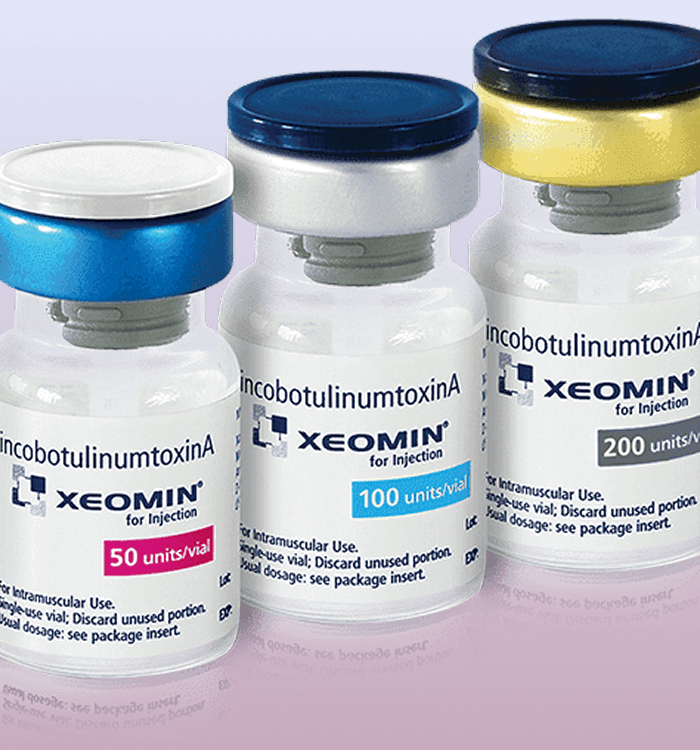
Sweat glands are switched on by a nerve chemical called acetylcholine. Botulinum toxin works by temporarily blocking the release of that messenger where the nerves meet the sweat glands, so the treated part of the sole produces far less sweat. Because the effect is local to where the toxin is placed, coverage matters: each sole is treated across roughly 15 to 20 injection points so the whole sweating zone is addressed evenly rather than in patches. The sole is a sensitive area, so comfort measures such as topical numbing, cooling, or a nerve block are commonly used to keep the session tolerable. Doctors often map the sweatiest areas first using a starch-iodine (Minor’s) test, which turns wet skin dark and shows exactly where to concentrate the injections. The effect is temporary: as nerve endings gradually recover over months, sweating returns and the treatment is repeated, which is why it is a management approach rather than a one-time fix.
One Reberry Clinic, multiple Seoul-area locations. Pricing & current promotions are listed on each branch's own site — tap a clinic to view pricing & book.
Our flagship in the heart of Gangnam.
In Seoul's shopping & tourism heart.
A beauty stop between flights.
The newest Reberry Clinic — in Seoul's trend district.
ONE REBERRY CLINIC · MFDS-REGISTERED DEVICES · MULTILINGUAL CARE AT EVERY LOCATION

Doctors grade severity and often use a starch-iodine test to reveal the sweatiest zones across each of the 2 soles.
Because the sole is sensitive, numbing, cooling, or a nerve block is applied first so the 15 to 20 injections per foot stay tolerable.
Botulinum toxin is placed across roughly 15 to 20 points per sole, spaced to cover the sweating zone evenly.
Over the next 3 to 7 days the toxin blocks the sweat-gland signal, and the soles become progressively drier.
Dryness commonly lasts several months, and the effect is reviewed to plan a repeat session as sweating gradually returns.
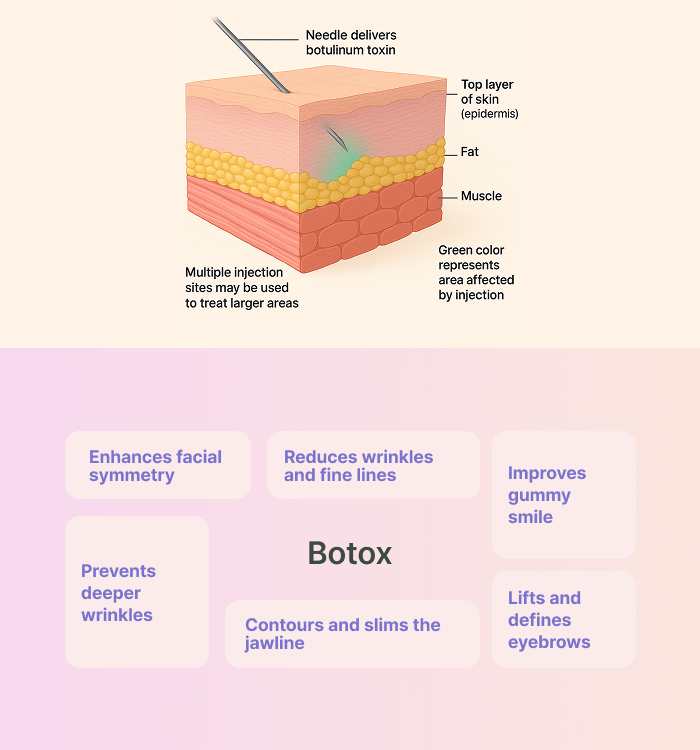
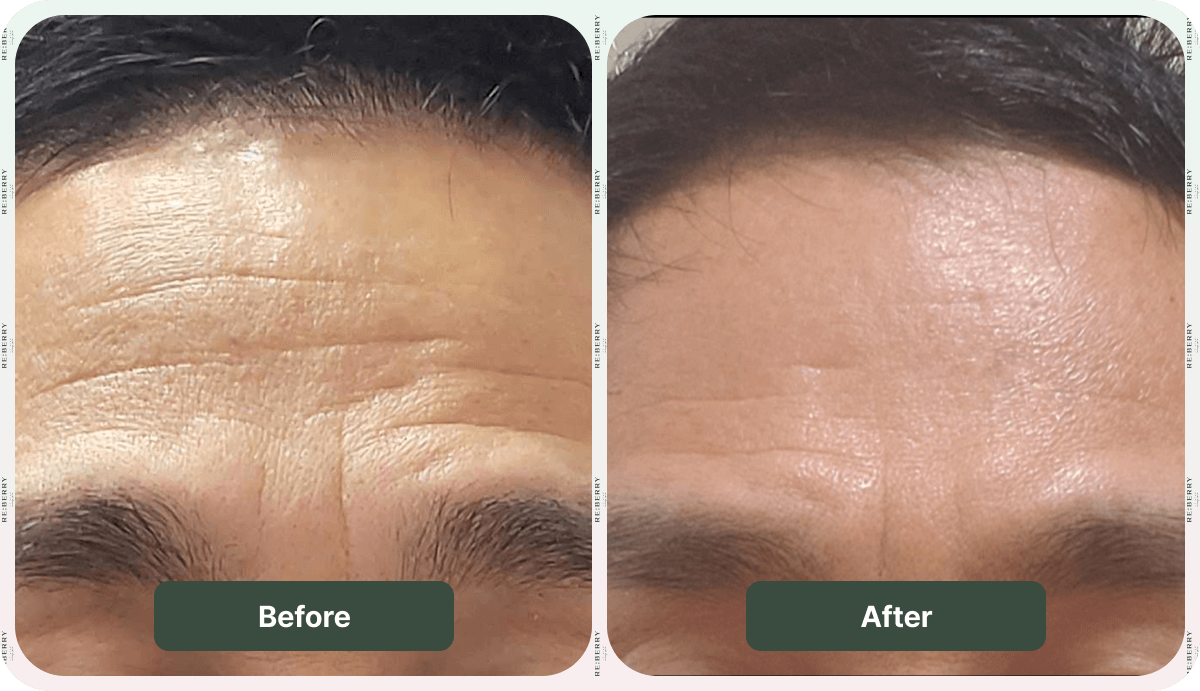
See representative outcomes from Reberry Clinic. Results build gradually and vary by individual; your plan is assessed at consultation.
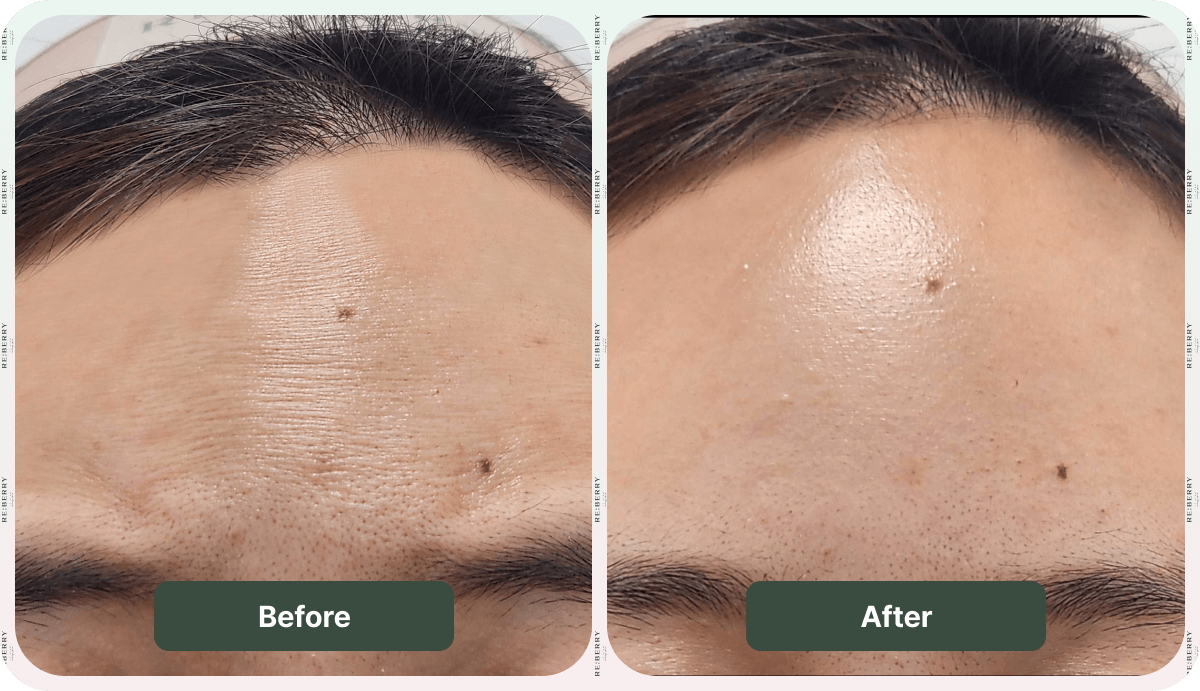
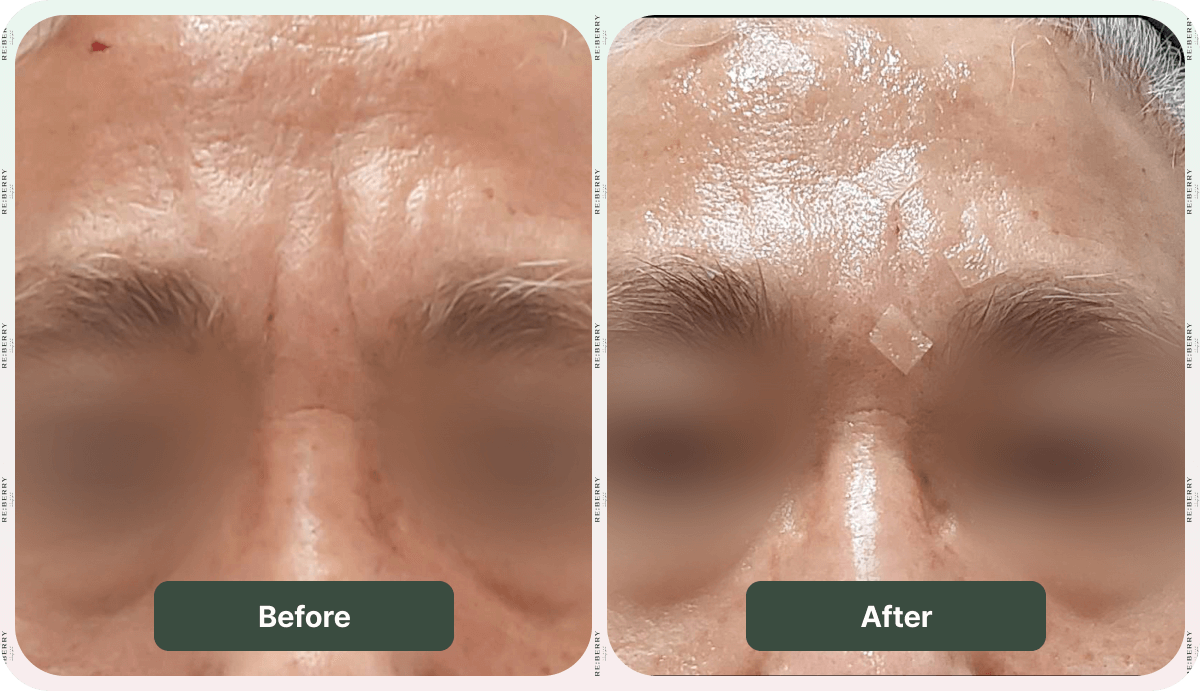
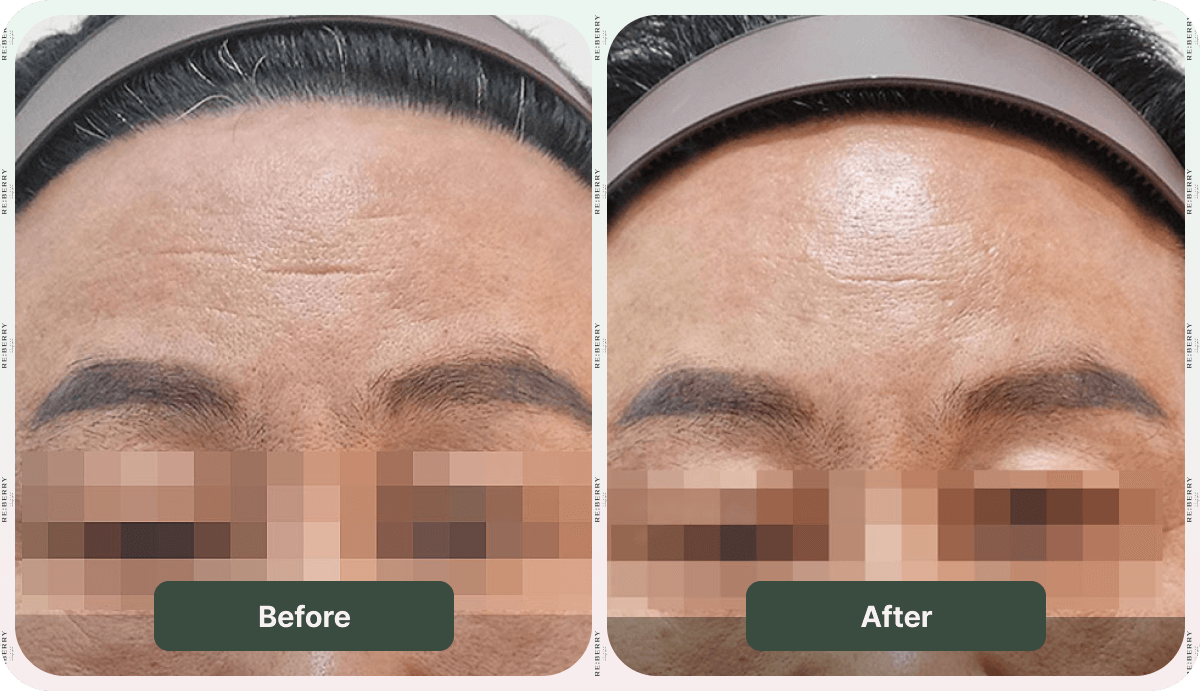
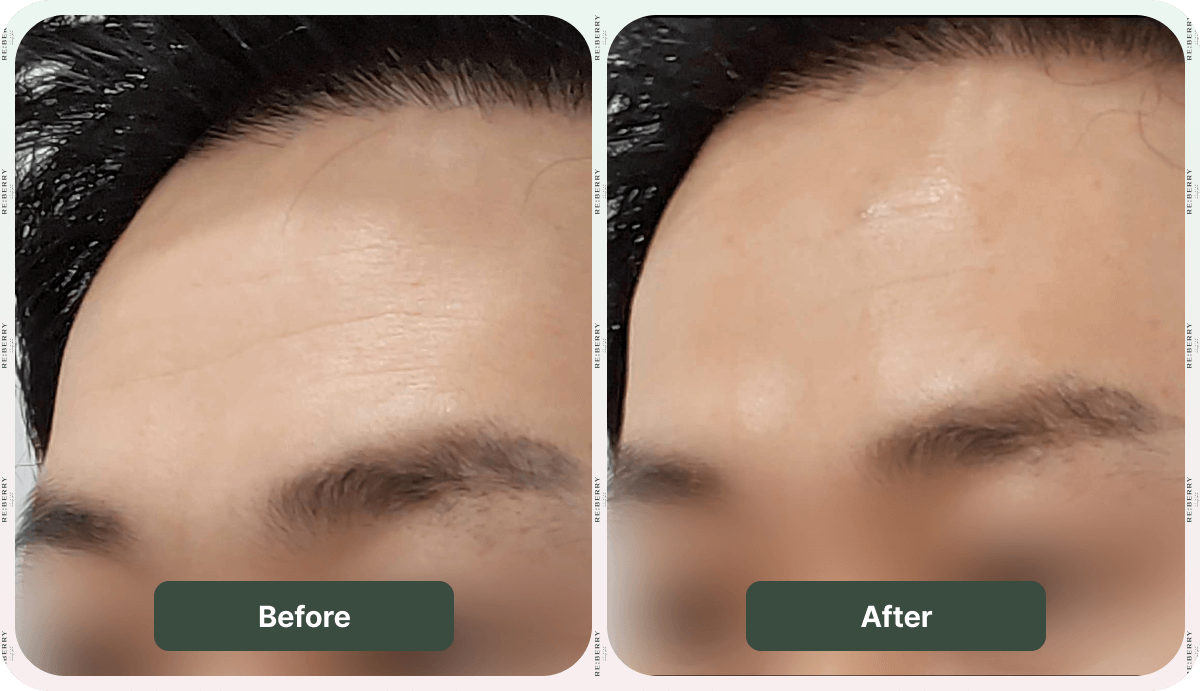
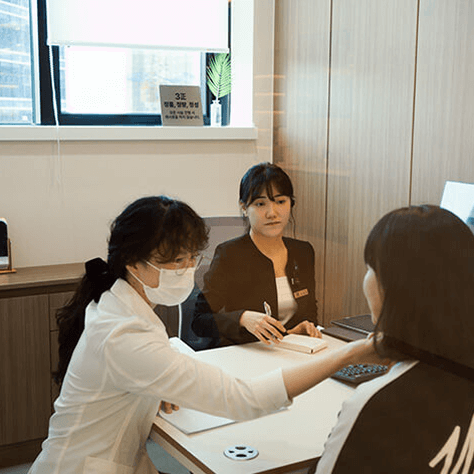
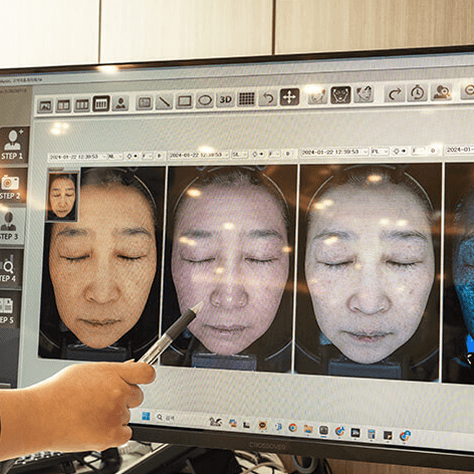
The clinic’s doctors grade your sweat severity, map the area, and explain the plan and what to expect in English.
With comfort measures in place, injecting both soles across the mapped points usually takes about 20 to 30 minutes.
Treatment is a single short visit, so many international patients complete it in one appointment while in Seoul.
Soles typically become noticeably drier within about 3 to 7 days, with the full effect settling over the following days.
Dryness commonly lasts several months, so treatment is repeated periodically, with simple foot care advised in between.
Sole hyperhidrosis is excessive, uncontrolled sweating of the feet that persists regardless of temperature or activity. It can cause damp socks, slippery footing, odour, and skin irritation. It often runs with sweaty palms and can begin early in life. Botulinum toxin is a common treatment, explained on our botox injection page.
Botulinum toxin blocks acetylcholine, the nerve chemical that signals sweat glands to release sweat, so the treated sole produces far less sweat. Each sole is injected across many points for even coverage. It reduces sweating for months rather than curing the tendency; see our botox injection page for how it works.
It is highly effective for most people: in a plantar study, 7 of 10 patients stayed symptom-free for up to 20 weeks after treatment. Larger hyperhidrosis trials show around 75% of patients reaching a clear severity improvement versus roughly 25% on placebo. Your doctor reviews your response and plans repeat sessions accordingly.
Each sole is typically treated across roughly 15 to 20 injection points so the whole sweating zone is covered evenly, with larger or very sweaty feet sometimes needing more. Your doctor maps the area first, often with a starch-iodine test. You can read more on our botox injection page.
The sole is sensitive, so comfort measures such as topical numbing, cooling, or a nerve block are commonly used to keep the session tolerable. You may still feel some pressure or brief stinging. Your doctor discusses the comfort approach beforehand and tailors it to your pain tolerance and the number of injection points needed.
Most people notice their soles becoming drier within about 3 to 7 days as the toxin takes effect, with the full result settling over the following days rather than immediately. Your doctor reviews the response and, if any area needs a touch-up, plans it so coverage across the sole is even.
Dryness commonly lasts several months per session before sweating gradually returns as nerve endings recover, so it is a management approach rather than a permanent fix. In a plantar study, many stayed dry for up to 20 weeks. Your doctor plans repeat sessions around how quickly your sweating comes back.
Because each session lasts several months, many people repeat treatment two to three times a year depending on how quickly sweating returns. Repeated injections may lengthen the dry interval over time. Your doctor sets the rhythm at review. You can plan visits alongside other care on our injection treatment page.
Downtime is usually minimal, though your feet may feel a little tender for a day or so, so comfortable shoes and light walking help. Most people return to normal activity quickly. Your doctor advises avoiding intense foot exercise briefly and explains simple aftercare so the treated soles settle comfortably.
Yes, sweaty palms are often treated in the same visit since palmar and plantar hyperhidrosis frequently occur together, though palms need their own injections and units. Your doctor plans coverage for each area, as outlined on our injection treatment page, so both hands and feet are addressed efficiently.
It is widely performed and generally considered safe when a trained doctor maps the area and controls unit distribution. A consultation screens for contraindications such as pregnancy, allergy, or infection on the soles. Temporary tenderness, bruising, or brief foot-muscle weakness can occur, and your doctor explains how these are minimised and managed.
Most side effects are mild and temporary, including injection-site tenderness, small bruises, or short-lived weakness in the foot muscles. These typically resolve on their own within days to a couple of weeks. Your doctor reviews your history and injection technique to reduce risk and tells you what to watch for afterwards.
Good candidates are adults with moderate to severe foot sweating, especially when antiperspirants or topicals have not helped enough. A consultation grades severity and confirms suitability, ruling out contraindications like pregnancy or infection, and can cover related body rejuvenation options that fit you better.
Patients searching near Hongdae (Hongik Univ.) Station are cared for at our Seoul locations in Gangnam and Myeongdong, both easily reached from 홍대입구역, with full English support. Our multilingual team helps you choose the most convenient location and arranges your sweaty-feet consultation and treatment around your schedule.
For sweaty-feet botox alone, 1 to 2 days is usually comfortable, covering a consultation and the treatment with a short review. Because dryness takes a few days to develop, you can travel while it settles. Our English-speaking team helps coordinate timing around your visit near Hongdae Station and Seoul.
Yes, flying within a day or two is generally fine, though your feet may feel tender initially, so comfortable footwear and light walking help during travel. Avoid intense foot exercise briefly. If you had a nerve block or combined procedures, your doctor gives specific aftercare and travel advice before you leave Seoul.
| Botox for Sweaty Feet | Antiperspirants / Topicals | Iontophoresis | |
|---|---|---|---|
| Mechanism | Blocks the nerve signal to sweat glands in the sole | Aluminium salts plug sweat ducts at the surface | Mild electric current reduces sweat-gland activity |
| Best for | Moderate to severe sweaty feet | Mild sweating or first-line care | Those preferring a needle-free routine |
| Effect duration | Several months per session | Short, needs daily reapplication | Temporary, needs frequent repeat sessions |
| Comfort | Injections in a sensitive area, comfort measures used | Can sting or irritate skin | Tingling during sessions |
| Effort | One visit, then months before repeating | Ongoing daily routine | Repeated sessions, weekly at first |
| Onset | Drier within about 3 to 7 days | Variable, often modest | Builds over repeated sessions |
Real verified reviews from our Google Business Profile, across all Reberry Clinic locations.
PULLED LIVE FROM GOOGLE · GANGNAM · MYEONGDONG · INCHEON AIRPORT
Your treatment is planned and performed by experienced, MFDS-registered doctors across our Seoul-area clinics, with multilingual support for international patients.
Flagship clinic · KOL for leading lifting & regenerative devices · Featured in Authority Magazine (2026)

Multilingual tourist care beside Myeongdong Cathedral
Fast, effective care 20 minutes from the terminals
Message us on WhatsApp for a free consultation in English about sole hyperhidrosis, with your plan and location explained clearly.