



Gangnam
Dr. Yoon-Gon Ryu
Aesthetic Medicine Specialist
Flagship clinic · KOL for leading lifting & regenerative devices · Featured in Authority Magazine (2026)

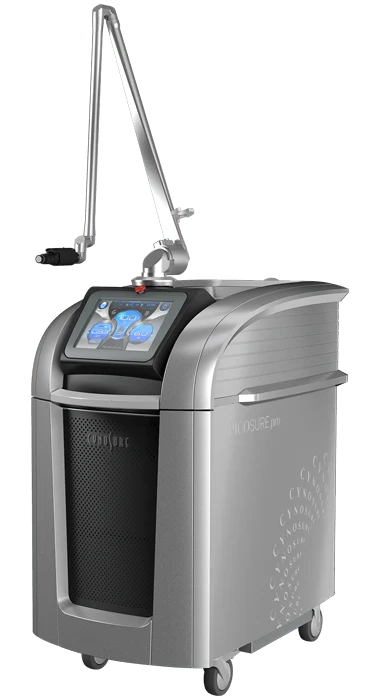
Viral warts are treated with 2 main in-clinic methods, CO2 laser and cryotherapy, chosen by the doctor to match your wart type, site, and lesion count.
Wart removal in Seoul, Korea clears viral (HPV) warts using CO2 laser, which ablates the wart precisely, or cryotherapy, which freezes it with liquid nitrogen. The clinic’s doctors first confirm the lesion is a wart, then choose the method by type, size, and location, with English-speaking care across our Seoul locations and Incheon Airport.
One-on-One guidance from a dedicated doctor, ensuring your skin is professionally monitored and treated from start to finish.
Fluent assistance in English, Japanese, and Chinese, making communication clear, respectful and comfortable for international patients.
Over 100,000 patients worldwide have received our personalized dermatological care, highlighting our expertise and reliable results.
Wart removal is the in-clinic treatment of warts, which are benign skin growths caused by the human papillomavirus (HPV). The virus infects the top layer of skin and makes it grow into a rough, raised lesion. Common warts appear on the hands, plantar warts on the soles, filiform warts on the face or neck, and periungual warts around the nails, and each type behaves a little differently, which is why an in-person assessment comes first.
At Reberry Clinic the two main methods are CO2 laser and cryotherapy. CO2 laser is an ablative laser that vaporises the wart tissue with precision, often clearing an isolated or stubborn wart in a single session. Cryotherapy freezes the wart with liquid nitrogen so the treated tissue blisters and falls away, and it is usually repeated over a short course. Because both are medical procedures, they are performed after the clinic’s doctors confirm the lesion is a viral wart and not another kind of growth.
International patients receive English-language support and can plan care around travel across our laser treatment services at three Seoul-area locations (Gangnam, Myeongdong, Incheon Airport). Because warts are viral, the goal is to clear the visible lesion and monitor the site, since a wart can recur and new warts can appear over time.
The two mainstays of wart removal target the lesion in different ways. CO2 laser delivers a focused beam of light that the water in skin cells absorbs, heating and vaporising the wart tissue layer by layer with millimetre precision. Because it is precise, it can remove a single stubborn wart, including thick plantar or periungual lesions, and studies report roughly 90 to 95 percent clearance of recalcitrant warts after one session. Cryotherapy applies liquid nitrogen at about minus 196 degrees Celsius to freeze the wart; the frozen tissue blisters over the following days and sheds, and the course is usually 2 to 4 sessions spaced 2 to 3 weeks apart. Both methods physically remove or destroy the wart, but neither eliminates HPV from the surrounding skin, which is why the doctor also advises on aftercare and monitors the site. The choice between laser and cryotherapy depends on the wart type, its thickness and location, how many lesions there are, and your skin type, all of which the clinic’s doctors assess before treatment.
One Reberry Clinic, multiple Seoul-area locations. Pricing & current promotions are listed on each branch's own site — tap a clinic to view pricing & book.
Our flagship in the heart of Gangnam.
In Seoul's shopping & tourism heart.
A beauty stop between flights.
The newest Reberry Clinic — in Seoul's trend district.
ONE REBERRY CLINIC · MFDS-REGISTERED DEVICES · MULTILINGUAL CARE AT EVERY LOCATION
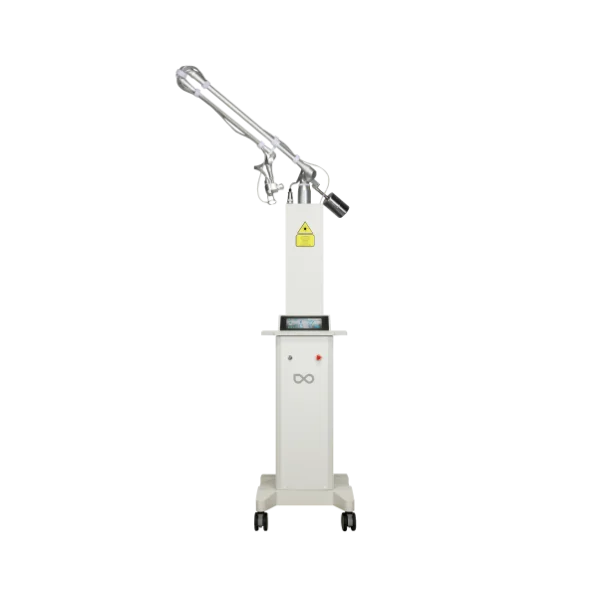
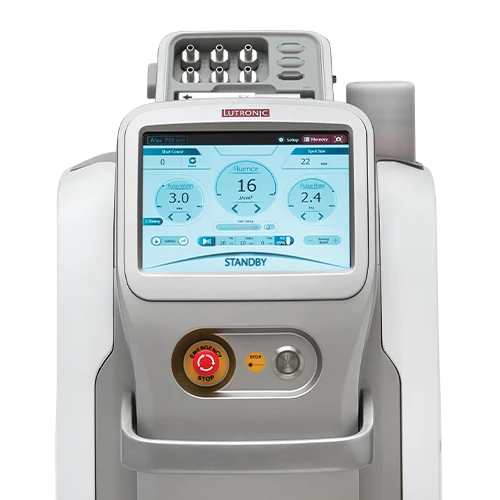
The doctor examines every lesion, confirms it is a viral wart, and notes the type across the 4 common patterns (common, plantar, filiform, periungual).
Based on wart type and site, the doctor selects CO2 laser or cryotherapy, and for 1 isolated stubborn wart laser is often the efficient choice.
Local anaesthetic or a numbing cream is applied where needed, especially for laser and for larger cryotherapy areas, taking about 20 to 30 minutes.
Laser ablates the tissue in 1 focused session, or cryotherapy freezes it in cycles, with each visit usually taking 10 to 30 minutes depending on lesion count.
The treated skin heals over roughly 1 to 3 weeks, and the doctor reviews the site to check for regrowth before confirming clearance.
Reberry Clinic · Prices verified: Oct 2026
| Clinic | Price (KRW) |
|---|---|
| GangnamCO2 Laser Small Lesion (under 1mm) | from₩10,000 |
| MyeongdongCO2 Laser 1 Area (1mm) | from₩15,000 |
VAT excluded · Treatment packages differ by clinic — see each clinic page for its full menu · Confirmed after consultation
See representative outcomes from Reberry Clinic. Results build gradually and vary by individual; your plan is assessed at consultation.
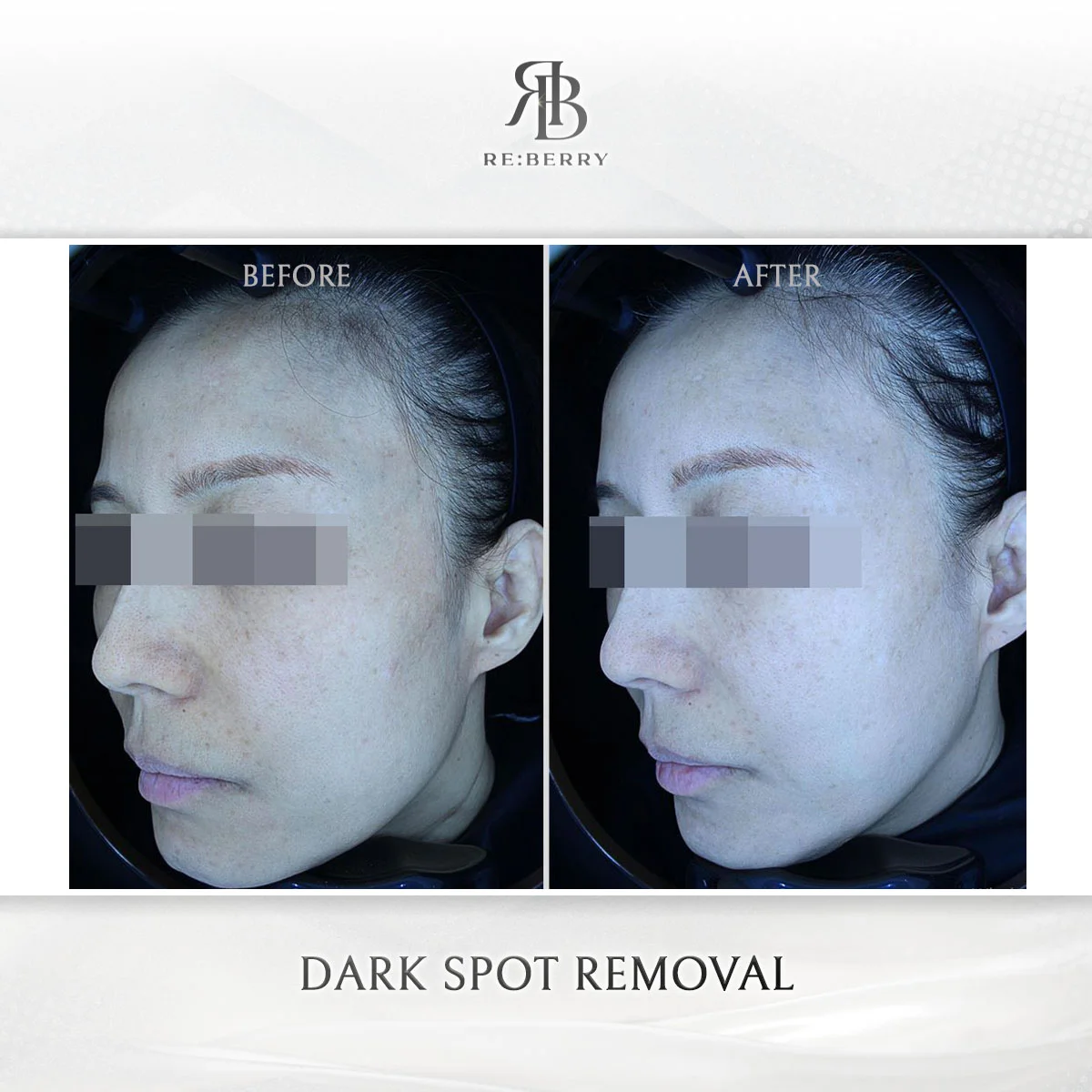
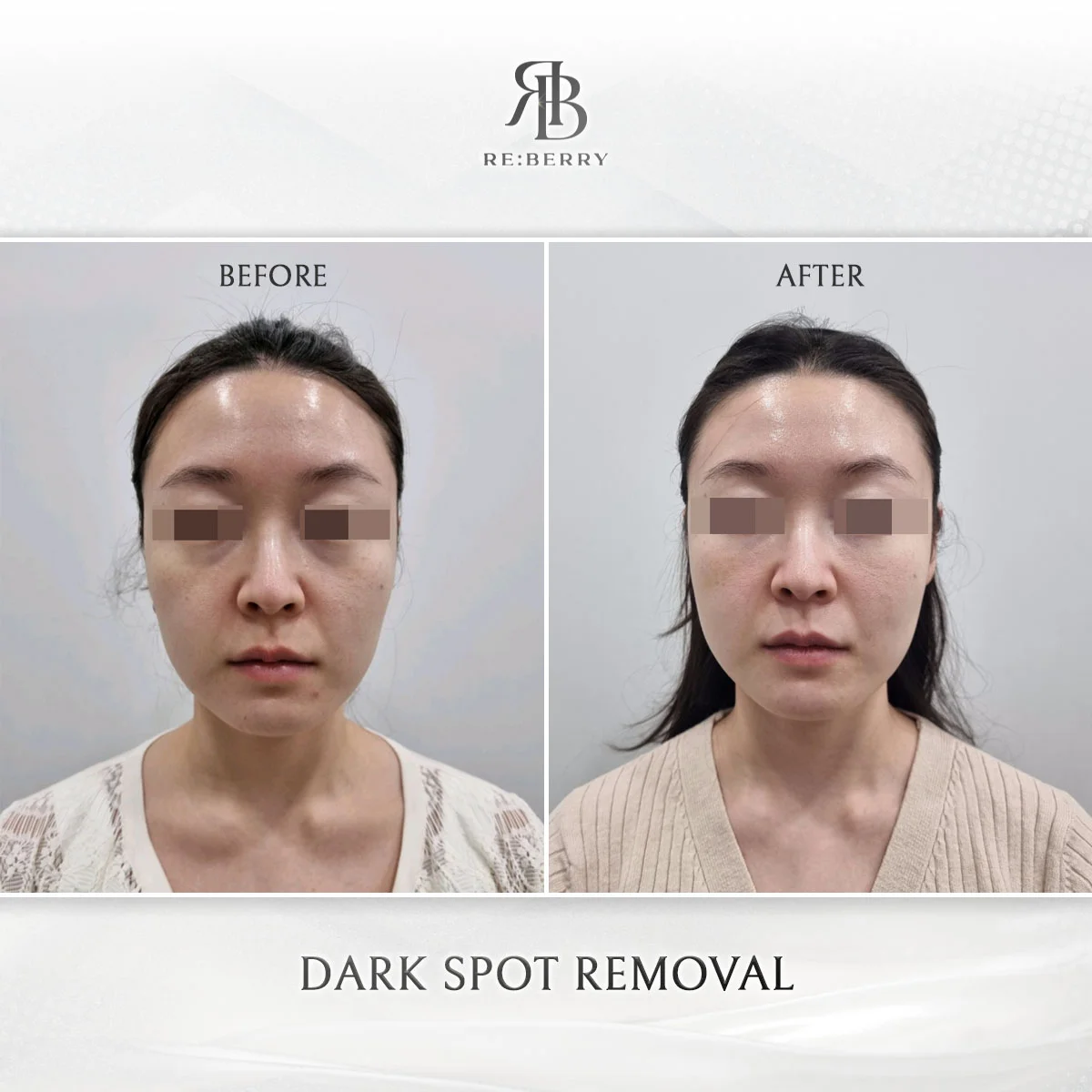
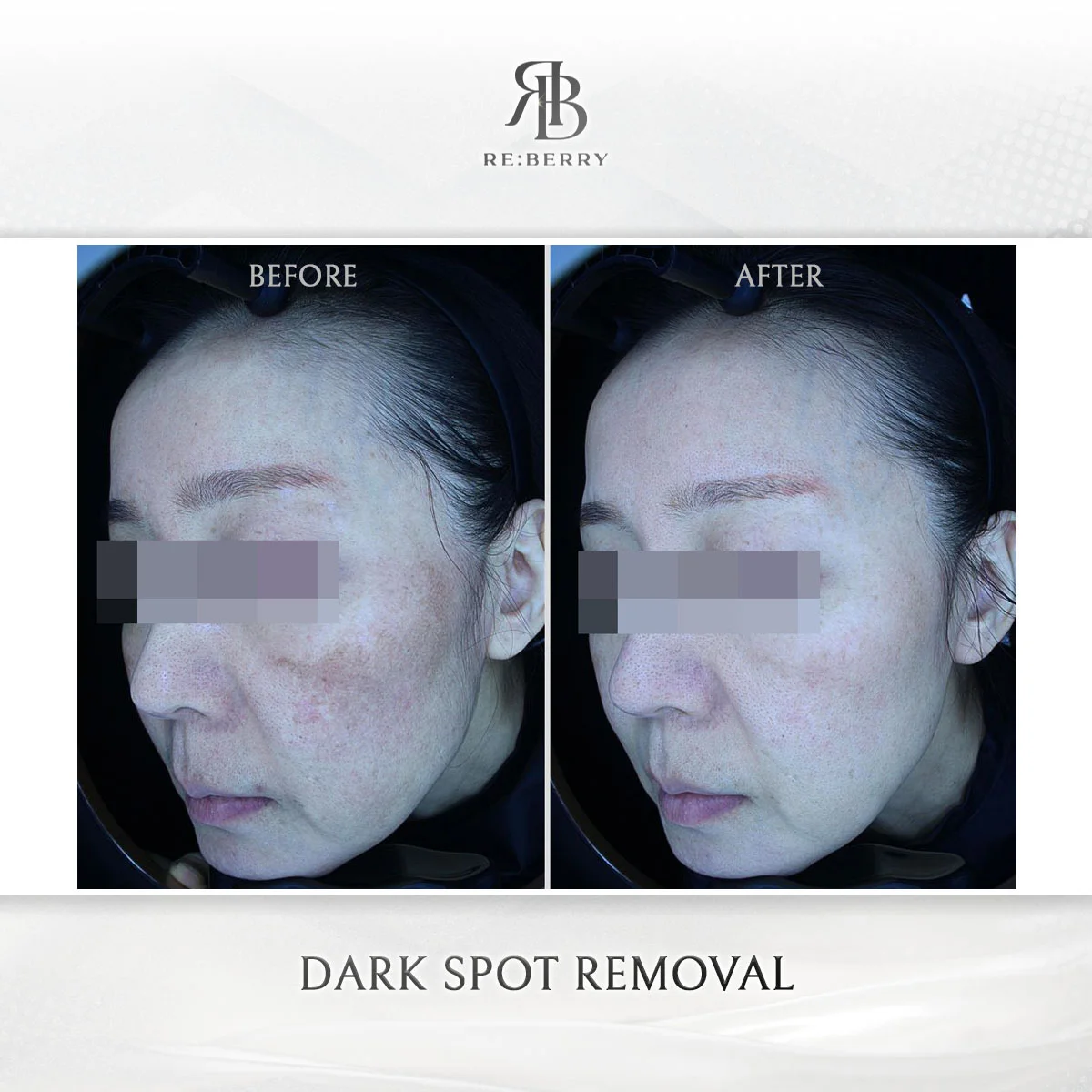
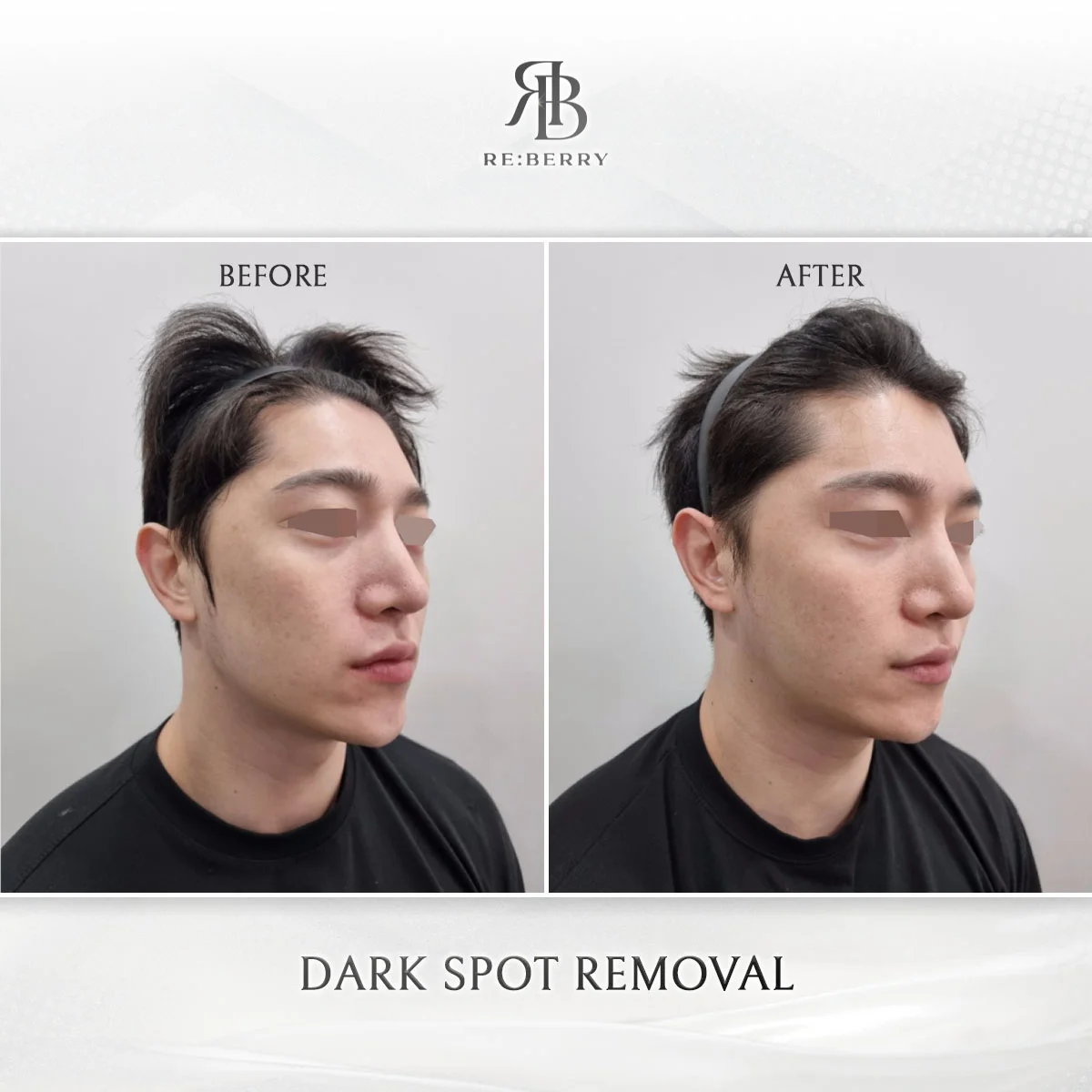
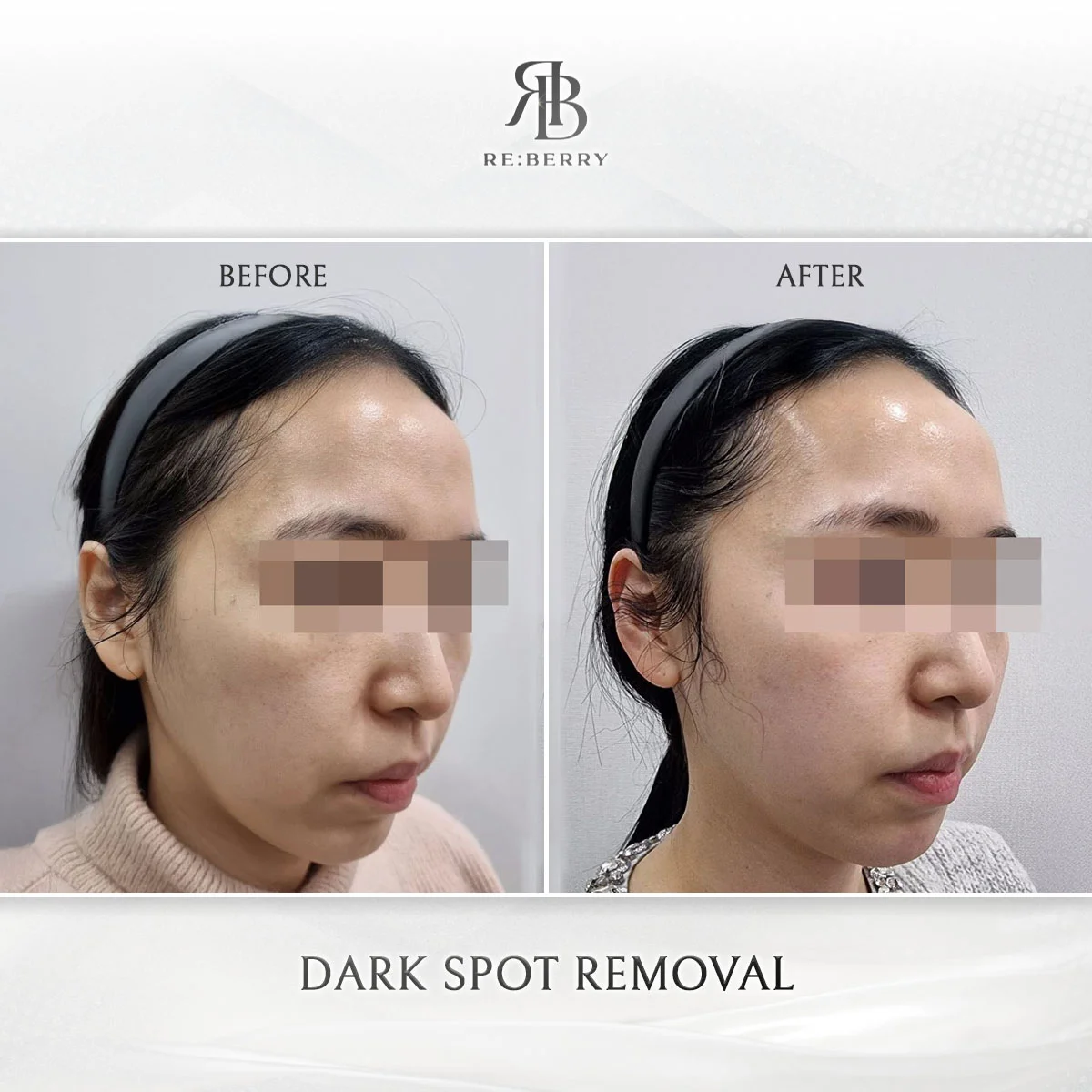
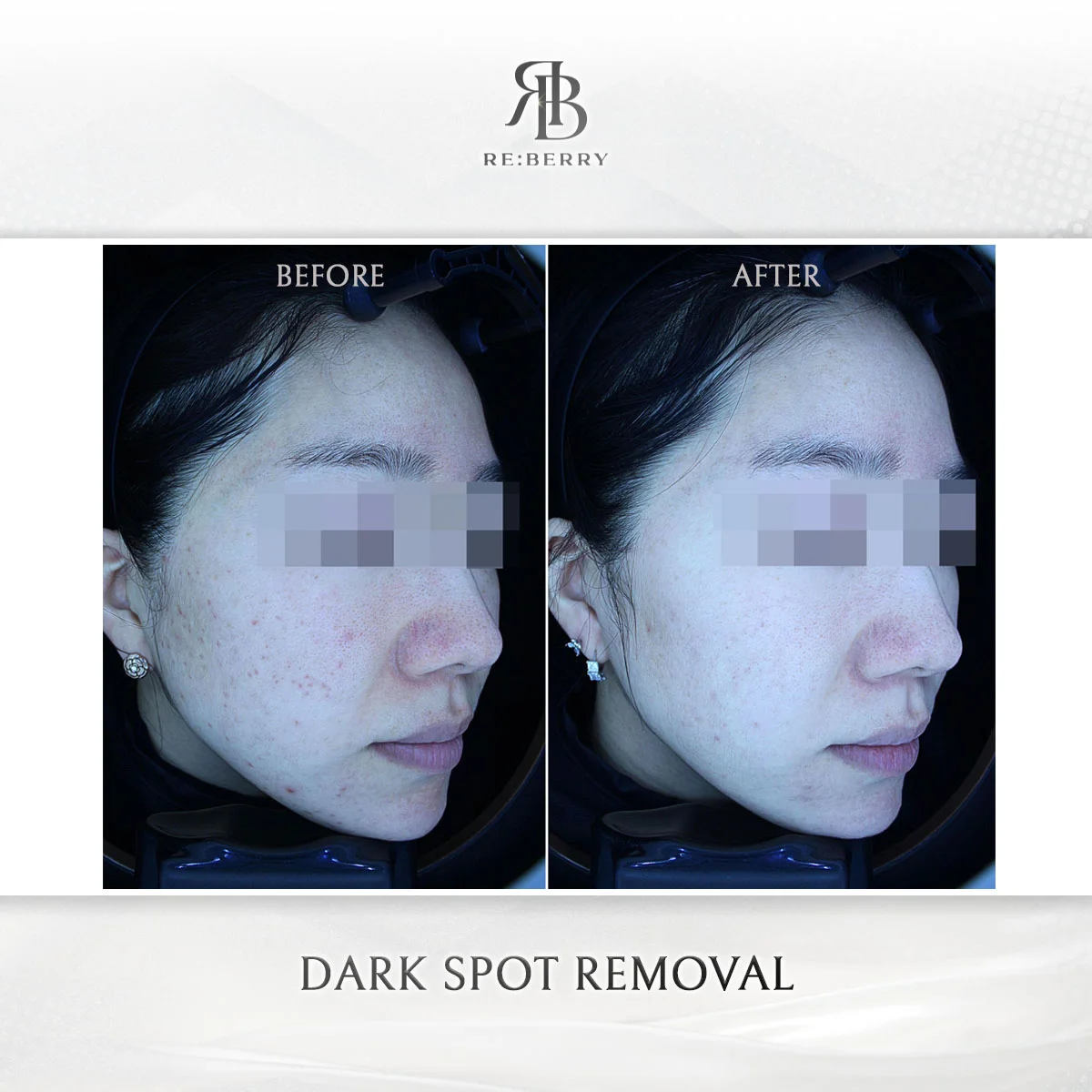
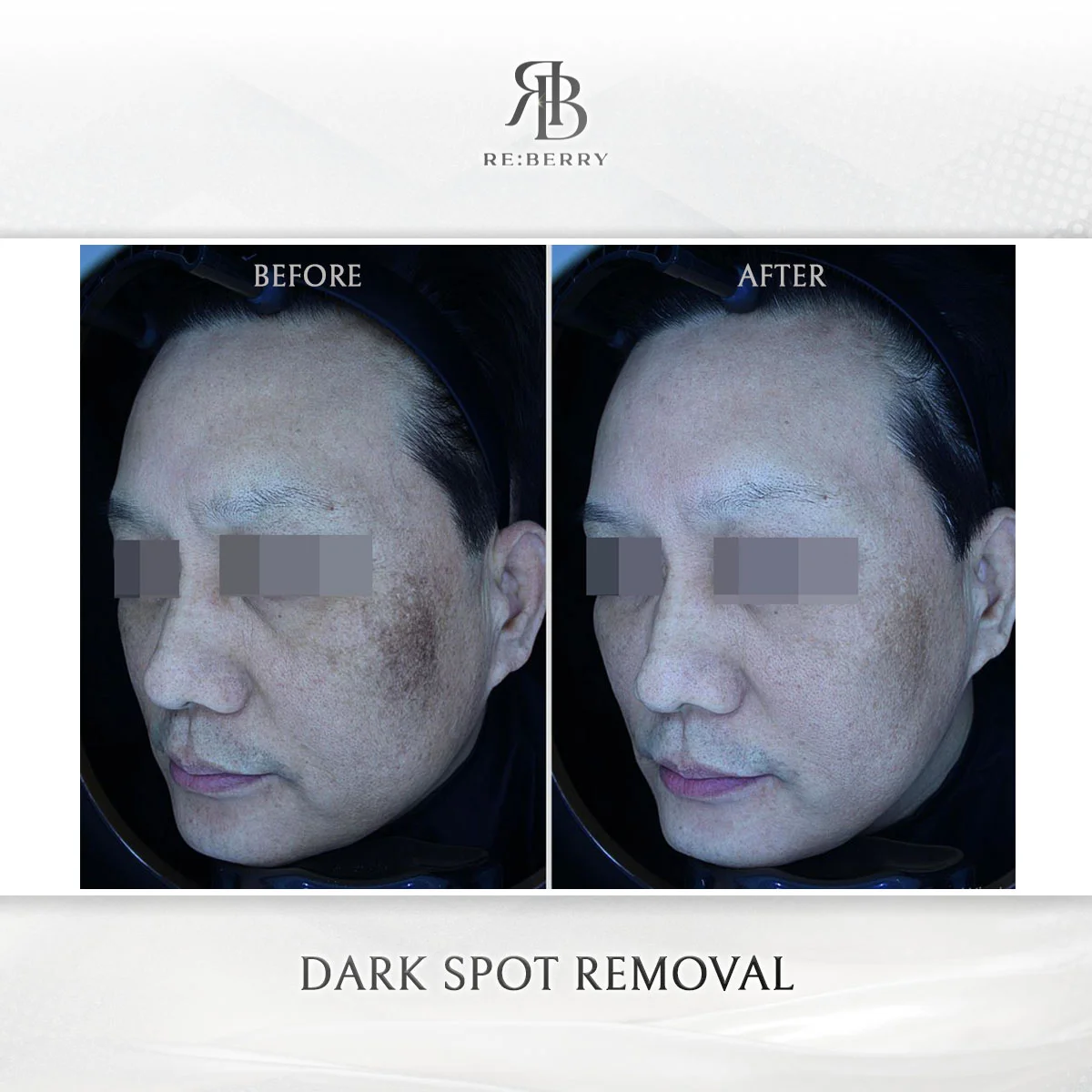
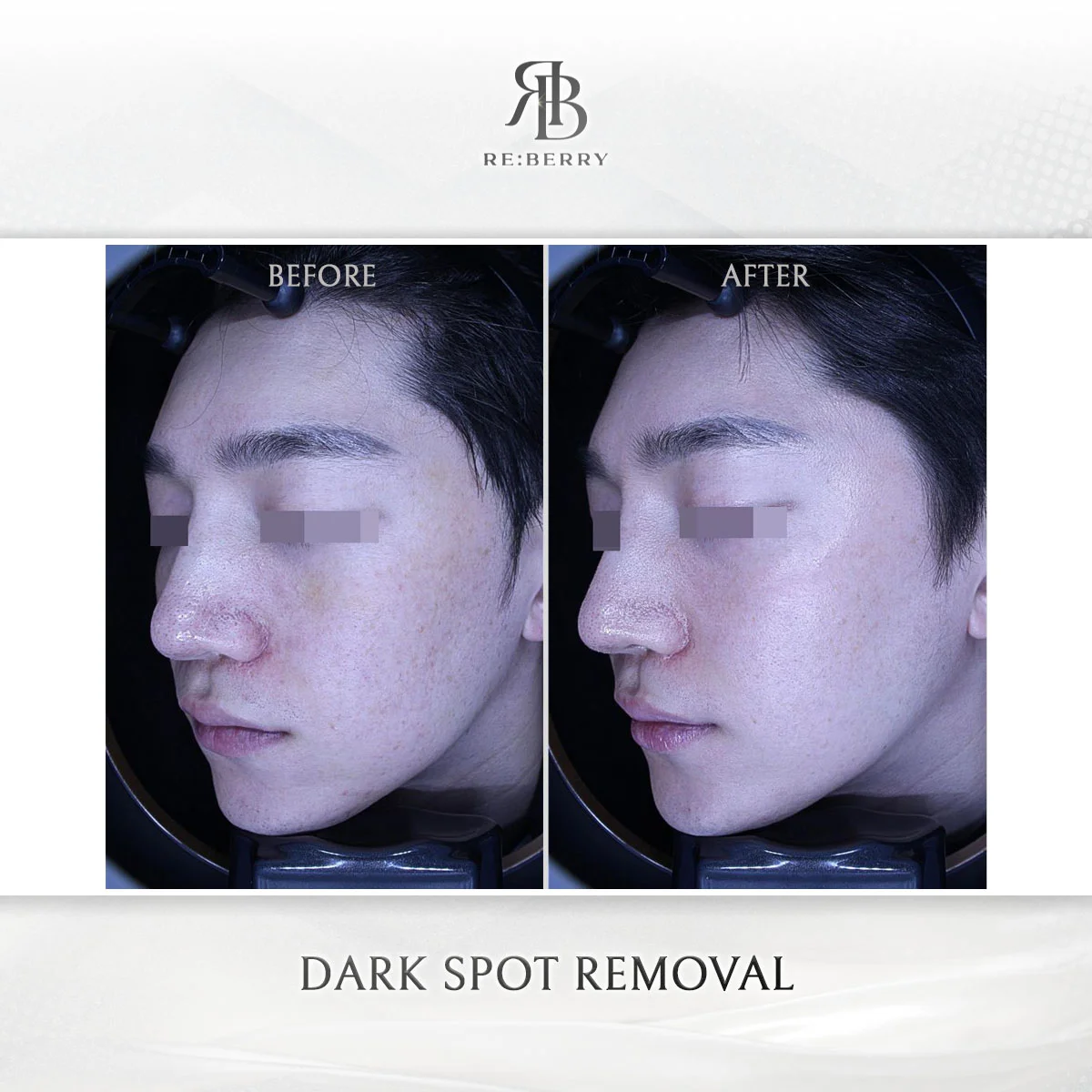
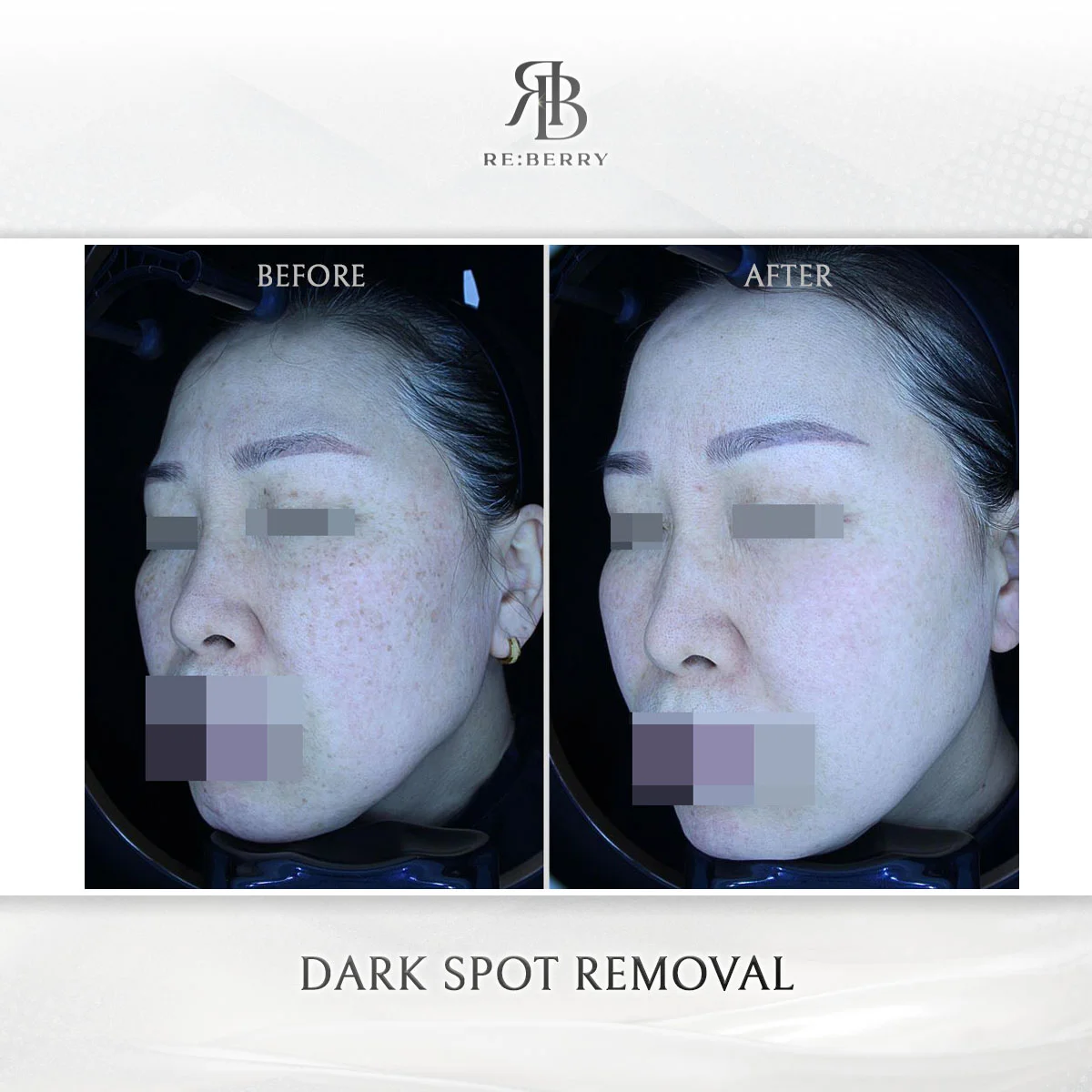
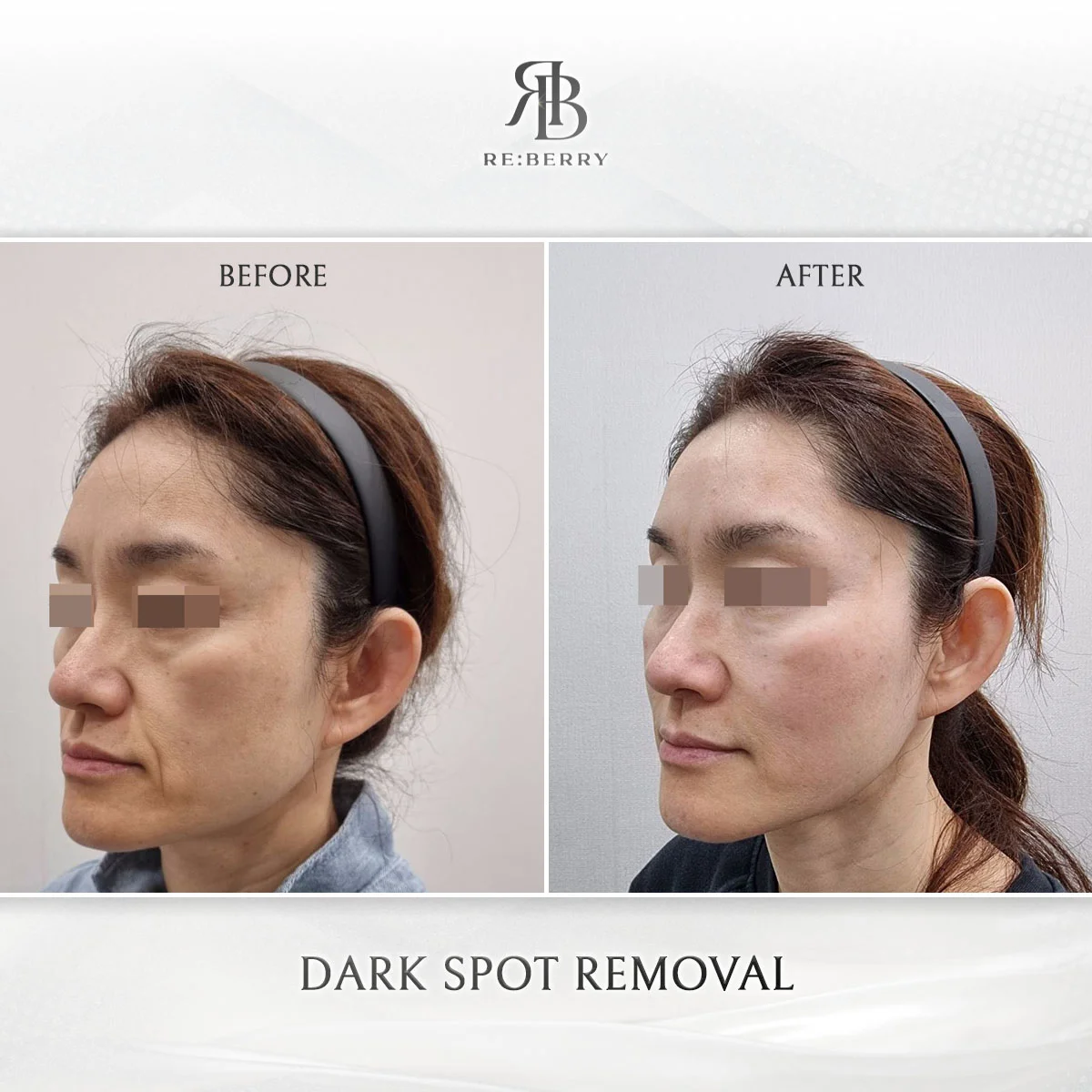
The clinic’s doctors examine the warts, confirm they are viral, and recommend CO2 laser or cryotherapy based on type, site, and lesion count, in English.
After numbing where needed, the session takes about 10 to 30 minutes depending on how many warts are treated and the method used.
Simple cases can finish in 1 session, while multiple or thick warts are mapped across a short course of visits.
Treated skin heals over roughly 1 to 3 weeks, and the doctor reviews the site to check for regrowth before confirming clearance.
Because warts are viral, recurrence is possible, so aftercare, sun protection, and site monitoring are part of the plan, with follow-up as needed.
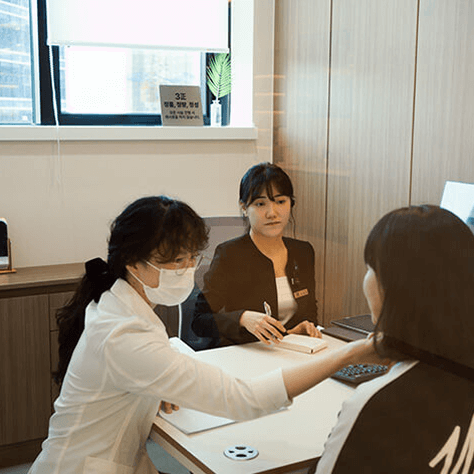
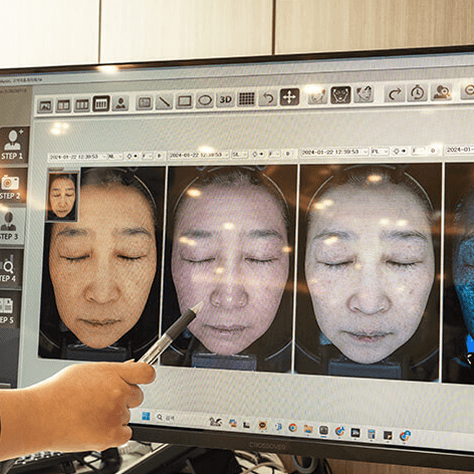
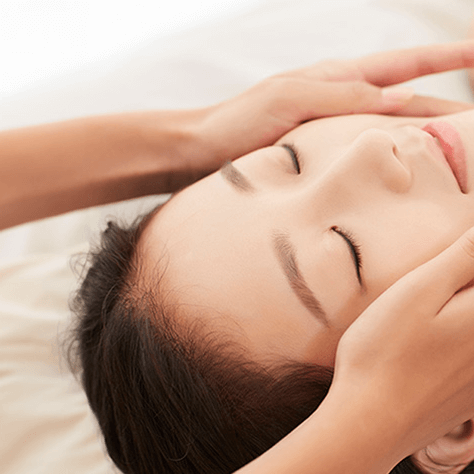
Wart removal in Seoul is the in-clinic treatment of viral (HPV) warts, most often with CO2 laser or cryotherapy. The clinic’s doctors first confirm the lesion is a wart, then choose the method by type, size, and location. You can explore the options on our laser treatment page.
Warts are caused by the human papillomavirus (HPV), which infects the top layer of skin and makes it grow into a rough lesion. There are over 100 HPV types, and different ones favour the hands, feet, or face. Because the virus persists in nearby skin, a treated wart can recur and new warts can appear.
The doctor chooses based on your warts, not a fixed rule. CO2 laser suits an isolated, thick, or stubborn wart and often clears it in one session, while cryotherapy suits multiple thinner warts treated over a course. Your assessment weighs type, site, lesion count, and skin type before recommending a method.
Discomfort is managed with numbing. For CO2 laser, local anaesthetic is applied so the procedure is well tolerated, leaving a small wound afterward. Cryotherapy causes a brief sting during freezing and soreness for a few days. Your doctor explains what to expect for the chosen method before starting.
Most warts clear within 1 to 3 sessions, though thick plantar or nail-area warts can need more. CO2 laser often resolves an isolated wart in a single visit, while cryotherapy is repeated every 2 to 3 weeks over a short course. Your doctor estimates the likely number at consultation based on your lesions.
Warts can recur because they are caused by HPV, and no method removes the virus from the skin entirely. Studies report recurrence in roughly 5 to 25 percent of cases depending on method and wart type. Your plan includes site monitoring and any follow-up so recurrence can be managed if it happens.
Downtime is usually short and local. After CO2 laser, a small wound heals over about 1 to 3 weeks and should be kept clean and protected. After cryotherapy, a blister may form and settle over several days. Most people return to normal activity quickly, following simple aftercare for the treated site.
Yes, several warts can often be treated in a single visit, though this lengthens the session and, for large clusters, may still need follow-up. The doctor prioritises lesions and may stage treatment so the skin is not over-stressed. Combining care is discussed as part of your wart removal plan.
Careful, precise treatment aims to minimise marks, but any procedure that removes skin tissue can leave a temporary mark or, rarely, a small scar, especially on thick plantar warts. Following aftercare and sun protection helps the skin heal evenly. Your doctor discusses the site-specific risk before treating warts in visible areas.
Not always, which is why a consultation first confirms the lesion is a viral wart and not another growth needing different care. This assessment protects you and ensures the correct method. For pigmented or changing lesions, your doctor may recommend a different pathway rather than routine wart removal.
Often yes, though timing matters so healing is not disrupted. Some patients pair wart care with a supportive skin routine or address other concerns at separate visits. A tailored skin care routine can support the treated area, and your doctor sequences procedures to keep the skin comfortable.
Most adults with confirmed viral warts on the hands, feet, face, or body are suitable. A consultation examines the lesions and confirms which method fits your skin. You can start on our laser treatment page, and cases such as foot warts with impaired healing need closer assessment first.
Keep the treated area clean and protected, apply any prescribed ointment, and avoid picking at scabs or blisters. Daily sun protection helps prevent marks as the skin heals. A gentle skin care routine supports recovery, and your doctor gives site-specific instructions for hands, feet, or face.
For most cases, 2 to 3 days is comfortable, allowing a consultation, the procedure, and a short review of the treated site. Simple warts often finish in one visit, while multi-session courses can be split across return trips. Our English-speaking team helps coordinate timing around your travel plans.
Yes, flying within a day or so is generally fine, since most wart procedures are minor and localised. Keep the treated area clean, dry, and protected while it heals. If a wart on the foot was treated, wear comfortable footwear and follow your aftercare so travel does not disturb the healing site.
International patients can complete wart care in one visit or across return trips, and the clinic offers remote check-ins in English so healing and any recurrence stay on track. You can continue supportive skin care at home, and your treatment notes are kept on file for continuity.
| CO2 Laser | Cryotherapy | Watchful Waiting | |
|---|---|---|---|
| Mechanism | Focused laser vaporises the wart tissue | Liquid nitrogen freezes and blisters the wart | No treatment; the immune system may clear it |
| Best for | Isolated, thick, or stubborn single warts | Multiple thinner warts suited to freezing | Small, symptom-free warts in no hurry |
| Pain / comfort | Numbing used; a small wound afterward | Brief sting and soreness for a few days | None, but the wart remains meanwhile |
| Downtime | A wound that heals over 1 to 3 weeks | Blistering and tenderness for several days | None |
| Sessions | Often 1, sometimes a follow-up | Usually a course of 2 to 4 visits | Not applicable; resolution can take months |
| Recurrence | Possible, since HPV can persist | Possible, since HPV can persist | Wart may persist or spread while untreated |
Real verified reviews from our Google Business Profile, across all Reberry Clinic locations.
PULLED LIVE FROM GOOGLE · GANGNAM · MYEONGDONG · INCHEON AIRPORT
Your treatment is planned and performed by experienced, MFDS-registered doctors across our Seoul-area clinics, with multilingual support for international patients.
Flagship clinic · KOL for leading lifting & regenerative devices · Featured in Authority Magazine (2026)
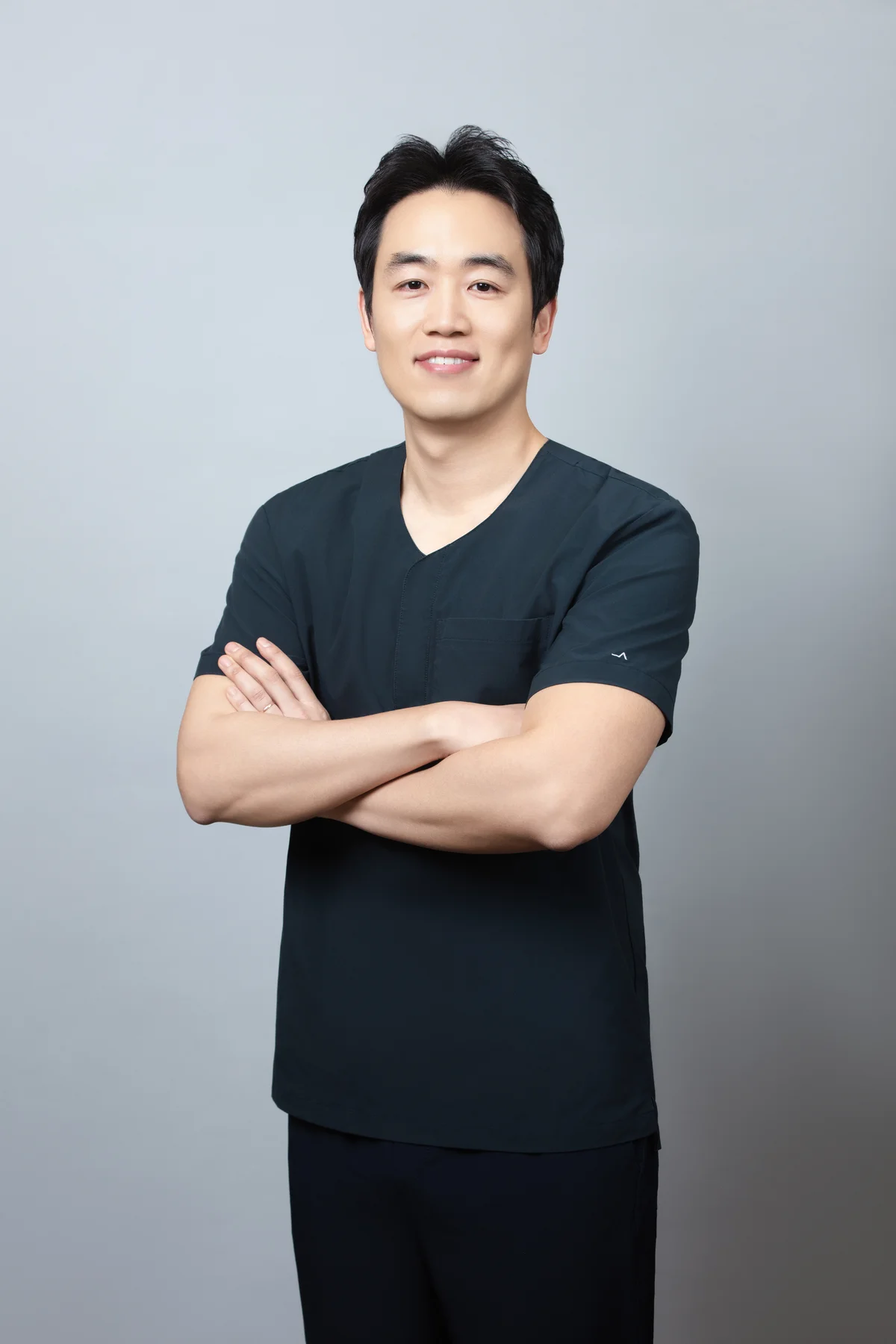
Multilingual tourist care beside Myeongdong Cathedral
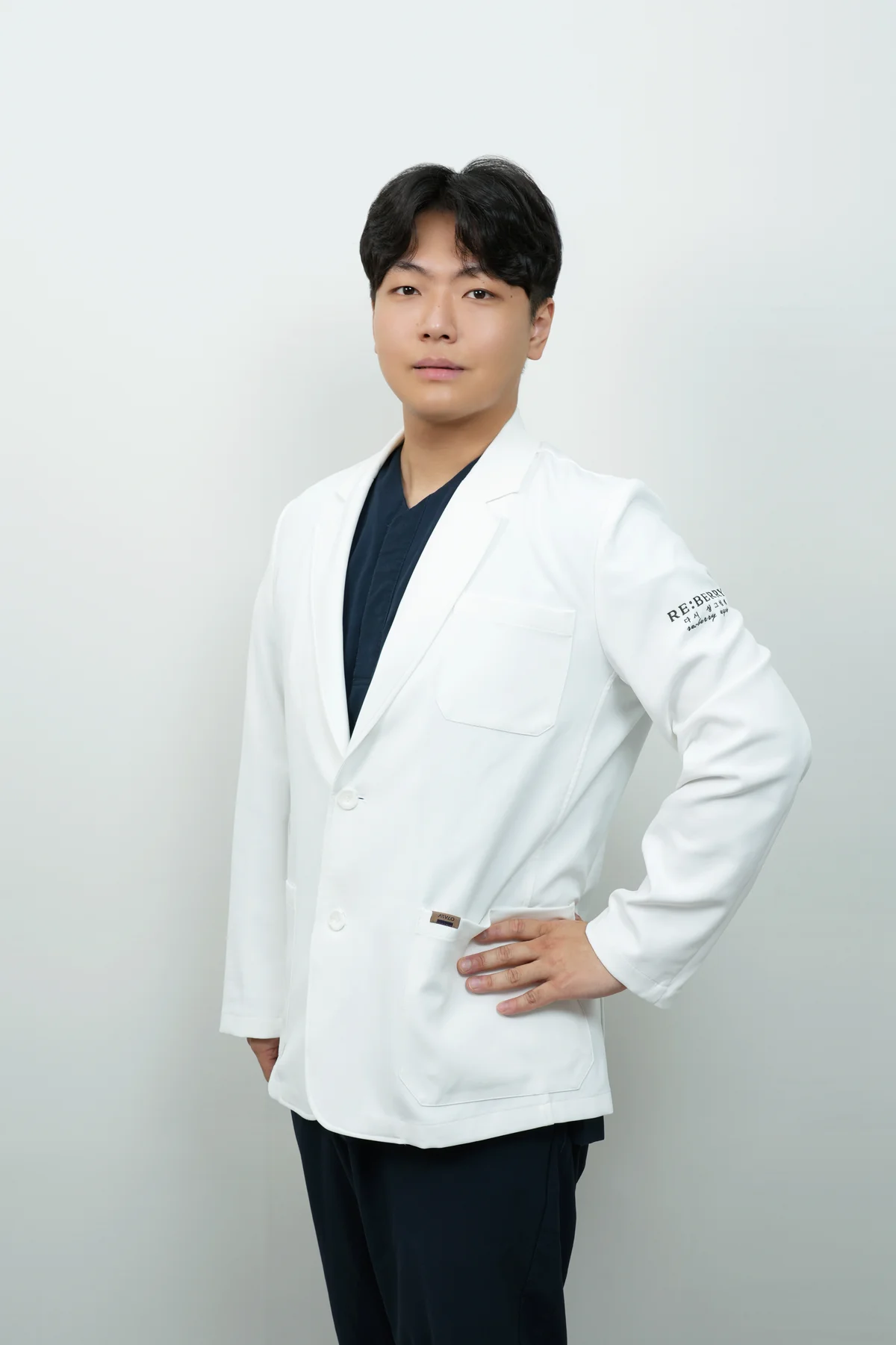
Fast, effective care 20 minutes from the terminals
Message us on WhatsApp for a free consultation in English about your warts and the right method for your skin.