

Gangnam
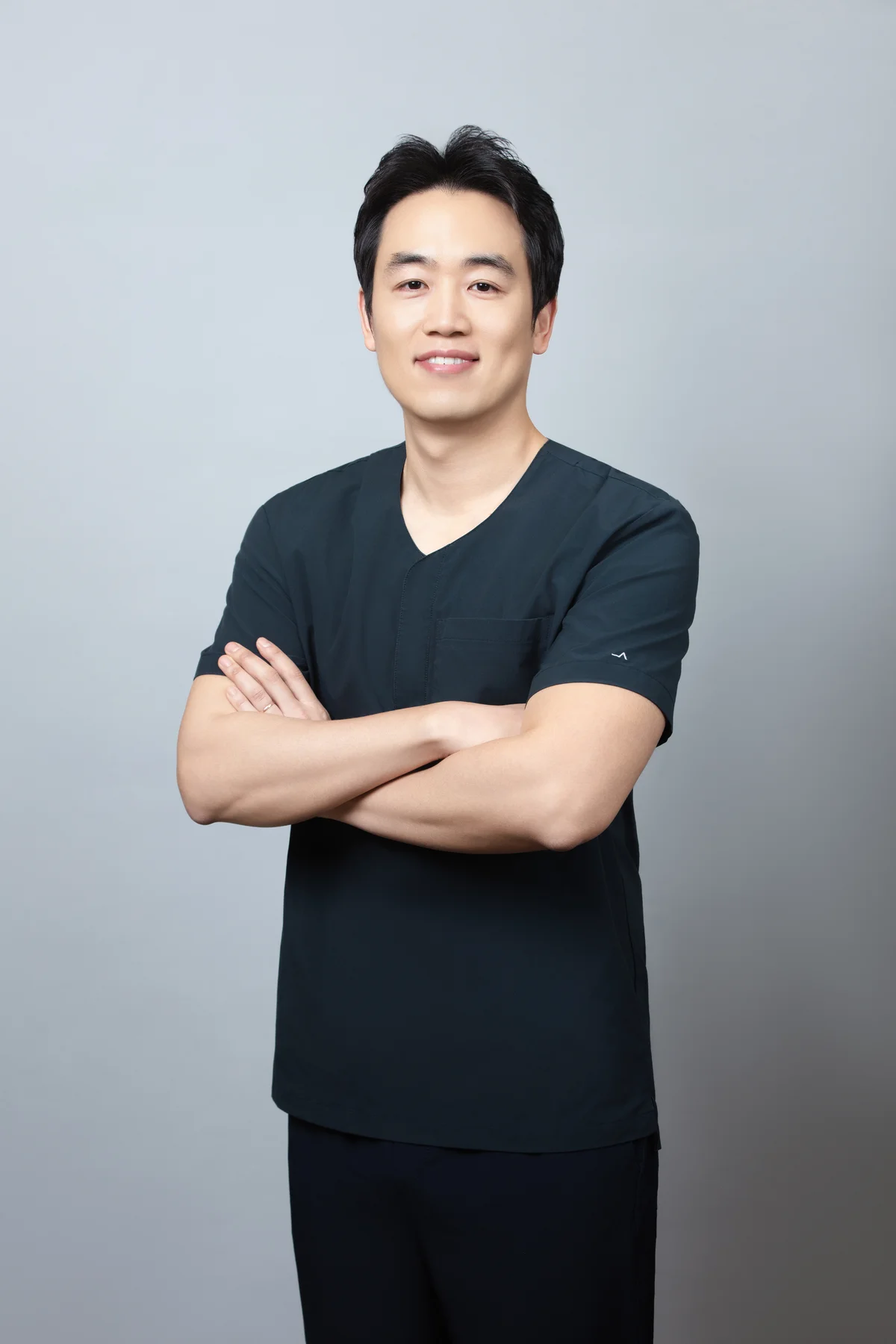
Dr. Yoongon Ryu
Aesthetic Medicine Specialist
Flagship clinic · KOL for leading lifting & regenerative devices

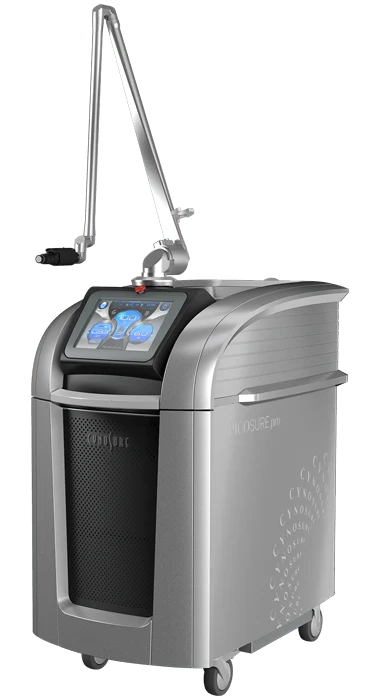
CO2 laser ablation removes benign moles layer by layer with sub-millimetre precision, typically in a single 10 to 20 minute session, with any atypical-looking lesion assessed before removal.
Mole removal in Seoul, Korea most often uses CO2 laser ablation, which vaporises a benign mole in fine layers with precision and minimal bleeding, usually in one short session. Any mole that looks atypical is assessed first and sent for biopsy if needed. At Reberry Clinic, the clinic’s doctors confirm the approach and cost after examining your skin.
One-on-One guidance from a dedicated doctor, ensuring your skin is professionally monitored and treated from start to finish.
Fluent assistance in English, Japanese, and Chinese, making communication clear, respectful and comfortable for international patients.
Over 100,000 patients worldwide have received our personalized dermatological care, highlighting our expertise and reliable results.
Mole removal in Seoul, Korea is a quick in-clinic procedure that uses a CO2 laser to precisely vaporise a mole (melanocytic nevus) layer by layer. Because the beam is delivered in fine passes under magnification, the doctor can remove the visible pigment while limiting damage to the surrounding skin. Most benign, flat-to-raised moles on the face and body are suitable, and the majority are treated in a single visit.
The first and most important step is assessment, not lasering. Moles are examined for size, colour, border, and any recent change. A benign, stable mole can be removed the same day, while any lesion with atypical features is not simply lasered away, it is evaluated and, when appropriate, biopsied so nothing suspicious is destroyed without a diagnosis. This is why mole removal in Korea is a doctor-led decision rather than a purely cosmetic one.
At Reberry Clinic, mole removal is offered in Seoul, Korea across our operating locations (Gangnam, Myeongdong) with full English support, and also near the airport for travellers. The clinic’s doctors explain whether one session is enough, how the area will heal, and what drives the cost, so international patients can plan the treatment around their trip.
A CO2 laser emits light at 10,600 nm that is strongly absorbed by water in skin cells. When it hits the mole, that energy converts to heat and vaporises the tissue in a controlled, ultra-thin layer, a process called ablation. Working under magnification, the doctor removes pigment pass by pass and can watch the base in real time, stopping once the visible mole is gone. Because the heat seals tiny vessels as it works, bleeding is usually minimal and the treated spot is small and precise. CO2 ablation has a limited vaporisation depth, so a deeper dermal mole can occasionally leave residual cells and recur, which is why the doctor grades depth first and may plan a review or a second touch-up. Atypical lesions are never blindly vaporised: they are assessed and, if indicated, removed for biopsy so a diagnosis is preserved. This precision, layer control, and the option to biopsy are what make laser mole removal a medical procedure rather than a cosmetic quick-fix.
One Reberry Clinic, multiple Seoul-area locations. Pricing & current promotions are listed on each branch's own site — tap a clinic to view pricing & book.
Our flagship in the heart of Gangnam.
In Seoul's shopping & tourism heart.
A beauty stop between flights.
The newest Reberry Clinic — in Seoul's trend district.
ONE REBERRY CLINIC · MFDS-REGISTERED DEVICES · MULTILINGUAL CARE AT EVERY LOCATION
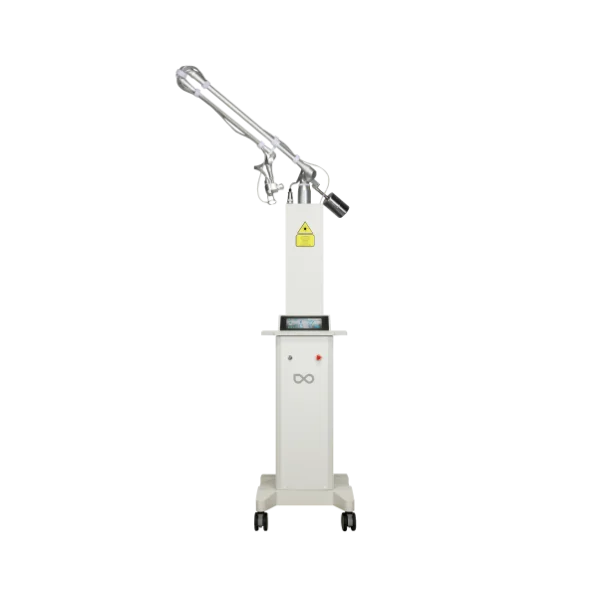
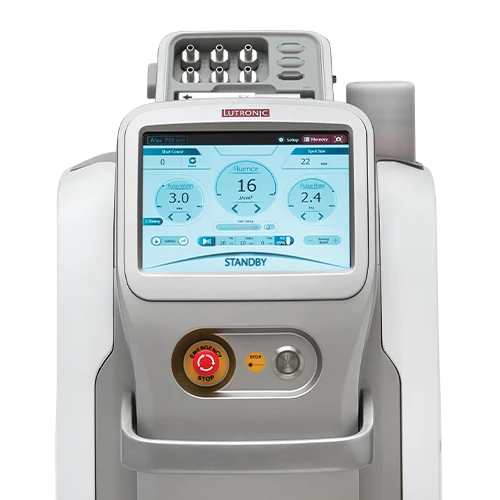
The doctor examines each mole for size, colour, border, and change; 1 or more suspicious features means biopsy first, not immediate lasering.
A topical or local anaesthetic is applied so the 10 to 20 minute session is comfortable, usually taking effect within about 20 to 30 minutes.
The CO2 laser vaporises the mole in fine passes at 10,600 nm, and the doctor stops once the visible pigment is cleared.
The small treated spot is cleaned and dressed; because the laser seals tiny vessels, bleeding is usually minimal and a thin scab forms within 1 to 2 days.
The scab typically falls away over 7 to 14 days, and a follow-up checks whether a deeper mole needs 1 additional touch-up.

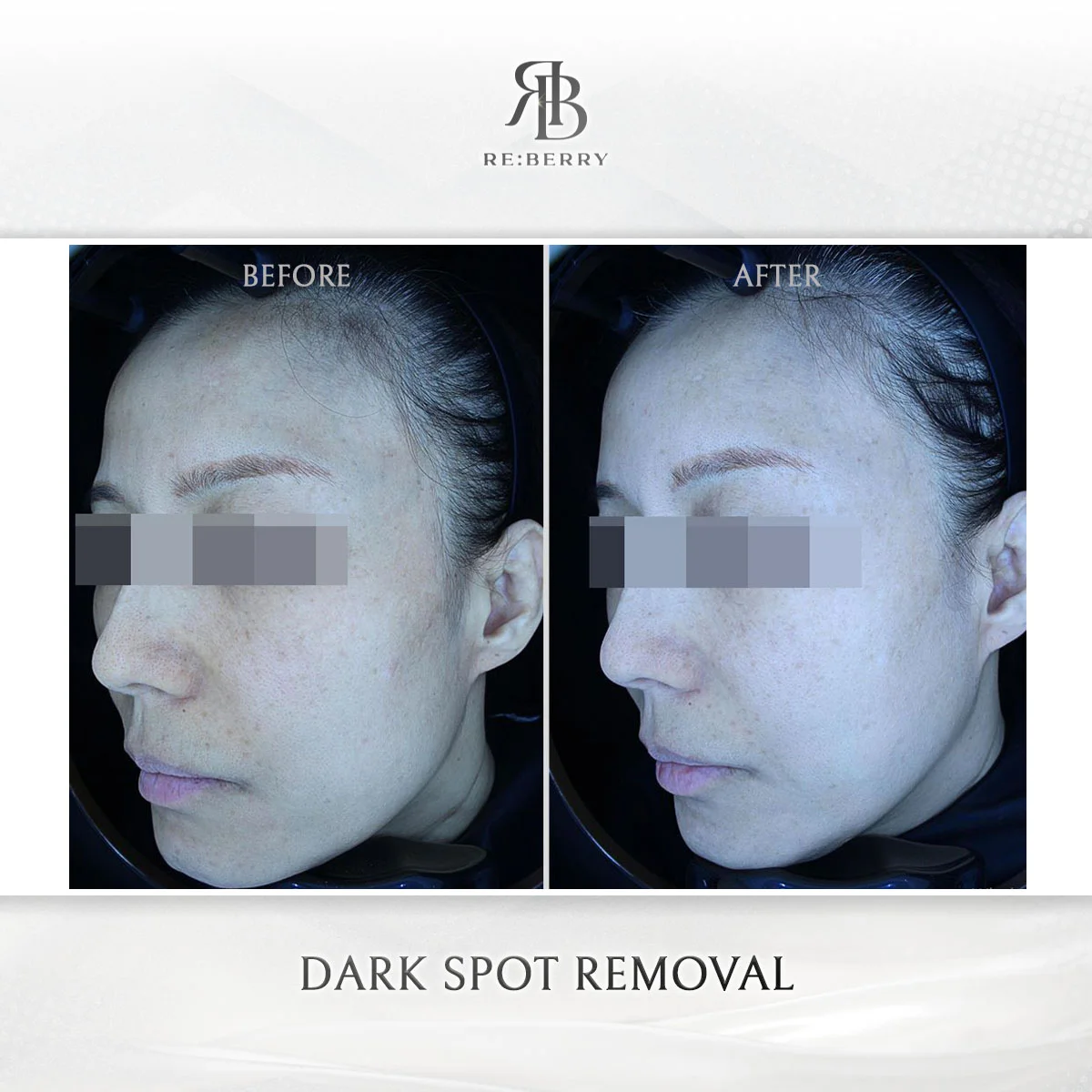
See representative outcomes from Reberry Clinic. Results build gradually and vary by individual; your plan is assessed at consultation.
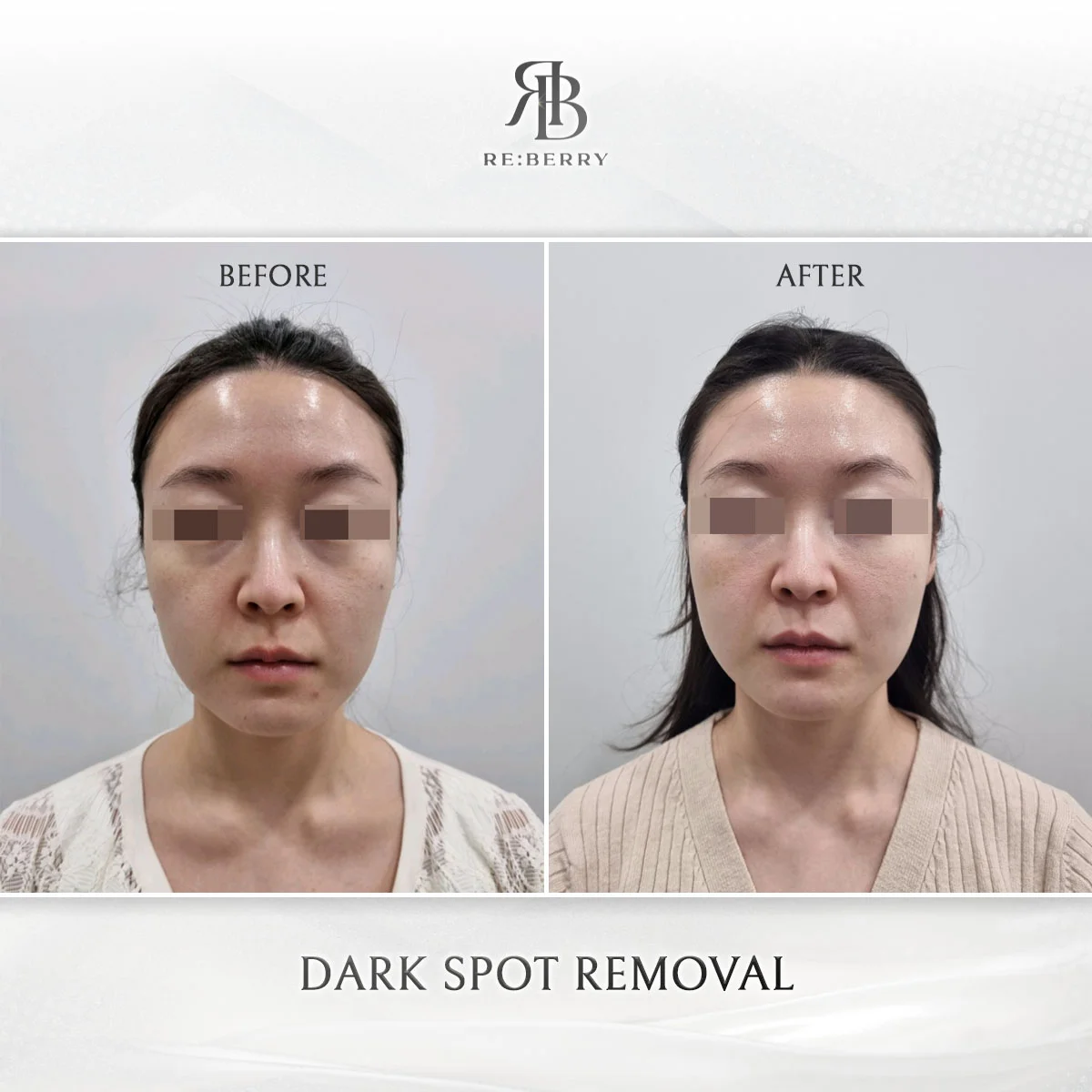
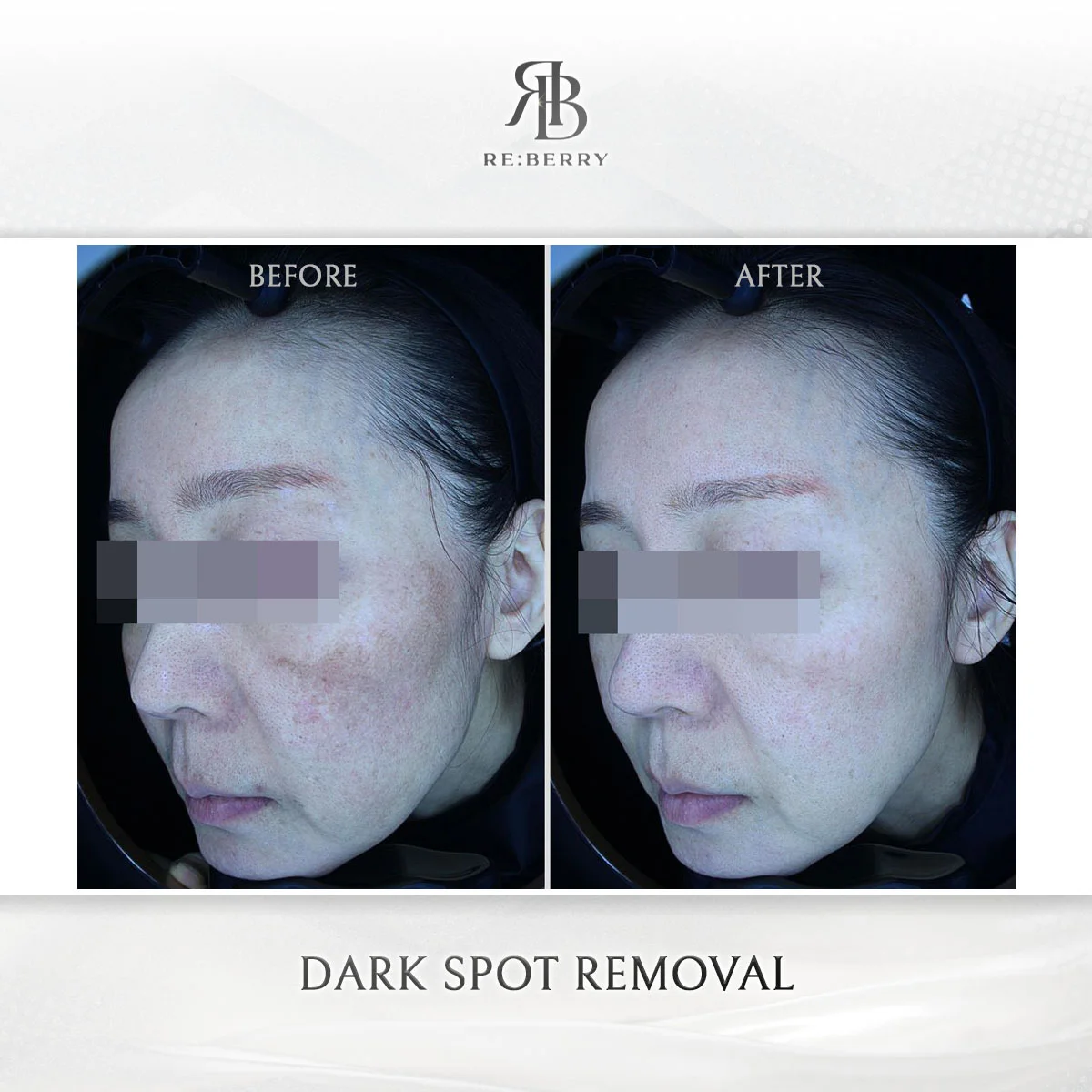
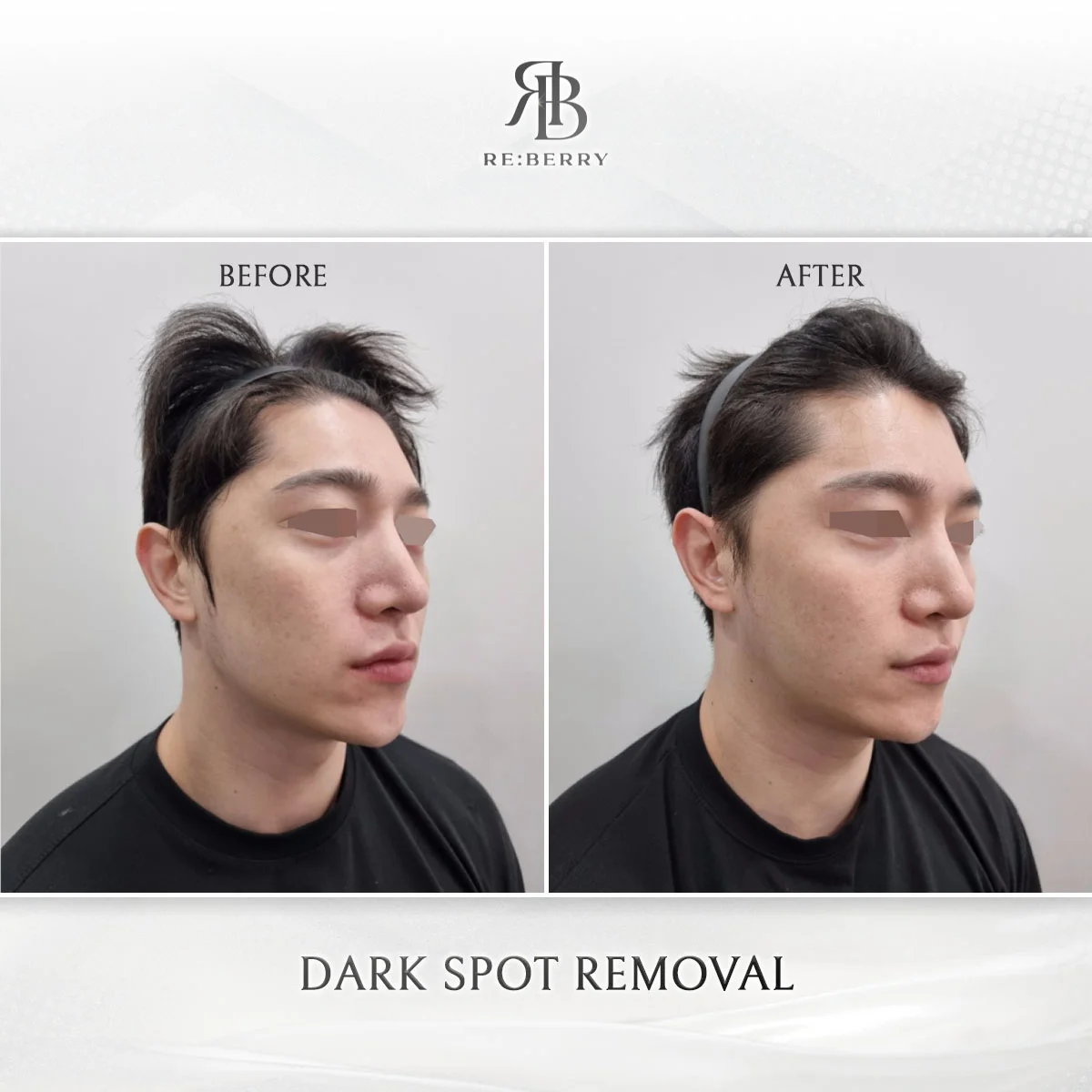
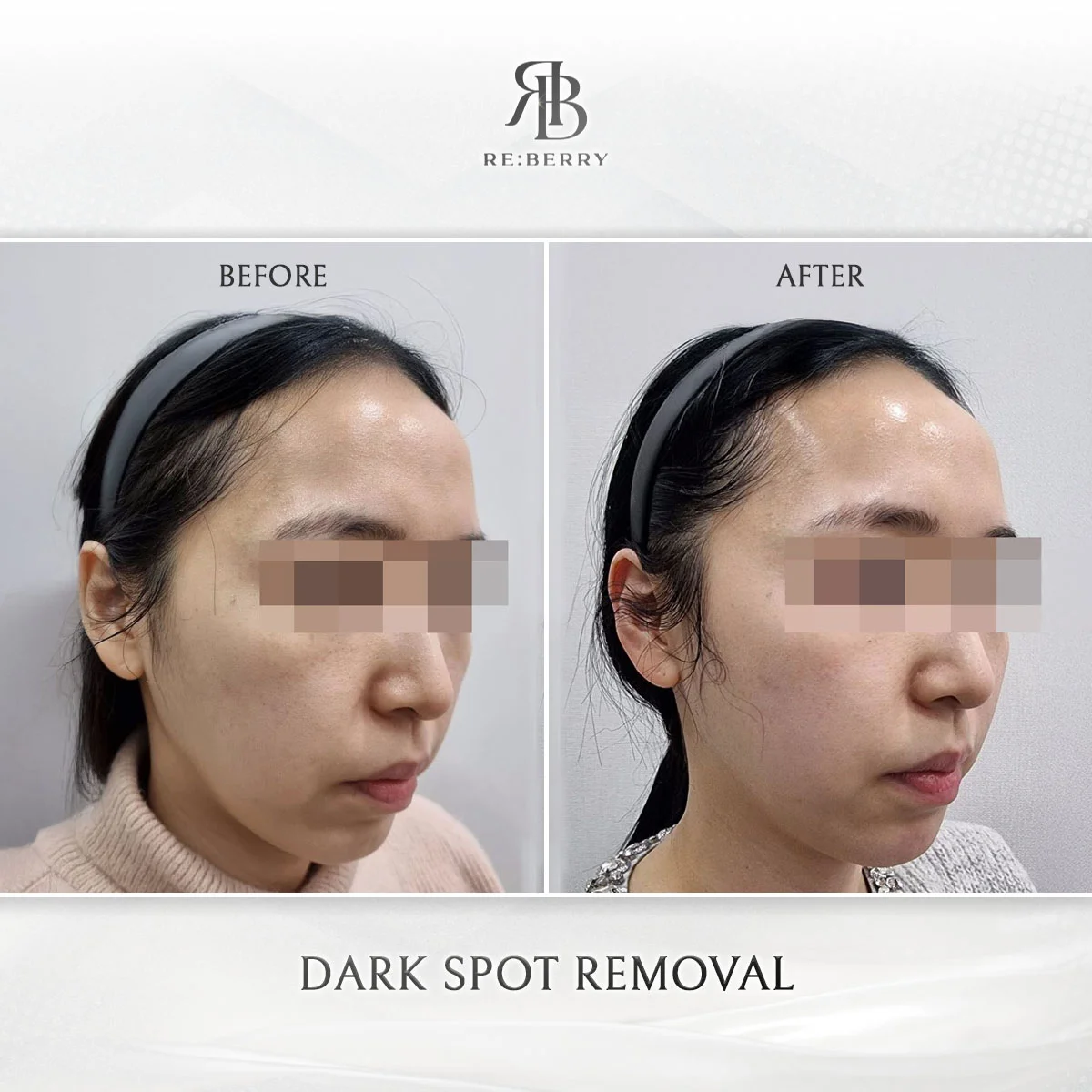
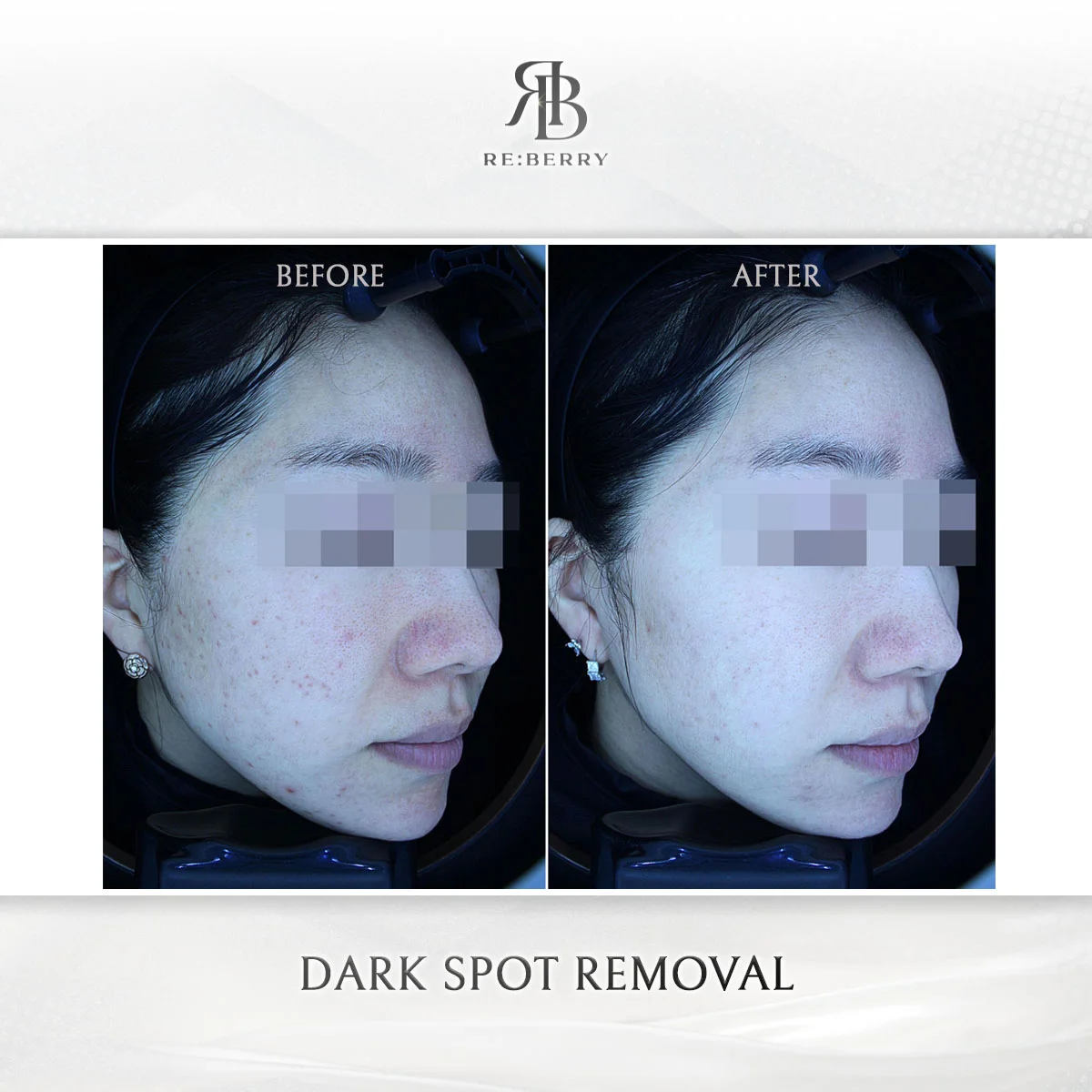
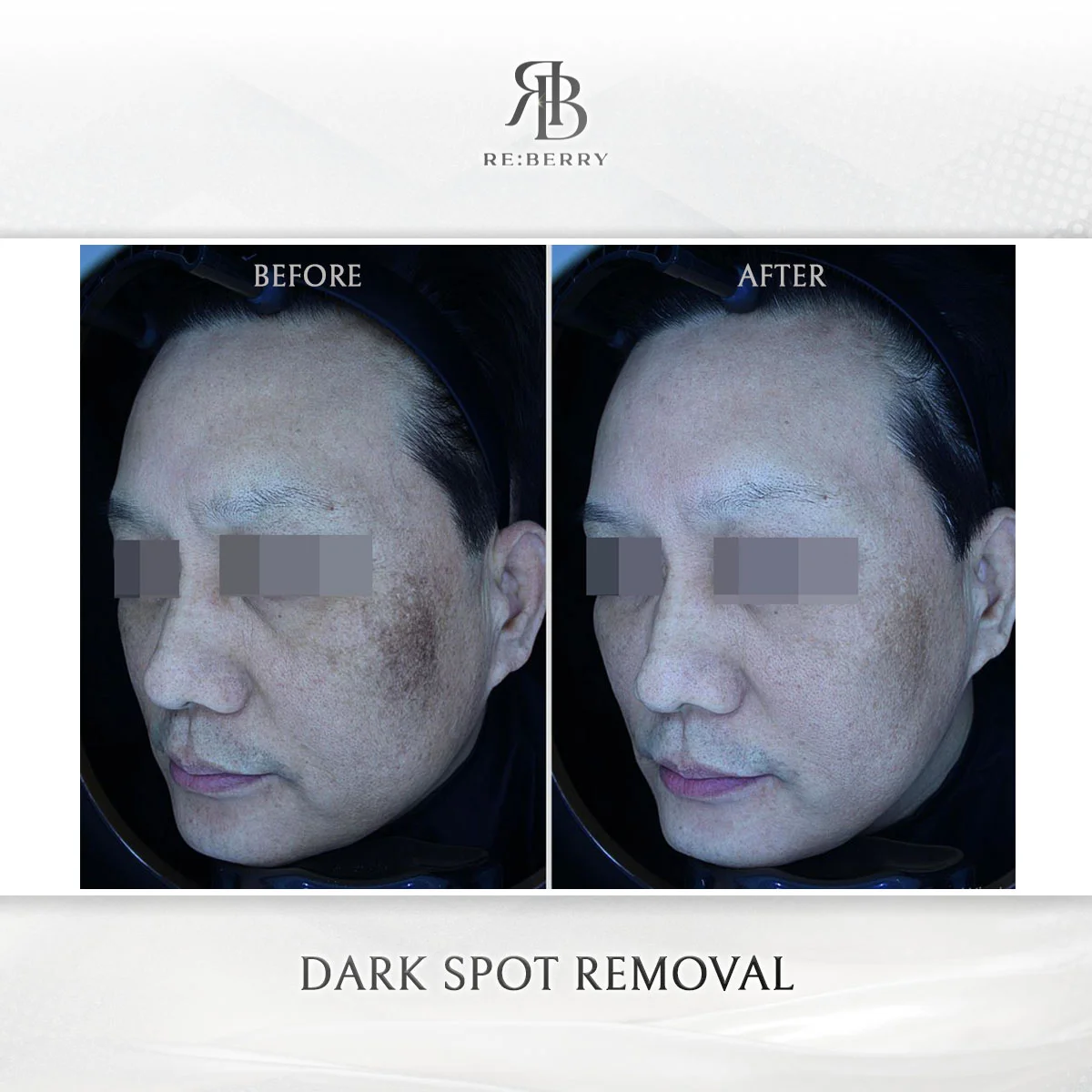
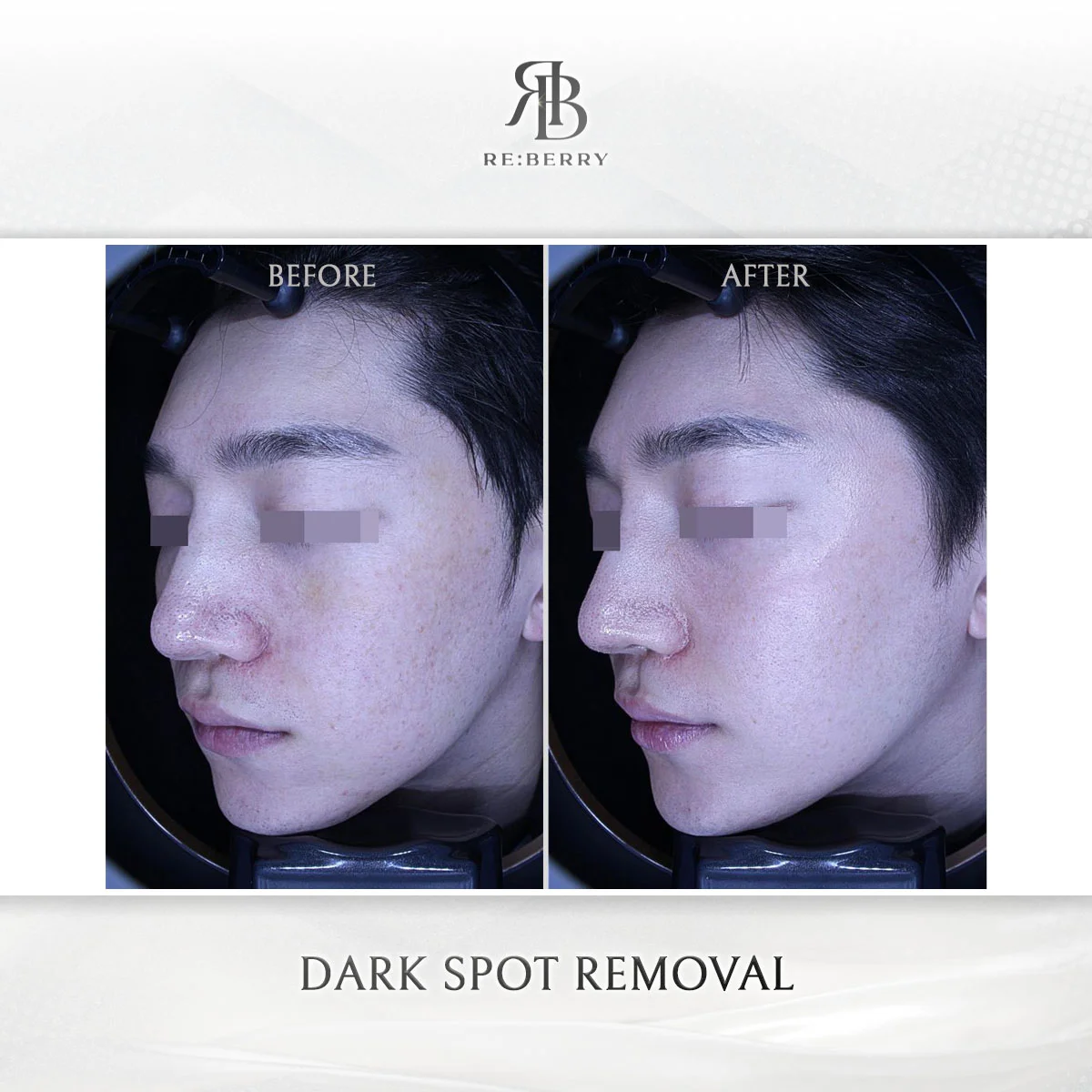
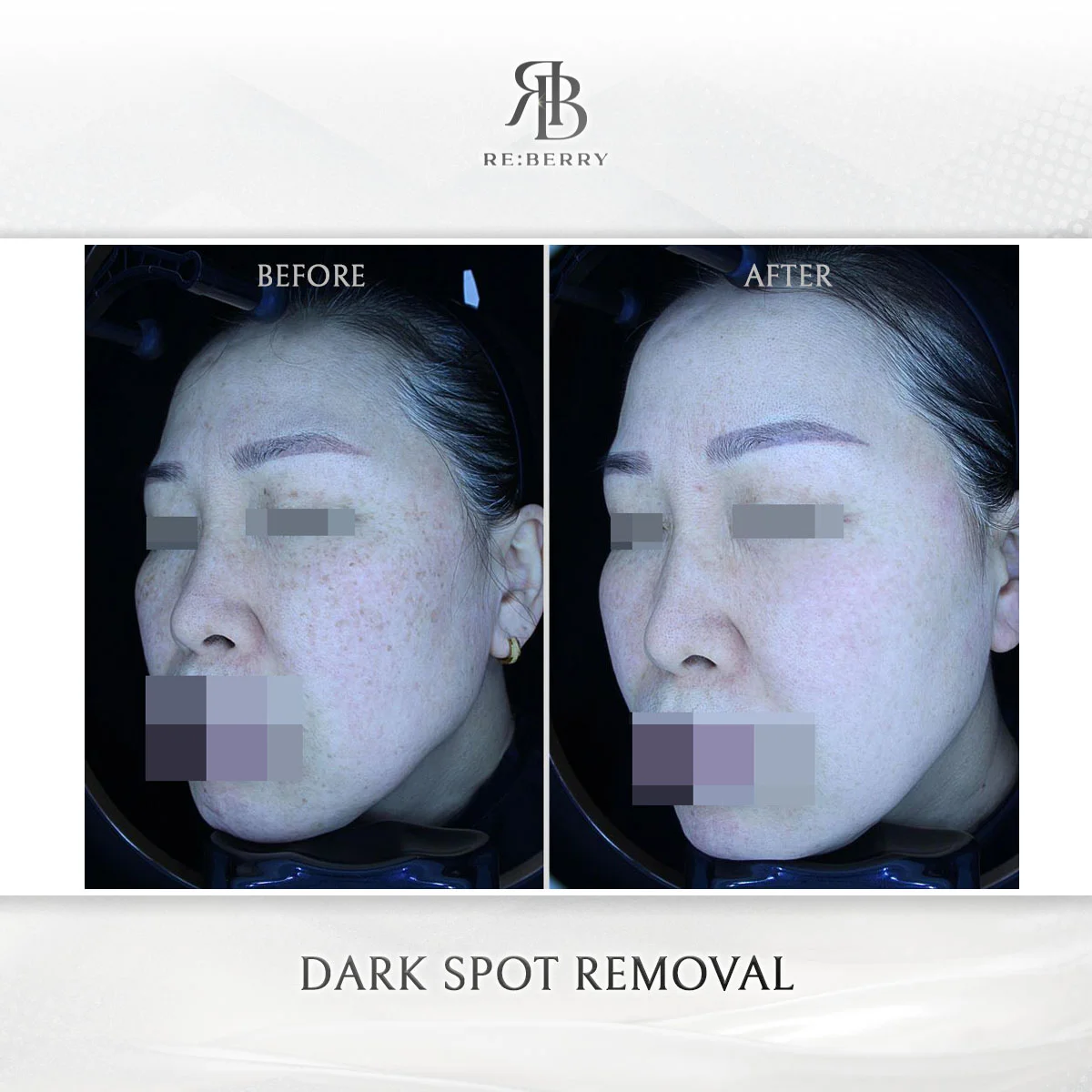
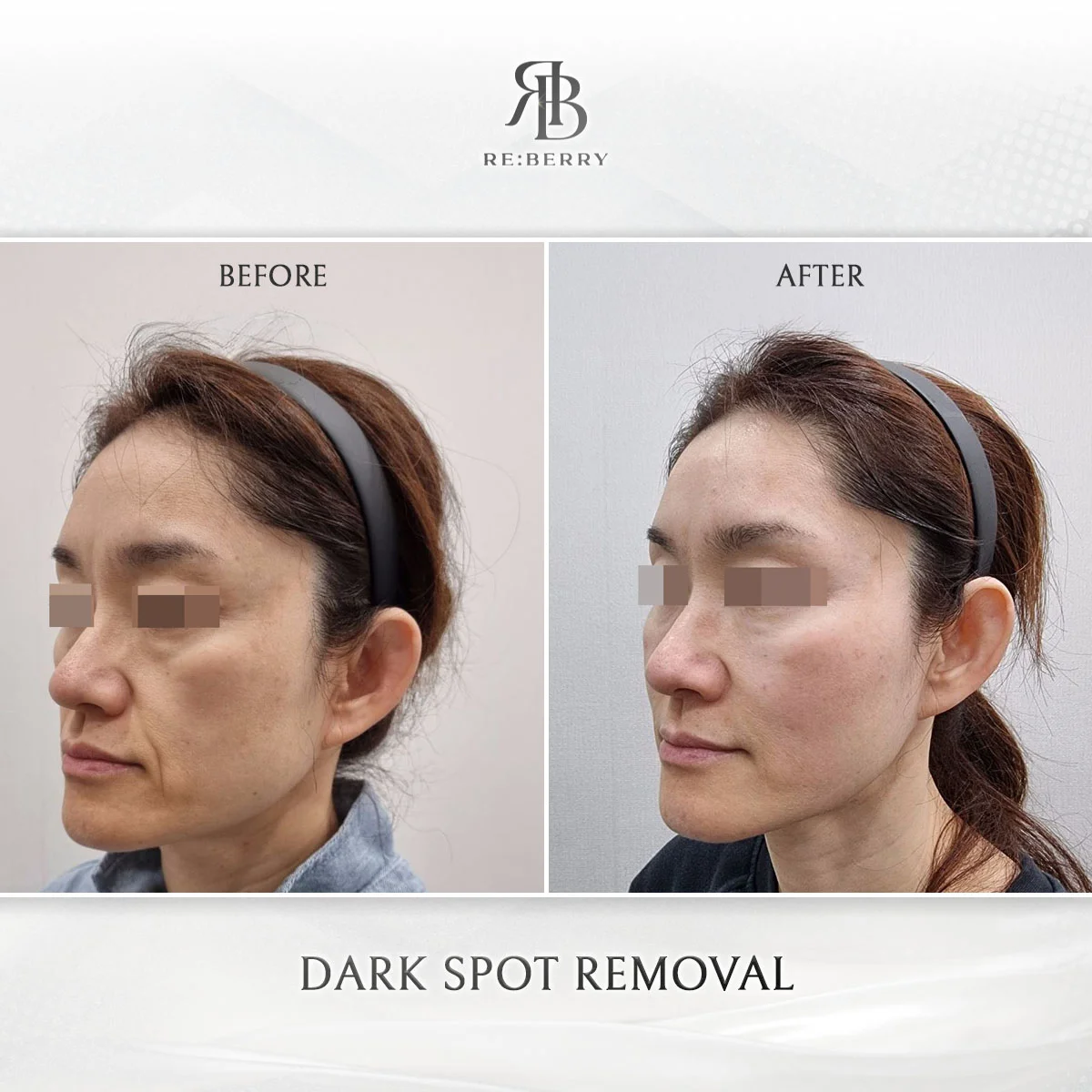
The clinic’s doctors examine each mole, explain whether it is suitable for CO2 laser or needs biopsy, and outline the cost in English.
After numbing takes effect in about 20 to 30 minutes, the actual lasering usually takes only 10 to 20 minutes for a few moles.
Most benign moles are removed in a single visit, though a deeper mole may need 1 review or touch-up session weeks later.
A thin scab lifts over 7 to 14 days, and the pink mark that follows continues to fade over several weeks with sun protection.
A fully removed benign mole should not return, but deeper moles can recur; daily sunscreen and avoiding picking protect the healing spot.
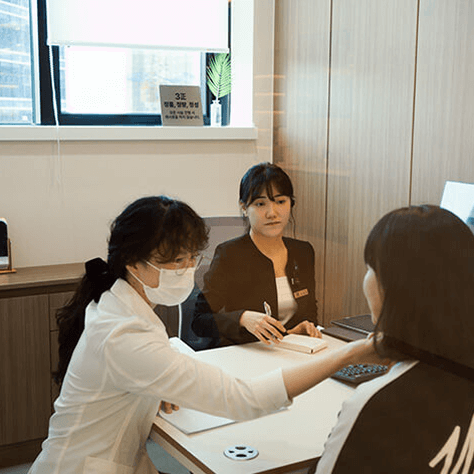
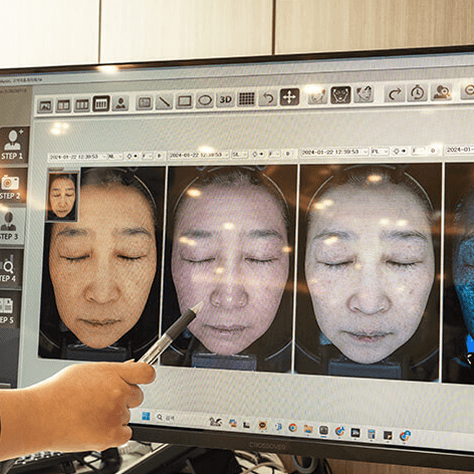

Mole removal in Seoul most commonly uses a CO2 laser that vaporises a benign mole in fine layers, usually in a single 10 to 20 minute session. Any atypical mole is assessed and biopsied first. You can read more on our laser treatment page before booking a consultation.
No, only benign, stable moles are suitable for direct CO2 laser removal. If a mole is large, deep, or shows atypical features such as an irregular border or recent change, the doctor assesses it and may recommend surgical excision with biopsy instead, so nothing suspicious is destroyed without a diagnosis first.
Discomfort is minimal because the area is numbed with a topical or local anaesthetic before the 10 to 20 minute procedure. Most people feel only slight heat or a mild pinch. After numbing wears off, the small treated spot may feel tender for a day or two, which is easily managed with gentle aftercare.
The actual lasering usually takes only 10 to 20 minutes for a few moles, though you should allow about 20 to 30 minutes for the numbing cream to take effect first. Larger or numerous moles take longer. Your doctor confirms timing at consultation based on how many moles you want treated.
A thin scab forms within 1 to 2 days and typically falls away over 7 to 14 days, leaving a pink mark that fades over several weeks. Healing time depends on the mole’s depth and location. Following aftercare, including daily sunscreen, helps the spot settle smoothly, as your doctor will explain.
A fully removed benign mole should not return, but because CO2 ablation has a limited depth, a deeper mole can leave residual cells and occasionally recur. Studies note a small recurrence rate for deeper nevi. Your doctor grades depth first and may plan a review or one touch-up if needed.
It leaves a small, focused spot rather than a surgical line, and most marks fade over weeks to months. Depth is the main factor, as deeper removal carries slightly more scarring risk. Fractional laser resurfacing can soften any residual mark later, and you can explore laser treatment options for this.
Several small moles can often be removed in a single session, depending on their size, depth, and location. The doctor confirms how many are safe to treat at once so healing stays manageable, and can pair removal with a supportive skin care plan. Many moles are sometimes staged across visits.
Yes, and this is important for any suspicious mole. If a lesion looks atypical, the doctor does not simply vaporise it; it is removed or sampled for pathology so a diagnosis is preserved. This medical, doctor-led assessment is a core reason mole removal here is treated as a clinical decision, not just cosmetic.
The mole is gone immediately, but the final skin appearance takes time as the pink mark fades over several weeks to a few months. Sun protection speeds this along and prevents darkening. Your doctor reviews the healing spot and advises whether any residual mark would benefit from further softening treatment.
It can be, but skin type matters because deeper tones carry a higher risk of temporary pigment change. Doctors adjust settings conservatively and rely on careful aftercare and sun protection. Research in Asian skin shows CO2 laser resurfacing improves texture with redness settling back to baseline, provided the plan is tailored to your skin.
Keep the spot clean, apply any prescribed ointment, avoid picking the scab, and use daily sunscreen once healed to prevent darkening. Gentle, non-irritating skincare supports recovery. A tailored skin care routine helps the treated area settle evenly and protects it from sun-related pigmentation.
Most adults with benign, stable moles are suitable candidates, especially for small to medium facial or body moles. A consultation confirms whether each mole can be lasered or needs biopsy first. If you have a keloid history or a changing mole, your doctor will explain the safest approach before proceeding.
Cost depends on the number, size, and depth of the moles, and whether any need biopsy, so there is no single fixed price. The clinic’s doctors confirm your individual cost after examining your skin. You can review the broader approach on our laser treatment page first.
Yes, once healed, the area can be paired with other treatments such as pigment or resurfacing lasers to even out tone or soften a mark. Combining is planned so the skin is not over-treated at once. Your doctor sequences procedures and can suggest a supportive skin care plan.
For most benign moles, 1 to 2 days is enough to allow a consultation, the procedure, and initial aftercare guidance. Because a scab forms afterwards, many travellers have moles removed near the end of a trip. Our English-speaking team helps coordinate timing around your schedule in Seoul.
Yes, flying within a day or so is generally fine, as laser mole removal is a small, superficial procedure. Keep the treated spot clean and protected, avoid picking the scab, and shield it from sun through cabin windows. Your doctor gives aftercare instructions you can follow while travelling home.
International patients can complete most mole removals in a single trip, and the clinic offers remote check-ins in English if a deeper mole needs monitoring. Photos help your doctor review healing from afar. Your treatment notes are kept on file so any future touch-up or review stays consistent.
| CO2 Laser Ablation | Surgical Excision | Electrocautery / Shave | |
|---|---|---|---|
| Mechanism | Vaporises the mole in fine layers with 10,600 nm light | Cuts the mole out with a scalpel, then stitches | Burns or shaves the mole with heat or a blade |
| Best for | Benign, small to medium flat or raised moles | Larger, deep, or atypical moles needing full pathology | Small raised benign moles and skin tags |
| Biopsy option | Assessed first; atypical lesions sent for biopsy instead | Whole mole removed intact for pathology | Limited; shave can sample but not always full-depth |
| Downtime | Small scab for about 7 to 14 days | Stitches and a linear wound, longer healing | Small scab, similar short healing |
| Scarring pattern | Small focused spot, depth dependent | A line where the mole was, from suturing | Small flat mark, depth dependent |
| Cost factors | Depends on number, size, and depth of moles | Higher, involves surgery and pathology | Depends on number and size of lesions |
Real verified reviews from our Google Business Profile, across all Reberry Clinic locations.
PULLED LIVE FROM GOOGLE · GANGNAM · MYEONGDONG · INCHEON AIRPORT
Your treatment is planned and performed by experienced, MFDS-registered doctors across our Seoul-area clinics, with multilingual support for international patients.
Flagship clinic · KOL for leading lifting & regenerative devices
Multilingual tourist care beside Myeongdong Cathedral

Fast, effective care 20 minutes from the terminals
Message us on WhatsApp for a free consultation in English about laser mole removal and a transparent, individualised cost plan.