



Gangnam
Dr. Yoon-Gon Ryu
Aesthetic Medicine Specialist
Flagship clinic · for leading lifting & regenerative devices · Featured in Authority Magazine (2026)

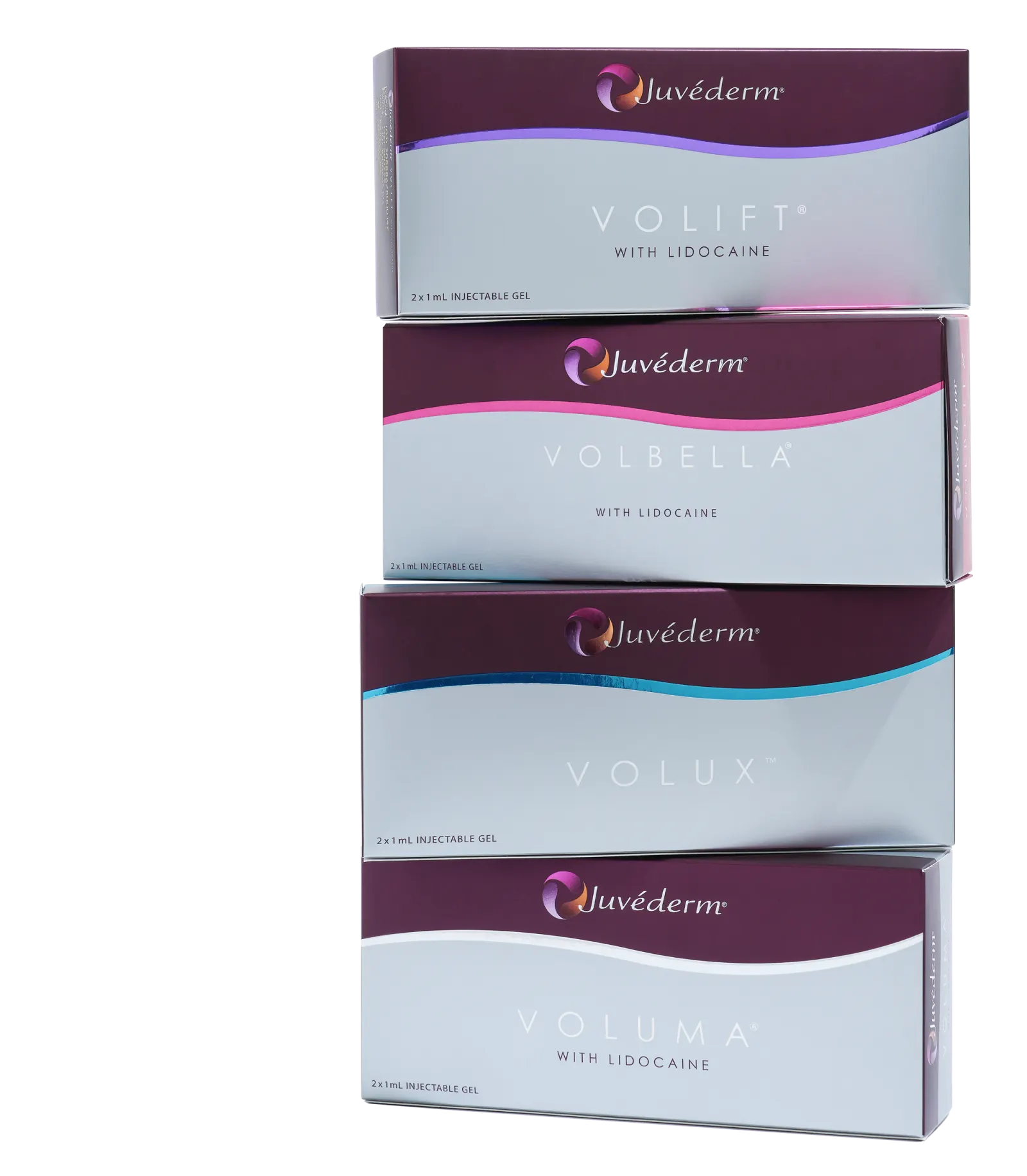
The eye area shows aging early, so periorbital rejuvenation typically layers 2 approaches: hyaluronic acid filler to soften hollows and hydrating or polynucleotide boosters to improve thin, crepey skin.
Periorbital rejuvenation in Seoul refreshes the eye area non-surgically, most often combining hyaluronic acid filler to soften tear troughs and infraorbital hollows with hydrating or polynucleotide skin boosters that improve thin, crepey lower-lid skin. The clinic’s doctors assess your anatomy first, then tailor which combination and how many sessions suit you.
One-on-One guidance from a dedicated doctor, ensuring your skin is professionally monitored and treated from start to finish.
Fluent assistance in English, Japanese, and Chinese, making communication clear, respectful and comfortable for international patients.
Over 100,000 patients worldwide have received our personalized dermatological care, highlighting our expertise and reliable results.
Periorbital rejuvenation is a group of non-surgical treatments that refresh the area around the eyes, where skin is thinnest and shows aging first. It targets three visible concerns: hollowing and shadowing under the eye (the tear trough and infraorbital hollow), thin or crepey lower-lid skin, and fine lines at the outer corners. Because these concerns have different causes, a good plan usually combines more than one approach rather than relying on a single injection.
The two most common tools are hyaluronic acid (HA) dermal filler and skin boosters. HA filler is placed deeply to gently support and soften an under-eye hollow, reducing the shadow that reads as tiredness. Hydrating and polynucleotide boosters, by contrast, are placed superficially to improve skin quality, elasticity, and hydration, which helps thin, crepey lower-lid skin. Used together, one restores structure while the other improves the skin covering it.
At Reberry Clinic, periorbital care is consultation-led. The eye area is delicate and unforgiving of overcorrection, so the clinic’s doctors first assess your under-eye anatomy, skin thickness, and fluid tendencies before deciding whether filler, boosters, or a combination fits you. International patients are supported in English in Seoul, Korea, so your plan can be mapped around your travel schedule.
Hyaluronic acid is a sugar molecule the body makes naturally; injectable HA filler is a cross-linked gel that adds soft volume and binds water. For the under-eye, a small amount is placed deep against the bone to lift a tear trough or infraorbital hollow, so light no longer casts a shadow there. Because the skin is thin, an experienced injector uses a low-hydrophilic product and conservative volumes to avoid puffiness. Polynucleotide skin boosters use fragments of purified DNA (often salmon-derived) that are injected superficially to support fibroblast activity, skin hydration, and elasticity rather than adding volume. Hydrating boosters based on non-cross-linked HA work similarly to improve moisture and fine crepiness. The key distinction is depth and purpose: filler restores structure underneath, while boosters improve the quality of the skin on top. Matching the right tool to the right layer is what makes results look rested rather than done, which is why assessment comes before any needle.
One Reberry Clinic, multiple Seoul-area locations. Pricing & current promotions are listed on each branch's own site — tap a clinic to view pricing & book.
Our flagship in the heart of Gangnam.
In Seoul's shopping & tourism heart.
A beauty stop between flights.
The newest Reberry Clinic — in Seoul's trend district.
ONE REBERRY CLINIC · MFDS-REGISTERED DEVICES · MULTILINGUAL CARE AT EVERY LOCATION
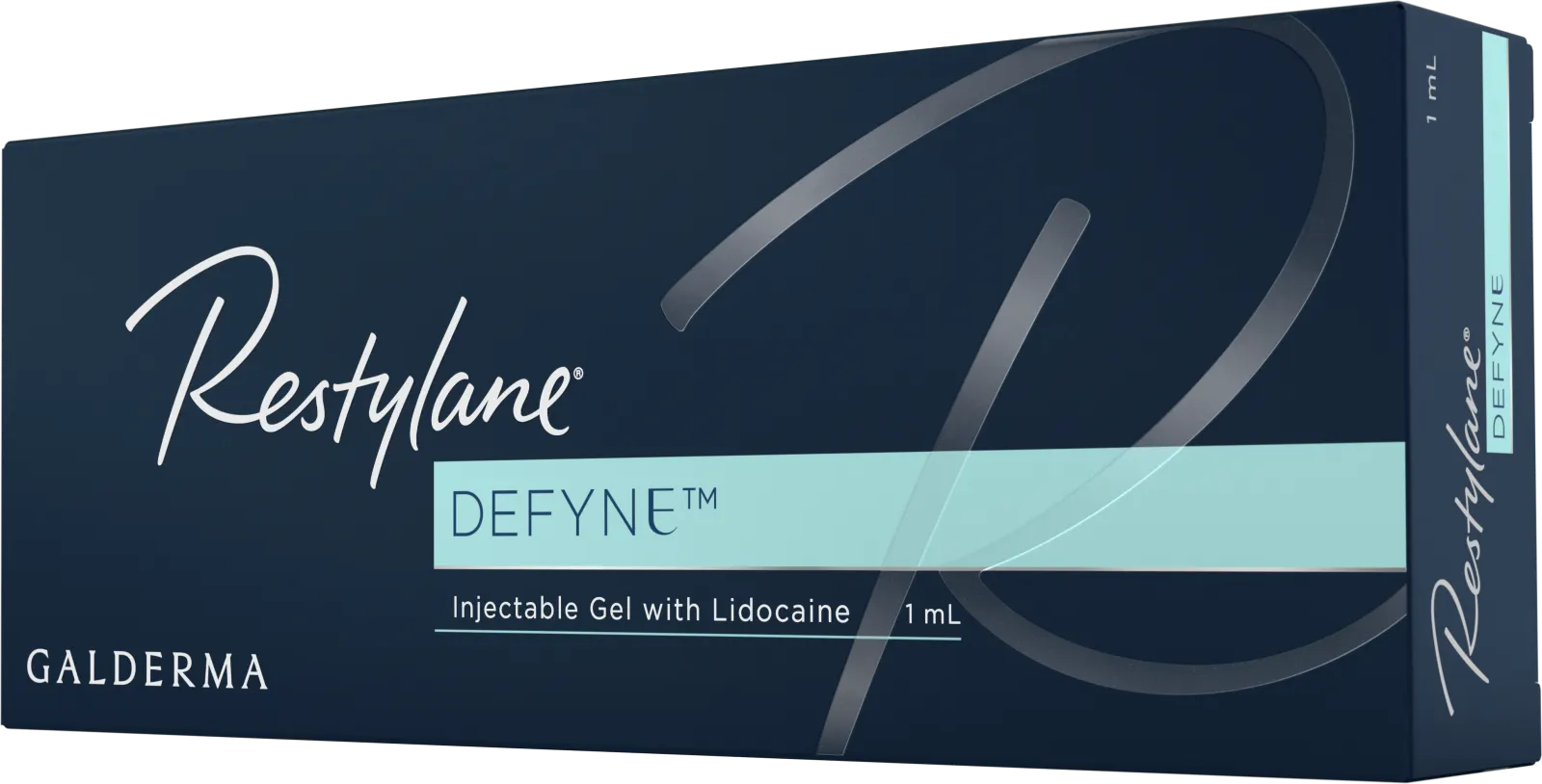
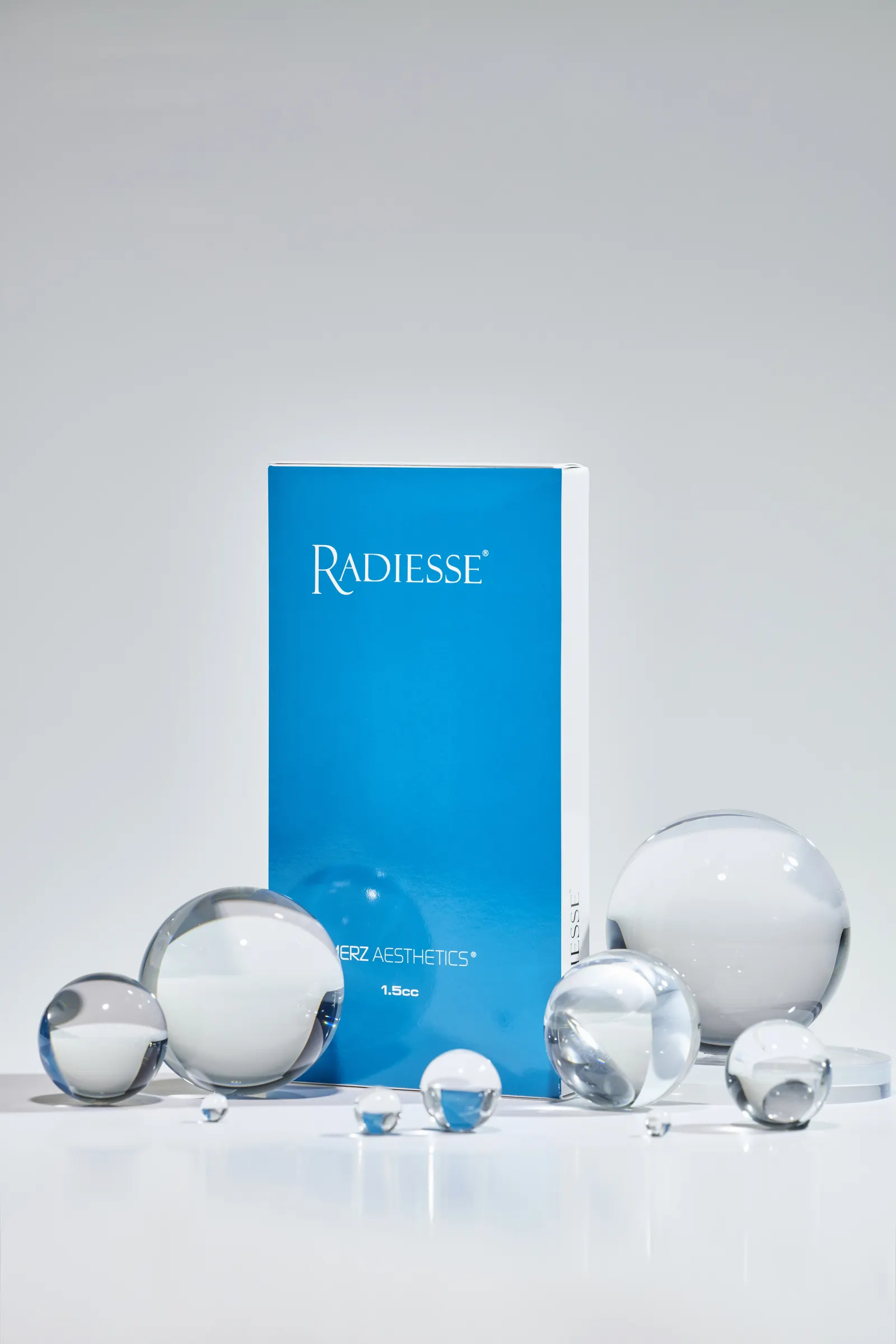
Doctors examine your under-eye across 3 concerns (hollowing, skin quality, fine lines) and check fluid tendencies, since not everyone is a filler candidate.
Structure loss is addressed with deep HA filler, while thin, crepey skin is treated with 1 or more superficial booster sessions.
Topical numbing is applied for about 15 to 20 minutes, and the area is cleansed to keep the delicate eye zone comfortable and clean.
A small, measured amount of filler is placed deep against the bone, using conservative volumes to avoid puffiness in the thin lower lid.
Polynucleotide or hydrating boosters are delivered superficially, often over 2 to 3 sessions spaced weeks apart, to improve elasticity and hydration.
Results are reviewed after about 2 weeks, once swelling settles, and small refinements are made if the under-eye needs further balancing.

Reberry Clinic · Prices verified: Oct 2026
| Clinic | Price (KRW) |
|---|---|
| MyeongdongEye Re2O 1 Syringe (3cc) | from₩750,000 |
VAT excluded · Final price depends on treatment scope and skin condition · Confirmed after consultation
Before-and-after photos are being updated.
The clinic’s doctors assess your under-eye anatomy, skin thickness, and fluid tendencies, then explain in English whether filler, boosters, or a combination suits you.
After about 15 to 20 minutes of numbing, treatment usually takes 20 to 40 minutes depending on whether filler, boosters, or both are used.
Filler is often a single placement, while boosters run as a short course of 2 to 3 sessions spaced weeks apart.
Filler softens hollows immediately and settles over about 2 weeks, while booster benefits build gradually across the session course.
Filler commonly lasts several months up to a year or more, and periodic booster top-ups help sustain skin quality over time.



Periorbital rejuvenation is a set of non-surgical treatments that refresh the eye area, usually combining hyaluronic acid filler to soften under-eye hollows with hydrating or polynucleotide boosters that improve thin, crepey lower-lid skin. You can learn more on our injectable fillers page.
In Seoul, Reberry Clinic offers periorbital care at our Gangnam and Myeongdong locations, with an additional location near Incheon Airport. All three provide English-language support for international patients. Your first step is a consultation, where the clinic’s doctors assess your eye area before recommending filler, boosters, or a combination.
No, under-eye filler suits genuine hollowing but is not ideal for everyone, especially people prone to puffiness or fluid retention, where it can worsen bags. That is why the clinic’s doctors assess your anatomy first. Those with mainly thin, crepey skin may benefit more from skin-quality boosters instead.
Discomfort is generally mild because topical numbing is applied for about 15 to 20 minutes beforehand, and many HA fillers contain lidocaine. You may feel brief pressure or small pinpricks during placement. The eye area is sensitive, so the clinic’s doctors work slowly and conservatively to keep you comfortable.
Downtime is usually short, with most people experiencing mild swelling or occasional bruising for a few days, mainly with filler. Boosters tend to leave only tiny temporary marks. Because the under-eye can bruise, many patients plan treatment a few days before important events rather than the day of.
Filler softens under-eye hollows immediately, then settles over about 2 weeks as any swelling resolves. Booster results build more gradually across a course of 2 to 3 sessions. The clinic’s doctors typically review your under-eye at around 2 weeks before making any small refinements.
Under-eye HA filler commonly lasts several months up to a year or more, depending on the product and how your body metabolises it. Booster improvements in skin quality are sustained with periodic top-ups. Because ageing continues, most people maintain results with occasional sessions rather than a one-time fix.
Filler is often a single placement, reviewed at 2 weeks, while polynucleotide or hydrating boosters usually run as a course of 2 to 3 sessions spaced weeks apart. Your exact plan depends on your under-eye concerns, which the clinic’s doctors map out at your consultation in English.
Yes, combining is common because they address different problems: filler restores deep structure while boosters improve the skin covering it. A layered plan can look more rested than either alone. You can explore how these injectable options fit together during your assessment.
Yes, hyaluronic acid filler is reversible because it can be dissolved with an enzyme called hyaluronidase if you are unhappy or if adjustment is needed. This is one reason HA is preferred around the delicate eye area. Boosters are not dissolved but simply fade over time as the body clears them.
Common effects are temporary swelling, redness, tenderness, or bruising near the injection sites. Under-eye filler can occasionally cause puffiness (malar edema) if overfilled, which is why conservative dosing matters. Rare risks are discussed at consultation. Choosing an experienced injector and following aftercare lowers the chance of problems.
Periorbital rejuvenation is non-surgical and works by softening hollows and improving skin quality, whereas blepharoplasty removes or repositions tissue surgically. Injectables suit early to moderate concerns with little downtime and are reversible for HA filler. Surgery addresses significant excess skin or fat that injectables cannot correct.
It can help when circles come from hollowing and shadow, since softening the tear trough reduces that shadow. However, circles caused by pigmentation or visible vessels respond less to filler and may need other approaches such as pigment-focused laser treatment. Assessment identifies the true cause first.
Keep the area clean, avoid heavy rubbing, intense heat, and strenuous exercise for about 24 to 48 hours, and sleep slightly elevated to limit swelling. Use gentle skincare and sun protection. A supportive skin care routine helps keep the under-eye skin healthy between sessions.
Most healthy adults with under-eye hollowing or thin, crepey lower-lid skin are suitable, provided they are not strongly prone to puffiness. Pregnancy, active infection, or certain medical conditions may defer treatment. A consultation confirms candidacy and matches the right combination of filler and boosters to your eye area.
For a single filler session, 2 to 3 days is comfortable, allowing a consultation, the treatment, and a short review once early swelling settles. If you are doing a booster course, many international patients begin in Seoul and continue on return visits. Our English-speaking team helps coordinate your timing.
Yes, flying within a day or so is generally fine, as these are non-surgical procedures. Cabin air is drying, so moisturise gently and avoid rubbing the treated area. If you had filler, expect mild swelling to settle over the first days. Your doctor gives tailored aftercare advice before you travel.
International patients can begin treatment in Seoul and continue a booster course across return trips, and the clinic offers remote check-ins in English between visits. Your treatment notes are kept on file for continuity. You can also maintain a home skin care routine to support the under-eye area.
| HA Filler (Under-Eye) | Polynucleotide Booster | Hydrating HA Booster | |
|---|---|---|---|
| Mechanism | Cross-linked HA gel adds deep support to soften hollows | Purified DNA fragments support skin repair and elasticity | Non-cross-linked HA improves hydration and fine crepiness |
| Best for | Visible tear-trough or infraorbital hollowing and shadow | Thin, crepey, dull lower-lid skin quality | Dehydrated, finely lined under-eye skin |
| Sessions | Often a single placement, reviewed at 2 weeks | Usually a course of 2 to 3 sessions weeks apart | A short course, then periodic top-ups |
| Downtime | Brief swelling or possible bruising for a few days | Minor pinpoint marks, usually settling quickly | Minimal, mainly transient redness |
| Results timeline | Immediate softening, settling over about 2 weeks | Builds gradually across the session course | Gradual improvement in skin freshness |
| Longevity | Commonly several months up to a year or more | Maintenance sessions help sustain skin quality | Shorter-lived, benefits from repeat top-ups |
| Cost factors | Depends on product and volume used | Depends on number of sessions in the course | Depends on session frequency chosen |
Real verified reviews from our Google Business Profile, across all Reberry Clinic locations.
PULLED LIVE FROM GOOGLE · GANGNAM · MYEONGDONG · INCHEON AIRPORT
Your treatment is planned and performed by experienced, MFDS-registered doctors across our Seoul-area clinics, with multilingual support for international patients.
Flagship clinic · for leading lifting & regenerative devices · Featured in Authority Magazine (2026)

Multilingual tourist care beside Myeongdong Cathedral

Fast, effective care 20 minutes from the terminals
Message us on WhatsApp for a free consultation in English about periorbital rejuvenation and a plan tailored to your under-eye area.