



Gangnam
Dr. Yoon-Gon Ryu
Aesthetic Medicine Specialist
Flagship clinic · KOL for leading lifting & regenerative devices · Featured in Authority Magazine (2026)


Autumn and winter, roughly October to March, are popular for lasers and lifting, while cost depends on your procedures and the number of sessions rather than the calendar month.
The best time to visit Korea for skin treatment is generally October through March, when lower UV protects laser and peel results during a 1 to 4 week healing window. Cost in Seoul is driven by your procedures, treated areas, and number of sessions, not by the season, and is confirmed individually at a consultation.
One-on-One guidance from a dedicated doctor, ensuring your skin is professionally monitored and treated from start to finish.
Fluent assistance in English, Japanese, and Chinese, making communication clear, respectful and comfortable for international patients.
Over 100,000 patients worldwide have received our personalized dermatological care, highlighting our expertise and reliable results.
For most energy-based and resurfacing skin treatments, the best time to visit Korea is autumn or winter, roughly October to March, because lower ultraviolet exposure and cooler, less humid weather protect skin while it heals. Fresh laser, peel, or micro-needling results are sensitive to sun, so a lower-UV season reduces the risk of temporary pigment changes. That is why many international patients plan Seoul clinic visits around Korea’s cooler months, though the season matters far more for sun-sensitive procedures than for lifting.
Cost works on a different logic than timing. In Seoul, what you pay is driven by which procedures you choose, how many areas are treated, the number of sessions your plan needs, and the technology involved, not by the calendar month. There is no genuine off-season discount that changes the underlying treatment cost, so a well-timed visit protects your results rather than your budget. Because plans are individualised, responsible clinics explain what affects cost at consultation instead of quoting a fixed figure online.
Reberry Clinic is consultation-led across our Seoul locations (Gangnam, Myeongdong) plus an Incheon Airport location, with multilingual staff and English planning. The clinic’s doctors review your goals, skin type, and travel window, then explain both the right season and the factors behind your cost. You can begin with our skin care overview and confirm the full plan at consultation.
Timing and cost respond to different factors, so it helps to plan them separately. Timing is a clinical variable: after pigment lasers, chemical peels, or fractional resurfacing, freshly treated skin has a temporary window of 1 to 4 weeks when it is more prone to post-inflammatory hyperpigmentation under strong sun. Korea’s autumn and winter, roughly October to March, carry a lower UV index than summer, so low-UV months are often preferred for these sun-sensitive procedures, while summer heat and humidity can add irritation. Non-ablative lifting such as ultrasound (HIFU) and radiofrequency works below the surface and is far less season-dependent, scheduling comfortably year-round with normal sun care. Cost, by contrast, is an individualised clinical-plan variable. What you pay is shaped by the specific procedures you choose, how many facial or body areas are treated, how many sessions the plan calls for, and the device or consumables involved. Combination plans that address several concerns cost more than a single targeted treatment, and multi-session protocols spread across visits differ from one-off procedures. Season does not set the price, so there is no reliable calendar discount that lowers treatment cost. Because every plan is built around your skin, a responsible clinic assesses you first and then explains what drives your cost, rather than publishing a fixed figure that may not fit your case. The practical approach is to time your visit to your procedure’s sun-sensitivity and treat cost as something confirmed at consultation, which is exactly how the clinic’s doctors work.
One Reberry Clinic, multiple Seoul-area locations. Pricing & current promotions are listed on each branch's own site — tap a clinic to view pricing & book.
Our flagship in the heart of Gangnam.
In Seoul's shopping & tourism heart.
A beauty stop between flights.
The newest Reberry Clinic — in Seoul's trend district.
ONE REBERRY CLINIC · MFDS-REGISTERED DEVICES · MULTILINGUAL CARE AT EVERY LOCATION
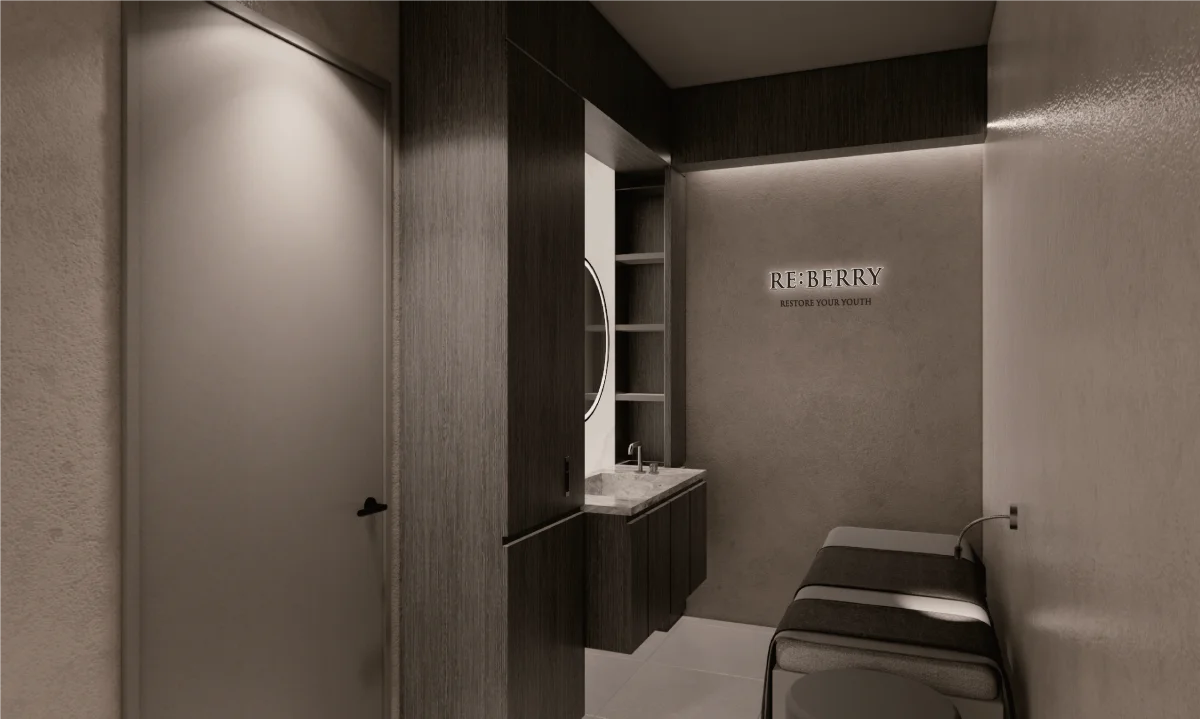

Decide which 1 to 3 concerns you want treated, since this shapes both the season and the main factors behind your cost.
Korea’s autumn and winter carry a lower UV index than summer, protecting freshly treated skin during a 1 to 4 week healing window.
Cost follows your procedures, treated areas, and the number of sessions, so a 3-session plan differs from a single treatment.
Allow at least 2 to 3 days for a first visit so consultation, procedure, and a short review fit into one trip.
The clinic’s doctors assess your skin, then explain your individualised cost in English rather than quoting 1 fixed online figure.
See representative outcomes from Reberry Clinic. Results build gradually and vary by individual; your plan is assessed at consultation.
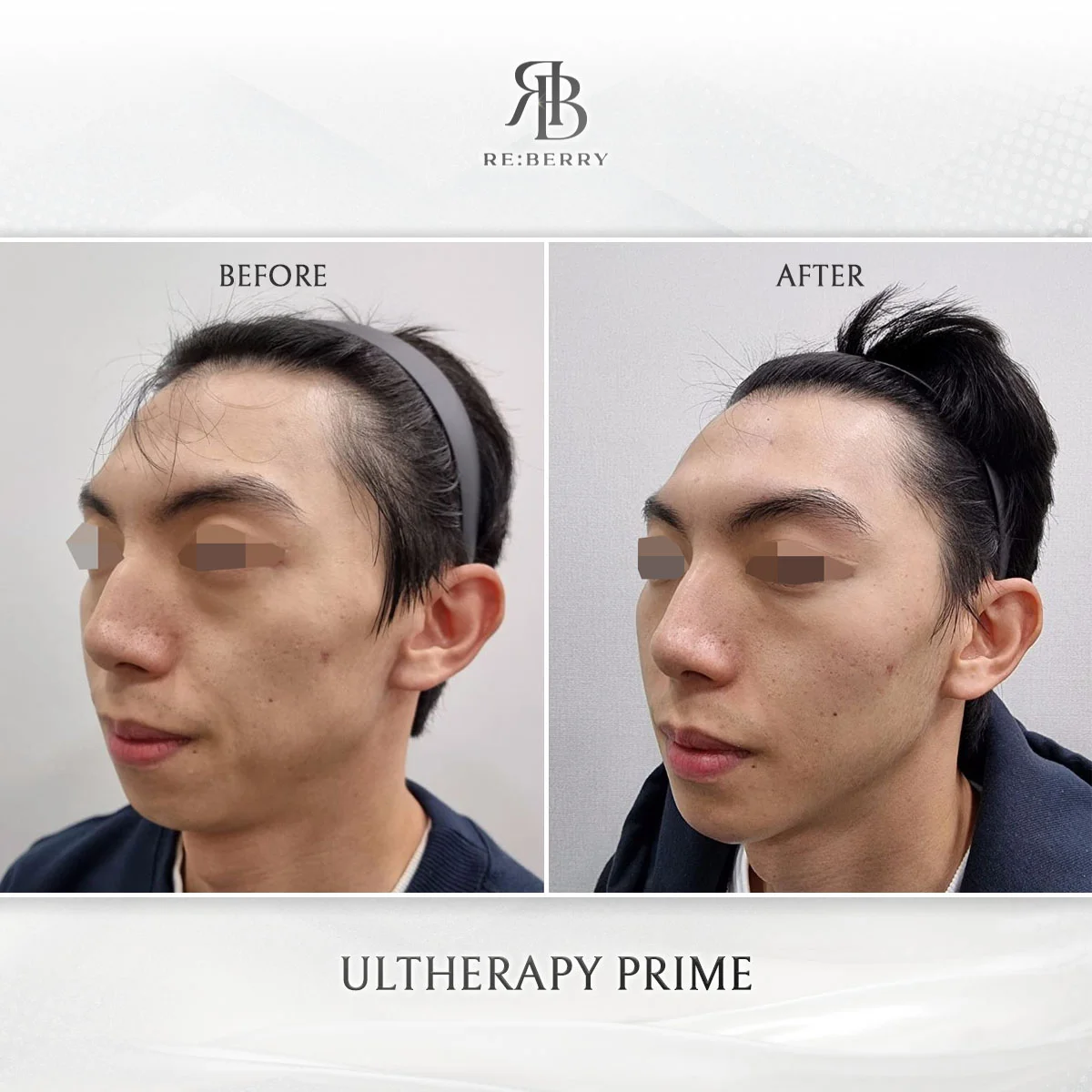
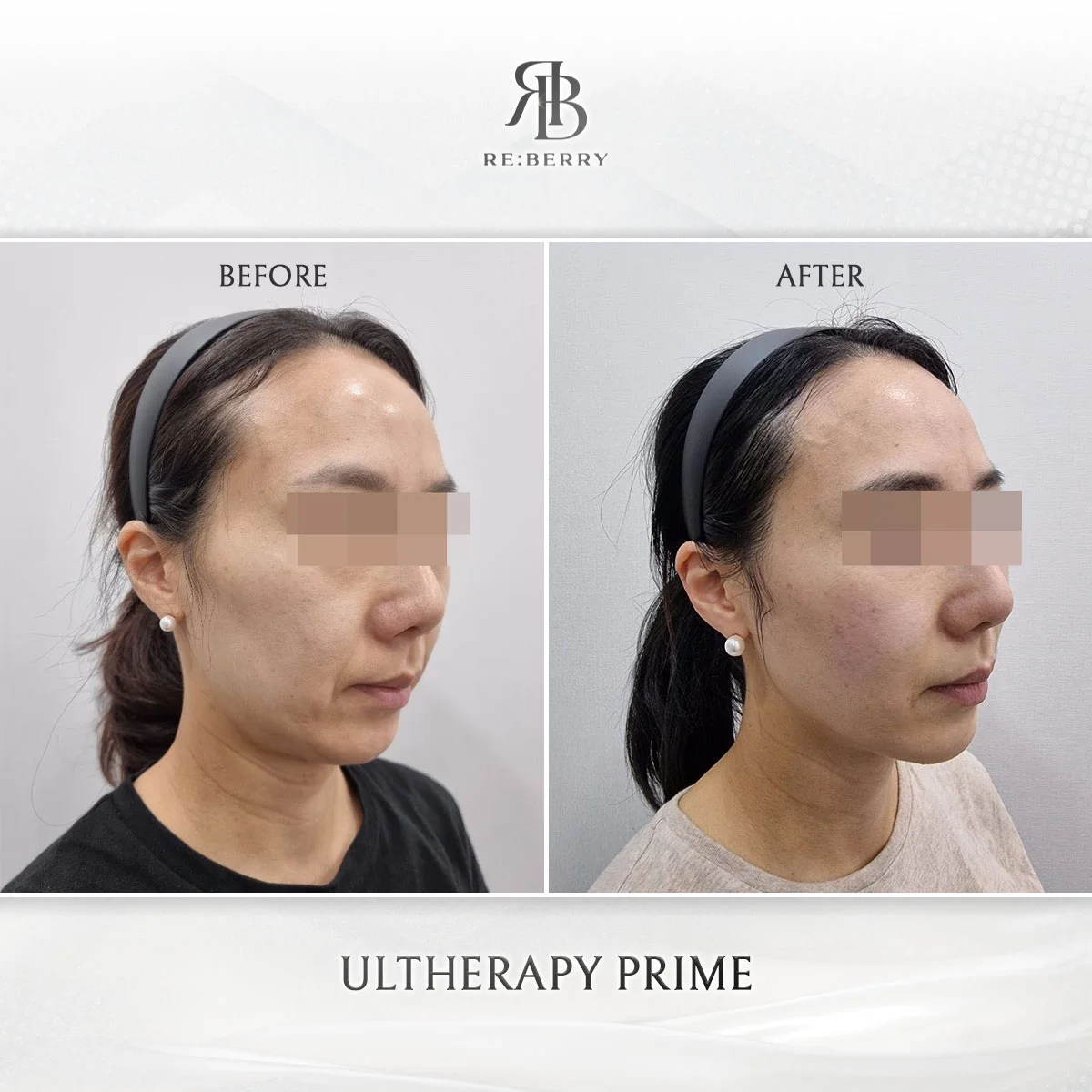
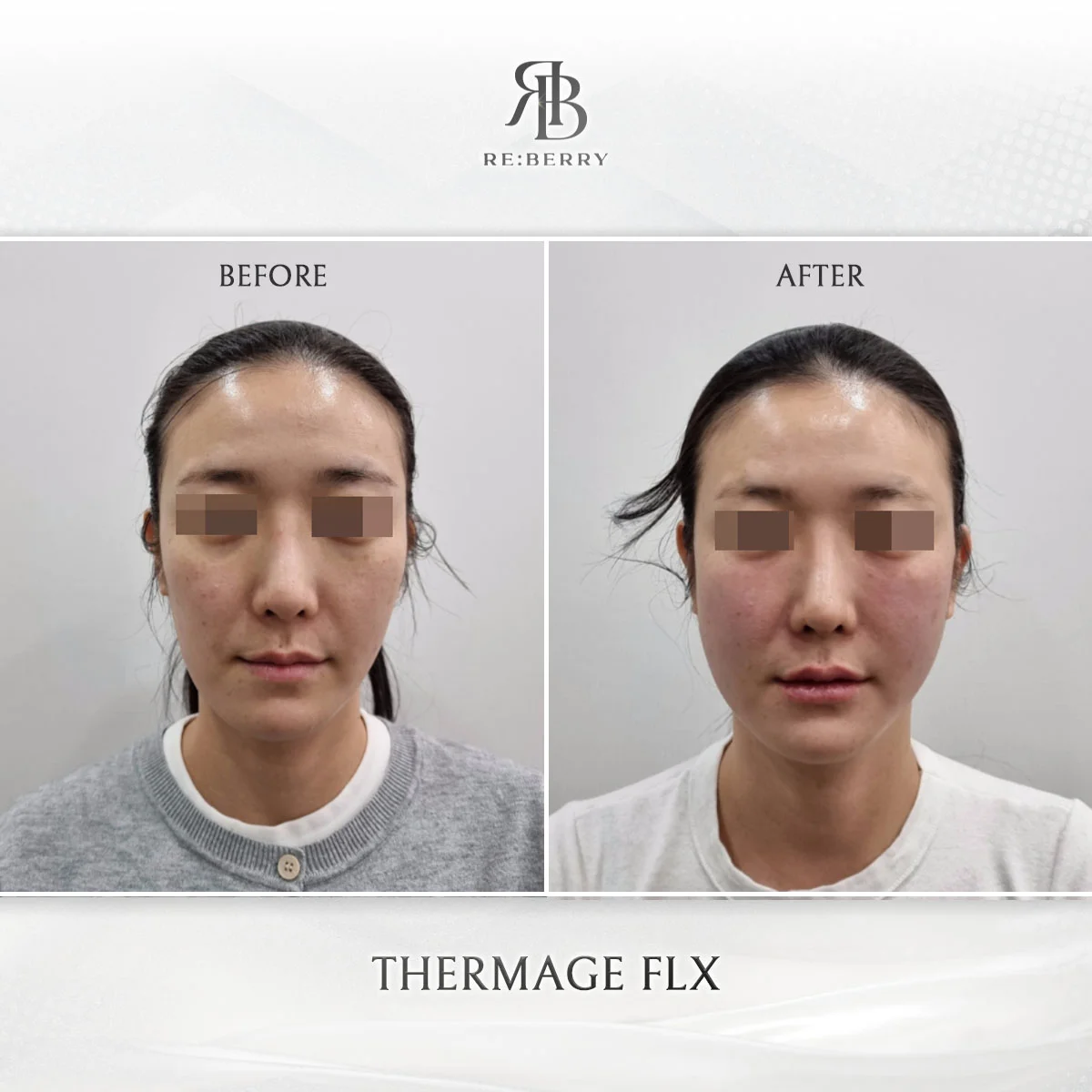
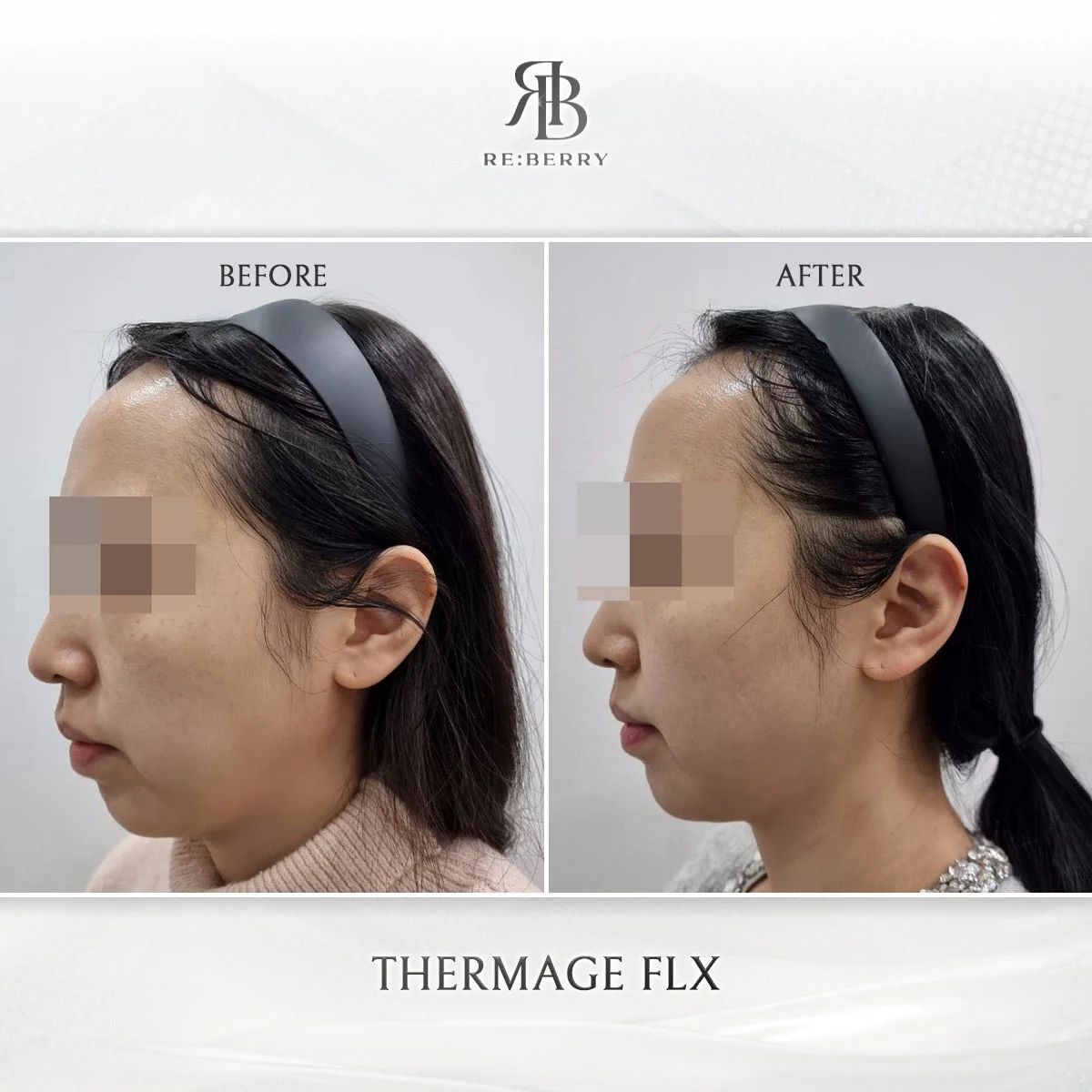
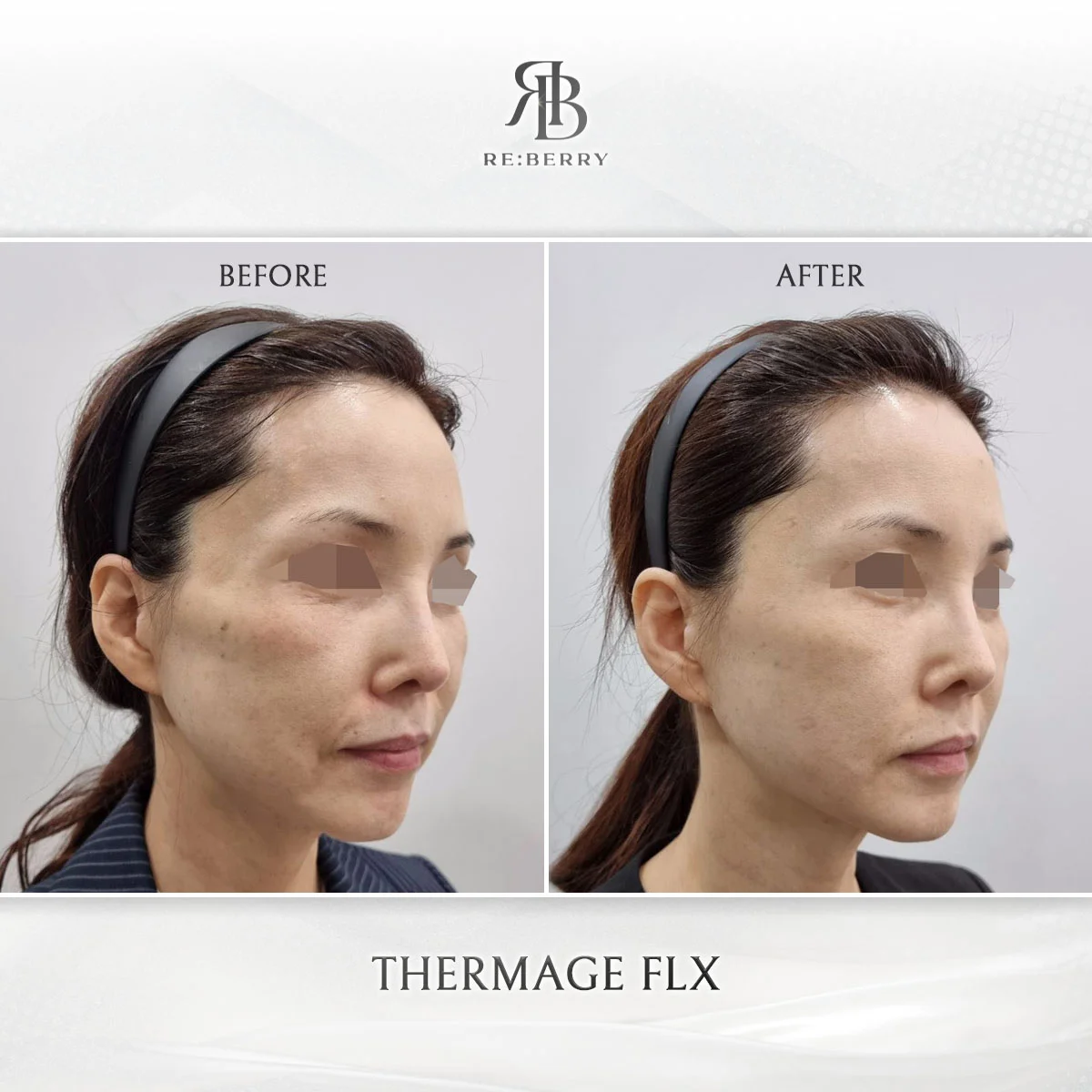
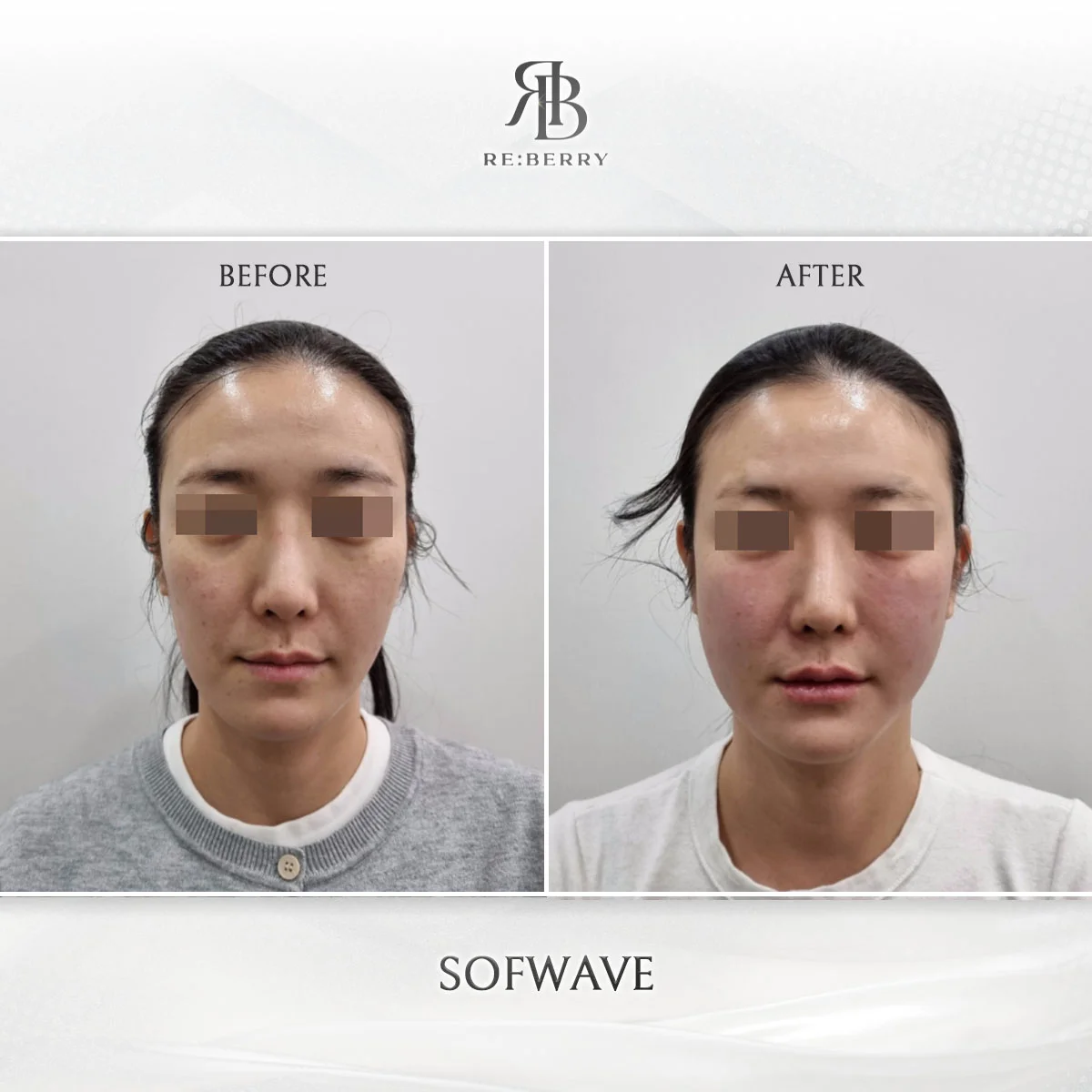
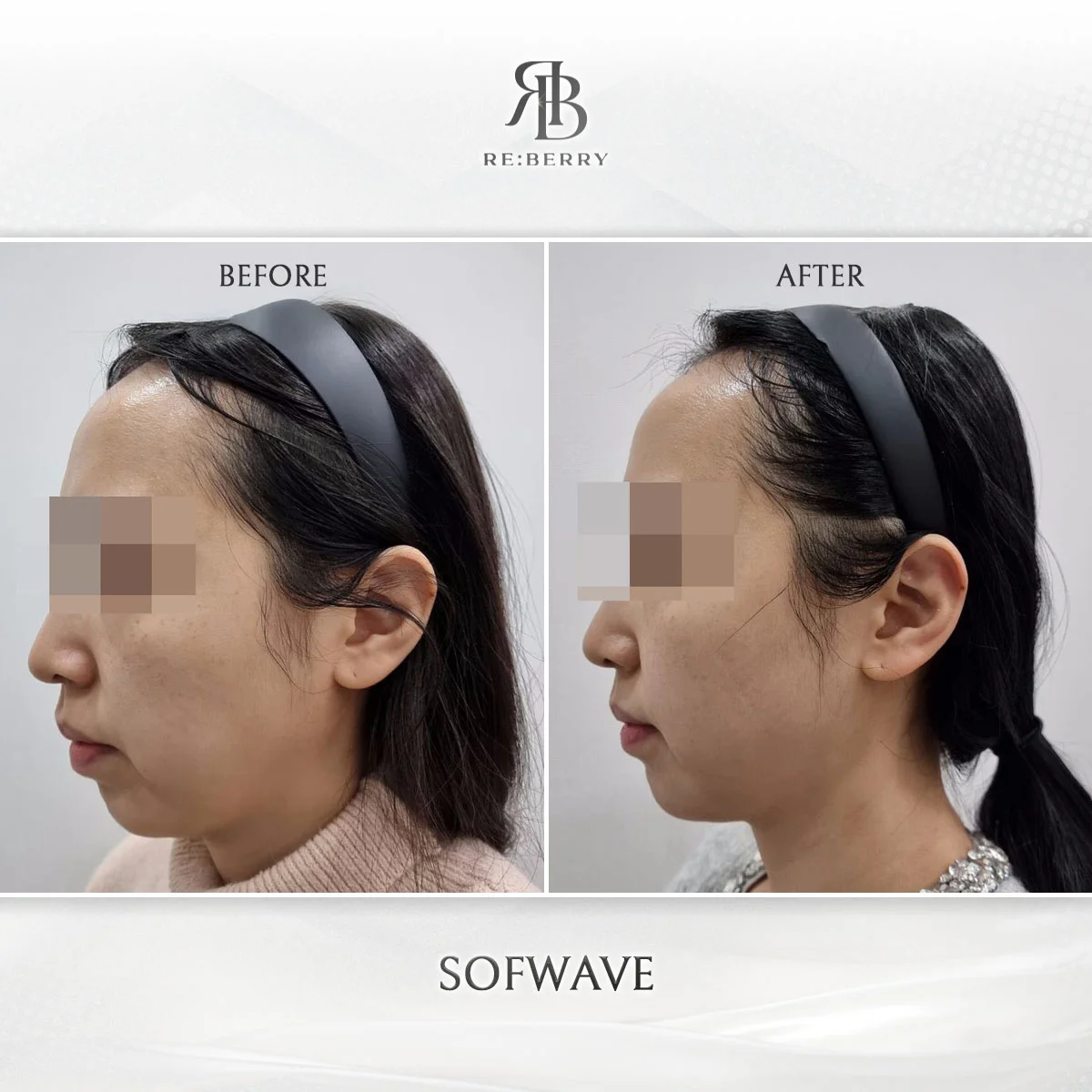
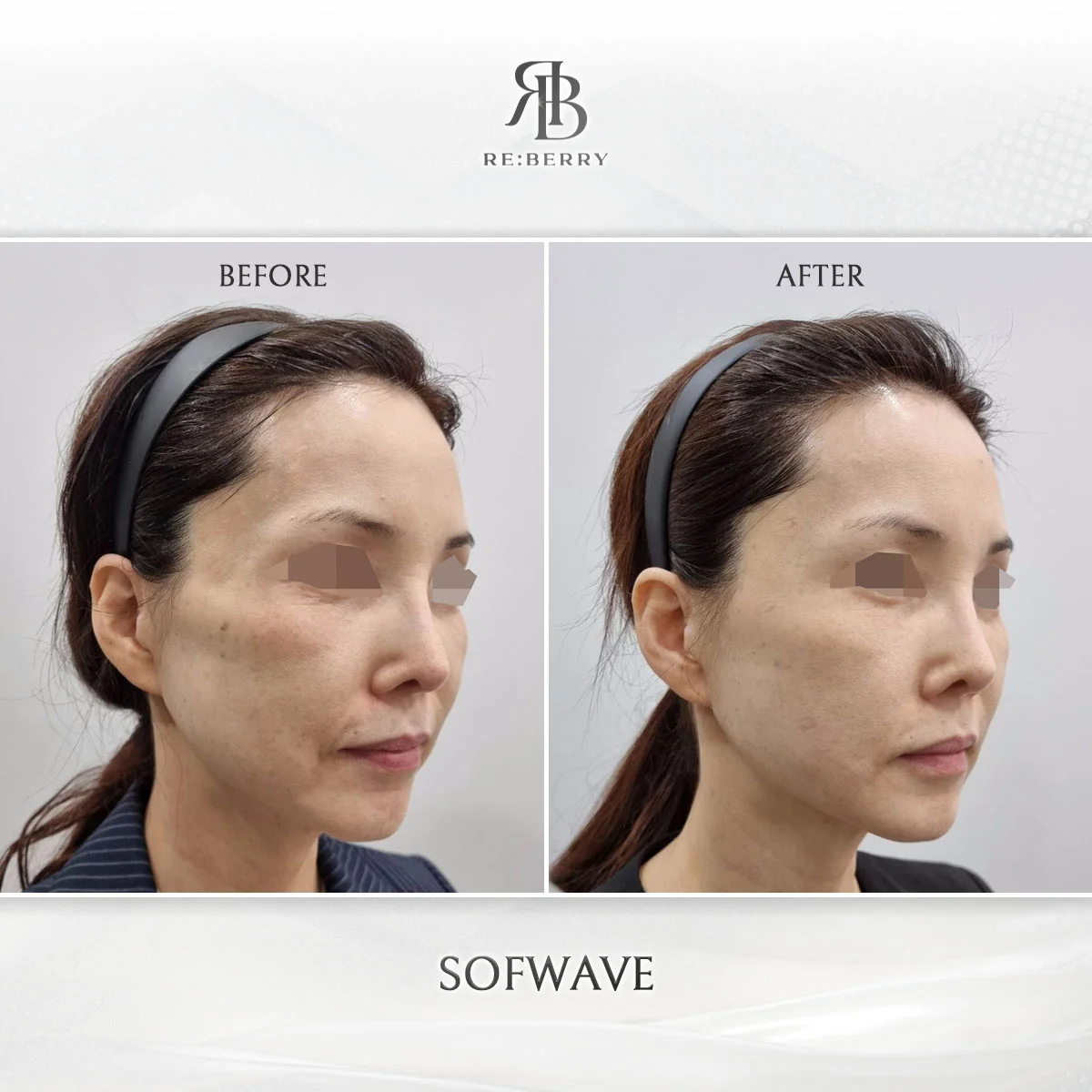
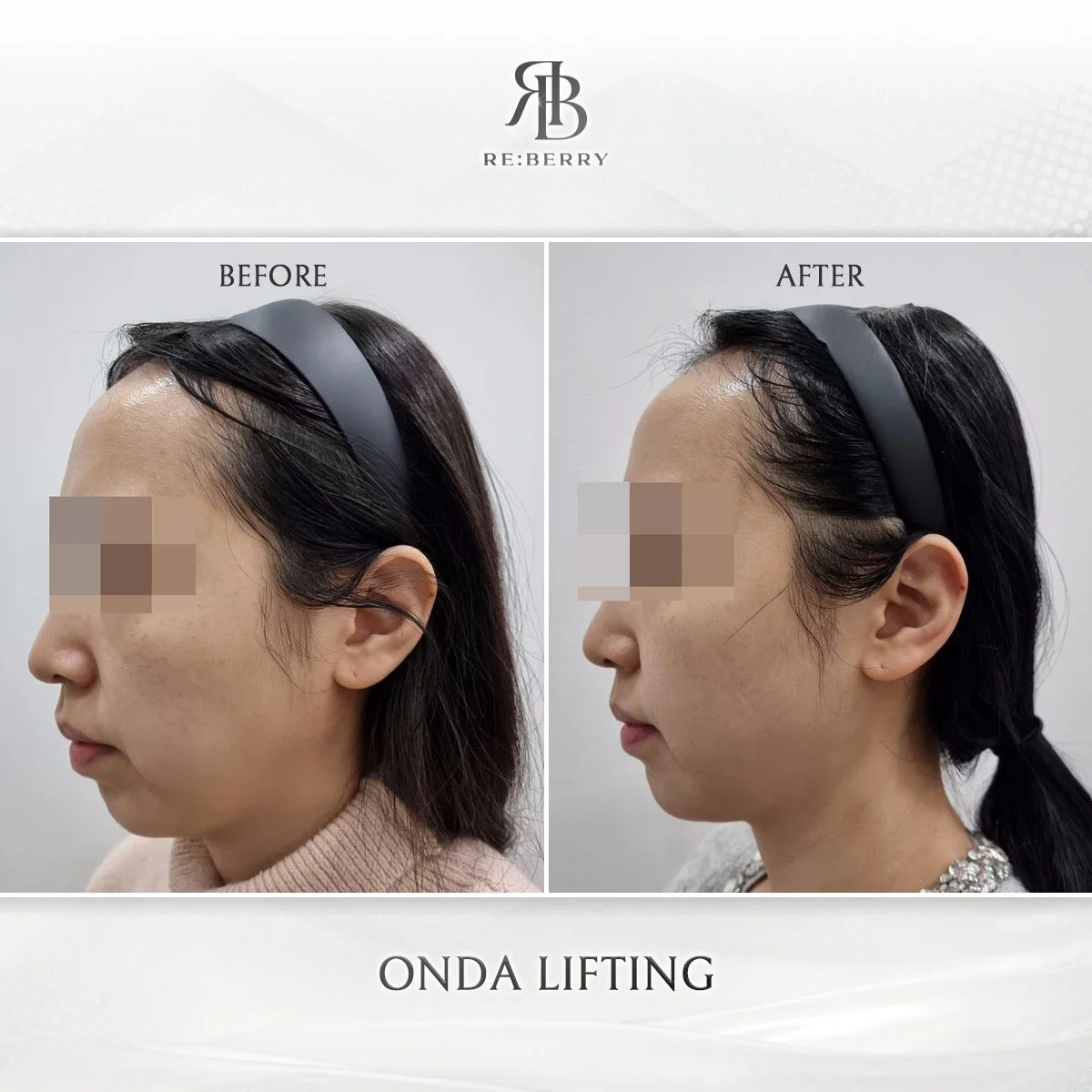
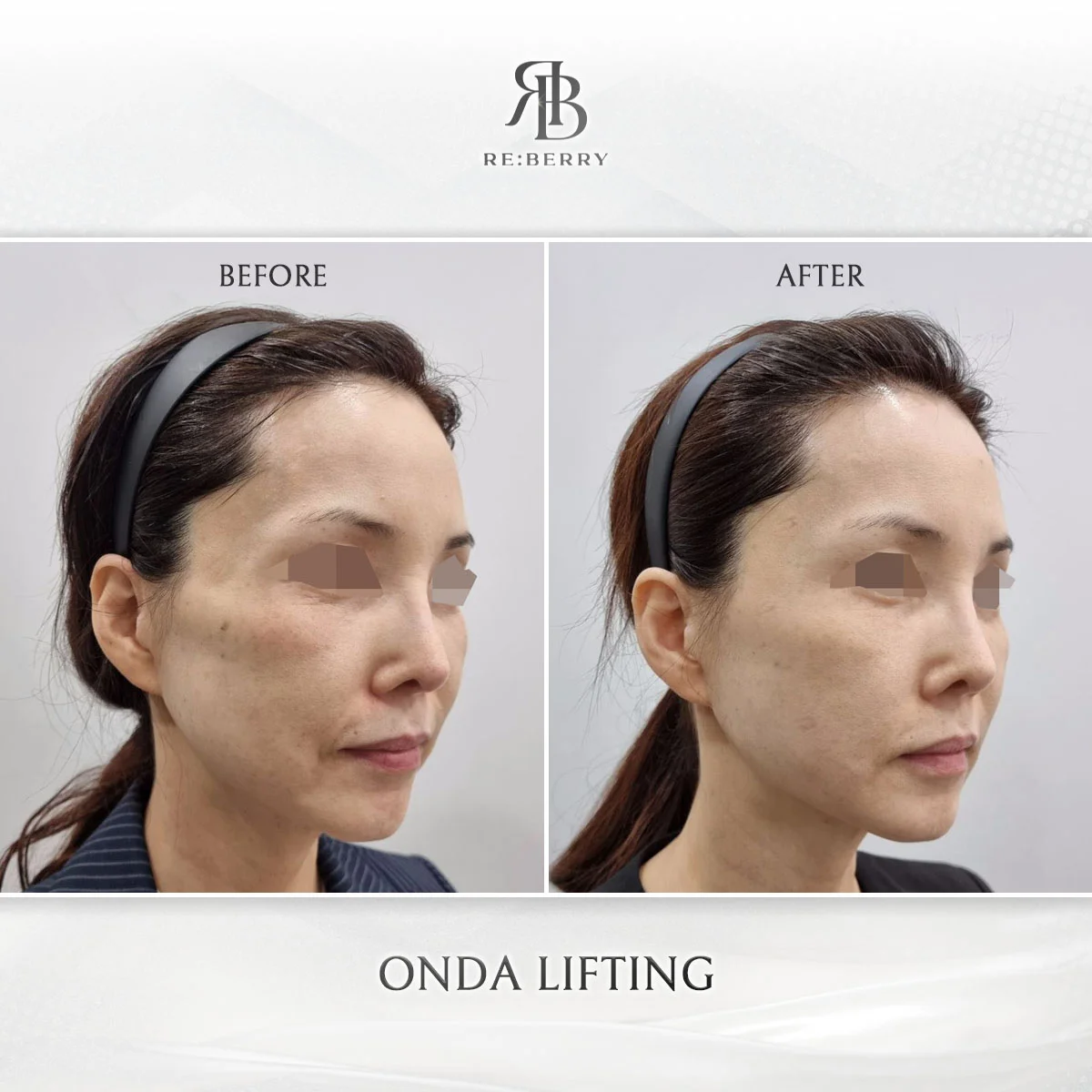
The clinic’s doctors review your goals, skin type, and travel dates in English, then explain the right season and your cost factors.
Your first session usually takes about 20 to 60 minutes depending on the procedure, with numbing where needed for comfort.
Plan at least 2 to 3 days in Seoul so a consultation, the treatment, and a short review fit into one trip.
Lasers and peels settle over 1 to 4 weeks, while lifting builds over 2 to 3 months, so timing is matched to your event.
Daily sunscreen and gentle skincare protect results year-round, and the clinic explains aftercare you can follow at home.



Autumn and winter, roughly October to March, are usually best for lasers, peels, and resurfacing because lower UV protects skin during a 1 to 4 week healing window. Lifting and injectables are far more flexible on season. You can start planning on our skin care page and confirm timing at consultation.
No, season does not set the price; cost is driven by your procedures, treated areas, and number of sessions. There is no reliable off-season discount on treatment cost, so timing your visit well protects your results rather than your budget. The clinic’s doctors confirm your individualised cost at consultation after assessing your skin.
Your cost is shaped by which procedures you choose, how many facial or body areas are treated, the number of sessions your plan needs, and the technology involved. Combination and multi-session plans cost more than a single targeted treatment. Because every plan is individual, cost is explained at consultation rather than quoted blindly online.
A responsible clinic confirms cost after assessing your skin rather than posting a fixed figure that may not fit your case. You can, however, discuss your goals in advance so expectations are clear. The clinic’s doctors explain what affects your cost in English at consultation. Start on our skin care page.
Reberry Clinic operates across our Seoul locations in Gangnam and Myeongdong, plus an Incheon Airport location for transit-friendly visits, all with multilingual staff. A consultation matches treatment, timing, and cost to your skin and travel window. See the menu on our skin care page to plan.
Non-ablative lifting such as ultrasound and radiofrequency, plus most injectables and skin boosters, can be scheduled year-round because they carry little photosensitivity. You can explore year-round options like Ultherapy Prime and confirm both suitability and cost factors for your travel window at consultation.
Treatment cost itself does not fall in an off-season, since price follows your procedures and sessions rather than the calendar. You might find flights or hotels cheaper at quieter times, but that is travel cost, not treatment cost. Choose your visit window for sun-sensitivity and comfort, then confirm treatment cost at consultation.
For a first visit, plan at least 2 to 3 days so a consultation, the procedure, and a short review fit comfortably. Multi-step or combined plans may need a little longer, which can also affect cost. Our English-speaking team helps coordinate timing around your flights so nothing feels rushed.
Yes, combination plans that address several concerns generally cost more than a single targeted treatment, because more procedures and areas are involved. Sequencing also matters so skin is not over-stressed. A consultation maps a safe order across your skin care priorities and explains the cost of each part.
Yes, plans that need several sessions cost more overall than a one-off procedure, and some protocols spread sessions across visits or trips. Your doctor explains how many sessions your goals realistically need before you commit. This lets you plan both your budget and your travel dates around the full course.
Winter is often ideal for pigment lasers and resurfacing because Korea’s UV index is lower and freshly treated skin is less exposed to strong sun. Cooler, drier air is also gentler during the 1 to 4 week healing window. Diligent sunscreen still matters, since UV reflects off snow and passes through clouds.
Yes, you can treat in summer, but the plan shifts toward less sun-sensitive options like ultrasound or RF lifting and injectables, with strict sun protection afterward. Deeper resurfacing and pigment lasers are often better in cooler months. Cost still depends on your procedures, and our doctors adjust the plan to your dates.
Broad-spectrum sunscreen every day, gentle non-irritating skincare, and avoiding heat or friction on treated skin are the essentials in any season. These protect results and lower pigment risk. You can build a supportive skin care routine that your doctor tailors to the procedures you have.
Yes, flying within a day or so is generally fine for most non-invasive to minimally invasive skin treatments. Cabin air is drying, so moisturise and protect treated skin. If you had deeper resurfacing, your doctor will give tailored travel aftercare and advise the safest gap before your flight home.
International patients can complete a plan across one or more visits, and the clinic offers remote check-ins in English between trips so progress stays on track. Your treatment notes are kept on file for continuity. Additional sessions on a return trip are planned around the right season and your budget.
It helps to plan around major Korean holidays such as Seollal and Chuseok, when clinics and transport are busier and some services adjust hours. Booking early keeps your preferred dates open. Our English-speaking team can flag holiday periods and suggest smoother windows when you coordinate your appointment.
| Drives your timing | Drives your cost | |
|---|---|---|
| Main factor | UV level and sun-sensitivity of the procedure | Which procedures you choose |
| Season effect | Strong for lasers and peels, weak for lifting | None; season does not set the price |
| Scope effect | Recovery window varies by procedure depth | More treated areas raise the total |
| Sessions | Extra sessions may need repeat visits | More sessions increase overall cost |
| Where confirmed | Planned around your travel dates | Confirmed individually at consultation |
| Discounts | No off-season timing bonus for results | No reliable off-season price discount |
Real verified reviews from our Google Business Profile, across all Reberry Clinic locations.
PULLED LIVE FROM GOOGLE · GANGNAM · MYEONGDONG · INCHEON AIRPORT
Your treatment is planned and performed by experienced, MFDS-registered doctors across our Seoul-area clinics, with multilingual support for international patients.
Flagship clinic · KOL for leading lifting & regenerative devices · Featured in Authority Magazine (2026)

Multilingual tourist care beside Myeongdong Cathedral

Fast, effective care 20 minutes from the terminals
Message us on WhatsApp for a free consultation in English to plan the best time to visit and understand your treatment cost.