
Gangnam
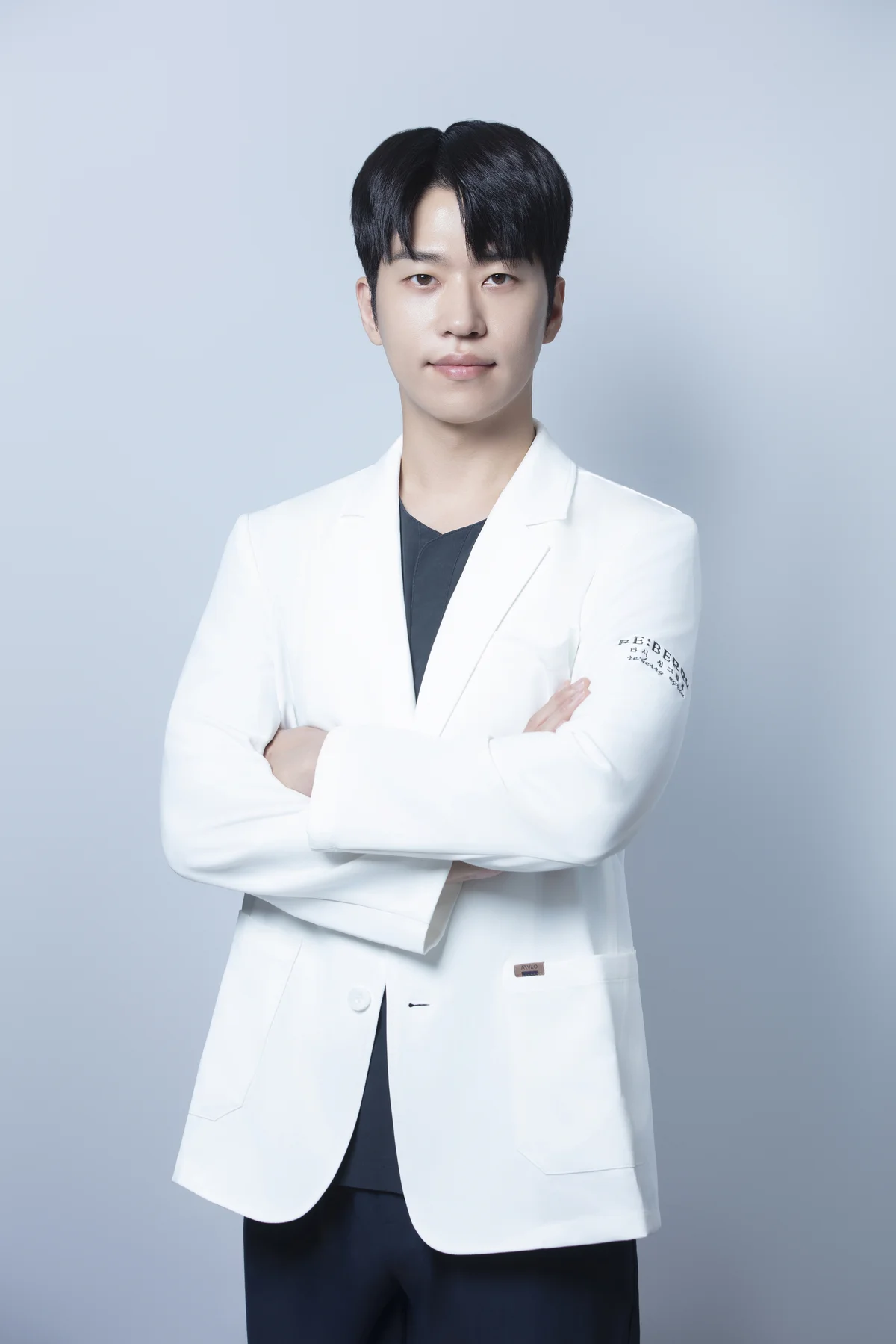
Dr. Yoongon Ryu
Aesthetic Medicine Specialist
Flagship clinic · KOL for leading lifting & regenerative devices

Flattening from combined laser and steroid can hold for months to years, but keloids recur in about 12 to 38 percent of cases, so monitoring matters.
Keloid treatment results can last months to years once the scar is flattened with combined laser and intralesional steroid, but keloids are recurrence-prone, with reported recurrence of about 12 to 38 percent by method. There is no permanent one-time fix: durability depends on maintenance injections, monitoring, and avoiding new tension or injury at the site.
One-on-One guidance from a dedicated doctor, ensuring your skin is professionally monitored and treated from start to finish.
Fluent assistance in English, Japanese, and Chinese, making communication clear, respectful and comfortable for international patients.
Over 100,000 patients worldwide have received our personalized dermatological care, highlighting our expertise and reliable results.
Keloid treatment results can last months to years, but the honest answer is that keloids are recurrence-prone, so durability is best understood as ongoing control rather than a permanent one-time fix. When a keloid is flattened using combined laser, such as 595 nm pulsed-dye or fractional laser, together with intralesional corticosteroid, many patients enjoy a long symptom-free period. Yet reported recurrence ranges from roughly 12 percent with laser-plus-steroid combinations up to 30 to 38 percent in some series, and surgery alone recurs in 70 to 100 percent.
What keeps results lasting is not a single treatment but a management plan. After the active course, maintenance injections at longer intervals, protecting the site from friction, tension, and new injury, and periodic monitoring all extend how long the flattening holds. Because a keloid is an overactive scar, anything that re-triggers wound healing, a piercing, a cut, or a fresh procedure over the site, can restart growth, which is why aftercare is treated as part of the result.
At Reberry Clinic, keloid care is consultation-led, with the clinic’s doctors setting realistic longevity expectations and a monitoring schedule based on your keloid’s size, age, and site. International patients are supported in English across our three Seoul-area locations (Gangnam, Myeongdong, Incheon Airport).
A keloid forms when a wound-healing response over-produces type I and type III collagen and does not switch off, so treatment calms that process rather than deleting a fixed structure. Intralesional corticosteroid suppresses collagen synthesis and inflammation, 595 nm pulsed-dye laser reduces the scar’s blood supply and redness, and fractional laser remodels texture, together flattening the keloid over a series of sessions. Once flattened, the softened scar can stay improved for months to years, but the underlying tendency to over-heal remains, which is why recurrence is reported in roughly 12 to 38 percent depending on method and follow-up length. Combination therapy holds longer than steroid alone: one controlled study found a longer remission period in the combined group, and a meta-analysis of 989 patients put laser-plus-steroid recurrence near 12 percent, comparable to excision with radiotherapy. Durability then depends on behaviour and biology: new tension, friction, piercings, or injury at the site can re-trigger growth, and high-tension areas such as the chest and shoulders recur more. This is why maintenance injections, scar protection, and monitoring are planned as the way results are kept, not as optional extras.
One Reberry Clinic, multiple Seoul-area locations. Pricing & current promotions are listed on each branch's own site — tap a clinic to view pricing & book.
Our flagship in the heart of Gangnam.
In Seoul's shopping & tourism heart.
A beauty stop between flights.
The newest Reberry Clinic — in Seoul's trend district.
ONE REBERRY CLINIC · MFDS-REGISTERED DEVICES · MULTILINGUAL CARE AT EVERY LOCATION
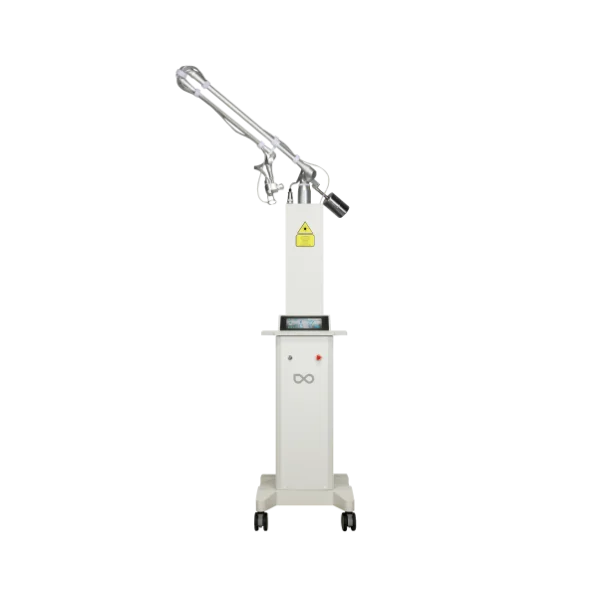
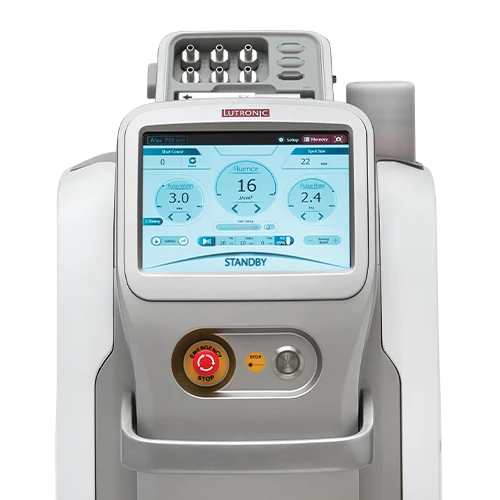
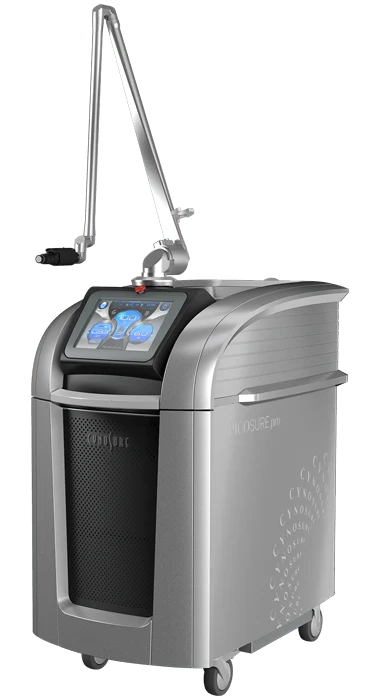
Over about 4 to 8 monthly sessions, combined laser and steroid reduce redness, itch, and thickness.
Once flattened, many patients hold results for months to years, with 1 combined course giving longer remission than steroid alone.
Because recurrence runs about 12 to 38 percent, the site is monitored so any early regrowth is caught quickly.
Low-frequency top-up injections, spaced by months, help keep a controlled keloid flat over the long term.
For at least 6 to 12 months, avoiding new tension, friction, piercings, or injury at the site reduces the chance of re-triggering growth.
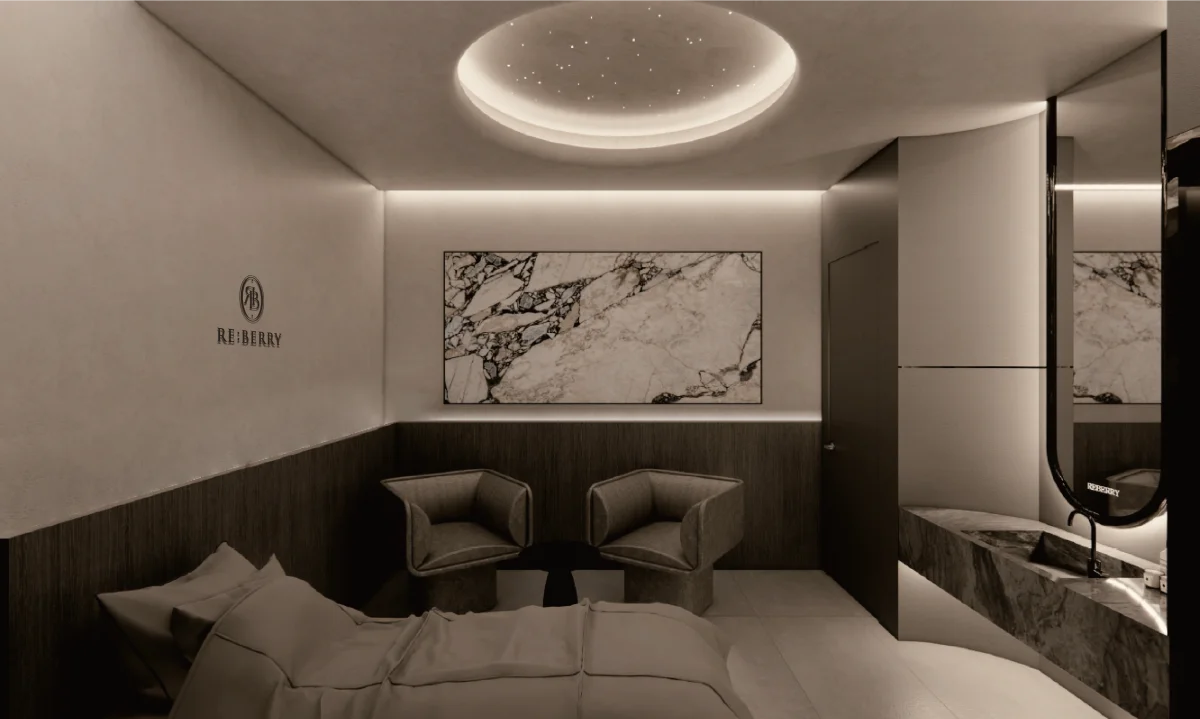
See representative outcomes from Reberry Clinic. Results build gradually and vary by individual; your plan is assessed at consultation.
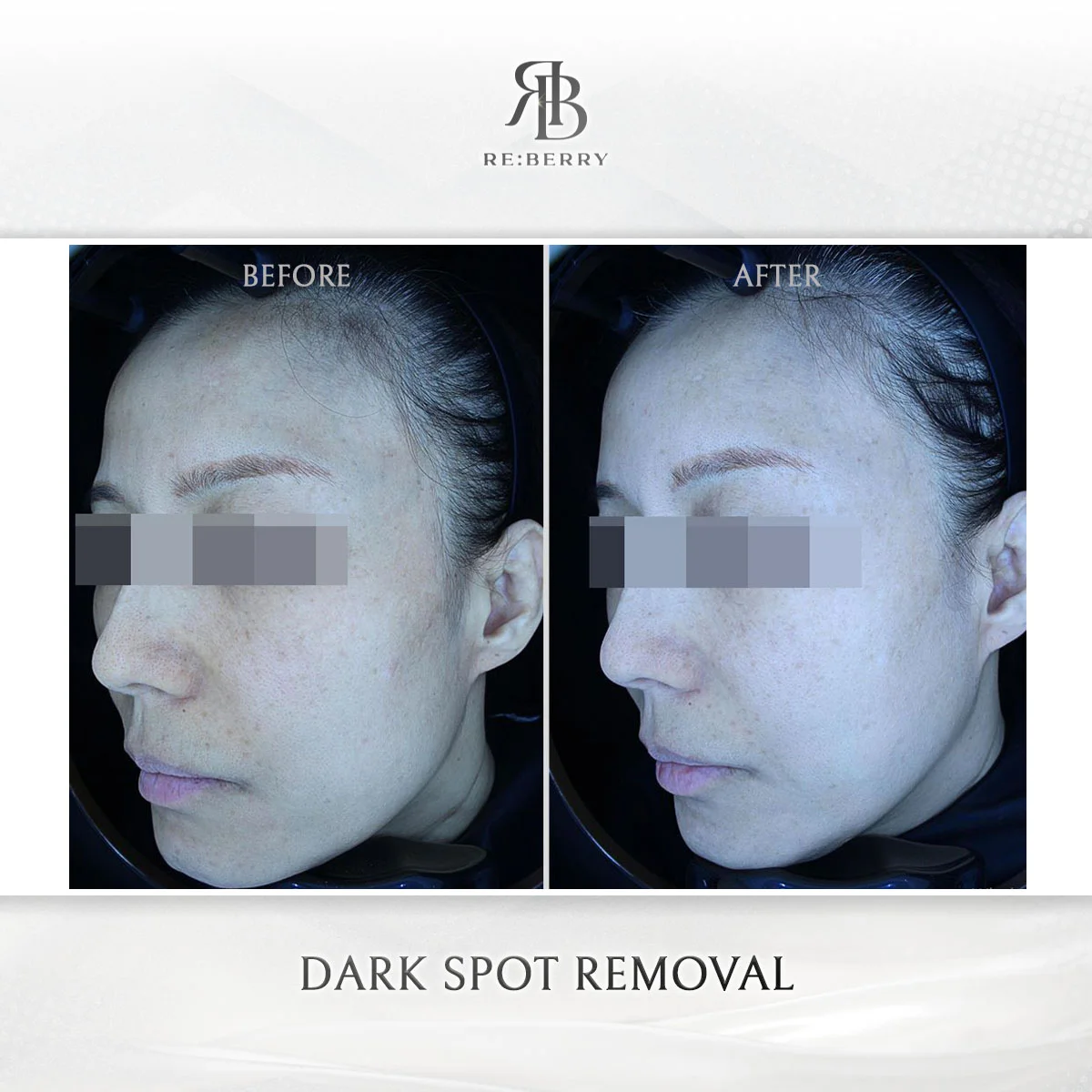
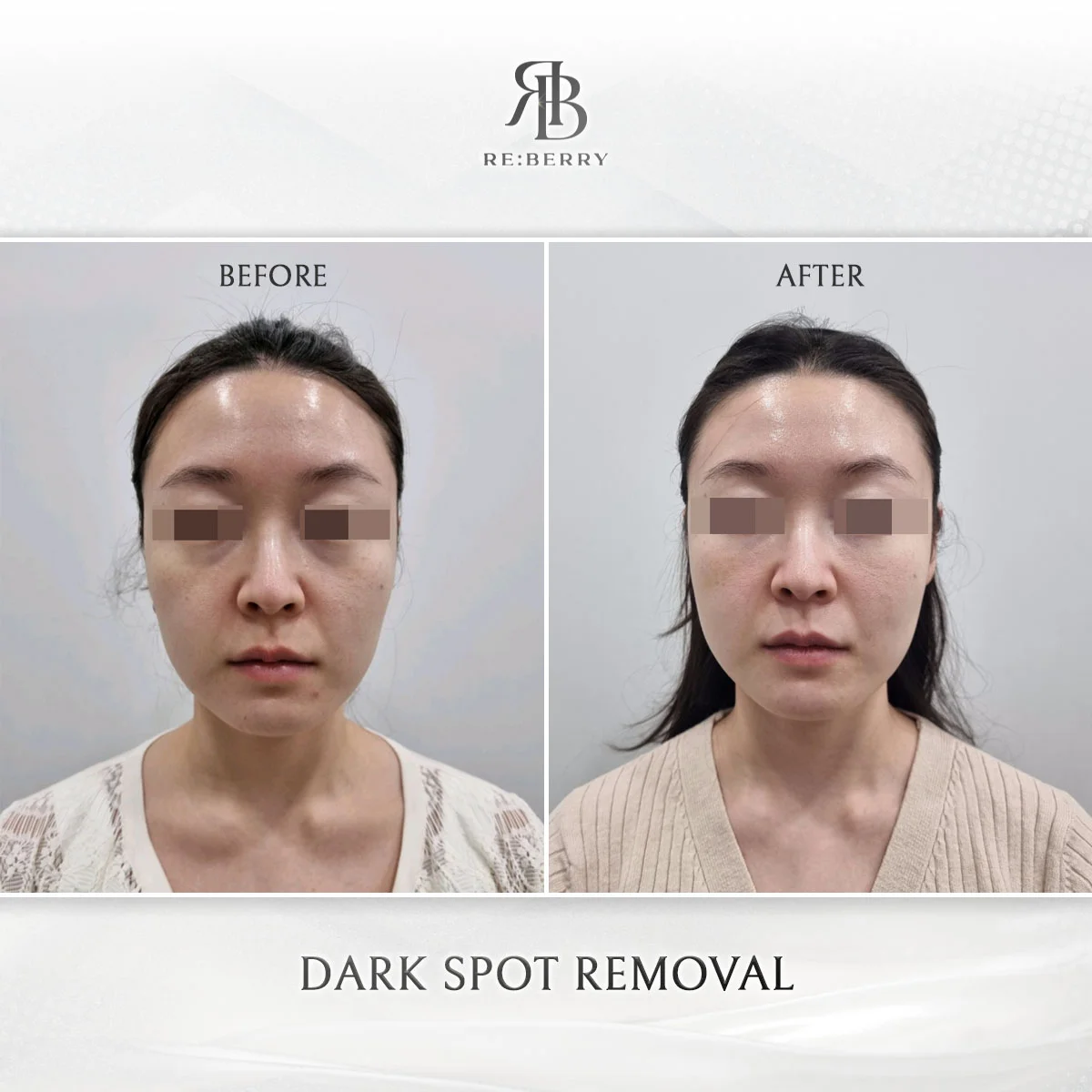
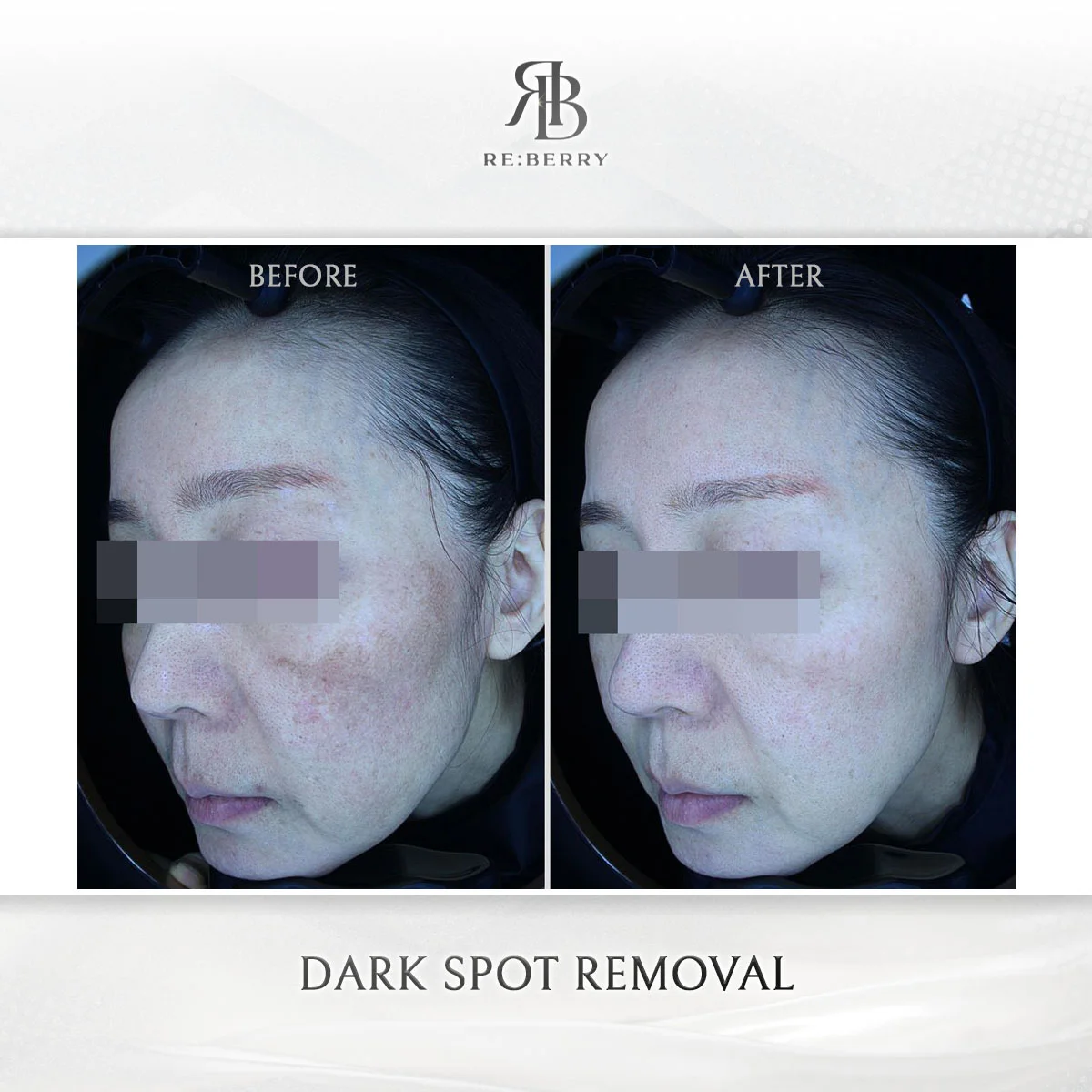
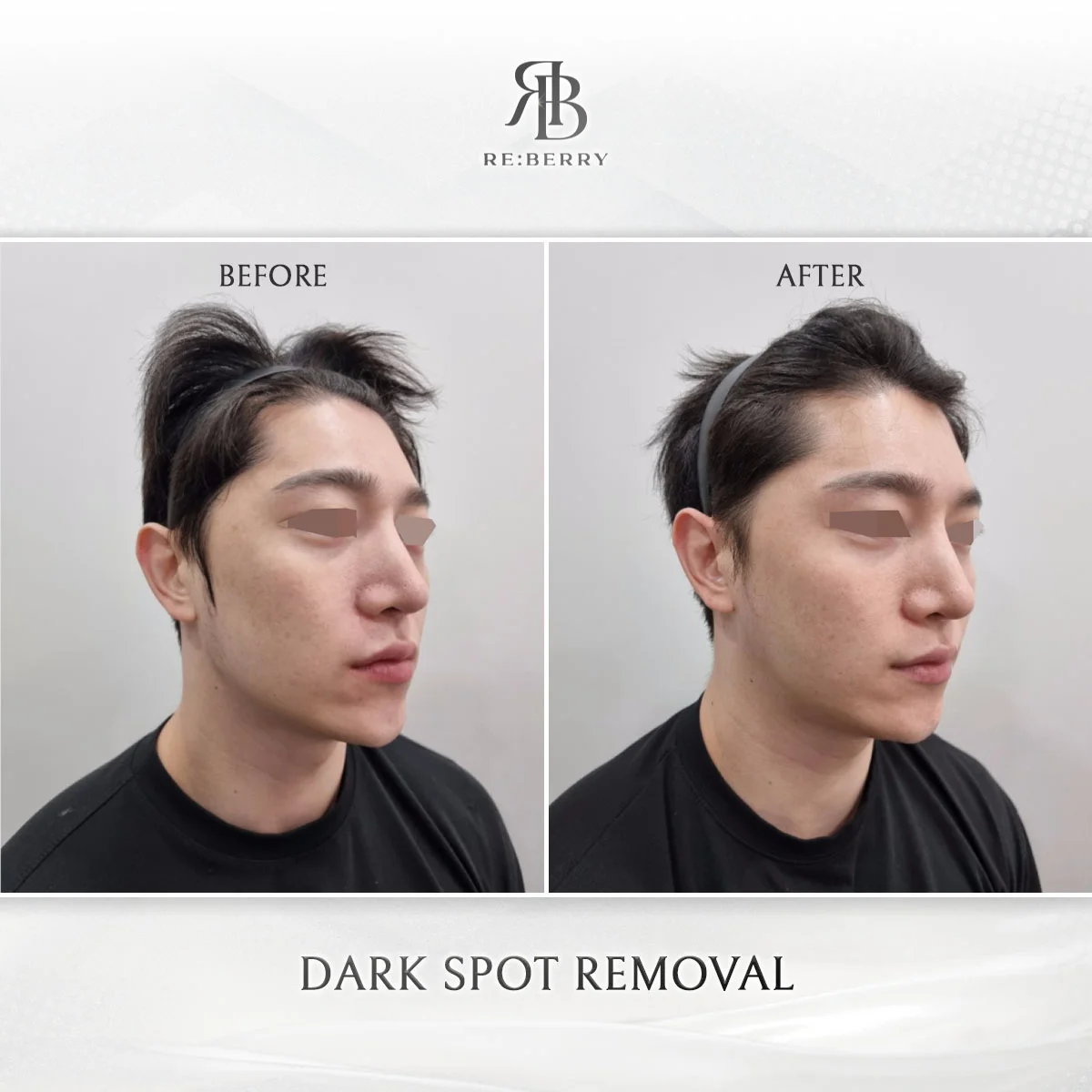
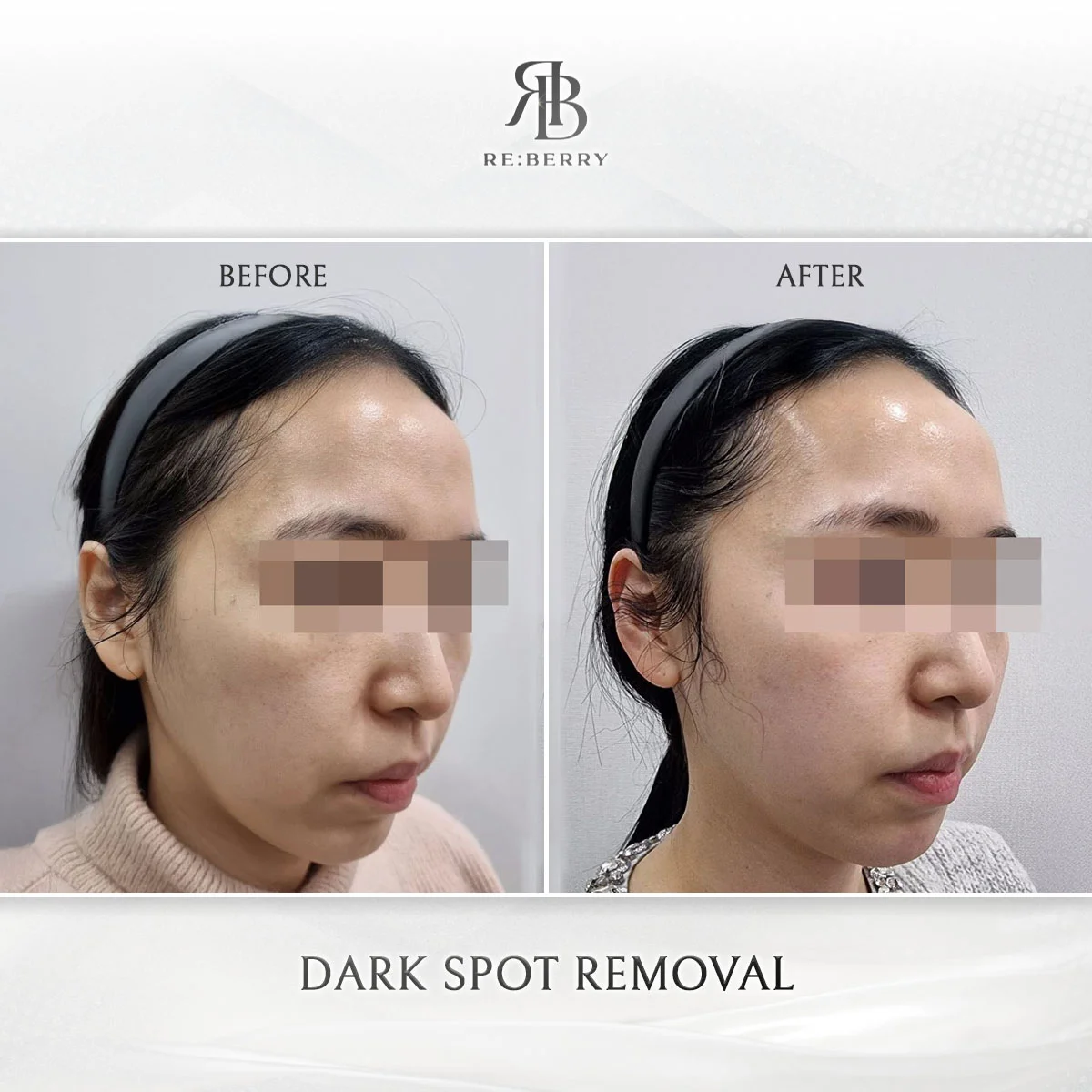
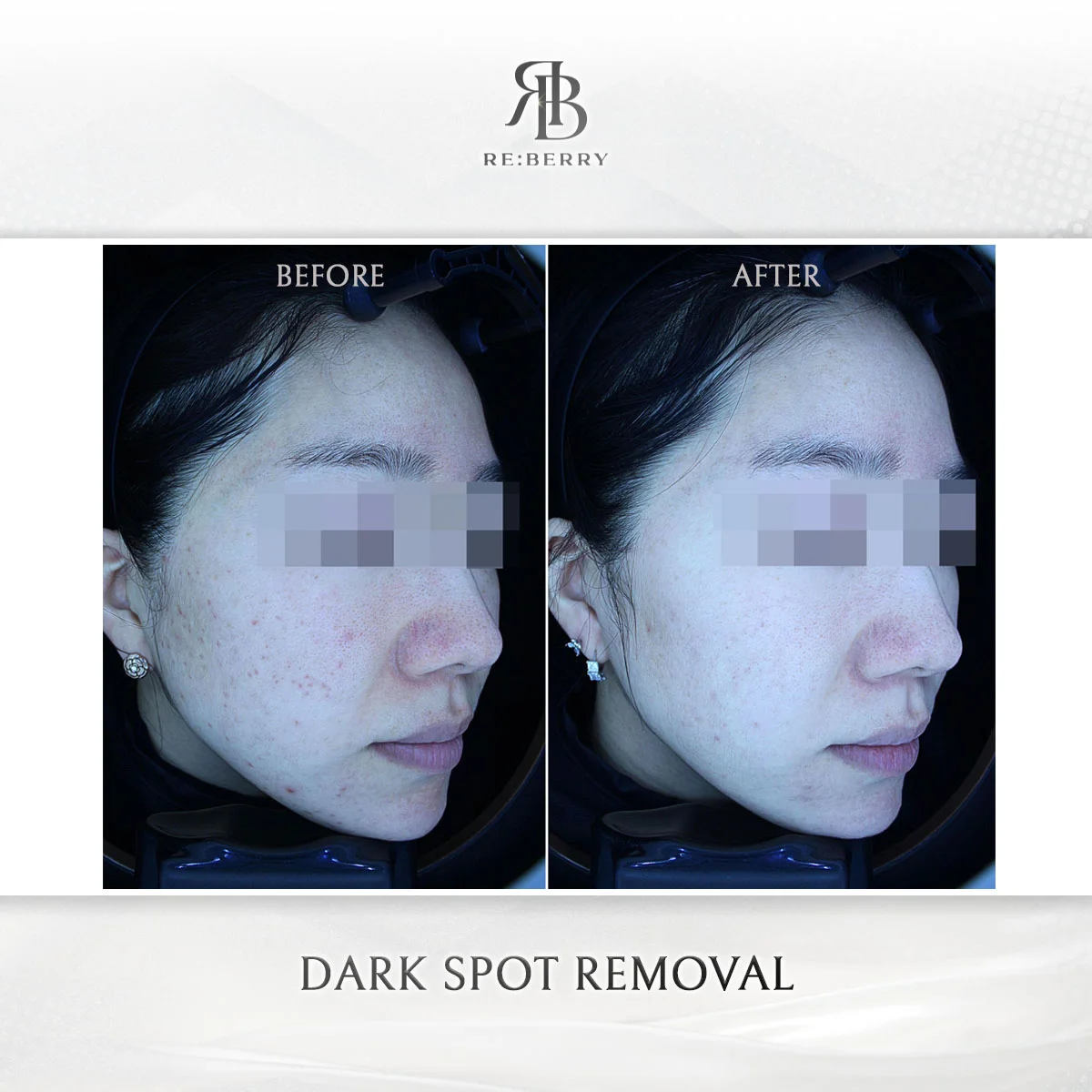
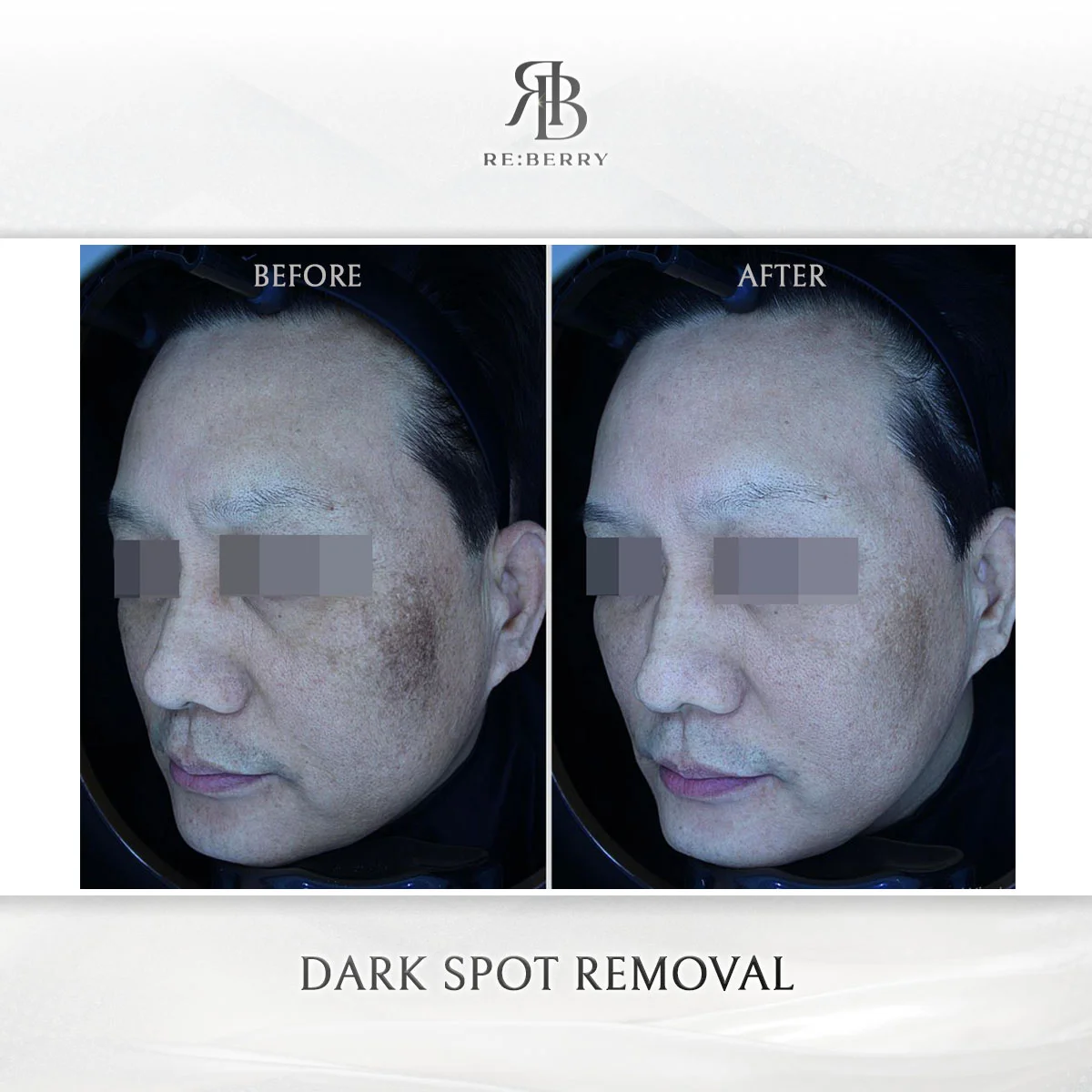
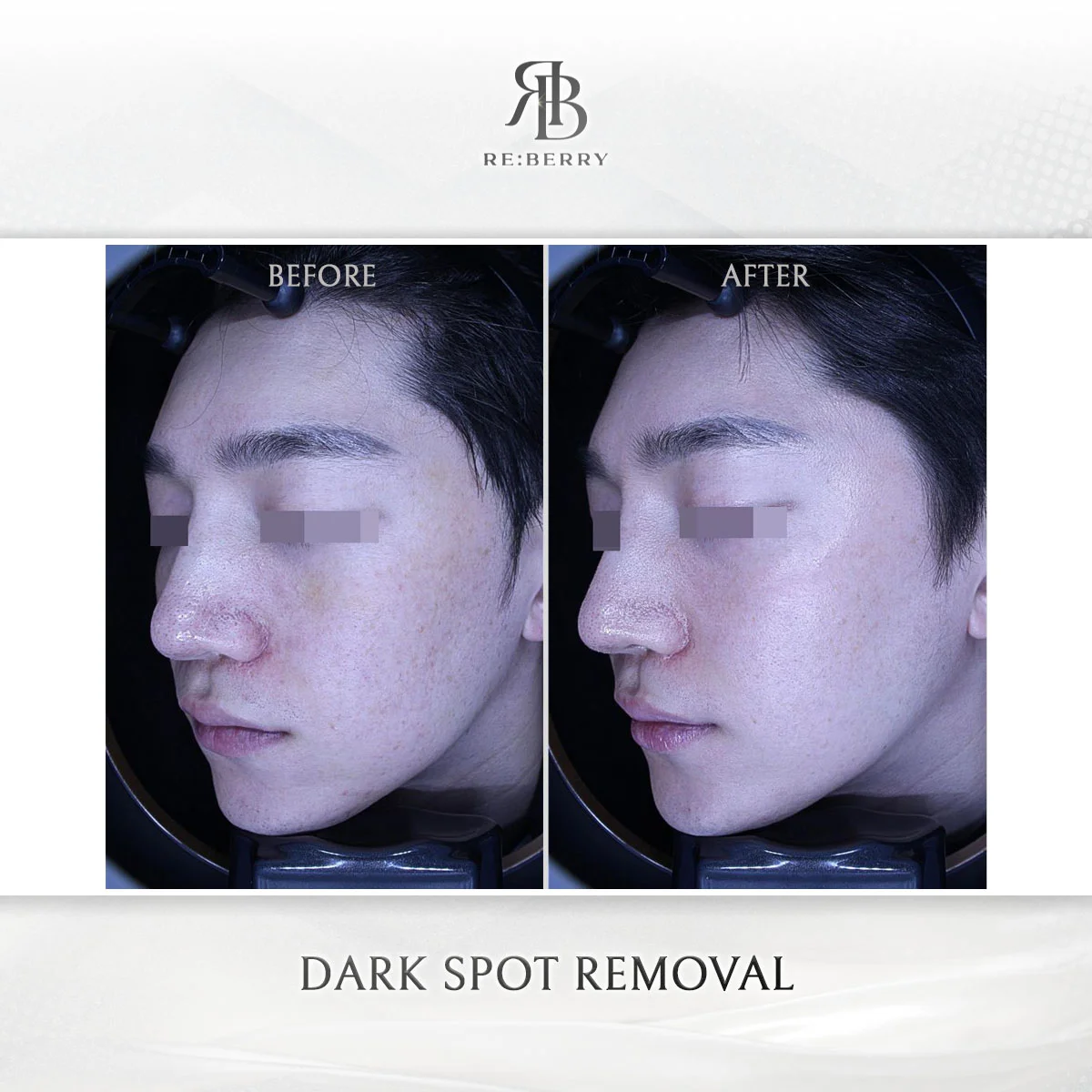
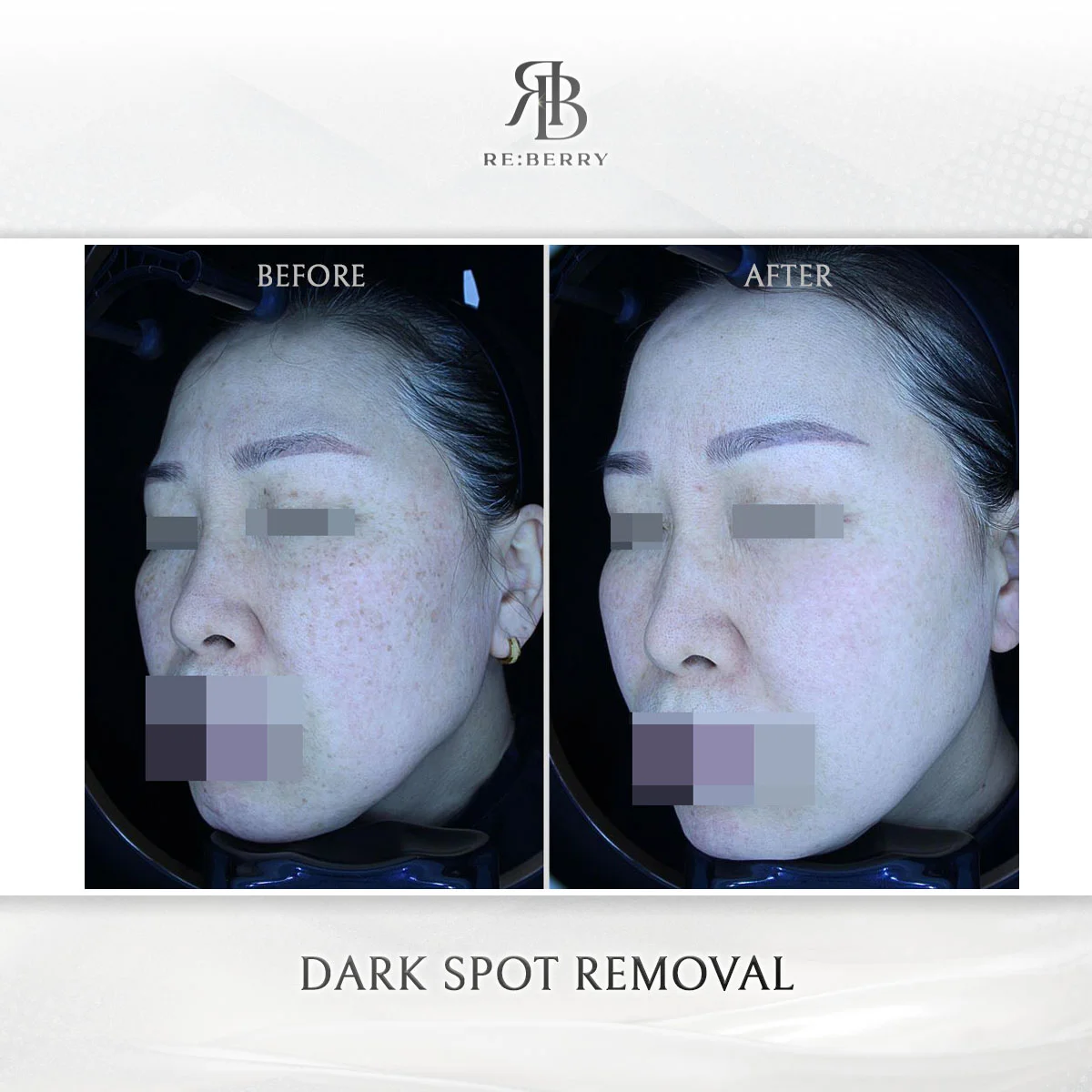
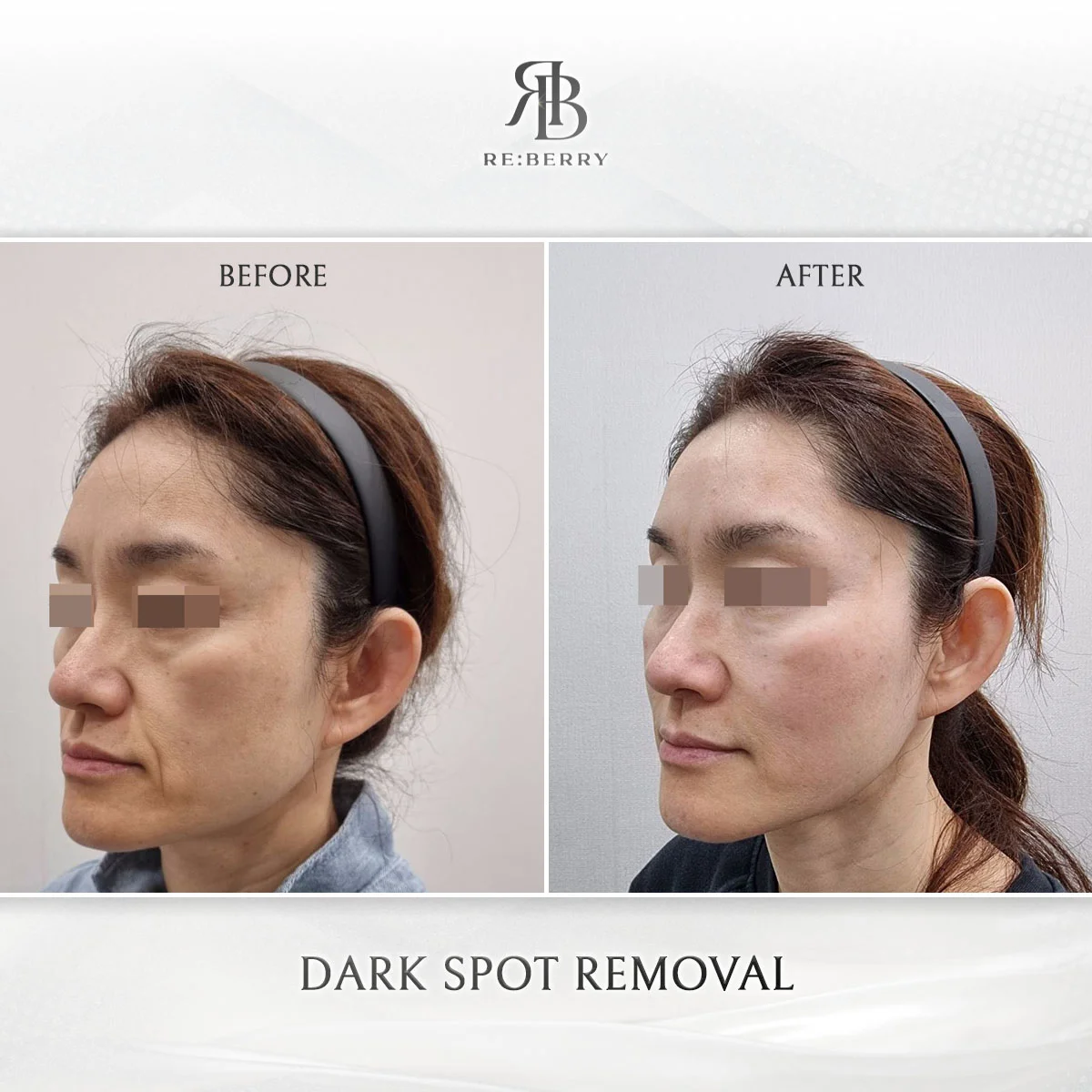
The clinic’s doctors assess keloid size, age, and site, then explain how long your specific result is likely to hold in English.
Each active session combines laser and intralesional steroid and takes about 15 to 30 minutes, with numbing where needed.
Flattening builds across roughly 4 to 8 monthly sessions before the scar reaches a stable, calmer state.
Once flattened, results can hold for months to years, with combined therapy giving longer remission than steroid alone.
Maintenance injections, protecting the site from tension or injury, and monitoring over months to years keep results holding.
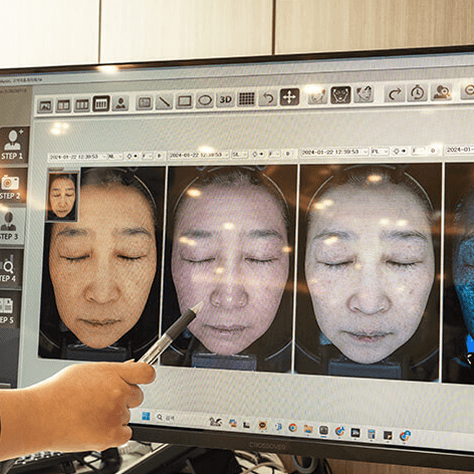
Keloid treatment results can hold for months to years once the scar is flattened with combined laser and intralesional steroid, but keloids are recurrence-prone. Reported recurrence runs about 12 to 38 percent depending on method, so this is ongoing control, not a permanent fix. Maintenance and monitoring after the active course help results last longer.
No, keloid treatment is not a permanent one-time fix, because the underlying tendency to over-heal remains and keloids can recur. Flattening can last months to years, especially with combined therapy, but monitoring is needed. Think of it as durable control maintained with top-up care, and review the laser side on our laser treatment page.
Recurrence is reported at roughly 12 percent with laser-plus-steroid combinations in a large meta-analysis, rising to 30 to 38 percent in some longer-follow-up series, while surgery alone recurs in 70 to 100 percent. Combination therapy holds best. This is why your doctor plans monitoring and maintenance rather than treating a single course as the end.
Combining laser with intralesional steroid gives longer remission than steroid alone, and maintenance top-up injections extend it further. Protecting the site from tension, friction, piercings, and new injury is just as important, since these can re-trigger growth. A protective routine, like the guidance on our skin care page, supports lasting results.
A keloid is an overactive scar, so anything that restarts wound healing over the site, a cut, piercing, friction, or a fresh procedure, can re-trigger collagen overgrowth. High-tension areas like the chest and shoulders recur more. Because the tendency stays even after flattening, monitoring and site protection are built into the plan to keep results holding.
Many patients enjoy a symptom-free period of months to years after the active course, and combined laser and steroid therapy tends to give a longer remission than steroid injection alone. The exact length varies with the keloid’s size, site, and your healing. Your doctor sets realistic expectations and a monitoring schedule at consultation.
Often yes, low-frequency maintenance injections spaced by months help keep a controlled keloid flat and reduce the chance of regrowth. Not everyone needs them, but they are a common part of long-term management. Your doctor decides based on how your keloid behaves after the roughly 4 to 8 session active course.
Yes, high-tension sites such as the chest, shoulders, and earlobes tend to recur more and may hold results for a shorter time than low-tension areas. Movement and skin stretch keep re-stimulating the scar. Your doctor factors location into your longevity estimate and may recommend closer monitoring for high-risk sites at consultation.
Treatment flattens, softens, and calms the keloid rather than erasing it, with good resolution reported in roughly 60 to 70 percent of cases using combination therapy. Some colour or texture change can remain. For residual skin quality, regenerative options like Rejuran Healer may be discussed once the keloid is stable.
If part of the keloid regrows, it is treated early with further laser and steroid sessions, sometimes adding 5-fluorouracil for stubborn areas, which is why monitoring matters. Catching regrowth small makes it easier to control. Ongoing care draws on the same laser treatment options used in your original course.
Keep the site clean, avoid picking, friction, and new piercings or cuts, and protect it from sun, since irritation and tension can restart growth. Silicone or pressure support and gentle moisturising may be advised. A calm routine, similar to our skin care page, helps flattening last between monitoring visits.
Generally yes, smaller and younger keloids often respond better and can hold results longer than large, established ones, because there is less overgrown tissue to control. Early combined treatment also tends to need fewer sessions. Managing scar-prone skin, sometimes alongside acne treatment, helps prevent new keloids forming.
Because active sessions are about 4 weeks apart, most international patients complete one session per trip rather than the full course in one stay, and each session needs only a day or two of settling. Assessing how long results last happens over months. Our English-speaking team helps sequence sessions and follow-up around your travel.
Yes, flying soon after a session is generally fine, since downtime is mainly brief redness or injection-site soreness, and flattening continues over the following weeks wherever you are. Protect the site from friction and sun while travelling. Your doctor confirms timing and plans any maintenance around future trips to keep results holding.
Because keloids can recur, international patients are offered remote check-ins in English, using photos to track flattening or any early regrowth between trips. Your treatment notes are kept on file so maintenance injections or further sessions continue consistently, supporting the ongoing monitoring that keeps keloid results lasting rather than fading into recurrence.
| Laser + intralesional steroid | Intralesional steroid alone | Surgical excision alone | |
|---|---|---|---|
| Mechanism | Laser remodels scar plus steroid calms collagen | Steroid reduces collagen and inflammation | Physical removal of the keloid tissue |
| How long results last | Often months to years, longer remission | Shorter remission, more frequent recurrence | Often short-lived without added therapy |
| Recurrence tendency | About 12 percent in a large meta-analysis | Higher when used on its own | About 70 to 100 percent when used alone |
| Best for | Red, raised, symptomatic keloids | Smaller or early keloids | Selected cases, usually with adjuvant therapy |
| Maintenance need | Periodic top-ups and monitoring | Frequent monitoring for regrowth | Almost always needs added treatment |
| Downtime | Usually minimal, brief redness | Minimal, injection-site soreness | Wound healing plus regrowth risk |
| Cost factors | Depends on size, site, and maintenance | Depends on size and session count | Depends on procedure and adjuvant care |
Real verified reviews from our Google Business Profile, across all Reberry Clinic locations.
PULLED LIVE FROM GOOGLE · GANGNAM · MYEONGDONG · INCHEON AIRPORT
Your treatment is planned and performed by experienced, MFDS-registered doctors across our Seoul-area clinics, with multilingual support for international patients.
Flagship clinic · KOL for leading lifting & regenerative devices
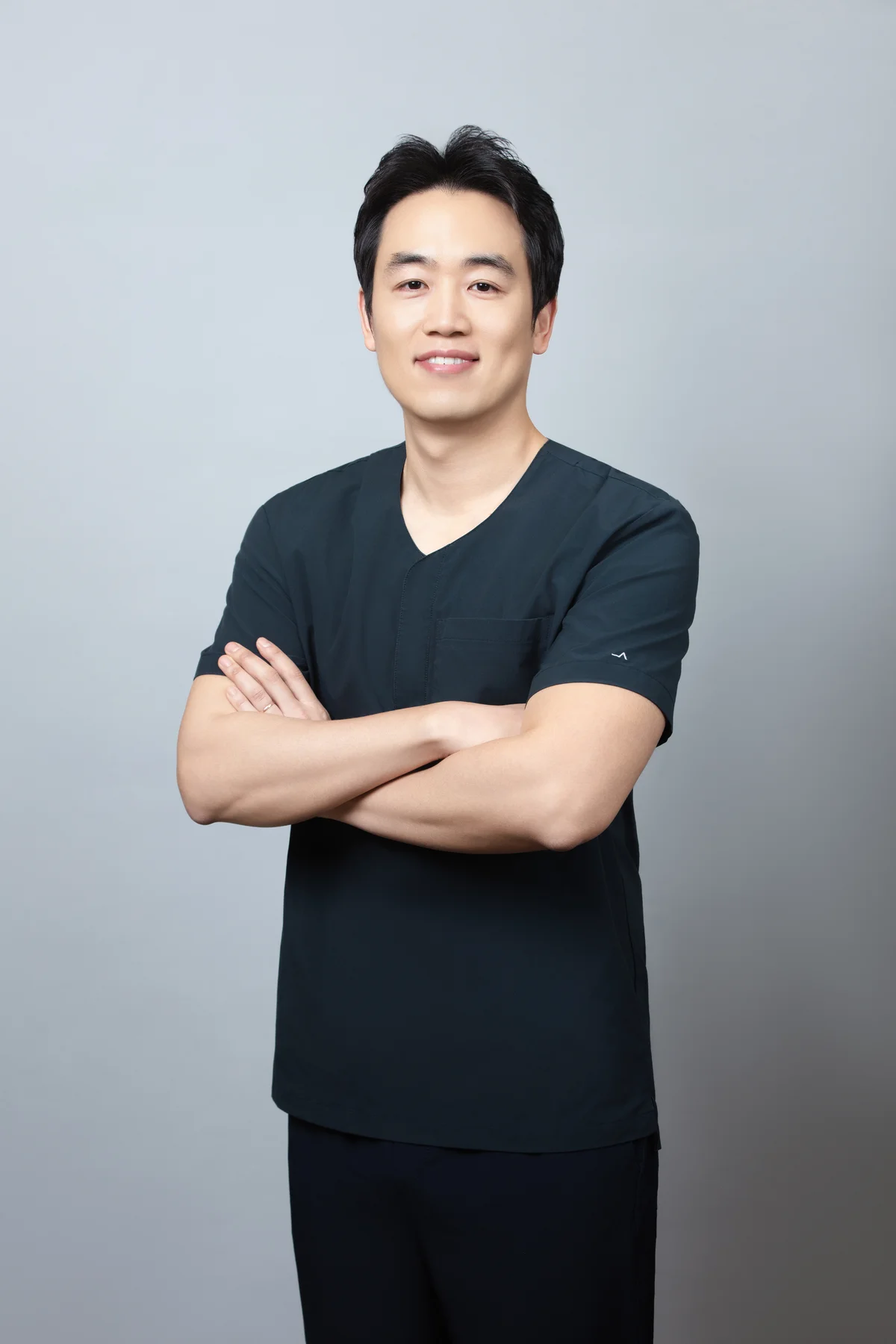
Multilingual tourist care beside Myeongdong Cathedral
Fast, effective care 20 minutes from the terminals
Message us on WhatsApp for a free consultation in English about your keloid results and long-term monitoring.