



Gangnam
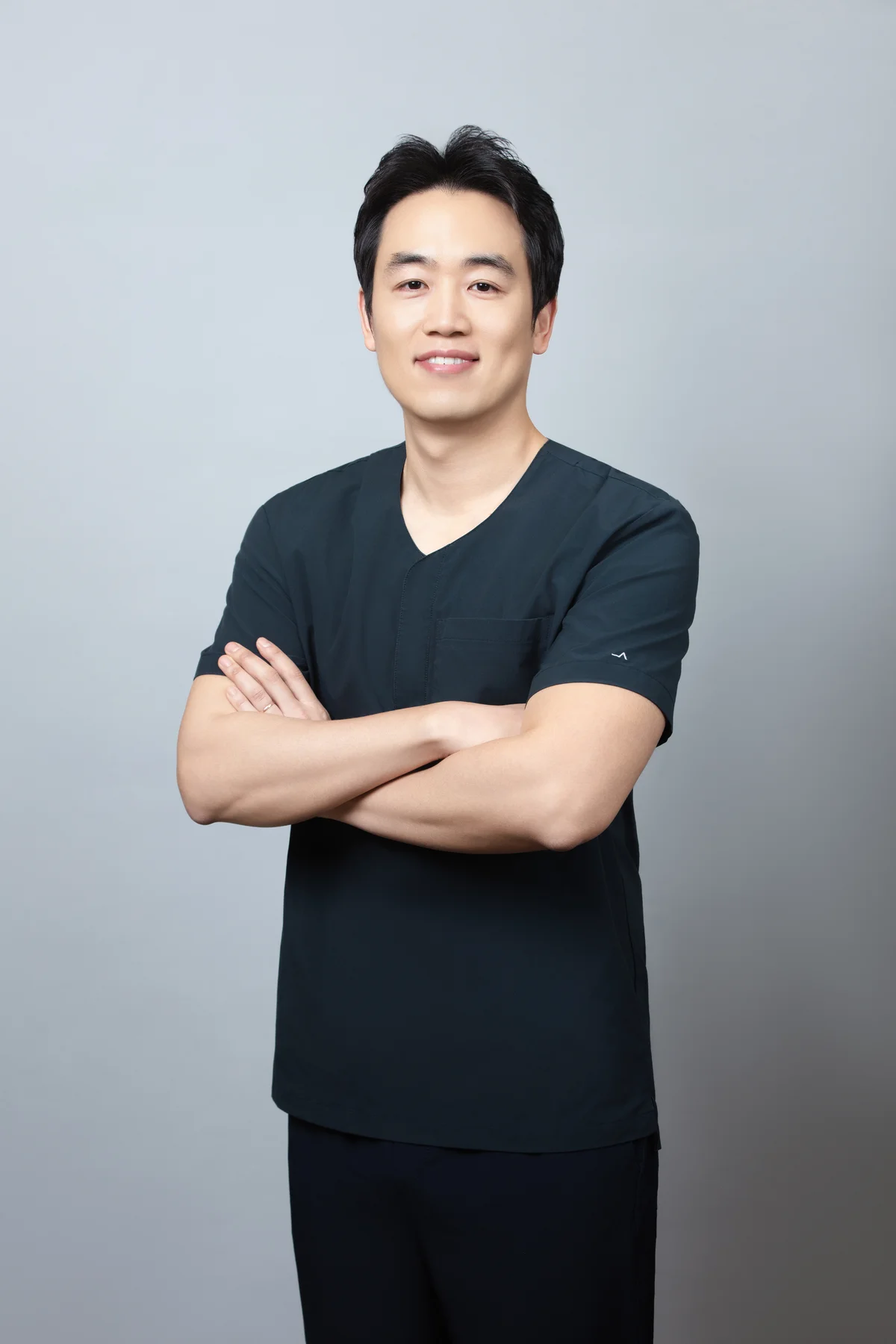
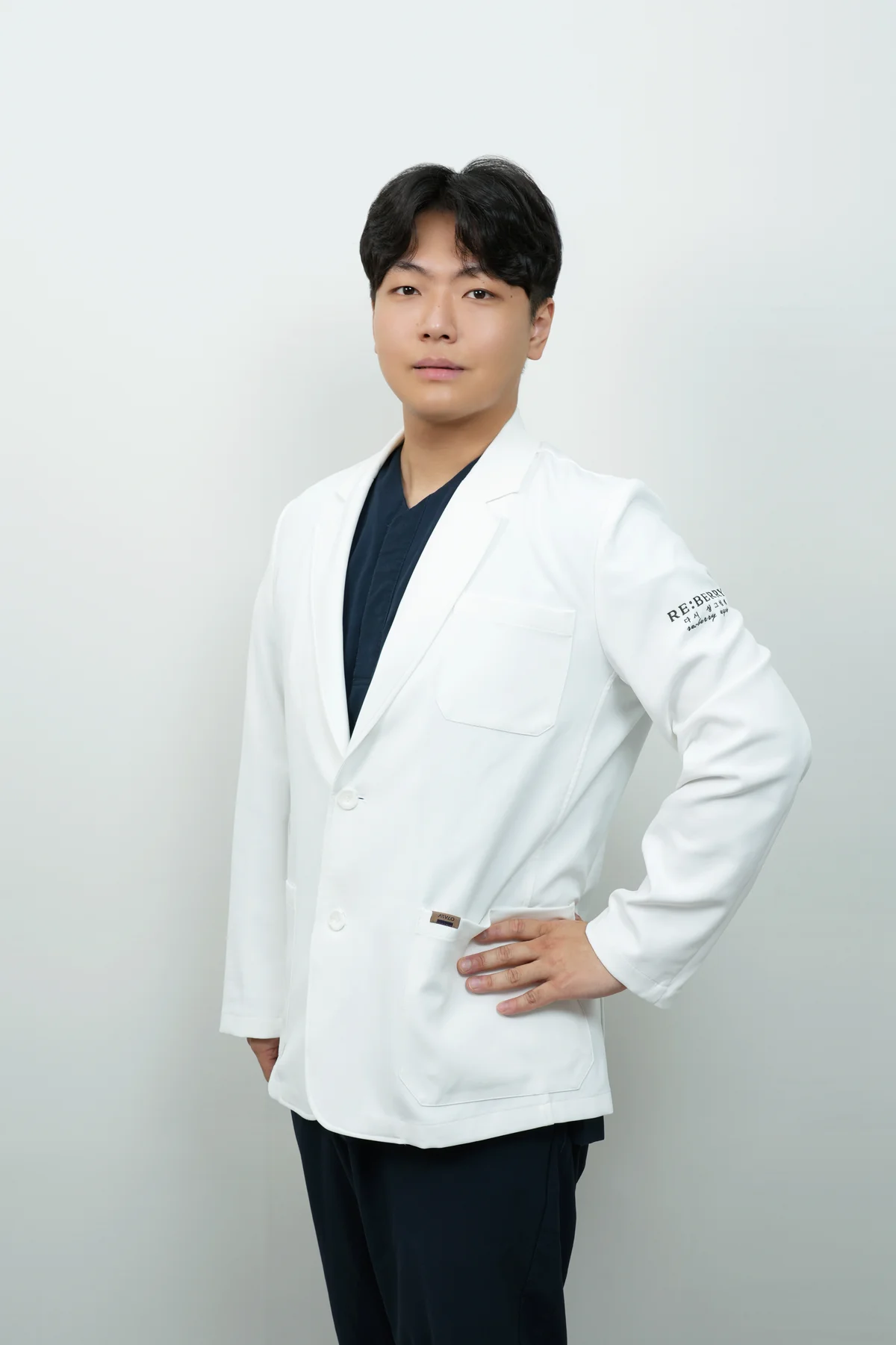
Dr. Yoon-Gon Ryu
Aesthetic Medicine Specialist
Flagship clinic · KOL for leading lifting & regenerative devices · Featured in Authority Magazine (2026)

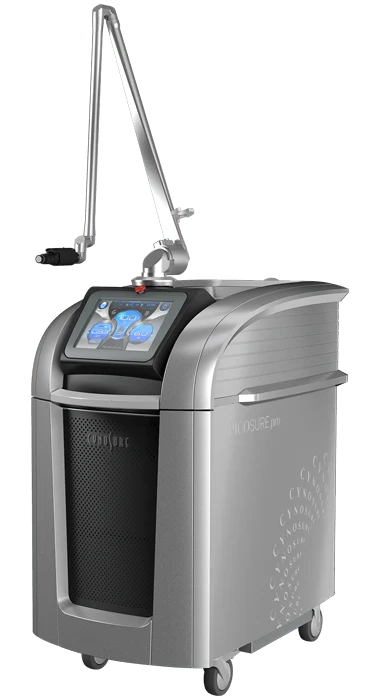
Fine CO2 laser clears treated syringomas well, but because they arise from deep sweat-duct cells, recurrence over months to years is common, so removal is best planned as ongoing management.
Syringoma removal with fine CO2 laser clears the visible bumps effectively, and many treated lesions stay gone for years. However, syringomas are a chronic, recurrence-prone condition arising from deep sweat-duct cells, so new bumps can appear over months to years even after successful clearing. Removal is best planned as periodic management, not a one-time fix.
One-on-One guidance from a dedicated doctor, ensuring your skin is professionally monitored and treated from start to finish.
Fluent assistance in English, Japanese, and Chinese, making communication clear, respectful and comfortable for international patients.
Over 100,000 patients worldwide have received our personalized dermatological care, highlighting our expertise and reliable results.
Syringomas are benign, harmless bumps formed by an overgrowth of the eccrine (sweat) duct cells, most often clustered under the eyes and on the eyelids. They sit in the dermis, which is why they are notoriously persistent: aesthetic removal targets each visible lesion, but the underlying tendency to form syringomas remains in the skin. Fine CO2 laser vaporises the treated bumps precisely, flattening them to surrounding skin, and those specific lesions usually do not return.
What treatment cannot do is switch off the biology that produced them. Because syringomas often have a genetic or hormonal driver, new bumps can develop in the same area over months to years, and studies note that complete, lasting eradication is difficult. So the honest picture is that individual syringomas are cleared durably, while the condition itself is chronic. Many patients enjoy long clear periods and simply have occasional touch-up sessions when new bumps appear.
At Reberry Clinic, syringoma removal is consultation-led, with the clinic’s doctors setting laser depth carefully around the delicate eye area to balance clearance against the risk of pigment change or scarring. International patients are supported in English across our three Seoul-area locations (Gangnam, Myeongdong, Incheon Airport).
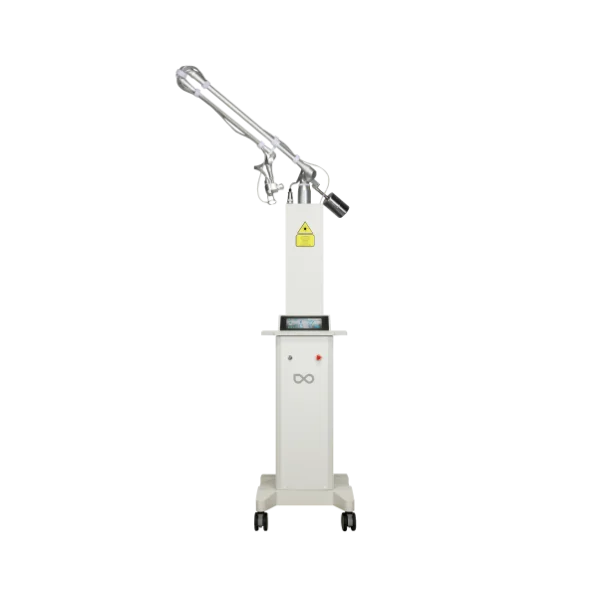
Fine CO2 laser emits a 10,600 nm wavelength absorbed by water, letting the doctor vaporise each syringoma in a controlled, layered way, often with a pinhole or multiple-drilling technique that reaches the dermal duct while sparing surrounding skin. Once a lesion is ablated, that specific bump is physically removed and generally does not regrow, which is why treated syringomas tend to stay cleared for years. The reason recurrence still happens is that syringomas originate from sweat-duct cells seated deep in the dermis; treating too aggressively around the thin eyelid skin risks scarring or pigment change, so doctors deliberately work at a controlled depth. Residual duct cells, plus the underlying genetic or hormonal tendency, can therefore generate new bumps over time. This is a management trade-off, not a treatment failure: settings are chosen to protect the delicate periorbital skin, and patients accept that periodic touch-ups may be needed. Careful sun protection and gentle aftercare help the treated skin heal evenly and reduce post-inflammatory pigmentation, which is especially relevant for Asian skin tones.
One Reberry Clinic, multiple Seoul-area locations. Pricing & current promotions are listed on each branch's own site — tap a clinic to view pricing & book.
Our flagship in the heart of Gangnam.
In Seoul's shopping & tourism heart.
A beauty stop between flights.
The newest Reberry Clinic — in Seoul's trend district.
ONE REBERRY CLINIC · MFDS-REGISTERED DEVICES · MULTILINGUAL CARE AT EVERY LOCATION
After topical numbing for about 30 to 45 minutes, each visible bump is mapped for precise, layered treatment.
Fine CO2 laser vaporises lesions in 2 to 3 gentle passes at a depth chosen to protect thin eyelid skin.
Tiny crusts form and shed over about 5 to 10 days, after which flattened, cleared skin is revealed.
A follow-up session is often planned around 1 to 2 months later to address any remaining or deeper bumps.
Treated bumps typically stay gone for years, while new syringomas may appear over months to years and are managed with touch-ups.

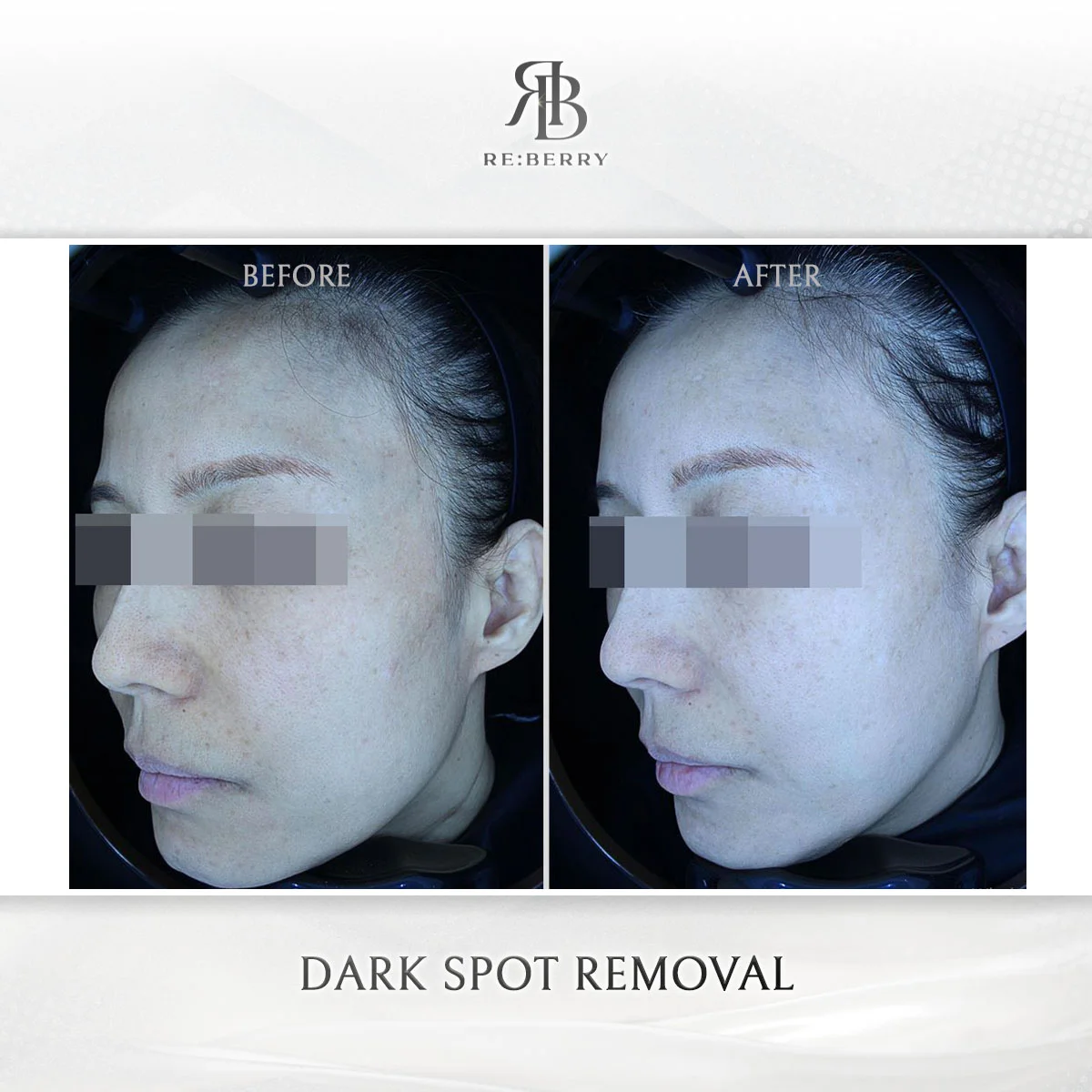
See representative outcomes from Reberry Clinic. Results build gradually and vary by individual; your plan is assessed at consultation.
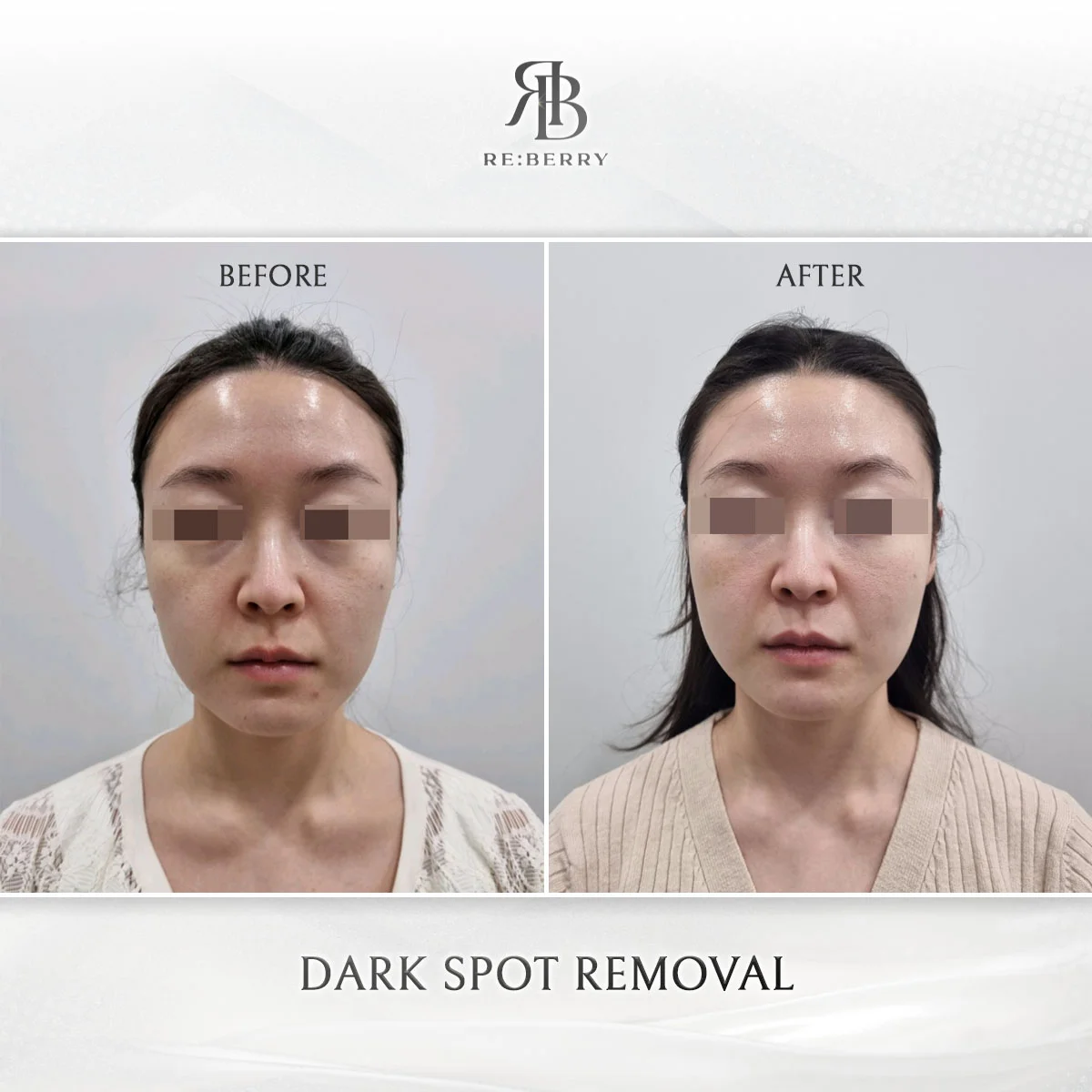
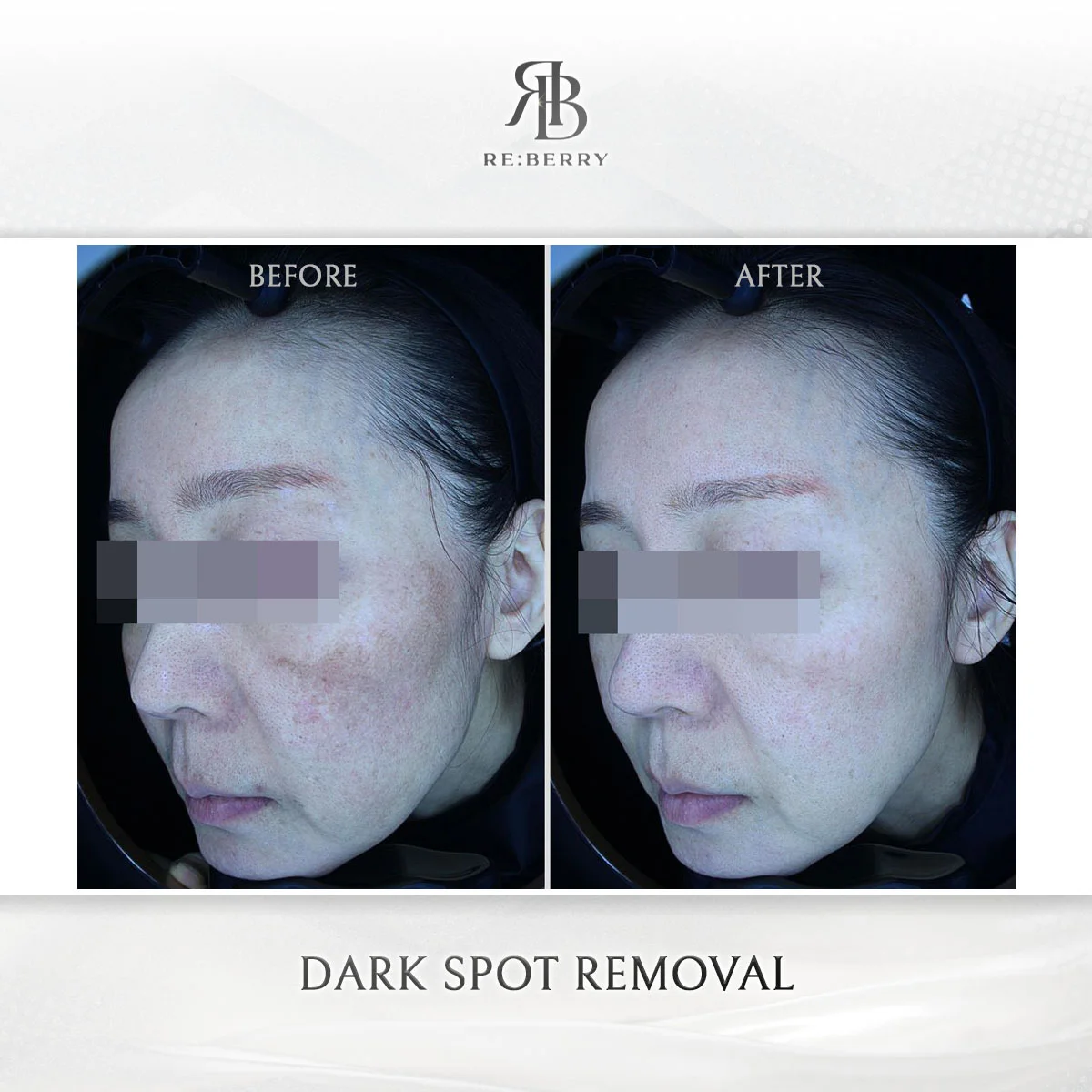
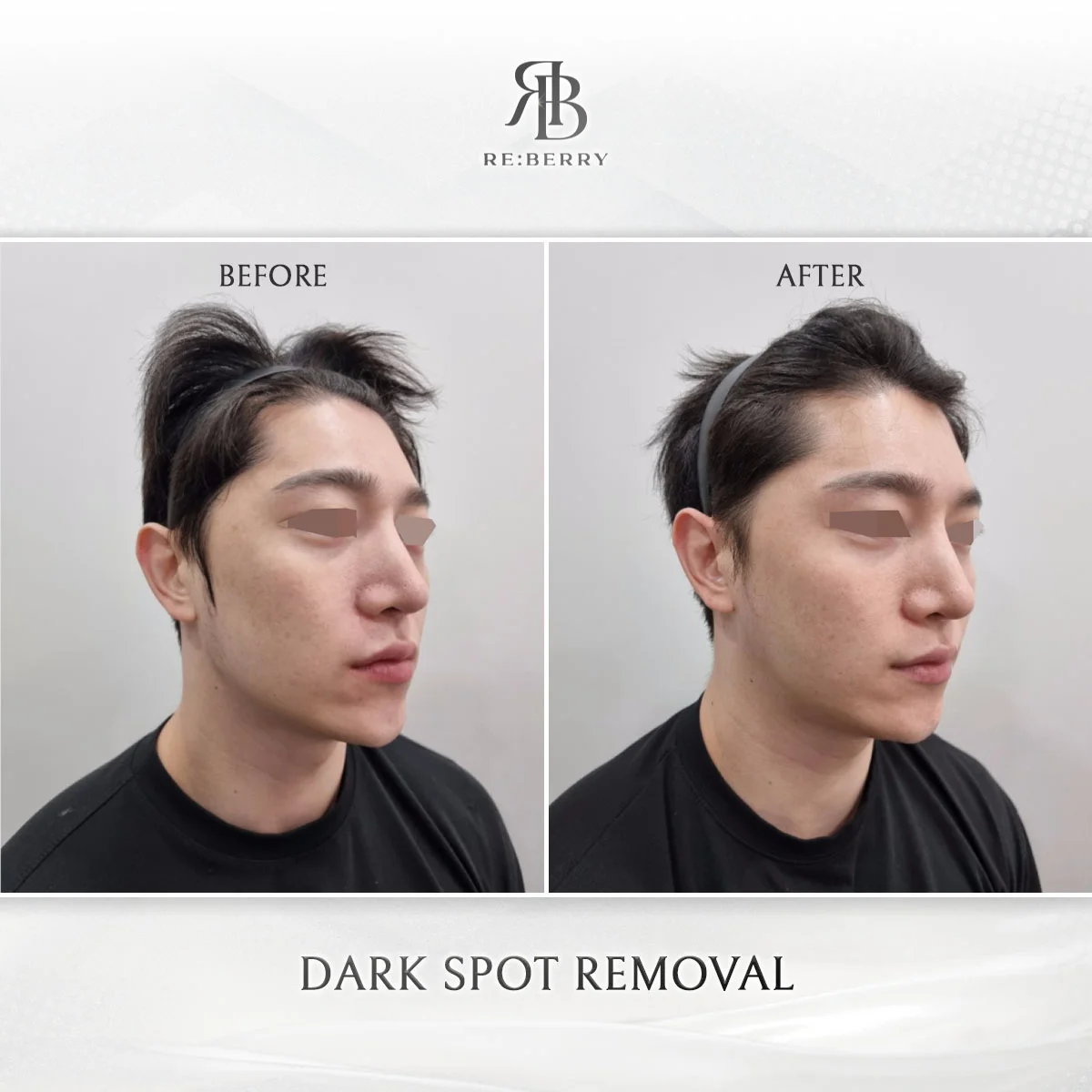
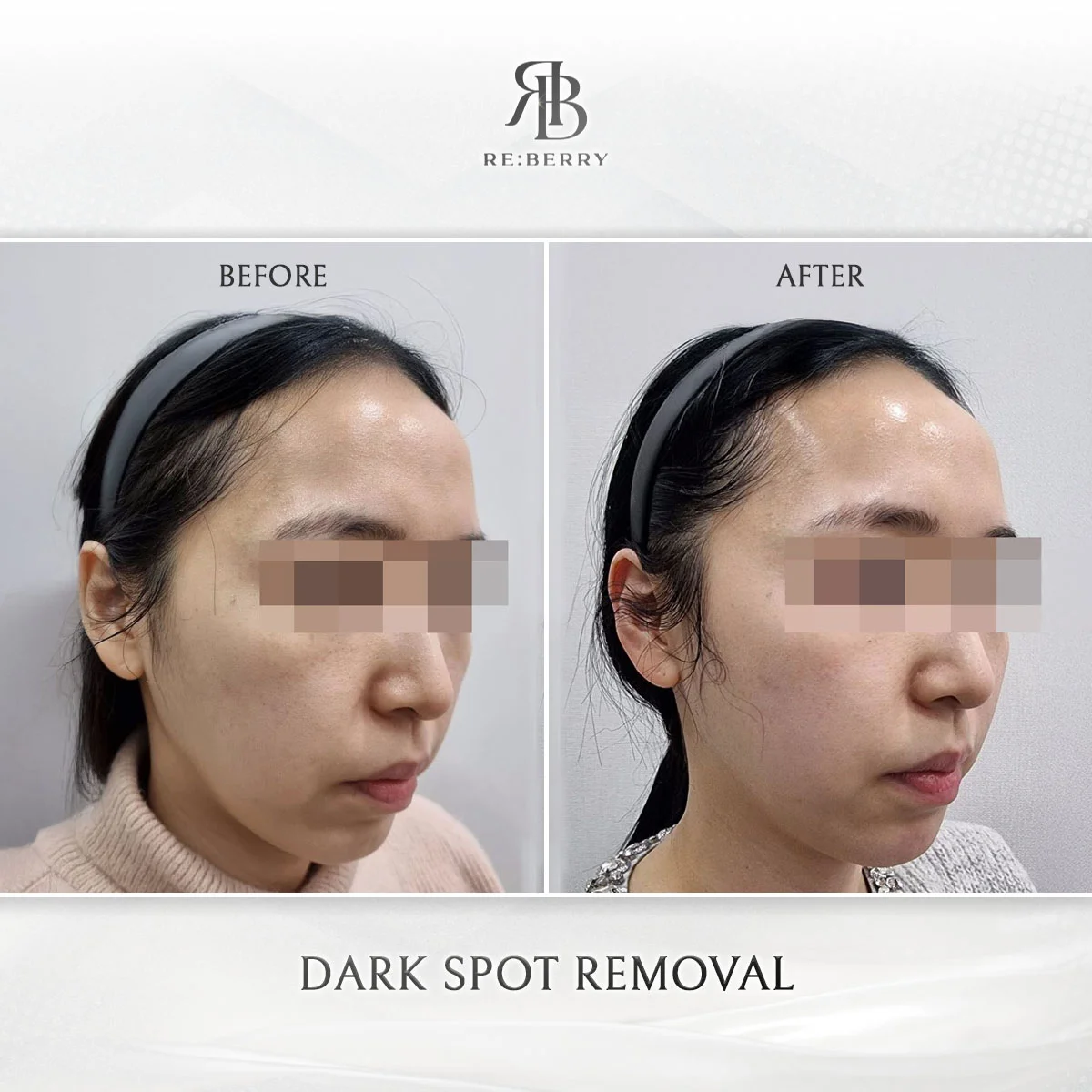
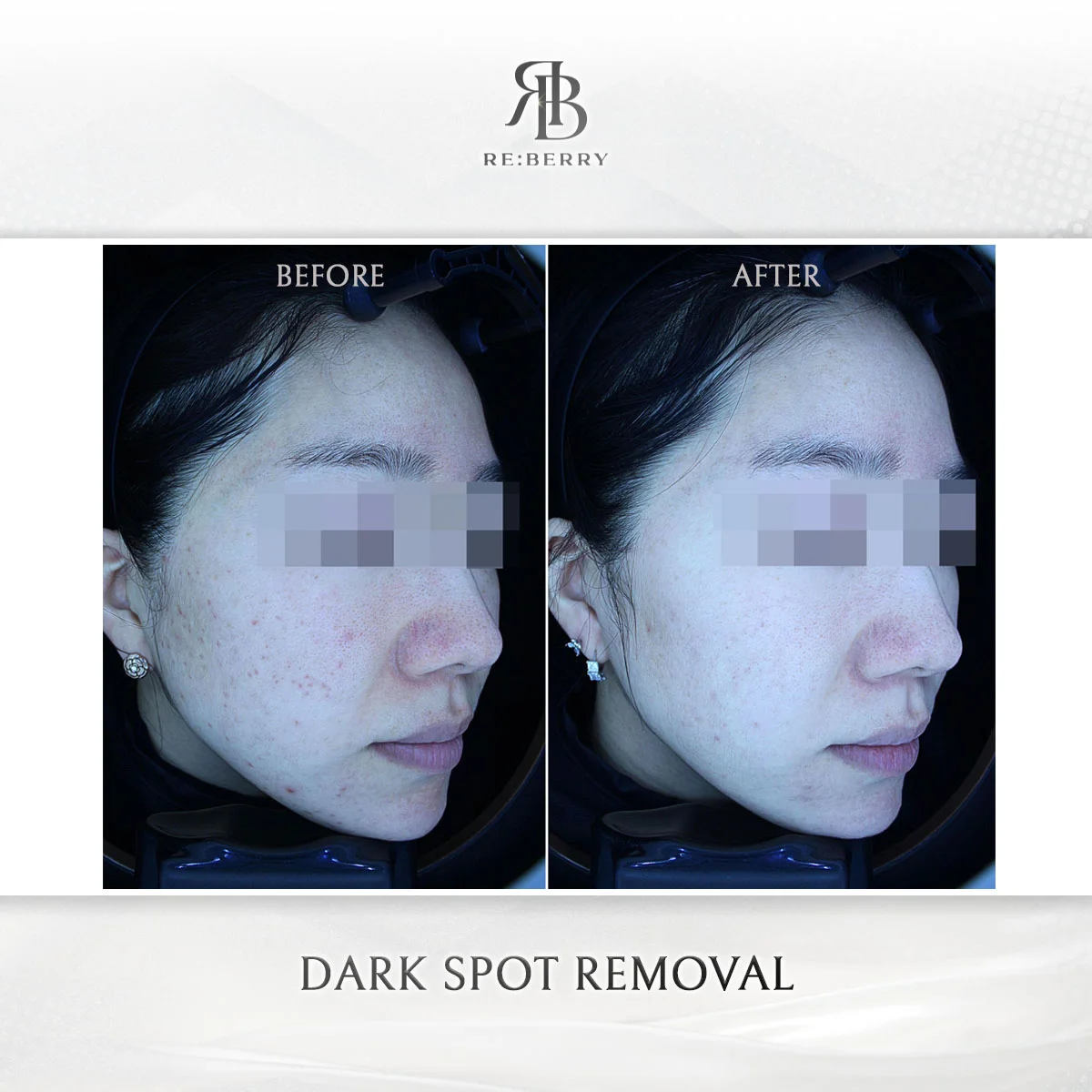
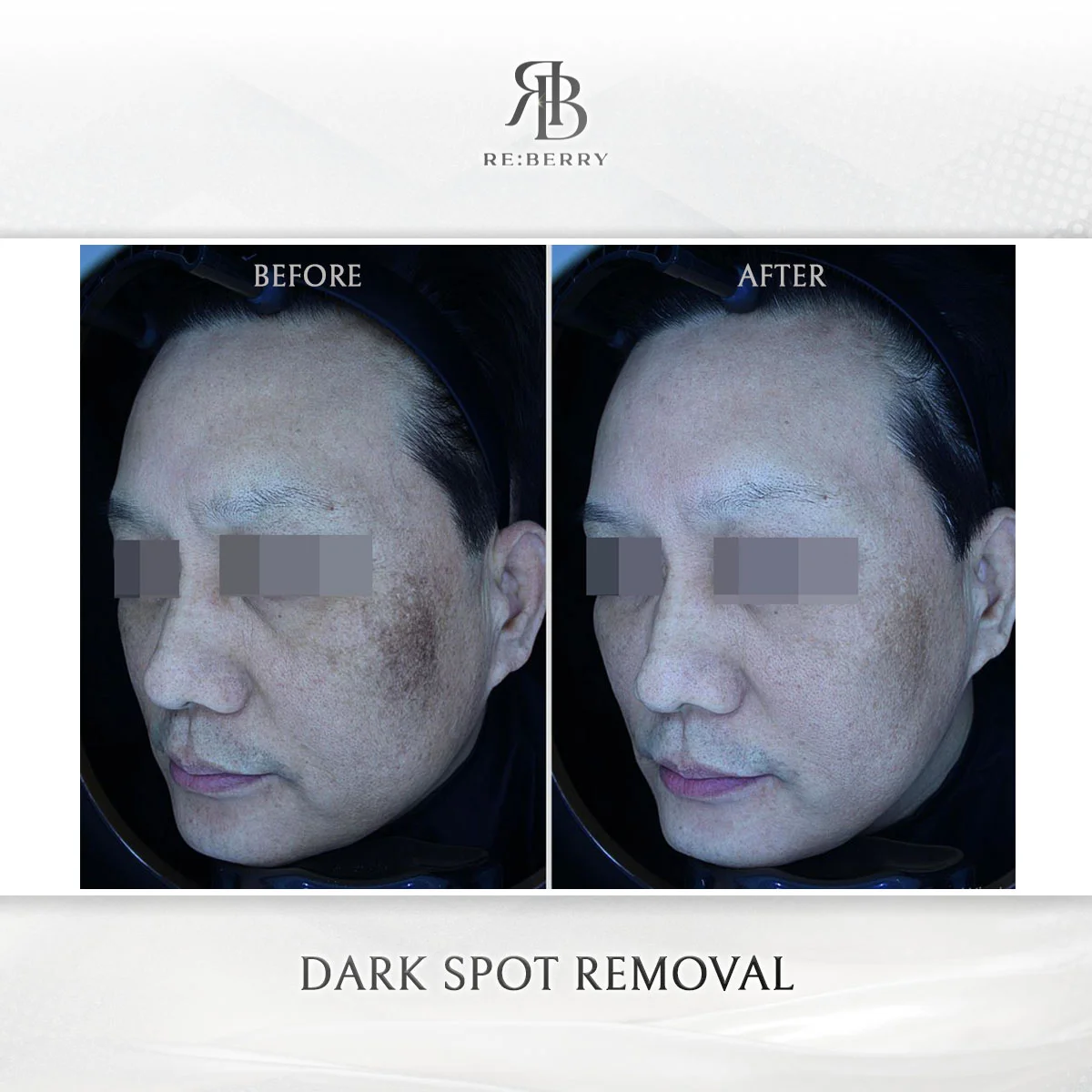
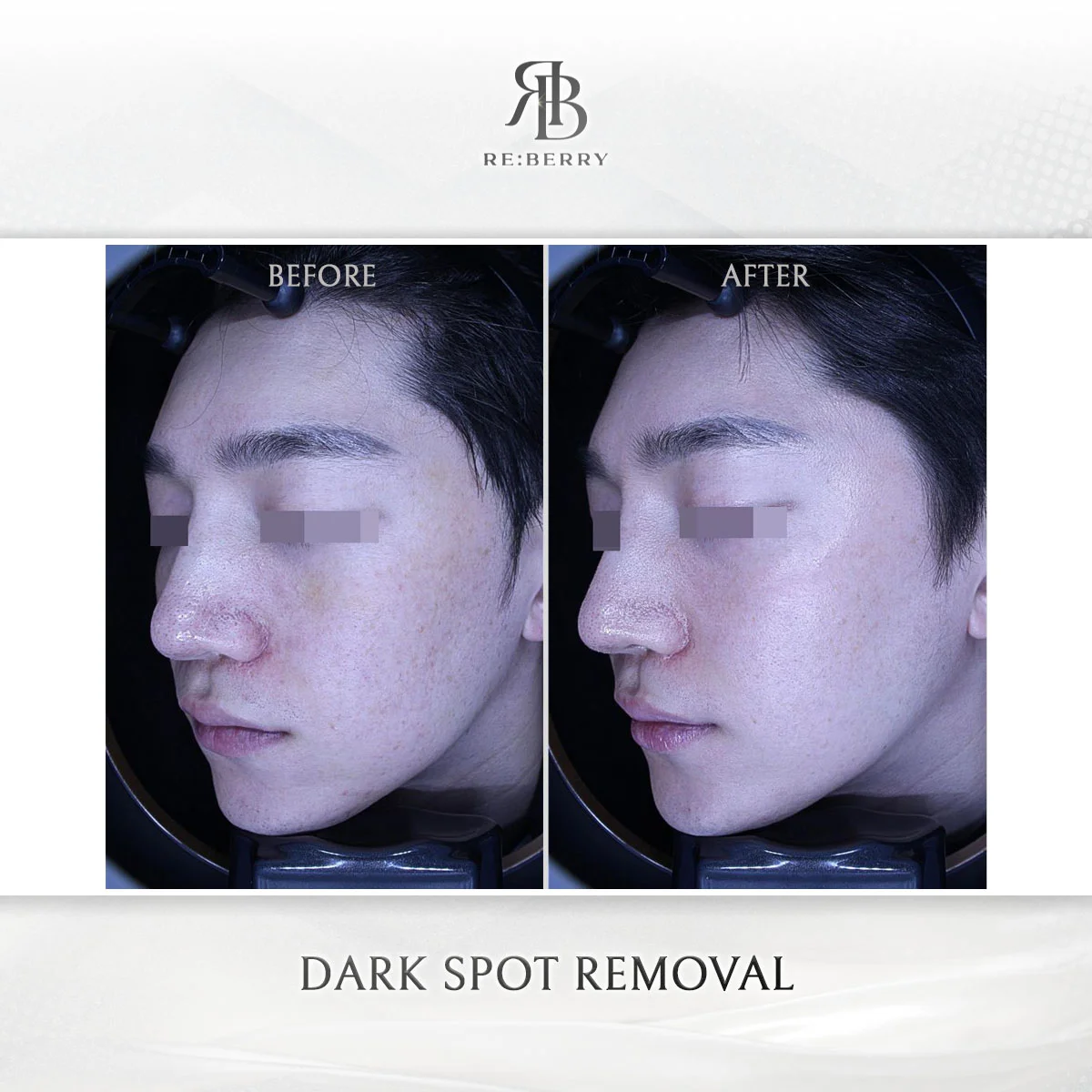
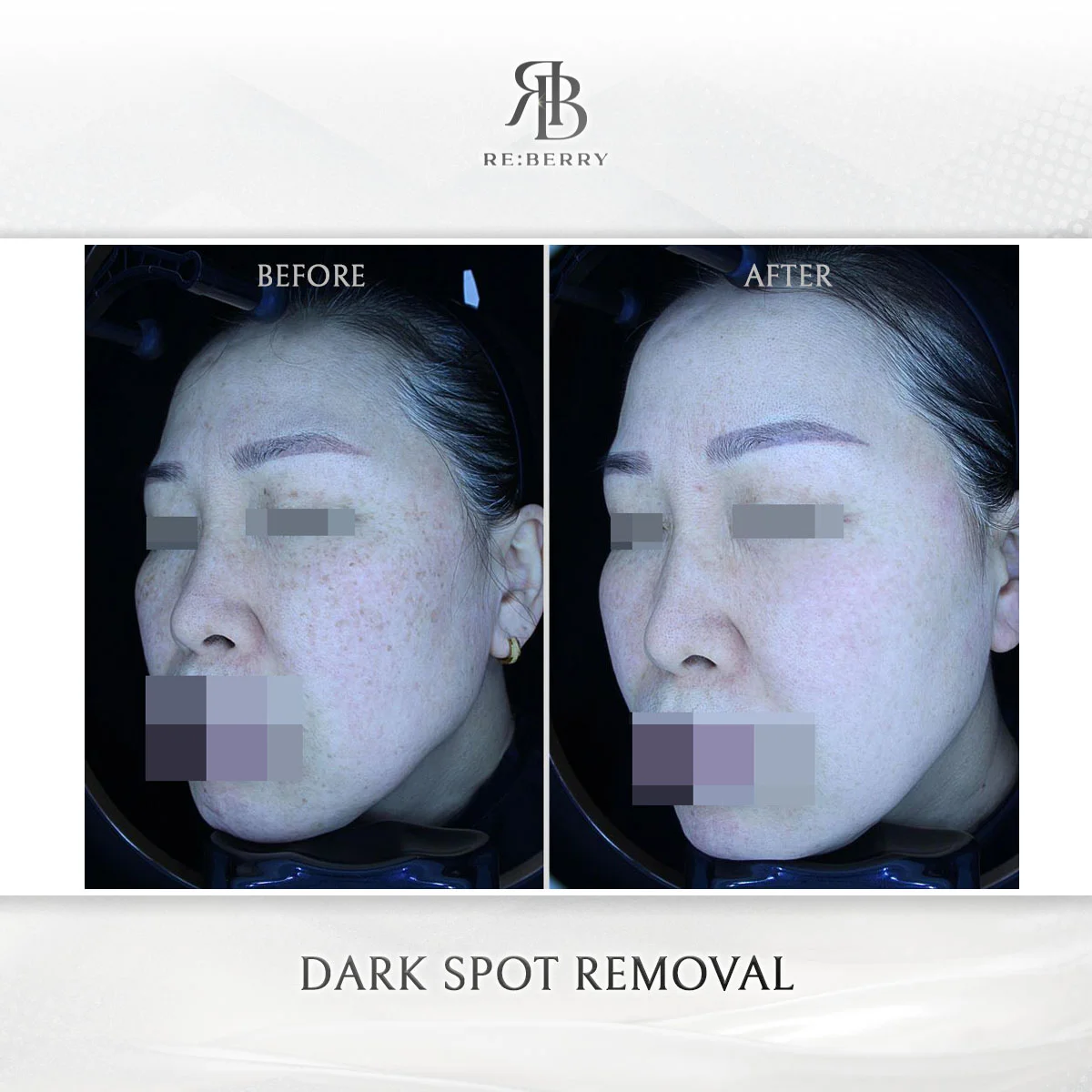
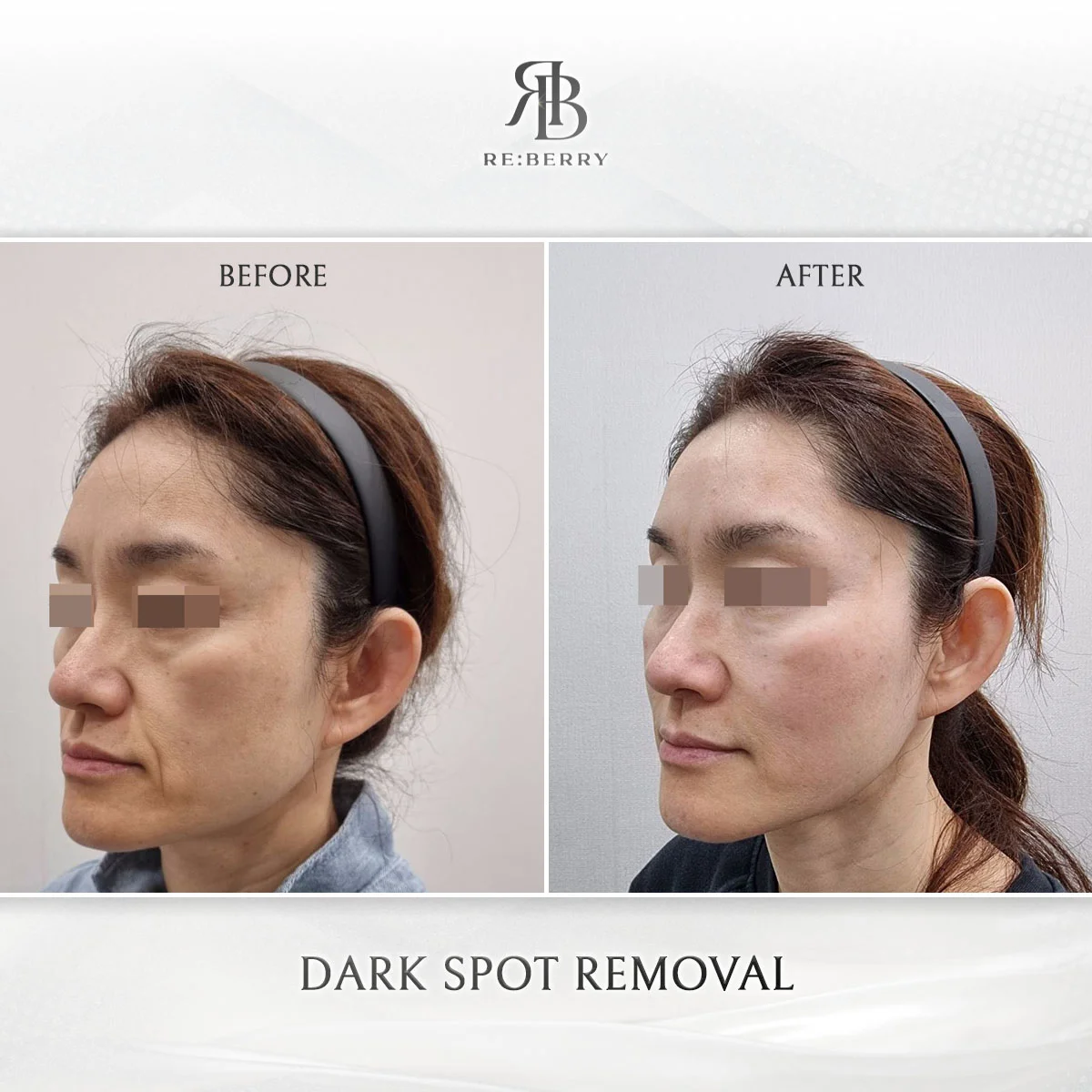
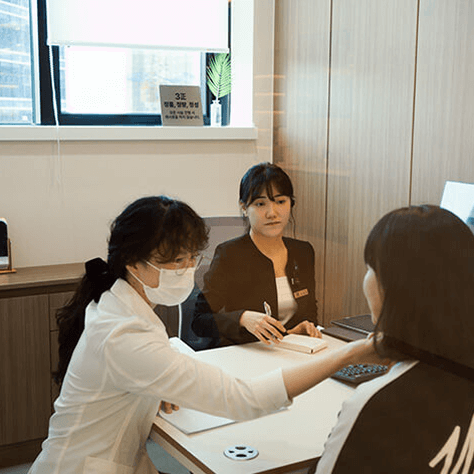
The clinic’s doctors assess the number and depth of bumps and skin tone, then explain realistic clearance and recurrence in English.
After numbing for about 30 to 45 minutes, the laser session usually takes 15 to 30 minutes depending on lesion count.
Tiny crusts heal over about 5 to 10 days, after which flattened, cleared skin appears.
A second session is often planned around 1 to 2 months later, with final clearance judged after healing.
Treated bumps stay clear for years; sun protection and occasional touch-ups manage any recurrence over time.
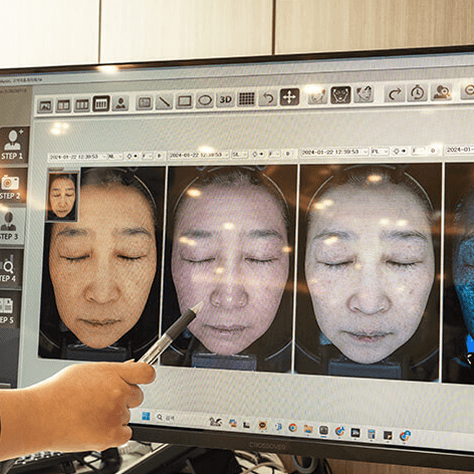

Treated syringomas usually stay cleared for years, because the visible bumps are physically vaporised by fine CO2 laser. However, syringomas are a chronic condition from deep sweat-duct cells, so new bumps can appear over months to years. Removal is best seen as ongoing management rather than a one-time fix, with occasional touch-ups as needed.
Individual treated bumps rarely regrow, but new syringomas can form over months to years because the underlying tendency stays in the skin. Studies note complete, lasting eradication is difficult since lesions arise from deep dermal ducts. Many patients enjoy long clear periods and manage recurrence with periodic touch-ups planned with the clinic’s doctors.
Syringomas grow from sweat-duct cells seated deep in the dermis, and treatment near the delicate eye area is kept at a controlled depth to avoid scarring. Residual duct cells plus a genetic or hormonal tendency can generate new bumps. This is a safety trade-off, not a failure. You can review our laser treatment options before starting.
Most patients need at least two sessions, spaced about 1 to 2 months apart, to clear multiple bumps and address deeper lesions safely. In one Korean study of 35 patients, two sessions produced marked or moderate improvement in most cases. Your doctor confirms the plan based on how many bumps you have and their depth.
The bumps that are treated are removed durably and usually do not return, but the condition itself is not fully resolved because it can recur. Think of it as long-lasting clearance of current lesions rather than a one-time fix. Your doctor sets this expectation at consultation and plans any future touch-ups around new bumps.
Final results appear once the tiny crusts heal, usually within about 5 to 10 days per session, though a second session 1 to 2 months later often completes the clearance. Redness can linger a little longer in some skin tones. Your doctor reviews the treated area after healing, sometimes alongside supportive skin care.
With numbing cream applied for about 30 to 45 minutes, most patients feel heat and mild prickling rather than sharp pain during the 15 to 30 minute session. The under-eye area is sensitive, so the doctor works gently in layers. Comfort does not affect how long treated bumps stay clear, which depends on the laser depth used.
Expect tiny scabs or crusts over each treated spot for about 5 to 10 days, which should be left to shed naturally. Mild redness may follow, especially near the eyes. Keeping the area clean, moisturised, and protected from sun, as described on our skin care page, helps it heal evenly.
Careful, controlled-depth laser lowers the risk, but any ablative treatment near thin eyelid skin carries some chance of scarring or post-inflammatory pigmentation, particularly in deeper skin tones. This is why doctors treat conservatively over two sessions. Diligent sun protection during healing meaningfully reduces the risk of lasting marks.
A strong genetic or hormonal tendency, and conservative treatment depth chosen to protect the eye area, both make new bumps more likely over time. Sun damage can also worsen the appearance of healing skin, so consistent sun protection and gentle skin care help keep the area managed with occasional touch-ups.
Yes, some plans pair CO2 laser with adjuncts to help reduce recurrence, and gentle skin-supporting care aids healing between sessions. A periodic hydrating facial can support the skin barrier away from the treated bumps. Your doctor sequences everything so the delicate periorbital area is never overstressed.
No, longevity of clearance and the chance of recurrence vary with lesion number and depth, skin tone, and your individual tendency to form syringomas. Some patients stay clear for years while others need earlier touch-ups. A consultation gives a realistic estimate, and you can review the full laser treatment page first.
Syringoma removal is available across our three Seoul-area locations, in Gangnam, Myeongdong, and near Incheon Airport, with full English support for international patients. The clinic’s doctors treat the delicate eye area conservatively. Message our English-speaking team to choose the best location and plan realistic clearance and touch-ups.
Plan about 5 to 7 days if you want the crusts to shed before travelling, or coordinate two sessions across visits since a follow-up is often needed 1 to 2 months later. Our English-speaking team helps schedule around your trip so healing is comfortable before you fly.
Yes, flying within a day or two of treatment is generally fine, though the tiny crusts will still be healing for several days. Keep the area clean, moisturised, and protected from sun while travelling. Your doctor confirms timing based on how many lesions were treated and the depth used.
International patients can monitor the treated area at home, with remote check-ins in English to review healing over the weeks after each session. Because syringomas can recur, any future touch-ups are planned around later trips, and your treatment notes are kept on file so repeat sessions build on your previous result.
| Fine CO2 Laser | Electrocautery | Trichloroacetic Acid (TCA) | |
|---|---|---|---|
| Energy / mechanism | 10,600 nm laser vaporises duct-cell bumps | Heat from an electric probe destroys tissue | Chemical peel destroys the lesion surface |
| Best for | Multiple under-eye bumps needing precision | Isolated or scattered lesions | Superficial bumps, cautious approach |
| Precision near the eye | High, layered depth control | Moderate, operator-dependent | Lower, harder to confine |
| How long treated bumps stay clear | Often years for treated lesions | Often years for treated lesions | Variable, often needs repeating |
| Recurrence of condition | Possible over months to years | Possible over months to years | Possible, often sooner |
| Downtime | About 5 to 10 days of tiny crusts | Similar crusting and healing | Redness and peeling for several days |
| Cost factors | Depends on number of lesions and sessions | Depends on number of lesions | Depends on sessions needed |
Real verified reviews from our Google Business Profile, across all Reberry Clinic locations.
PULLED LIVE FROM GOOGLE · GANGNAM · MYEONGDONG · INCHEON AIRPORT
Your treatment is planned and performed by experienced, MFDS-registered doctors across our Seoul-area clinics, with multilingual support for international patients.
Flagship clinic · KOL for leading lifting & regenerative devices · Featured in Authority Magazine (2026)
Multilingual tourist care beside Myeongdong Cathedral
Fast, effective care 20 minutes from the terminals
Message us on WhatsApp for a free consultation in English about syringoma clearance and managing recurrence.