



Gangnam
Dr. Yoon-Gon Ryu
Aesthetic Medicine Specialist
Flagship clinic · for leading lifting & regenerative devices · Featured in Authority Magazine (2026)


International patients can complete a superficial chemical peel in a single day with English support, or plan a course of about 3 to 6 sessions around a longer stay in Seoul.
A chemical peel for foreigners in Seoul is a controlled acid exfoliation delivered with English consultation and written aftercare, so visitors know what to plan. A single superficial peel fits one day with light 2 to 5 day flaking, while a full course of about 3 to 6 sessions suits a longer stay or continues from home.
One-on-One guidance from a dedicated doctor, ensuring your skin is professionally monitored and treated from start to finish.
Fluent assistance in English, Japanese, and Chinese, making communication clear, respectful and comfortable for international patients.
Over 100,000 patients worldwide have received our personalized dermatological care, highlighting our expertise and reliable results.
A chemical peel is a controlled exfoliating treatment in which a solution of acids is applied to the skin to loosen dead surface cells so they shed, revealing fresher skin beneath. It is one of the most established tools in aesthetic dermatology for brightening dull tone, smoothing rough texture, refining the look of pores, and helping mild, comedonal acne. For international patients, the appeal is a well-established treatment delivered in a city with deep dermatology experience and clear English support.
Peels are grouped by the acid and the depth reached. Superficial peels use an alpha-hydroxy acid (AHA, such as glycolic or lactic acid) or the beta-hydroxy acid salicylic (BHA) and stay in the epidermis, giving light flaking and quick recovery that suits a short trip. A medium-depth trichloroacetic acid (TCA) peel reaches the upper dermis for deeper pigment and acne marks, with more visible peeling that benefits from a longer stay. The right depth depends on your concern, skin type and how many days you have in Seoul.
Reberry Clinic is a dermatology clinic serving international patients across three Seoul-area locations (Gangnam, Myeongdong, Incheon Airport) with English-speaking support, and the Incheon Airport location suits stopover or arrival-day visits. The clinic’s doctors assess your skin, select the acid and strength, and plan a course that fits your travel, and they explain follow-up from abroad. You can explore related options on our skin care page.
A chemical peel works by chemically weakening the adhesion between skin cells so old, pigment-laden and dulling cells detach, prompting renewal. Alpha-hydroxy acids like glycolic acid are water-soluble and act mainly on the surface to brighten and smooth, while salicylic acid (BHA) is oil-soluble, letting it penetrate sebum-filled pores, which is why it suits oily and mildly acne-prone skin. A medium-depth TCA peel coagulates protein into the upper dermis, prompting collagen renewal and a more substantial correction of pigment and texture over the following weeks.
Because depth determines both the result and the recovery, matching the acid and concentration to the skin is the core of a safe, effective peel, and this is especially relevant for travellers who need a predictable timeline. Reberry Clinic’s doctors control the solution, contact time and neutralisation, and prime the skin so it tolerates the acid. Peels also pair well with other steps, and the clinic will explain when combining a peel with laser treatment for pigment or a HydraFacial for hydration gives a better overall result for your trip.
One Reberry Clinic, multiple Seoul-area locations. Pricing & current promotions are listed on each branch's own site — tap a clinic to view pricing & book.
Our flagship in the heart of Gangnam.
In Seoul's shopping & tourism heart.
A beauty stop between flights.
The newest Reberry Clinic — in Seoul's trend district.
ONE REBERRY CLINIC · MFDS-REGISTERED DEVICES · MULTILINGUAL CARE AT EVERY LOCATION
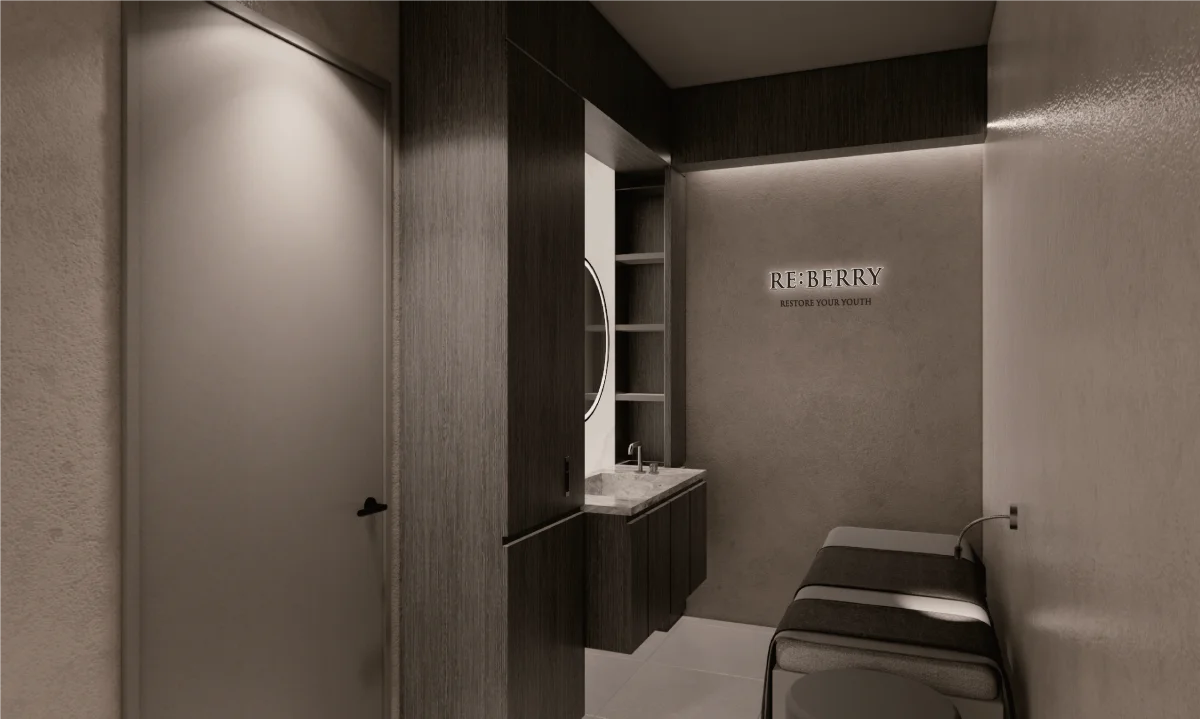

The clinic’s doctors assess your skin and travel dates, and may prime skin for 1 to 2 weeks if a stronger peel is planned.
On the day, skin is cleansed and degreased so the acid contacts evenly, taking about 5 minutes.
The chosen acid (1 of the AHA, BHA or TCA families) is applied and timed precisely to reach the intended depth.
The peel is neutralised or self-limits, then soothing and sun protection are applied; a superficial session runs 20 to 30 minutes.
Sessions are spaced 2 to 4 weeks apart across about 3 to 6 visits, with remote check-ins arranged if you complete the course from abroad.
Reberry Clinic · Prices verified: Oct 2026
| Clinic | Price (KRW) |
|---|---|
| GangnamLala Peel | from₩77,000 |
| MyeongdongAllergy Care / Lala Peel / Oxygen Enzyme (choose 1) | from₩150,000 |
| Incheon AirportLala Peel | from₩77,000 |
VAT excluded · Treatment packages differ by clinic — see each clinic page for its full menu · Confirmed after consultation
Before-and-after photos are being updated.
An English-language consultation assesses your skin type and concern, selects the acid and depth, and plans your sessions around your travel dates.
After cleansing and priming, the peel is applied and neutralised; a superficial session typically takes 20 to 30 minutes.
A single peel fits one day, while most goals need a course of 3 to 6 sessions spaced 2 to 4 weeks apart for full renewal.
Superficial peels flake for 2 to 5 days with tone and texture improving over the course; TCA results show once peeling settles.
Strict sun protection and a maintenance routine preserve results, and remote English follow-ups let you continue and review care from home.



Yes, international patients are treated with English-language consultation and written aftercare at Reberry Clinic’s three Seoul-area locations, including an Incheon Airport option. The clinic’s doctors explain the acid, depth and recovery clearly before you start. You can review the range of related treatments first on our skin care page to plan your visit.
A chemical peel is a controlled acid exfoliation that sheds dull surface cells to improve tone, texture, pores and mild acne, and deeper peels can soften pigment and acne marks. The clinic’s doctors match the acid to your concern rather than using one formula. You can see how a peel fits a wider plan on our skin care page.
That depends on your concern and skin type: gentle AHA peels suit dullness and texture, BHA (salicylic acid) suits oily, mildly acne-prone skin, and a medium-depth TCA peel suits deeper pigment or acne marks. The clinic’s doctors assess your skin and recommend the acid and strength, and they factor in how many days you have in Seoul.
A single superficial peel needs only one day, including consultation, since flaking is mild and manageable during travel. A medium-depth TCA peel is best planned with a quieter few days afterward, so allow about 3 to 5 days. For a full course, many patients start in Seoul and continue at home, and our English team coordinates timing to fit your trip.
Most patients feel only mild tingling, warmth or brief stinging as the acid is applied, especially with superficial AHA or BHA peels, and it eases as the peel is neutralised. Medium-depth TCA peels feel warmer and sharper for a short time. The clinician adjusts strength and timing to keep the sensation tolerable throughout the session.
Downtime is modest: superficial peels cause light flaking for 2 to 5 days, while a medium-depth TCA peel involves visible peeling for up to about 7 days. Neither needs dressings, so most people continue sightseeing with gentle care and sunscreen. Plan a quieter few days after a deeper peel if your itinerary allows.
Most people with dull tone, rough texture, enlarged pores or mild comedonal acne are suitable, and deeper concerns may need a stronger peel. A consultation checks your skin type, history and pigment tendency first. If a very gentle approach suits you better, you can consider a HydraFacial with no flaking during your stay.
Most tone-and-texture goals improve over a course of 3 to 6 superficial peels spaced 2 to 4 weeks apart, letting skin renew between sessions. Deeper concerns may need fewer, stronger peels. Your doctor sets a realistic number after assessment, and for travellers the course can start in Seoul and continue with guidance at home.
Superficial peels brighten and smooth gradually, with visible freshness after each session and fuller results by the end of the course; TCA results appear once peeling settles. Because renewal is progressive, pairing peels with a maintenance glass-skin routine helps sustain the improvement between trips.
Results are maintained rather than permanent, since skin continually renews and ages; most patients keep tone and texture even with periodic peels and diligent sun protection. Without upkeep, dullness and pigment can gradually return. Your doctor advises a maintenance interval so you preserve the improvement, which travellers can schedule around future visits.
Peels can be performed across a range of skin tones, but darker or pigment-prone skin needs careful acid choice, conservative depth and strict sun protection to avoid post-inflammatory pigmentation. This is why assessment matters. The clinic’s doctors adjust the peel to your skin type, and studies in Asian patients support safe use when technique is appropriate.
Expect temporary redness, flaking and slight tightness for a few days, which settle on their own. Occasionally skin stays pink longer or a small area over-peels while healing. With correct depth and diligent sun protection, more serious effects like prolonged pigment change are uncommon, and the clinic’s doctors guide you on managing recovery during travel.
Yes, peels combine well with hydrating and pigment-targeting care, sequenced safely by your doctor. For stubborn pigment, pairing with laser treatment can reach deeper than a peel alone, while a HydraFacial adds hydration. The consultation plans the order and spacing so treatments fit your trip and support rather than overload the skin.
Keep skin clean and hydrated, avoid picking flaking areas, pause harsh actives for a few days, and use strict sun protection, especially while sightseeing. Your clinic provides written aftercare and a suitable skin care routine so your result holds. Gentle care during the flaking phase protects the fresh skin surfacing beneath.
Yes, flying after a superficial peel is generally fine, often within a day, since it is non-invasive with only light flaking. Keep skin hydrated in the dry cabin air, avoid heavy makeup in transit, and apply sunscreen on arrival. After a deeper TCA peel, allow a little more settling time before long flights, as guided at your consultation.
International patients can have remote check-ins in English to review progress and adjust their routine after returning home, which limits unnecessary repeat visits. If you continue care, you can explore our skin care options or plan further sessions on a future trip. Your treatment notes stay on file for continuity.
| Chemical peel | HydraFacial | Laser resurfacing | |
|---|---|---|---|
| Mechanism | Acid exfoliation (AHA, BHA or TCA) | Vortex water-based cleansing and serum infusion | Light energy vaporises or heats tissue |
| Best for | Tone, texture, pigment and mild acne | Gentle cleansing, hydration and glow | Scarring and deeper resurfacing |
| Downtime | 2 to 5 days flaking, up to 7 days for TCA | None | A few days to over a week |
| Fits a short trip | Yes, single superficial peel in a day | Yes, same-day | Often needs a longer stay |
| Pain / comfort | Mild tingling to stinging by depth | Comfortable, no acid sting | Warmth or prickling, often with numbing |
| Fly-home timing | Often within a day for superficial | Same day | Allow several days |
| Results timeline | Builds over a course | Immediate glow, short-lived | Builds over weeks after healing |
Real verified reviews from our Google Business Profile, across all Reberry Clinic locations.
PULLED LIVE FROM GOOGLE · GANGNAM · MYEONGDONG · INCHEON AIRPORT
Your treatment is planned and performed by experienced, MFDS-registered doctors across our Seoul-area clinics, with multilingual support for international patients.
Flagship clinic · for leading lifting & regenerative devices · Featured in Authority Magazine (2026)

Multilingual tourist care beside Myeongdong Cathedral

Fast, effective care 20 minutes from the terminals
Message us on WhatsApp for a free consultation in English and a chemical peel plan that fits your trip to Seoul.