



Gangnam
Dr. Yoon-Gon Ryu
Aesthetic Medicine Specialist
Flagship clinic · KOL for leading lifting & regenerative devices · Featured in Authority Magazine (2026)


A hydrating facial keeps skin glowing for about 2 to 8 weeks, while an injectable skin booster holds hydration for roughly 3 to 6 months across a short course of sessions.
A skin hydration treatment in Korea lasts about 2 to 8 weeks for a hydrating facial and roughly 3 to 6 months for an injectable skin booster, since boosters deposit longer-acting ingredients. At Reberry Clinic, the type and a short maintenance course are matched to your skin, with English support for international patients.
One-on-One guidance from a dedicated doctor, ensuring your skin is professionally monitored and treated from start to finish.
Fluent assistance in English, Japanese, and Chinese, making communication clear, respectful and comfortable for international patients.
Over 100,000 patients worldwide have received our personalized dermatological care, highlighting our expertise and reliable results.
A skin hydration treatment is any procedure designed to raise the water content of the skin and reinforce its barrier, so it looks plumper, dewier and more even. It ranges from surface-level hydrating facials and hydradermabrasion that cleanse and infuse moisture-binding serums, to injectable skin boosters that place hyaluronic acid or polynucleotides just beneath the surface where they hold water for far longer. Because each format sits at a different depth, how long the glow lasts differs a great deal.
Surface facials refresh the outer layers, giving an immediate but shorter-lived glow of roughly 2 to 8 weeks. Injectable boosters, delivered as fine micro-injections across the face, attract and retain water in the dermis and gently stimulate the skin’s own environment, so results build across a course and last months. Understanding which category you are having is the key to setting realistic expectations about duration.
Reberry Clinic is a dermatology clinic serving international patients across three Seoul-area locations (Gangnam, Myeongdong, Incheon Airport) with English-speaking support. The clinic’s doctors assess your skin, recommend the right hydration format and interval, and explain how it fits your routine. You can explore related options on our skin care page.
How long a hydration result lasts is set mainly by where the moisture-binding ingredient is placed and how quickly the skin turns over. A hydrating facial or a HydraFacial works at the surface, cleansing and infusing humectants that plump the outer layers; because the epidermis renews every few weeks, that glow naturally softens over 2 to 8 weeks. This is refreshment rather than a structural change, so it is repeated regularly.
Injectable skin boosters sit deeper. Micro-injected hyaluronic acid draws and holds water in the dermis, while a polynucleotide booster such as Rejuran conditions the skin environment and supports its own collagen. These longer-acting deposits and the biological response they trigger are why boosters typically last 3 to 6 months and improve with a course of about 3 sessions. Your skin type, age, sun exposure, hydration habits and daily skincare all move the timeline within these ranges.
One Reberry Clinic, multiple Seoul-area locations. Pricing & current promotions are listed on each branch's own site — tap a clinic to view pricing & book.
Our flagship in the heart of Gangnam.
In Seoul's shopping & tourism heart.
A beauty stop between flights.
The newest Reberry Clinic — in Seoul's trend district.
ONE REBERRY CLINIC · MFDS-REGISTERED DEVICES · MULTILINGUAL CARE AT EVERY LOCATION
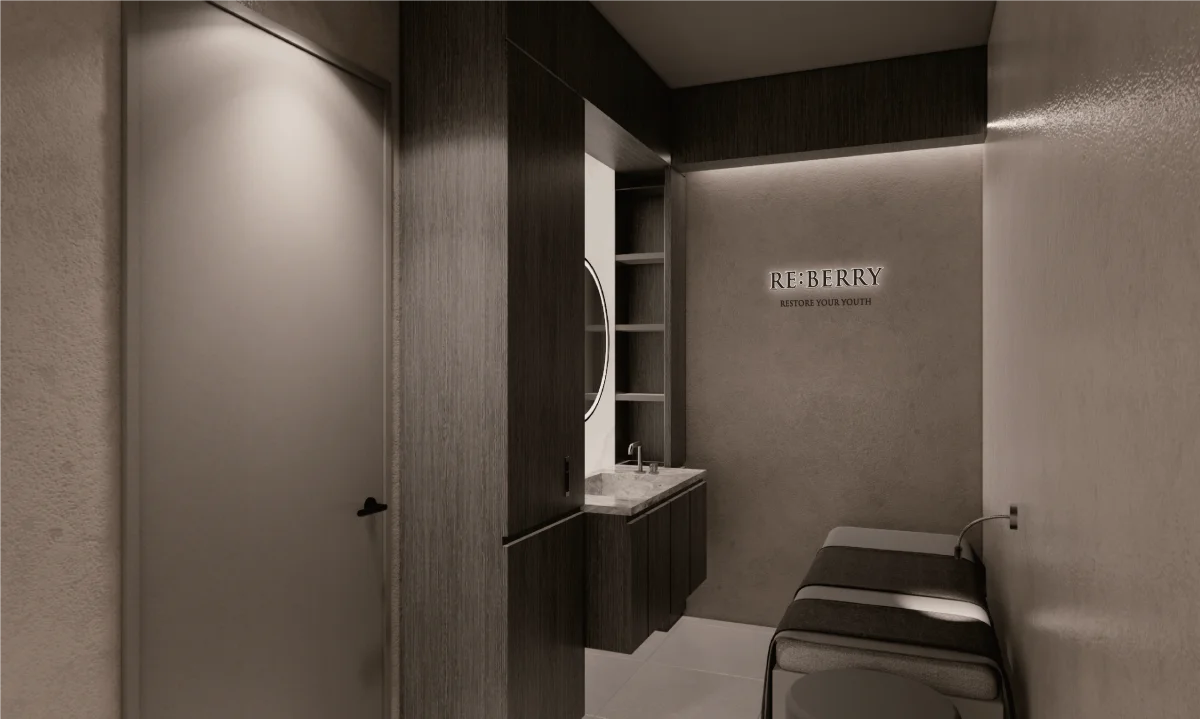

The clinic’s doctors assess your skin’s hydration and barrier, then agree whether you want a quick 2 to 8 week refresh or a longer result.
1 of 2 routes is selected: a surface hydrating facial for immediate glow, or an injectable booster for a 3 to 6 month result.
A facial runs about 30 to 60 minutes, while a booster is micro-injected across the face in roughly 20 to 30 minutes with numbing cream.
Booster hydration deepens over the 2 to 4 weeks after each session as water is retained and the skin environment responds.
Facials are repeated every 2 to 4 weeks and boosters every 3 to 6 months to keep hydration steady over time.
See representative outcomes from Reberry Clinic. Results build gradually and vary by individual; your plan is assessed at consultation.
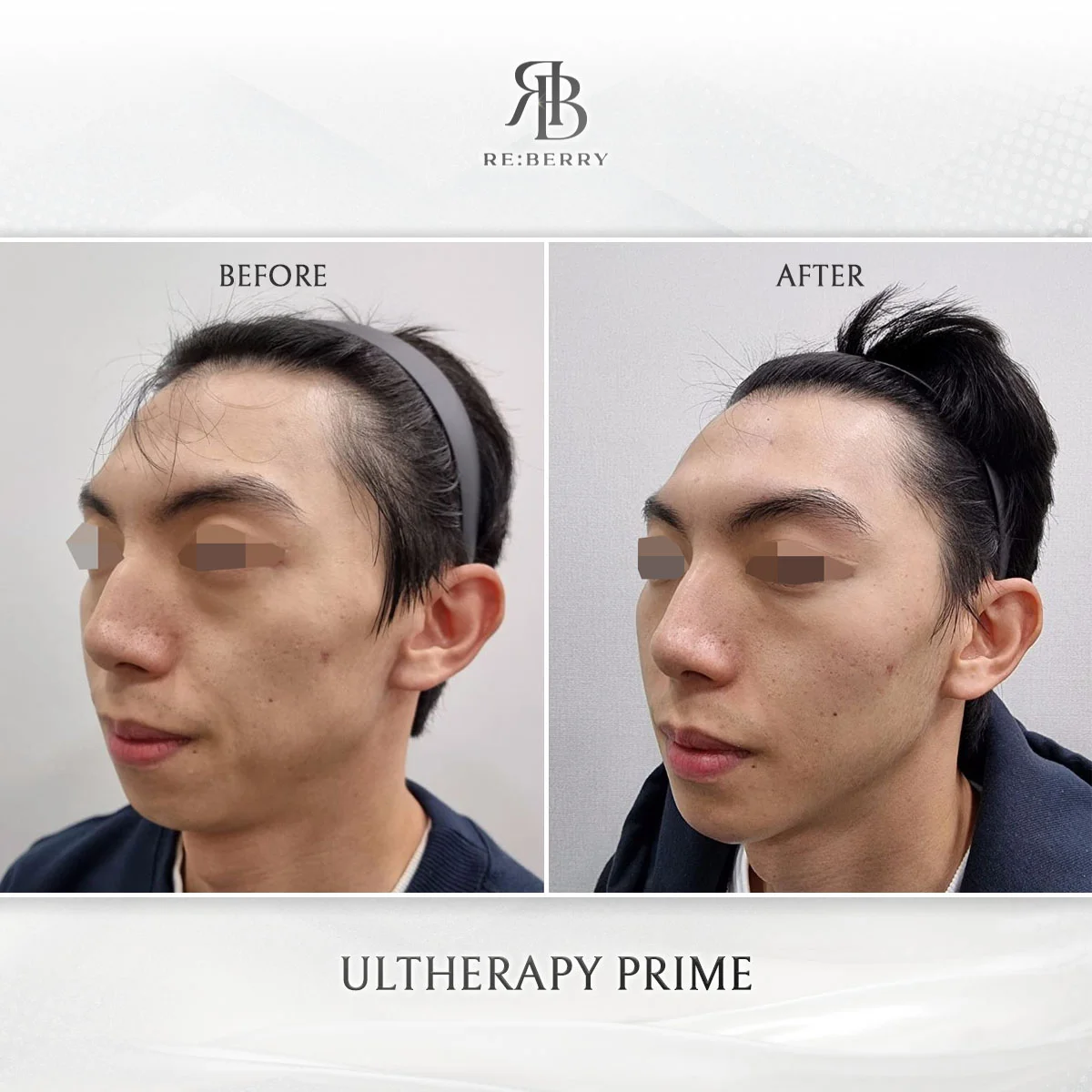
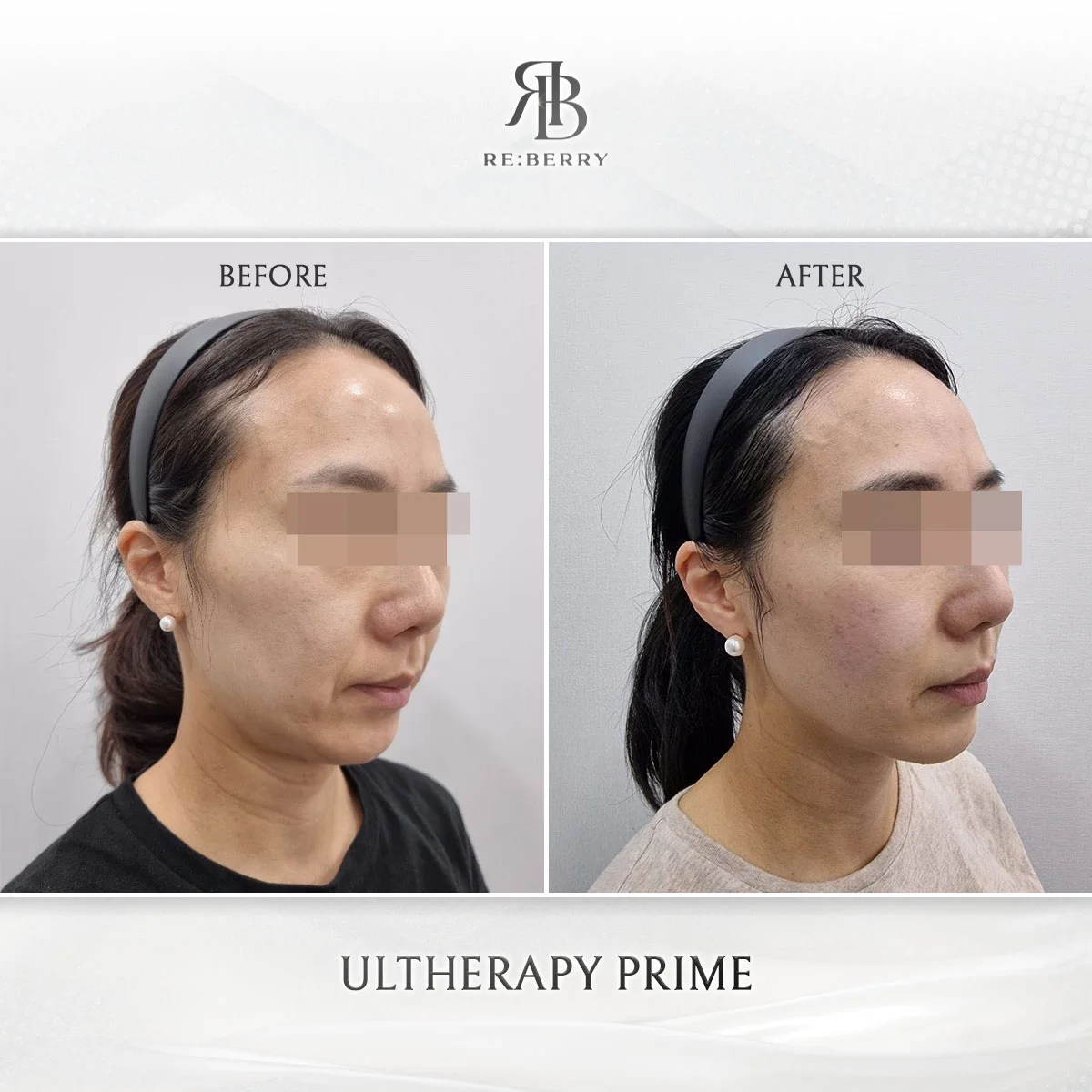
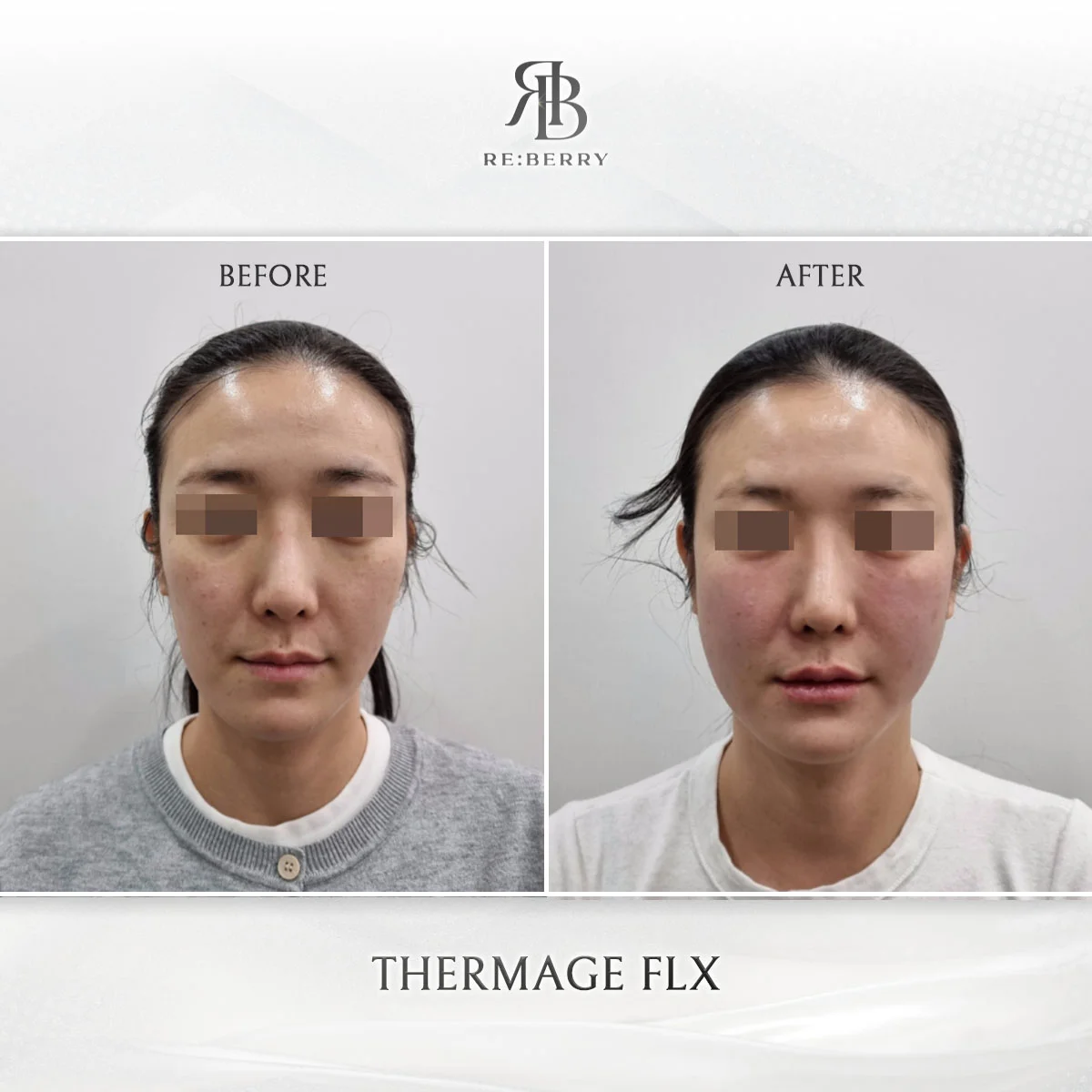
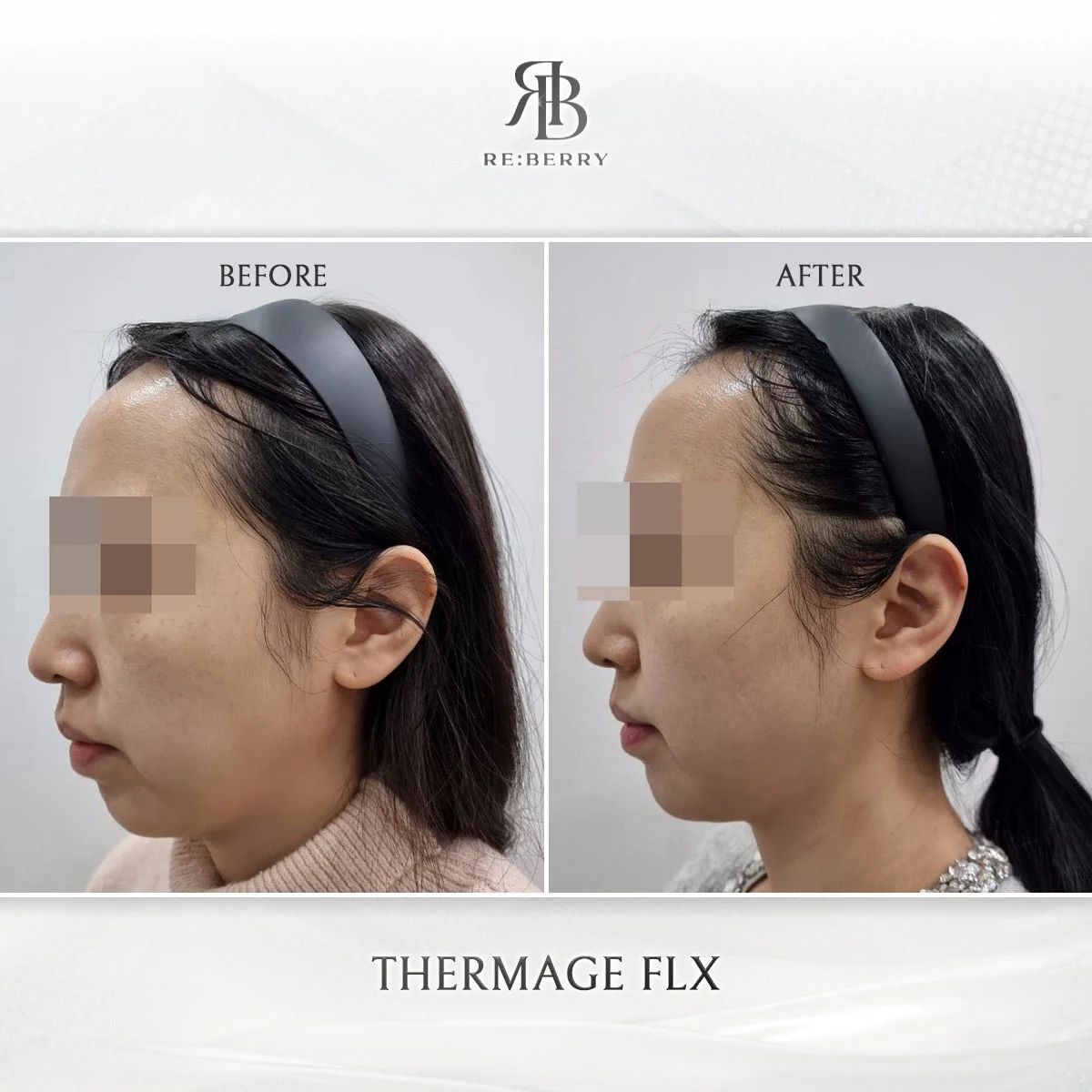
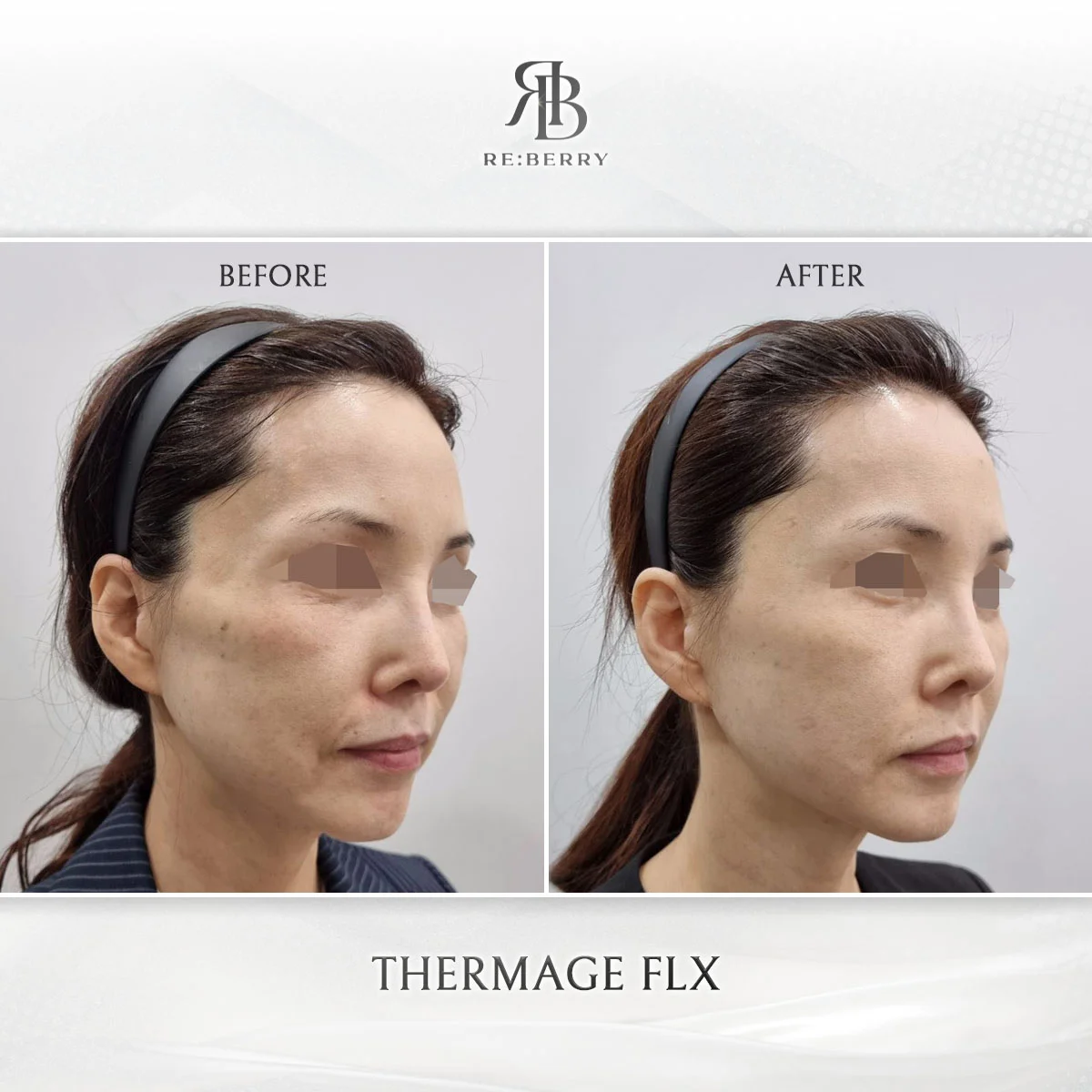
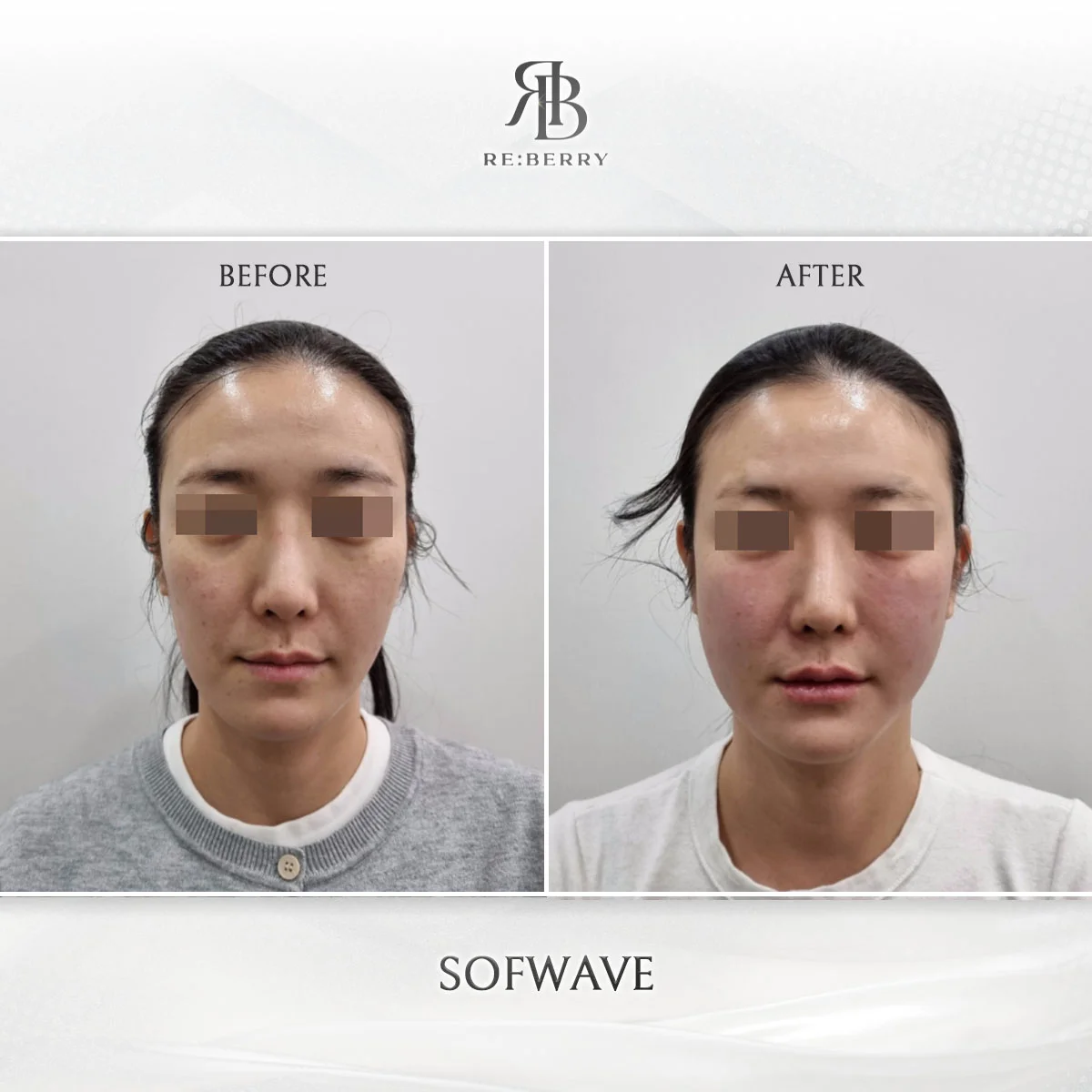
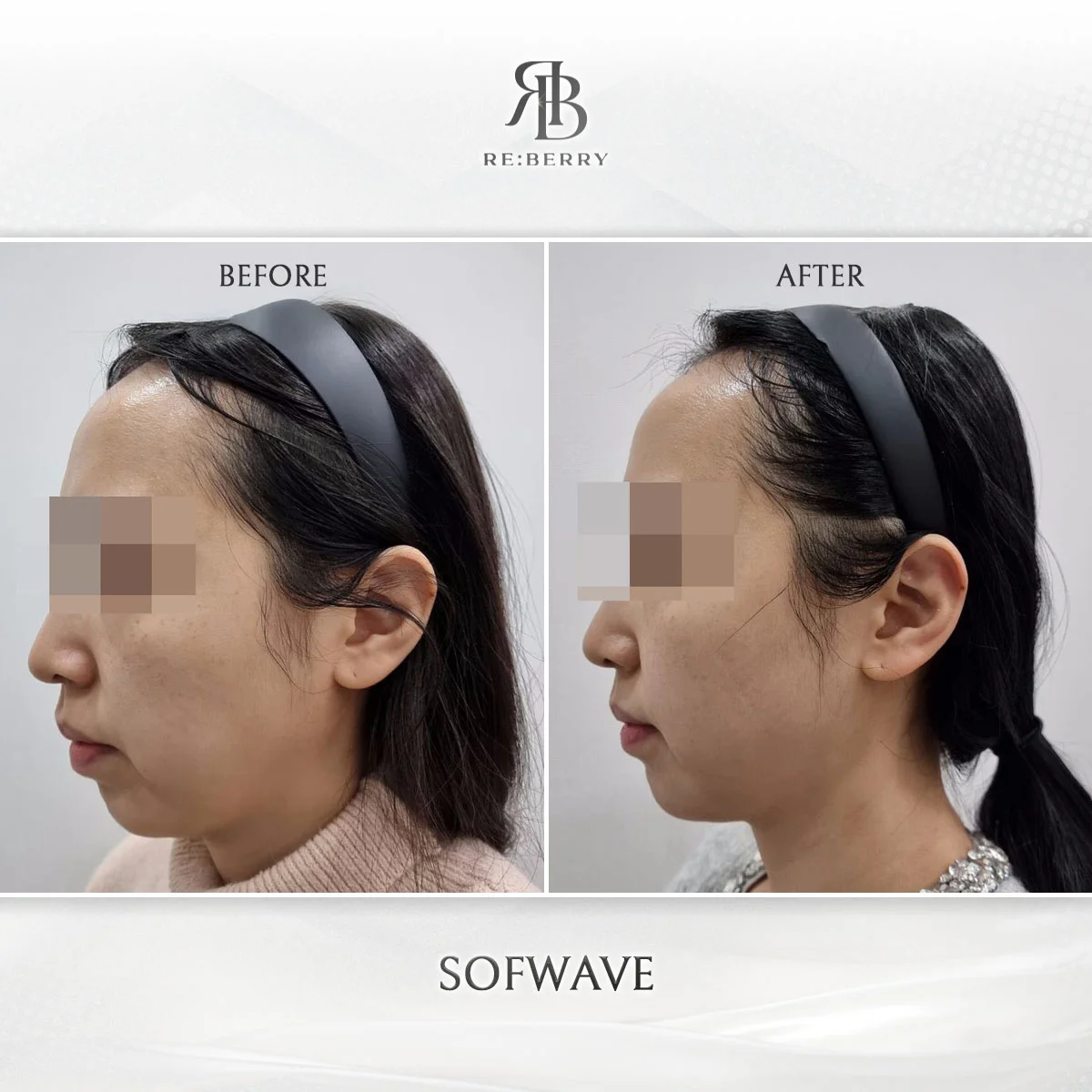
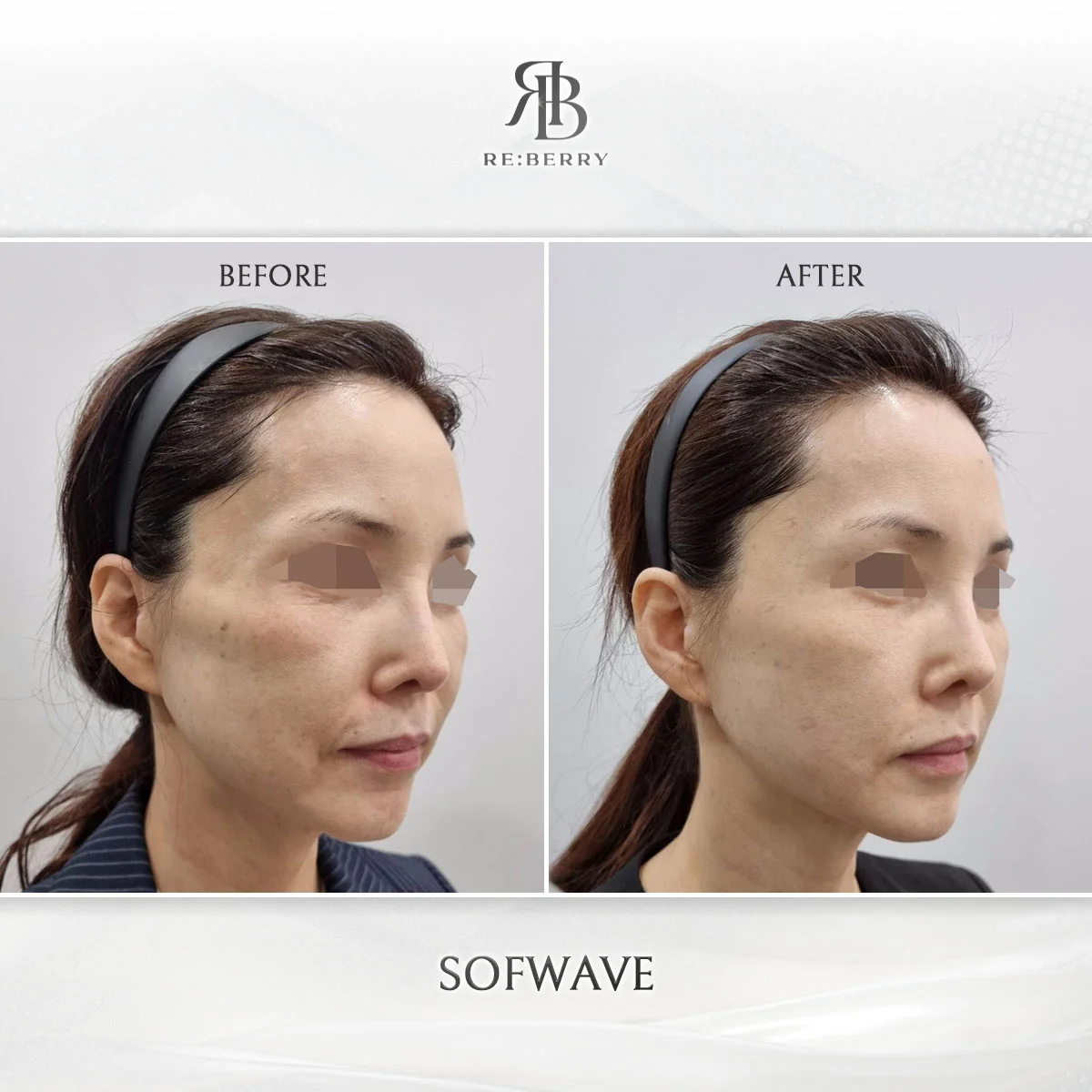
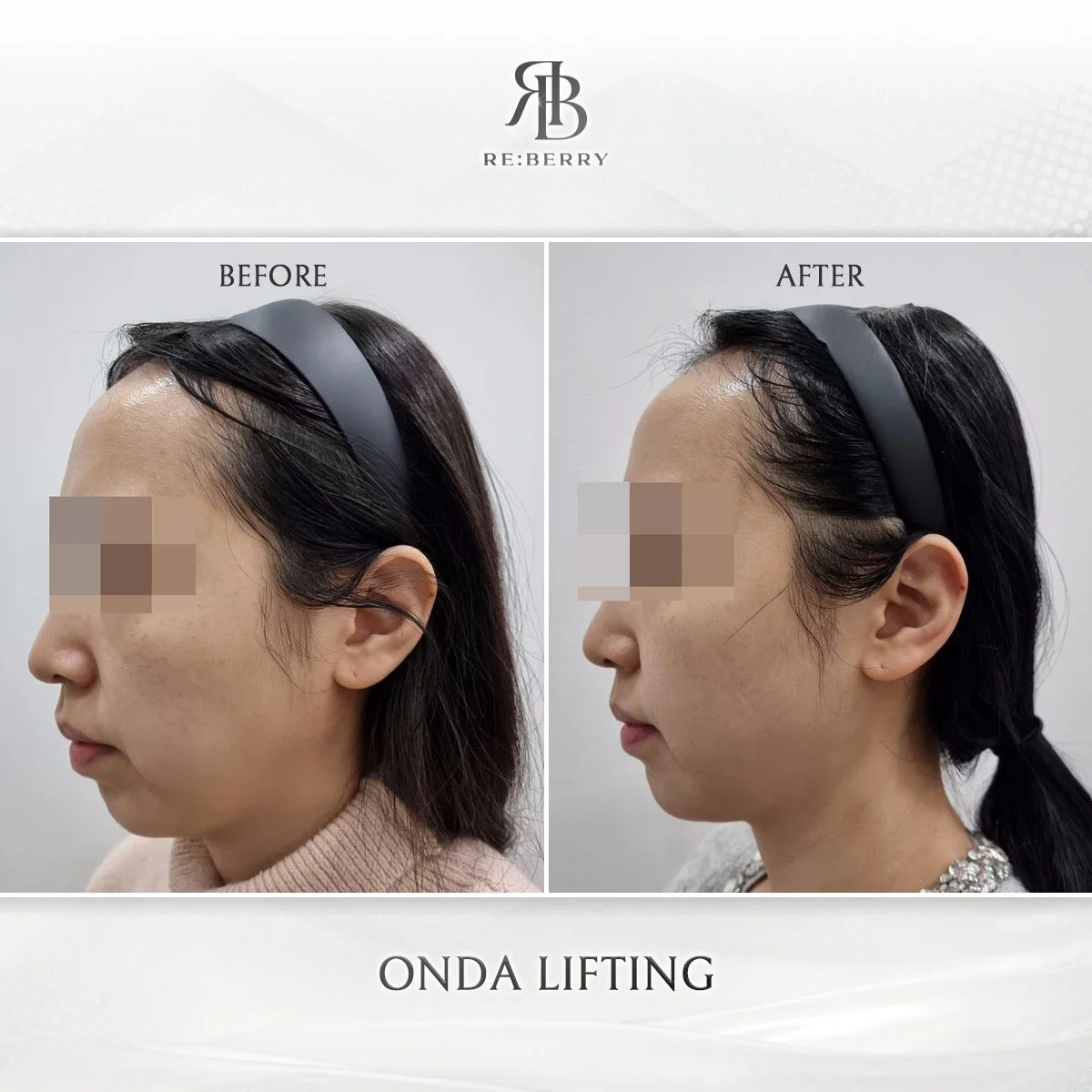
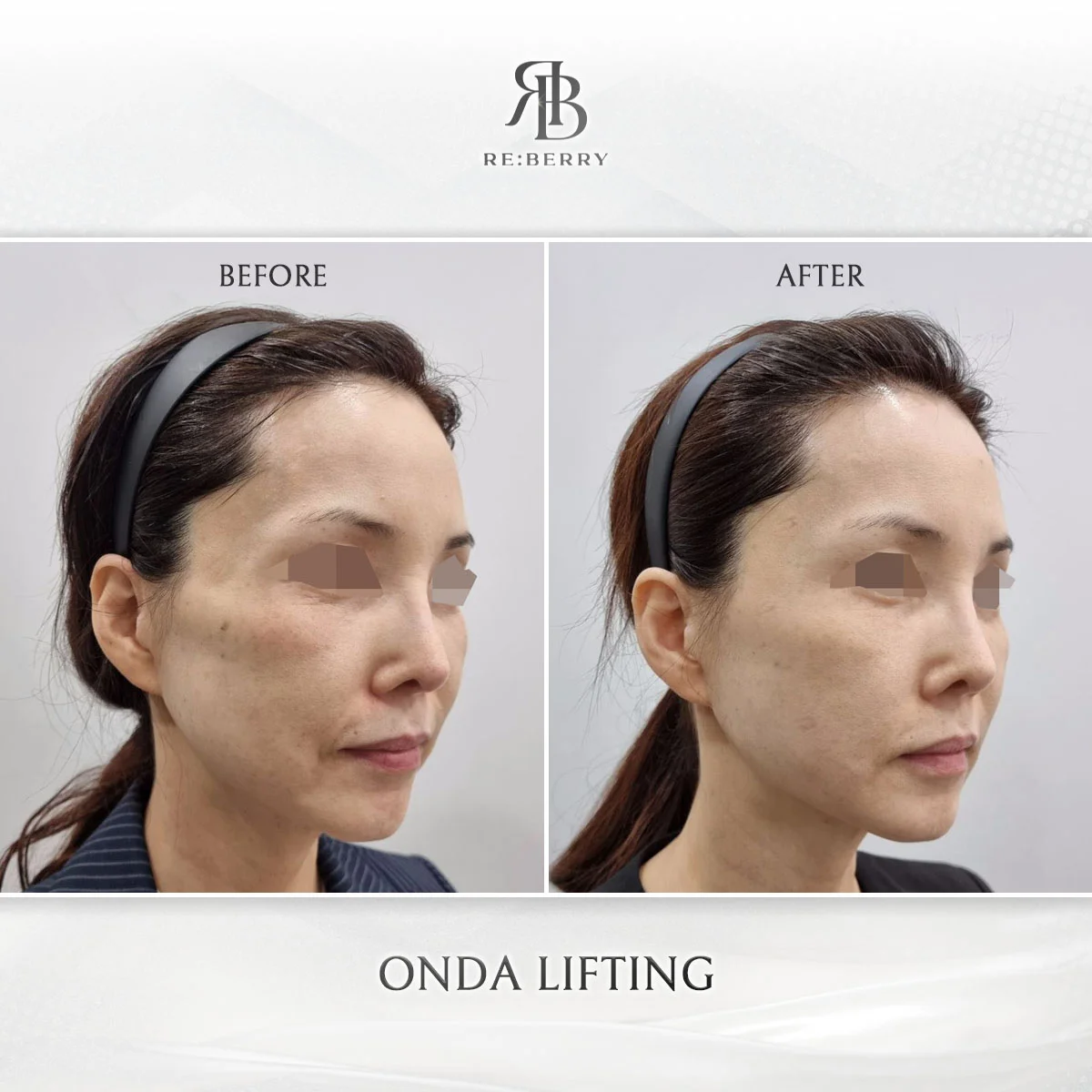
An English-language consultation checks your skin’s hydration and barrier and matches you to a facial or a booster based on how long you want the result to hold.
A hydrating facial takes about 30 to 60 minutes, while an injectable booster takes roughly 20 to 30 minutes after numbing cream.
A facial glow lasts about 2 to 8 weeks; an injectable booster holds hydration for roughly 3 to 6 months and improves over a course of about 3 sessions.
Facials look best within days; booster hydration deepens over the 2 to 4 weeks after each session as the skin retains water.
Daily hydration, a good barrier routine and diligent sun protection extend results, and repeating on schedule keeps skin consistently dewy.



A hydrating facial keeps skin dewy for about 2 to 8 weeks, while an injectable skin booster holds hydration for roughly 3 to 6 months because it deposits longer-acting ingredients in the dermis. The exact duration depends on the format and your skin. You can review the options on our skin care page before choosing.
Injectable boosters last longer, roughly 3 to 6 months, because they place water-binding hyaluronic acid or polynucleotides into the dermis where they hold moisture and support the skin’s environment. A surface facial only refreshes the outer layers, which renew every few weeks, so its glow fades in about 2 to 8 weeks. Depth is the main difference.
A skin hydration treatment raises the water content of the skin and strengthens its barrier so skin looks plumper and dewier. It spans surface facials and hydradermabrasion through to injectable micro-boosters. A gentle option is a HydraFacial, which cleanses and infuses hydrating serums, while boosters give a deeper, longer result.
For a lasting result, injectable boosters usually need a starting course of about 3 sessions spaced 2 to 4 weeks apart, after which hydration holds for months. Surface facials are not a fixed course but are repeated every 2 to 4 weeks for ongoing glow. Your doctor sets a realistic plan after assessing your skin.
Most people with dry, dull or dehydrated skin are good candidates, whether they want a quick facial or a longer-lasting booster. A consultation checks your barrier, skin type and any sensitivity first. If you prefer a needle-free start, a gentle facial like a HydraFacial is a comfortable option to try.
Surface facials are comfortable and involve no needles, so there is essentially no pain. Injectable boosters feel like fine pricks across the face and are done after numbing cream, so most people tolerate them well. Any tenderness settles quickly. The clinic’s doctors adjust technique and numbing to keep the session comfortable throughout.
A hydrating facial has no downtime, so you can continue your day and travel immediately. An injectable booster may leave small bumps, minor redness or occasional light bruising for about 1 to 3 days as the deposits settle. These fade on their own, and gentle skincare with sun protection during that window is all that is usually needed.
A hydrating facial looks its best within a day or two as the skin plumps. An injectable booster shows an early glow quickly, then deepens over the 2 to 4 weeks after each session as water is retained. Because booster results build, pairing with a maintenance glass-skin routine helps sustain the effect between sessions.
Results last longer with daily hydration, a barrier-supporting routine, adequate water intake and strict sun protection, since UV and dryness shorten the effect. Repeating on schedule, facials every few weeks or boosters every 3 to 6 months, keeps skin consistently dewy. Your doctor recommends a maintenance interval suited to your skin and lifestyle.
It depends on how long you want the result to hold: a facial suits a quick, no-downtime glow, while a booster suits deeper hydration lasting months. Many people combine them, using facials for upkeep between boosters. The consultation weighs your goal, schedule and budget to recommend the right mix rather than a single fixed option.
Yes, hydration treatments combine well with tone and texture care when sequenced safely by your doctor. For example, a booster can follow a course of a laser treatment to add moisture as pigment is addressed. The consultation plans the order and spacing so the treatments support the skin rather than overload it.
Facials rarely cause more than brief redness. After an injectable booster, expect small bumps, minor redness or occasional light bruising for a few days, which settle by themselves. Serious reactions are uncommon when technique and hygiene are appropriate. The clinic’s doctors review your history first and guide you on managing the short recovery safely.
No, hydration results fade gradually rather than disappearing overnight. A facial glow eases over 2 to 8 weeks, and a booster tapers over 3 to 6 months as the deposit is naturally broken down. Because the decline is smooth, timing your next session before results fully fade keeps skin looking consistently hydrated with no obvious dip.
A hydrating facial needs only a single day, including consultation, with no downtime afterward. An injectable booster also fits a short trip, though allowing a day or two lets any minor bumps settle before events. For a full booster course, many patients start in Seoul and continue at home, and our English team coordinates timing around your schedule.
Yes, flying after a hydrating facial is fine, often the same day, since it is non-invasive. After an injectable booster you can usually fly within a day or two, keeping skin hydrated and avoiding heavy makeup in transit. Apply sunscreen on arrival. Your consultation confirms the best timing based on the exact treatment you have.
International patients can have remote check-ins in English to review how their hydration is holding and to plan the next session, which limits unnecessary repeat trips. If you continue care, you can explore our skin care options or schedule a booster on a future visit. Your treatment notes stay on file for continuity.
| Hydrating facial / HydraFacial | Hyaluronic acid skin booster | Polynucleotide booster (Rejuran) | |
|---|---|---|---|
| Mechanism | Surface cleansing and serum infusion | Micro-injected water-binding hyaluronic acid | Micro-injected polynucleotide conditioning skin |
| Depth | Very superficial | Upper dermis | Dermis |
| How long it lasts | About 2 to 8 weeks | Roughly 3 to 6 months | Roughly 3 to 6 months, builds with a course |
| Best for | Quick glow and gentle hydration | Deeper, longer-lasting hydration and plumpness | Hydration plus skin quality and resilience |
| Pain / comfort | Comfortable, no injections | Mild pricking with numbing cream | Mild pricking with numbing cream |
| Downtime | None | Slight bumps or bruising for 1 to 3 days | Slight bumps or redness for 1 to 3 days |
| Sessions | Ongoing, every few weeks | A short course, then maintenance | About 3 sessions, then maintenance |
Real verified reviews from our Google Business Profile, across all Reberry Clinic locations.
PULLED LIVE FROM GOOGLE · GANGNAM · MYEONGDONG · INCHEON AIRPORT
Your treatment is planned and performed by experienced, MFDS-registered doctors across our Seoul-area clinics, with multilingual support for international patients.
Flagship clinic · KOL for leading lifting & regenerative devices · Featured in Authority Magazine (2026)

Multilingual tourist care beside Myeongdong Cathedral

Fast, effective care 20 minutes from the terminals
Message us on WhatsApp for a free consultation in English and a personalised hydration plan matched to how long you want your result to last.