



Gangnam
Dr. Yoon-Gon Ryu
Aesthetic Medicine Specialist
Flagship clinic · KOL for leading lifting & regenerative devices · Featured in Authority Magazine (2026)


A hydrating facial gives instant dewiness in 1 session, while injectable skin boosters build lasting hydration over a starter course of about 3 sessions spaced 2 to 4 weeks apart.
It depends on the type: a hydrating facial gives an instant dewy glow in 1 session, while injectable skin boosters need a starter course of about 3 sessions spaced 2 to 4 weeks apart for lasting hydration, then upkeep every few months. Surface facials repeat every 4 to 6 weeks. Your exact number is mapped at consultation.
One-on-One guidance from a dedicated doctor, ensuring your skin is professionally monitored and treated from start to finish.
Fluent assistance in English, Japanese, and Chinese, making communication clear, respectful and comfortable for international patients.
Over 100,000 patients worldwide have received our personalized dermatological care, highlighting our expertise and reliable results.
The honest answer is that the number of skin hydration sessions depends on which treatment you choose. A surface hydrating facial gives an instant dewy finish in 1 session, so it works as a one-off before an event, while injectable skin boosters that place hydrating ingredients into the dermis are typically planned as a starter course of about 3 sessions spaced 2 to 4 weeks apart to build a lasting reservoir of moisture. The deeper and longer-lasting the goal, the more a short series makes sense.
What changes the number is your starting point and your target. Skin wanting a quick refresh may simply repeat a facial every 4 to 6 weeks, while dehydrated, dull or aging skin often benefits from a booster course of around 3 sessions, then maintenance every few months as the effect settles. Clinical work on stabilized hyaluronic acid boosters has used about 3 sessions at roughly 4-week intervals. None of this is a fixed prescription; it is a starting framework a clinician adjusts to how your skin responds.
Reberry Clinic is consultation-led, so the recommended number of sessions follows an honest look at your skin rather than a one-size template. The clinic serves international patients in Korea across three Seoul-area locations with English-speaking support, and explains whether a single facial or a short booster series best fits your goals and your time in Seoul.
Skin hydration treatments range from surface facials to injectable boosters. A hydrating facial uses gentle cleansing and serum infusion to top up moisture at the surface, so its effect is immediate but relatively short-lived, which is why it is often repeated on a monthly rhythm. Injectable skin boosters such as hyaluronic-acid or polynucleotide formulations place moisture-binding ingredients into the dermis, where they draw and hold water and support the skin’s own repair, so the benefit builds cumulatively across a course rather than from one visit.
Reberry Clinic is a dermatology clinic, and these treatments are delivered by the clinic’s doctors and trained clinicians, who decide how many sessions suit your skin and whether a facial or a booster course fits your goal. Because hydration is one part of overall skin health, the clinic will also explain when a wider skin care plan or a regenerating polynucleotide booster reaches your goal in a different rhythm of visits.
One Reberry Clinic, multiple Seoul-area locations. Pricing & current promotions are listed on each branch's own site — tap a clinic to view pricing & book.
Our flagship in the heart of Gangnam.
In Seoul's shopping & tourism heart.
A beauty stop between flights.
The newest Reberry Clinic — in Seoul's trend district.
ONE REBERRY CLINIC · MFDS-REGISTERED DEVICES · MULTILINGUAL CARE AT EVERY LOCATION
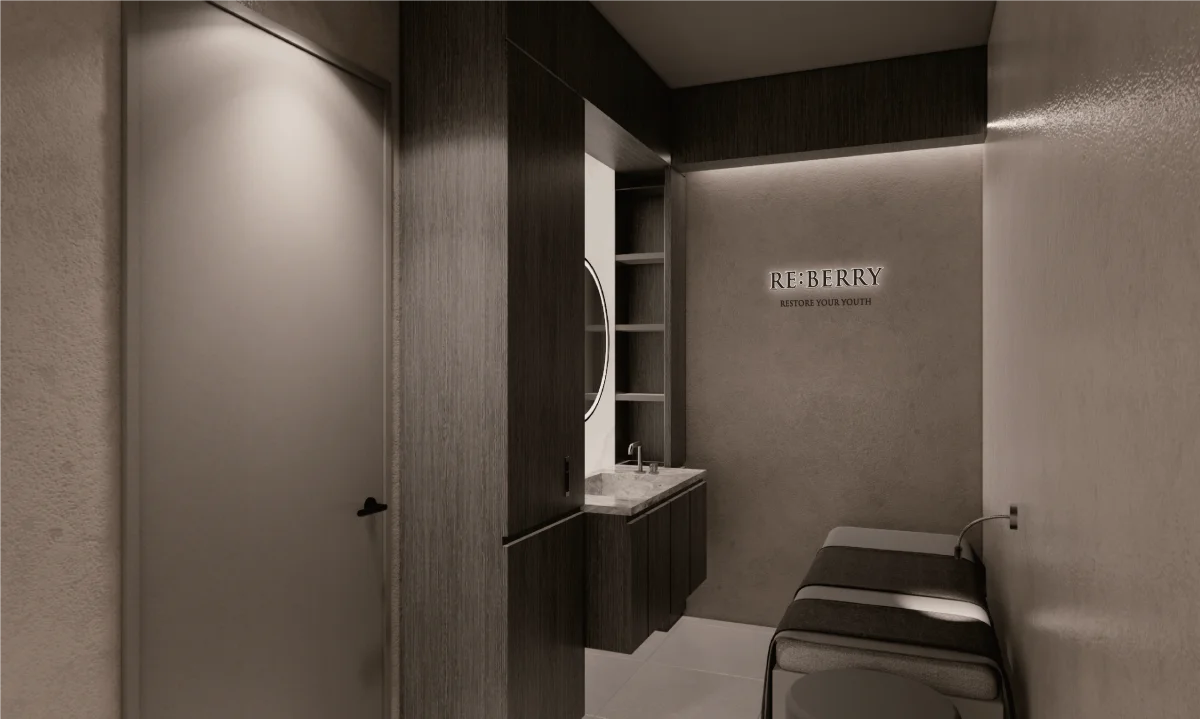

A clinician reviews your skin type and hydration level to suggest whether a facial or a booster course of about 3 sessions fits.
For a surface refresh, 1 facial is enough; for lasting hydration, an injectable booster course is mapped instead.
A starter course of about 3 booster sessions is spaced 2 to 4 weeks apart to build a moisture reservoir.
If you prefer surface facials, most people repeat 1 session every 4 to 6 weeks to sustain dewiness.
Once results are reached, boosters are refreshed every few months while facials continue on a monthly rhythm.
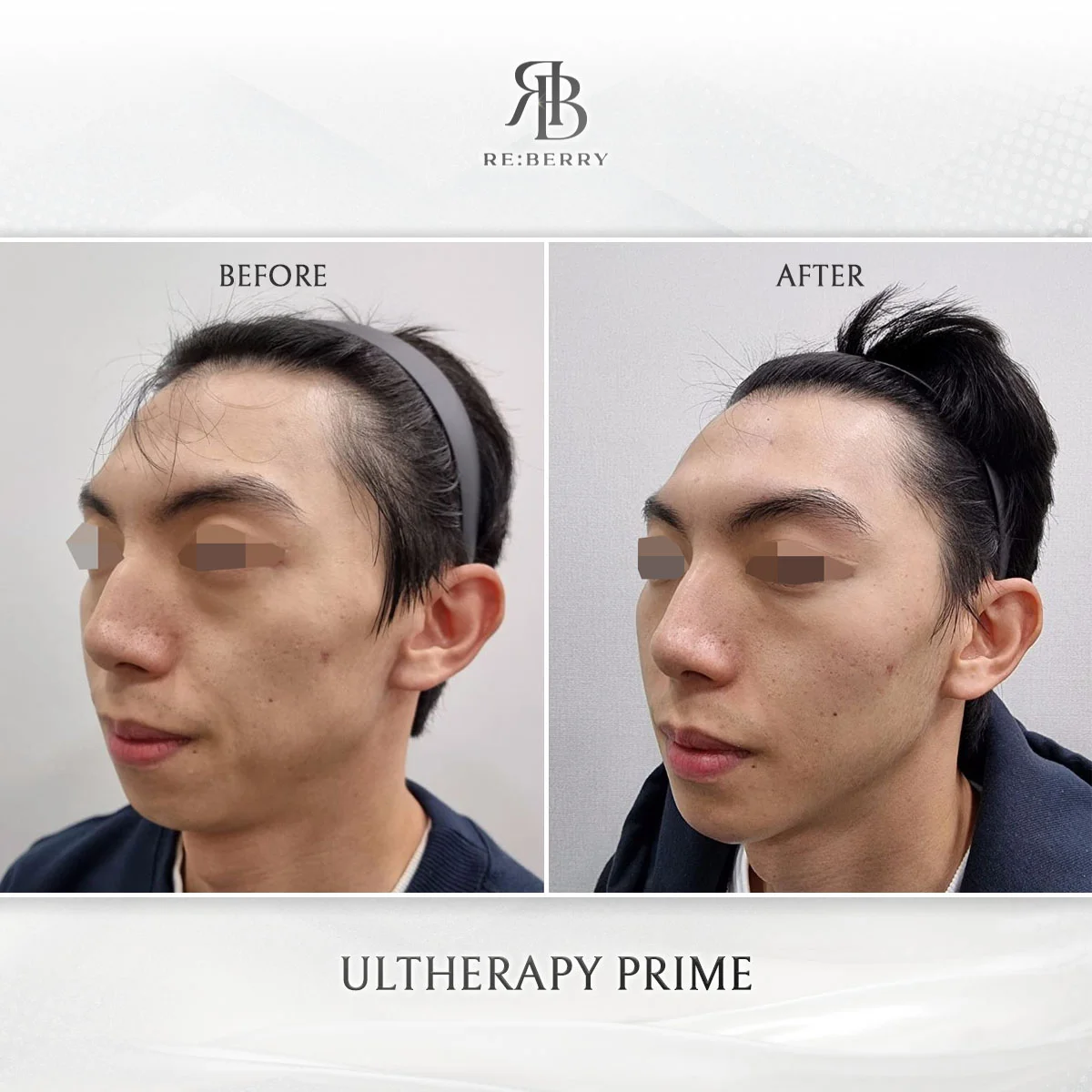
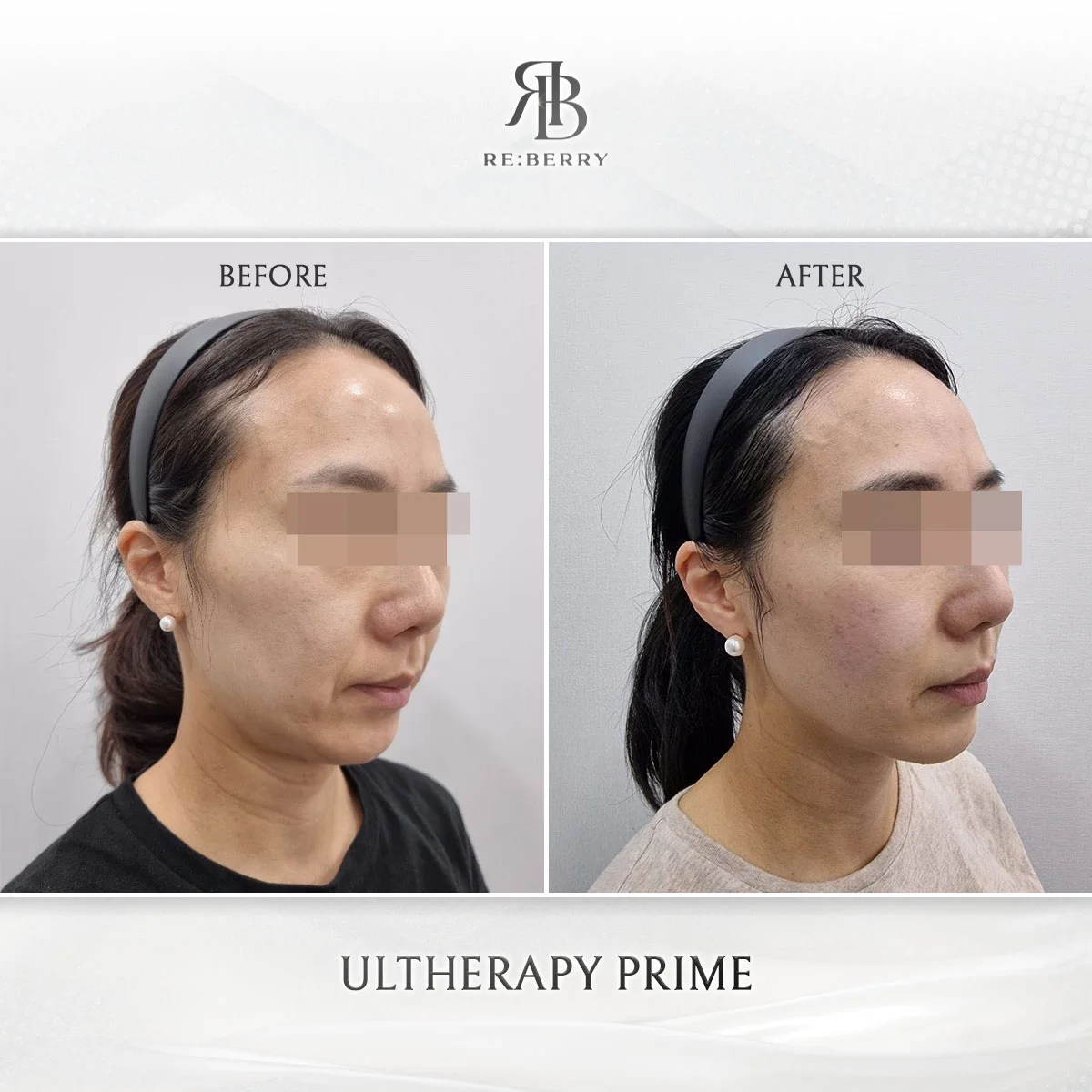
See representative outcomes from Reberry Clinic. Results build gradually and vary by individual; your plan is assessed at consultation.
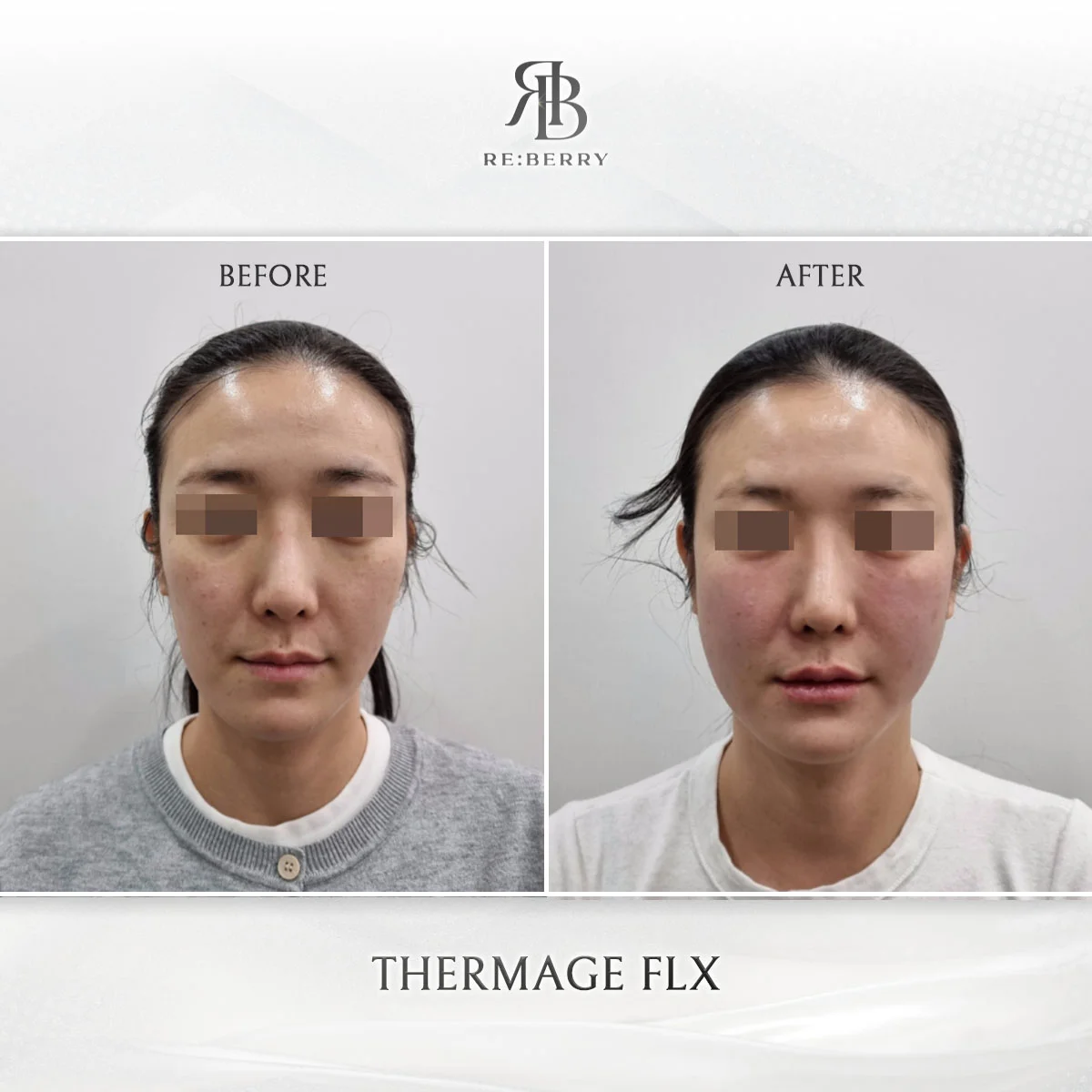
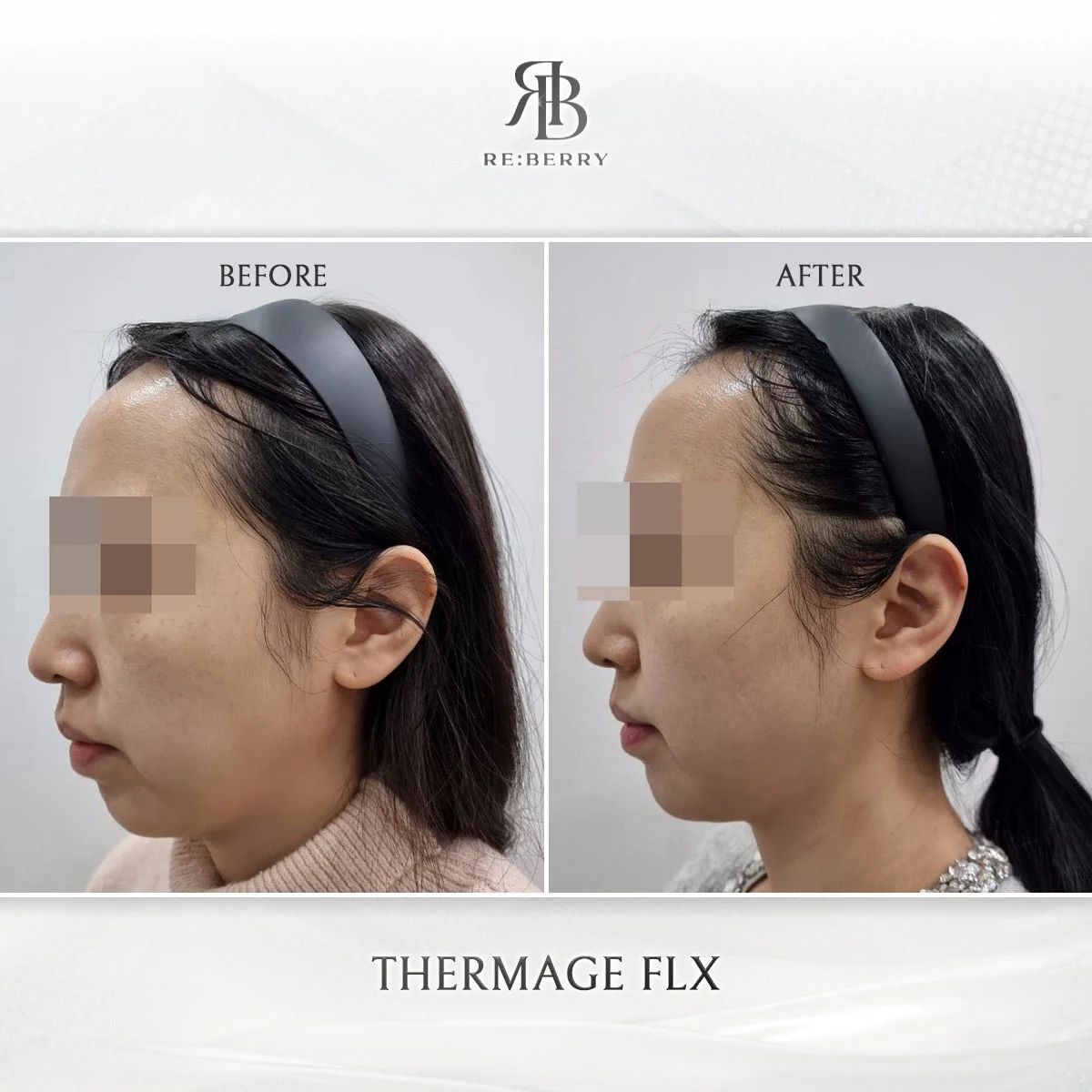
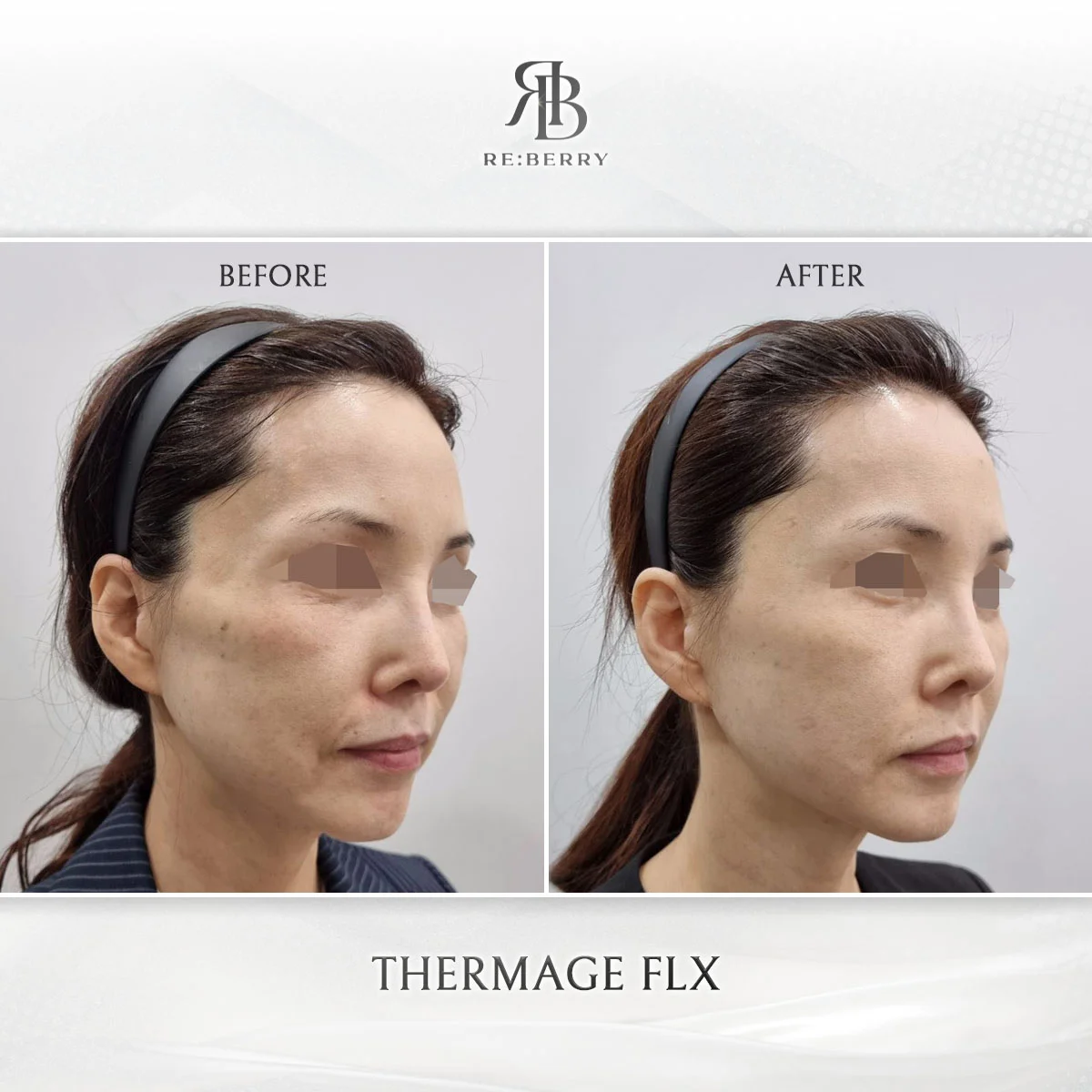
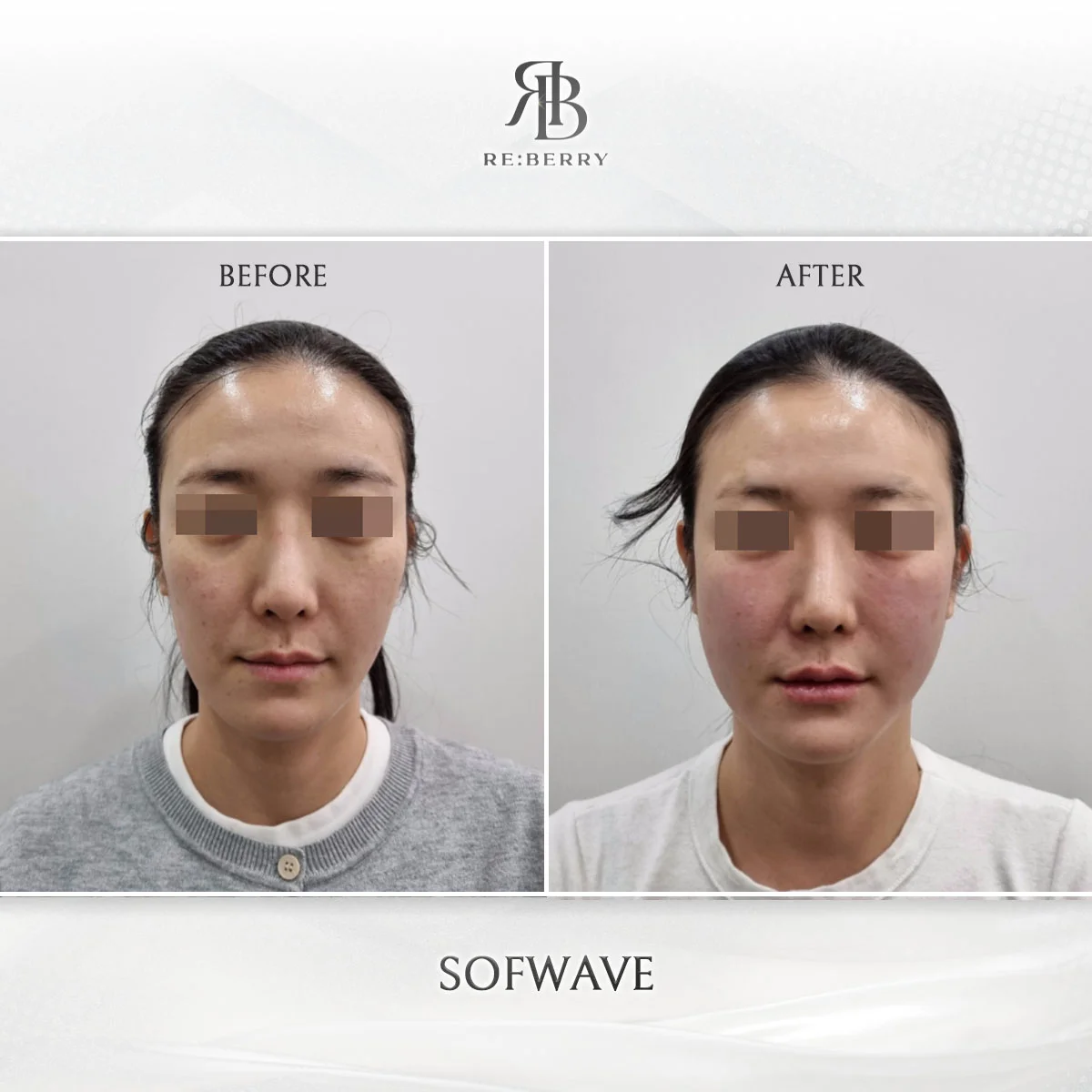
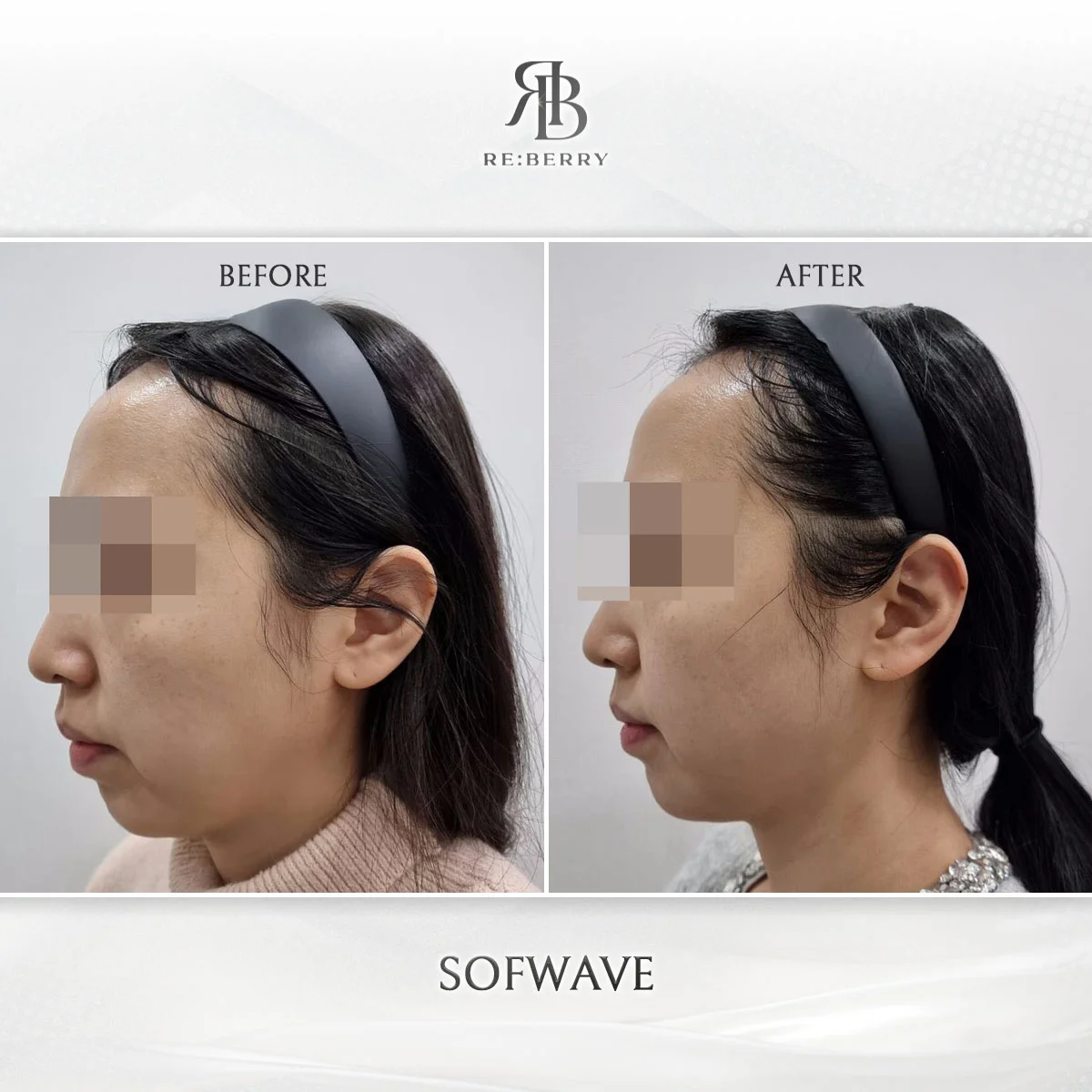
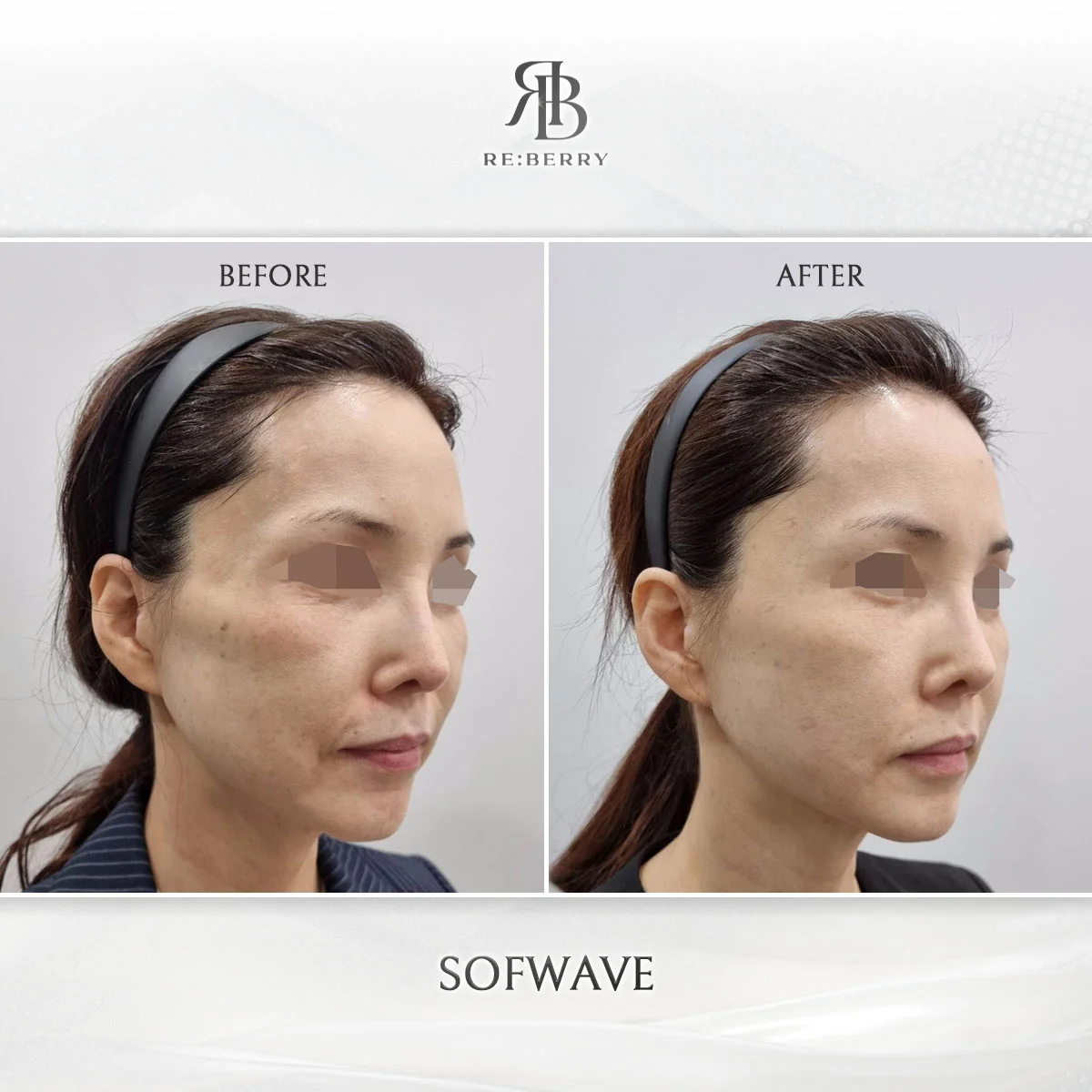
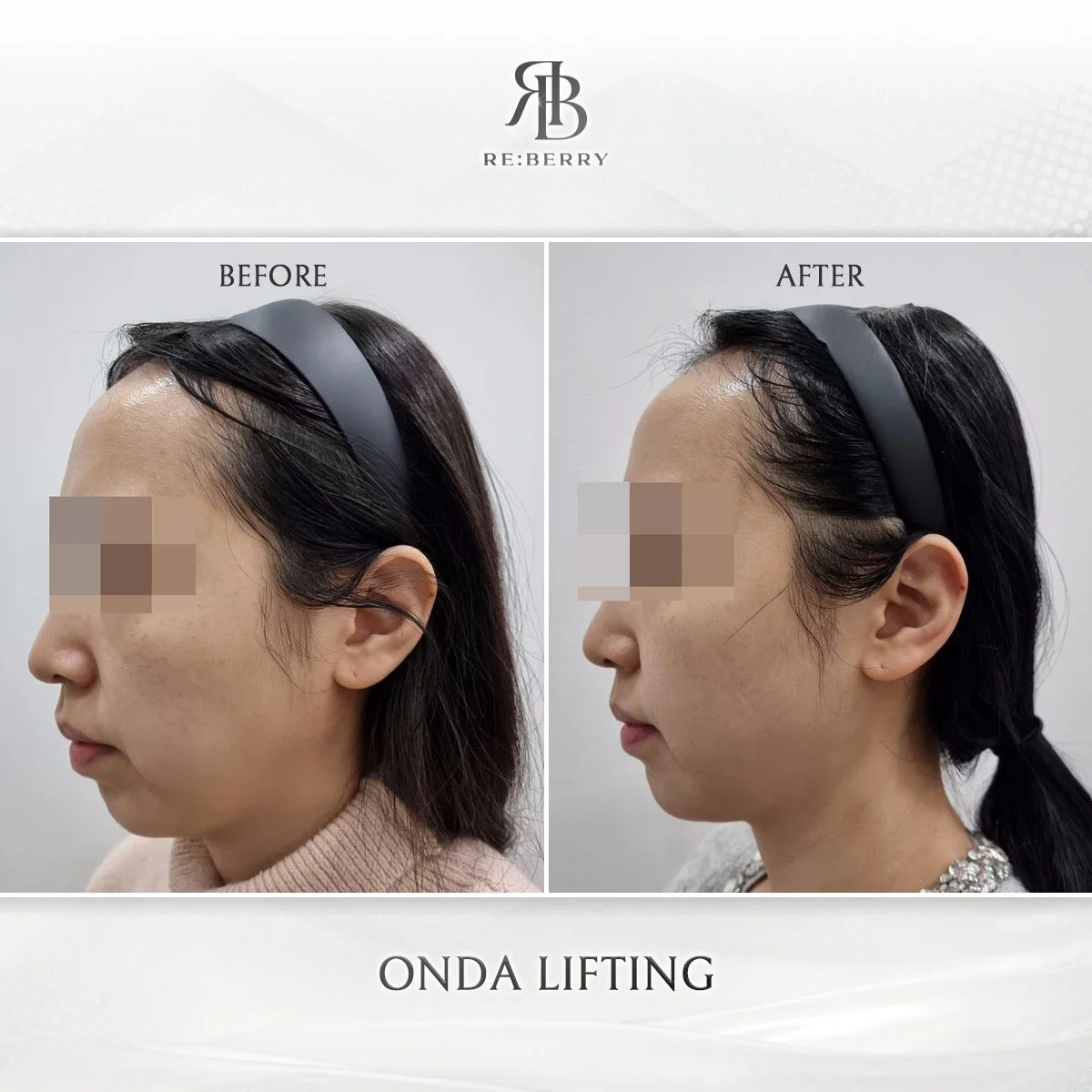
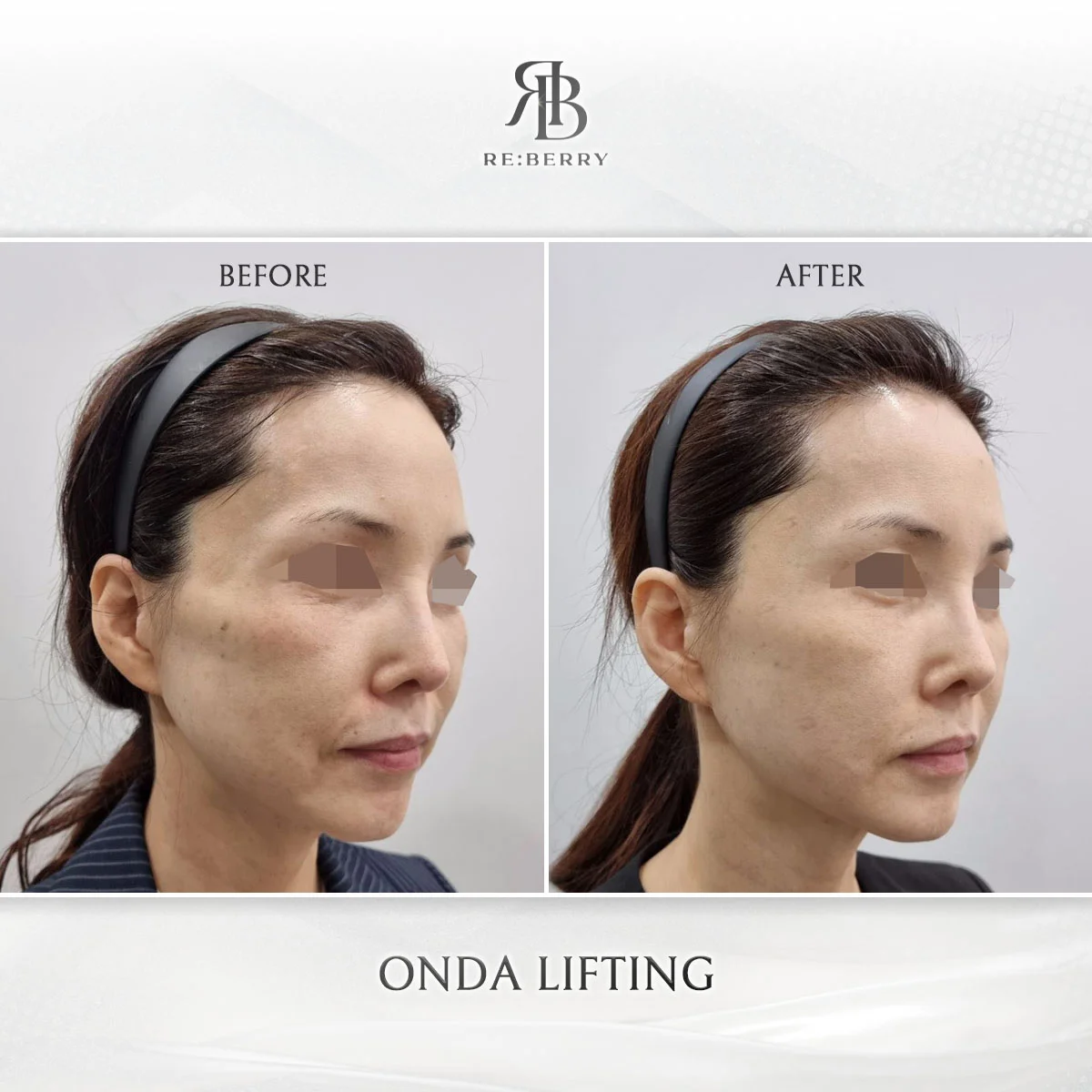
An English-language consultation reviews your skin and recommends whether 1 facial or a booster course of about 3 sessions fits.
A hydrating facial takes about 30 to 45 minutes; a booster session is quicker but includes numbing and short settling.
You can have 1 facial on a short trip, or begin a booster course and continue the remaining sessions from home.
A facial looks dewy immediately, while a booster course builds deeper hydration progressively over several weeks.
Facial glow lasts around a week; a booster course lasts months, sustained by hydration, gentle aftercare and daily SPF.



It depends on the type: a hydrating facial gives an instant glow in 1 session, while injectable boosters usually need a starter course of about 3 sessions spaced 2 to 4 weeks apart for lasting hydration. Your exact number is mapped at consultation. You can plan this within a wider skin care approach at the clinic.
For a surface facial, yes; one session gives an instant dewy glow that suits an event or a quick refresh. For deeper, longer-lasting hydration from an injectable booster, a starter course of about 3 sessions works better. Many travelers have one facial in Seoul, then continue at home. The clinic helps you decide which fits your goal.
Injectable skin boosters usually need a starter course of about 3 sessions spaced 2 to 4 weeks apart, because their hydrating effect builds cumulatively in the dermis. After that, maintenance is roughly every few months. A polynucleotide option such as a polynucleotide booster follows a similar rhythm, tailored to your skin at consultation.
Most people repeat a hydrating facial every 4 to 6 weeks for maintenance, since each dewy result lasts around a week and the benefit is cumulative on the surface. Very dehydrated skin may start with slightly tighter spacing. Your ideal rhythm within a broader skin care plan is set during your assessment.
To a point, yes; completing a planned booster course of about 3 sessions builds a deeper, longer-lasting moisture reservoir than a single visit, because the effect is cumulative. Beyond the course, extra sessions mainly maintain the result rather than deepening it further. Your clinician advises when to switch from a starter series to maintenance.
A hydrating facial is comfortable and uses no needles, so there is essentially no pain. Injectable boosters involve tiny injections and are usually mild, often done with numbing cream, so most people tolerate them well. Because sensation varies, clinicians tailor comfort measures to you and confirm the plan before starting each session.
A hydrating facial has essentially no downtime, so you can resume activities immediately. Injectable boosters may leave small bumps or mild redness that settle within a short time, usually a day or two. This makes facials easy to schedule closely, while booster sessions are spaced further apart to allow the skin to settle between visits.
A hydrating facial looks dewy immediately, while an injectable booster course builds visible, deeper hydration progressively across several weeks as the sessions add up. The facial glow itself lasts around a week. Your expected timeline and whether a facial or a booster course suits your goals are mapped during the consultation beforehand.
A facial’s glow lasts around a week, while a completed booster course typically lasts months before maintenance is due, since the injected ingredients hold moisture in the dermis over time. Because longevity varies with skin and lifestyle, the clinic discusses a realistic upkeep rhythm individually rather than promising a fixed duration for everyone.
Often yes; a hydration booster or facial can pair with a wider skin care plan or gentle brightening, sequenced safely by your clinician. Combining is planned so treatments complement rather than overload the skin. Your clinician decides the order and spacing so your plan reflects your goals rather than a default package.
Yes, injectable boosters and hydrating facials suit sensitive skin and a wide range of tones when the formulation and intensity are tailored. In Korea, polynucleotide boosters are widely used across skin types. Clinicians adjust each session to your skin and settle any active flare first, confirming suitability during your assessment for safety.
A hydrating facial refreshes the surface for an instant dewy look and repeats monthly, while an injectable booster places moisture deeper in the dermis across a short course for months of lasting hydration. They follow different rhythms and goals. Compare options such as a polynucleotide booster with the team.
Yes, Reberry Clinic serves international patients with English-speaking support across three Seoul-area locations, including one near Incheon Airport. You can have a facial or your first booster session on your trip and continue from home, guided by your aftercare plan. Message us on WhatsApp to arrange your first visit and plan.
For a single facial, even a few hours is enough, since it takes about 30 to 45 minutes with no downtime. A full booster course spans weeks, so most travelers start the first session here and continue elsewhere. The team helps fit one or more sessions around your itinerary during your consultation.
After a hydrating facial you can fly the same day, since there is essentially no downtime. After an injectable booster, flying is usually fine once minor swelling settles, often within a day, following your aftercare. You receive a written skin care plan so you can space the remaining sessions and maintain results from abroad.
| Hydrating facial | HA skin booster | Polynucleotide booster | |
|---|---|---|---|
| Mechanism | Surface cleanse and serum infusion for instant moisture | Micro-injected hyaluronic acid that binds water in the dermis | Micro-injected polynucleotides that hydrate and support repair |
| Single-session effect | Immediate dewy glow | Builds over days; mild marks possible early | Builds over weeks; mild marks possible early |
| Typical starter course | 1 session, repeated as wanted | About 3 sessions, spaced 2 to 4 weeks | About 3 to 4 sessions, spaced 2 to 4 weeks |
| Maintenance rhythm | Every 4 to 6 weeks | Every few months | Every few months |
| Pain / comfort | Comfortable; no needles | Mild; tiny injections, often with numbing | Mild; tiny injections, often with numbing |
| Downtime | Essentially none | Small bumps or redness for a short time | Small bumps or redness for a short time |
| Best for | Instant surface dewiness | Deep, lasting dermal hydration | Hydration plus skin-quality and repair support |
Real verified reviews from our Google Business Profile, across all Reberry Clinic locations.
PULLED LIVE FROM GOOGLE · GANGNAM · MYEONGDONG · INCHEON AIRPORT
Your treatment is planned and performed by experienced, MFDS-registered doctors across our Seoul-area clinics, with multilingual support for international patients.
Flagship clinic · KOL for leading lifting & regenerative devices · Featured in Authority Magazine (2026)

Multilingual tourist care beside Myeongdong Cathedral

Fast, effective care 20 minutes from the terminals
Message us on WhatsApp for a free consultation in English and a personalized skin hydration plan.