

Gangnam
Dr. Yoongon Ryu
Aesthetic Medicine Specialist
Flagship clinic · KOL for leading lifting & regenerative devices

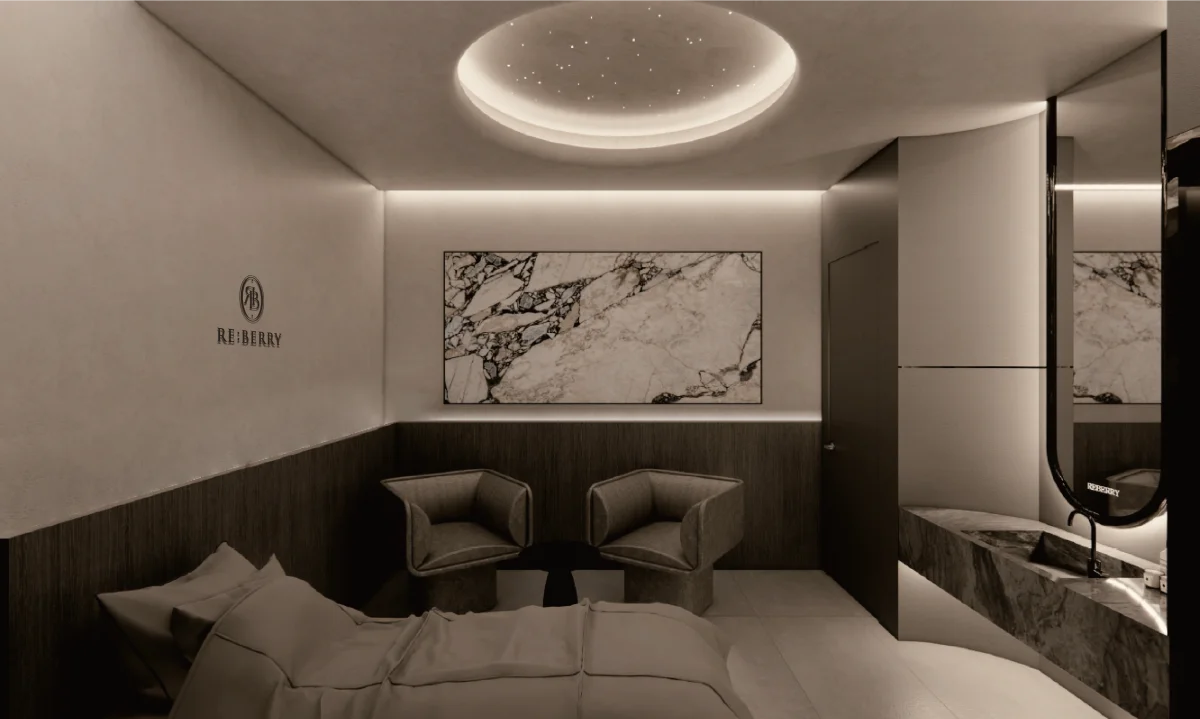
Layover treatment cost is driven mainly by which of 3 to 5 quick skincare options you choose and how much of your transit window is free, not by one fixed number.
A layover treatment cost in Korea depends on which quick, low-downtime option you pick, such as a hydrating facial, an aqua-peel, a skin booster, or light toning, and how much of your transit window is free. Because the price scales with the treatment chosen, the clinic’s doctors confirm your individual cost at consultation rather than a single fixed figure.
One-on-One guidance from a dedicated doctor, ensuring your skin is professionally monitored and treated from start to finish.
Fluent assistance in English, Japanese, and Chinese, making communication clear, respectful and comfortable for international patients.
Over 100,000 patients worldwide have received our personalized dermatological care, highlighting our expertise and reliable results.
A layover treatment cost in Korea is shaped less by one price tag and more by which quick option matches your skin and your time. A layover treatment is a fast, low-downtime skincare session designed to fit a transit window, so the biggest cost driver is simply which treatment you pick: a hydrating facial, an aqua-peel, a light skin booster, or gentle laser toning each sit at a different price point. A single express facial is naturally more affordable than an injectable skin booster.
The second driver is how much of your layover is genuinely free. A 6 to 8 hour transit gives room for a full facial plus recovery, while a shorter window suits a fast cleanse-and-hydrate. Because the treatment must be non-invasive enough to fly afterward, plans stay light, which keeps most layover options in the lower-cost, single-session range rather than a multi-visit course.
At Reberry Clinic, layover skincare is consultation-led: the clinic’s doctors first check your skin, your remaining transit time, and your travel plans, then recommend a treatment and explain the cost transparently in English. Our Incheon Airport (Yeongjongdo) location is built for exactly this transit intent, and our Seoul locations (Gangnam, Myeongdong) suit longer stopovers.
Layover pricing follows the modality, because each quick option uses different tools and consumables. A hydrating facial or aqua-peel uses vortex-style hydradermabrasion, water-based cleansing, gentle exfoliation, and serum infusion, so its cost reflects the session and products rather than any injectable material. A skin booster, by contrast, uses an injectable such as a polynucleotide or hyaluronic-acid preparation delivered into the skin, so the material itself becomes part of the price. Light laser toning sits between the two, priced by the device time used. Because a layover plan must leave you flight-ready, treatments are kept non-invasive to minimally invasive, which naturally caps the intensity and therefore the typical spend. Session length also matters: a fast facial may run 30 minutes, while a facial plus booster combination takes longer and costs more. The clinic’s doctors match the option to how much transit time you actually have, which is why your final cost is confirmed after a quick assessment rather than quoted blind.
One Reberry Clinic, multiple Seoul-area locations. Pricing & current promotions are listed on each branch's own site — tap a clinic to view pricing & book.
Our flagship in the heart of Gangnam.
In Seoul's shopping & tourism heart.
A beauty stop between flights.
The newest Reberry Clinic — in Seoul's trend district.
ONE REBERRY CLINIC · MFDS-REGISTERED DEVICES · MULTILINGUAL CARE AT EVERY LOCATION
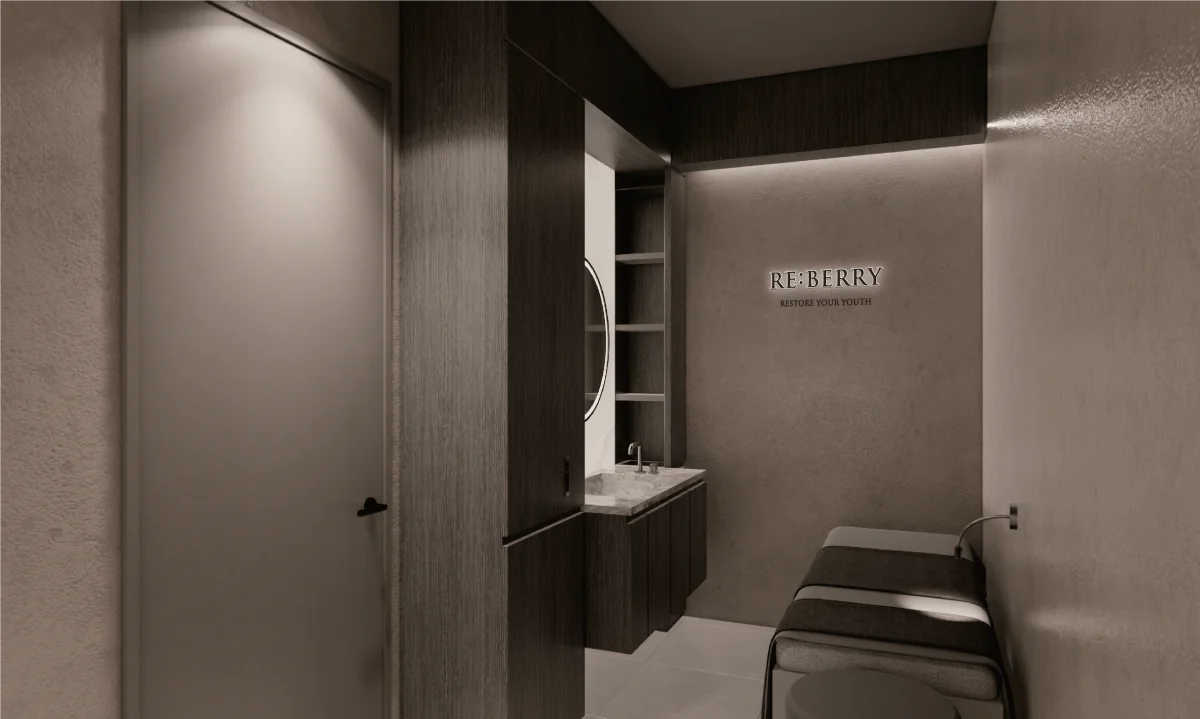
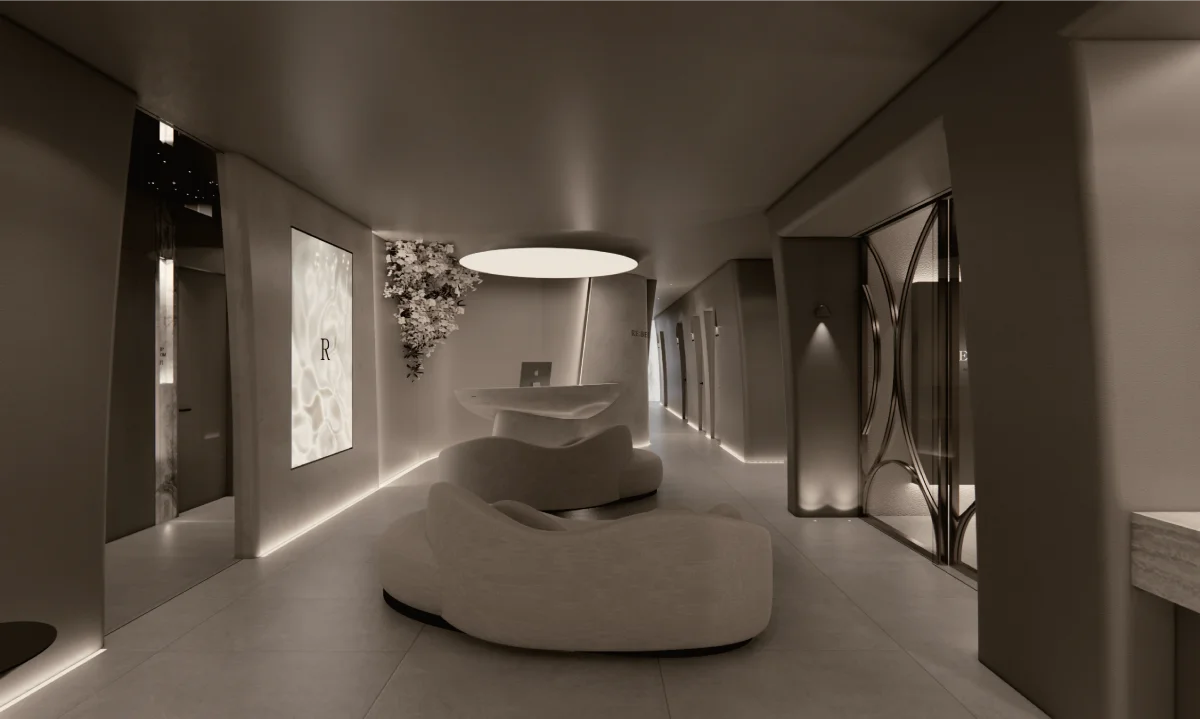
Doctors confirm how much of your transit window is genuinely free, ideally 4 or more hours, which determines whether a facial, booster, or combination fits.
You choose from 3 to 5 quick options such as a hydrating facial, aqua-peel, skin booster, or light toning, and this single choice is the biggest cost driver.
Plans stay non-invasive to minimally invasive so you can fly the same day, which usually keeps a layover to 1 focused session rather than a course.
Optional serums or 1 hydrating add-on may be layered in, and each add-on changes the total by a small amount.
After a quick check, the clinic’s doctors give you a transparent, individualised cost in English rather than one fixed price for every traveller.
See representative outcomes from Reberry Clinic. Results build gradually and vary by individual; your plan is assessed at consultation.
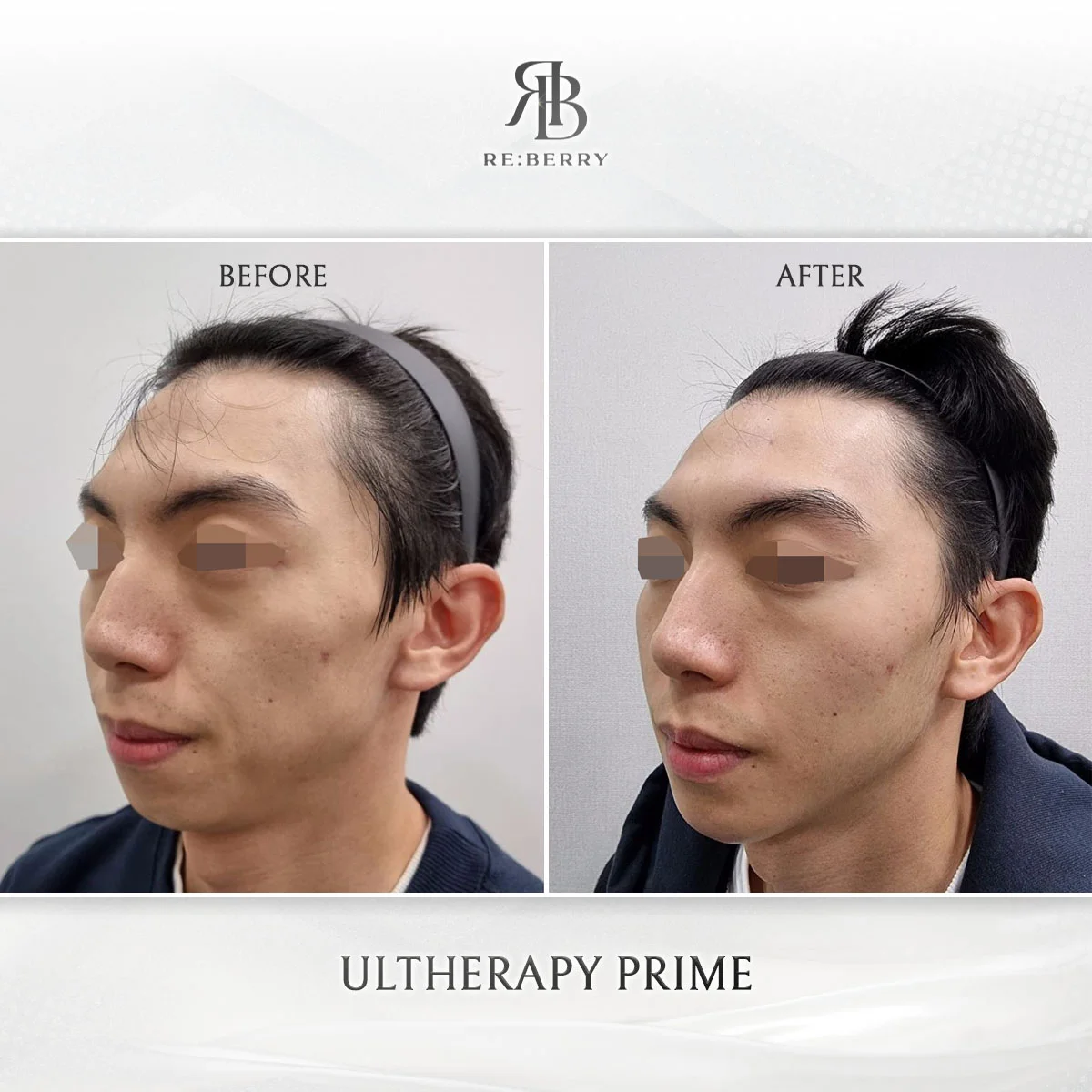
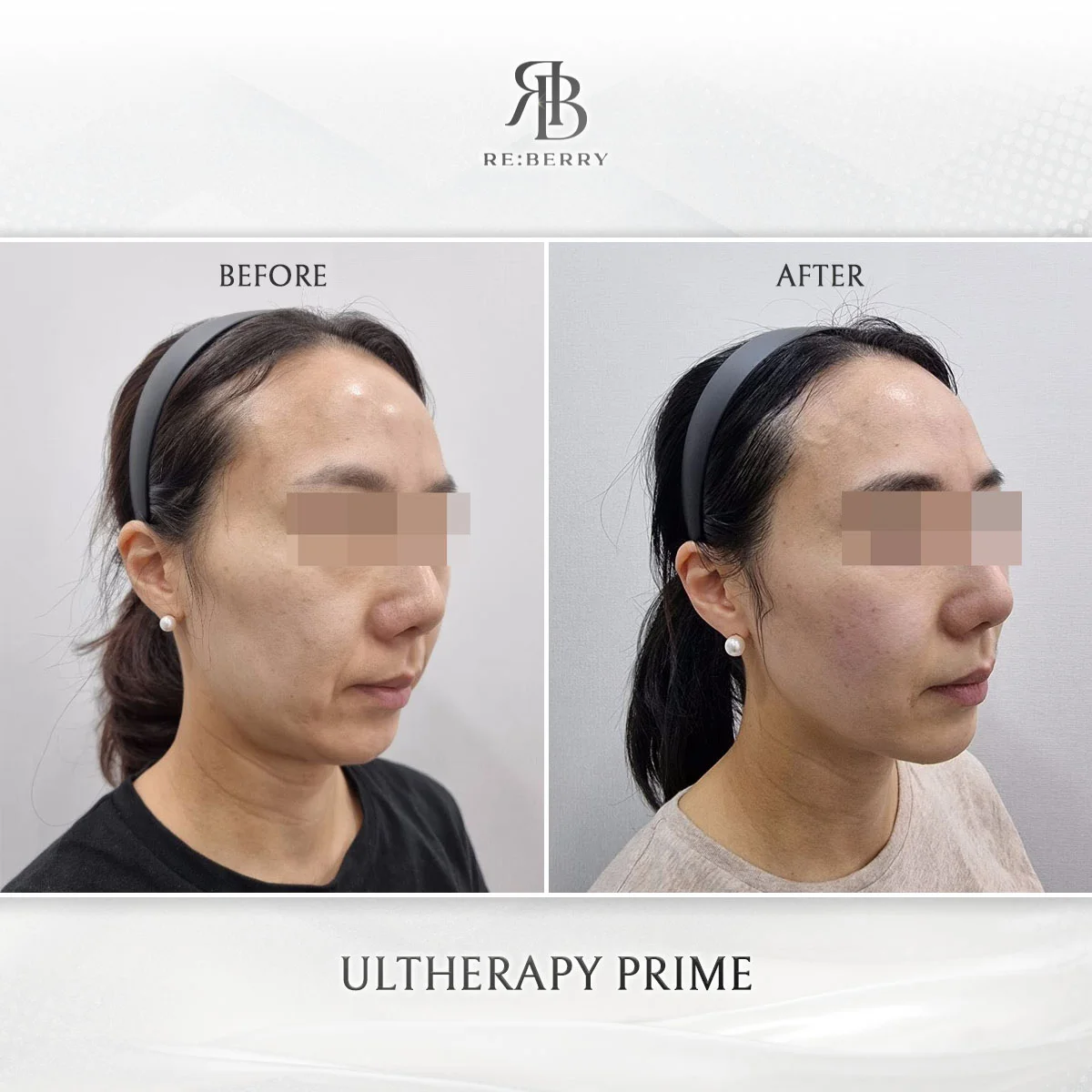
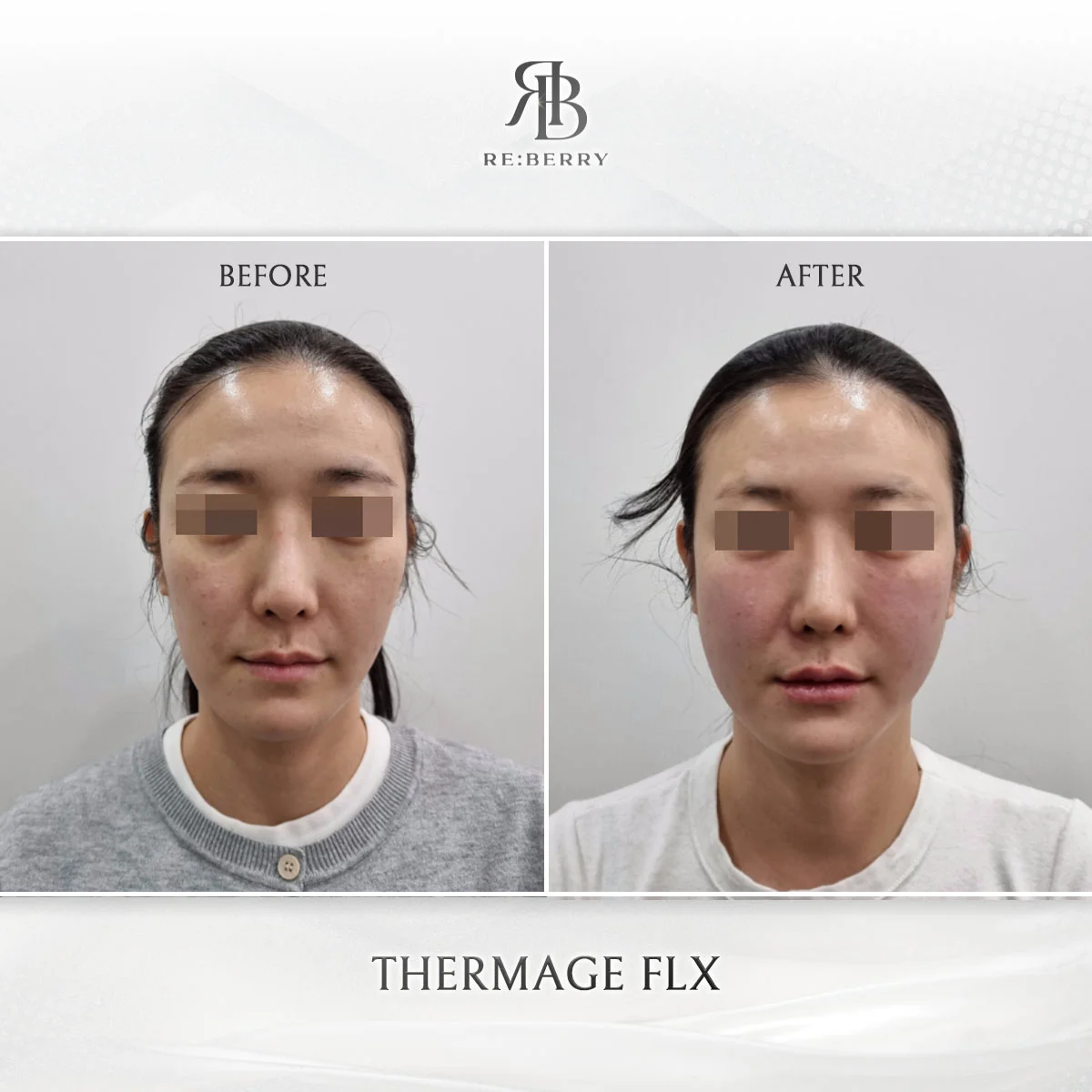
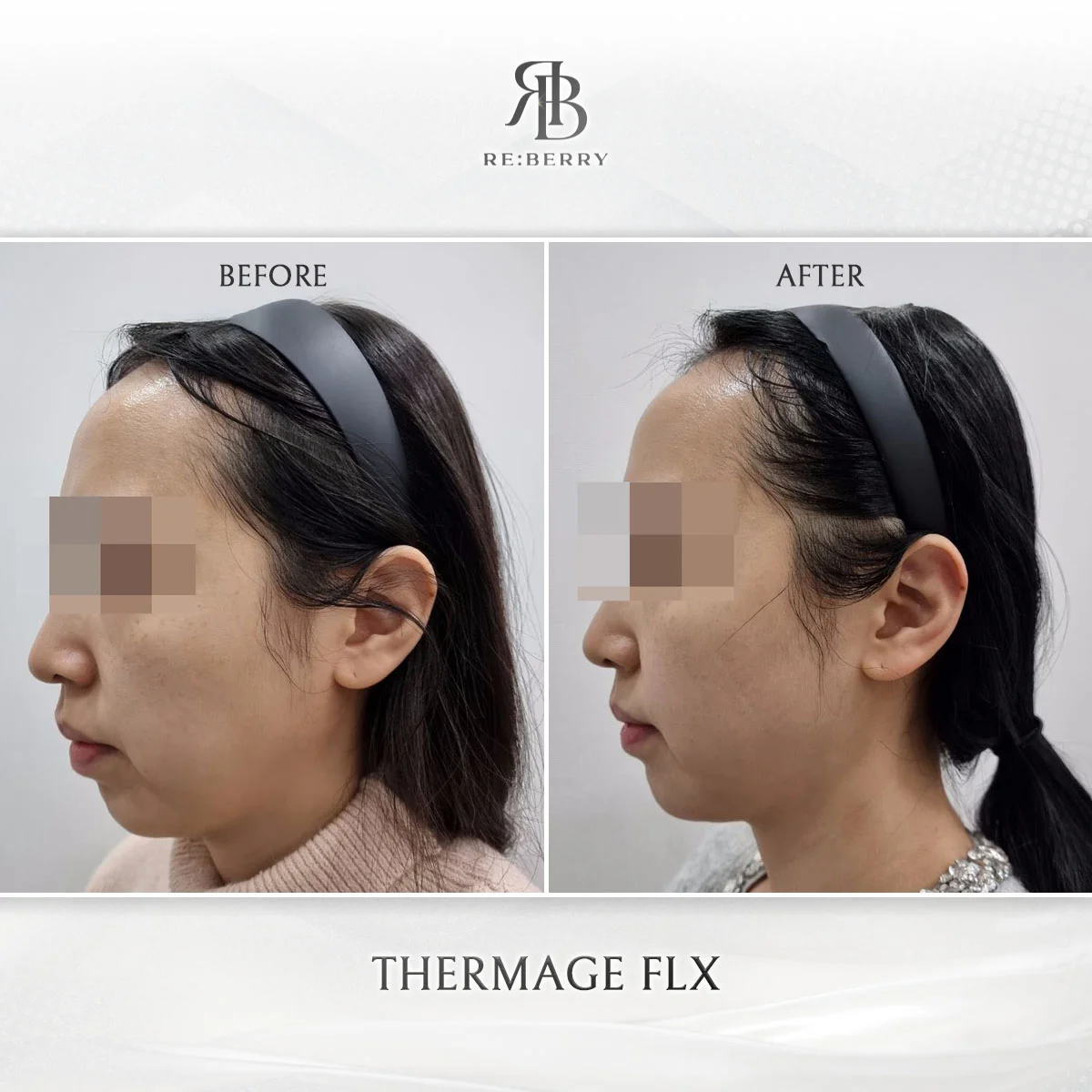
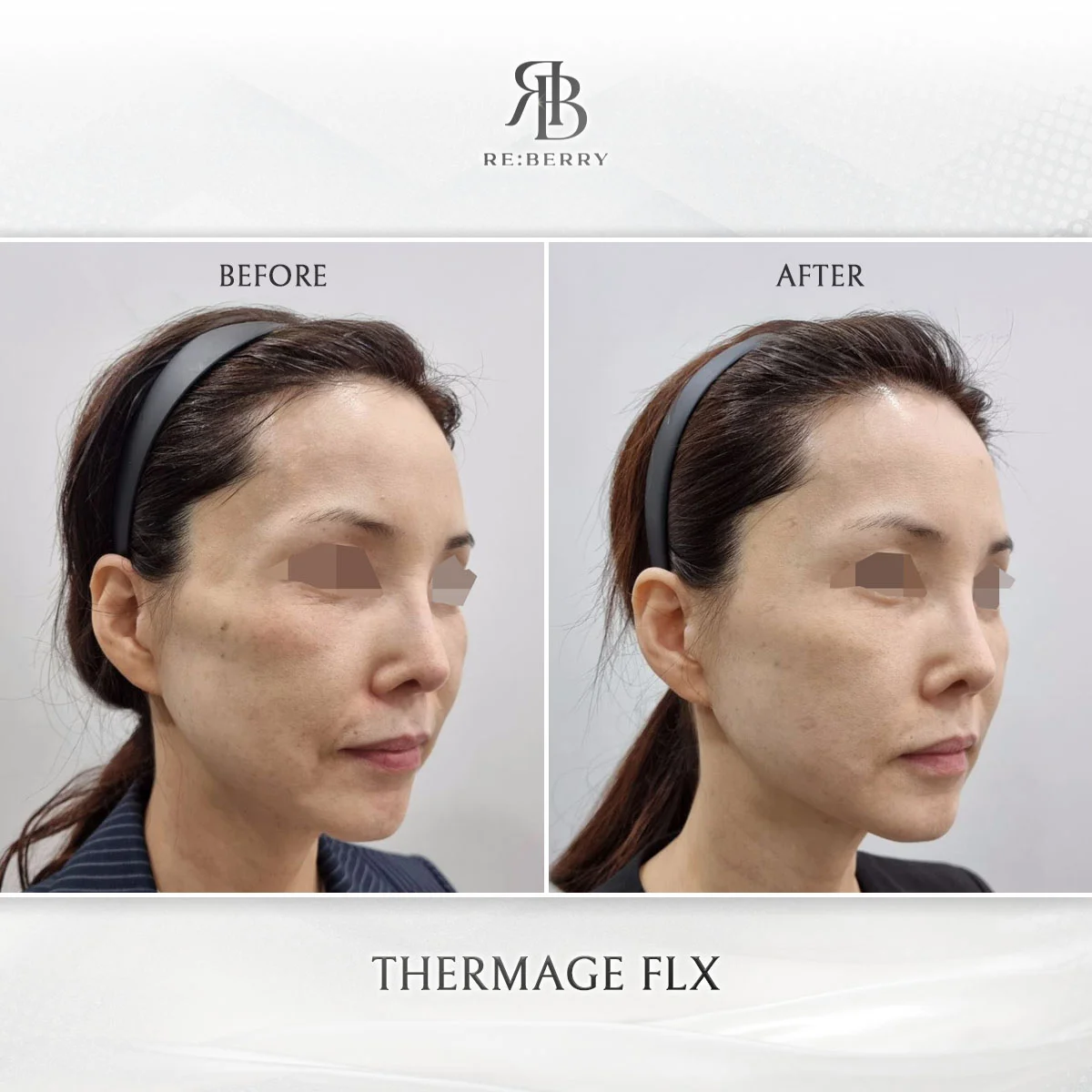
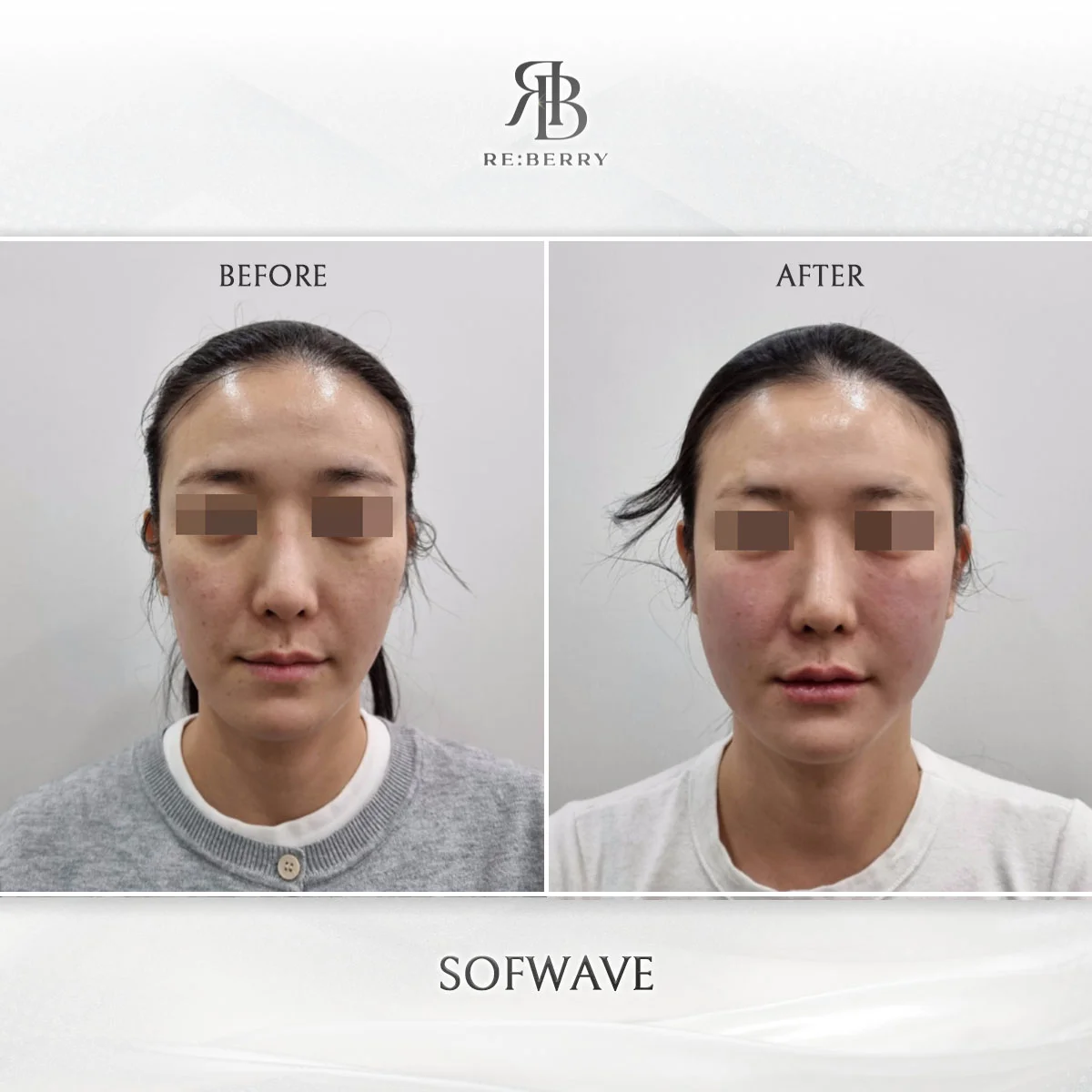
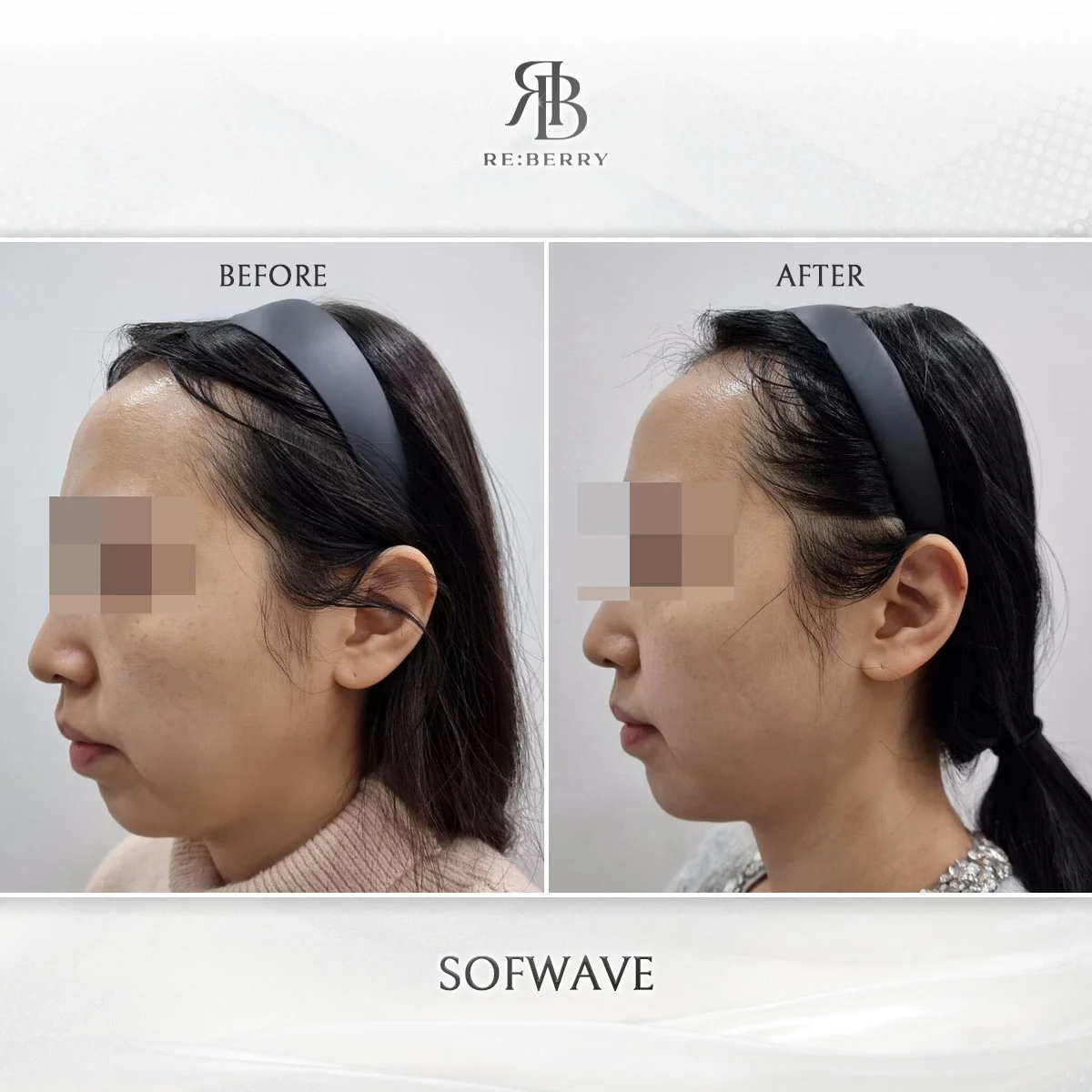
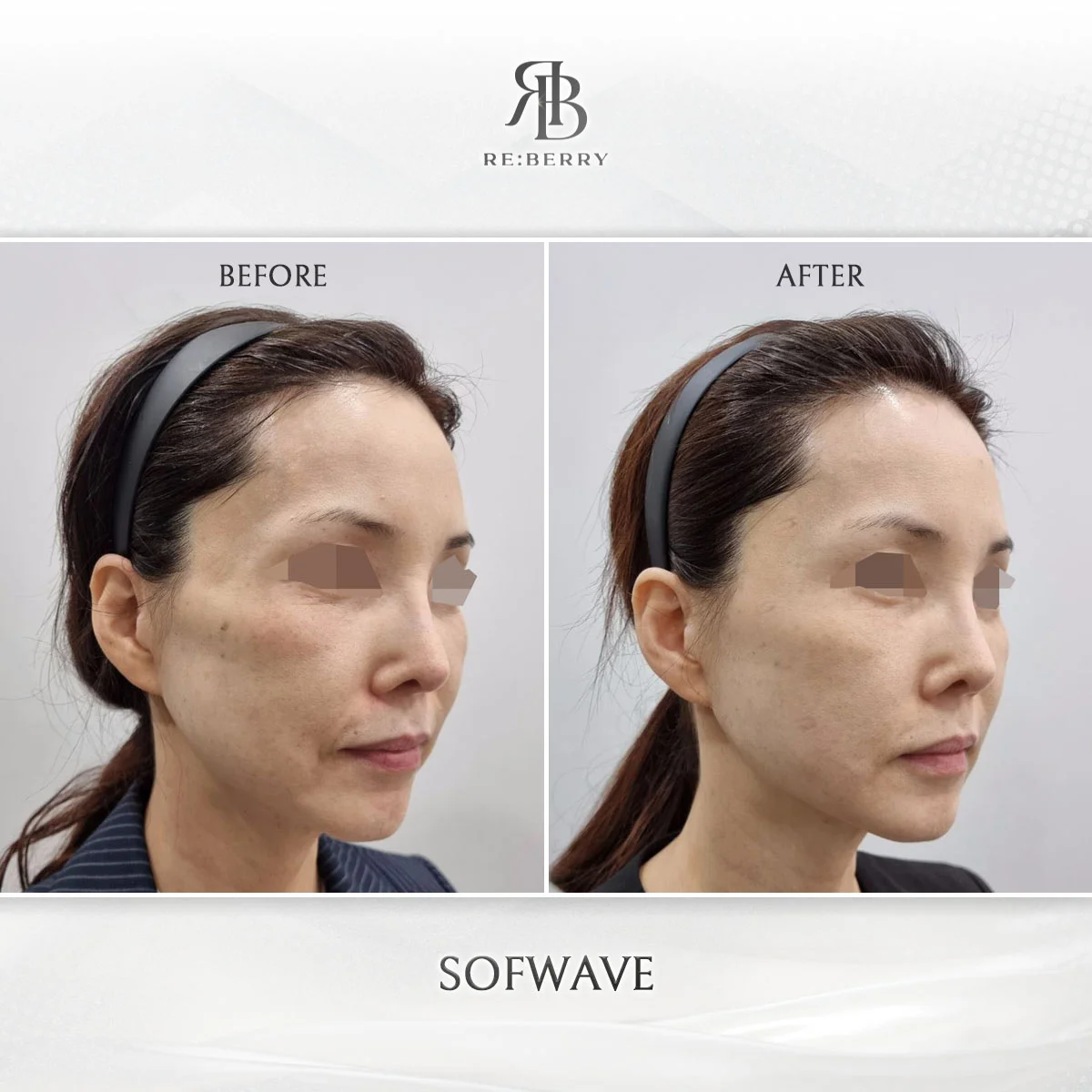
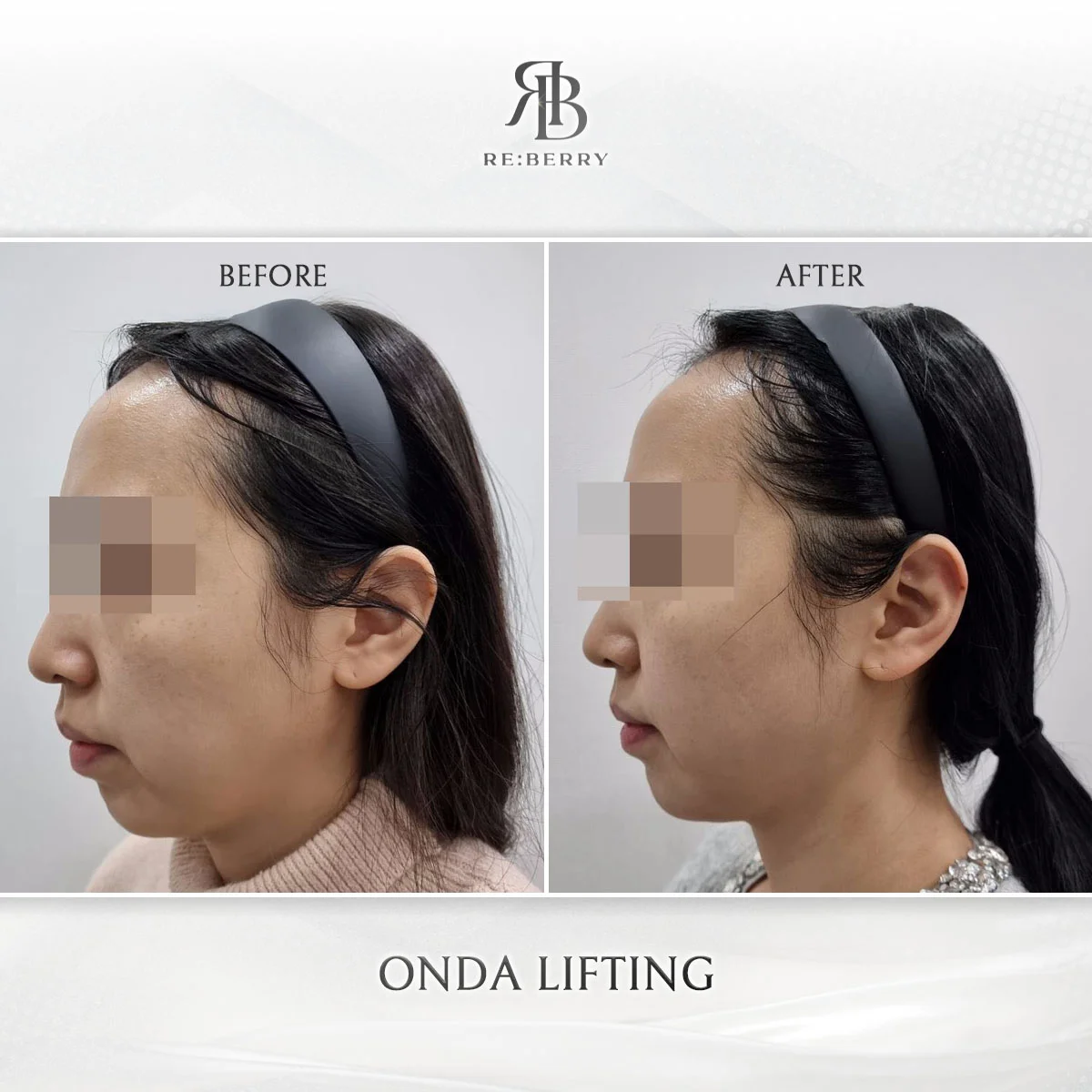
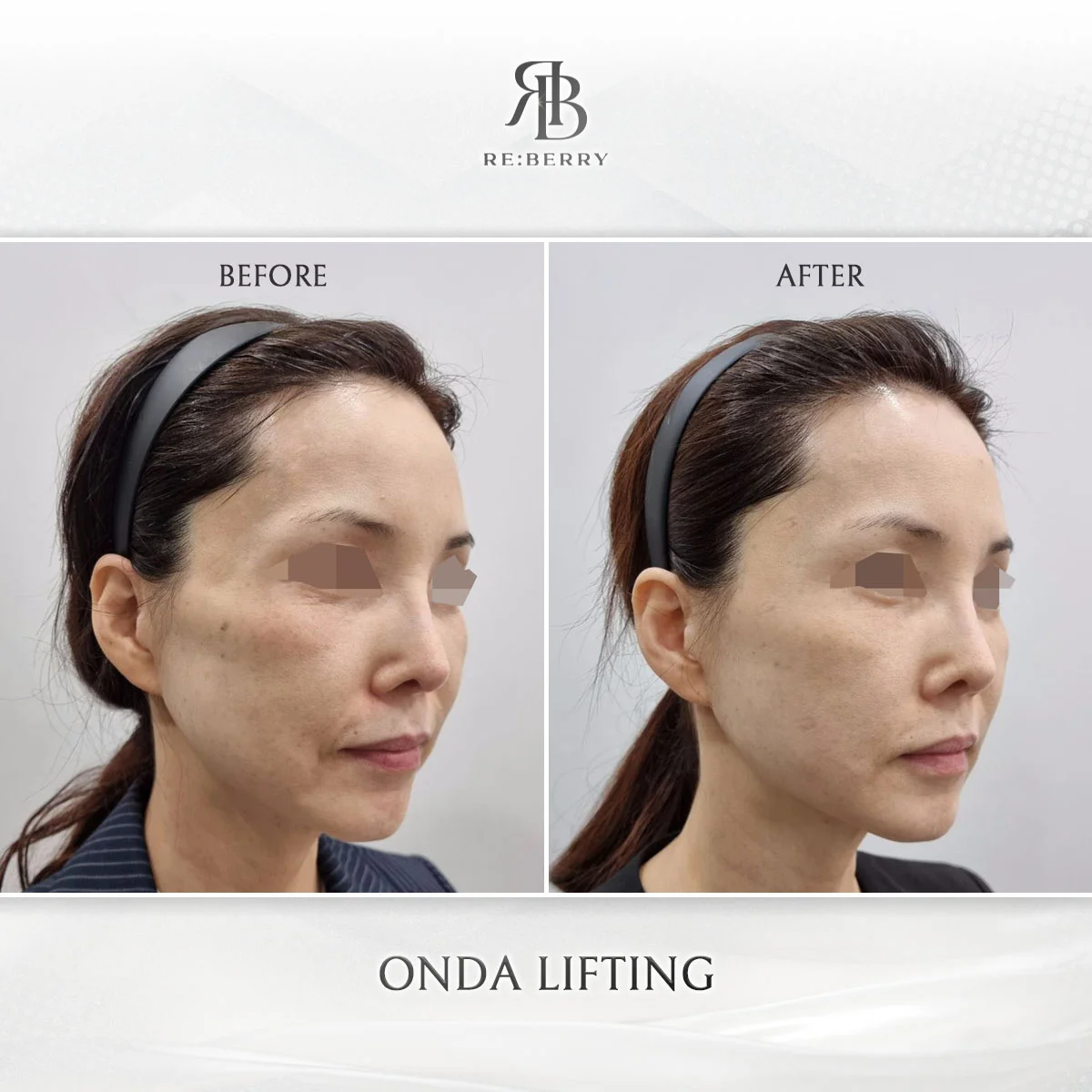
The clinic’s doctors check your skin, your remaining transit time, and your flight, then recommend a quick option and explain the cost in English.
Most layover sessions take about 30 to 45 minutes, so the treatment fits comfortably inside a 4 hour or longer free window.
Layover care is usually a single focused session rather than a course, so cost is quoted for that one visit.
Facials and aqua-peels give an immediate fresh look, while booster hydration builds over several days as the skin holds more moisture.
A quick refresh lasts days to weeks depending on the option, and simple hydration and sun protection help extend it while you travel.
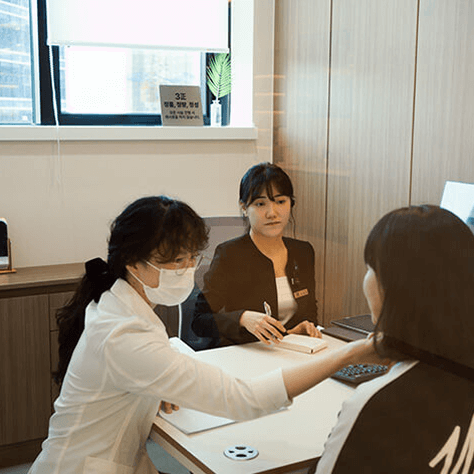
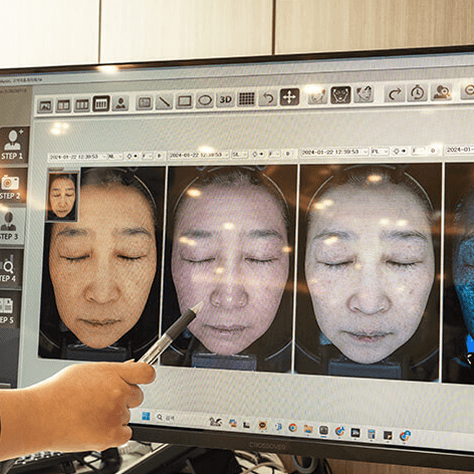
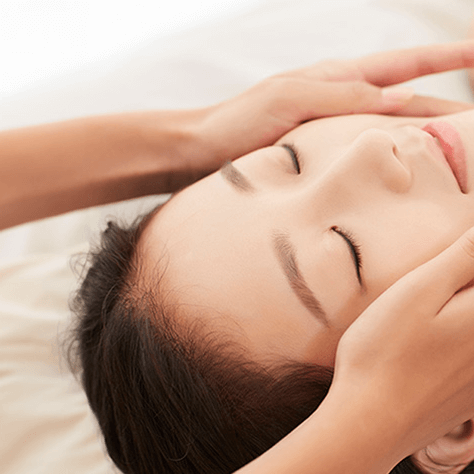
A layover treatment cost in Korea depends mainly on which quick option you pick and how much transit time is free. A hydrating facial sits in a lower range than an injectable booster. Because it is individualised, the clinic’s doctors confirm your exact cost at consultation. You can start on our skin care page.
Because layover options range from a fast facial to an injectable booster, two travellers rarely pick the same thing. The treatment chosen is the biggest cost driver, followed by session length and any add-ons. That is why cost is set after a doctor checks your skin and your remaining transit time rather than from one menu price.
An express hydrating facial or aqua-peel is usually the most affordable layover option, since it uses a single quick session and products rather than any injectable material. These take around 30 minutes, leave minimal downtime, and refresh tired travel skin. A hydrafacial is a popular low-cost, fly-ready choice.
A genuine free window of about 4 or more hours is comfortable, allowing transit to the clinic, a quick session, and time to reach your gate. A shorter window suits a fast facial only. Our English-speaking team helps confirm whether your specific layover realistically fits a treatment before you commit.
Yes, a quick skin booster generally costs more than a facial because it uses an injectable hydration material delivered into the skin, and that material adds to the price. A polynucleotide booster also lasts longer than a facial, so many travellers weigh cost against how long they want results.
Layover treatments are chosen specifically to be non-invasive to minimally invasive, so most travellers can fly the same day. A quick medical check confirms your skin is suitable and reduces the chance of temporary redness affecting your trip. Your doctor advises on simple in-flight care for whichever option you choose.
Most facials and aqua-peels leave only a mild, short-lived flush that settles quickly, so you look refreshed rather than treated. A booster may leave tiny temporary marks at injection points. Your doctor picks an option whose typical recovery fits comfortably inside your remaining transit time.
Yes, if you have a longer window, a facial can be paired with a light booster, though combining raises both time and cost. Your doctor sequences them so the skin is not over-stressed before a flight. For most short layovers, a single focused session is the more practical and affordable choice.
A hydrating facial or aqua-peel gives an immediate refresh lasting days to a couple of weeks, while an injectable booster hydrates for longer, often several weeks to a few months. Because a layover is a single session, it refreshes rather than transforms, and repeat visits build more lasting results over time.
Yes, a fast 30 minute facial costs less than a longer session or a facial-plus-booster combination, because clinic time and consumables scale with duration. Your remaining transit time naturally limits how long a session can run, which in turn shapes your options and their cost, all confirmed at consultation.
Our Incheon Airport (Yeongjongdo) location is designed for transit and stopover patients, making it convenient when your free time is limited. If your layover is longer, our Seoul locations (Gangnam, Myeongdong) are also reachable. You can review options first on our skin care page.
Most travellers with a few free transit hours and tired, dehydrated skin are suitable for a quick, low-downtime option. A short consultation confirms which treatment fits your skin, time, and budget. If you have an active skin infection or a very tight connection, your doctor may suggest waiting, and will explain why upfront.
Your skin type mainly guides which option is safest rather than changing the base price much. Sensitive or reactive skin may suit a gentle facial over stronger exfoliation, while a booster suits those wanting lasting hydration. Your doctor factors this in at consultation so the plan is both safe and appropriately priced.
Aftercare is simple and low-cost: hydrate, use sunscreen, and avoid heavy products for a day. Cabin air is drying, so a good moisturiser helps treated skin. A supportive skin care routine protects your refreshed skin during the onward flight and is discussed transparently as part of planning.
Yes, that is the whole point of a layover treatment, which is kept non-invasive so you can fly the same day. Moisturise, protect treated skin from sun through the window, and follow any advice for a booster. Your doctor times the session so you comfortably reach your gate afterwards.
For a one-off layover, no follow-up is usually needed, since these are single, low-downtime sessions. If you want lasting results, the clinic offers English remote check-ins and can plan repeat visits on future trips. You can also continue supportive skin care at home between layovers.
If your layover stretches to a full day or overnight, even a few hours is enough for a facial or booster at our Seoul locations. Many transit patients treat a long layover like a mini visit. Our team coordinates timing and cost around your onward flight so nothing is rushed.
| Express Hydrating Facial | Aqua-Peel | Quick Skin Booster | |
|---|---|---|---|
| Approach | Vortex cleansing and serum hydration | Water-based exfoliation and hydration | Injectable hydration into the skin |
| Best for | Tired, dehydrated travel skin | Dull, congested skin needing a reset | Longer-lasting glow and hydration |
| Time needed | Around 30 minutes, very quick | Around 30 to 40 minutes | Longer, plus brief settling time |
| Downtime | Minimal, fly-ready quickly | Minimal, mild flush possible | Minimal to mild, tiny marks possible |
| Results timeline | Immediate fresh, hydrated look | Immediate smoother, brighter feel | Builds over days as skin hydrates |
| Cost factors | Session and products, lower range | Session and products, low range | Injectable material adds to the total |
Real verified reviews from our Google Business Profile, across all Reberry Clinic locations.
PULLED LIVE FROM GOOGLE · GANGNAM · MYEONGDONG · INCHEON AIRPORT
Your treatment is planned and performed by experienced, MFDS-registered doctors across our Seoul-area clinics, with multilingual support for international patients.
Flagship clinic · KOL for leading lifting & regenerative devices
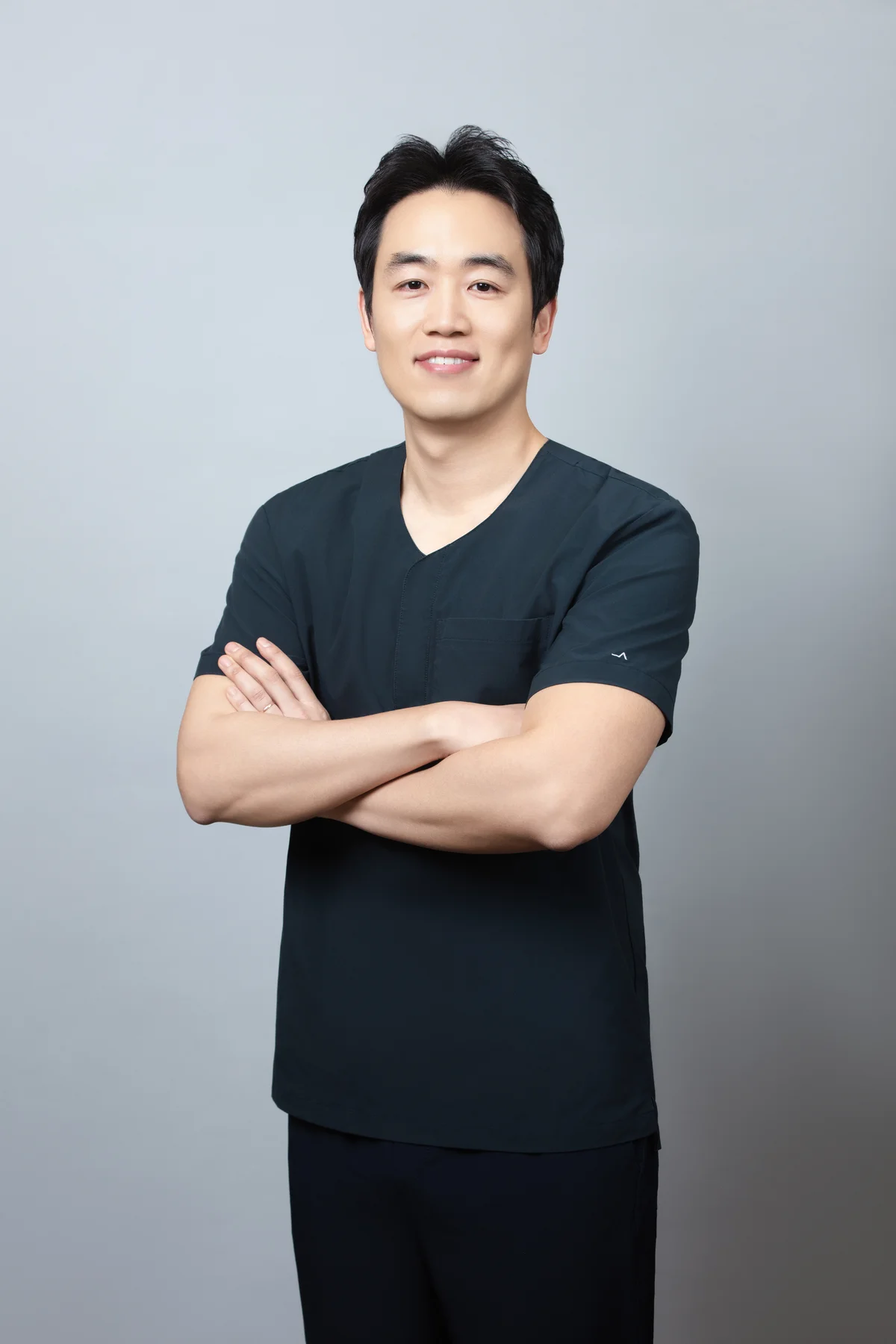
Multilingual tourist care beside Myeongdong Cathedral
Fast, effective care 20 minutes from the terminals
Message us on WhatsApp for a free consultation in English about a fly-ready layover treatment and a transparent, individualised cost.