



Gangnam
Dr. Yoon-Gon Ryu
Aesthetic Medicine Specialist
Flagship clinic · for leading lifting & regenerative devices · Featured in Authority Magazine (2026)


Korean skincare treatment is generally safe when performed by qualified doctors using gentle, low-risk methods; most side effects are mild redness or dryness that settle within 1 to 3 days.
Korean skincare treatment in Korea is generally safe when performed by qualified doctors using a gentle, low-risk K-beauty regimen of hydration, barrier support, mild boosters and light facials, with a patch test where needed. Most side effects are mild and short-lived, such as brief redness or dryness. A licensed clinic, honest medical history and conservative dosing keep risk low.
One-on-One guidance from a dedicated doctor, ensuring your skin is professionally monitored and treated from start to finish.
Fluent assistance in English, Japanese, and Chinese, making communication clear, respectful and comfortable for international patients.
Over 100,000 patients worldwide have received our personalized dermatological care, highlighting our expertise and reliable results.
Korean skincare treatment, often called K-beauty, is not a single procedure but a gentle, layered approach to healthy skin that prioritizes hydration, barrier repair and steady, subtle improvement over aggressive intervention. In a Korean clinic it typically blends a tailored skincare routine with mild in-clinic care such as hydrating facials, light exfoliation, gentle skin boosters and a personalized home regimen. The focus is on skin health, glow and resilience rather than dramatic structural change.
Because the K-beauty philosophy leans toward low-strength, well-tolerated methods, its safety profile is generally favorable, especially for first-timers and sensitive skin. Safety still depends on which treatments are chosen and how they are delivered, so a doctor reviews your skin type, sensitivity and goals before recommending anything. Approved products, correct concentrations and a patch-test-first mindset are what keep a gentle regimen safe and predictable.
Reberry Clinic is a dermatology clinic that provides these treatments through the clinic’s doctors. It serves international patients across three Seoul-area locations (Gangnam, Myeongdong, Incheon Airport) with English-speaking support, and explains the realistic safety of each option so you can build a routine that suits your skin rather than following a trend.
Most Korean skincare protocols rely on gentle, minimally invasive methods with a long track record. Hydrating facials and a hydrafacial use vortex cleansing and hydration that is non-thermal and does not wound the skin, while mild skin boosters deliver small amounts of hydrating or regenerative material into the upper dermis with very fine needles. Light exfoliation is kept at low, superficial strength to refresh the surface without deep injury, which keeps recovery short.
The main safeguards are clinical rather than purely technical: approved products, correct concentrations, sterile single-use needles, and screening for allergies or sensitivity before anything is applied. A regenerative booster such as Rejuran Healer is performed by the clinic’s doctors, who start conservatively and adjust to your skin so the routine supports your barrier instead of overwhelming it. Where skin is reactive, a patch test guides the plan.
One Reberry Clinic, multiple Seoul-area locations. Pricing & current promotions are listed on each branch's own site — tap a clinic to view pricing & book.
Our flagship in the heart of Gangnam.
In Seoul's shopping & tourism heart.
A beauty stop between flights.
The newest Reberry Clinic — in Seoul's trend district.
ONE REBERRY CLINIC · MFDS-REGISTERED DEVICES · MULTILINGUAL CARE AT EVERY LOCATION
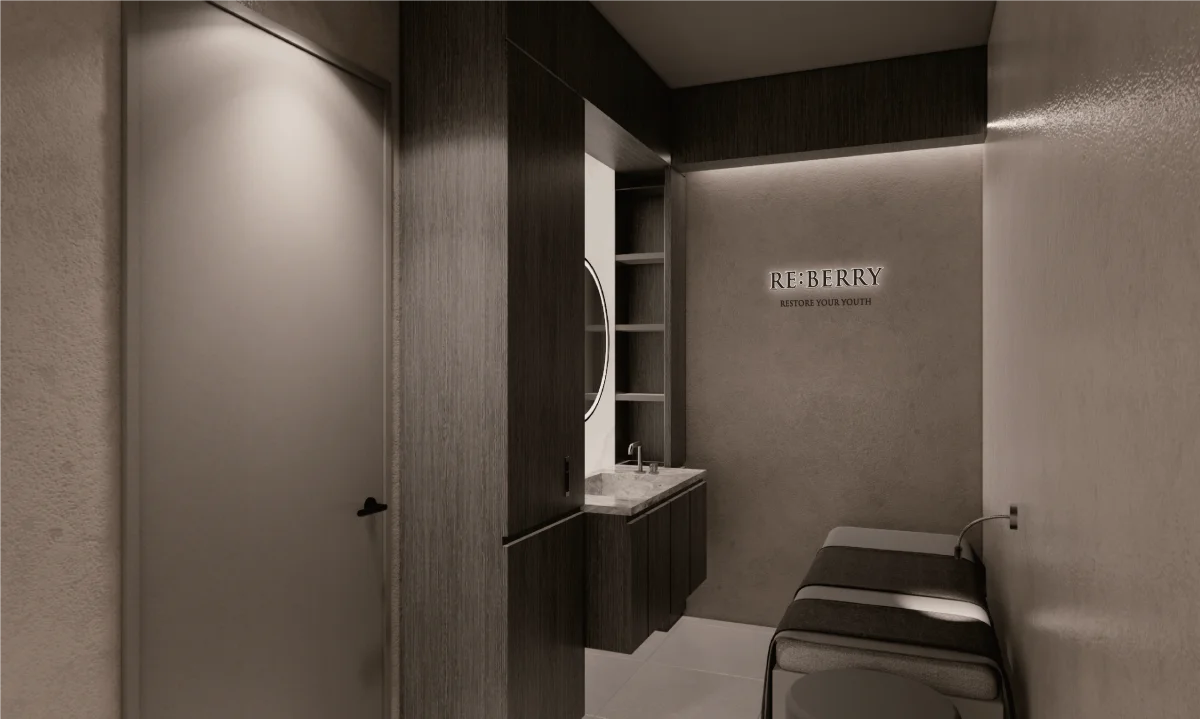

A doctor evaluates your skin type, sensitivity and goals across the 3 core concerns: hydration, barrier strength and tone.
You disclose allergies, medications and skin conditions so the doctor can exclude the 4 to 5 common triggers before any product is used.
The plan selects 1 to 3 mild in-clinic steps, such as a hydrating facial, light exfoliation or a gentle booster, matched to your skin.
For reactive skin, a small test is done and reviewed over 1 to 2 days before applying a product more widely.
You receive a written home regimen and follow-up plan; most mild effects settle within 1 to 3 days.
Reberry Clinic · Prices verified: Oct 2026
| Clinic | Price (KRW) |
|---|---|
| GangnamMulti-Master Care (Iontophoresis/Regeneration/Cryocell) | from₩59,000 |
| MyeongdongBasic Facial Package 10 Sessions | from₩490,000 |
| Incheon AirportMy-Choice Skin Care 10 Sessions | from₩650,000 |
VAT excluded · Treatment packages differ by clinic — see each clinic page for its full menu · Confirmed after consultation
Before-and-after photos are being updated.
An English-language consultation assesses your skin, screens for sensitivities and builds a personalized, safety-first K-beauty plan.
The doctor delivers the chosen gentle steps using approved products and sterile single-use needles; a session commonly takes 30 to 60 minutes.
Many patients start with a single visit, while boosters may suit a short course of 2 to 3 sessions spaced a few weeks apart.
Hydration and glow can appear within days, with texture and barrier health improving steadily over several weeks.
Maintaining results means daily SPF, gentle skincare and periodic touch-ups; written aftercare supports travelers continuing at home.



Korean skincare treatment in Korea is generally safe when performed by qualified doctors using gentle, low-risk methods and approved products, with serious complications uncommon. Most side effects are mild, such as brief redness or dryness. Choosing a licensed clinic and a consultation-led plan like a skin care routine keeps risk low.
The most common side effects are mild and short-lived: temporary redness, brief dryness, light flaking from exfoliation, or pinpoint bruising from a booster, usually settling within 1 to 3 days. Serious reactions are uncommon with gentle methods. Following your written aftercare and using a good moisturizer reduces irritation while your skin adjusts.
Good candidates are adults wanting healthier, more hydrated, resilient skin without dramatic change, including first-timers and sensitive skin. Most skin tones are suitable when products and settings are chosen correctly. A doctor confirms your candidacy, screens for sensitivities and tailors gentle steps within a hydrafacial or booster plan.
Discomfort is generally minimal because most steps are gentle. Facials and light exfoliation are usually painless, while a skin booster uses very fine needles that feel like quick pinpricks, often eased with numbing cream. Comfort options are reviewed beforehand and adjusted to your sensitivity, so the experience stays easy for most patients.
Downtime is minimal for most K-beauty steps. Hydrating facials often allow same-day normal activity, while boosters or light exfoliation may leave brief redness, dryness or pinpoint marks that settle within 1 to 3 days. This makes a gentle Korean routine practical for travelers fitting treatment into a short Seoul trip.
Hydration and a fresher glow can appear within days, while texture, tone and barrier health improve steadily over several weeks, especially with a short booster course. Results build gradually rather than appear instantly. Your expected timeline is mapped at consultation so you know what to anticipate after each session.
Longevity varies by method and skin: a hydrating glow may last weeks, while booster and toning benefits can persist for months with maintenance. Because results are quality-based rather than permanent, daily SPF, gentle skincare and periodic touch-ups help sustain them. Expectations are individualized at your consultation so goals stay realistic.
Many patients start with a single visit, while boosters often work best as a short course of about 2 to 3 sessions spaced a few weeks apart. The exact number depends on your skin and goals. Your plan is set after assessment, with maintenance discussed separately so you can pace treatment around travel.
Yes, K-beauty steps are often combined thoughtfully, for example pairing a hydrating booster with a gentle facial, sequenced so the barrier is not overloaded. A doctor decides safe combinations and spacing. You can explore options such as Rejuran Healer alongside a facial during your consultation.
Yes, sensitive skin can usually be treated safely because K-beauty favors gentle, low-strength methods, and a doctor screens for triggers and patch tests first. Settings are adjusted to minimize irritation, and a glass facial skin plan can stay conservative. Your sensitivity is assessed before any routine or product is finalized to keep it comfortable.
They work at different depths: a hydrating facial cleanses and hydrates the surface with no needles, while a skin booster adds hydration and support in the dermis via micro-injections. Facials suit gentle maintenance; boosters suit deeper, longer-lasting hydration. Compare a hydrafacial with a booster during your consultation to match your skin.
Yes, with correct technique. Hydration and gentle boosters suit all tones, and any laser or exfoliation is performed at conservative settings to lower the chance of temporary pigment change in deeper skin. Experience and imaging guide the approach, and your suitability is confirmed by the clinic’s doctors at assessment before treatment begins.
Avoid strong actives, harsh scrubs, saunas, intense sun and heavy makeup for a short period, typically 1 to 3 days, while skin settles. Keep skin hydrated and wear SPF daily. The clinic provides written skin care aftercare so you can follow these steps correctly, including once you return home.
Yes, Reberry Clinic serves international patients with English-speaking support across three Seoul-area locations, including one near Incheon Airport. You can be assessed and treated on your trip and supported afterward from abroad. Message us on WhatsApp to plan a safe, consultation-led K-beauty visit around your itinerary.
A short trip is usually enough; many gentle steps are done in a single visit of about 30 to 60 minutes after assessment. If you choose a booster course, sessions can be spaced across visits or partly continued at home. Our team helps schedule treatment around your travel dates and itinerary.
Yes, most patients fly the same or next day, since gentle K-beauty steps have minimal downtime and any redness settles quickly. Avoid excess heat and sun in the first days and follow your aftercare. You receive a written plan so you can maintain results and follow up from abroad if any question arises.
Focus on gentle cleansing, consistent hydration, barrier support and daily SPF, with in-clinic boosters or facials as periodic maintenance rather than a one-time fix. Your doctor sets a simple, sustainable regimen suited to your skin. Written guidance and remote follow-up help you keep the routine on track after you return home.
| Hydrating facial / hydrafacial | Gentle skin booster | Light exfoliation | |
|---|---|---|---|
| Mechanism | Vortex cleansing and hydration, non-thermal | Micro-injections of hydrating or regenerative material into upper dermis | Low-strength superficial resurfacing of the surface layer |
| Invasiveness | Non-invasive surface treatment | Minimally invasive (very fine needles) | Non-invasive to superficial |
| Common side effects | Temporary redness, very mild | Pinpoint bruising, brief swelling | Mild redness, brief dryness or flaking |
| Downtime | None to minimal | Little; redness settles in 1 to 3 days | Little; surface refreshes over a few days |
| Best for | Cleansing, hydration and glow | Deeper hydration, texture and skin resilience | Dullness and rough surface texture |
| Sessions | Single or repeated | Often a short course | Often a light series |
| Cost context | Consultation-led; depends on add-ons | Consultation-led; depends on product and sessions | Consultation-led; depends on sessions |
Real verified reviews from our Google Business Profile, across all Reberry Clinic locations.
PULLED LIVE FROM GOOGLE · GANGNAM · MYEONGDONG · INCHEON AIRPORT
Your treatment is planned and performed by experienced, MFDS-registered doctors across our Seoul-area clinics, with multilingual support for international patients.
Flagship clinic · for leading lifting & regenerative devices · Featured in Authority Magazine (2026)

Multilingual tourist care beside Myeongdong Cathedral

Fast, effective care 20 minutes from the terminals
Message us on WhatsApp for a free consultation in English and a safety-first, personalized Korean skincare plan.