



Gangnam
Dr. Yoon-Gon Ryu
Aesthetic Medicine Specialist
Flagship clinic · KOL for leading lifting & regenerative devices · Featured in Authority Magazine (2026)

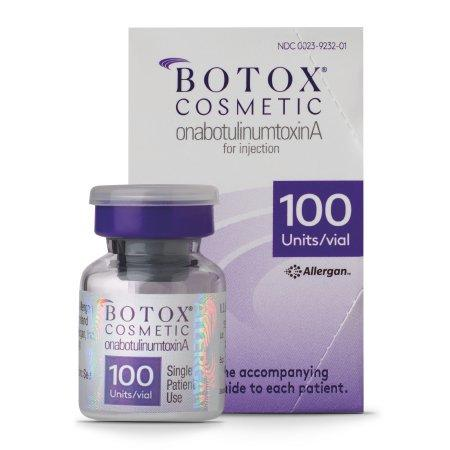
Intradermal botulinum toxin type A for the soles typically keeps sweating reduced for about 4 to 6 months per session, with dryness building over roughly 1 to 2 weeks.
Sole hyperhidrosis treatment in Korea typically lasts about 4 to 6 months per session. Intradermal botulinum toxin type A blocks the nerve signal to sweat glands, so the soles stay far drier before the effect fades and a repeat is scheduled. Dryness builds over roughly 1 to 2 weeks, and duration varies with dose, point count, and activity level.
One-on-One guidance from a dedicated doctor, ensuring your skin is professionally monitored and treated from start to finish.
Fluent assistance in English, Japanese, and Chinese, making communication clear, respectful and comfortable for international patients.
Over 100,000 patients worldwide have received our personalized dermatological care, highlighting our expertise and reliable results.
Plantar (sole) hyperhidrosis is excessive sweating of the soles beyond what the body needs for temperature control. The main in-clinic treatment is intradermal botulinum toxin type A, injected in a fine grid across the sole. It temporarily blocks the acetylcholine signal that activates sweat glands, so the foot sweats far less for months. It is non-surgical, does not remove sweat glands, and the effect is temporary and repeatable.
Because the question most people ask is how long relief lasts, it helps to understand the timeline. The effect is not immediate: dryness builds over a few days and peaks within about 1 to 2 weeks, then holds for several months before gradually fading as nerve endings recover. Soles have thick skin and are sensitive, so comfort management, such as numbing, cooling, vibration, or an ankle nerve block, is part of a good sole protocol and does not change how long the result lasts.
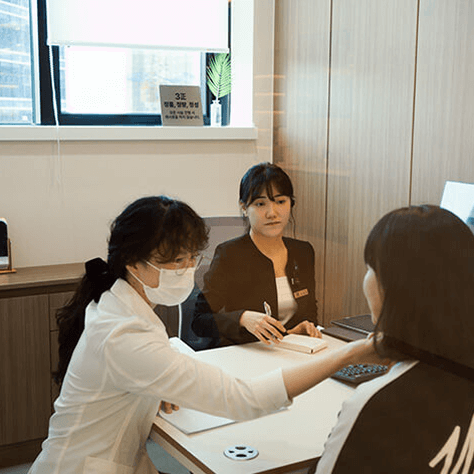
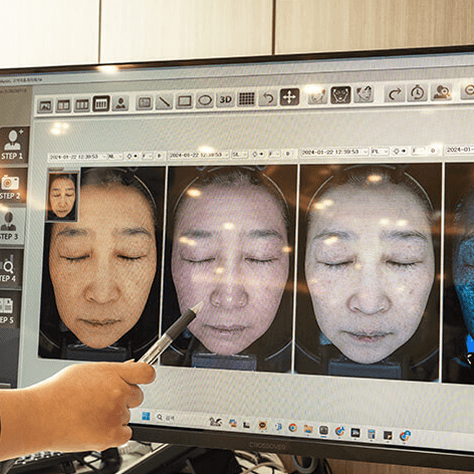
At Reberry Clinic, sole hyperhidrosis care is consultation-led. The clinic’s doctors confirm the diagnosis, map the sweating area, and plan dosing per foot, then explain the expected timeline and when a repeat is likely. International patients are supported in English in Korea, so treatment and any repeat can be timed around visits.
Sweat glands are activated by acetylcholine released from small sympathetic nerve endings in the skin. Botulinum toxin type A blocks that release locally, so the signal never reaches the sole’s sweat glands and sweating drops sharply. The block is not permanent: over the following months, nerve endings gradually sprout and recover their ability to signal, which is why sweating slowly returns and the treatment is repeated. On the soles, an even grid of injection points spaced about 1.5 to 2 cm apart, often 30 to 50 points per foot, is placed so coverage is uniform and dryness holds across the whole sole rather than fading unevenly. The sweating map can be defined first with a starch-iodine (Minor’s) test. Studies of palmoplantar treatment commonly report duration around 4 to 6 months per session, with sweat production falling significantly within the first month. Dose, point count, and how active the feet are all influence how long a given result lasts, so the interval between sessions is set to each person.
One Reberry Clinic, multiple Seoul-area locations. Pricing & current promotions are listed on each branch's own site — tap a clinic to view pricing & book.
Our flagship in the heart of Gangnam.
In Seoul's shopping & tourism heart.
A beauty stop between flights.
The newest Reberry Clinic — in Seoul's trend district.
ONE REBERRY CLINIC · MFDS-REGISTERED DEVICES · MULTILINGUAL CARE AT EVERY LOCATION
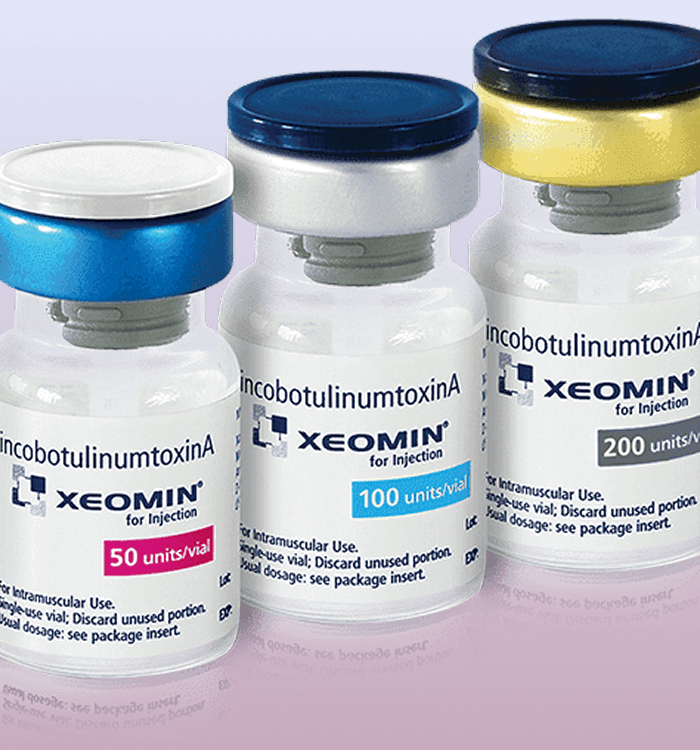
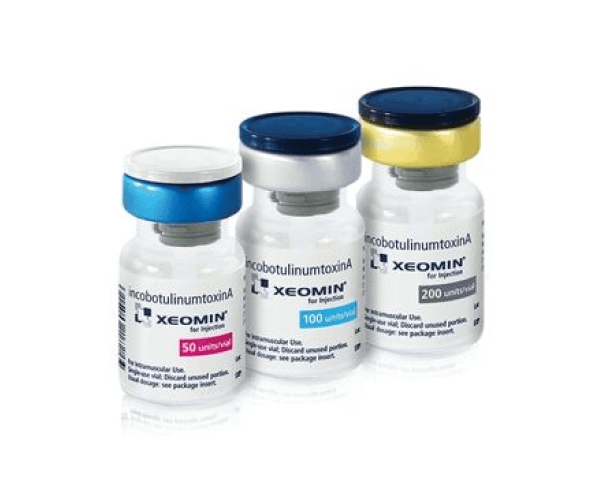
The clinic’s doctors confirm sole sweating is primary, then grade its impact using a 4-point severity scale, which guides how aggressively to dose for durable relief.
A starch-iodine test stains the most active areas so 30 to 50 injection points cover the whole sole, including heel and toes, so dryness lasts evenly.
Botulinum toxin type A is placed in a fine grid within the skin, spaced about 1.5 to 2 cm apart; the session usually takes about 20 to 30 minutes per foot.
Sweat reduction builds over a few days and peaks within about 1 to 2 weeks, then holds steadily for several months.
As nerve endings recover over roughly 4 to 6 months, sweating gradually returns and the session is repeated to maintain dryness.

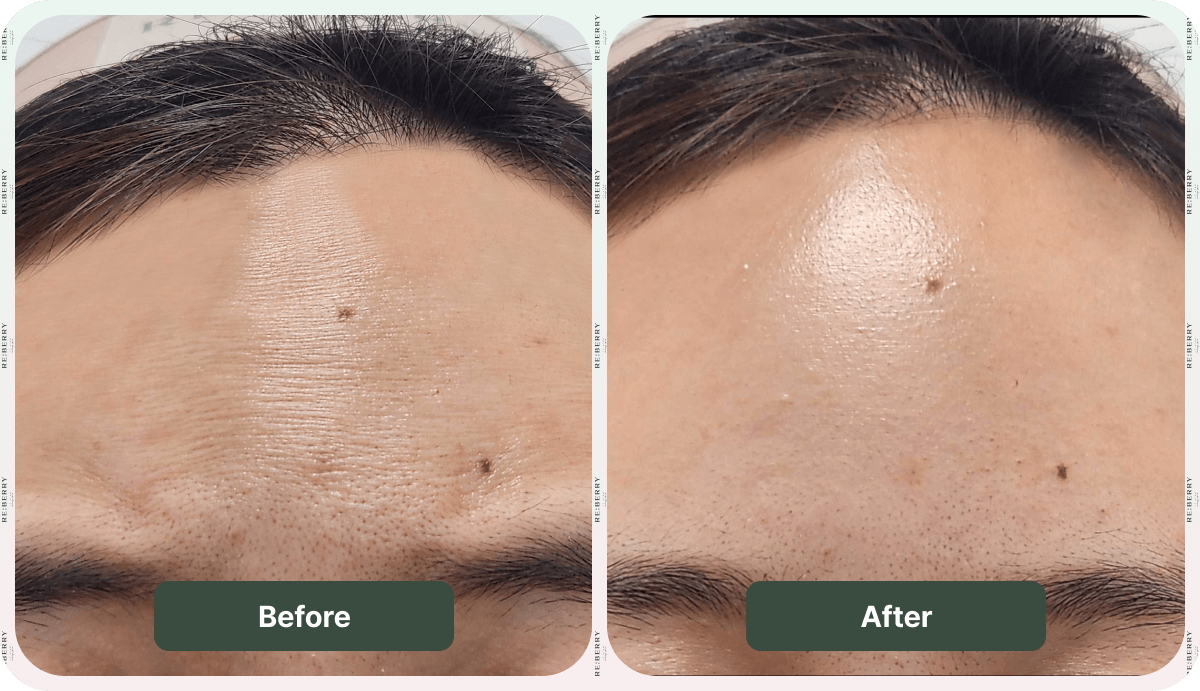
See representative outcomes from Reberry Clinic. Results build gradually and vary by individual; your plan is assessed at consultation.
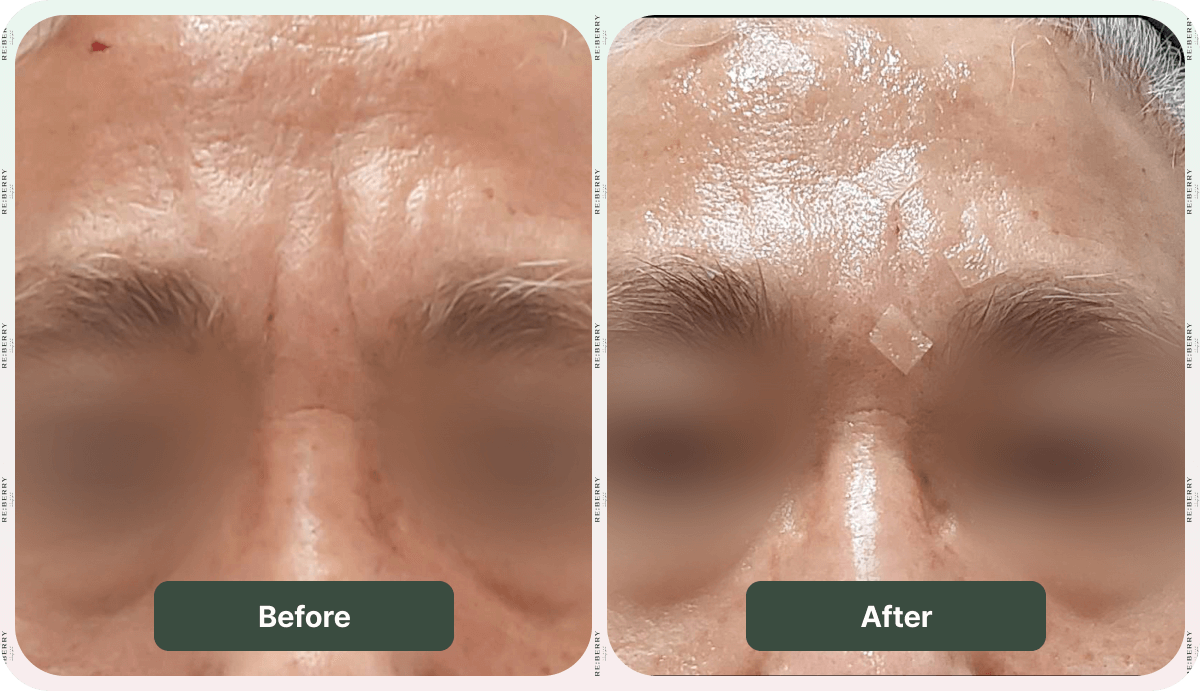
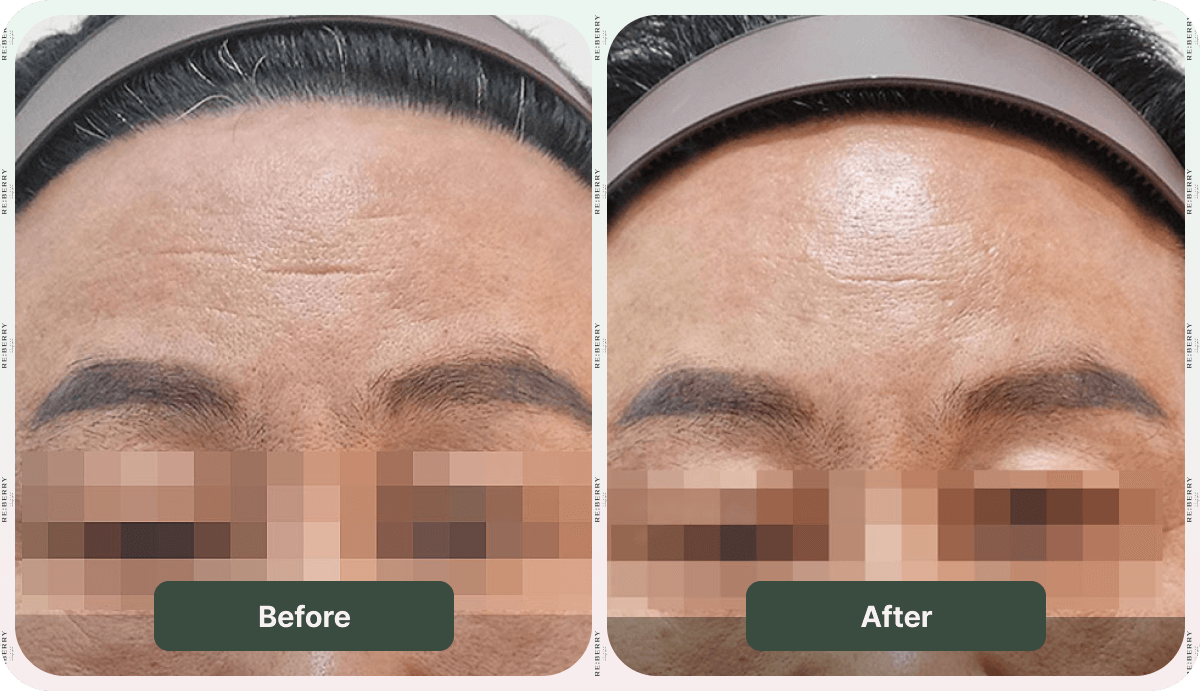
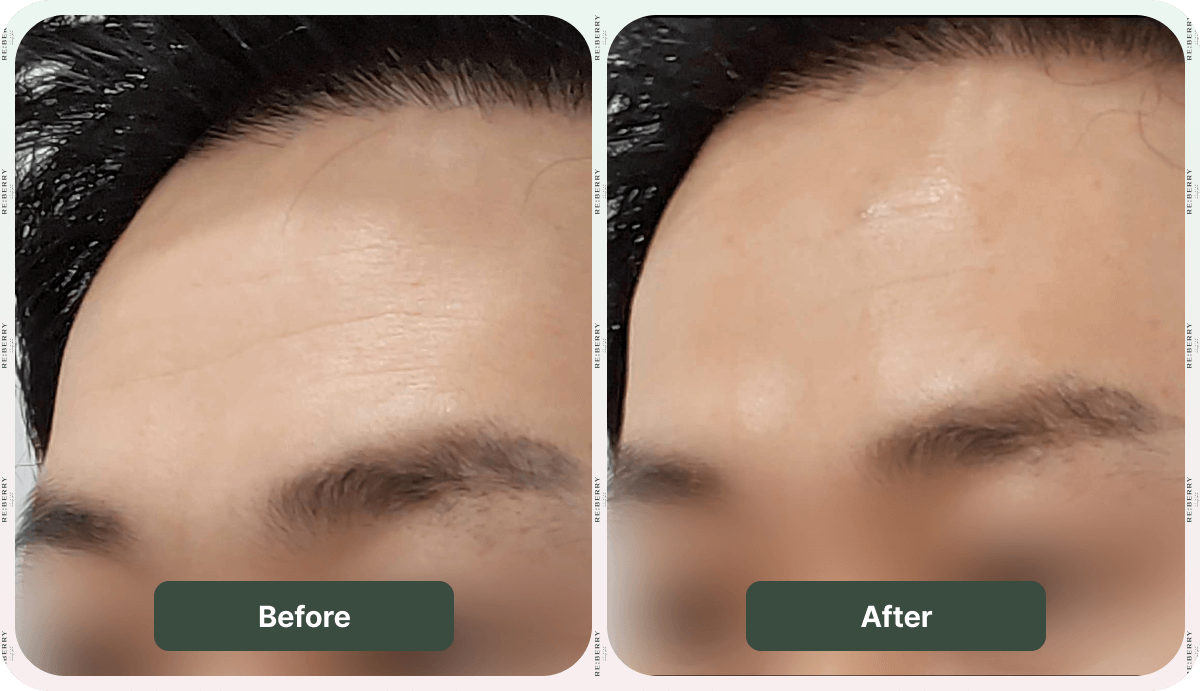
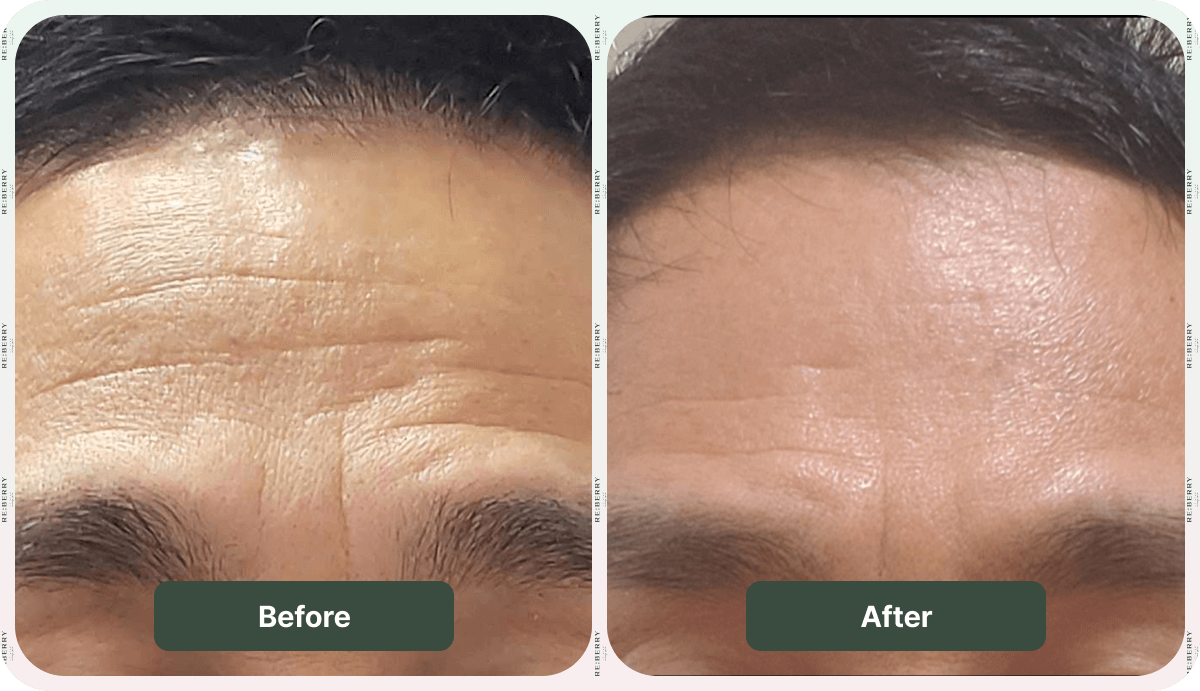
The clinic’s doctors confirm sole sweating is primary, grade its impact, and explain the timeline, comfort options, and cost transparently in English.
Numbing or a nerve block is prepared first, then treatment across the whole sole usually takes about 20 to 30 minutes per foot area.
The visit is short, but the sweat-reducing effect builds over the following days rather than being immediate.
Most people notice clearly drier soles within about 1 to 2 weeks, holding for several months before a repeat is considered.
Because the effect wears off as nerves recover, sole sessions are repeated roughly every 4 to 6 months to maintain dryness.
Sole hyperhidrosis treatment commonly lasts about 4 to 6 months per session, though this varies by person, dose, and activity level. As sweating gradually returns while nerves recover, the session is repeated. You can read more about the approach on our botox injection page.
Sole dryness builds over a few days and typically peaks within about 1 to 2 weeks after treatment, not immediately, as the toxin gradually blocks the nerve signal. If a small area still sweats after two weeks, your doctor can review and top up so coverage across the sole is even and lasts.
The effect fades because botulinum toxin only temporarily blocks the nerve signal to sweat glands, and over months the nerve endings recover and start signalling again. This is normal and expected, which is why sole treatment is repeated roughly every 4 to 6 months rather than being a permanent, one-time fix.
Intradermal botulinum toxin type A is the main in-clinic treatment for sole sweating. Injected in a fine grid across the sole, it temporarily blocks the nerve signal that activates sweat glands, so the feet sweat far less for months. You can see how it is used on our injection treatment page.
Dose and point count both influence how long dryness lasts, and adequate coverage across the whole sole supports a more durable, even result. Your doctor sets the dose to your sweating map rather than simply maximising it, since correct intradermal placement matters more than volume for lasting comfort.
A sole usually needs around 30 to 50 injection points per foot, spaced about 1.5 to 2 cm apart, so the whole surface including heel and toes is covered and dryness lasts evenly. Thick sole skin also needs careful needle depth. Your doctor tailors the exact grid to your starch-iodine map.
Soles have thick, sensitive skin, so comfort care is essential and used routinely: numbing, cooling, vibration, or an ankle nerve block. Most sessions take about 20 to 30 minutes. With proper preparation, most patients tolerate sole treatment well, and comfort measures do not shorten how long results last.
Downtime is minimal, and you can walk gently the same day, though brief tenderness underfoot is common for a short while. Long walks, running, and intense heat are avoided briefly. Comfortable, cushioned shoes help. Your doctor gives specific aftercare so your feet recover comfortably as the effect builds.
Because each session lasts about 4 to 6 months, most people repeat treatment roughly 2 to 3 times a year to keep the soles dry. Many settle into a comfortable rhythm. You can plan repeats around visits to Korea, and our botox injection page explains the approach.
Yes, heavy foot use, sport, and hot conditions can shorten the typical 4 to 6 month window because the feet are worked harder. Duration also varies with individual metabolism. Your doctor tracks how long dryness lasts for you and schedules repeats to match your real pattern rather than a fixed calendar.
Yes, soles and palms are separate areas and can be treated with per-area dosing, often in the same visit, since neither competes with the other. Many people with sweaty feet also have sweaty palms. You can compare related options on our injection treatment page, and each area lasts on its own timeline.
Studies report that intradermal botulinum toxin type A is well tolerated for plantar hyperhidrosis, with side effects usually mild and temporary. A proper consultation screens for contraindications like pregnancy or neuromuscular conditions. You can read how it is used on our botox injection page.
Most side effects are mild and short-lived, such as injection-site tenderness, small bruises, or brief walking discomfort. Because the sole is used for balance, careful dosing avoids affecting foot muscles. Your doctor injects at the right depth to keep walking comfortable while reducing sweat for the months that follow.
Avoid long walks, running, saunas, and intense heat for the rest of the day, wear comfortable cushioned shoes, and keep the skin clean and dry. Keeping feet dry also lowers infection risk. A gentle skin care routine keeps treated skin comfortable while the effect settles.
A visit of 1 to 2 days is usually enough, as sole mapping and injection take about 20 to 30 minutes with minimal downtime. Because dryness builds over 1 to 2 weeks, many international patients fly home afterwards. Our English-speaking team helps you coordinate timing around your trip and comfortable walking.
Yes, flying within a day or so is generally fine because sole treatment is non-surgical with minimal downtime. Wear comfortable shoes, avoid long walks and excessive heat while travelling, and keep feet clean and dry. If you had a nerve block, wait until normal sensation and balance return before walking far.
International patients can be reviewed in English between visits, and repeat sole sessions are timed to your next trip to Korea before dryness fully fades. Your sole map and dosing are kept on file for continuity. You can plan the approach in advance on our botox injection page.
| Intradermal Botulinum Toxin | Prescription Antiperspirant | Iontophoresis | |
|---|---|---|---|
| Mechanism | Temporarily blocks the nerve signal to sole sweat glands | Topically reduces sweat-duct output on the sole | Uses a mild electric current in water to reduce foot sweating |
| How long it lasts | Commonly about 4 to 6 months per session, then repeated | Only while used daily; effect stops when you stop | Days per session; needs frequent maintenance |
| Onset | Builds over days, peaks within about 1 to 2 weeks | Gradual with regular nightly use | Gradual over repeated sessions |
| Best for | Moderate to marked sole sweating wanting months of relief | Milder sole sweating or a first at-home step | Foot sweating for those preferring a device-based routine |
| Downtime | Minimal; brief walking tenderness possible | None | None, but ongoing sessions required |
| Cost context | Depends on point count per foot and area covered | Lower per-item but continuous | Device or repeated-session cost over time |
Real verified reviews from our Google Business Profile, across all Reberry Clinic locations.
PULLED LIVE FROM GOOGLE · GANGNAM · MYEONGDONG · INCHEON AIRPORT
Your treatment is planned and performed by experienced, MFDS-registered doctors across our Seoul-area clinics, with multilingual support for international patients.
Flagship clinic · KOL for leading lifting & regenerative devices · Featured in Authority Magazine (2026)

Multilingual tourist care beside Myeongdong Cathedral

Fast, effective care 20 minutes from the terminals
Message us on WhatsApp for a free consultation in English about how long sole hyperhidrosis treatment lasts and a transparent, individualised plan.