

Gangnam
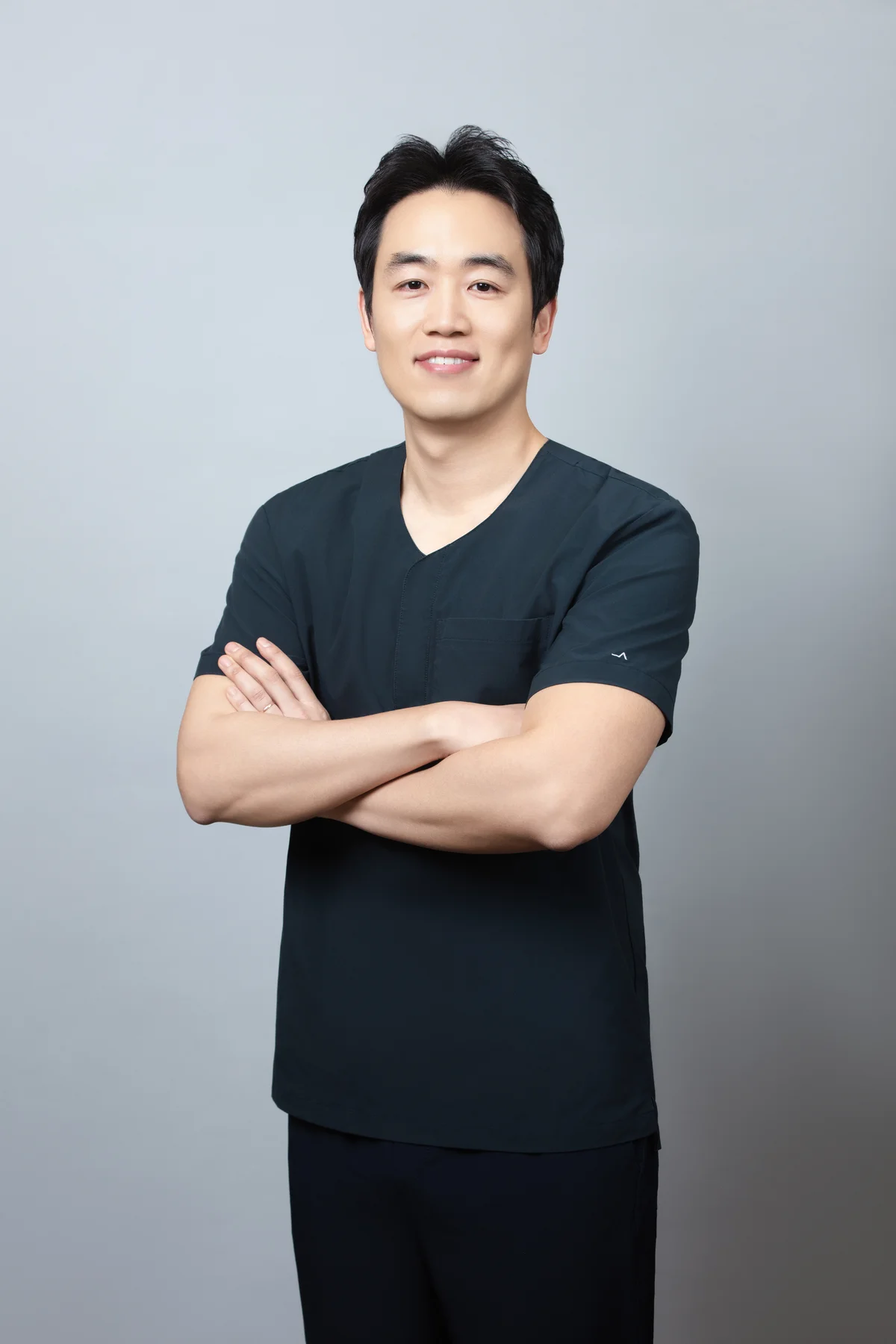
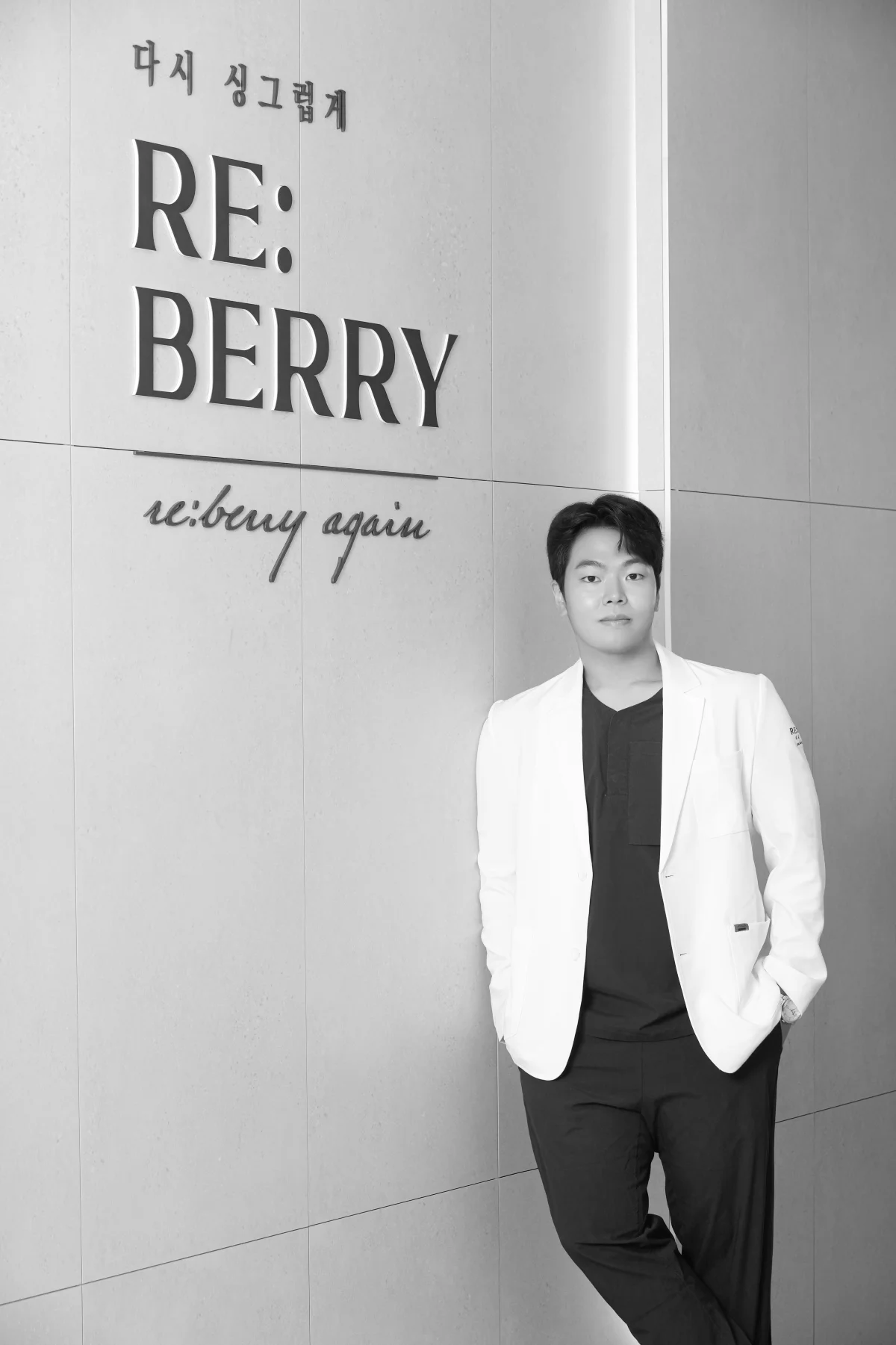
Dr. Yoongon Ryu
Aesthetic Medicine Specialist
Flagship clinic · KOL for leading lifting & regenerative devices

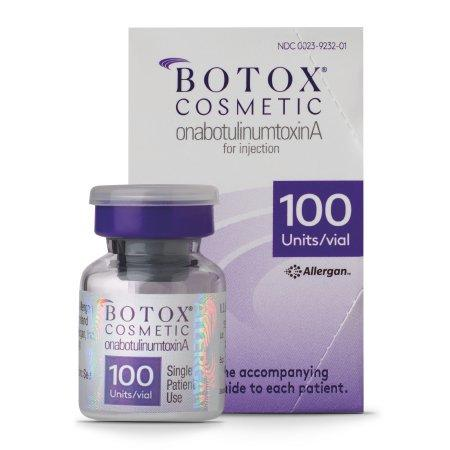
Botulinum toxin type A blocks the nerve signal to overactive sweat glands; effects are temporary, typically lasting 4 to 7 months, and most side effects are mild and short-lived.
Hyperhidrosis treatment with botulinum toxin type A in Korea is generally safe when a licensed doctor doses it correctly and maps the injection points. It temporarily switches off overactive sweat glands, effects last about 4 to 7 months, and most side effects, such as minor injection-site soreness or brief bruising, are mild. Safety depends mainly on the clinic and technique.
One-on-One guidance from a dedicated doctor, ensuring your skin is professionally monitored and treated from start to finish.
Fluent assistance in English, Japanese, and Chinese, making communication clear, respectful and comfortable for international patients.
Over 100,000 patients worldwide have received our personalized dermatological care, highlighting our expertise and reliable results.
Hyperhidrosis is excessive sweating beyond what the body needs to cool itself, most often affecting the underarms, palms or soles. The mainstay injectable treatment uses botulinum toxin type A, the same neuromodulator used for wrinkles, but here it is placed into the skin to block the nerve signal that tells sweat glands to activate. Because the effect wears off over roughly 4 to 7 months, it is temporary and reversible rather than a permanent change to your glands.
Safety comes down to three things: a genuine product, a correct dose spread over a grid of shallow injections, and a doctor who knows the anatomy of the area being treated. Most reported side effects are mild and transient: minor soreness, small bruises, or brief compensatory sweating elsewhere. In the palms, temporary, mild hand-grip weakness can occur and resolves as the effect fades; a careful clinic warns you and doses accordingly. Serious events are uncommon and usually linked to incorrect dosing or non-genuine product.
Reberry Clinic is a dermatology clinic that performs injectables through the clinic’s doctors across three Seoul-area locations (Gangnam, Myeongdong, Incheon Airport), with English-speaking support so international patients can discuss risks, suitability and aftercare clearly before any injection treatment for sweating.
The eccrine sweat glands are switched on by a nerve chemical called acetylcholine. Botulinum toxin type A temporarily blocks the release of that chemical at the gland, so the sweat glands stop over-firing in the treated zone for about 4 to 7 months. It does not damage or remove the glands; the nerve endings regenerate over time and normal sweating gradually returns, which is exactly why the treatment is reversible and considered low-risk when performed well.
The toxin is placed as many shallow injections across a mapped grid, commonly 15 to 20+ points per underarm, so the dose is spread evenly rather than concentrated. Korea has a high volume of injector experience, but volume alone is not safety; a genuine toxin at a standard dilution and a doctor who maps the sweating area (sometimes confirmed with a starch-iodine test) are the deciding factors. Where sweating overlaps with other concerns, the clinic will explain the safest sequence rather than over-treating in one visit.
One Reberry Clinic, multiple Seoul-area locations. Pricing & current promotions are listed on each branch's own site — tap a clinic to view pricing & book.
Our flagship in the heart of Gangnam.
In Seoul's shopping & tourism heart.
A beauty stop between flights.
The newest Reberry Clinic — in Seoul's trend district.
ONE REBERRY CLINIC · MFDS-REGISTERED DEVICES · MULTILINGUAL CARE AT EVERY LOCATION
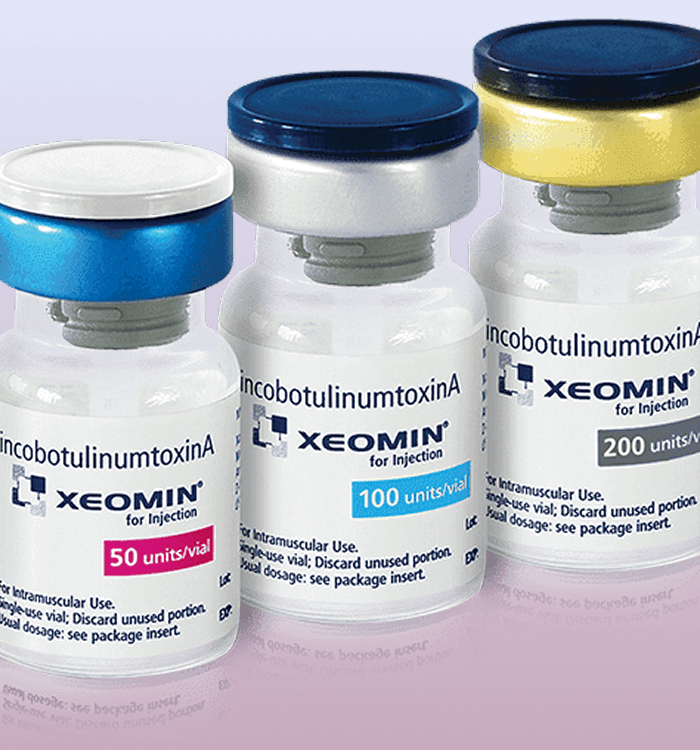
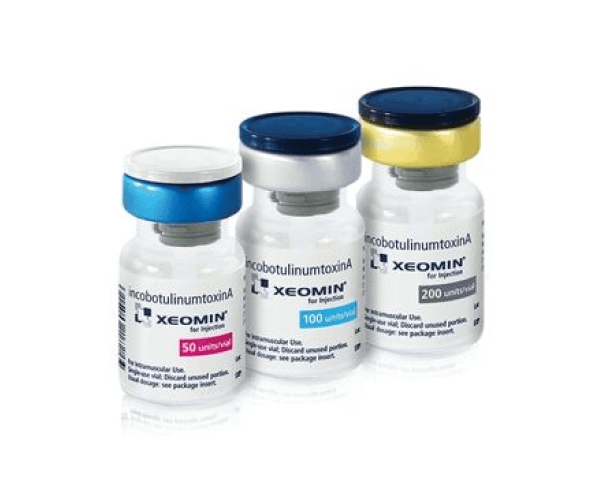
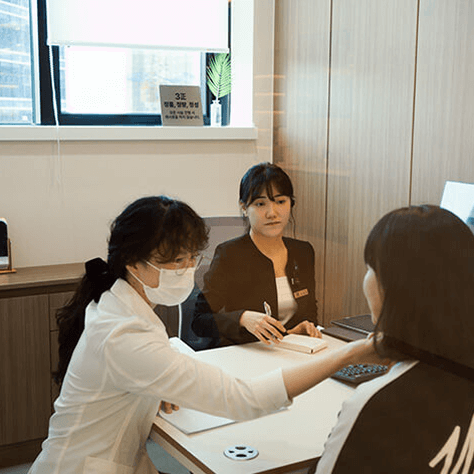
The doctor reviews your history, confirms primary hyperhidrosis and rules out contraindications during 1 detailed consultation.
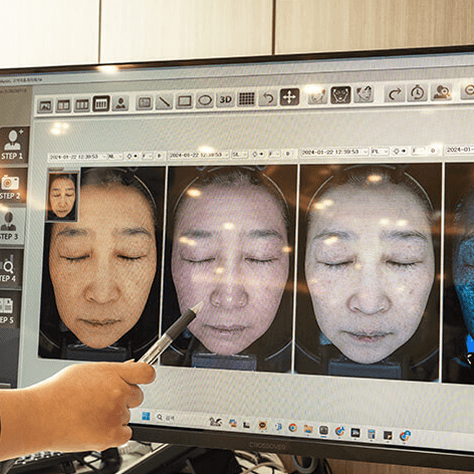
The sweating zone is mapped, sometimes with a starch-iodine test, so the 15 to 20+ injection points cover the active glands.
A genuine botulinum toxin type A is reconstituted at a standard dilution so each shallow dose behaves predictably.
Toxin is placed just 2 to 3 mm under the skin across the grid, keeping the dose local and lowering the chance of unwanted spread.
You receive written aftercare and a follow-up around 2 weeks, with small top-ups if any patch still sweats.

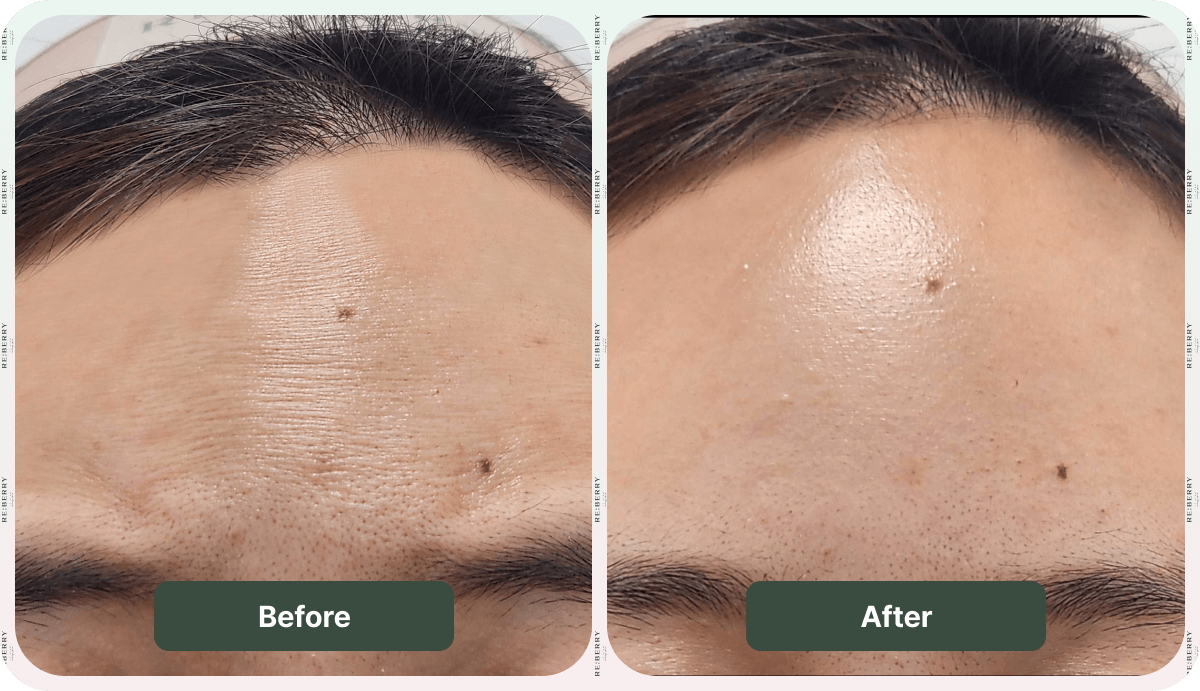
See representative outcomes from Reberry Clinic. Results build gradually and vary by individual; your plan is assessed at consultation.
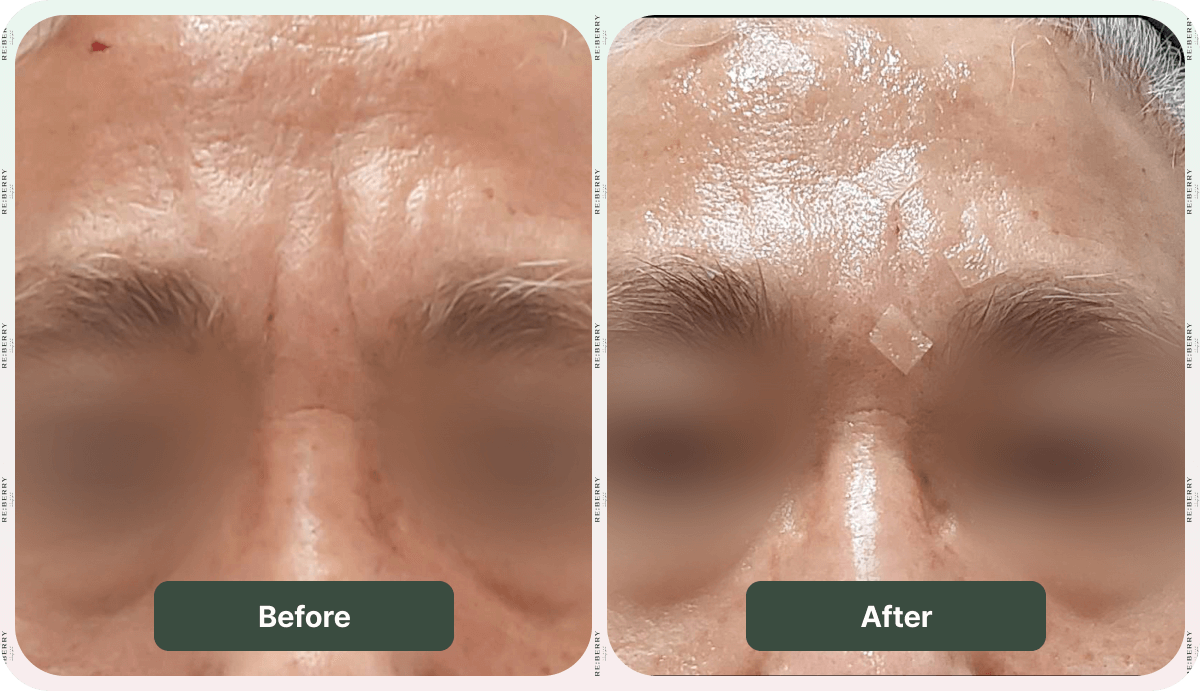
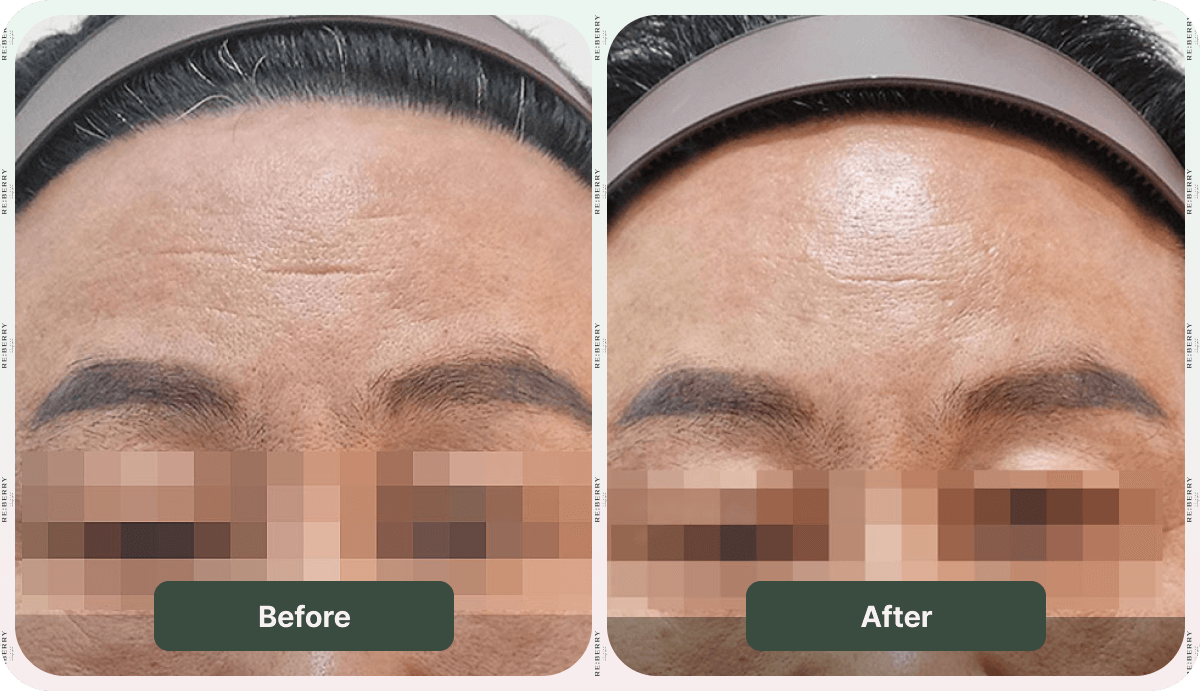
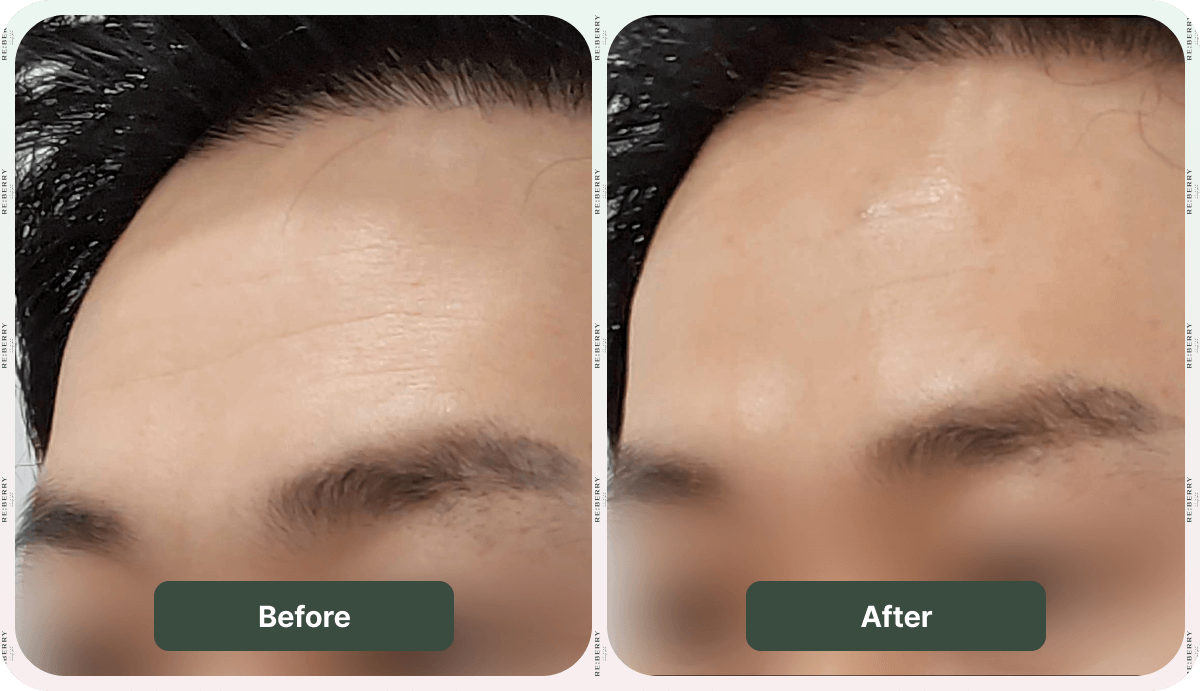
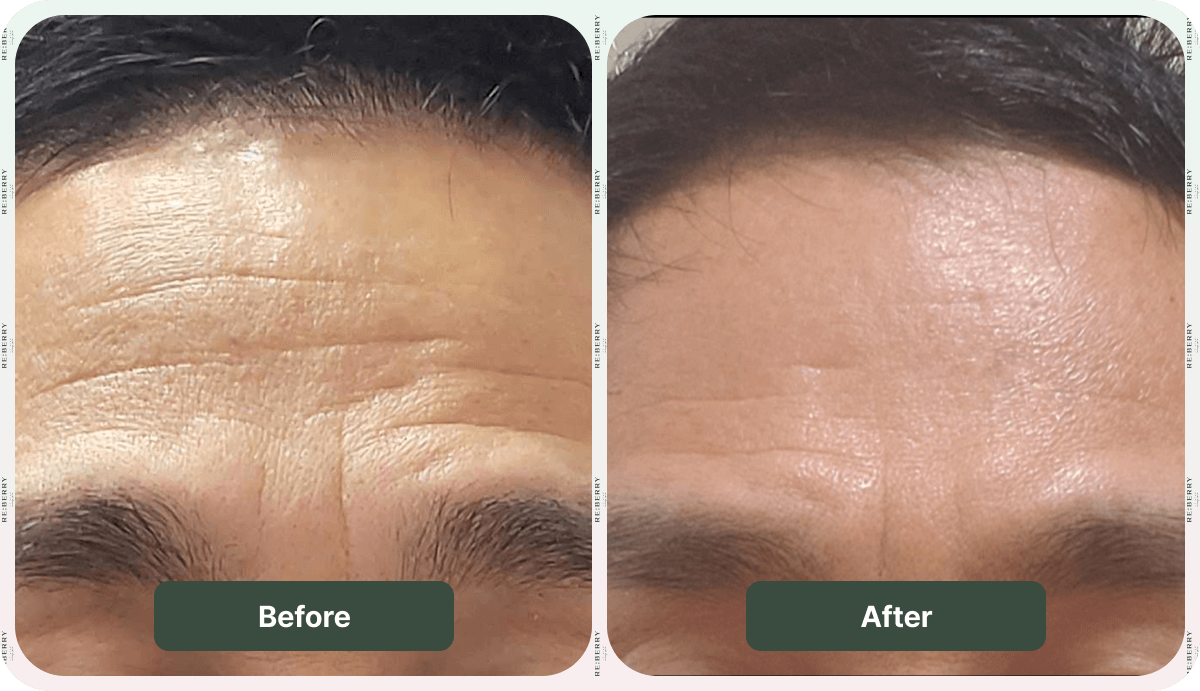
An English-language consultation screens your history, confirms primary hyperhidrosis and checks you are a suitable candidate.
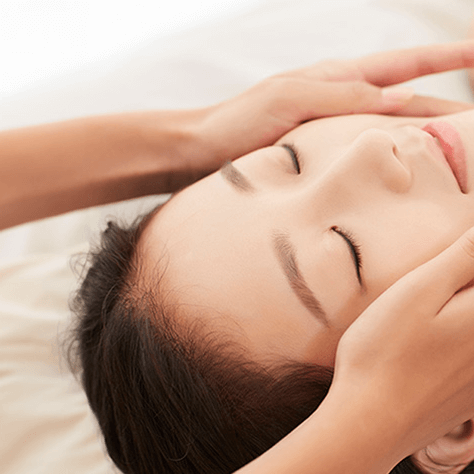
After mapping and optional numbing, the doctor places the shallow injections; an underarm session commonly takes around 15 to 20 minutes.
Treatment fits a short Seoul trip; underarm downtime is minimal, and you avoid strenuous activity for the rest of the day.
Sweat reduction begins in 2 to 7 days and reaches its full effect by about 2 weeks, when it is reviewed.
The effect fades over roughly 4 to 7 months and is fully reversible; a repeat treatment maintains it if you wish.
Hyperhidrosis treatment with botulinum toxin type A in Korea is generally safe when a licensed doctor confirms your diagnosis, doses correctly and places even, shallow injections. Effects are temporary, fading over about 4 to 7 months, so they are reversible. Safety depends on the clinic and technique, which is why a thorough injection treatment consultation matters.
It temporarily blocks the nerve chemical that tells sweat glands to activate, so the treated glands stop over-firing for about 4 to 7 months. It does not damage or remove the glands, and normal sweating returns as the effect fades. Because it acts locally in the treated zone, it does not stop your body from cooling itself overall.
Most side effects are mild and short-lived: minor injection-site soreness, small bruises, or a brief patch of compensatory sweating elsewhere. For palm treatment, temporary mild grip weakness can occur and resolves as the effect wears off. These are reviewed at your follow-up, and serious events are uncommon and usually linked to incorrect dosing or non-genuine product.
It is reversible by design; the nerve endings regenerate over roughly 4 to 7 months and sweating gradually returns to baseline. Nothing is destroyed or removed. This temporary action is one reason the treatment has a favorable safety record, and the timeline is explained fully during your assessment before any botox treatment for sweating.
Some people notice mild, temporary compensatory sweating in an untreated area, but for underarm treatment this is usually minor and settles. Treating an appropriate zone with a correct dose limits it. Your doctor discusses this possibility at consultation so you have realistic expectations before deciding on treatment.
Underarm injections feel like quick pinches and are well tolerated, often with numbing cream; palms and soles are more sensitive, so extra numbing or cooling is used. A typical underarm session lasts around 15 to 20 minutes. Your comfort options are reviewed beforehand during your consultation so the visit stays comfortable.
For underarm hyperhidrosis, the effect commonly lasts about 4 to 7 months before sweating gradually returns, at which point a repeat treatment can be scheduled. Duration varies with the dose and individual gland activity. Spacing repeat treatments sensibly is itself a safety habit, planned with the clinic’s doctors at your review.
For the rest of the day, avoid strenuous exercise, hot showers, saunas and vigorous rubbing of the treated area, which helps the toxin settle in the intended glands. These simple steps lower the small chance of unwanted spread. You receive a written aftercare plan covering exactly what to do after your treatment.
Palms and soles can be treated, but they are more sensitive and carry a small, temporary risk of mild grip weakness, so dosing is more cautious. A licensed doctor weighs the benefit against this and explains it clearly. Suitability for these areas is confirmed during the screening before any injections are placed.
It is deferred or avoided in pregnancy and breastfeeding, with certain neuromuscular disorders, active infection in the area, or a known allergy to the toxin. Some medications also warrant caution. These are checked during the medical screening that precedes any injection treatment, which is why a thorough consultation supports a safe outcome.
Each option has a different safety profile: the toxin wears off naturally over months, prescription antiperspirant is topical and fully reversible, and microwave therapy is more lasting but involves recovery. The right choice depends on the area and how durable you want the result. Discuss the options and any related injection treatment with the team.
Yes, because the toxin acts on sweat glands beneath the skin rather than on pigment, it does not carry the pigment-related risks of some light-based treatments. Dose and injection points are tailored to your area by the clinic’s doctors. Your suitability is confirmed during the assessment before any plan is finalized.
Most people need one session per treated area, repeated about every 4 to 7 months as sweating returns; there is no long course. A 2-week review lets the doctor add a small top-up to any patch that still sweats. Planning an appropriate interval for your botox treatment is part of using it safely over time.
Yes, Reberry Clinic serves international patients with English-speaking support across three Seoul-area locations, including one near Incheon Airport, so diagnosis, consent and aftercare are explained clearly in English. You can be assessed and treated on your trip. Message us on WhatsApp to discuss suitability and plan your visit.
Yes, most patients fly the same or next day after underarm treatment, since downtime is minimal and any marks settle quickly, while the sweat-reducing effect develops gradually after you return. You simply avoid heavy exercise and heat for the rest of the day, and you receive written aftercare so you can follow up on your botox treatment from abroad.
| Botulinum Toxin (injection) | Prescription Antiperspirant | Microwave Therapy | |
|---|---|---|---|
| Mechanism | Blocks nerve signal to sweat glands locally | Aluminum salts plug sweat ducts topically | Microwave energy heats and reduces sweat glands |
| Reversibility | Wears off naturally in about 4 to 7 months | Fully reversible; stops when you stop applying | More lasting; gland reduction is not undone |
| Common side effects | Minor soreness, bruising, brief compensatory sweat | Skin irritation, itching, stinging | Swelling, soreness, temporary numbness |
| Onset of effect | 2 to 7 days | Gradual over days to weeks | After healing over weeks |
| Downtime | Little for underarms | None | Swelling or tenderness for days |
| Best for | Underarm sweating, some palm cases | Mild sweating or maintenance | Those wanting a longer-lasting underarm option |
| Key safety factor | Correct dose and even, shallow placement | Correct use to limit irritation | Correct energy settings and cooling |
Real verified reviews from our Google Business Profile, across all Reberry Clinic locations.
PULLED LIVE FROM GOOGLE · GANGNAM · MYEONGDONG · INCHEON AIRPORT
Your treatment is planned and performed by experienced, MFDS-registered doctors across our Seoul-area clinics, with multilingual support for international patients.
Flagship clinic · KOL for leading lifting & regenerative devices
Multilingual tourist care beside Myeongdong Cathedral
Fast, effective care 20 minutes from the terminals
Message us on WhatsApp for a free consultation in English to review your suitability and a personalized plan.