



Gangnam
Dr. Yoon-Gon Ryu
Aesthetic Medicine Specialist
Flagship clinic · KOL for leading lifting & regenerative devices · Featured in Authority Magazine (2026)

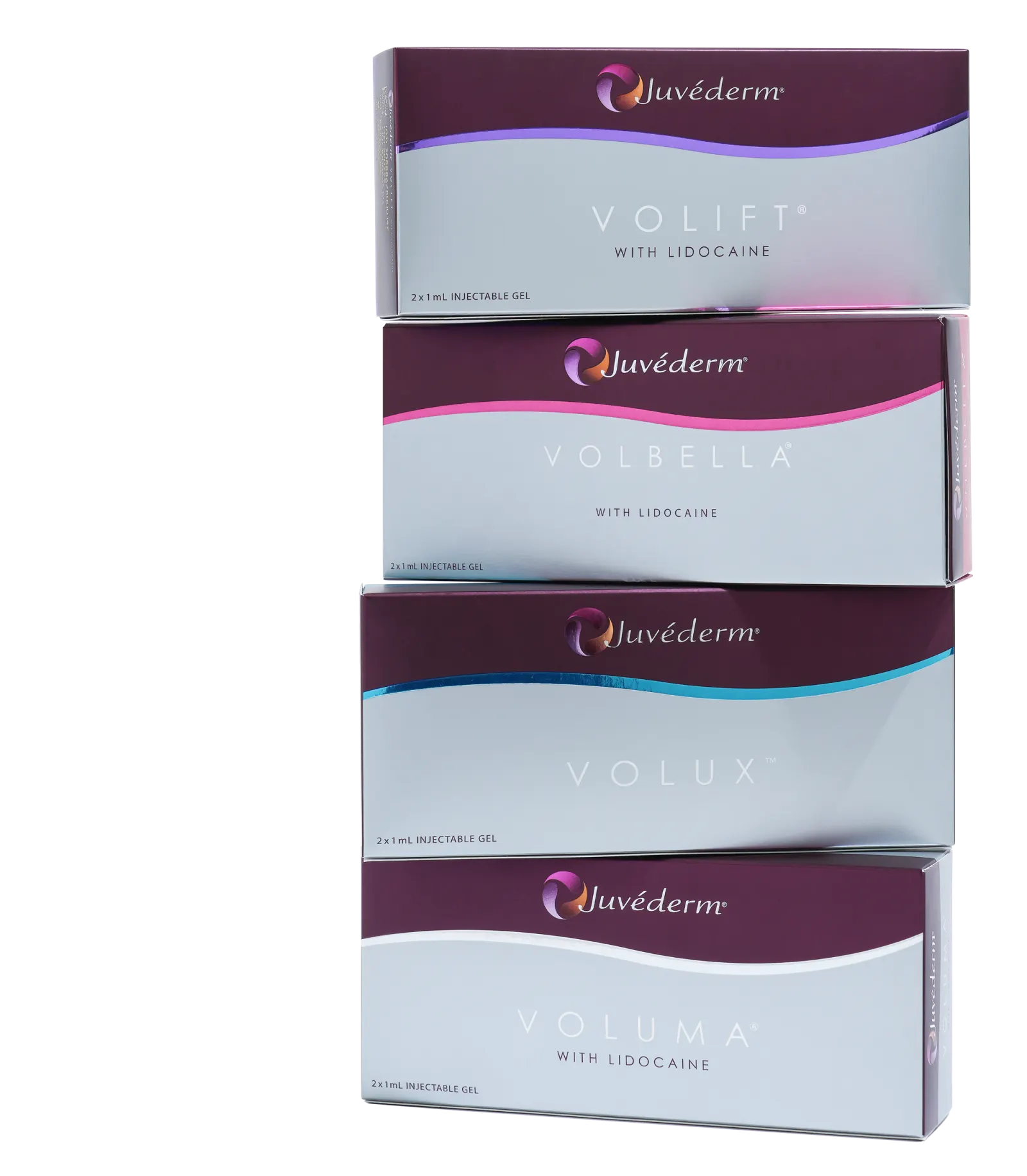
For international patients, eye-area care in Seoul typically layers 2 approaches: hyaluronic acid filler to soften under-eye hollows and polynucleotide or hydrating boosters for thin, crepey skin, mapped around a trip of 2 to 4 days.
Periorbital rejuvenation for foreigners in Seoul refreshes the eye area non-surgically, usually pairing hyaluronic acid filler that softens tear troughs with polynucleotide or hydrating boosters for thin, crepey lower-lid skin. English-speaking doctors assess your anatomy first, then plan sessions around a short trip, often 2 to 4 days, with remote follow-up after you fly home.
One-on-One guidance from a dedicated doctor, ensuring your skin is professionally monitored and treated from start to finish.
Fluent assistance in English, Japanese, and Chinese, making communication clear, respectful and comfortable for international patients.
Over 100,000 patients worldwide have received our personalized dermatological care, highlighting our expertise and reliable results.
Periorbital rejuvenation is a group of non-surgical treatments that refresh the area around the eyes, where skin is thinnest and shows aging first. It targets under-eye hollowing and shadowing (the tear trough and infraorbital hollow), thin or crepey lower-lid skin, and fine lines at the outer corners. Because these concerns have different causes, most plans combine more than one approach rather than a single injection.
For international patients, the practical appeal is that these are same-visit, minimally invasive procedures that fit a short stay in Seoul. The two most common tools are hyaluronic acid (HA) dermal filler, placed deeply to soften an under-eye hollow, and skin boosters, placed superficially to improve skin quality and hydration. One restores structure while the other improves the skin covering it, which is why they are often used together.
At Reberry Clinic, periorbital care is consultation-led and delivered with English-language support in Seoul, Korea. The eye area is delicate and unforgiving of overcorrection, so the clinic’s doctors first assess your under-eye anatomy, skin thickness, and fluid tendencies, then map treatment and any short review around your travel dates before recommending filler, boosters, or a combination.
Hyaluronic acid is a sugar molecule the body makes naturally; injectable HA filler is a cross-linked gel that adds soft volume and binds water. For the under-eye, a small amount is placed deep against the bone to lift a tear trough or infraorbital hollow so light no longer casts a shadow there. Because the skin is thin, an experienced injector uses a low-hydrophilic product and conservative volumes to avoid puffiness. Polynucleotide skin boosters use fragments of purified DNA (often salmon-derived) injected superficially to support fibroblast activity, hydration, and elasticity rather than adding volume. Hydrating boosters based on non-cross-linked HA improve moisture and fine crepiness similarly. The distinction is depth and purpose: filler restores structure underneath, while boosters improve the quality of the skin on top. For traveling patients, this staged, layered logic also shapes scheduling, since filler is often a single placement while boosters run as a short course that can begin in Seoul and continue on return visits.
One Reberry Clinic, multiple Seoul-area locations. Pricing & current promotions are listed on each branch's own site — tap a clinic to view pricing & book.
Our flagship in the heart of Gangnam.
In Seoul's shopping & tourism heart.
A beauty stop between flights.
The newest Reberry Clinic — in Seoul's trend district.
ONE REBERRY CLINIC · MFDS-REGISTERED DEVICES · MULTILINGUAL CARE AT EVERY LOCATION
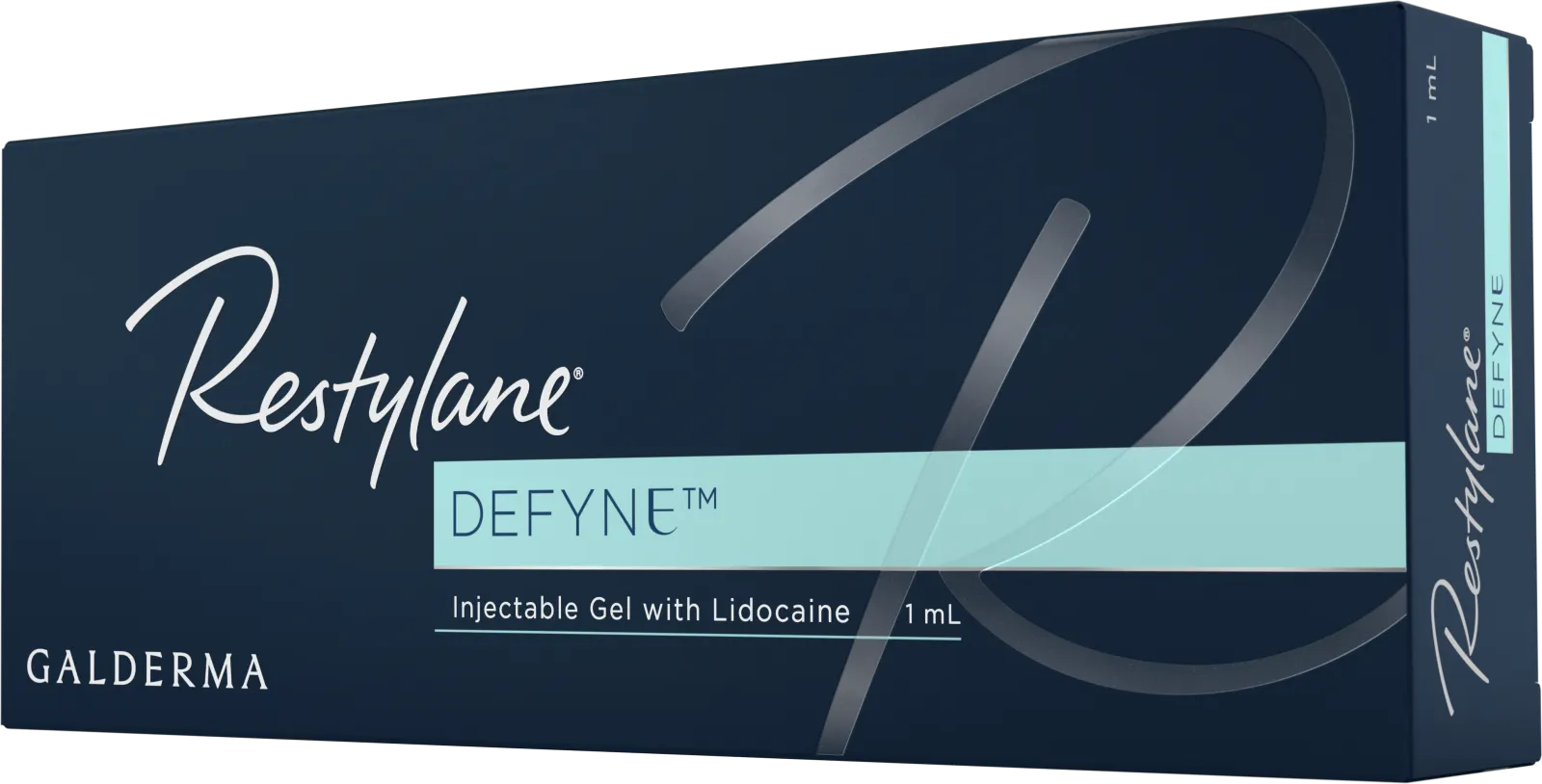
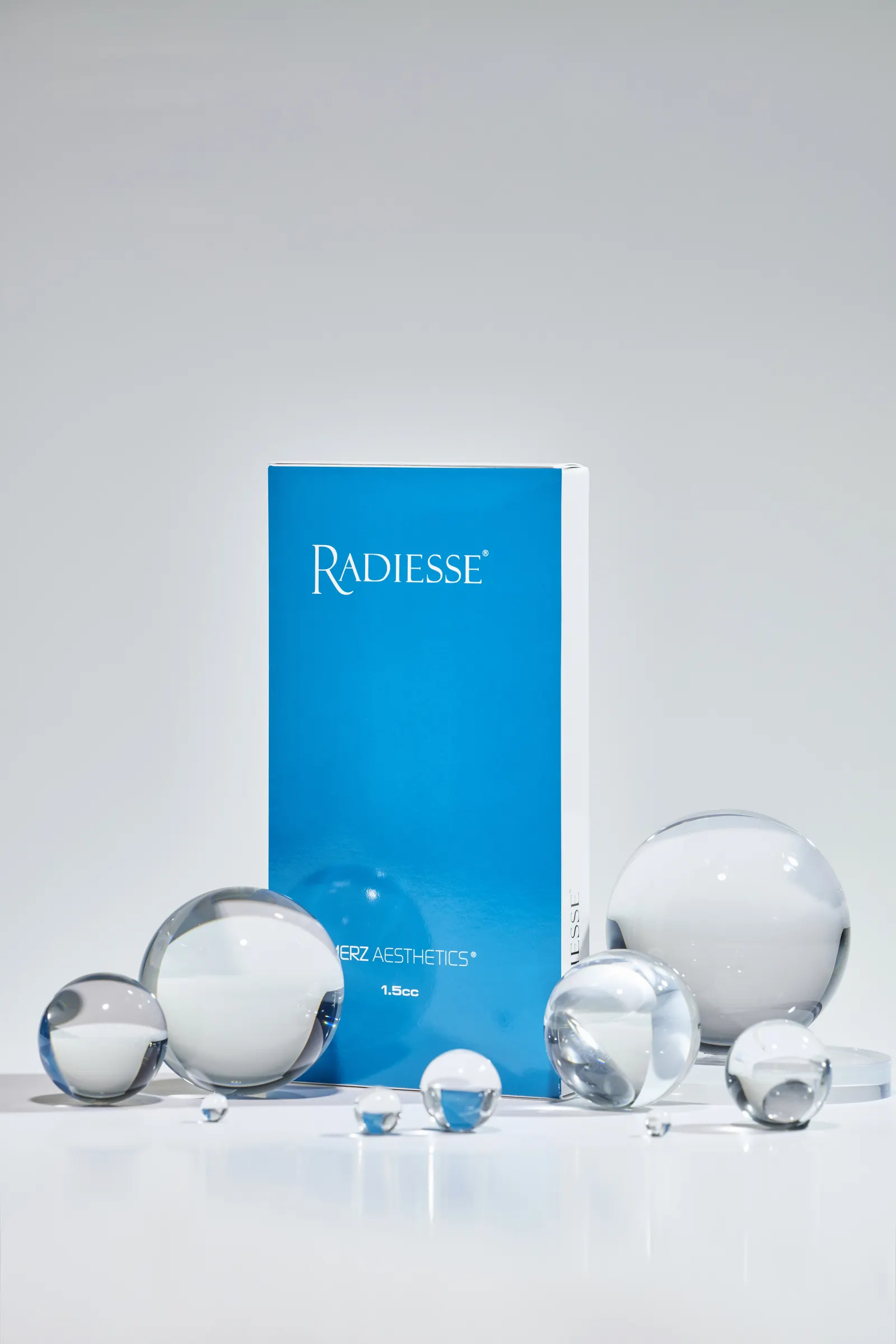
Doctors assess your under-eye across 3 concerns (hollowing, skin quality, fine lines) and check fluid tendencies, often on day 1 of your trip, since not everyone is a filler candidate.
Structure loss is addressed with deep HA filler, while thin, crepey skin is treated with 1 or more superficial booster sessions.
Topical numbing is applied for about 15 to 20 minutes and the delicate area is cleansed, keeping the eye zone comfortable.
A small, measured amount of filler is placed deep against the bone, using conservative volumes to avoid puffiness in the thin lower lid.
Polynucleotide or hydrating boosters are delivered superficially, often over 2 to 3 sessions spaced weeks apart, which can begin in Seoul and continue on return visits.
A short review is arranged 2 or more days later once early swelling settles, and remote check-ins in English continue after you return home.

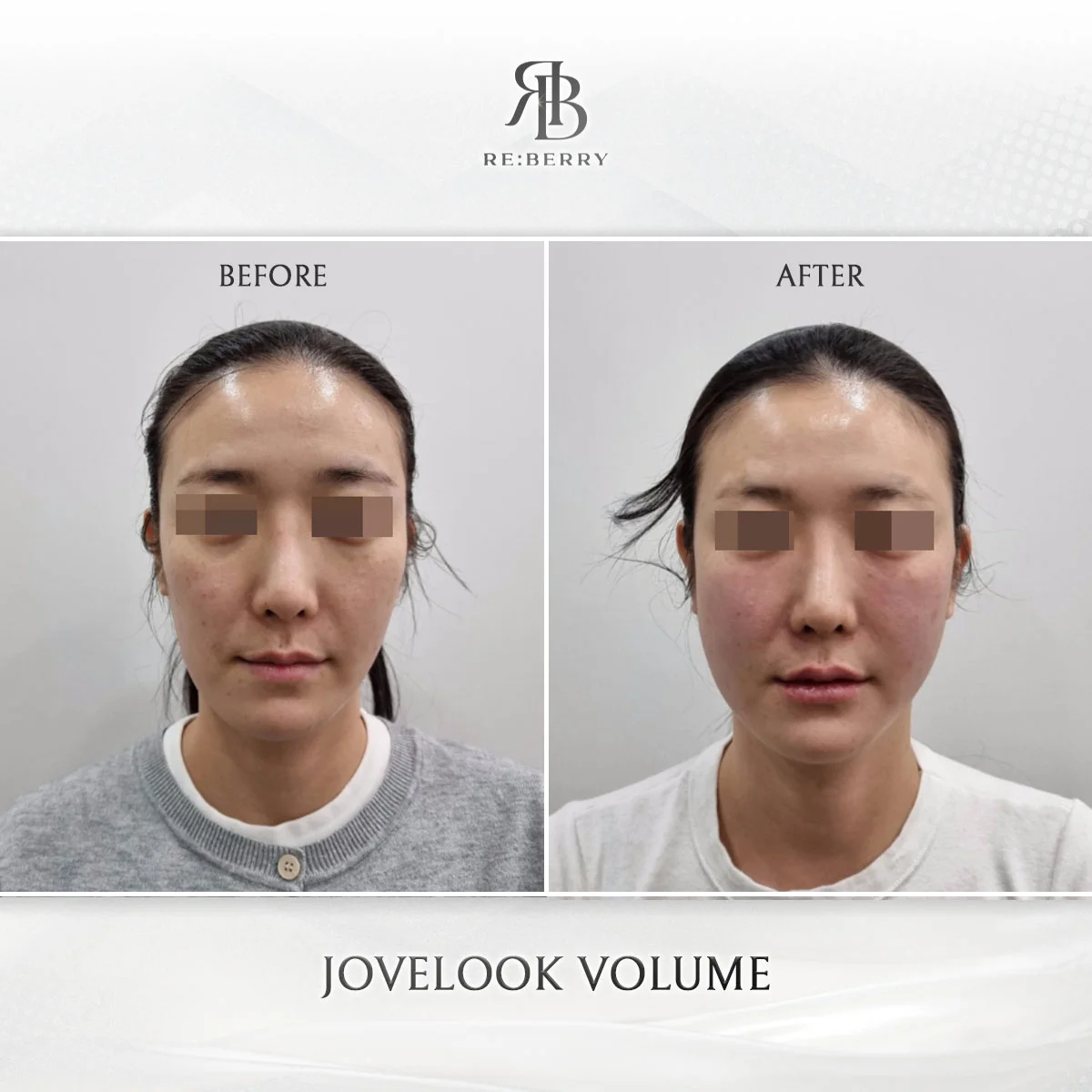
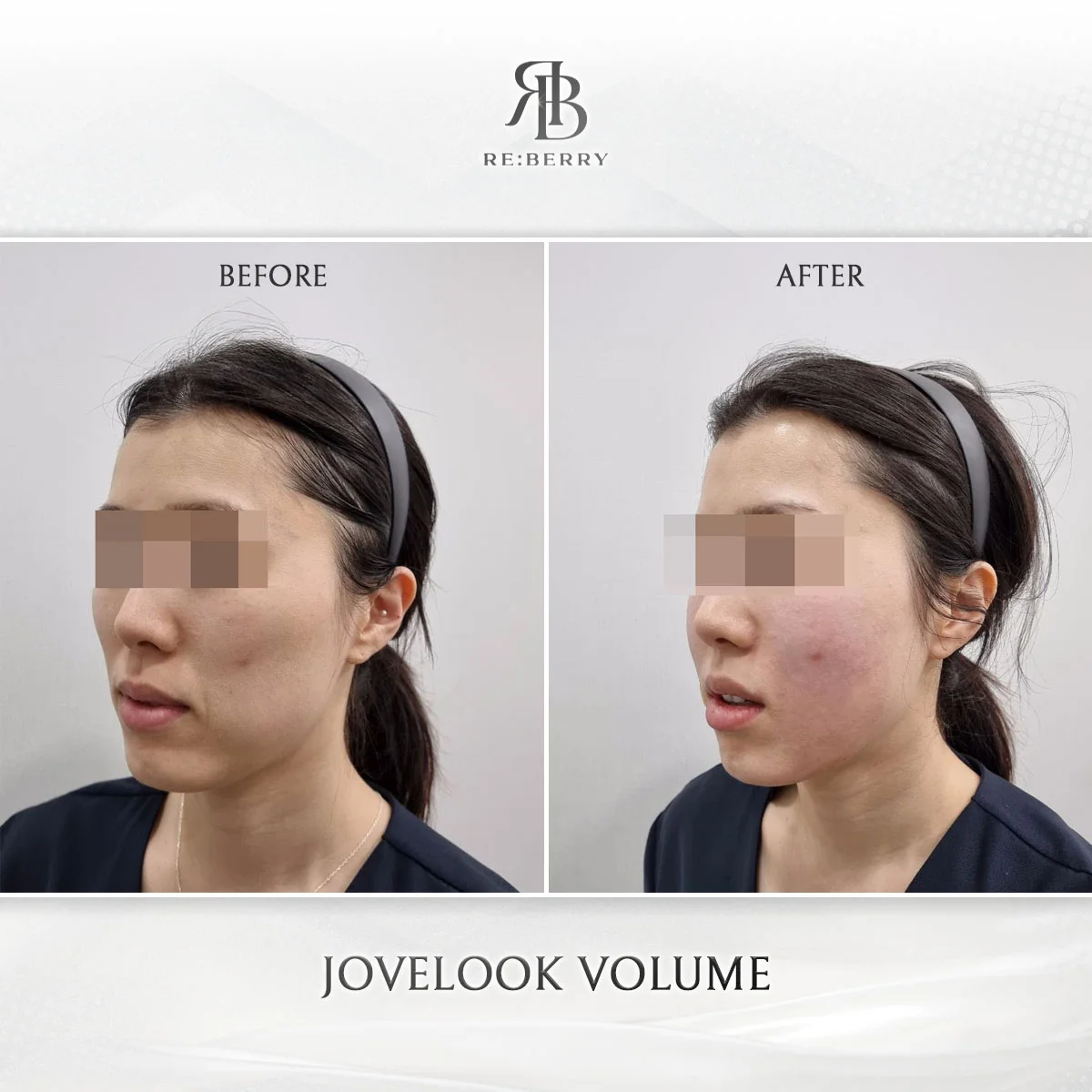
See representative outcomes from Reberry Clinic. Results build gradually and vary by individual; your plan is assessed at consultation.
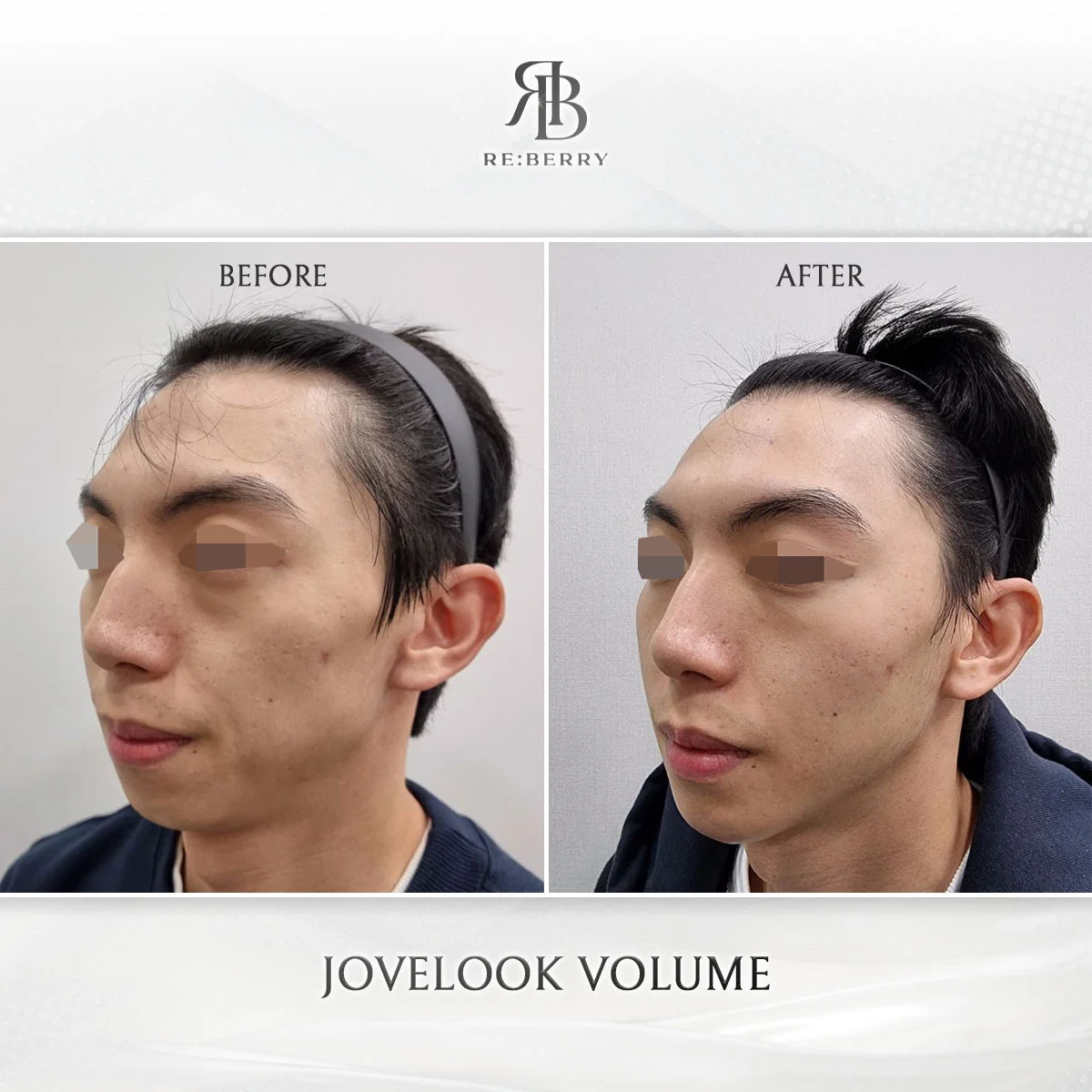
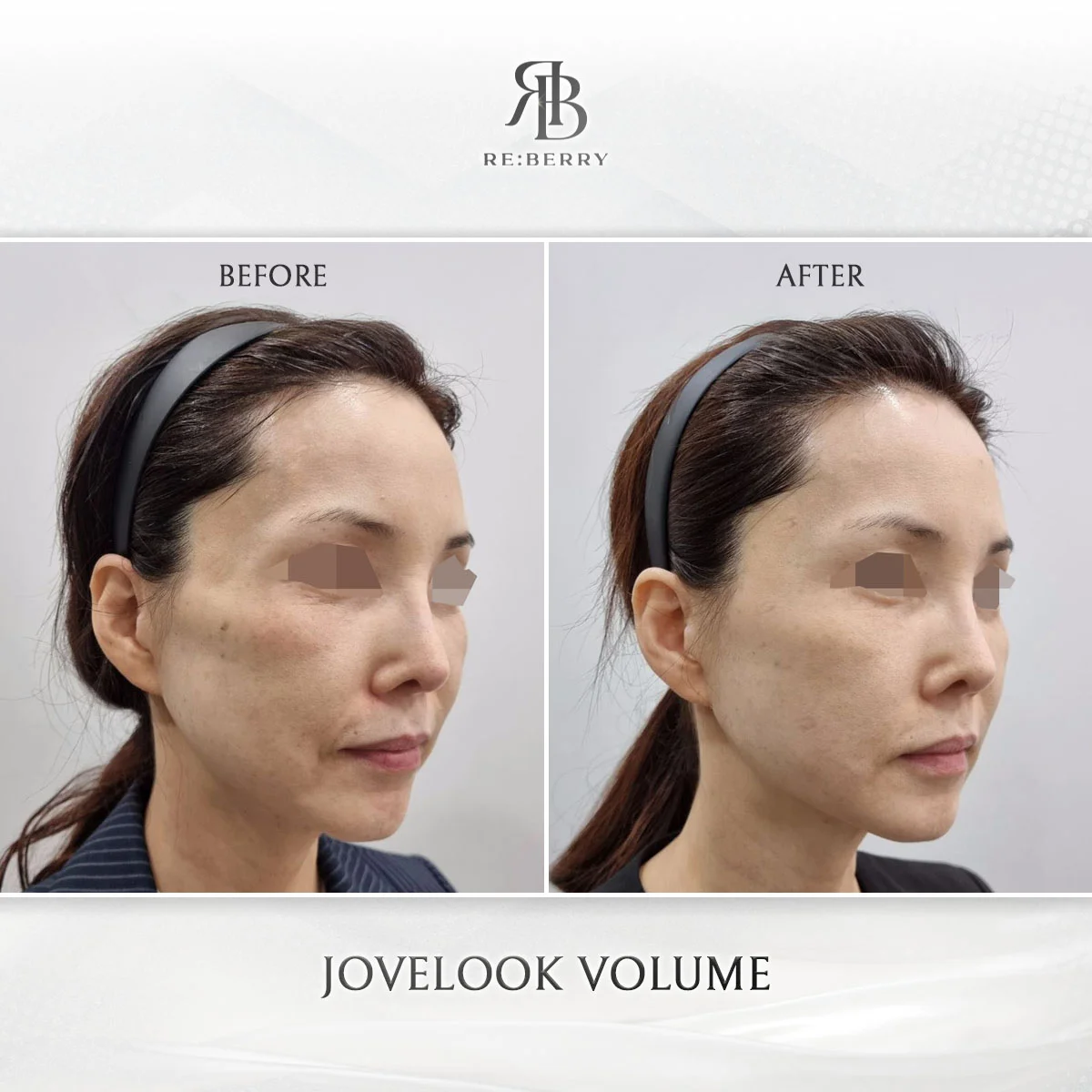
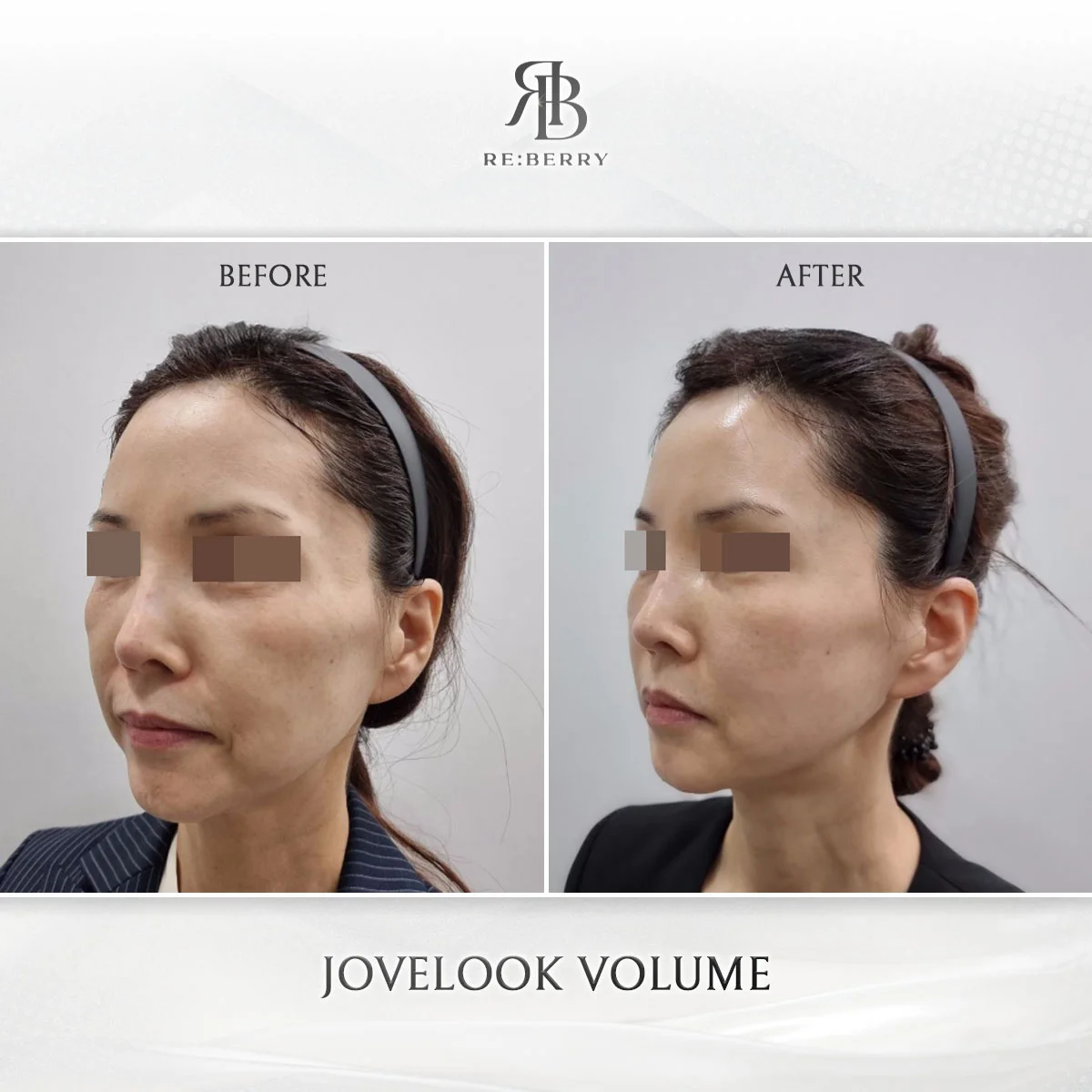
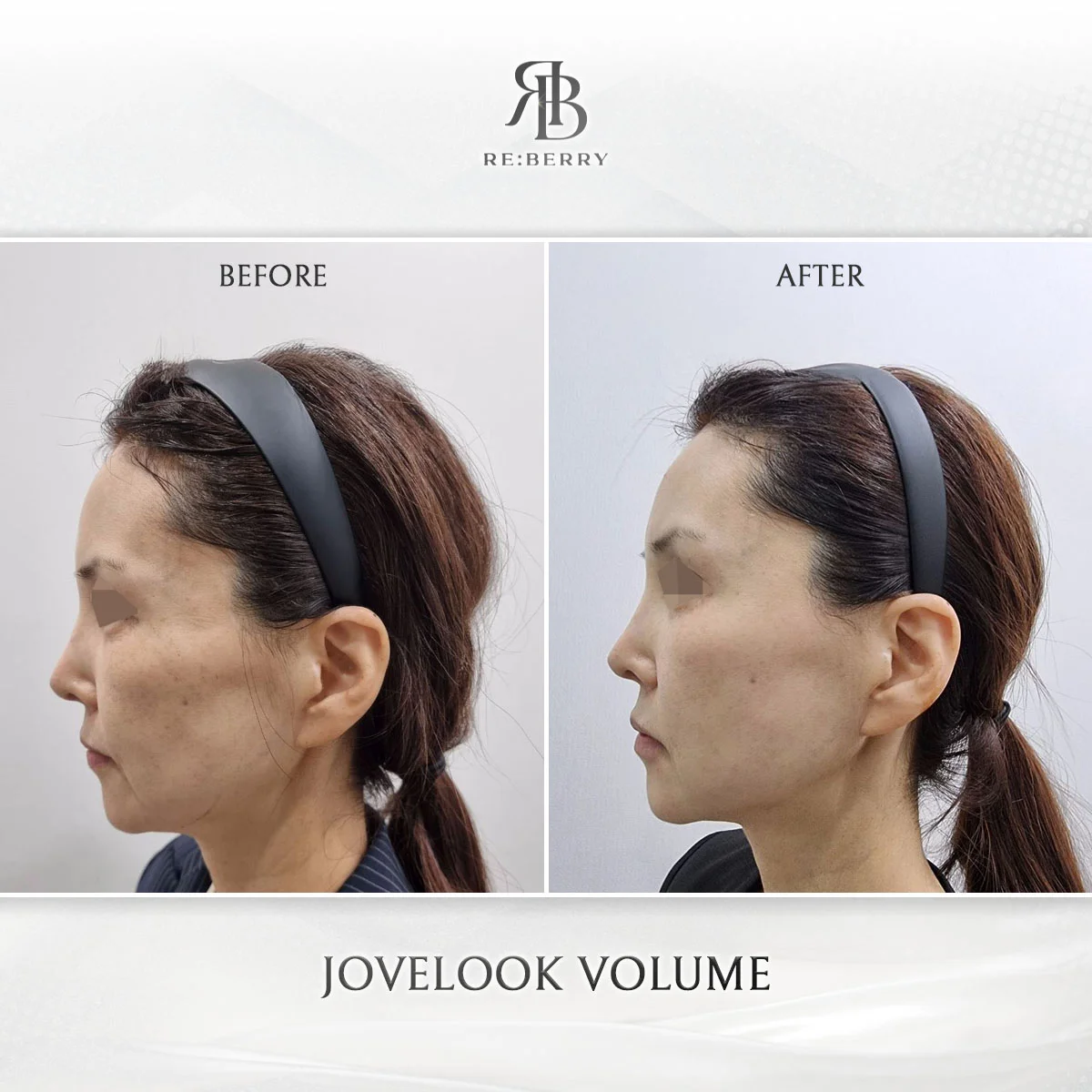
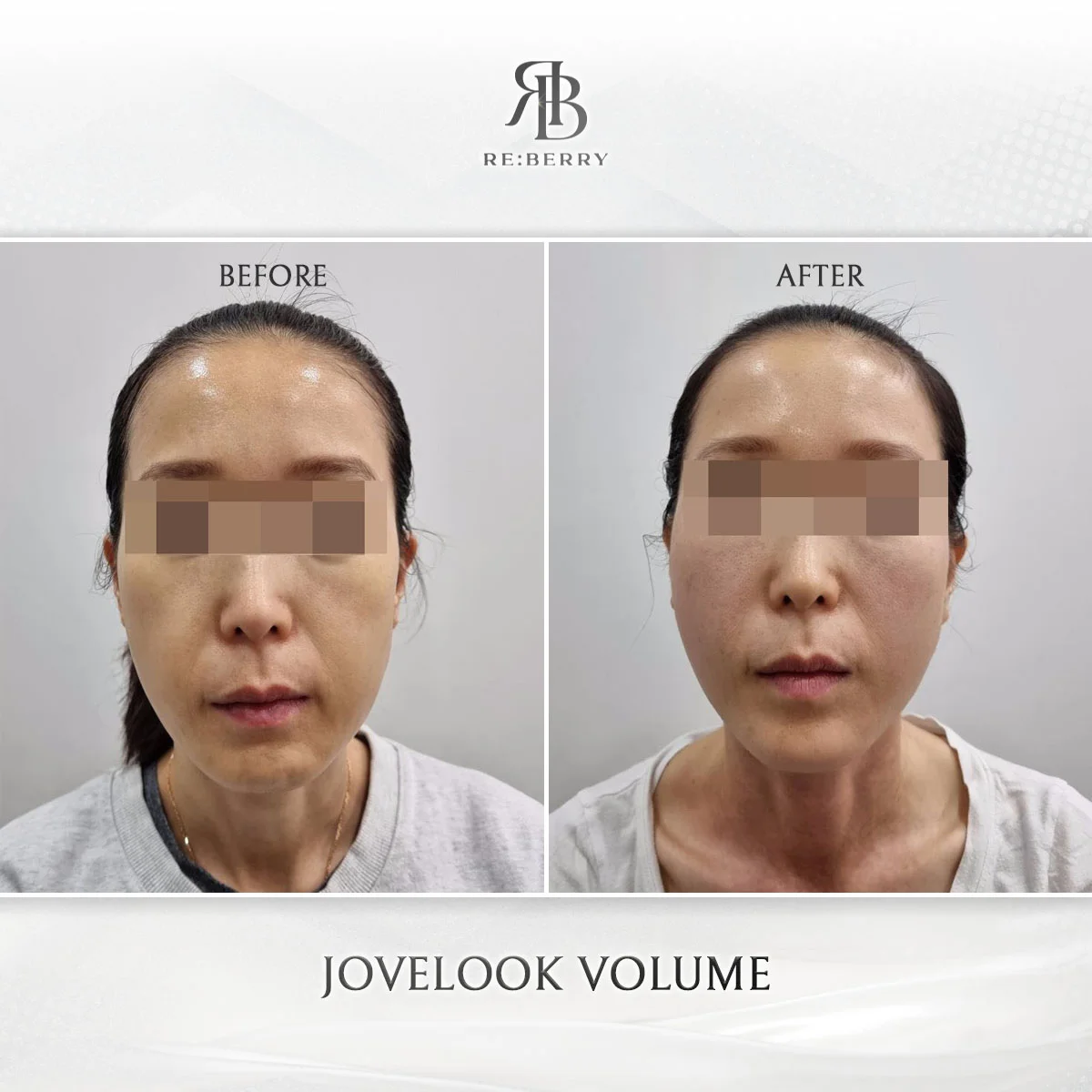
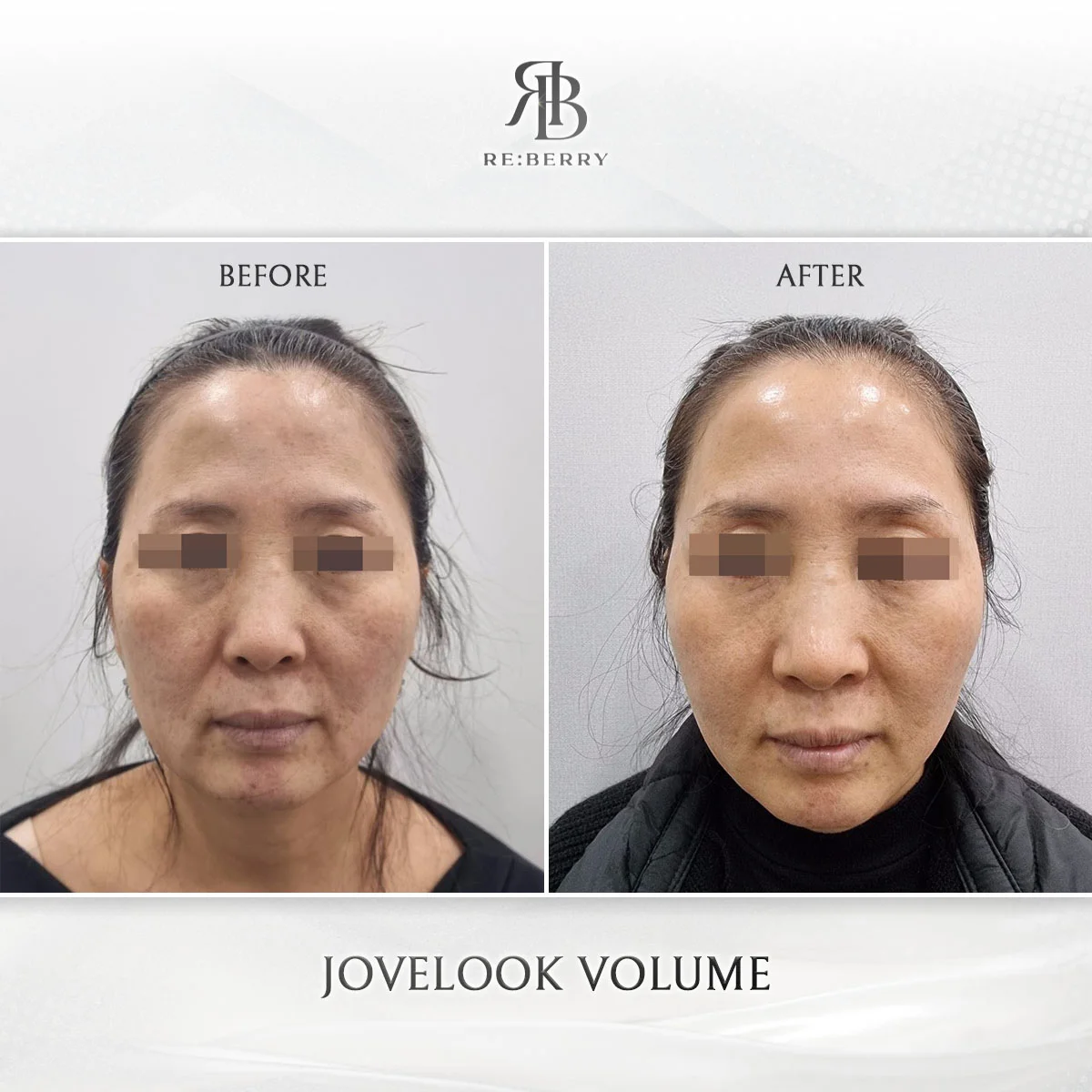
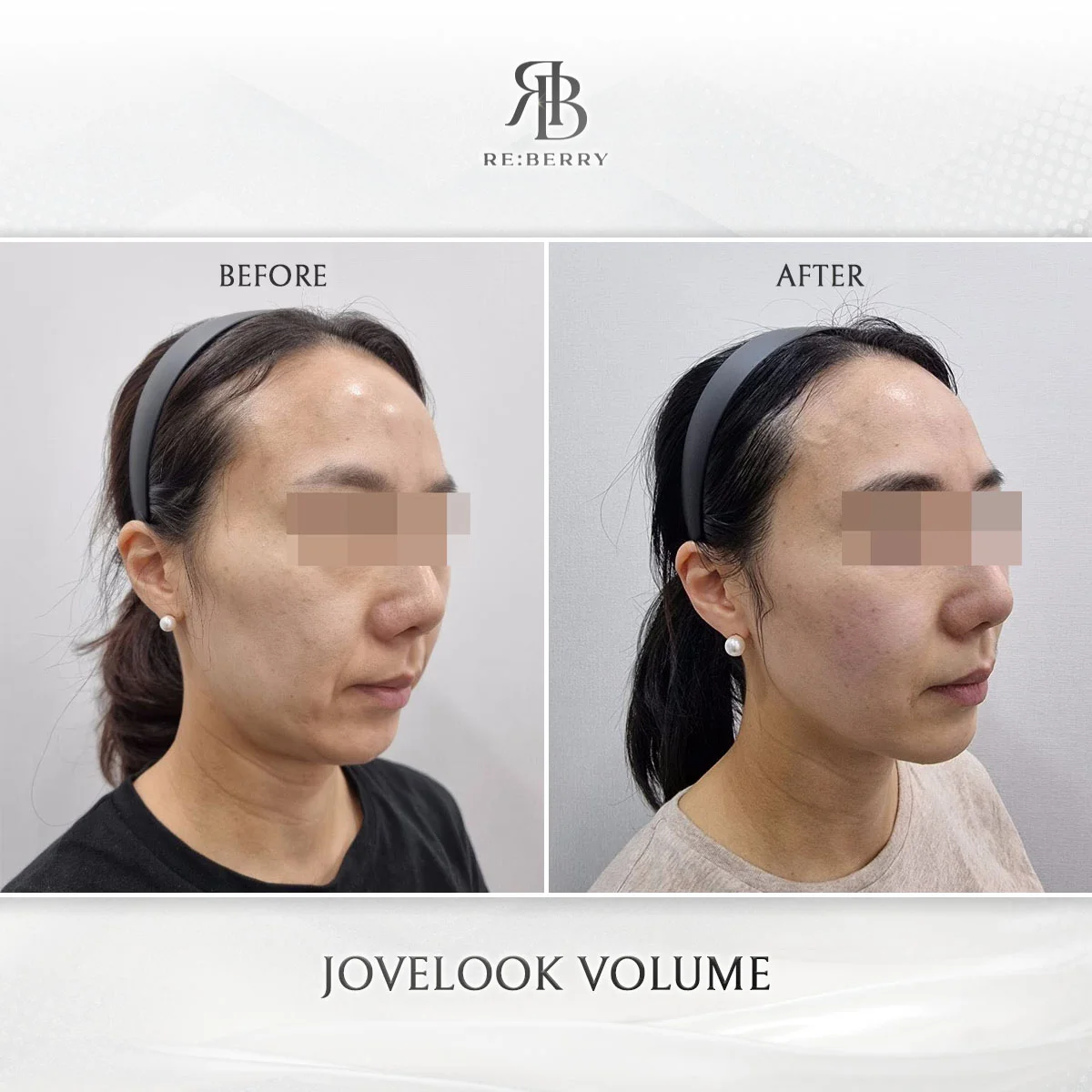
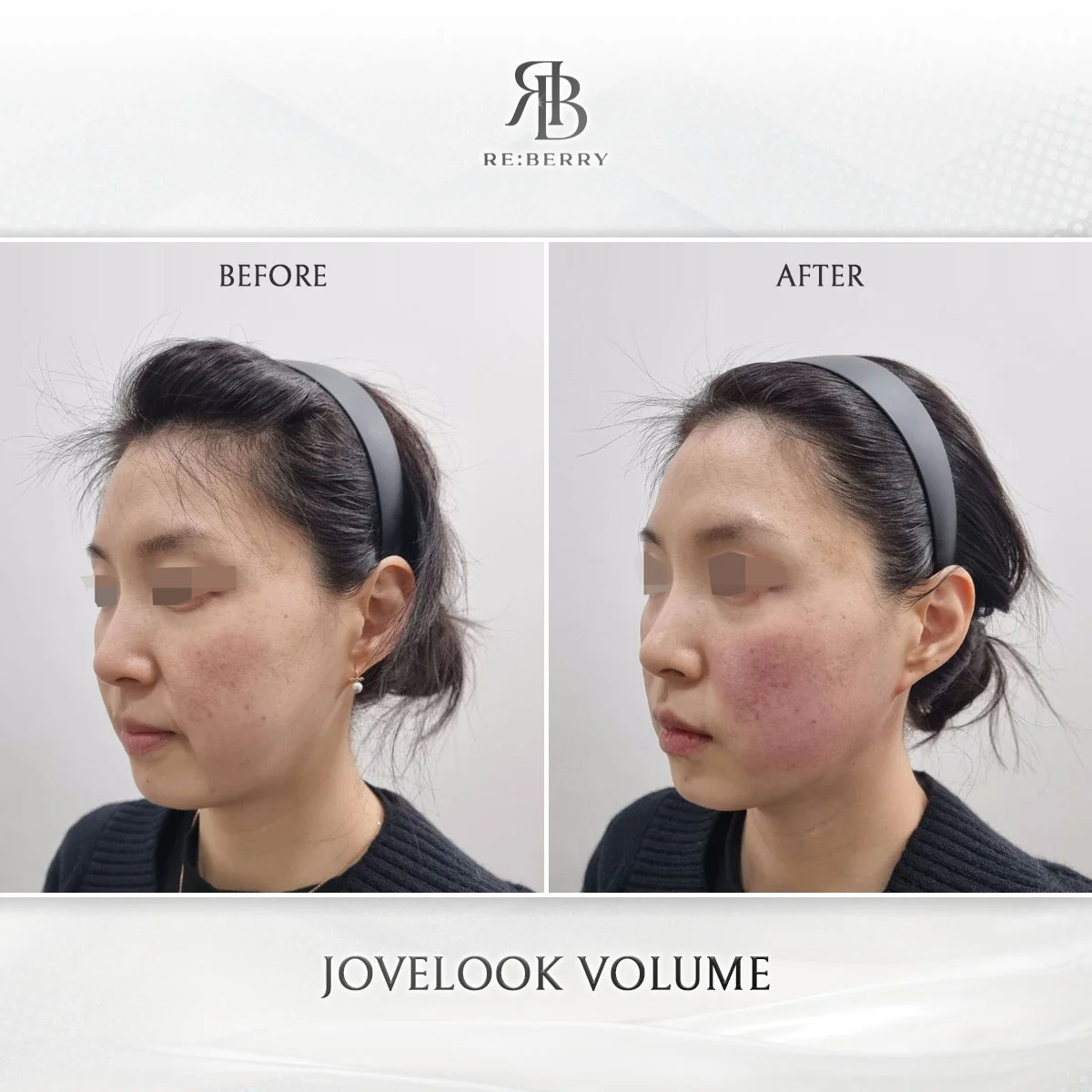
The clinic’s doctors assess your under-eye anatomy, skin thickness, and fluid tendencies, then explain in English whether filler, boosters, or a combination suits you, ideally on day 1 of your trip.
After about 15 to 20 minutes of numbing, treatment usually takes 20 to 40 minutes depending on whether filler, boosters, or both are used.
Filler is often a single placement, while boosters run as a short course of 2 to 3 sessions spaced weeks apart.
Filler softens hollows immediately and settles over about 2 weeks, while booster benefits build gradually across the session course.
Filler commonly lasts several months up to a year or more, and periodic booster top-ups help sustain skin quality, coordinated on return visits.



Periorbital rejuvenation is a set of non-surgical eye-area treatments, usually combining hyaluronic acid filler that softens under-eye hollows with hydrating or polynucleotide boosters for thin, crepey skin. For international patients it is planned around a short trip. You can read more on our injectable fillers page.
Yes, English support runs through consultation, treatment, and aftercare, so nothing is lost in translation about your under-eye plan. In Seoul, Reberry Clinic serves international patients at our Gangnam and Myeongdong locations, with a further location near Incheon Airport. Multilingual staff also assist in other languages where needed.
For a single filler session, 2 to 4 days is comfortable, allowing a consultation, treatment, and a short review once early swelling settles. If you are doing a booster course, many patients start in Seoul and continue on return visits. Our English-speaking team helps coordinate your timing.
No, under-eye filler suits genuine hollowing but not everyone, especially people prone to puffiness or fluid retention, where it can worsen bags. That is why the clinic’s doctors assess your anatomy first. Those with mainly thin, crepey skin may benefit more from skin-quality boosters instead.
Discomfort is generally mild because topical numbing is applied for about 15 to 20 minutes beforehand, and many HA fillers contain lidocaine. You may feel brief pressure or small pinpricks during placement. The eye area is sensitive, so the clinic’s doctors work slowly and conservatively to keep you comfortable.
Yes, flying within a day or so is generally fine, as these are non-surgical procedures. Cabin air is drying, so moisturise gently and avoid rubbing the treated area. If you had filler, expect mild swelling to settle over the first days. Your doctor gives tailored aftercare advice before you travel.
Downtime is usually short, with most people having mild swelling or occasional bruising for a few days, mainly with filler. Boosters tend to leave only tiny temporary marks. Because the under-eye can bruise, many travelers schedule treatment a few days before flights or important events rather than the day of.
Filler softens under-eye hollows immediately, then settles over about 2 weeks as any swelling resolves. Booster results build more gradually across a course of 2 to 3 sessions. The clinic’s doctors typically review your under-eye at around 2 weeks, or sooner during your stay, before any small refinements.
Under-eye HA filler commonly lasts several months up to a year or more, depending on the product and your metabolism. Booster improvements in skin quality are sustained with periodic top-ups. Because ageing continues, most people maintain results with occasional sessions rather than a one-time fix, often coordinated on return trips.
International patients can begin treatment in Seoul and continue a booster course across return trips, and the clinic offers remote check-ins in English between visits. Your treatment notes are kept on file for continuity. You can also maintain a home skin care routine to support the under-eye area.
Yes, combining is common because they address different problems: filler restores deep structure while boosters improve the skin covering it. A layered plan can look more rested than either alone. You can explore how these injectable options fit together during your assessment.
Yes, hyaluronic acid filler is reversible because it can be dissolved with an enzyme called hyaluronidase if you are unhappy or if adjustment is needed. This is one reason HA is preferred around the delicate eye area. Boosters are not dissolved but simply fade over time as the body clears them.
Common effects are temporary swelling, redness, tenderness, or bruising near the injection sites. Under-eye filler can occasionally cause puffiness (malar edema) if overfilled, which is why conservative dosing matters. Rare risks are discussed at consultation. Choosing an experienced injector and following aftercare lowers the chance of problems.
Periorbital rejuvenation is non-surgical, softening hollows and improving skin quality, whereas blepharoplasty removes or repositions tissue surgically. Injectables suit early to moderate concerns with little downtime and are reversible for HA filler. Surgery addresses significant excess skin or fat that injectables cannot correct.
It can help when circles come from hollowing and shadow, since softening the tear trough reduces that shadow. However, circles from pigmentation or visible vessels respond less to filler and may need other approaches such as pigment-focused laser treatment. Assessment identifies the true cause first.
Keep the area clean, avoid heavy rubbing, intense heat, and strenuous exercise for about 24 to 48 hours, and sleep slightly elevated to limit swelling. Use gentle skincare and sun protection, especially on long flights. A supportive skin care routine helps keep the under-eye skin healthy between sessions.
Most healthy adults with under-eye hollowing or thin, crepey lower-lid skin are suitable, provided they are not strongly prone to puffiness. Pregnancy, active infection, or certain medical conditions may defer treatment. A consultation confirms candidacy and matches the right combination of filler and boosters to your eye area and travel window.
| HA Filler (Under-Eye) | Polynucleotide Booster | Hydrating HA Booster | |
|---|---|---|---|
| Mechanism | Cross-linked HA gel adds deep support to soften hollows | Purified DNA fragments support skin repair and elasticity | Non-cross-linked HA improves hydration and fine crepiness |
| Best for | Visible tear-trough or infraorbital hollowing and shadow | Thin, crepey, dull lower-lid skin quality | Dehydrated, finely lined under-eye skin |
| Fit for a short trip | Often a single placement, suited to a 2 to 4 day visit | A course that can start in Seoul, continue on return trips | A short course, then periodic top-ups on later visits |
| Downtime | Brief swelling or possible bruising for a few days | Minor pinpoint marks, usually settling quickly | Minimal, mainly transient redness |
| Results timeline | Immediate softening, settling over about 2 weeks | Builds gradually across the session course | Gradual improvement in skin freshness |
| Longevity | Commonly several months up to a year or more | Maintenance sessions help sustain skin quality | Shorter-lived, benefits from repeat top-ups |
| Cost factors | Depends on product and volume used | Depends on number of sessions in the course | Depends on session frequency chosen |
Real verified reviews from our Google Business Profile, across all Reberry Clinic locations.
PULLED LIVE FROM GOOGLE · GANGNAM · MYEONGDONG · INCHEON AIRPORT
Your treatment is planned and performed by experienced, MFDS-registered doctors across our Seoul-area clinics, with multilingual support for international patients.
Flagship clinic · KOL for leading lifting & regenerative devices · Featured in Authority Magazine (2026)

Multilingual tourist care beside Myeongdong Cathedral

Fast, effective care 20 minutes from the terminals
Message us on WhatsApp for a free consultation in English and a periorbital plan mapped around your trip.