

Gangnam
Dr. Yoongon Ryu
Aesthetic Medicine Specialist
Flagship clinic · KOL for leading lifting & regenerative devices


Your payment choice can add roughly 1 to 3 percent through foreign-transaction fees or currency conversion; here is how card, cash and transfer affect the total.
Yes, your payment method can slightly change your total, though the treatment price is set at consultation. An international card may add a foreign-transaction fee, and home-currency conversion at the terminal usually costs more than paying in won. Cash adds exchange-counter costs and transfers carry bank fees. These are qualitative differences of roughly 1 to 3 percent, not fixed prices.
One-on-One guidance from a dedicated doctor, ensuring your skin is professionally monitored and treated from start to finish.
Fluent assistance in English, Japanese, and Chinese, making communication clear, respectful and comfortable for international patients.
Over 100,000 patients worldwide have received our personalized dermatological care, highlighting our expertise and reliable results.
The treatment price at a Korean skin clinic is decided at your consultation, not by how you pay, because pricing is consultation-led and depends on your skin, plan and areas. But the method you choose can nudge the final amount that leaves your account. The main drivers are foreign-transaction fees, currency conversion, and transfer or withdrawal costs. None of these are clinic charges; they come from your bank, your card issuer, or the currency-exchange service you use, so they sit on top of the won price the clinic quotes.
Think of it as two layers. Layer one is the treatment cost in Korean won, which the clinic explains transparently before you agree. Layer two is the conversion and fee layer added by your own financial provider when that won amount reaches your home currency. A patient paying with a fee-free travel card in won may pay close to the quoted amount, while someone accepting home-currency conversion at the terminal or withdrawing cash at a poor exchange rate may pay a little more for the same treatment.
Reberry Clinic is a Seoul dermatology and aesthetic clinic serving international patients across three Seoul-area locations (Gangnam, Myeongdong, Incheon Airport) with English-speaking support. The clinic quotes the won cost clearly at consultation; the fee layer is yours to manage, and this guide explains how to keep it low without naming any fixed price. You can review treatments on the skin care overview first.
Each method has its own fee mechanics. An international credit card bills in won, then your issuer converts to your home currency at its daily rate; many issuers add a foreign-transaction fee of roughly 1 to 3 percent, though some travel cards waive it. If the terminal offers dynamic currency conversion in your home currency, that convenience typically costs more than letting your own bank convert, so declining it and paying in won usually saves 1 to 3 percent.
Cash in won avoids card fees, but you pay to obtain the won: ATM withdrawal fees or an exchange counter’s spread, which varies by location and provider. Bank transfer, used for some larger plans, avoids card fees but adds cross-border transfer charges and depends on the sending bank’s exchange rate. Because all of these are provider-side costs rather than clinic charges, the smart move is to compare your own card and bank terms before travelling, then confirm the won quote with the clinic on the skin care page so you can see both layers clearly.
One Reberry Clinic, multiple Seoul-area locations. Pricing & current promotions are listed on each branch's own site — tap a clinic to view pricing & book.
Our flagship in the heart of Gangnam.
In Seoul's shopping & tourism heart.
A beauty stop between flights.
The newest Reberry Clinic — in Seoul's trend district.
ONE REBERRY CLINIC · MFDS-REGISTERED DEVICES · MULTILINGUAL CARE AT EVERY LOCATION

The clinic sets 1 treatment price in won at consultation; this base is the same regardless of how you pay.
Your card or bank converts the won to your home currency at its own rate, which can differ by 1 to 3 percent from the mid-market rate.
Many issuers add roughly 1 to 3 percent on foreign charges; a fee-free travel card removes this 1 line from your total.
If offered home-currency conversion, decline it; paying in won and letting your bank convert is usually 1 to 3 percent cheaper.
Cash adds ATM or exchange fees, and transfers add cross-border charges, so compare these against your card’s fees before choosing 1 method.

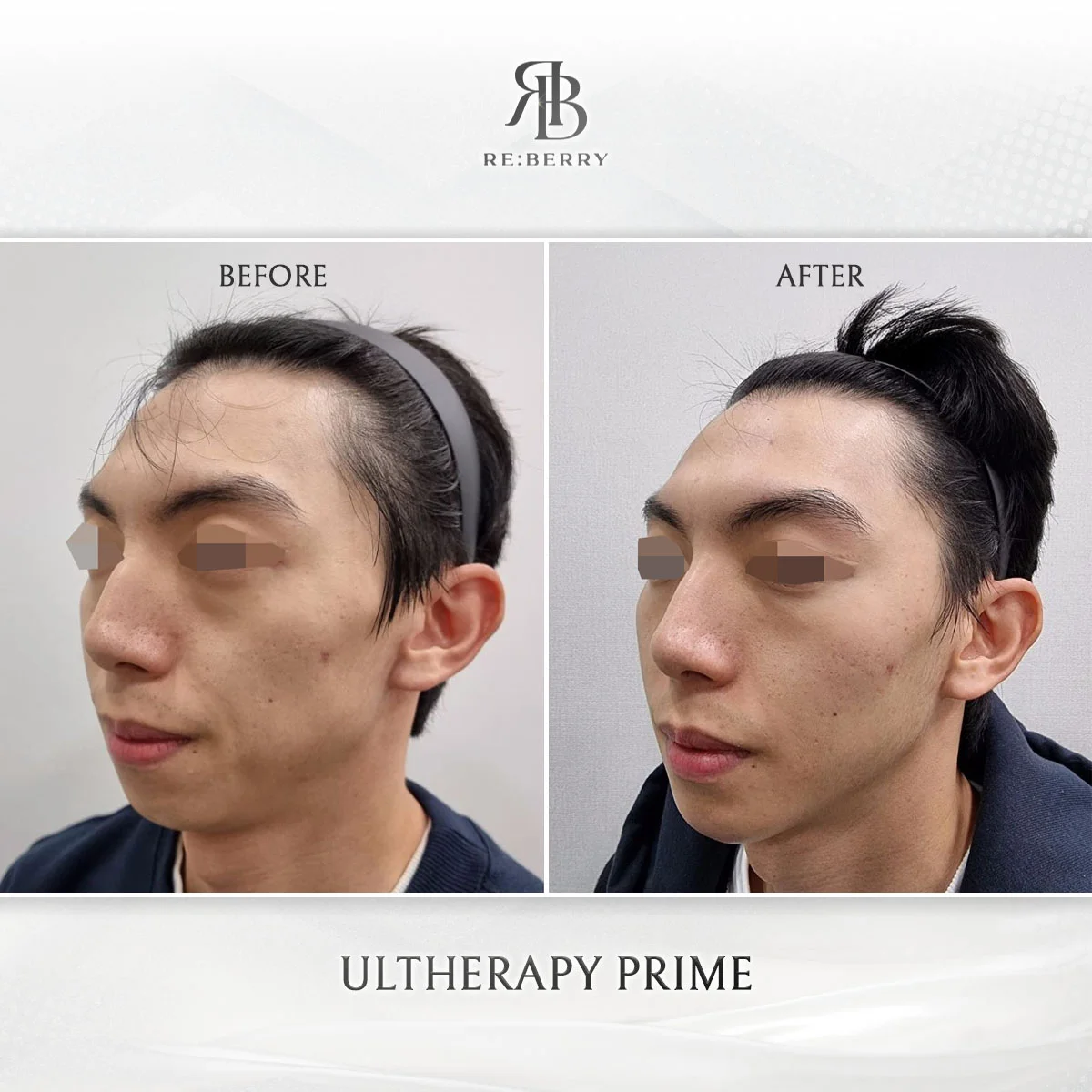
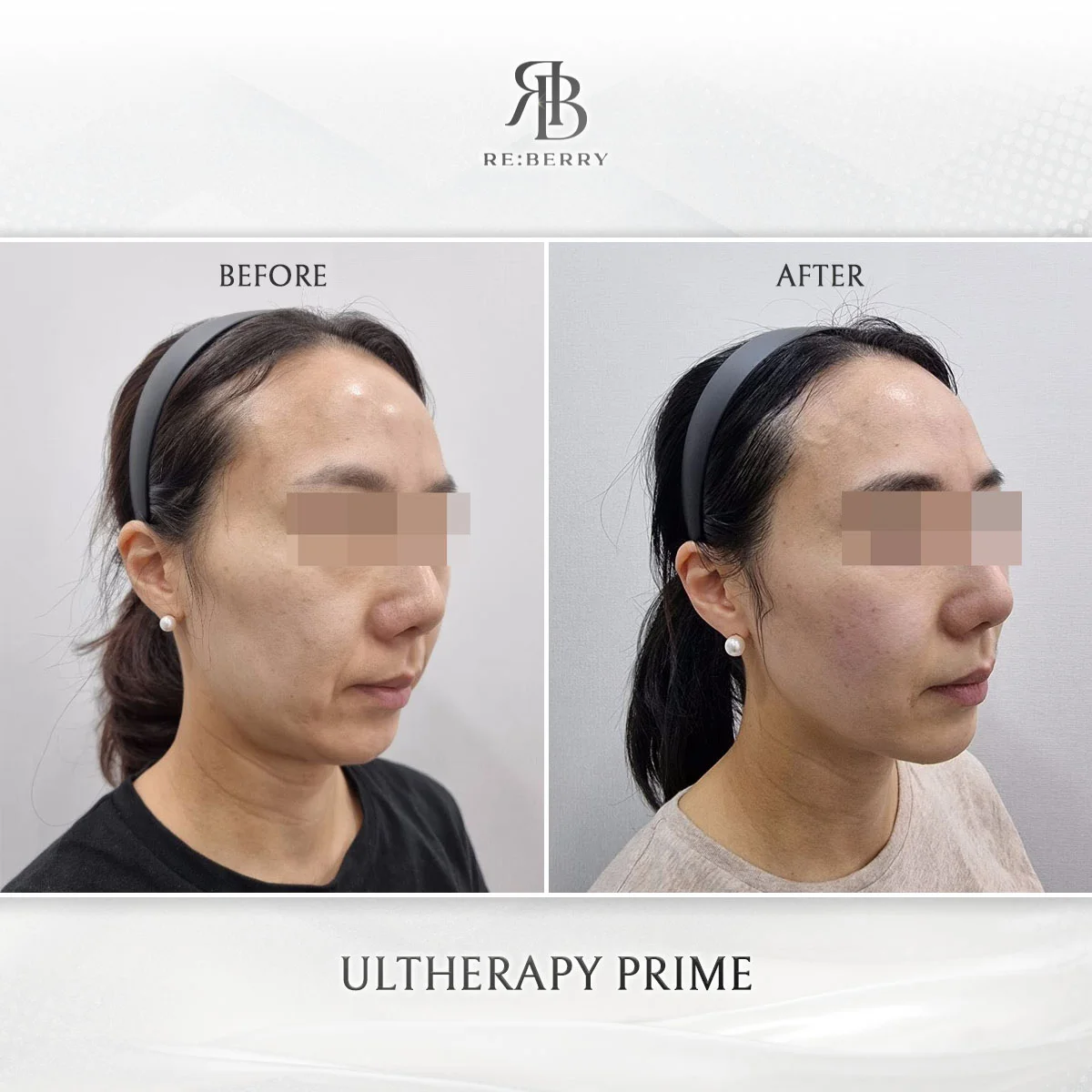
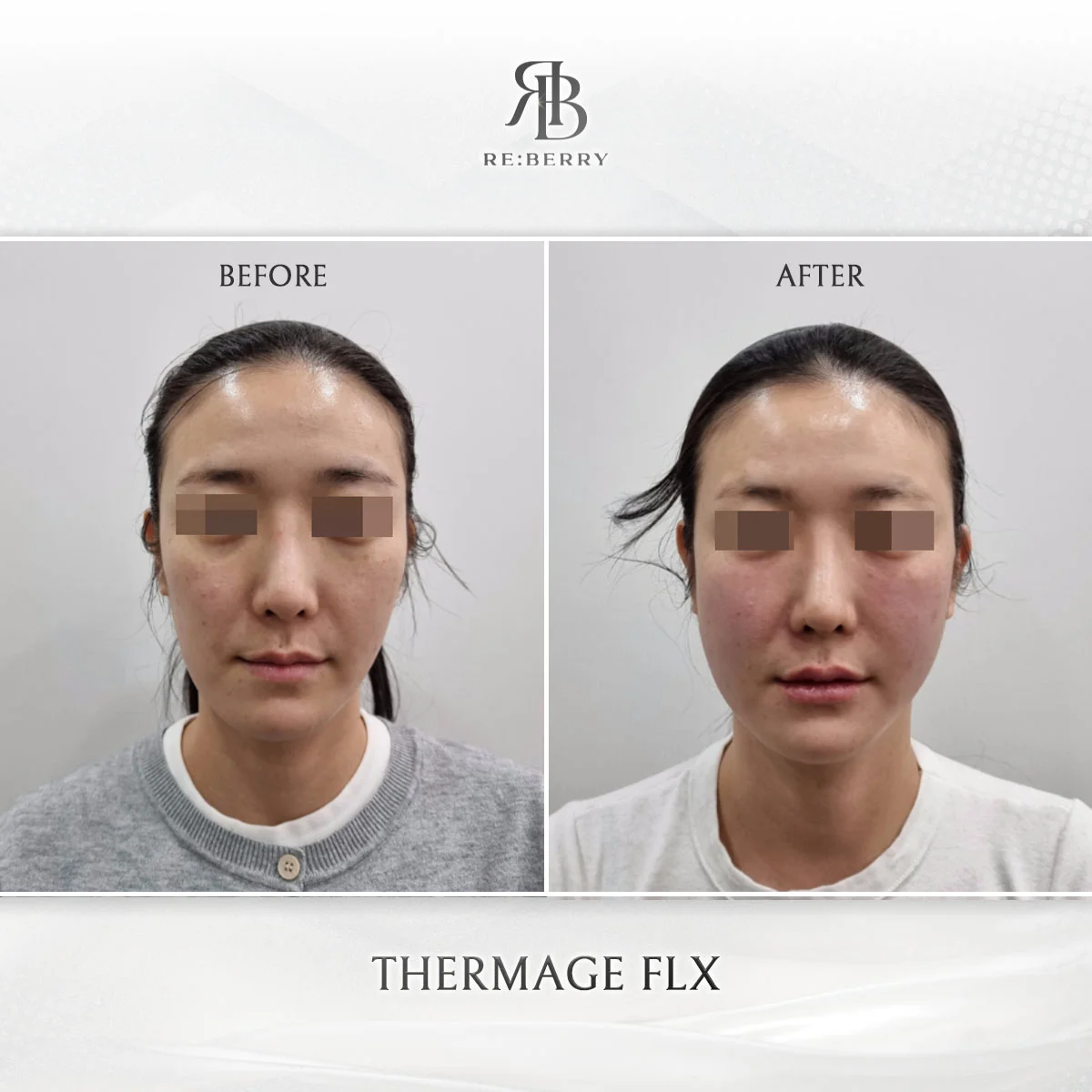
See representative outcomes from Reberry Clinic. Results build gradually and vary by individual; your plan is assessed at consultation.
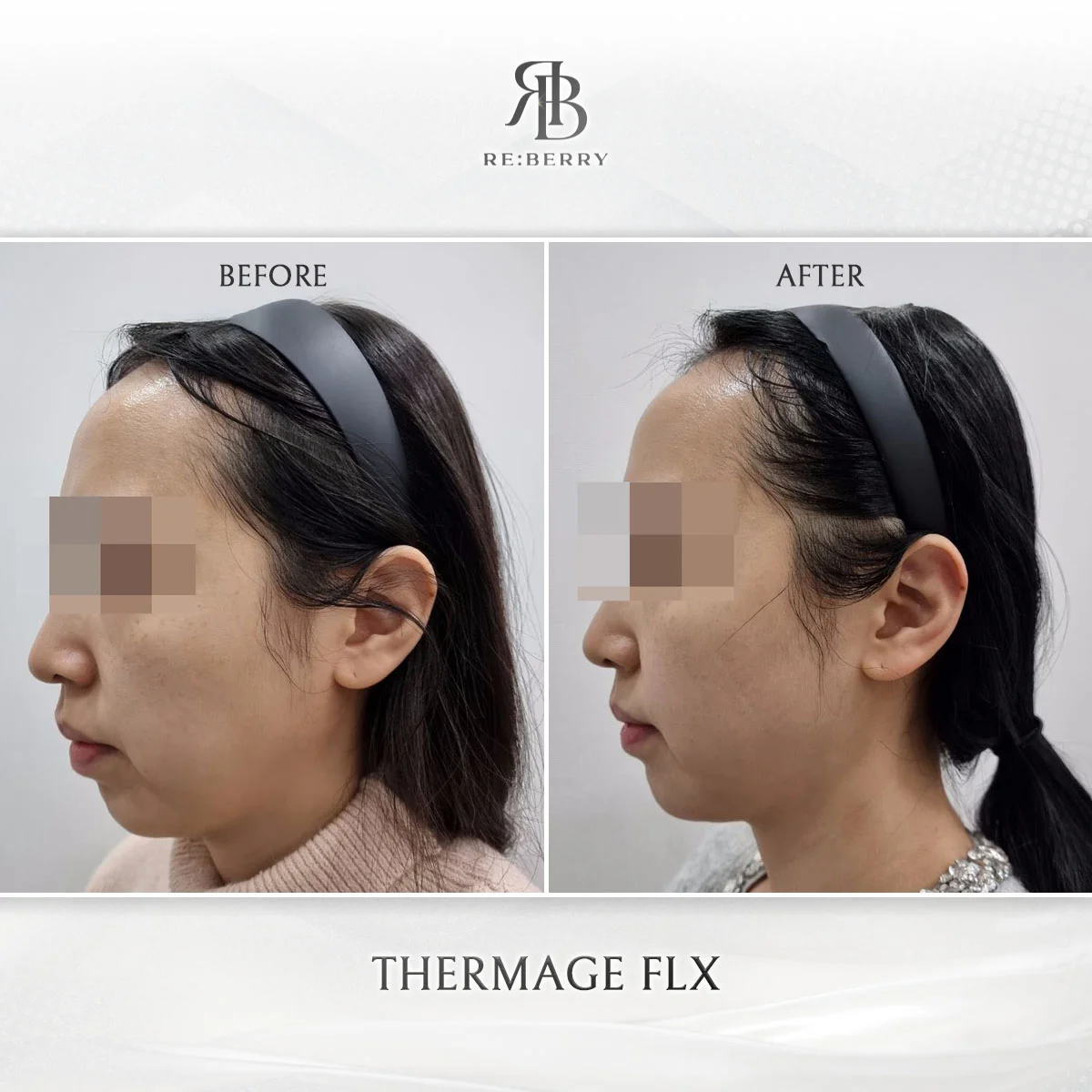
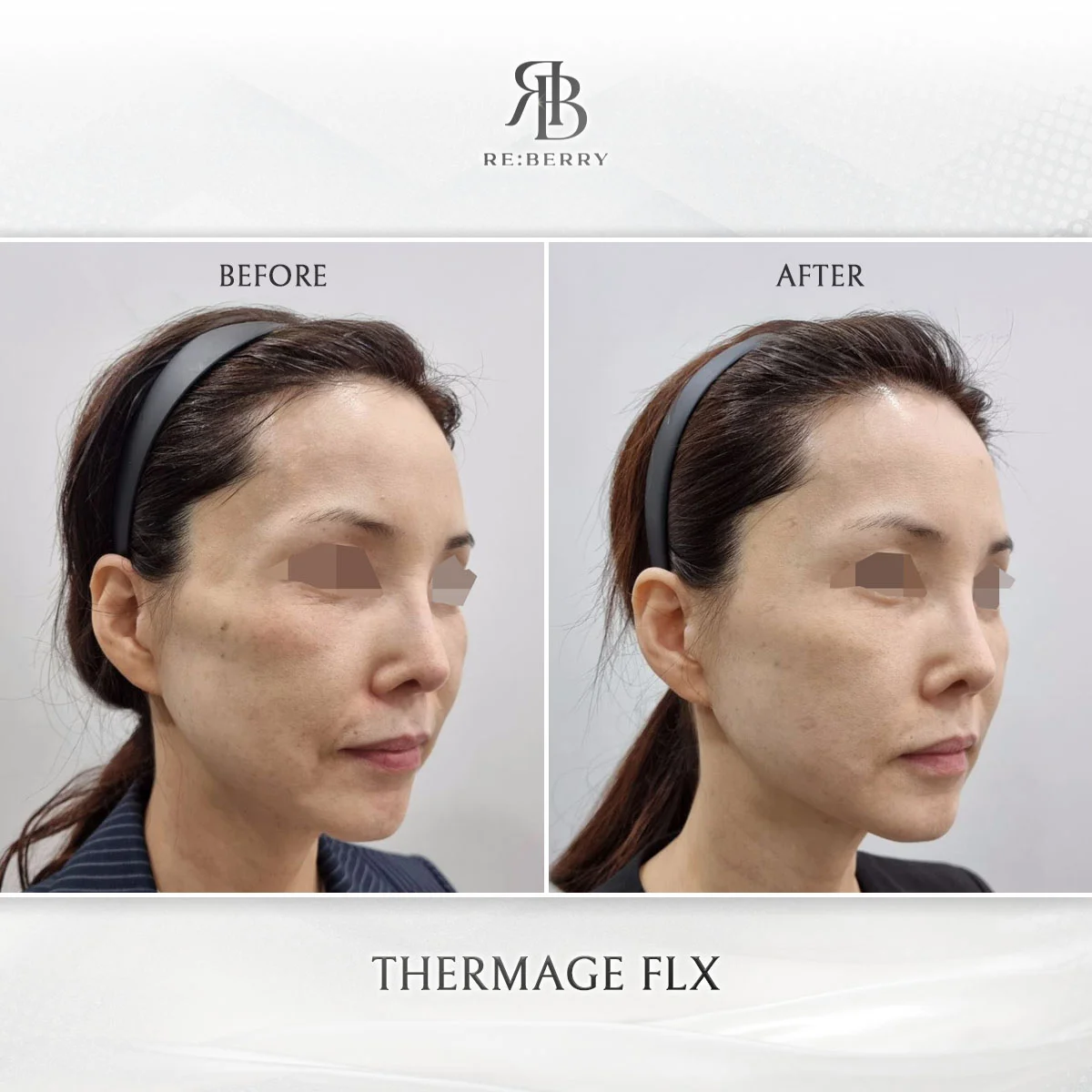
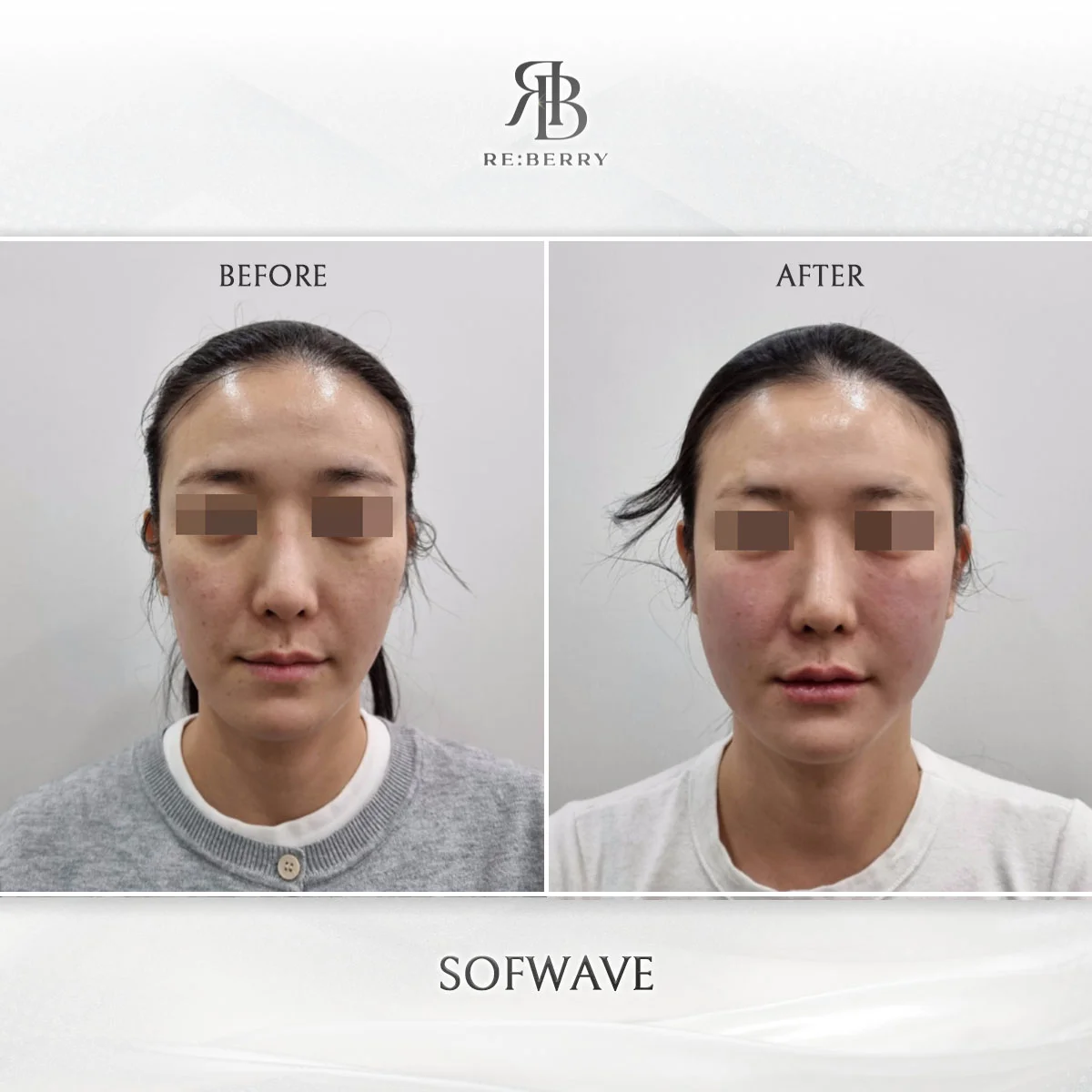
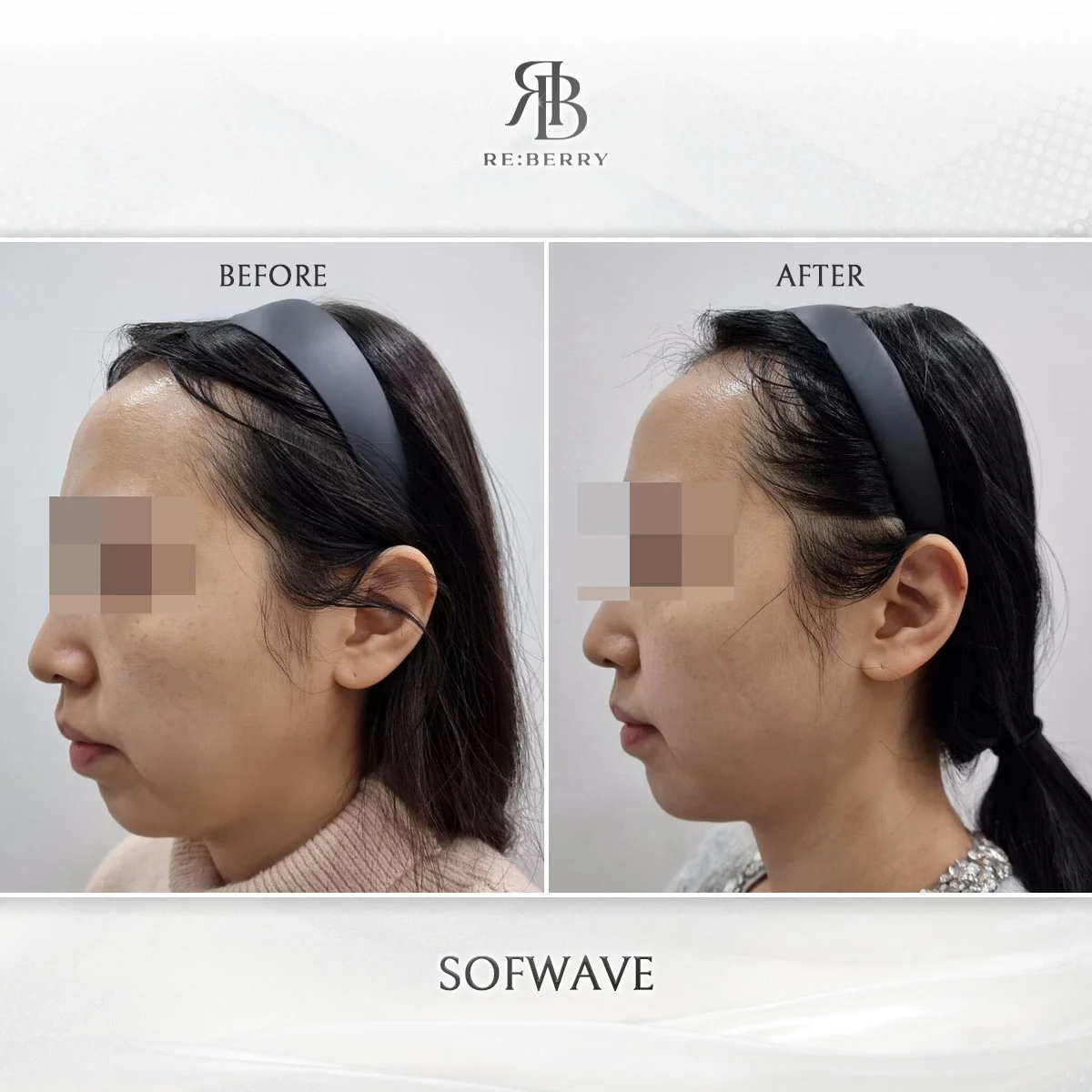
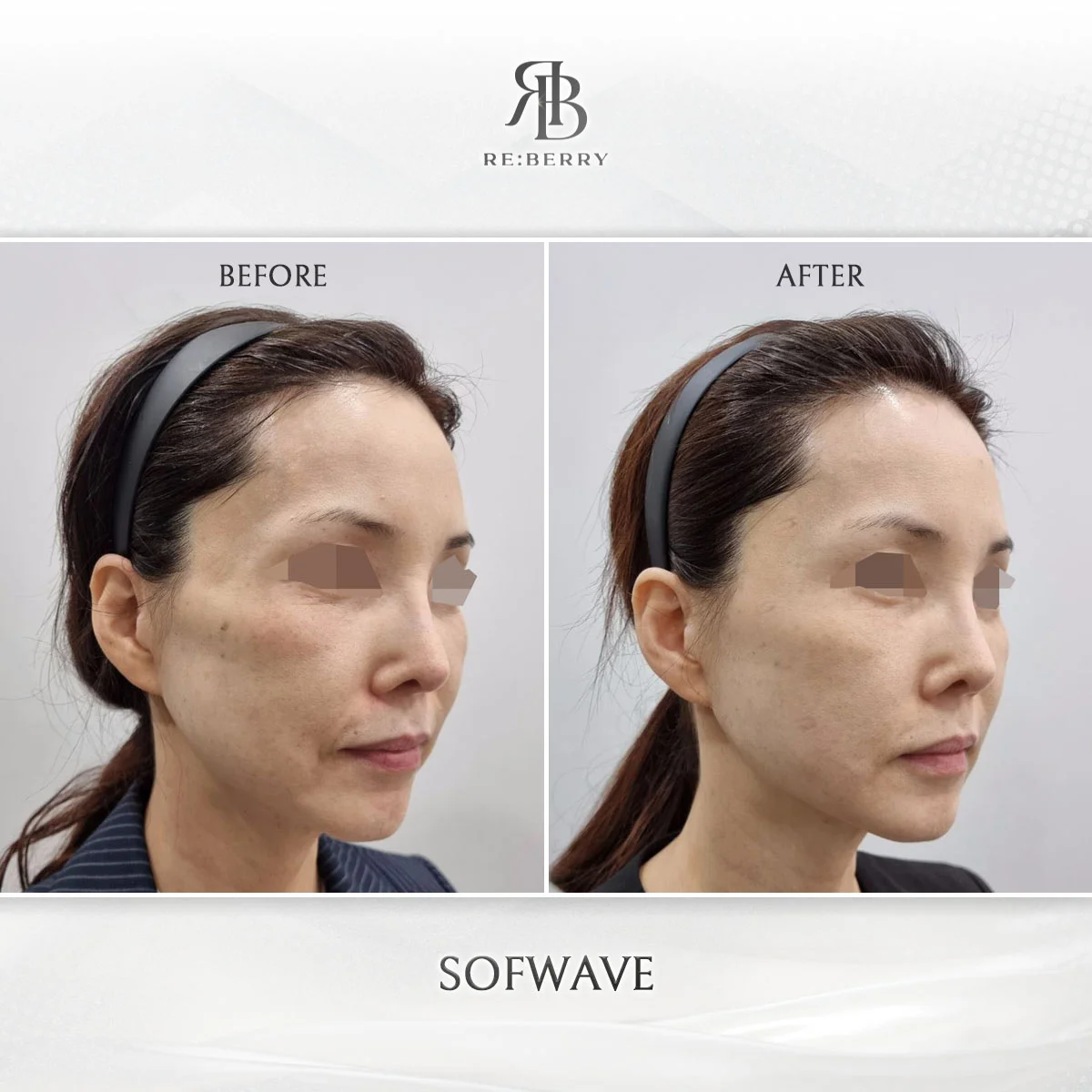
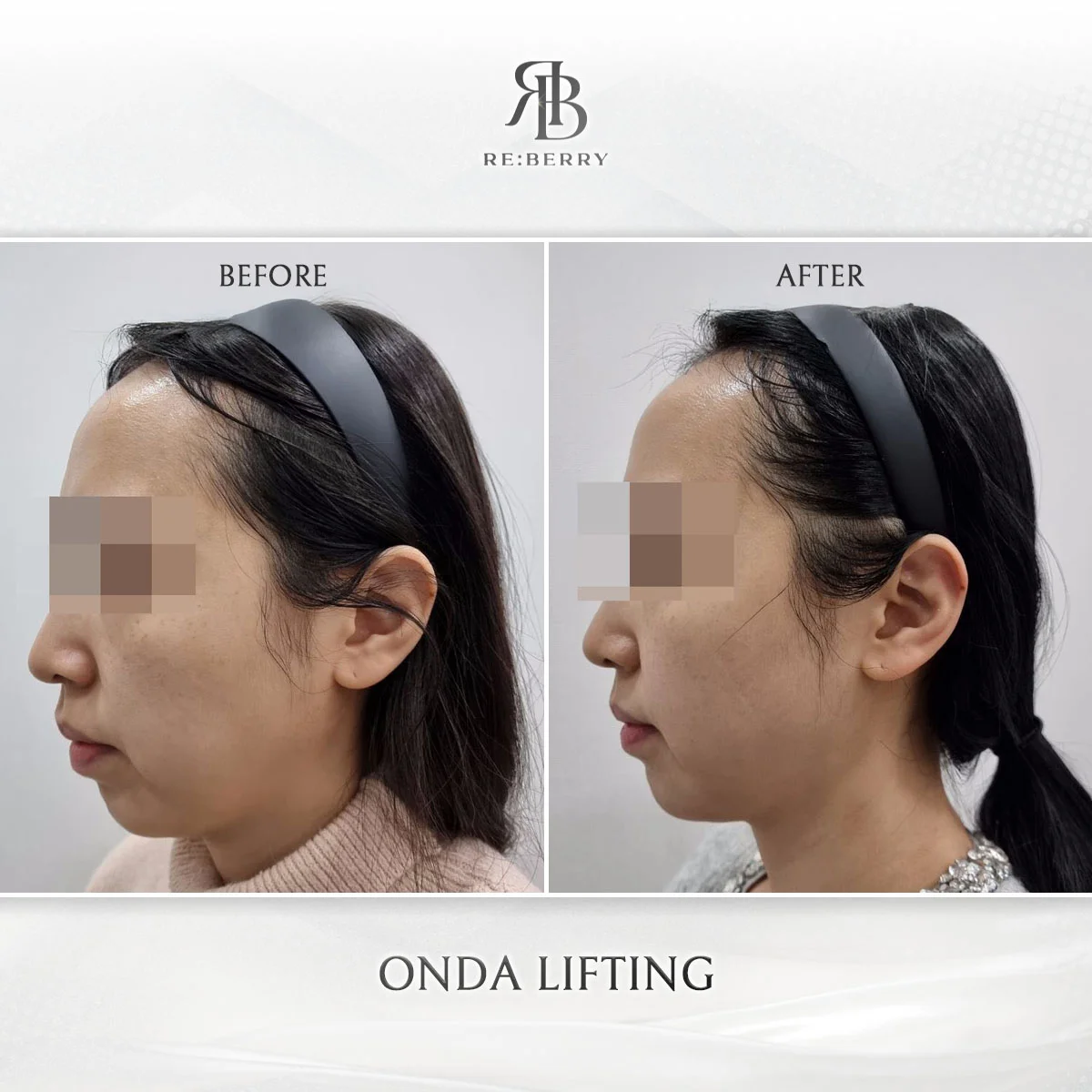
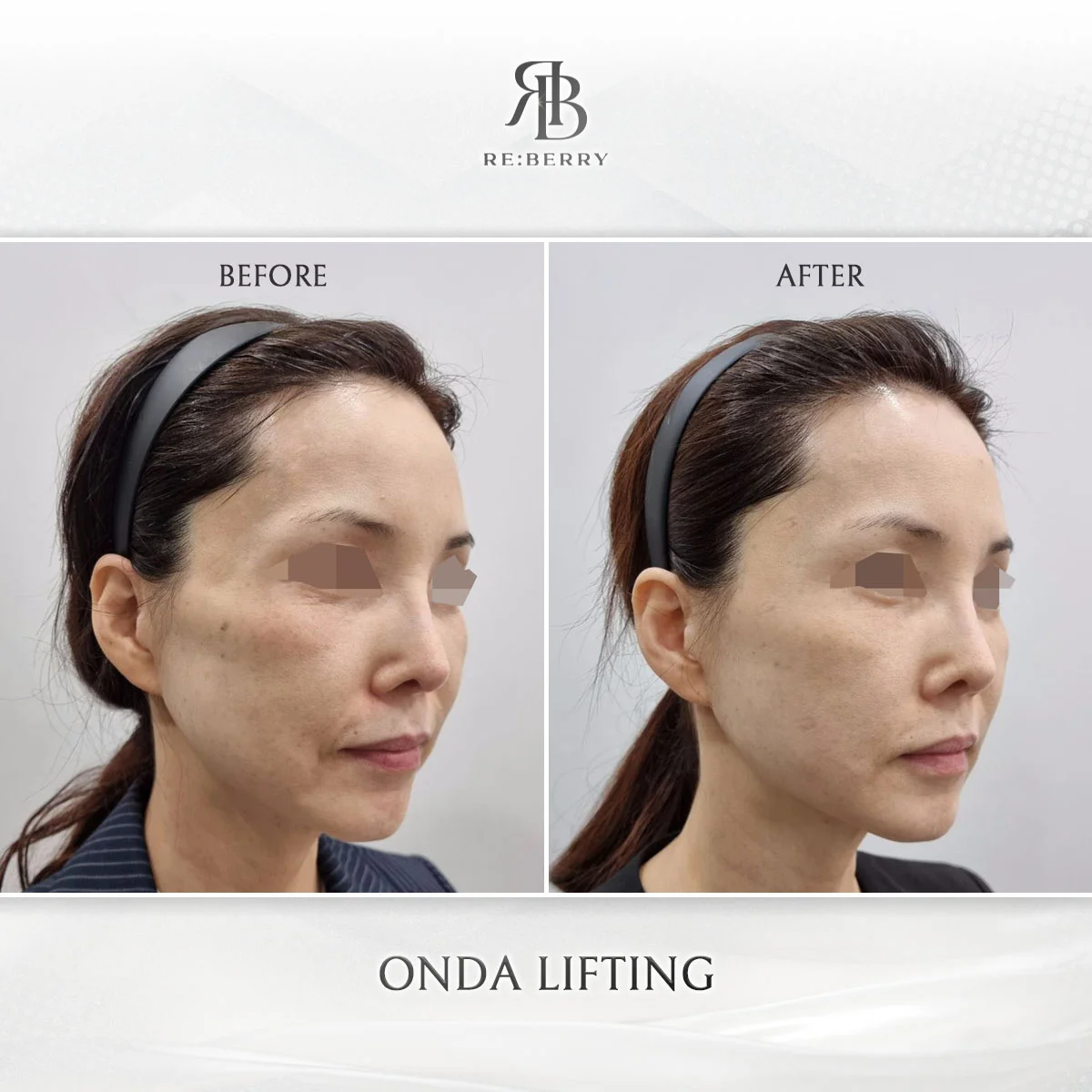
You get the won treatment cost in writing at consultation, the base figure the fee layer is added to.
You choose a method, pay in won, and decline any home-currency conversion the terminal offers to avoid extra cost.
Payment takes only minutes; the fee difference between methods is small, roughly 1 to 3 percent, not a change in the treatment price.
Back home, check your card statement to see the converted amount and any foreign-transaction fee your issuer applied.
Retain the itemised receipt and statement so you can reconcile the won quote with your final home-currency charge if needed.
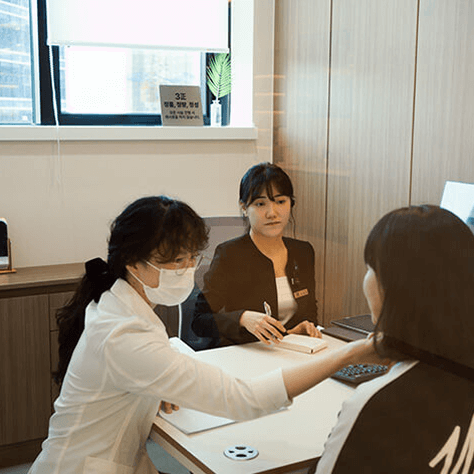
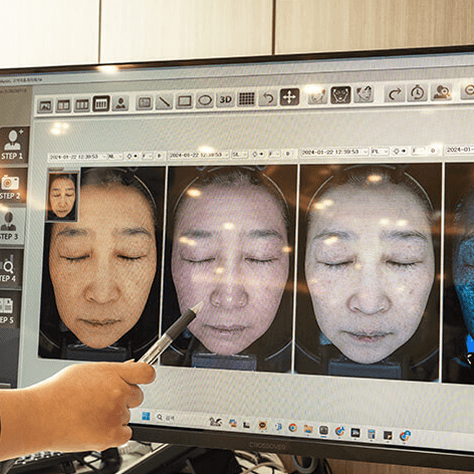

Slightly, yes. The treatment price is set at consultation regardless of method, but your card or bank can add roughly 1 to 3 percent through foreign-transaction fees or currency conversion. Paying in won with a fee-free card keeps the added layer smallest. See treatments on the skin care overview first.
It is a charge your card issuer adds on purchases processed abroad, often around 1 to 3 percent of the amount. It is not a clinic charge. Some travel cards waive it entirely, so checking your card’s terms before you fly can shave this layer off your Korean skin clinic payment.
No, decline it. Dynamic currency conversion, where the terminal charges in your home currency, usually costs more than letting your own bank convert, often by 1 to 3 percent. Paying the won amount and allowing your issuer to handle conversion is generally the cheaper, clearer choice for a visitor.
It depends on your rates. Cash avoids card fees but you pay to obtain won through ATM fees or an exchange counter’s spread, which varies. If you pre-exchanged at a good rate, cash can beat a fee-charging card; if your card is fee-free, paying in won by card is often simpler and comparable.
Reputable clinics quote the won treatment price and do not add a card surcharge on top; any extra you see comes from your own issuer’s conversion and fees. Confirm the full won cost in writing so you can tell the clinic’s price apart from your bank’s added layer at checkout.
Transfers avoid card fees but add cross-border charges from your bank plus its exchange rate, and timing can be slow. They make sense only when the transfer fee is modest relative to a larger plan. Confirm the account, the won total and the deadline with the clinic before relying on it.
Because pricing is consultation-led. The plan, areas and device vary per patient, so the won cost of options like Rejuran Healer reflects what you need, decided after the doctor assesses your skin. Your specific won price comes from your consultation, given to you in writing.
No. Korea’s foreign-patient cosmetic VAT refund ended on 31 December 2025, so from 2026 aesthetic skin treatments do not qualify for a medical VAT refund. Budget on the full won cost and the small fee layer from your bank, without assuming a tax rebate reduces your total.
A card that waives foreign-transaction fees is ideal, paired with paying in won. Rather than one brand, the principle is: no foreign-transaction fee, a fair conversion rate, and no terminal home-currency conversion. Check your own card’s terms before travelling to plan your Seoul payment.
The fee layer applies each time you pay, so several card payments each carry any foreign-transaction fee. Some clinics let you pay per visit; others take one payment. Ask how the plan is split and confirm the won amount per session, so you can plan both the base cost and the small per-payment fees.
Keep the clinic’s written won quote and your itemised receipt, then check your card statement at home. The difference is the conversion and any foreign-transaction fee your issuer added, usually 1 to 3 percent. If the gap looks larger, review whether terminal home-currency conversion was applied at the desk.
There should not be if the clinic is transparent. Ask what the won price for a glass facial or other plan includes so add-ons do not appear at checkout. A clear itemised quote in writing is your best protection against an unexpectedly higher total.
Usually, yes, because it lets your own bank convert at its rate instead of the terminal’s marked-up home-currency rate. The exception is if your card charges a high foreign-transaction fee and you pre-exchanged cash at a better rate. In most cases, paying in won with a fee-aware card is the cheaper route.
Days in Seoul do not change the treatment price, but a longer multi-session plan means more payment events, each carrying any small per-payment fee. For a single session, often 1 day covers consultation, treatment and payment. Confirm the schedule and won cost per visit so you can plan accordingly.
Often yes, if you ask. Splitting can help if you want to cap card fees on part of the bill and use pre-exchanged won for the rest. Confirm with the clinic that a split is possible and get the won total in writing so both portions are clear before you pay.
Confirm it directly with the clinic in writing before booking. Ask for the full won treatment cost, what it includes, and accepted methods, then plan your fee layer around your own card and bank. You can start by reviewing treatments on the skin care overview and messaging the team.
| International card | Cash (KRW) | Bank transfer | |
|---|---|---|---|
| Base treatment price | Same won price set at consultation | Same won price set at consultation | Same won price set at consultation |
| Added by provider | Possible foreign-transaction fee | ATM or exchange-counter costs | Cross-border transfer fee |
| Conversion control | Your issuer converts; decline terminal conversion | You lock the rate when you exchange | Sending bank sets the rate |
| Best for keeping fees low | A fee-free travel card paid in won | Good exchange rate obtained in advance | Only if transfer fees are modest |
| Watch out for | Dynamic currency conversion at the desk | Poor airport-counter exchange spreads | Slow timing and high wire fees |
| Receipt for records | Itemised card receipt | Ask for a written receipt | Clinic receipt plus transfer confirmation |
Real verified reviews from our Google Business Profile, across all Reberry Clinic locations.
PULLED LIVE FROM GOOGLE · GANGNAM · MYEONGDONG · INCHEON AIRPORT
Your treatment is planned and performed by experienced, MFDS-registered doctors across our Seoul-area clinics, with multilingual support for international patients.
Flagship clinic · KOL for leading lifting & regenerative devices
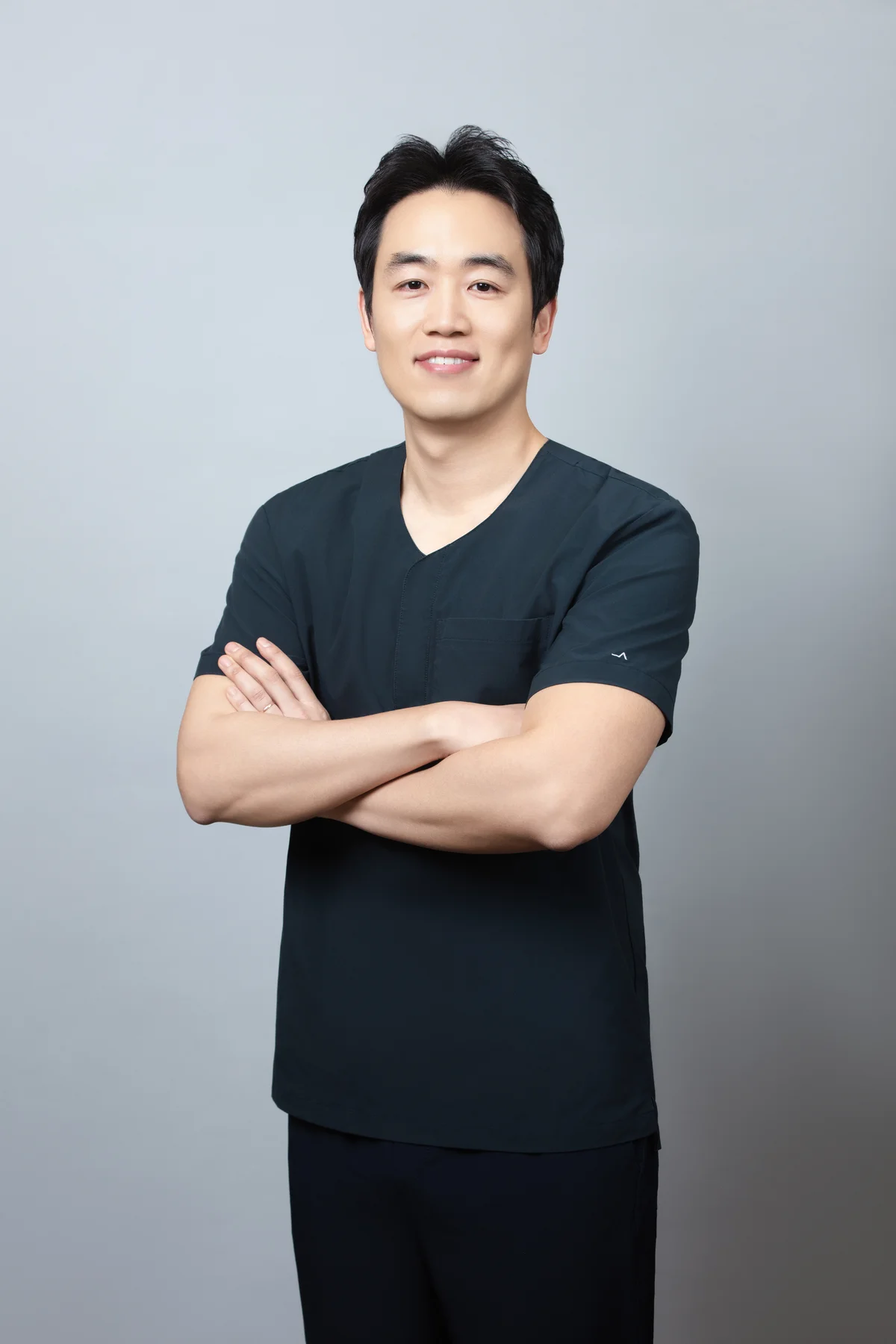
Multilingual tourist care beside Myeongdong Cathedral
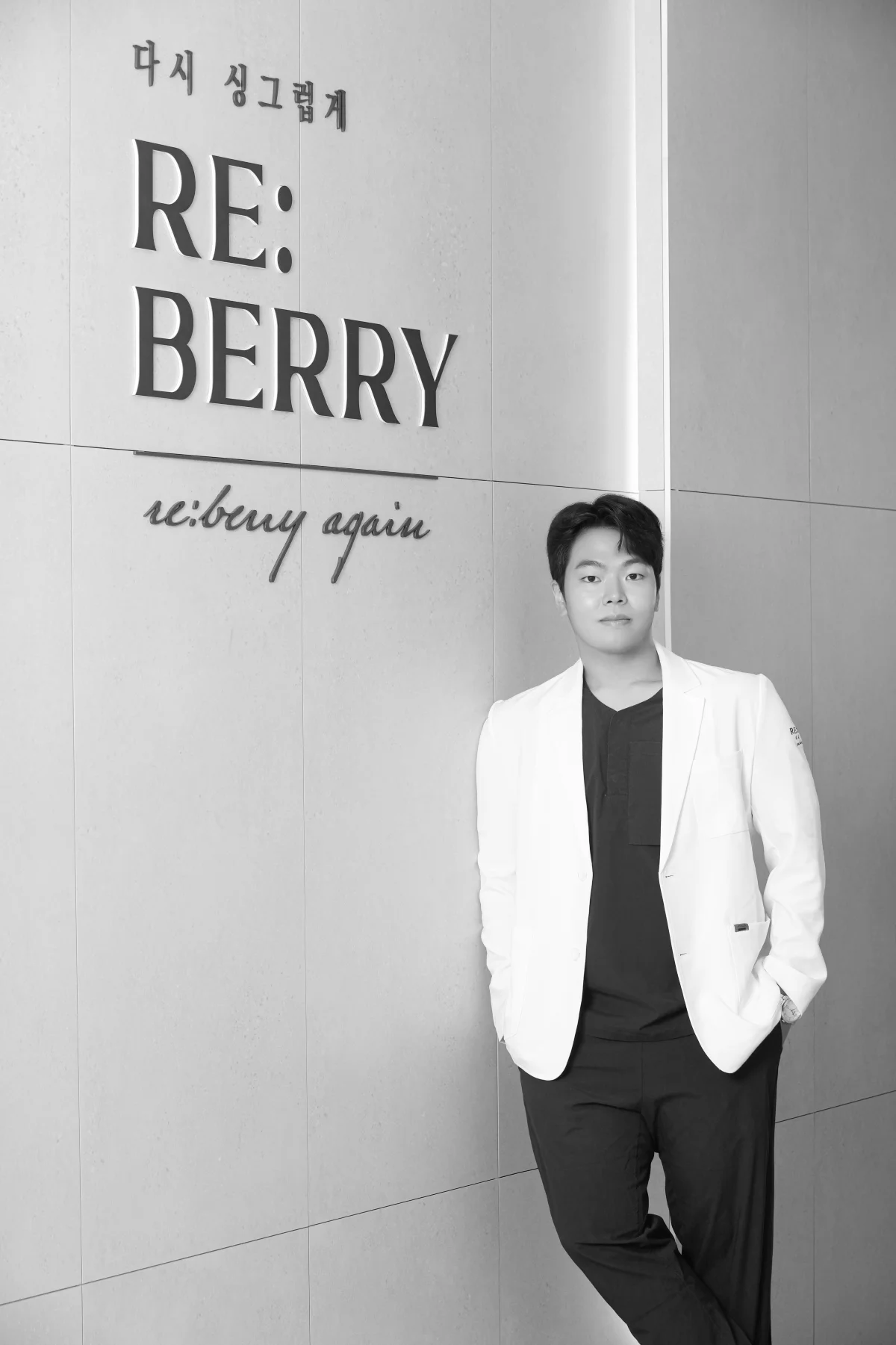
Fast, effective care 20 minutes from the terminals
Message us on WhatsApp for a free consultation in English and a clear written won quote so you can plan the small payment-fee layer yourself.