



Gangnam
Dr. Yoon-Gon Ryu
Aesthetic Medicine Specialist
Flagship clinic · KOL for leading lifting & regenerative devices · Featured in Authority Magazine (2026)

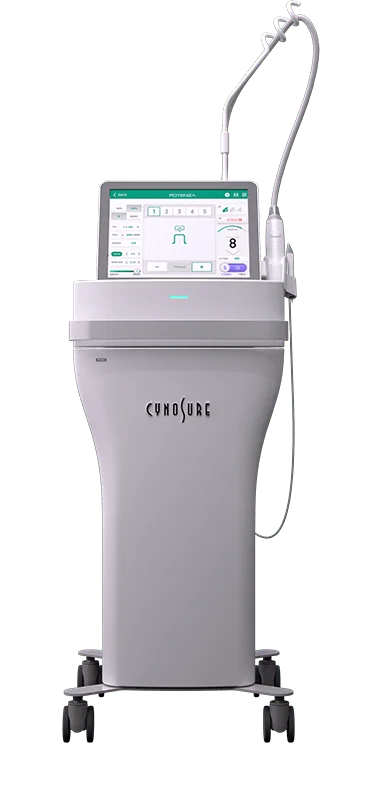
Atrophic acne scars fall into 3 shapes (icepick, boxcar, rolling), so most plans layer 2 to 4 modalities over a series of sessions rather than relying on one device.
Acne scar treatment in Myeongdong, Seoul combines modalities like RF microneedling, subcision, and fractional laser resurfacing, matched to your scar type (icepick, boxcar, or rolling) and skin. Because scars respond over a series of sessions, the clinic’s doctors at our Myeongdong (Seoul) location build your individual plan at consultation rather than applying one fixed protocol.
One-on-One guidance from a dedicated doctor, ensuring your skin is professionally monitored and treated from start to finish.
Fluent assistance in English, Japanese, and Chinese, making communication clear, respectful and comfortable for international patients.
Over 100,000 patients worldwide have received our personalized dermatological care, highlighting our expertise and reliable results.
Acne scar treatment is a medical plan that rebuilds skin texture left uneven by past breakouts. Most acne scars are atrophic (depressed), and they sort into 3 recognised shapes: narrow, deep icepick scars, sharp-edged boxcar scars, and softer, wave-like rolling scars. Because these shapes behave differently, a good plan matches the right tools to the scars you actually have rather than treating every scar the same way.
The workhorses are RF microneedling, which delivers radiofrequency energy into the dermis through fine needles to remodel collagen; subcision, which releases the fibrous bands that tether rolling scars; and fractional laser resurfacing, which resurfaces sharp boxcar edges. Many patients need a combination, spaced weeks apart, because collagen rebuilds gradually and no single session erases deep scarring.
At Reberry Clinic, scar care is consultation-led and delivered at our Myeongdong (Seoul) location by Dr. Seung Jae Baek and the clinic’s doctors, who first grade your scars, then design a tailored plan and explain it in English. Myeongdong, Seoul, Korea is a central, easy-to-reach district for international patients, so treatment can be planned around your travel schedule.

Scar correction works best when the mechanism matches the scar. Rolling scars are tethered by fibrous bands beneath the skin, so subcision uses a needle or cannula to release those bands and let the surface lift. Boxcar scars have sharp vertical walls, which fractional lasers and RF microneedling soften by triggering controlled micro-injury and new collagen. Icepick scars are narrow and deep, and often respond better to focal techniques than to broad resurfacing alone. RF microneedling is a mainstay because it places radiofrequency heat at a chosen depth in the dermis (typically several passes per session), stimulating collagen and elastin over the following weeks while sparing the surface, which suits a range of skin tones. Because each tool addresses a different part of the picture, the clinic’s doctors usually sequence 2 to 4 modalities across a course, and settings are adjusted to your Fitzpatrick skin type to reduce the risk of pigment changes. Your final plan and session count are set after assessment, not before.
One Reberry Clinic, multiple Seoul-area locations. Pricing & current promotions are listed on each branch's own site — tap a clinic to view pricing & book.
Our flagship in the heart of Gangnam.
In Seoul's shopping & tourism heart.
A beauty stop between flights.
The newest Reberry Clinic — in Seoul's trend district.
ONE REBERRY CLINIC · MFDS-REGISTERED DEVICES · MULTILINGUAL CARE AT EVERY LOCATION


Doctors classify your atrophic scars into the 3 shapes (icepick, boxcar, rolling) and grade severity, which decides which of the modalities your plan needs.
For rolling scars, subcision releases the fibrous bands beneath, often 1 to 3 sessions, so the depressed surface can lift as new collagen forms.
Fine needles place radiofrequency energy at a set dermal depth over several passes, stimulating collagen typically across 3 to 4 sessions spaced about 4 weeks apart.
Fractional laser resurfacing softens boxcar walls; passes and density are tuned to your skin type to keep post-inflammatory pigment risk low.
Because collagen rebuilds over 3 to 6 months, your doctor reviews progress between sessions and adjusts the plan to how your scars respond.
Reberry Clinic · Prices verified: Oct 2026
| Clinic | Price (KRW) |
|---|---|
| MyeongdongSubcision 1 Area | from₩110,000 |
| Incheon AirportSubcision Add-On 1 Session | from₩55,000 |
VAT excluded · Treatment packages differ by clinic — see each clinic page for its full menu · Confirmed after consultation
See representative outcomes from Reberry Clinic. Results build gradually and vary by individual; your plan is assessed at consultation.
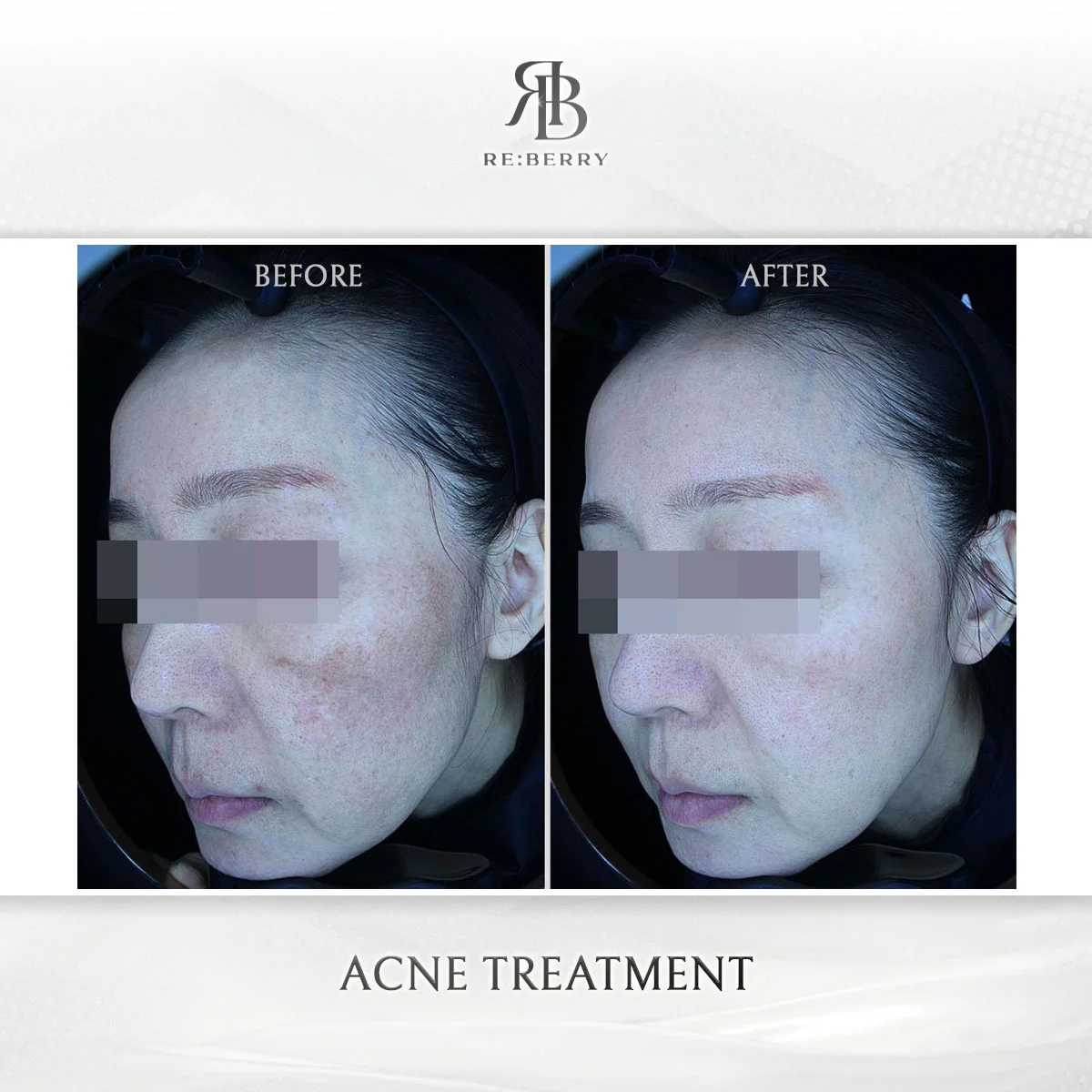
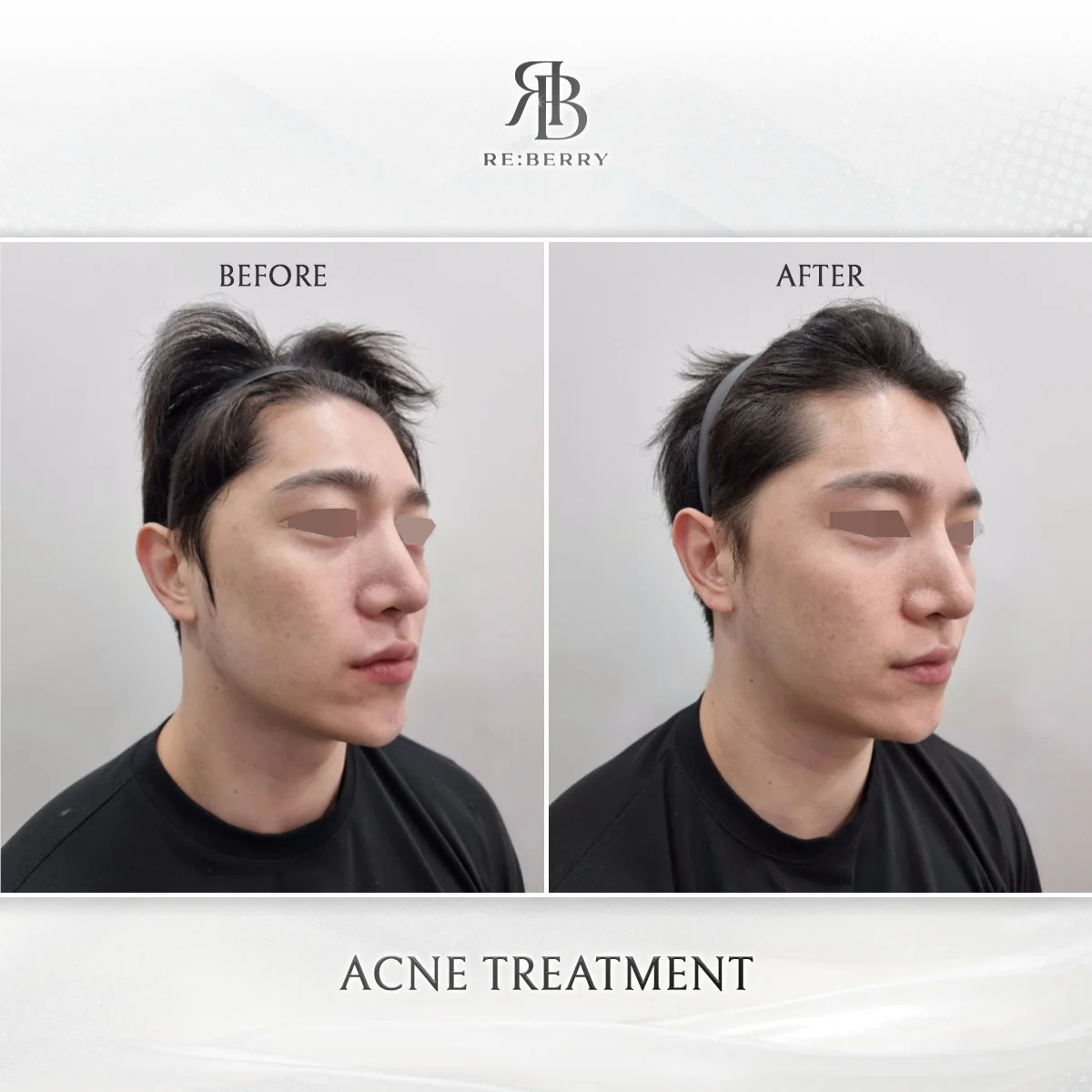
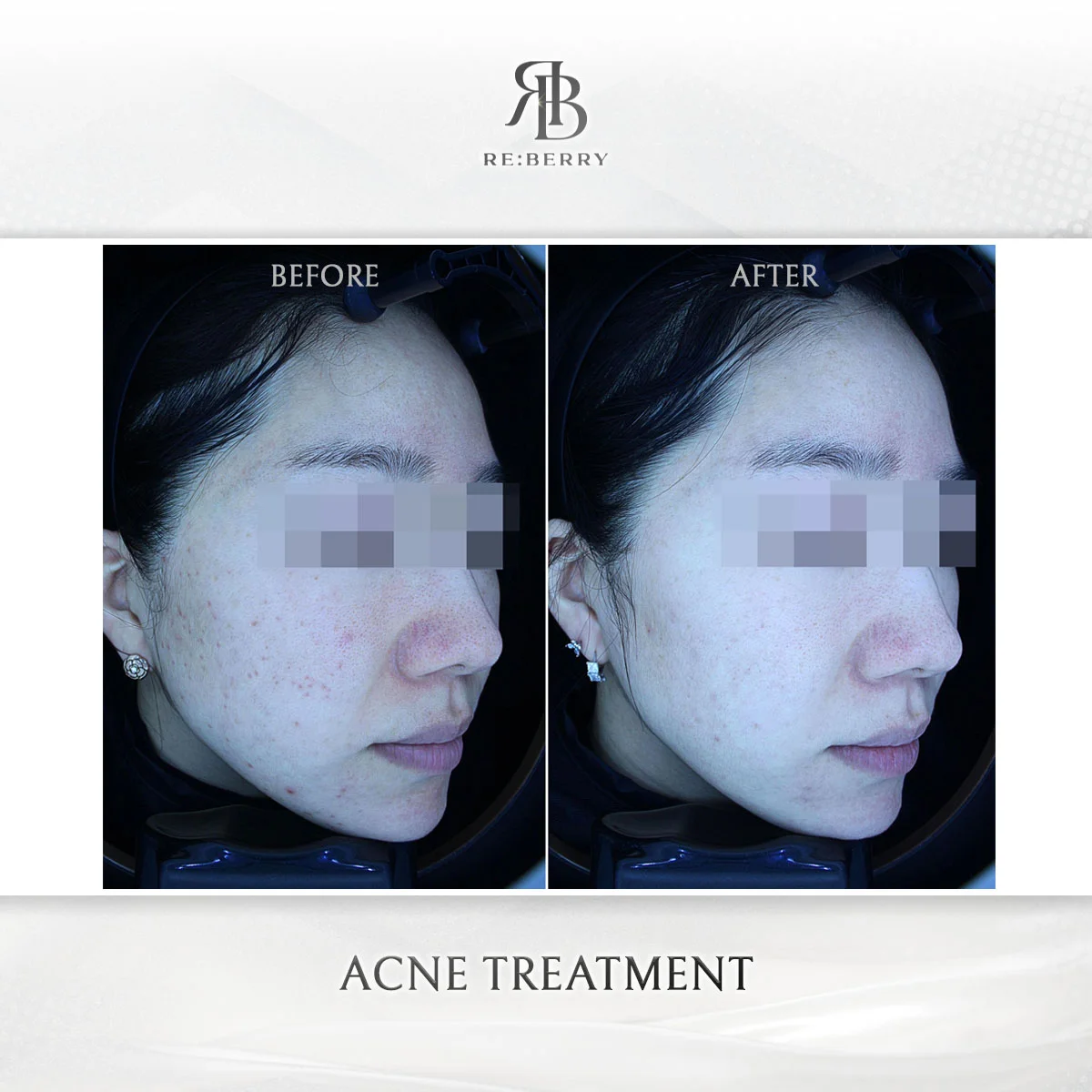
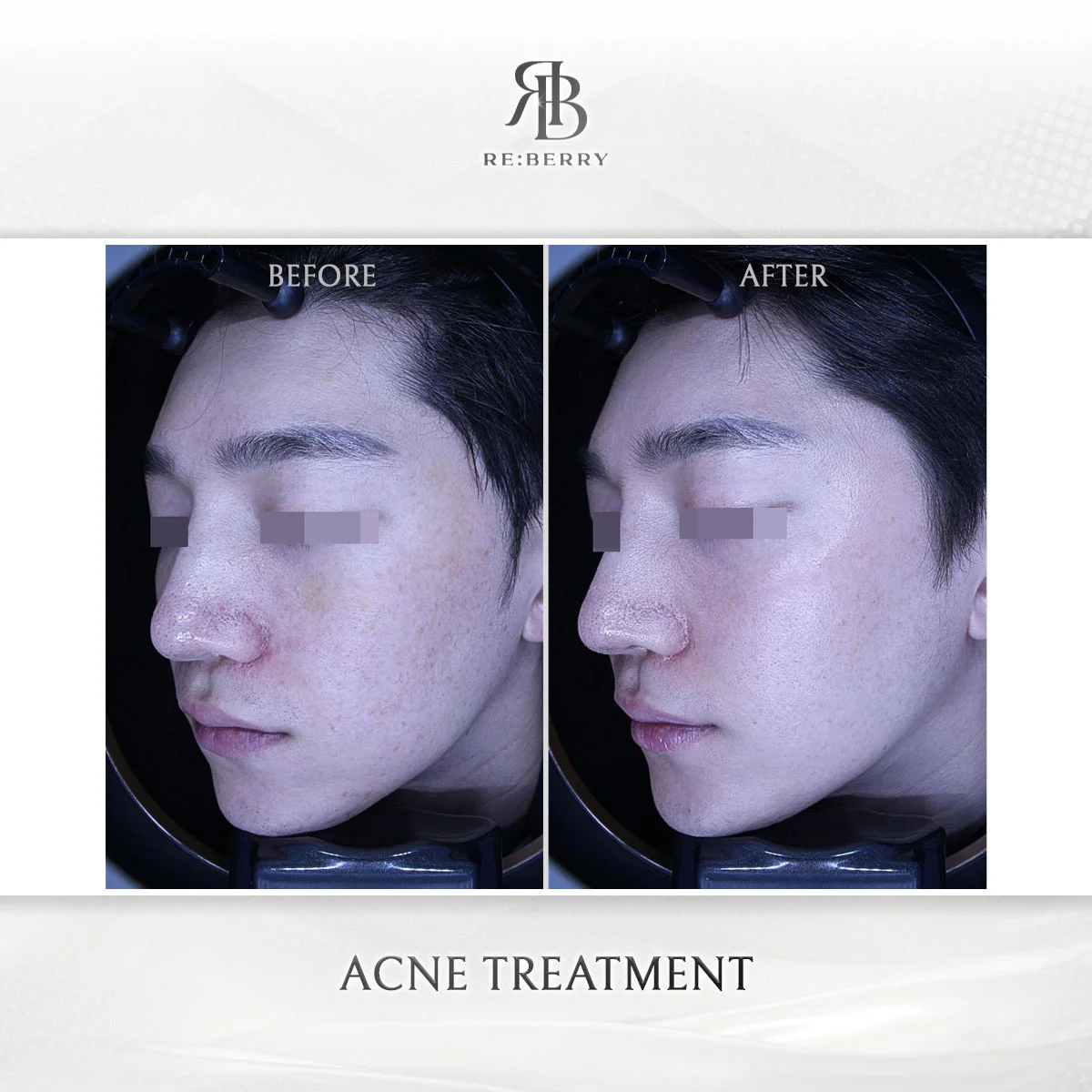
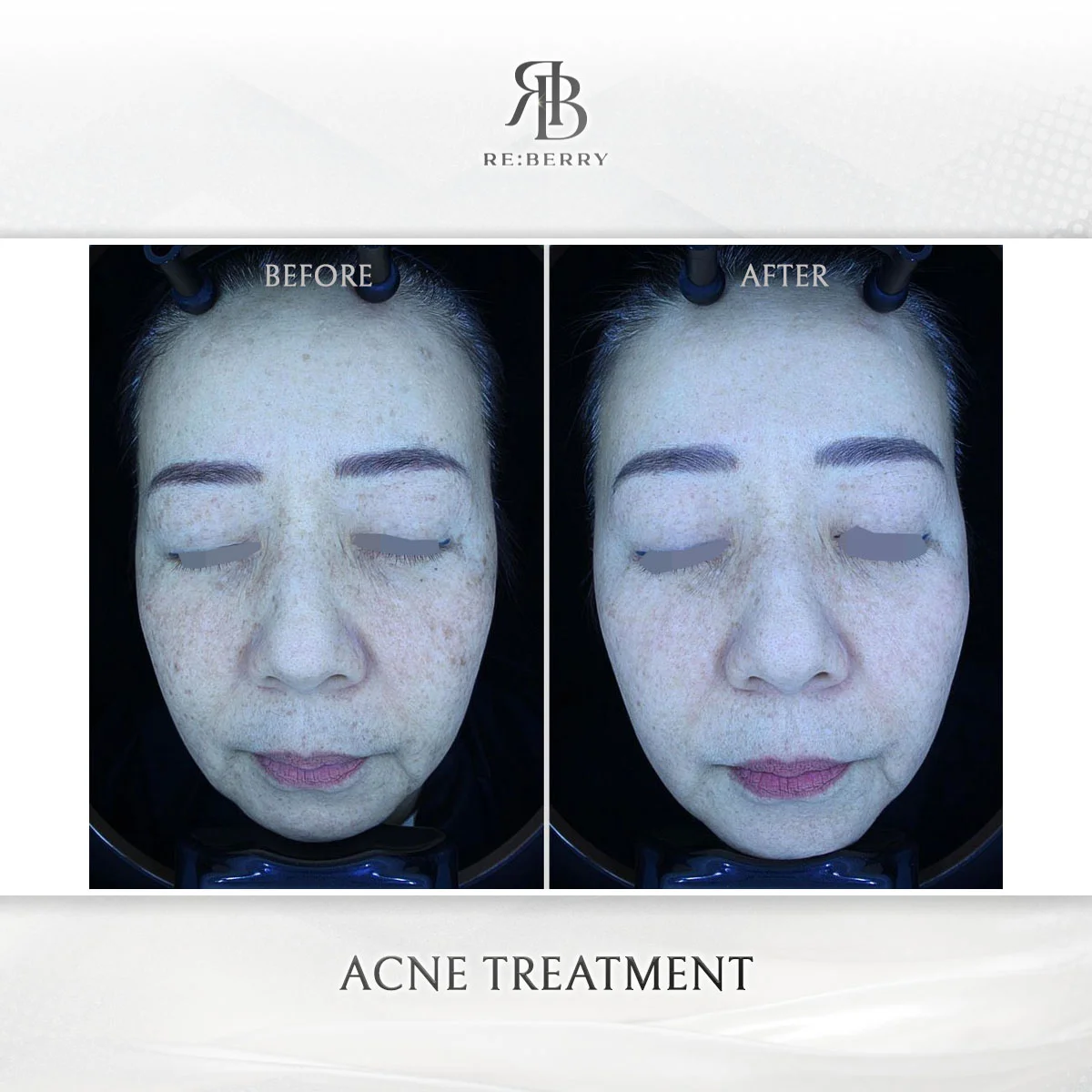
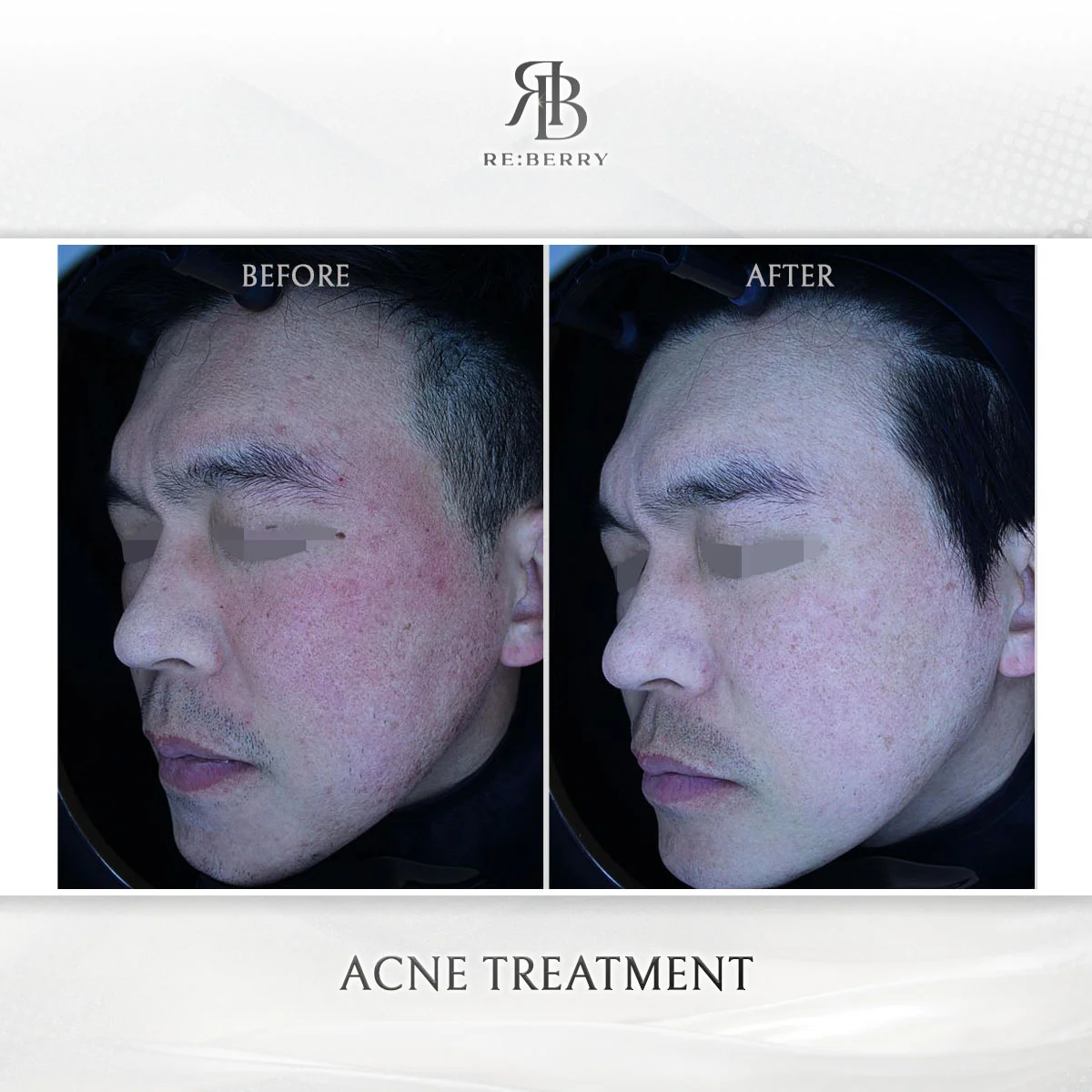
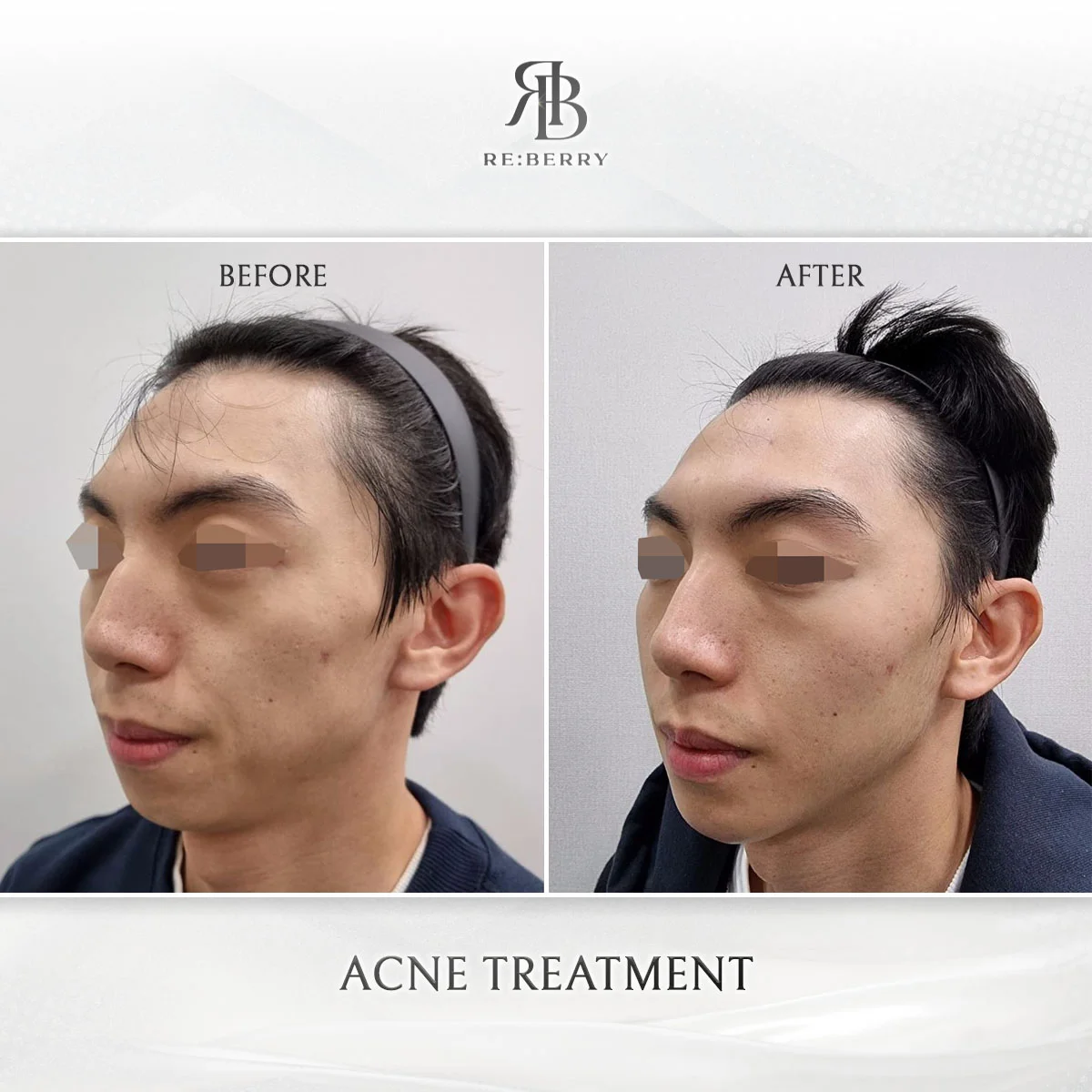
At our Myeongdong (Seoul) location, the clinic’s doctors grade your scars, map which modalities your plan needs, and explain the cost drivers in English.
After numbing, a session usually takes about 30 to 60 minutes depending on which of the modalities are combined that day.
Scar plans run as a course, so most patients complete 3 to 5 sessions spaced roughly 4 weeks apart rather than one visit.
Collagen rebuilds over 3 to 6 months, so texture keeps improving between and after sessions, and your doctor reviews progress each time.
Diligent sun protection and a gentle routine protect results; occasional touch-ups may be planned as your scars settle over the year.



Choosing well starts with grading your scars, because atrophic scars come in 3 shapes and each responds to different tools, so plans usually combine RF microneedling, subcision, and fractional laser. The clinic’s doctors assess your scars first, then build a matched plan. You can start on our acne treatment page.
Acne scar treatment is performed at our Myeongdong (Seoul) location by Dr. Seung Jae Baek and the clinic’s doctors, at 5, Myeongdong 10-gil, Jung-gu, about 5 minutes from Myeongdong Station. Myeongdong, Seoul, Korea is central and easy to reach, and the team supports international patients in English throughout your plan.
Acne scars are softened and improved rather than fully erased, since they are permanent changes in the skin’s structure. Most patients see clear texture improvement over a course of sessions as collagen rebuilds. Your doctor sets realistic goals at consultation based on your scar type, depth, and how many sessions you complete.
Discomfort is manageable because numbing cream or local anaesthetic is used before each modality. RF microneedling feels like pressure and warmth, subcision may cause bruising, and laser resurfacing gives heat and stinging. Most patients tolerate sessions well, and your doctor explains what to expect for each tool beforehand.
Downtime is usually a few days to about a week depending on the modality. RF microneedling leaves redness and pinpoint marks for a few days, subcision causes bruising for several days, and fractional laser can flake for around a week. You can explore gentler options on our laser treatment page.
Most patients need about 3 to 5 sessions spaced roughly 4 weeks apart, because collagen rebuilds gradually and layered scars rarely resolve in one visit. The exact number depends on your scar shapes, depth, and skin type, which your doctor reviews between sessions and adjusts to how you respond.
Visible improvement builds over 3 to 6 months as new collagen fills atrophic scars, not immediately after a single session. Some subcision lift can be seen early, while RF microneedling and laser results emerge more gradually. Your doctor tracks progress at each visit so the plan stays matched to your healing.
RF microneedling is generally considered suitable across a range of skin tones because it heats the dermis while largely sparing the surface, lowering pigment risk when settings are individualised. Your doctor tunes depth and energy to your Fitzpatrick type. You can read more on our acne treatment page.
Subcision is a technique that releases the fibrous bands tethering rolling scars, letting the depressed surface lift as collagen forms. You may need it if you have soft, wave-like rolling scars rather than sharp boxcar or narrow icepick scars. Your doctor decides at consultation based on your scar shapes and depth.
Improvements are long-lasting because the collagen changes are structural, though skin continues to age naturally over the years. Scars that were treated do not typically return, but new breakouts could form fresh scars, so keeping acne controlled matters. Occasional maintenance may be planned as your skin settles.
Yes, scar work is often combined with pigment-focused lasers or skin boosters once scars are improving, since acne can also leave marks and dullness. Your doctor sequences treatments so the skin is not over-stressed. A supportive skin care routine helps protect results between sessions.
Yes, active acne is usually brought under control before scar work begins, because treating scars while breakouts continue can create new scars and complicate healing. Your doctor assesses this at consultation and may manage active acne first, then move on to the resurfacing and remodelling steps in sequence.
No, flat red or brown marks left after acne are post-inflammatory pigmentation or erythema, not true scars, and they often fade with time or targeted treatment. True scars are textured depressions. Your doctor distinguishes the two at consultation so your plan targets the right issue rather than over-treating flat marks.
Most adults with atrophic acne scars whose active acne is controlled are suitable candidates for a structured plan. A consultation grades your scars and confirms which modalities fit your skin type. Those with a history of keloid scarring need careful assessment first, which your doctor will explain clearly before starting.
Cost depends on your scar shapes, how many modalities your plan combines, and how many sessions you complete, so it is set after assessment rather than as one fixed figure. The clinic’s doctors explain the drivers transparently in English at consultation. You can start on our acne treatment page.
For a first session, 2 to 3 days is comfortable, allowing consultation, the procedure, and a short review while any redness or bruising settles. Because scar plans run as a course, many international patients begin in Myeongdong and continue over return visits. Our English-speaking team helps coordinate timing.
Yes, flying within a day or two is generally fine, though after subcision or laser resurfacing your skin may still be bruised or flaking. Cabin air is drying, so moisturise, protect treated skin from sun, and follow aftercare. Your doctor gives travel-specific guidance based on which modalities you had.
International patients can complete a scar course across one or more trips to Myeongdong, and the clinic offers remote check-ins in English between visits so progress stays on track. You can continue a supportive skin care routine at home, and your treatment notes are kept on file for continuity.
| RF Microneedling | Subcision | Fractional Laser Resurfacing | |
|---|---|---|---|
| Energy / mechanism | Radiofrequency heat via fine needles into the dermis | Mechanical release of fibrous tethering bands | Fractional light columns that resurface and remodel |
| Best for | Boxcar and rolling scars, general texture | Rolling scars tethered beneath the surface | Sharp boxcar edges and surface irregularity |
| Pain / comfort | Numbing cream used; pressure and warmth felt | Local anaesthetic used; some bruising likely | Numbing cream used; heat and stinging felt |
| Downtime | Redness and pinpoint marks for a few days | Bruising and swelling for several days | Redness and flaking, often around a week |
| Results timeline | Builds over 3 to 6 months across the series | Some lift early, more as collagen fills in | Texture smooths over weeks to months |
| Cost factors | Depends on passes, depth, and session count | Depends on number of scars and sessions | Depends on area, density, and laser type |
Real verified reviews from our Google Business Profile, across all Reberry Clinic locations.
PULLED LIVE FROM GOOGLE · GANGNAM · MYEONGDONG · INCHEON AIRPORT
Your treatment is planned and performed by experienced, MFDS-registered doctors across our Seoul-area clinics, with multilingual support for international patients.
Flagship clinic · KOL for leading lifting & regenerative devices · Featured in Authority Magazine (2026)

Multilingual tourist care beside Myeongdong Cathedral

Fast, effective care 20 minutes from the terminals
Message us on WhatsApp for a free consultation in English about your acne scars and a tailored, individualised treatment plan.