

Gangnam
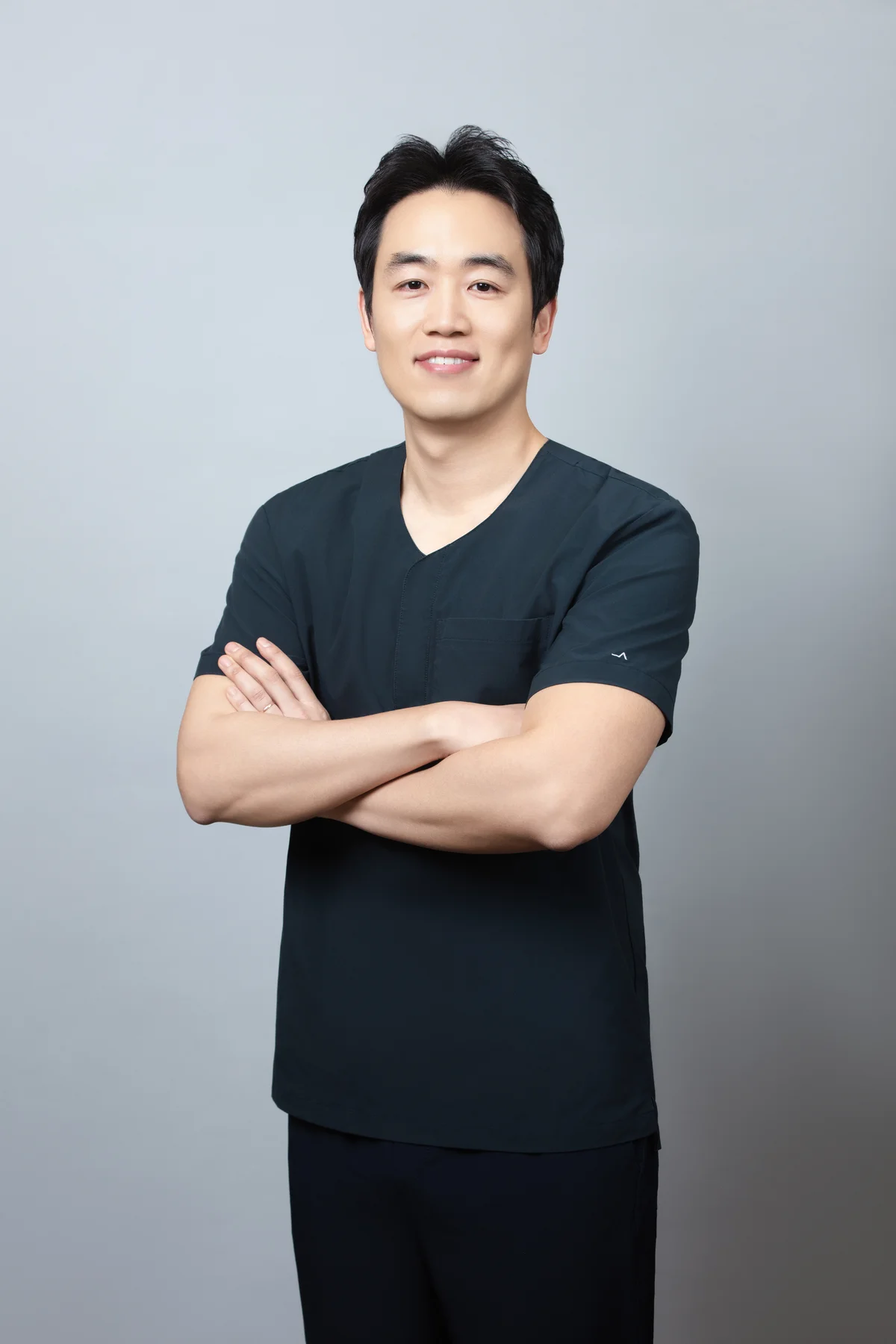
Dr. Yoongon Ryu
Aesthetic Medicine Specialist
Flagship clinic · KOL for leading lifting & regenerative devices

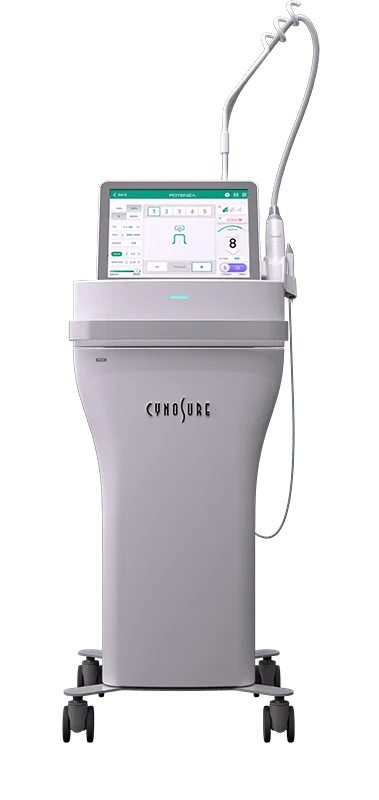
Acne affects around 85% of people aged 12 to 24, and Korean clinics combine in-clinic procedures with tailored skincare to calm active breakouts and oil.
Acne treatment in Seoul calms active breakouts by combining in-clinic procedures, such as laser, light therapy, gentle extraction, and intralesional care, with a tailored skincare routine. The clinic’s doctors target oil, bacteria, and inflammation together, usually over several sessions, to reduce breakouts and lower the risk of scarring, across three Seoul-area locations.
One-on-One guidance from a dedicated doctor, ensuring your skin is professionally monitored and treated from start to finish.
Fluent assistance in English, Japanese, and Chinese, making communication clear, respectful and comfortable for international patients.
Over 100,000 patients worldwide have received our personalized dermatological care, highlighting our expertise and reliable results.
Acne is a common inflammatory condition of the oil glands and hair follicles, producing whiteheads, blackheads, papules, pustules, and deeper cysts. It develops when excess sebum, dead skin cells, and bacteria (Cutibacterium acnes) block pores and trigger inflammation, and it is influenced by hormones, genetics, stress, and skincare habits.
Clinical acne treatment goes beyond over-the-counter products by combining in-clinic procedures with medical-grade skincare. Depending on the type and severity of acne, the clinic’s doctors may use laser or light therapy to reduce oil and bacteria, gentle extraction of clogged pores, intralesional care for inflamed lesions, and a structured topical routine to keep pores clear between visits.
At Reberry Clinic, acne care is consultation-led. The clinic’s doctors assess your acne grade, skin type, and triggers before building a plan, and treat active acne with an emphasis on calming inflammation early to limit future scarring. International patients are supported in English across our three Seoul-area locations (Gangnam, Myeongdong, Incheon Airport).
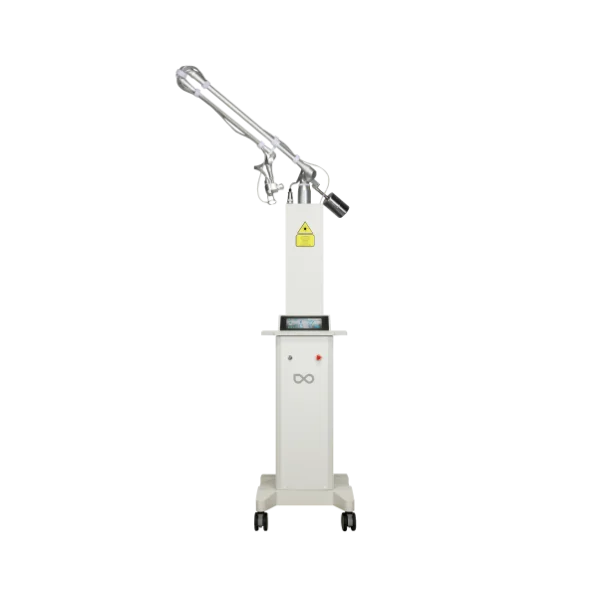
In-clinic acne treatment works on the three main drivers of breakouts at once: excess oil, bacteria, and inflammation. Laser and light-based devices, including certain LED and laser wavelengths, can reduce oil-gland activity and lower bacterial load, while gentle professional extraction clears blocked pores without the trauma of at-home squeezing. Inflamed papules and cysts may be settled with targeted intralesional care, and a medical-grade topical routine, often featuring retinoids, salicylic or azelaic acid, and barrier-supporting moisturisers, keeps pores clear between sessions. Most plans run over several visits spaced 2 to 4 weeks apart, because acne responds gradually and the skin cycle takes roughly 4 to 6 weeks to renew. The clinic’s doctors adjust the mix based on whether your acne is mainly comedonal, inflammatory, or hormonal, and prioritise calming active lesions early to reduce the chance of long-term scarring.
One Reberry Clinic, multiple Seoul-area locations. Pricing & current promotions are listed on each branch's own site — tap a clinic to view pricing & book.
Our flagship in the heart of Gangnam.
In Seoul's shopping & tourism heart.
A beauty stop between flights.
The newest Reberry Clinic — in Seoul's trend district.
ONE REBERRY CLINIC · MFDS-REGISTERED DEVICES · MULTILINGUAL CARE AT EVERY LOCATION
The clinic’s doctors assess acne severity and whether it is comedonal, inflammatory, or hormonal, shaping a plan across 1 or more visits.
Laser or light therapy lowers oil-gland activity and bacterial load, usually over a series of sessions 2 to 4 weeks apart.
Gentle extraction clears blocked pores, while intralesional care can settle inflamed cysts within 1 to 2 days.
A medical-grade routine with retinoids and acids keeps pores clear across the roughly 4 to 6 week skin cycle.
Most patients need 3 to 6 sessions, with the plan refined at each review as breakouts settle.
See representative outcomes from Reberry Clinic. Results build gradually and vary by individual; your plan is assessed at consultation.
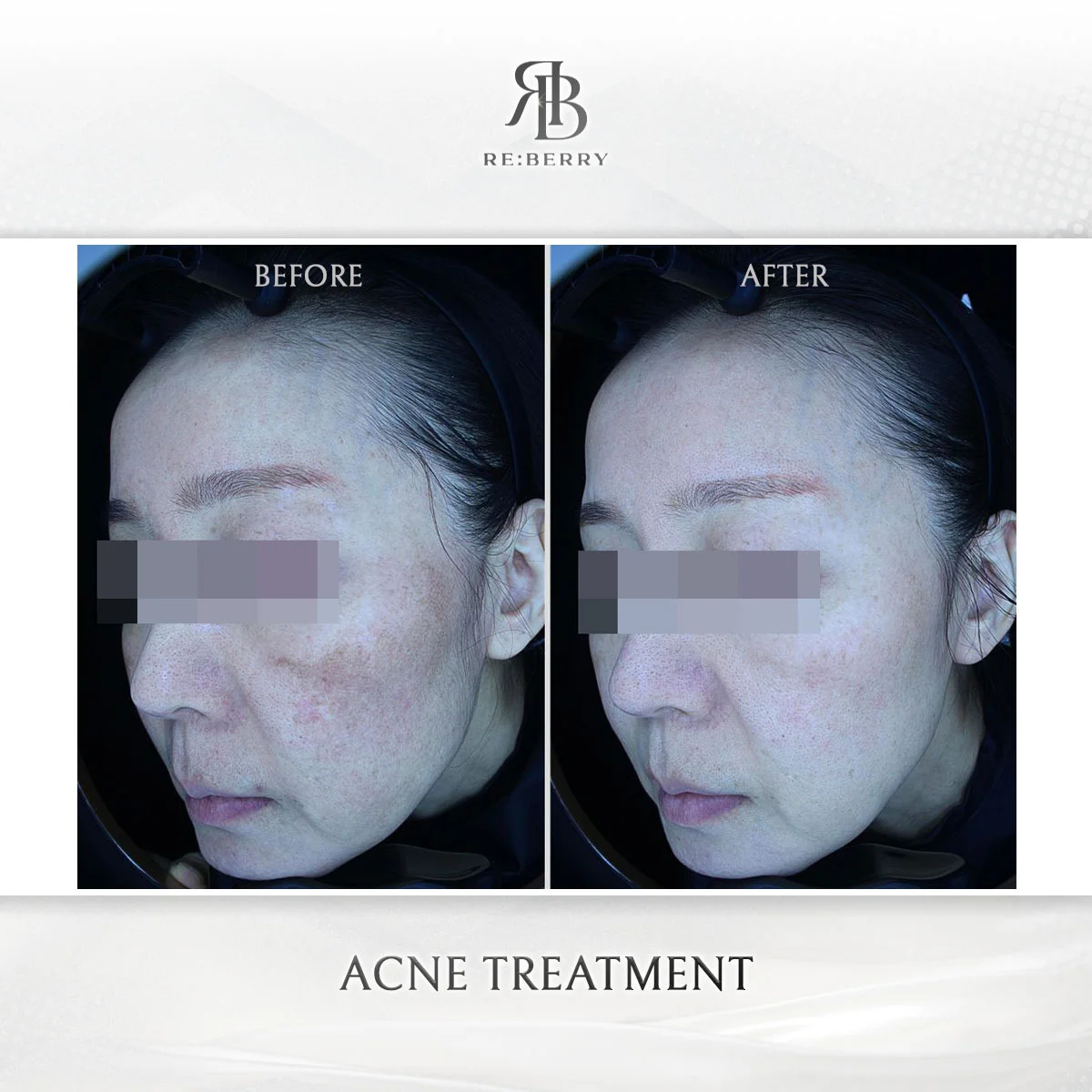
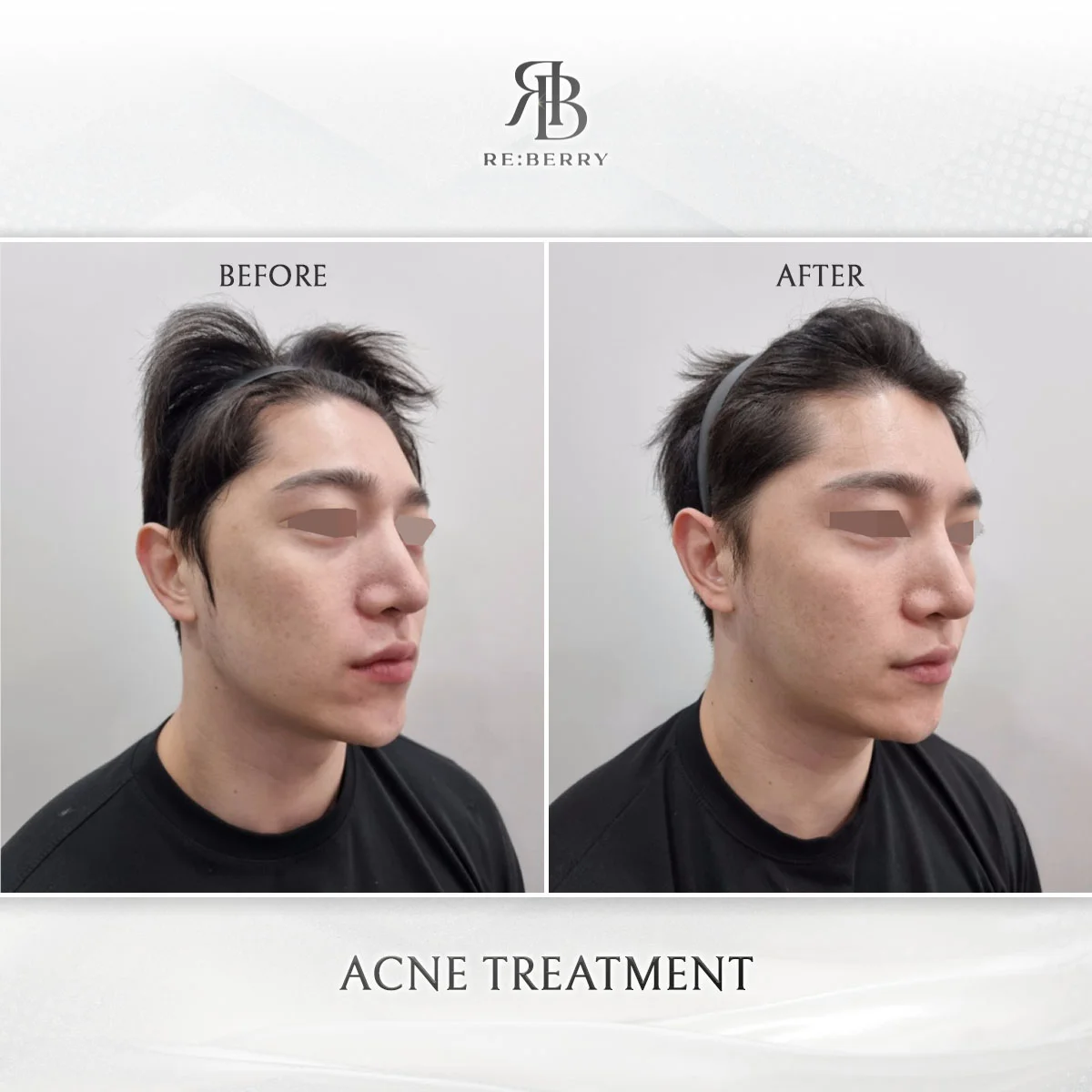
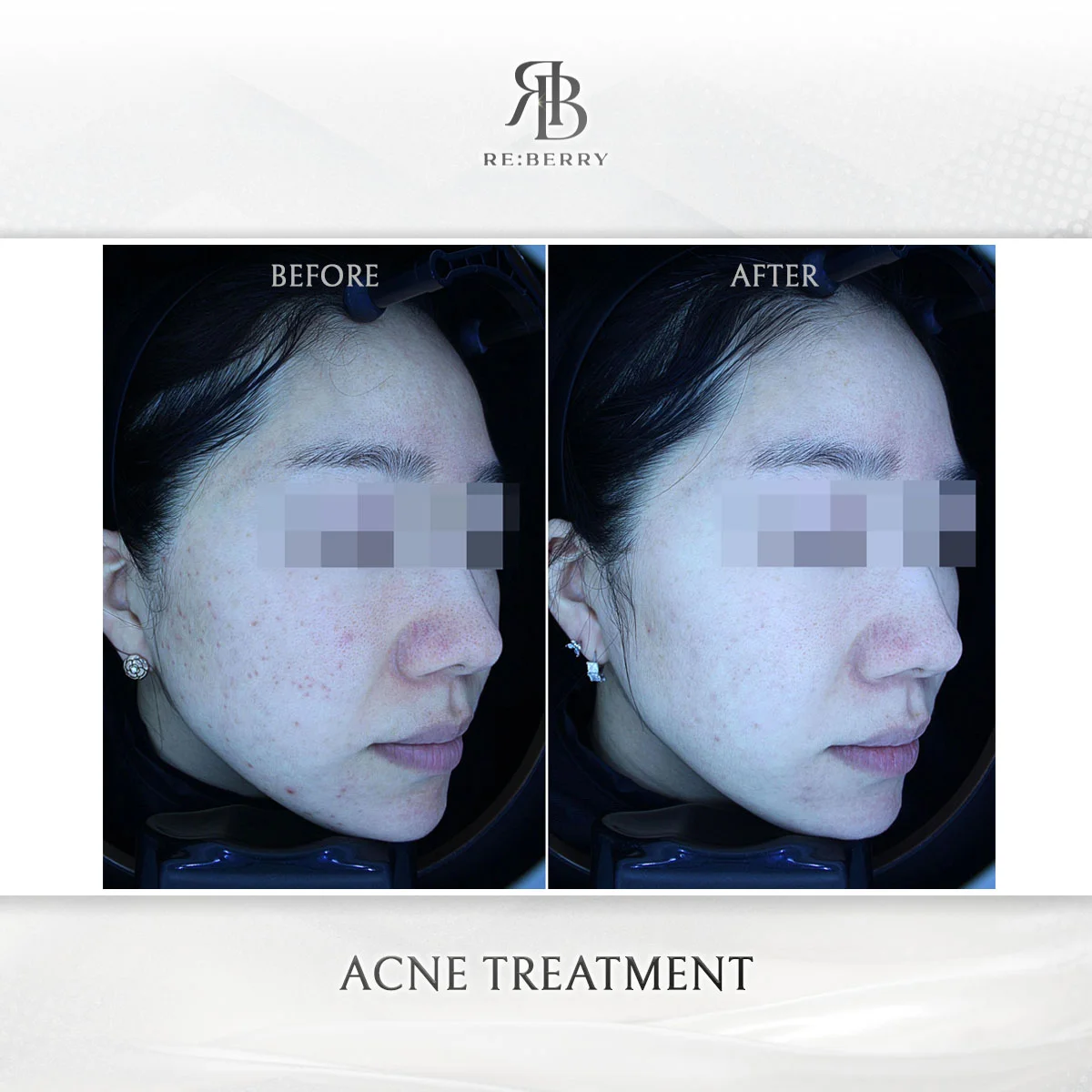
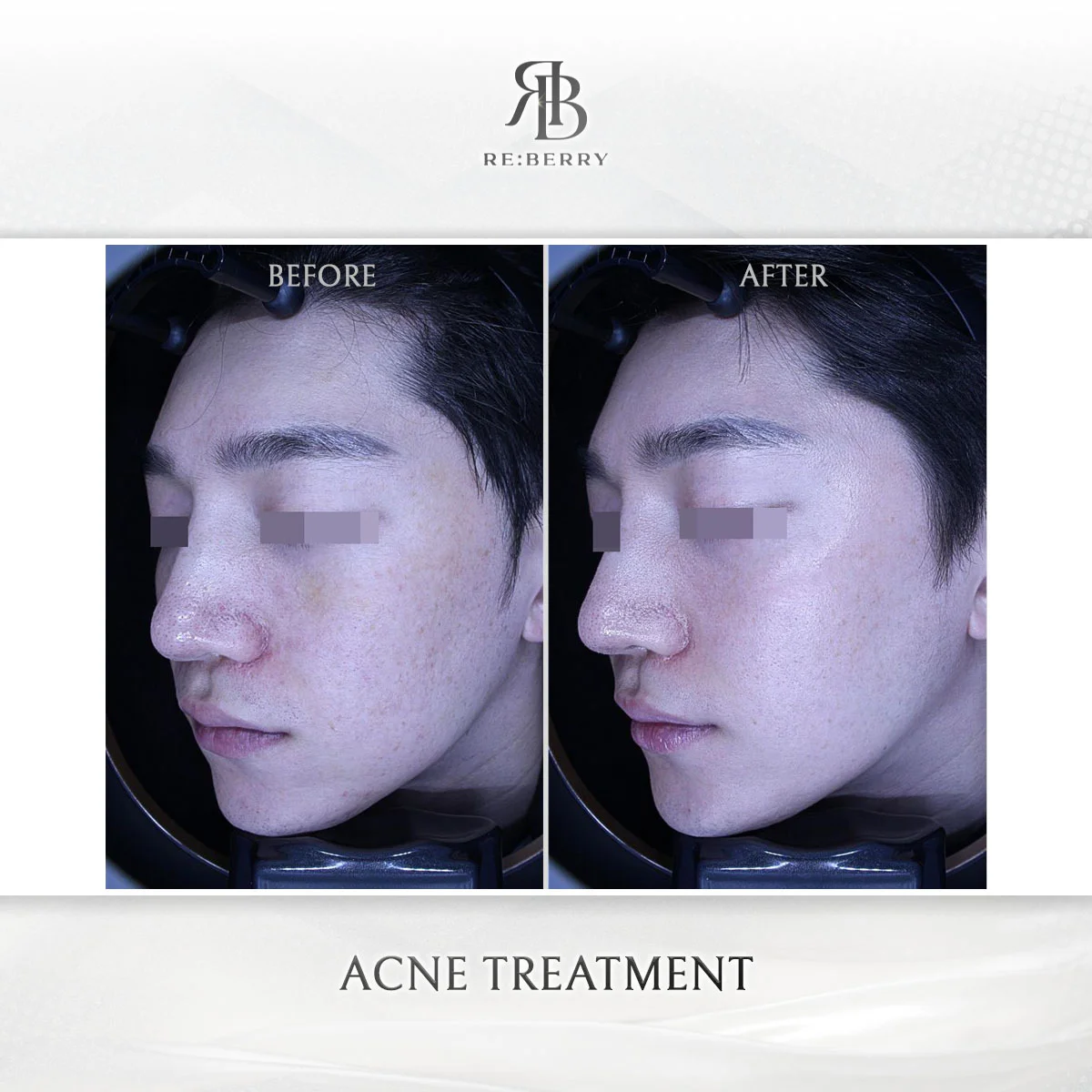
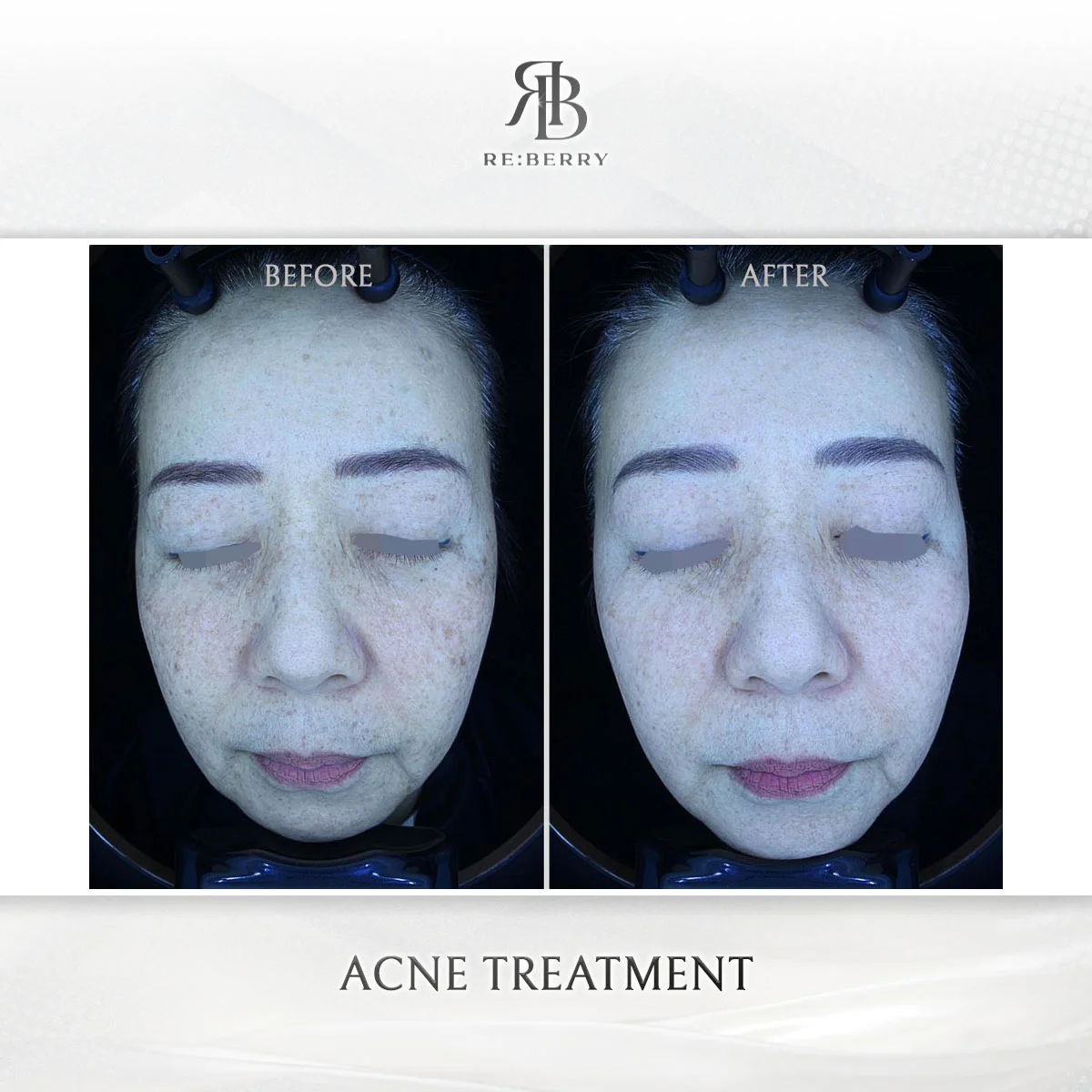
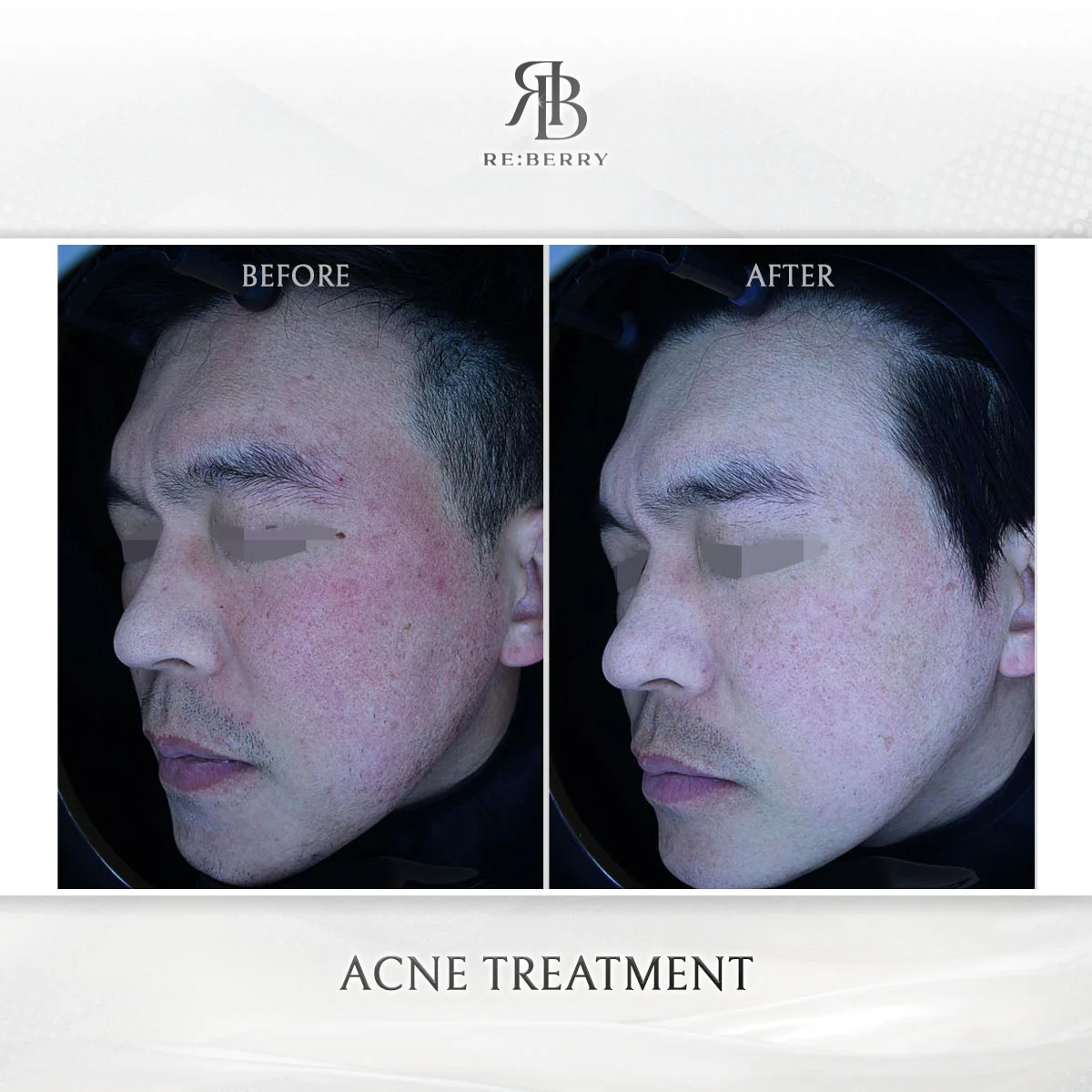
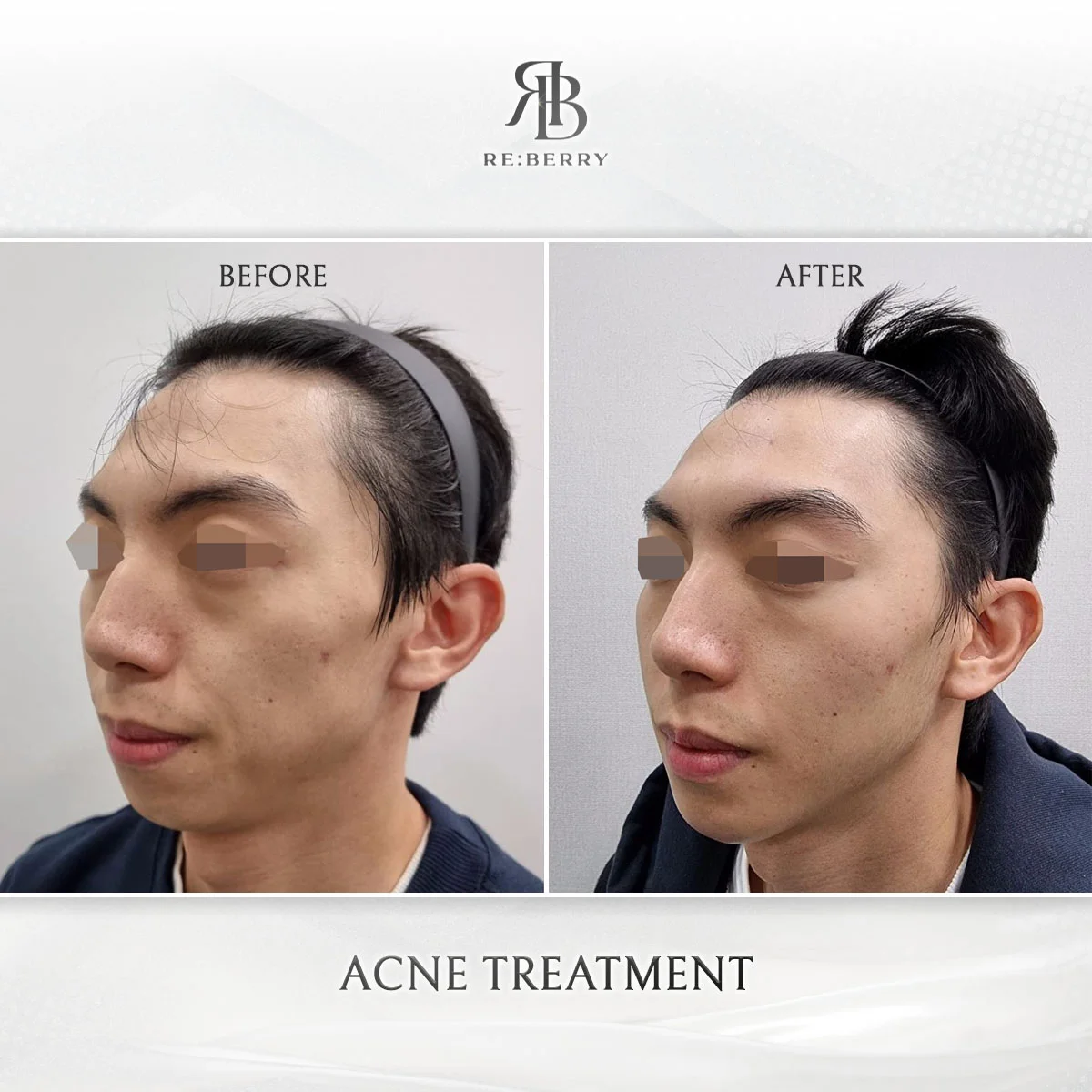
The clinic’s doctors grade your acne, identify triggers and skin type, then design a layered plan in English.
A typical in-clinic session takes about 20 to 40 minutes, depending on whether laser, extraction, or intralesional care is used.
Most sessions are short, and many patients return to normal activities the same day with gentle aftercare.
Breakouts settle gradually over a series of 3 to 6 sessions, with skincare working across the 4 to 6 week skin cycle.
A maintenance routine and periodic visits help keep acne controlled, since hormones and habits can trigger new breakouts.
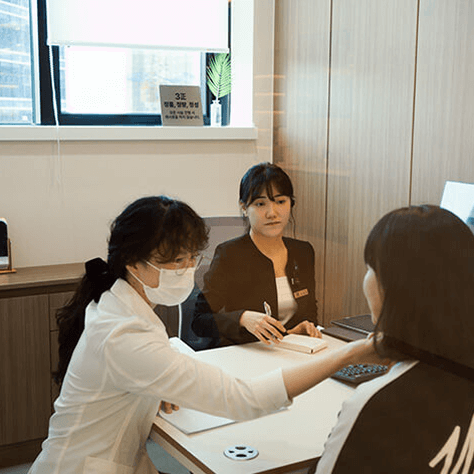
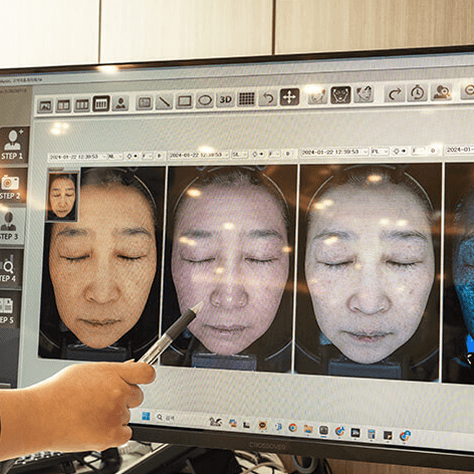
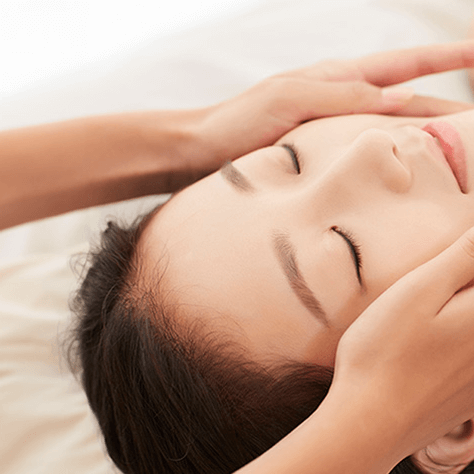
Clinical acne treatment combines in-clinic procedures, such as laser, light therapy, gentle extraction, and intralesional care, with a tailored medical skincare routine. It targets the three main drivers of acne, oil, bacteria, and inflammation, together, which is more effective for stubborn or inflamed acne than over-the-counter products alone.
Acne treatment cost in Seoul depends on your acne grade, which procedures are used, and how many sessions are planned. Because treatment is layered and individualised, the clinic’s doctors confirm pricing at consultation rather than quoting a single fixed figure for everyone, since each plan is built around your skin.
Acne treatment is safe when procedures and settings are matched to your skin by trained doctors, with conservative energy for darker tones to avoid pigment change. A consultation reduces risks like temporary redness or dryness. You can review related options on our acne treatment page beforehand.
Reberry Clinic treats acne with English-speaking support across three Seoul-area locations (Gangnam, Myeongdong, Incheon Airport). International patients can consult, treat, and plan maintenance in English without a language barrier. You can also explore broader laser treatment options that support acne-prone skin.
Most teens and adults with active comedonal, inflammatory, or hormonal acne are suitable candidates for clinical treatment. A consultation grades your acne and identifies triggers so the plan fits your skin type. Patients with mainly hormonal acne may need those drivers addressed alongside in-clinic procedures for the best control.
Most acne procedures are well tolerated, with laser feeling like mild warmth and light snapping, often around 2 to 3 out of 10. Extraction involves brief pressure, and intralesional care a quick pinch. Numbing and cooling are available where needed, and sessions are kept comfortable throughout for sensitive, inflamed skin.
Downtime is usually little to none, with mild redness after laser or extraction that settles within hours to a day. Treated areas may look slightly flushed or have tiny marks where lesions were cleared. Most international patients return to sightseeing the same afternoon, using gentle skincare and sun protection.
Active breakouts often start to calm within the first couple of sessions, but lasting improvement builds over several weeks as the skin cycle renews. Because acne responds gradually, your doctor reviews progress between visits and adjusts the plan. Consistent skincare between sessions is key to steady results over time.
Most acne plans involve 3 to 6 in-clinic sessions spaced 2 to 4 weeks apart, plus ongoing skincare, though severe or persistent acne may need more. The exact count depends on your acne grade and response. You can compare supporting modalities on our laser treatment page while planning.
Acne can recur because hormones, stress, and skincare habits keep influencing oil and inflammation even after good improvement. Treatment focuses on control and prevention rather than a permanent cure. A maintenance skincare routine and periodic reviews help keep breakouts in check and reduce the chance of new flare-ups over time.
Yes, acne treatment is often combined with hydrating and barrier-supporting care so the skin stays calm during treatment. Some patients add a hydrating facial to soothe and cleanse pores between sessions. Your doctor sequences treatments carefully so inflamed, sensitive skin is never over-stressed in one visit.
Yes, calming active acne early is one of the most effective ways to lower the risk of permanent scarring, because inflamed and cystic lesions are the most likely to scar. Prompt, layered treatment reduces ongoing inflammation. You can read more about scar-focused care on our acne treatment page.
Common side effects are temporary redness, mild swelling, dryness, and short-lived marks where lesions were cleared. Rarely, transient pigment change can occur, especially with sun exposure or aggressive settings on darker skin. Following aftercare, using sun protection, and keeping a gentle routine markedly lowers these risks for most patients.
Gentle, non-comedogenic skincare, daily broad-spectrum sunscreen, and avoidance of picking or harsh scrubbing are essential. A supportive skin care routine with the prescribed actives keeps pores clear between sessions. Your doctor provides a written aftercare plan tailored to your acne type and skin sensitivity.
For a single in-clinic session, 2 to 3 days is comfortable, allowing a consultation, the procedure, and a short review. Because acne is managed over a series, many international patients begin in Seoul and continue maintenance at home or on return trips. Our English-speaking team helps plan timing around your travel.
Yes, flying within 24 hours is generally fine because most acne procedures are non-invasive or minimally invasive. Cabin air can be drying, so moisturise gently and protect treated skin from sun at your destination. If you had laser or extraction, your doctor will advise on aftercare and sun avoidance while you travel.
International patients can begin acne treatment in Seoul and continue care between trips, and the clinic offers remote check-ins in English to review progress and adjust skincare. You can also maintain results with an ongoing skin care plan at home. Your treatment notes are kept on file for continuity.
| Laser / Light Therapy | Professional Extraction | Medical Skincare Routine | |
|---|---|---|---|
| Energy / mechanism | Laser and LED wavelengths reduce oil and bacteria | Manual clearing of clogged pores and comedones | Topical retinoids, acids, and barrier care |
| Best for | Inflammatory and oily, breakout-prone skin | Comedonal acne with blackheads and whiteheads | Maintenance and mild, ongoing acne |
| Pain / comfort | Mild warmth and light snapping | Brief pressure, generally well tolerated | Painless, occasional mild dryness |
| Downtime | Little to none, possible brief redness | Minimal, short-lived redness | None |
| Results timeline | Builds over several sessions | Immediate pore clearing, gradual overall | Slow, over weeks of consistent use |
| Sessions | Typically 3 to 6, spaced 2 to 4 weeks apart | As needed alongside other care | Ongoing daily routine |
| Cost factors | Depends on device, area, and session count | Depends on session frequency | Depends on products and duration of use |
Real verified reviews from our Google Business Profile, across all Reberry Clinic locations.
PULLED LIVE FROM GOOGLE · GANGNAM · MYEONGDONG · INCHEON AIRPORT
Your treatment is planned and performed by experienced, MFDS-registered doctors across our Seoul-area clinics, with multilingual support for international patients.
Flagship clinic · KOL for leading lifting & regenerative devices
Multilingual tourist care beside Myeongdong Cathedral
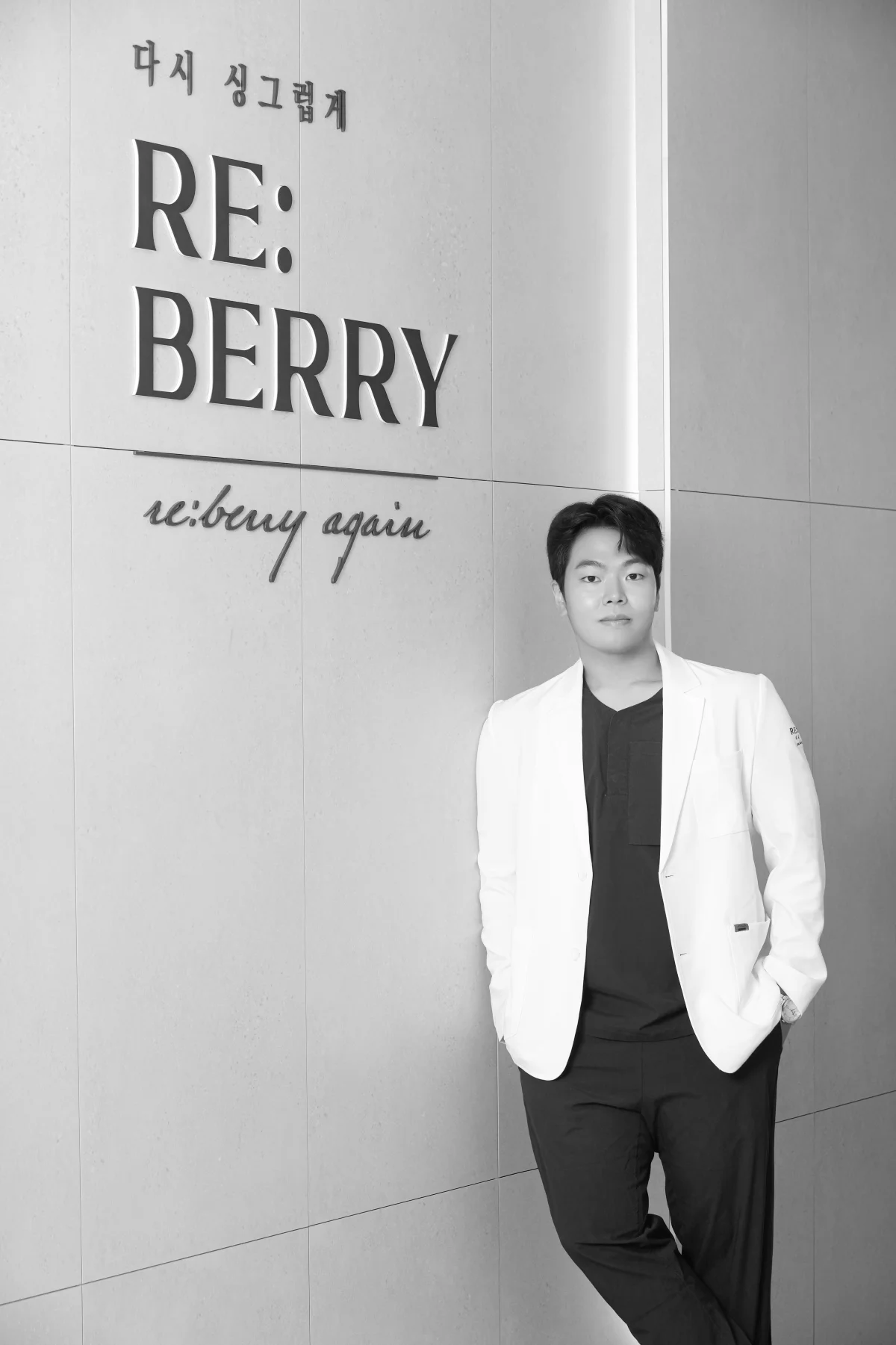
Fast, effective care 20 minutes from the terminals
Message us on WhatsApp for a free consultation in English about your acne and breakout concerns.