



Gangnam
Dr. Yoon-Gon Ryu
Aesthetic Medicine Specialist
Flagship clinic · for leading lifting & regenerative devices · Featured in Authority Magazine (2026)


Seoul’s UV index peaks near 9 to 10 in July but drops to 1 to 3 in winter, which is why the cooler months suit intensive skin treatments best.
The best time to visit Korea for skin treatment is the cooler months, roughly October to April, when Seoul’s UV index falls to 1 to 3 and lower sun exposure supports healing after lasers and peels. Summer works for gentle, minimal-downtime treatments if you protect skin strictly. Timing intensive procedures early in your trip matters most.
One-on-One guidance from a dedicated doctor, ensuring your skin is professionally monitored and treated from start to finish.
Fluent assistance in English, Japanese, and Chinese, making communication clear, respectful and comfortable for international patients.
Over 100,000 patients worldwide have received our personalized dermatological care, highlighting our expertise and reliable results.
The most treatment-friendly window in Korea is the cooler part of the year, broadly October through April. The main reason is ultraviolet light. Seoul’s UV index climbs to around 9 to 10 at its July peak but falls to just 1 to 3 in winter, and lower UV is helpful because skin is more vulnerable to sun after lasers, peels, and some injectables. Cooler, drier weather also means less sweating on treated skin, which can matter after energy-based procedures. That is why many clinics steer more intensive treatments toward autumn, winter, and early spring.
This does not mean summer is off-limits. Plenty of gentle, minimal-downtime treatments — hydrating facials, mild boosters, and light procedures — can be done year-round, and some visitors specifically address summer concerns like oiliness and pigmentation. The catch is that strict sun protection becomes non-negotiable, because post-treatment UV exposure is the main driver of post-inflammatory hyperpigmentation, especially in pigmented skin. If you visit in summer, plan indoor recovery time and diligent SPF rather than beach days right after a session.
At Reberry Clinic, timing is part of the consultation. International patients are supported in English at our Myeongdong (Seoul) location — 5, Myeongdong 10-gil, Jung-gu, about 5 minutes from Myeongdong Station — where Dr. Seung Jae Baek, Medical Director, and the clinic’s doctors match the treatment intensity to your travel season and how many days you have. The right season plus the right sequencing within your trip matters more than any single ‘perfect’ month.
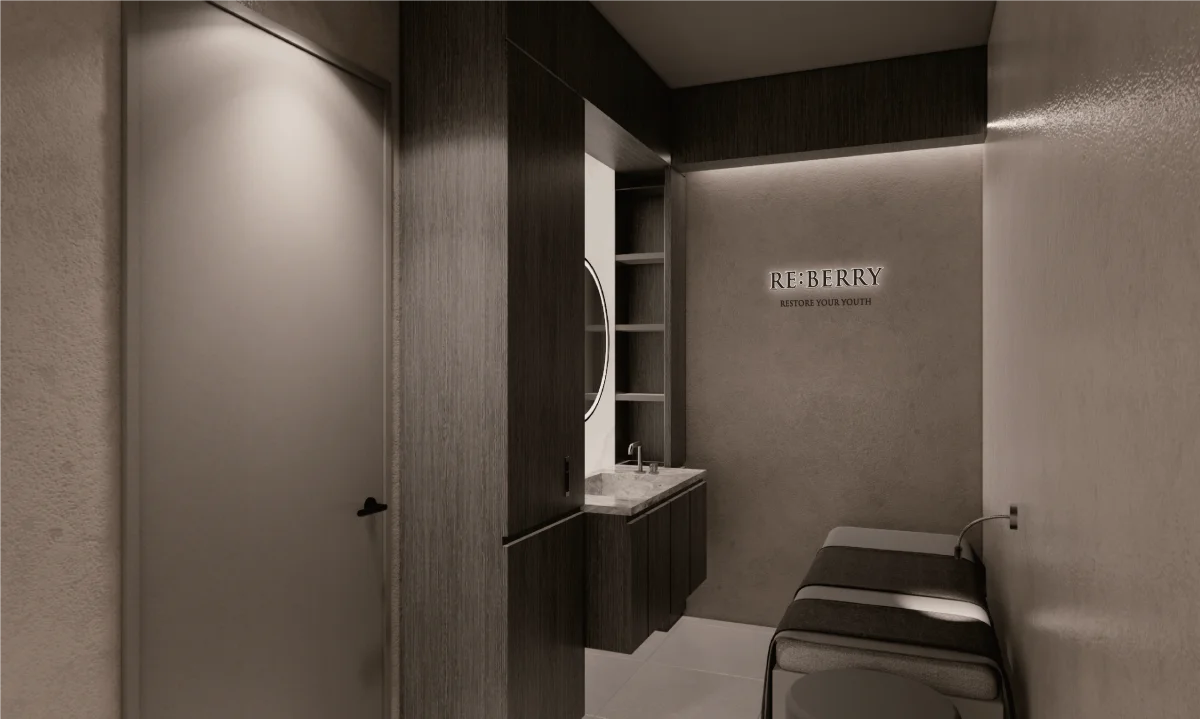
Skin healing after aesthetic treatments is closely tied to ultraviolet exposure, which is why season shapes what a doctor recommends. After lasers, peels, and some injectables the skin barrier is temporarily compromised and pigment cells are more reactive, so UV can trigger or worsen post-inflammatory hyperpigmentation that may surface weeks later. Because Seoul’s UV index swings from around 9 to 10 in mid-summer to 1 to 3 in winter, the same treatment carries a different recovery burden depending on when you visit. Cooler months lower that burden and make strict aftercare easier to follow. Within any trip, sequencing also matters: stronger or semi-invasive treatments are best scheduled early so redness, swelling, or flaking settle before you fly, while gentle hydration or brightening facials fit comfortably at the end. For pigmented skin, evidence shows consistent sun protection meaningfully improves pigmentation outcomes, so broad-spectrum SPF 50, hats, and shade for the weeks after treatment are as important as the procedure itself. A good clinic plans your treatment around the season you are in, not against it.
One Reberry Clinic, multiple Seoul-area locations. Pricing & current promotions are listed on each branch's own site — tap a clinic to view pricing & book.
Our flagship in the heart of Gangnam.
In Seoul's shopping & tourism heart.
A beauty stop between flights.
The newest Reberry Clinic — in Seoul's trend district.
ONE REBERRY CLINIC · MFDS-REGISTERED DEVICES · MULTILINGUAL CARE AT EVERY LOCATION

For lasers and peels, aim for roughly October to April, when Seoul’s UV index sits near 1 to 3 rather than the summer peak of 9 to 10.
Book any semi-invasive or resurfacing treatment in the first 1 to 2 days so redness or flaking can settle before you travel home.
Place minimal-downtime facials or boosters near the end of the trip, since they need little to no recovery time.
Plan broad-spectrum SPF 50, hats, and shade for the 2 to 4 weeks after treatment, which is the main way to lower pigmentation risk.
Tell the clinic how many days you have so the doctor sequences 1 or more treatments realistically around your travel and recovery.
Before-and-after photos are being updated.
The clinic’s doctors review your goals, skin type, and travel season in English, then suggest which treatments suit the time of year you are visiting.
Stronger treatments are scheduled early in your trip so any redness or flaking has time to settle before you fly home.
Most non-invasive skin sessions are short, and the doctor sequences them around how many days you have in Seoul.
You get written aftercare with clear sun-protection guidance, since UV exposure in the weeks after treatment shapes how results settle.
Diligent SPF, gentle skincare, and any return visits are planned so results hold, with your notes kept on file for follow-up from abroad.



The cooler months, roughly October to April, are ideal because Seoul’s UV index drops to 1 to 3, making recovery after lasers and peels easier. Summer suits gentle, low-downtime treatments with strict sun care. You can plan options on our skin care overview first.
Season matters because ultraviolet exposure drives post-treatment pigmentation, and Seoul’s UV index ranges from about 1 to 3 in winter to 9 to 10 in summer. After lasers and peels, skin is more sun-sensitive, so lower-UV months make strict aftercare easier and reduce the risk of hyperpigmentation.
Yes, but summer favours gentle, minimal-downtime treatments unless you commit to strict sun protection and indoor recovery. Peak July UV near 9 to 10 raises pigmentation risk after energy procedures. Many visitors save intensive lasers for cooler months and choose hydrating or brightening care in summer instead.
Book stronger treatments in the first day or two of your trip so redness, swelling, or flaking can settle before you fly home. Gentle facials fit near the end. You can explore treatment types on our laser treatment page before planning dates.
It is critical, because post-treatment UV exposure is the main driver of post-inflammatory hyperpigmentation, especially in pigmented skin. Plan broad-spectrum SPF 50, hats, and shade for the weeks after treatment. Evidence shows consistent photoprotection meaningfully improves pigmentation outcomes, so it is as important as the procedure itself.
Gentle, hydrating, and low-downtime options suit summer well, and some visitors address summer concerns like oiliness and pigmentation with lighter approaches. A hydrating Hydrafacial is a comfortable warm-weather choice. Your doctor confirms what is appropriate for your skin and the season.
For most treatments, 2 to 3 days allows a consultation, the procedure, and a short review before flying. If you plan a stronger laser or peel, a slightly longer stay lets redness settle. Tell the clinic your dates so treatments are sequenced realistically around your time.
Light indoor sightseeing is usually fine, but sun-exposed activities are best avoided right after energy treatments, since UV can worsen pigmentation while skin heals. Plan shaded or indoor plans for a day or two, and keep SPF on. Gentle facials leave you free to continue most plans immediately.
No, winter is one of the best seasons because low UV, around index 1 to 3, supports recovery, and indoor clinics stay warm. Cold, dry air can be drying on the skin, so moisturise well and keep treated areas protected. Many international patients specifically choose winter for laser work.
Yes, most non-invasive treatments allow flying within a day, though your doctor advises based on the specific procedure. Cabin air is drying, so moisturise and shield treated skin from sun through windows. Stronger resurfacing is best done early in the trip so recovery is well underway before departure.
Yes, pigmented and sensitive skin benefits most from cooler-season timing and strict sun care, since it is more prone to post-inflammatory hyperpigmentation. Your doctor tailors both treatment and settings to your Fitzpatrick type. You can discuss pigment concerns on our dark spot removal page.
It depends on your season and days available; a doctor can safely sequence several treatments if your skin is not over-stressed in a short window. In summer, spacing intensive work out is often wiser. Your plan is built around your travel dates and recovery, not squeezed in for convenience.
May and September offer moderate UV and comfortable weather, making them flexible for most treatments with careful sun care. UV is rising in May and easing in September, so SPF still matters. These months are a good compromise if you want intensive work but cannot travel in deep winter.
Yes, many clinics discuss your goals and dates remotely so your in-person time is efficient, though the final plan is confirmed after assessment. You can outline your concerns and review a skin care approach in advance so the season and sequencing are sorted early.
Our Myeongdong location is at 5, Myeongdong 10-gil, Jung-gu, Seoul, about 5 minutes from Myeongdong Station, so it is easy to reach whatever the season. Dr. Seung Jae Baek, Medical Director, leads care there with English support for consultation and aftercare.
Plan diligent daily sunscreen, gentle non-irritating skincare, and avoiding picking, especially through the higher-UV months back home. A tailored skin care routine protects results. Your treatment notes are kept on file so follow-up questions from abroad can be answered in English.
| Cooler Months (Oct–Apr) | Summer (Jun–Aug) | Shoulder Season (May, Sep) | |
|---|---|---|---|
| UV conditions | Low UV index, around 1 to 3 in winter | High UV index, around 9 to 10 at peak | Moderate and rising or easing UV |
| Best-suited treatments | Lasers, peels, and resurfacing work well | Gentle facials, hydration, mild boosters | Most treatments with careful sun care |
| Recovery ease | Easier; less sun and sweat on treated skin | Needs strict indoor recovery and SPF | Manageable with planning |
| Pigmentation risk after treatment | Lower with proper aftercare | Higher if sun exposure is not controlled | Moderate, controllable with SPF |
| Trip sequencing | Room to do strong treatments early | Favour light treatments or plan downtime | Strong early, gentle later |
| Who it suits | Visitors wanting intensive skin work | Those seeking quick, low-downtime care | Flexible travellers who plan sun care |
Real verified reviews from our Google Business Profile, across all Reberry Clinic locations.
PULLED LIVE FROM GOOGLE · GANGNAM · MYEONGDONG · INCHEON AIRPORT
Your treatment is planned and performed by experienced, MFDS-registered doctors across our Seoul-area clinics, with multilingual support for international patients.
Flagship clinic · for leading lifting & regenerative devices · Featured in Authority Magazine (2026)

Multilingual tourist care beside Myeongdong Cathedral

Fast, effective care 20 minutes from the terminals
Message us on WhatsApp for a free consultation in English about timing your skin treatment at our Myeongdong (Seoul) clinic.