



Gangnam
Dr. Yoon-Gon Ryu
Aesthetic Medicine Specialist
Flagship clinic · KOL for leading lifting & regenerative devices · Featured in Authority Magazine (2026)


A chemical peel uses AHA, BHA, or TCA acids at controlled depths, so choosing a clinic near Hongdae is about the doctor matching 1 peel to your skin type, not the flashiest menu.
To choose a good chemical peel clinic near Hongdae, look for a doctor who matches the peel type and depth to your skin, screens for pigment risk, and plans aftercare, rather than the biggest promise. For international patients near Hongdae (Hongik Univ.) Station, care is provided across our Seoul locations, easily reached from 홍대입구역.
One-on-One guidance from a dedicated doctor, ensuring your skin is professionally monitored and treated from start to finish.
Fluent assistance in English, Japanese, and Chinese, making communication clear, respectful and comfortable for international patients.
Over 100,000 patients worldwide have received our personalized dermatological care, highlighting our expertise and reliable results.
A chemical peel applies a controlled acid solution to the skin to exfoliate the surface, refine tone and texture, and help mild breakouts. Common agents include alpha-hydroxy acids like glycolic acid (AHA), beta-hydroxy salicylic acid (BHA), and trichloroacetic acid (TCA) for deeper work. The right peel depends entirely on your skin type, goal, and pigment sensitivity, which is why choosing a clinic is really about choosing a doctor who tailors the peel, not one who markets a single signature treatment.
Rather than searching for the flashiest menu near Hongdae, the smarter approach is to assess how a clinic works. Does a doctor grade your skin first? Do they match the acid, concentration, and depth to your tone, especially if you have deeper skin prone to post-inflammatory pigmentation? Do they plan a series and aftercare instead of promising one dramatic session? These signals matter far more than proximity to Hongdae Station.
At Reberry Clinic, chemical peels and medical skincare are consultation-led. For patients near Hongdae (Hongik Univ.) Station — 홍대입구역 — care is provided across our Seoul locations (Gangnam, Myeongdong), both easily reached from the station, with English-speaking staff throughout. The clinic’s doctors assess your skin in person, then recommend a peel depth and plan that fits your goals rather than a one-size protocol.
Chemical peels are grouped by how deep the acid works. Superficial peels using AHA (glycolic, lactic) or BHA (salicylic) exfoliate the epidermis to brighten dull tone, smooth mild roughness, and unclog pores, with little downtime. Medium-depth peels, often with TCA, reach into the upper dermis to address more stubborn texture, pigmentation, and fine lines, but carry more downtime and a higher pigment risk if mismatched. The single most important factor a clinic controls is matching that depth to your skin: deeper skin tones need conservative, well-chosen acids and priming to avoid post-inflammatory hyperpigmentation, while lighter skin may tolerate stronger protocols. A good clinic near Hongdae grades your skin, primes it when needed, may start with 1 superficial peel to test tolerance, and builds a series of 3 to 6 sessions rather than promising transformation in a single visit. That judgement — not the clinic’s location or marketing — is what protects your skin and delivers a steady result, which is why the doctor’s assessment sits at the centre of choosing well.
One Reberry Clinic, multiple Seoul-area locations. Pricing & current promotions are listed on each branch's own site — tap a clinic to view pricing & book.
Our flagship in the heart of Gangnam.
In Seoul's shopping & tourism heart.
A beauty stop between flights.
The newest Reberry Clinic — in Seoul's trend district.
ONE REBERRY CLINIC · MFDS-REGISTERED DEVICES · MULTILINGUAL CARE AT EVERY LOCATION

The right peel depends on your skin type and goal, so 1 proper assessment matters more than which clinic is nearest to Hongdae Station.
Good clinics match 1 of the peel depths, superficial AHA or BHA versus a deeper TCA peel, to your tone and pigment risk, not to a single template.
Deeper skin tones need conservative acids and priming to reduce post-inflammatory pigmentation, which a careful clinic screens for first.
Steady results usually come from a course of 3 to 6 sessions rather than 1 aggressive peel promised to fix everything.
Strict sun protection and gentle skincare for at least 2 weeks protect the result, so a clear aftercare plan is a good sign.
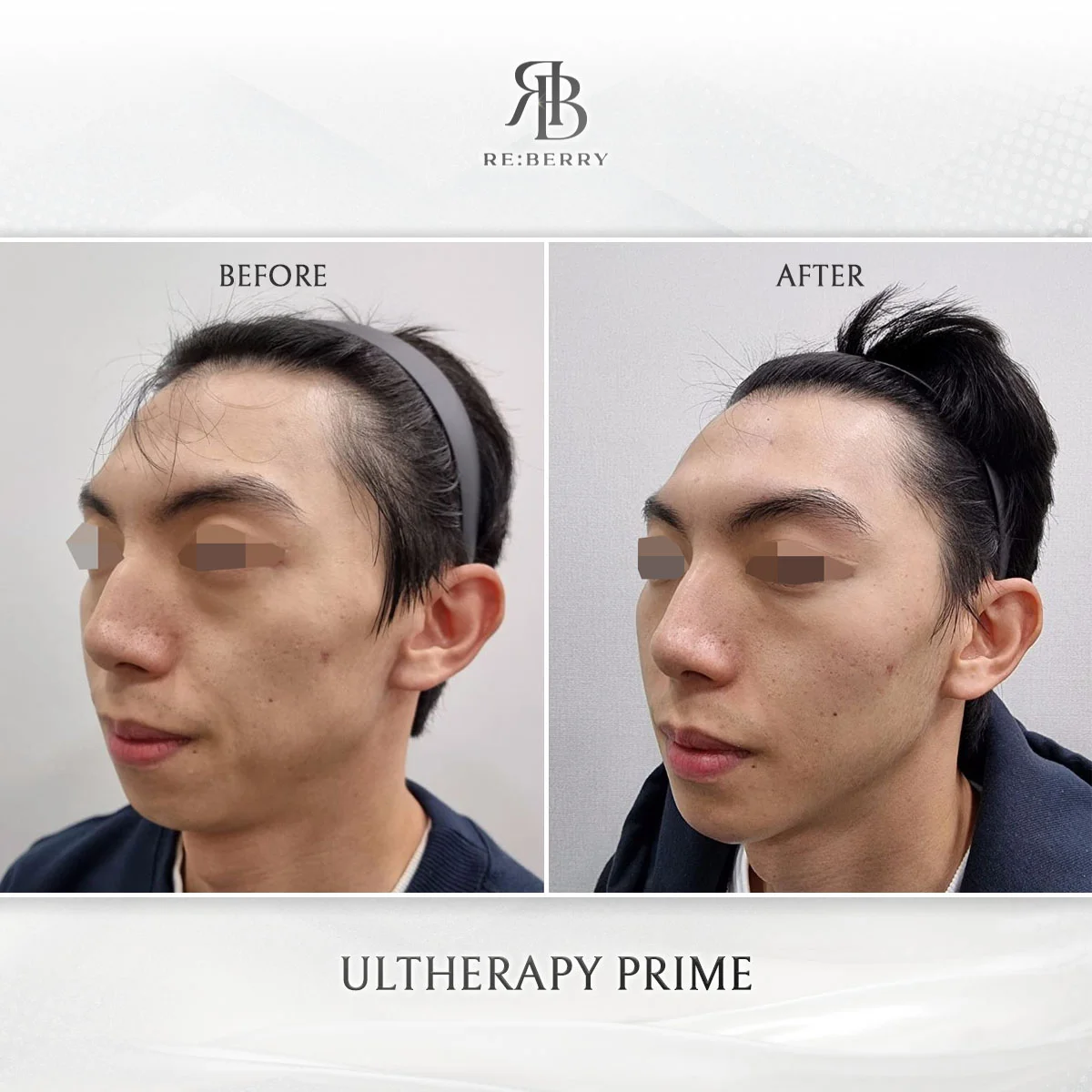
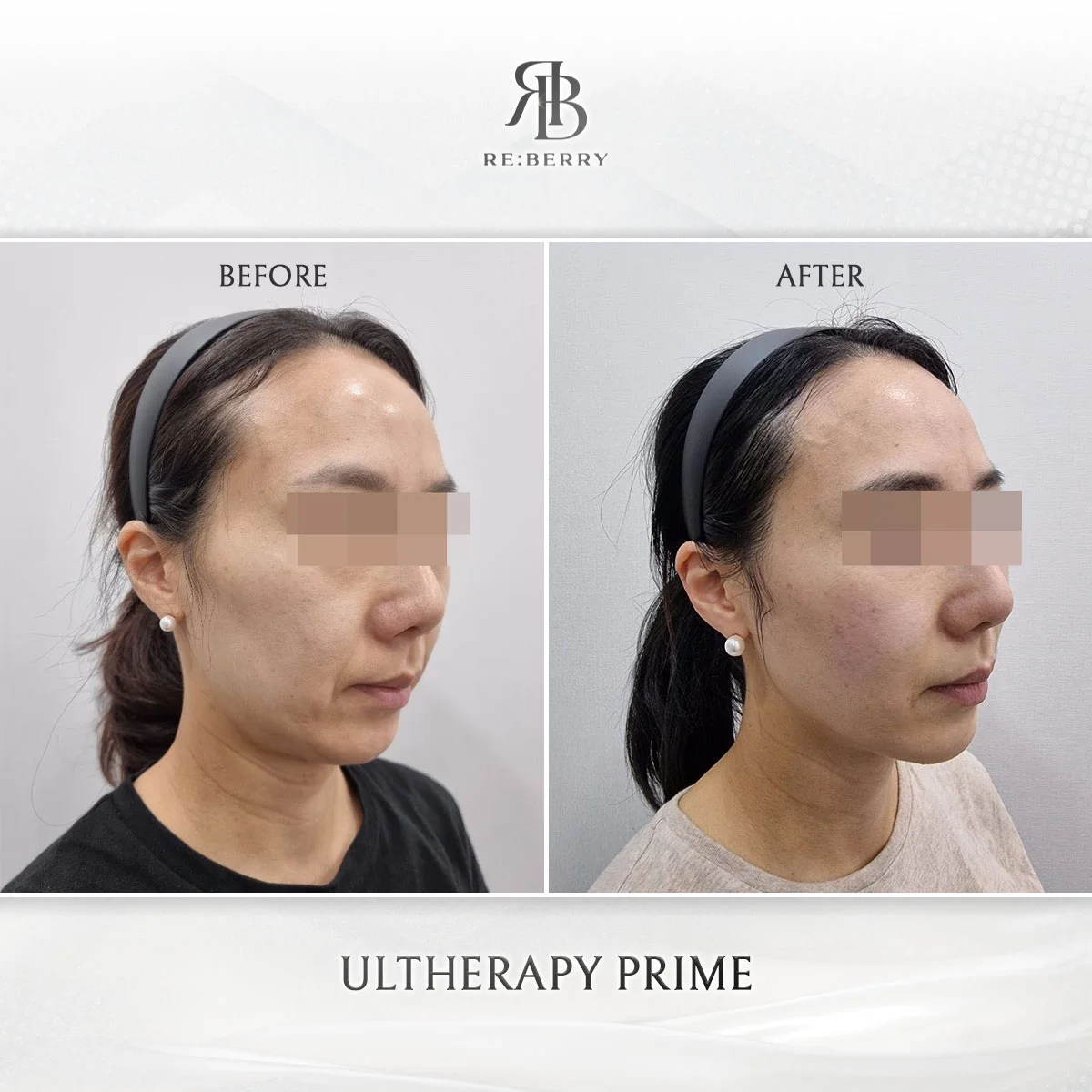
See representative outcomes from Reberry Clinic. Results build gradually and vary by individual; your plan is assessed at consultation.
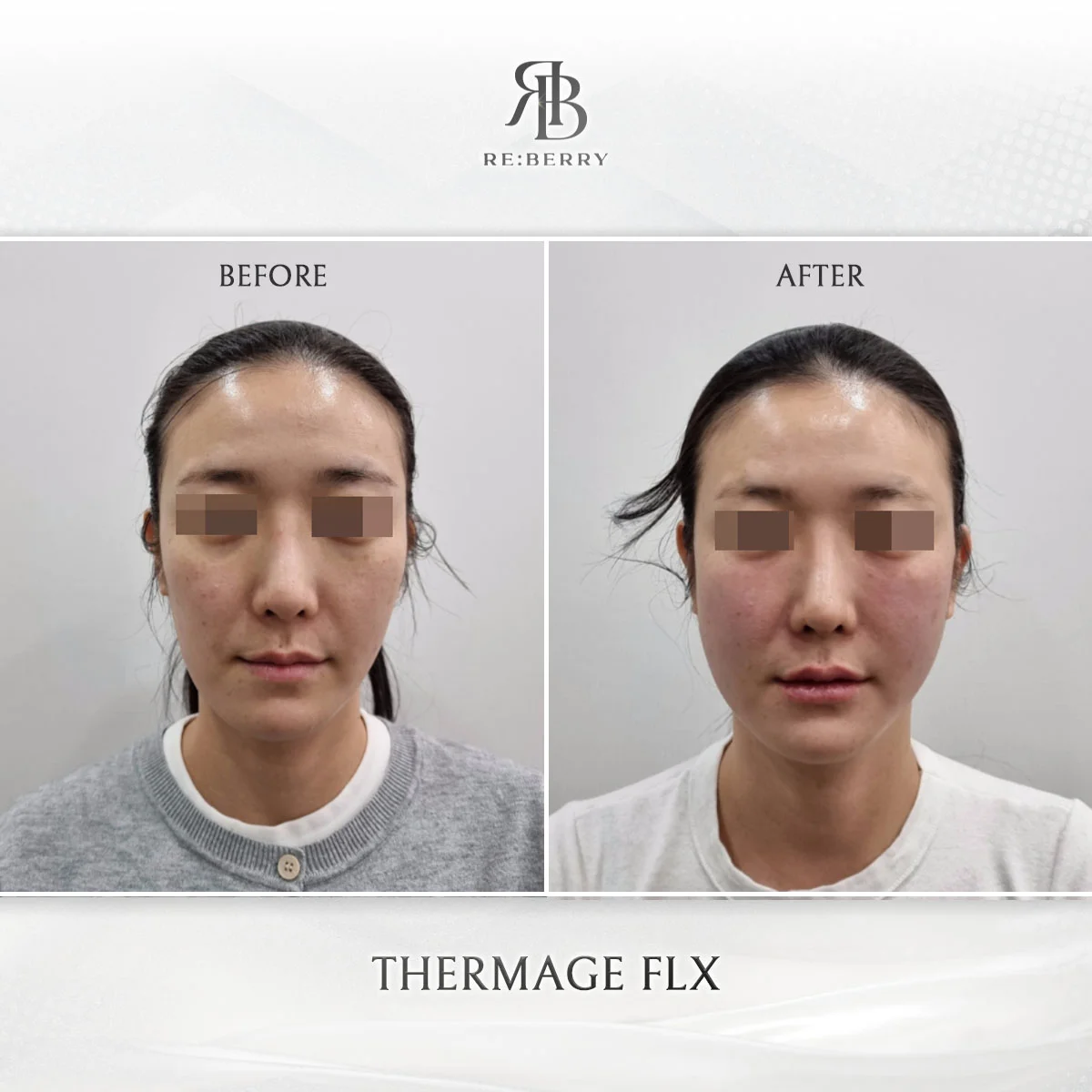
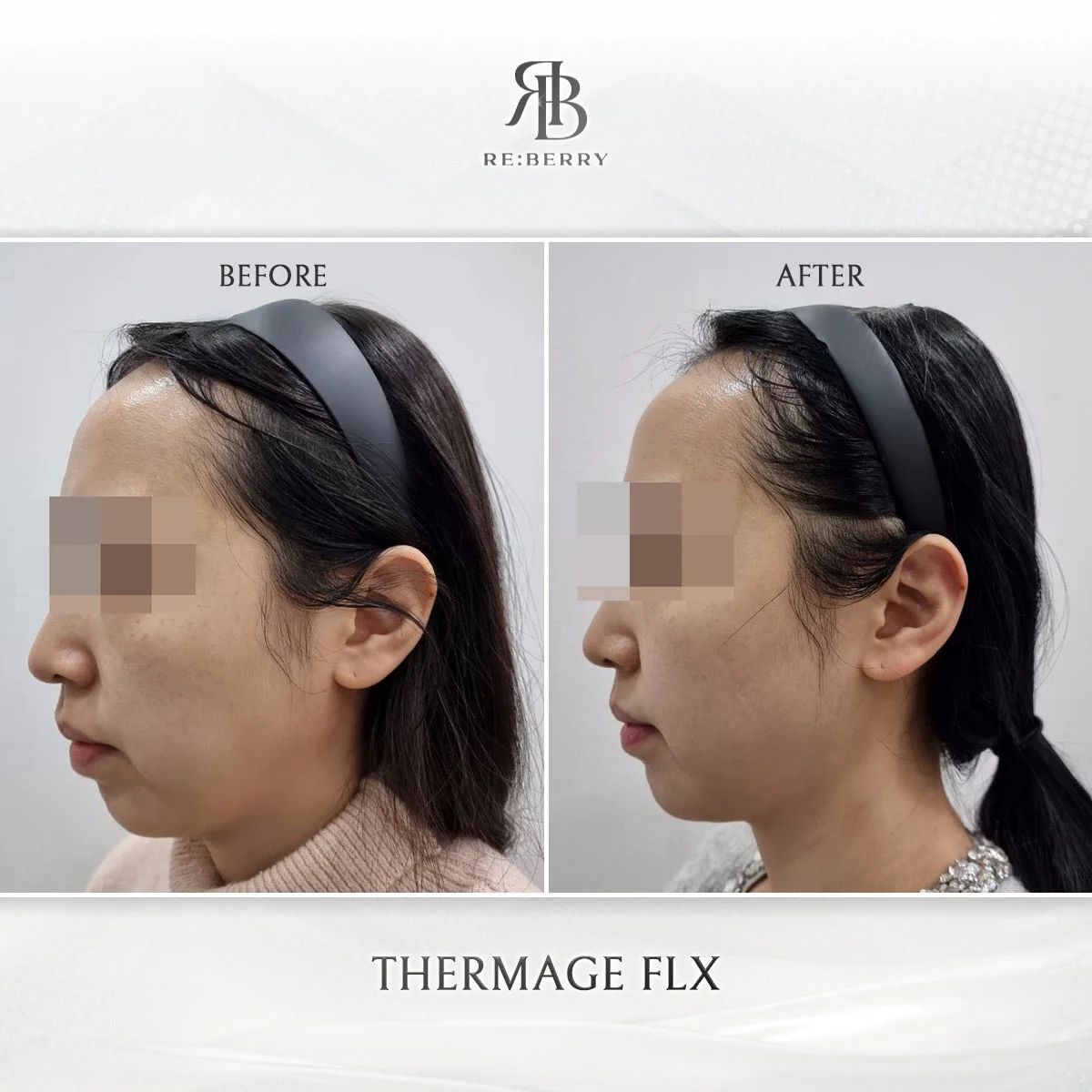
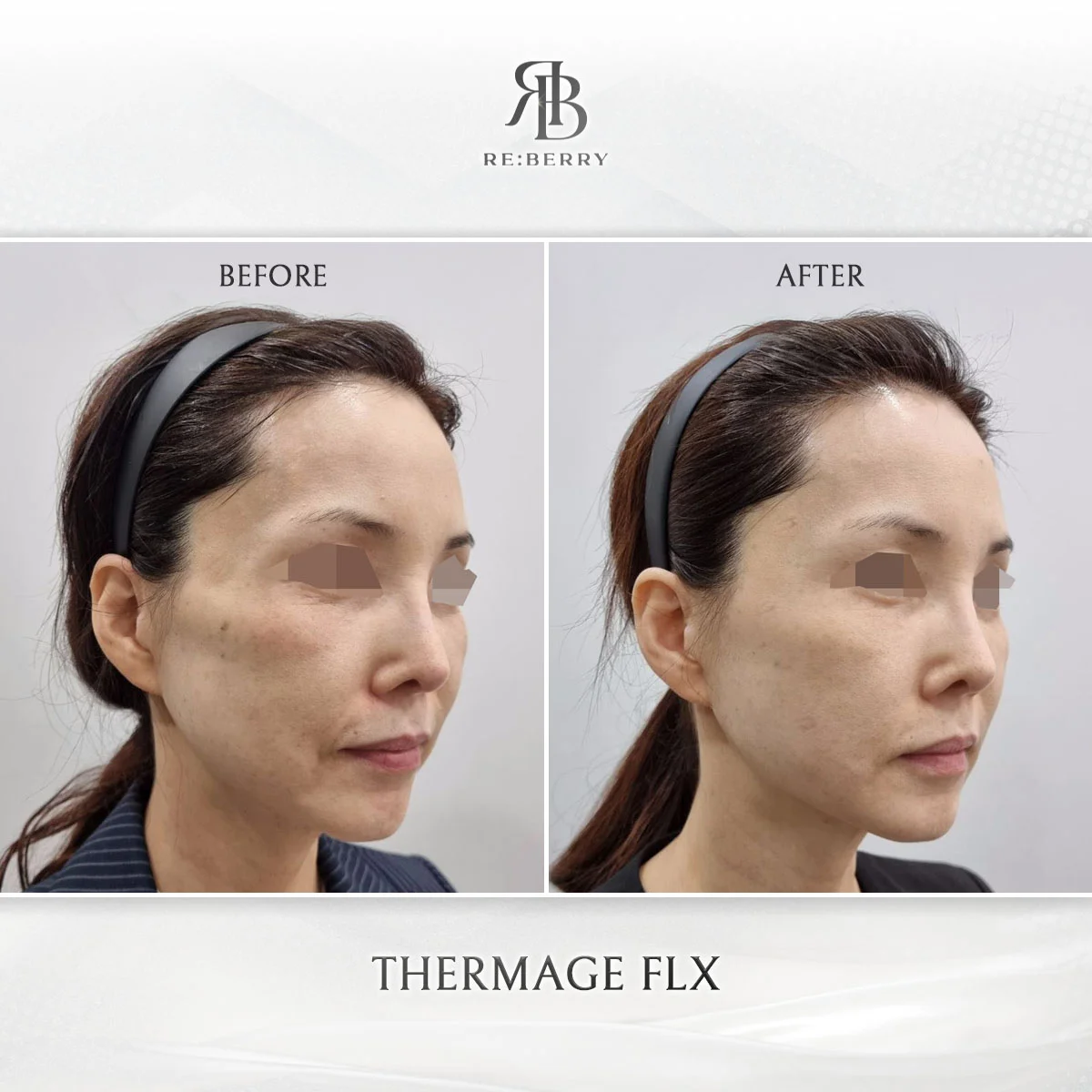
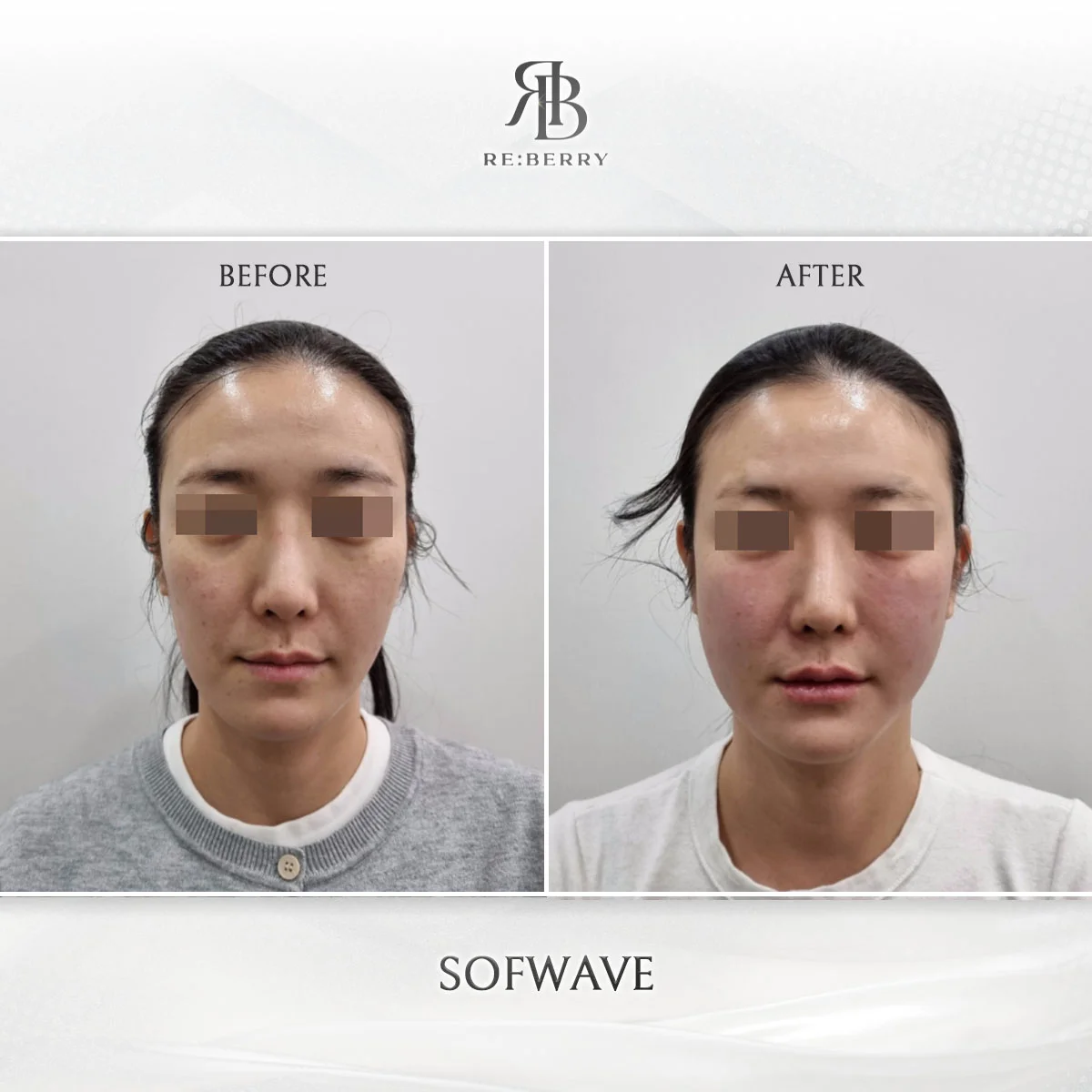
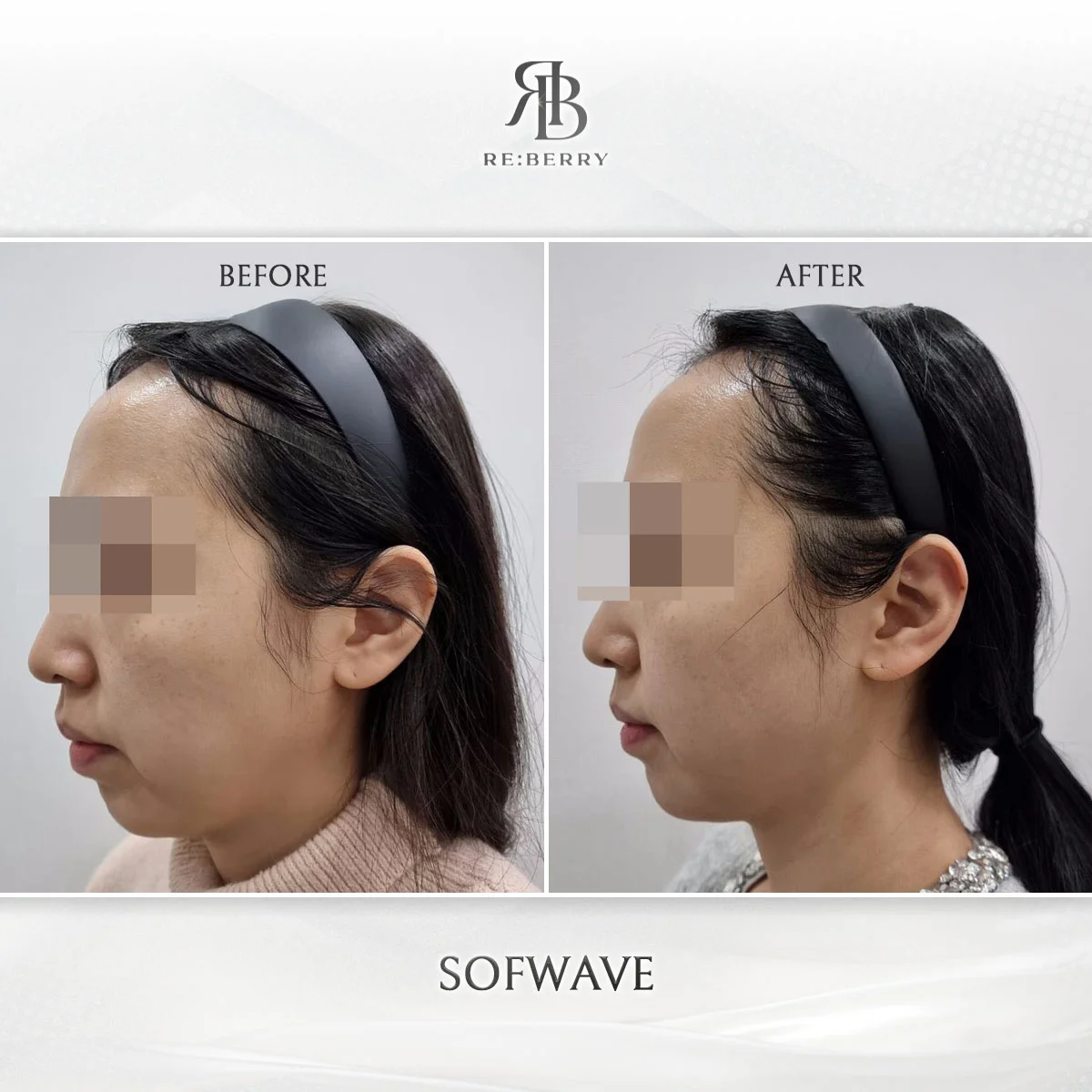
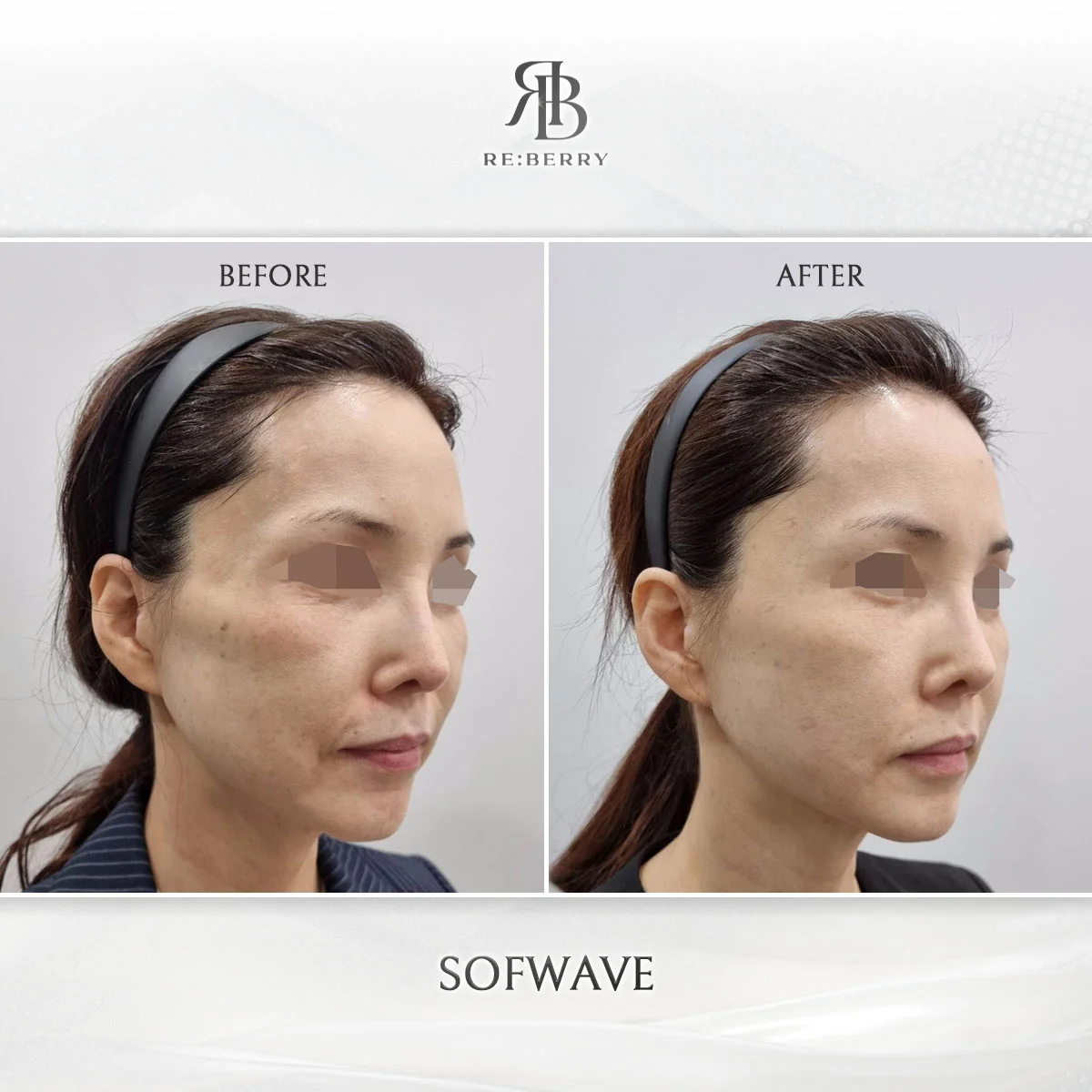
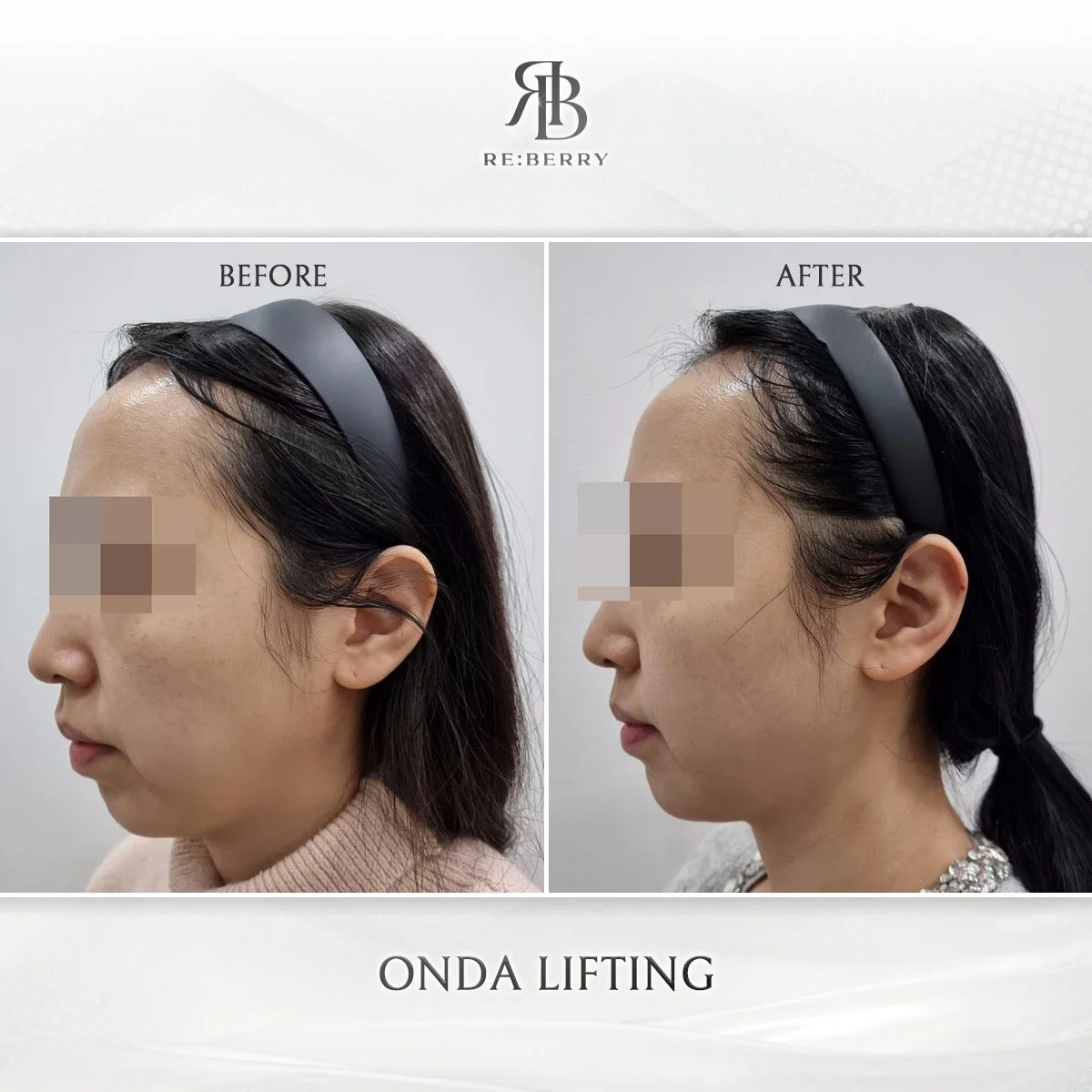
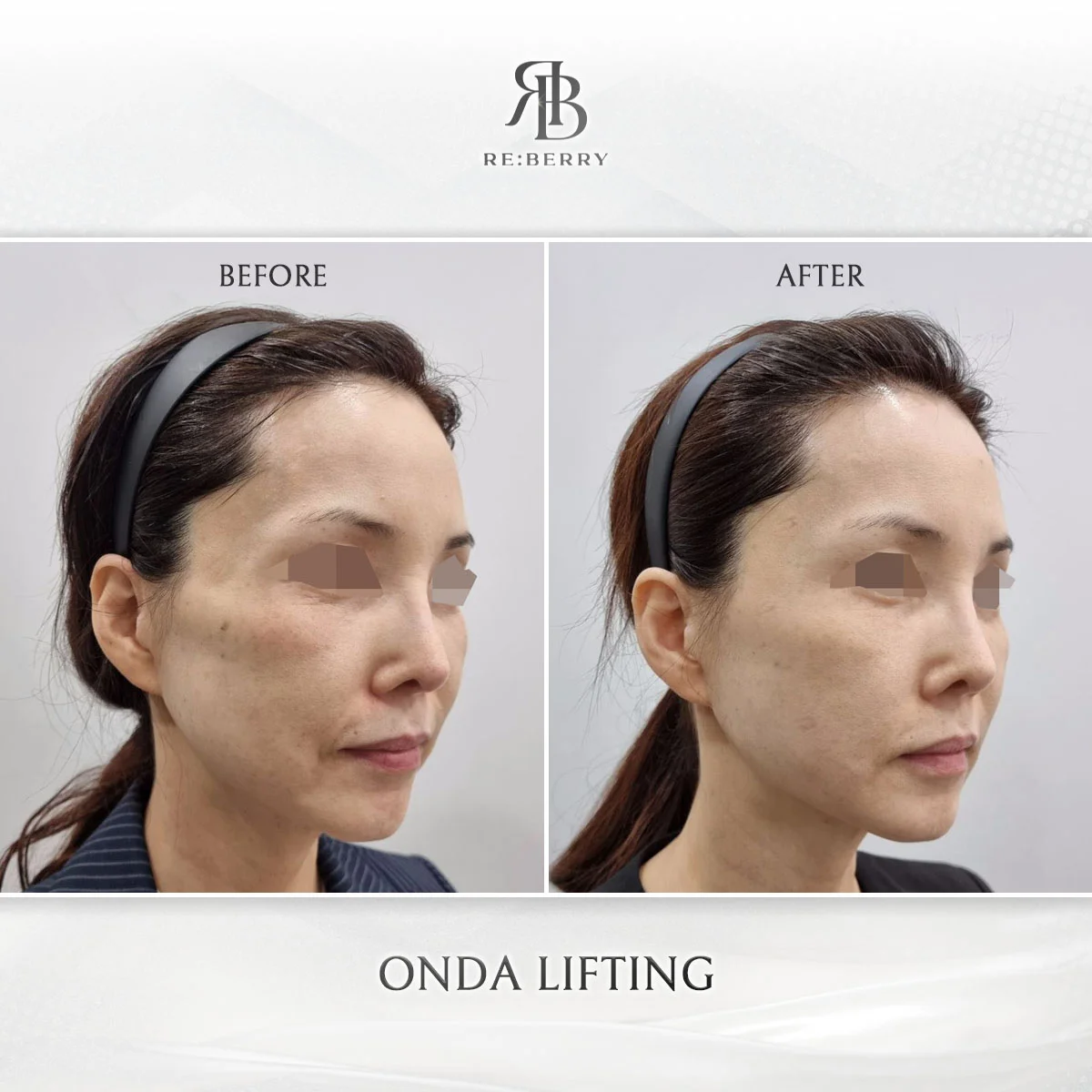
The clinic’s doctors grade your skin type and goal, then recommend a peel type, depth, and plan, explaining the reasoning in English.
A session usually takes about 15 to 30 minutes, with the acid applied for a controlled time and then neutralised or rinsed.
Most plans run as a course of 3 to 6 sessions spaced 2 to 4 weeks apart, so results build over the series.
Brighter tone and smoother texture typically develop over several weeks as the skin renews, with review between sessions.
Daily sunscreen and a gentle routine sustain results, and occasional maintenance peels help keep tone and texture even.



Choose a clinic where a doctor grades your skin, matches the peel type and depth to your tone, screens pigment risk, and plans aftercare, rather than one making the biggest promise. Proximity to Hongdae matters less than this judgement. You can start on our skin care page.
For patients searching near Hongdae (Hongik Univ.) Station, care is provided across our Seoul locations at Gangnam and Myeongdong, both easily reached from 홍대입구역 with full English support. Your consultation and chemical peel take place at whichever Seoul location suits your schedule best.
A chemical peel applies a controlled acid, such as glycolic (AHA), salicylic (BHA), or TCA, to exfoliate the skin, refine tone and texture, and help mild acne. The depth is chosen for your skin. You can explore related options on our skin care page.
It depends on your goal and skin tone: superficial AHA or BHA peels suit dull tone, mild texture, and clogged pores, while a deeper TCA peel addresses more stubborn texture and pigmentation. Your doctor matches the acid and depth at consultation, since the wrong choice can raise pigment risk.
Yes, with the right approach; deeper skin tones can have peels safely when a doctor uses conservative acids, primes the skin, and screens for pigment risk. For stubborn marks, dark spot removal may also be considered. This careful matching is a clear sign of a good clinic.
Most superficial peels cause only mild tingling or warmth during the few minutes the acid is on the skin. Deeper TCA peels sting more strongly but briefly. Any sensation is temporary and managed by the doctor, who neutralises or rinses the peel once the controlled time is reached.
Superficial AHA or BHA peels have little downtime, with light flaking for a day or two. Medium TCA peels involve several days of visible peeling and redness. Your doctor explains the expected recovery so you can plan around work or travel from Hongdae before booking.
Most people see the strong results from a series of 3 to 6 sessions spaced 2 to 4 weeks apart, rather than a single peel. The exact number depends on your skin and goal. Your doctor reviews progress between sessions and adjusts the plan as your tone and texture improve.
Brighter tone and smoother texture usually develop over several weeks as the skin renews, building across the series rather than after one visit. Some brightness may appear within days of a peel. Your doctor tracks progress so the plan stays matched to how your skin responds.
Results can hold for months with good aftercare, but skin keeps ageing and pigment can return with sun exposure, so peels are managed rather than a one-time fix. A consistent skin care routine and occasional maintenance peels help keep tone and texture even over time.
Yes, peels are often paired with medical skincare or, for tone, with device-based options, since they target renewal differently. Combining is sequenced carefully to avoid irritating the skin. You might also consider laser treatment for pigment. Your doctor plans any combination to suit your skin and goals.
A chemical peel exfoliates with acids to refine tone and texture, while laser toning uses light to target pigment without acid exfoliation. Peels also help clogged pores and mild acne. Your doctor recommends which fits your skin, and sometimes both are used at different points in a plan.
Adults wanting brighter tone, smoother texture, or help with mild acne are typical candidates, provided the skin is not currently inflamed or freshly tanned. A consultation grades your skin and confirms the safest peel. Very reactive skin or a keloid history needs careful assessment before any peel is chosen.
Strict daily sunscreen, gentle non-irritating skincare, and avoiding picking are essential for at least 2 weeks, especially after a deeper peel. A suitable skin care routine protects the fresh skin and reduces pigment risk. Your doctor gives a clear plan so your result develops safely.
For a superficial peel, 1 to 2 days is comfortable, allowing a consultation and the session with little downtime. For a deeper TCA peel, allow several days for peeling to settle. Because plans run as a course, many international patients begin in Seoul and continue across return visits.
Yes, after a superficial peel flying within a day is generally fine; keep skin moisturised and sun-protected, as cabin air is drying. After a medium TCA peel, allow the peeling phase to progress and follow aftercare. Your doctor advises on timing so travel does not stress freshly peeled skin.
International patients can complete a peel course across one or more visits, and the clinic offers remote check-ins in English between trips so the plan stays on track. Your treatment notes are kept on file for continuity, and you can continue supportive skincare at home between sessions.
| Superficial AHA/BHA Peel | TCA (Medium) Peel | Laser Toning | |
|---|---|---|---|
| Mechanism | Glycolic or salicylic acid exfoliating the epidermis | Trichloroacetic acid reaching the upper dermis | Laser light targeting pigment and tone |
| Best for | Dull tone, mild texture, clogged pores, mild acne | Deeper texture, pigmentation, fine lines | Even tone and pigment without acid exfoliation |
| Pain / comfort | Mild tingling or warmth | Stronger stinging during application | Mild snapping sensation, generally comfortable |
| Downtime | Little to none; light flaking possible | Several days of peeling and redness | Little to none |
| Sessions | A series of several sessions works best | Fewer, more spaced sessions | Usually a course of sessions |
| Pigment risk | Lower, suited to most skin tones with care | Higher; needs careful screening on deeper skin | Depends on device and settings |
Real verified reviews from our Google Business Profile, across all Reberry Clinic locations.
PULLED LIVE FROM GOOGLE · GANGNAM · MYEONGDONG · INCHEON AIRPORT
Your treatment is planned and performed by experienced, MFDS-registered doctors across our Seoul-area clinics, with multilingual support for international patients.
Flagship clinic · KOL for leading lifting & regenerative devices · Featured in Authority Magazine (2026)

Multilingual tourist care beside Myeongdong Cathedral

Fast, effective care 20 minutes from the terminals
Message us on WhatsApp for a free consultation in English about a chemical peel matched to your skin at our Seoul locations near Hongdae Station.