



Gangnam
Dr. Yoon-Gon Ryu
Aesthetic Medicine Specialist
Flagship clinic · KOL for leading lifting & regenerative devices · Featured in Authority Magazine (2026)


A good peel clinic matches acid type and depth to your skin: superficial AHA/BHA peels work in the epidermis, while medium TCA peels reach the dermis, so assessment matters more than any single menu price.
To choose a good chemical peel clinic in Myeongdong, Seoul, look for a doctor-led assessment of your skin type and concern, a range of peel depths from superficial AHA/BHA to medium TCA, honest aftercare guidance, and clear communication. At Reberry Clinic’s Myeongdong (Seoul) location, the clinic’s doctors tailor peel depth to your skin rather than applying one fixed protocol.
One-on-One guidance from a dedicated doctor, ensuring your skin is professionally monitored and treated from start to finish.
Fluent assistance in English, Japanese, and Chinese, making communication clear, respectful and comfortable for international patients.
Over 100,000 patients worldwide have received our personalized dermatological care, highlighting our expertise and reliable results.
Choosing a chemical peel clinic in Myeongdong, Seoul is less about finding one headline price and more about how carefully a clinic matches the peel to your skin. A chemical peel is a controlled exfoliation: a solution such as an alpha hydroxy acid (AHA), beta hydroxy acid (BHA), or trichloroacetic acid (TCA) is applied to remove damaged surface cells and prompt renewal. Superficial peels act on the epidermis for texture, tone, and mild acne, while medium-depth peels reach into the dermis for scarring and deeper pigmentation. A good clinic offers this range rather than a single formula.
The most important criterion is a genuine medical assessment. Acid choice and concentration depend on your skin type, sensitivity, concern (acne, melasma, texture, dullness), and history, and getting this wrong can cause irritation or, in deeper skin tones, pigment changes. A clinic that grades your skin, explains why a particular peel and depth are chosen, and plans a series where needed is prioritising your result over a quick sale.
At Reberry Clinic, chemical peels are consultation-led and delivered at our Myeongdong (Seoul) location, 5, Myeongdong 10-gil, Jung-gu, about 5 minutes from Myeongdong Station. The clinic’s doctors assess your skin, select an appropriate acid and depth, and explain aftercare transparently, with full English support for international patients.
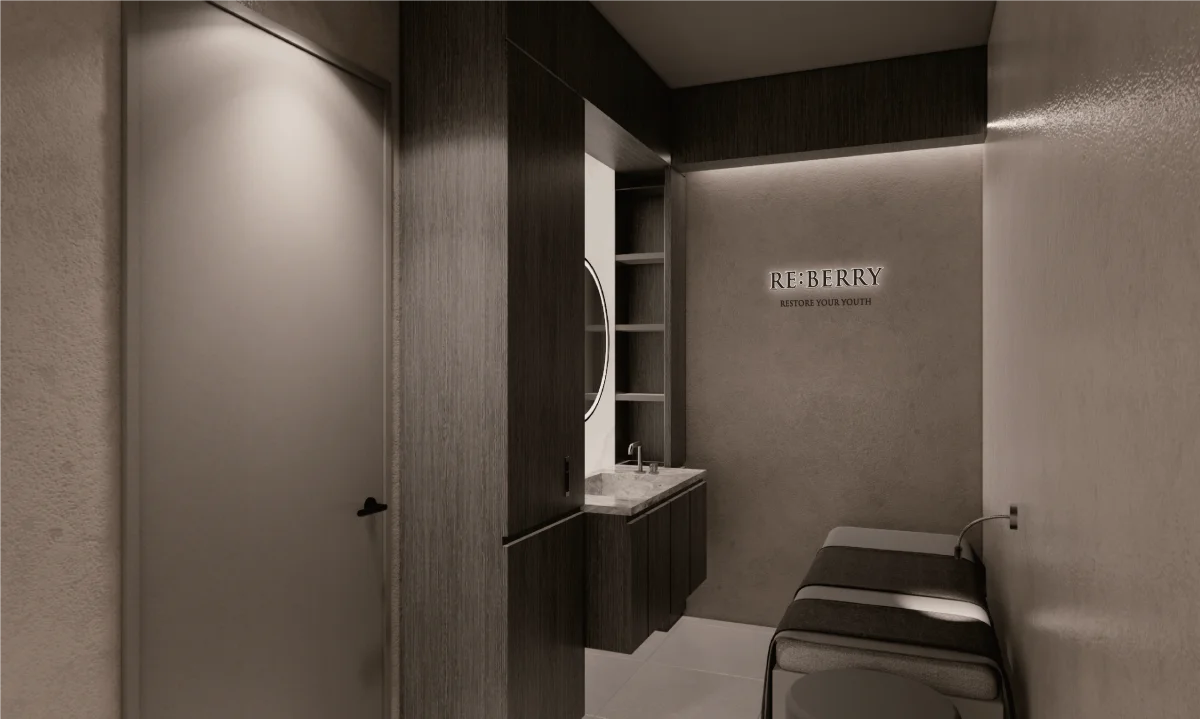
Chemical peels are classified by how deep they act, and a clinic worth choosing understands the distinction. Superficial peels use AHAs (such as glycolic acid at 20-70%) or BHAs (such as salicylic acid at 20-30%) to exfoliate the epidermis; BHAs are oil-soluble, so they penetrate pores and suit acne-prone skin, while AHAs are water-soluble and target dullness and fine texture. Medium-depth peels, often TCA around 35% sometimes layered over a superficial agent, reach the papillary and upper reticular dermis for atrophic acne scars and stubborn pigmentation. Depth is what drives both the result and the recovery: superficial peels usually cause a day or two of flaking, medium peels more visible peeling over about 5 to 7 days. For Asian and deeper skin tones, conservative concentrations and pre-treatment priming reduce the risk of post-inflammatory pigmentation, which is exactly why a doctor-led assessment beats an off-the-shelf menu. A clinic that can select among these options, plan a series for concerns like melasma, and adjust for your skin type is delivering tailored care rather than one routine for everyone.
One Reberry Clinic, multiple Seoul-area locations. Pricing & current promotions are listed on each branch's own site — tap a clinic to view pricing & book.
Our flagship in the heart of Gangnam.
In Seoul's shopping & tourism heart.
A beauty stop between flights.
The newest Reberry Clinic — in Seoul's trend district.
ONE REBERRY CLINIC · MFDS-REGISTERED DEVICES · MULTILINGUAL CARE AT EVERY LOCATION

A good clinic grades your skin across at least 3 factors, concern, skin type, and sensitivity, before choosing any acid or depth.
Confirm the clinic offers more than 1 peel depth, from superficial AHA/BHA to medium TCA, so the peel fits your concern.
For darker or Asian skin, ask how they lower the risk of post-inflammatory pigmentation using conservative concentrations and priming.
Melasma or scarring often needs a series of 3 or more peels, so a clinic should map a plan rather than promise 1 fix.
Expect clear guidance on the 5 to 7 day peeling window for medium peels and strict daily sun protection to protect results.
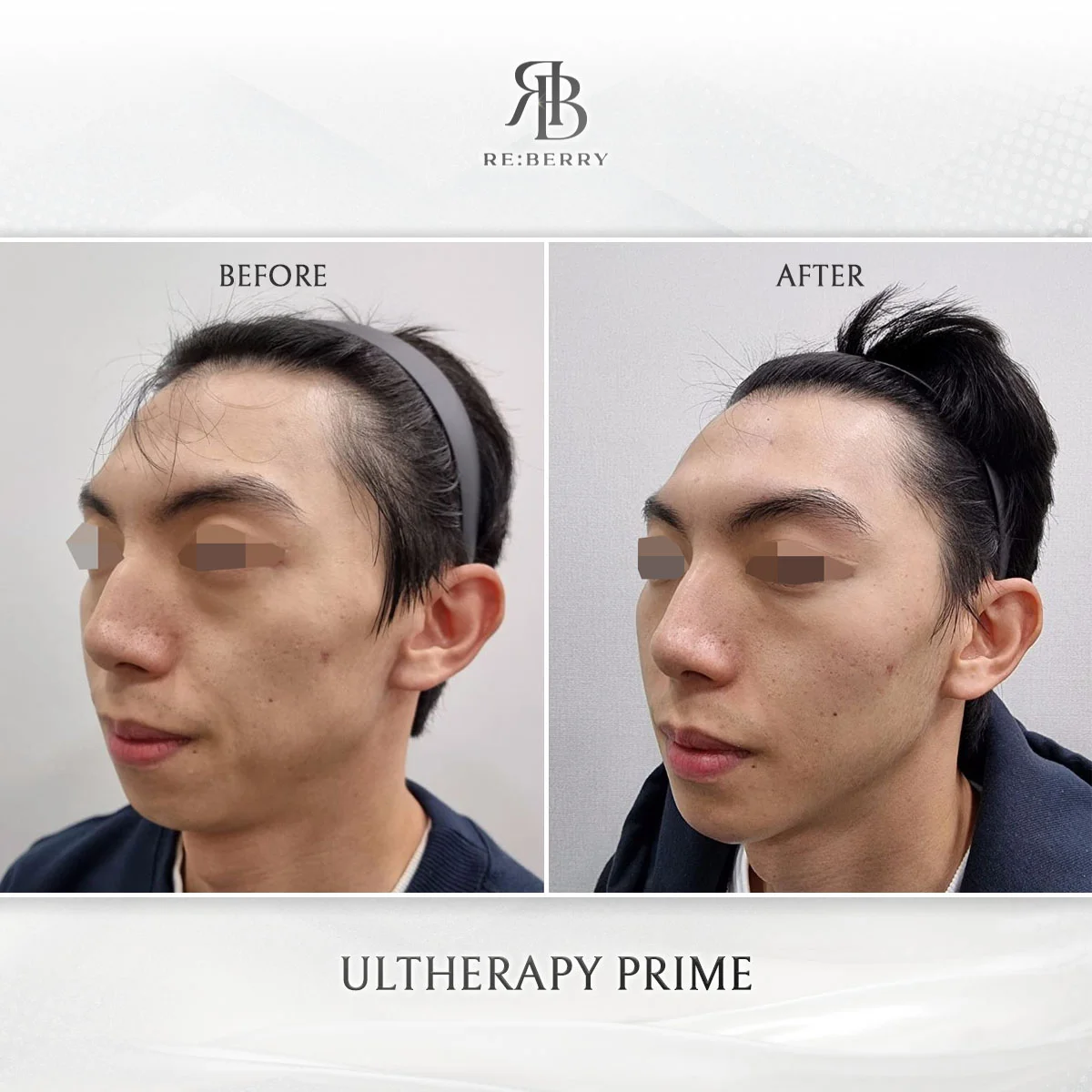
See representative outcomes from Reberry Clinic. Results build gradually and vary by individual; your plan is assessed at consultation.
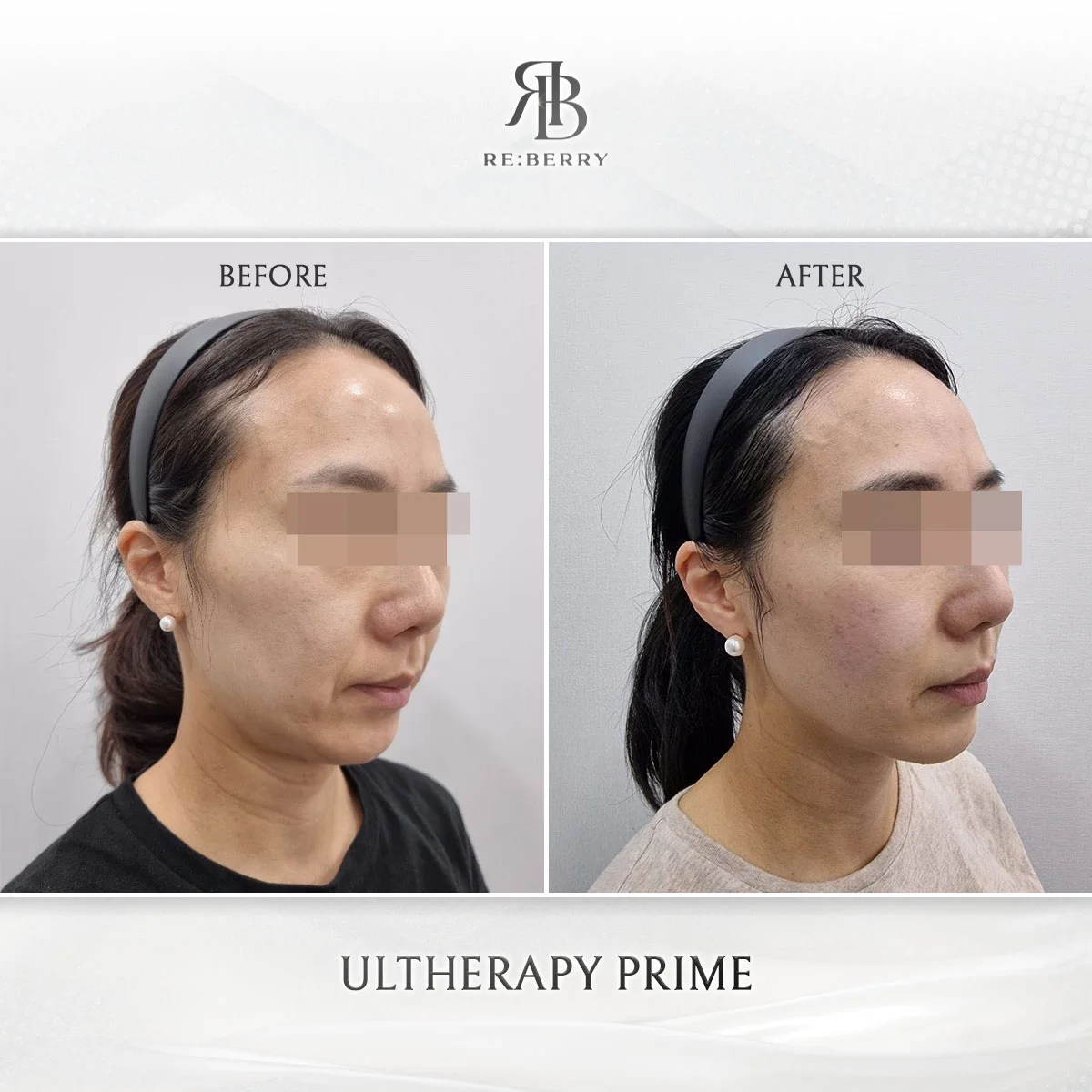
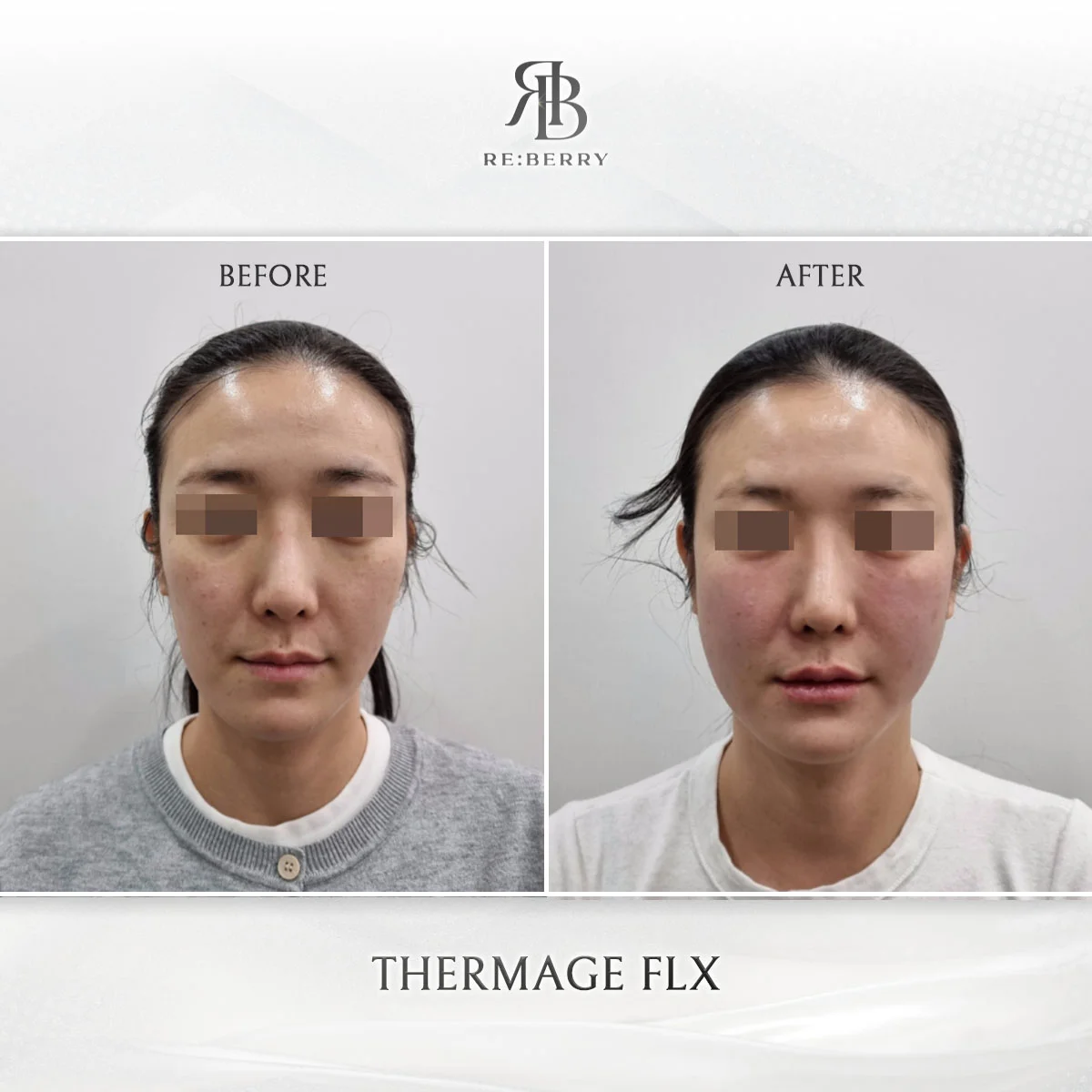
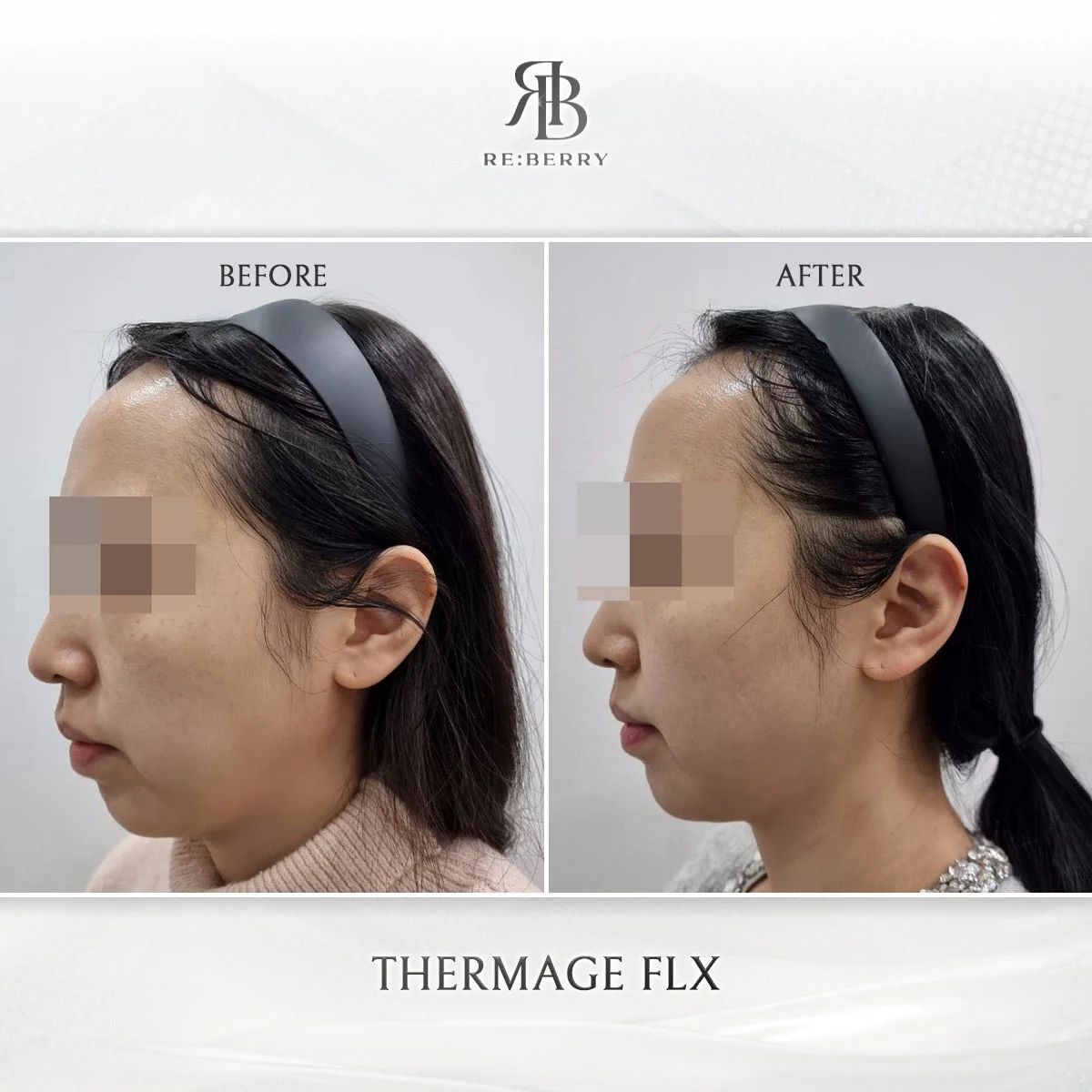
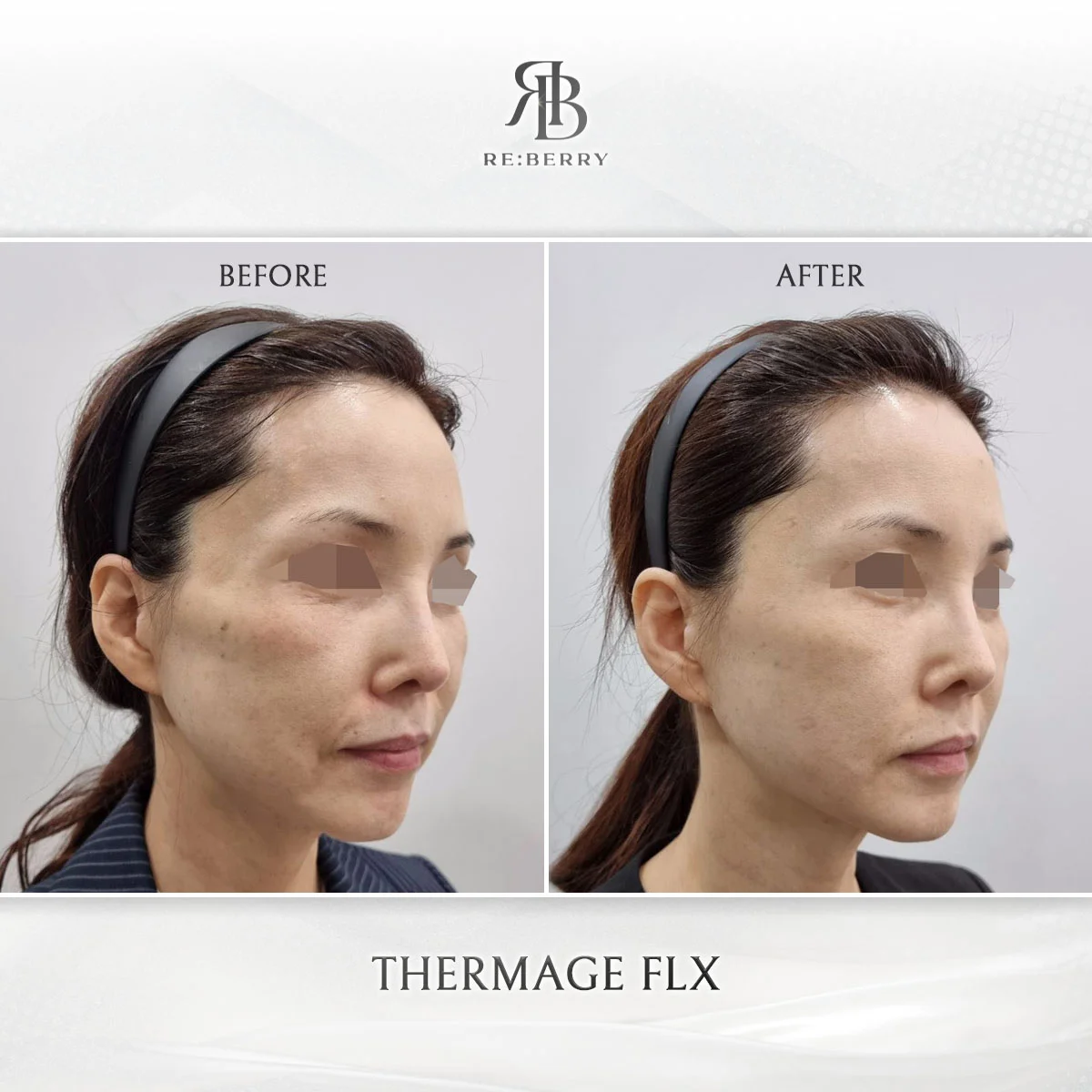
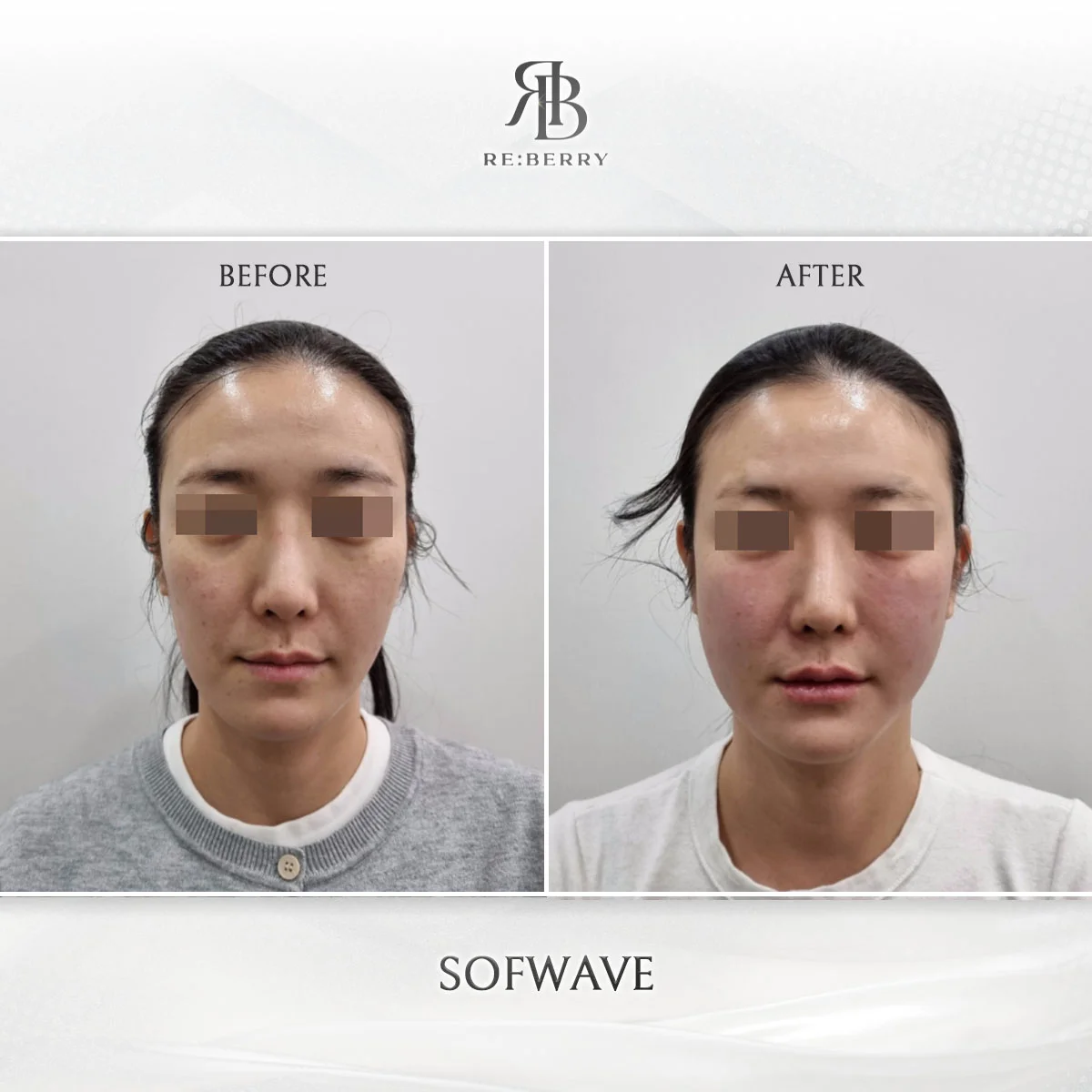
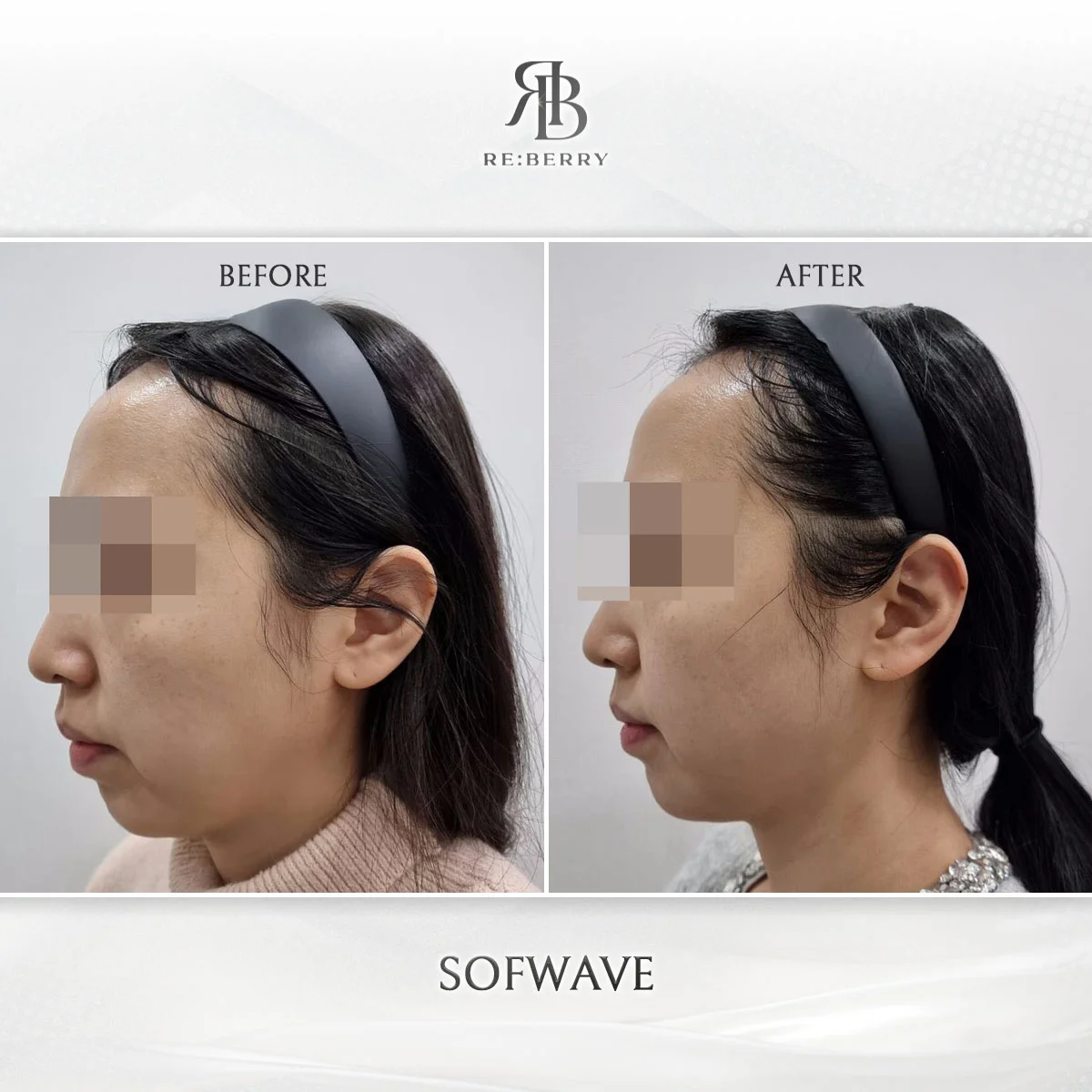
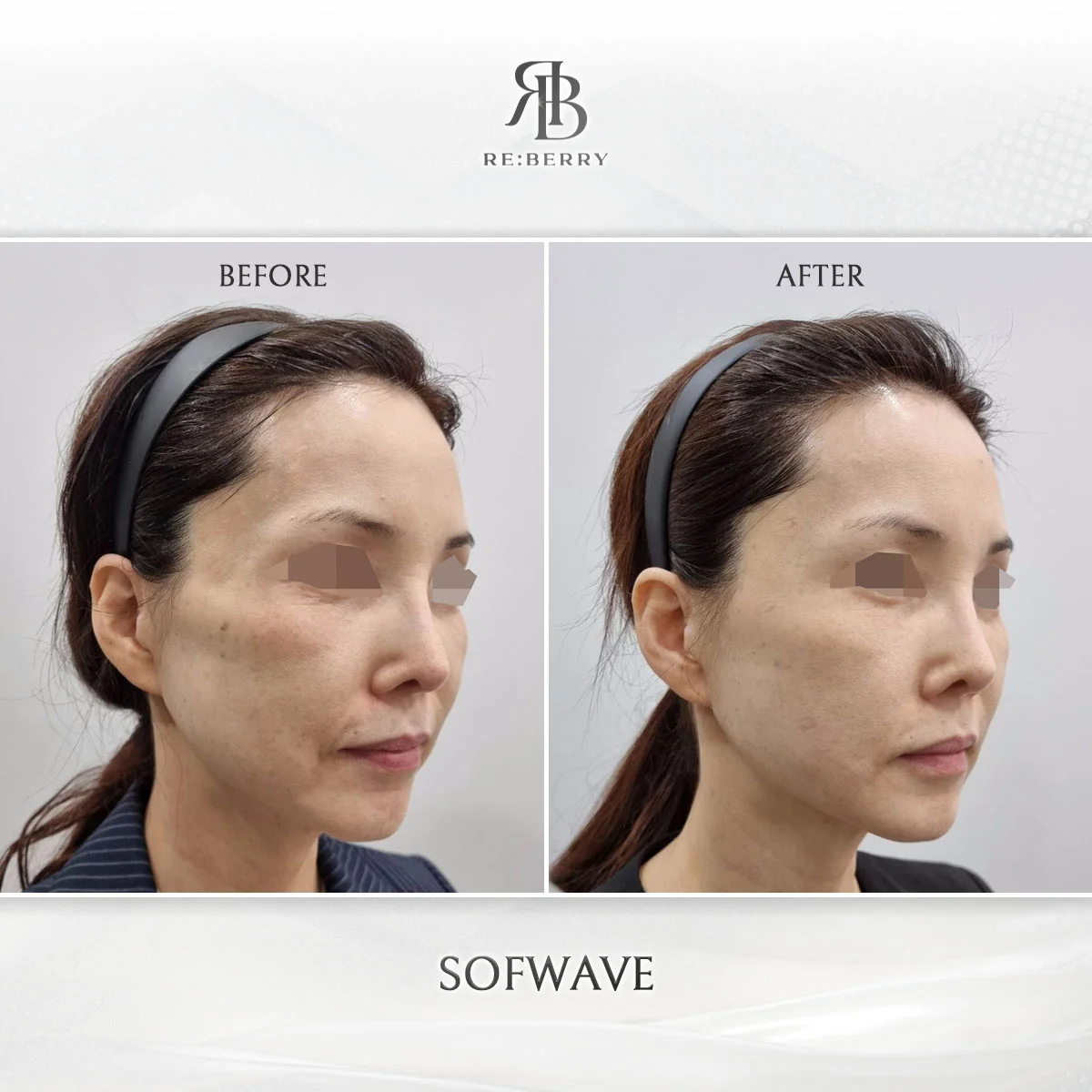
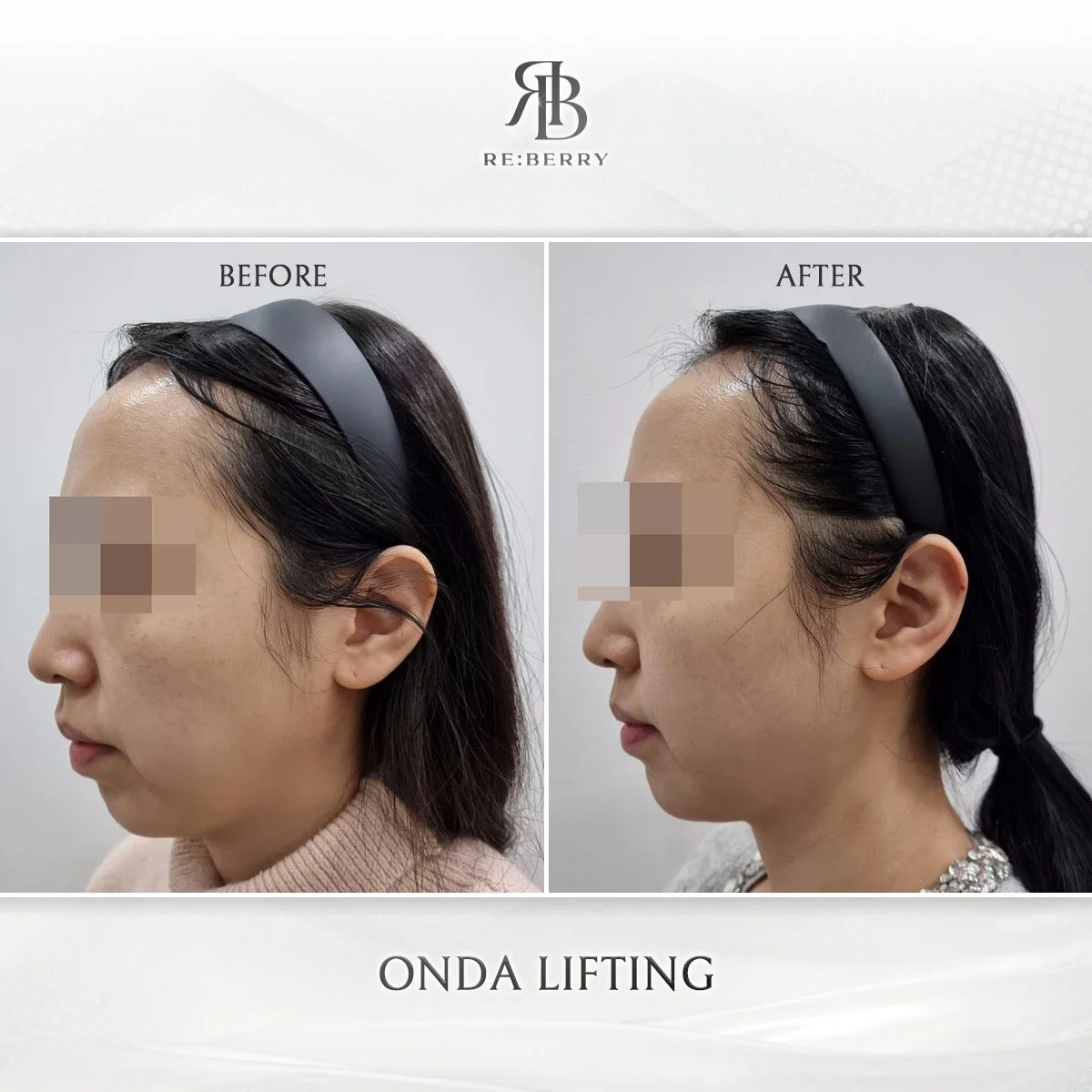
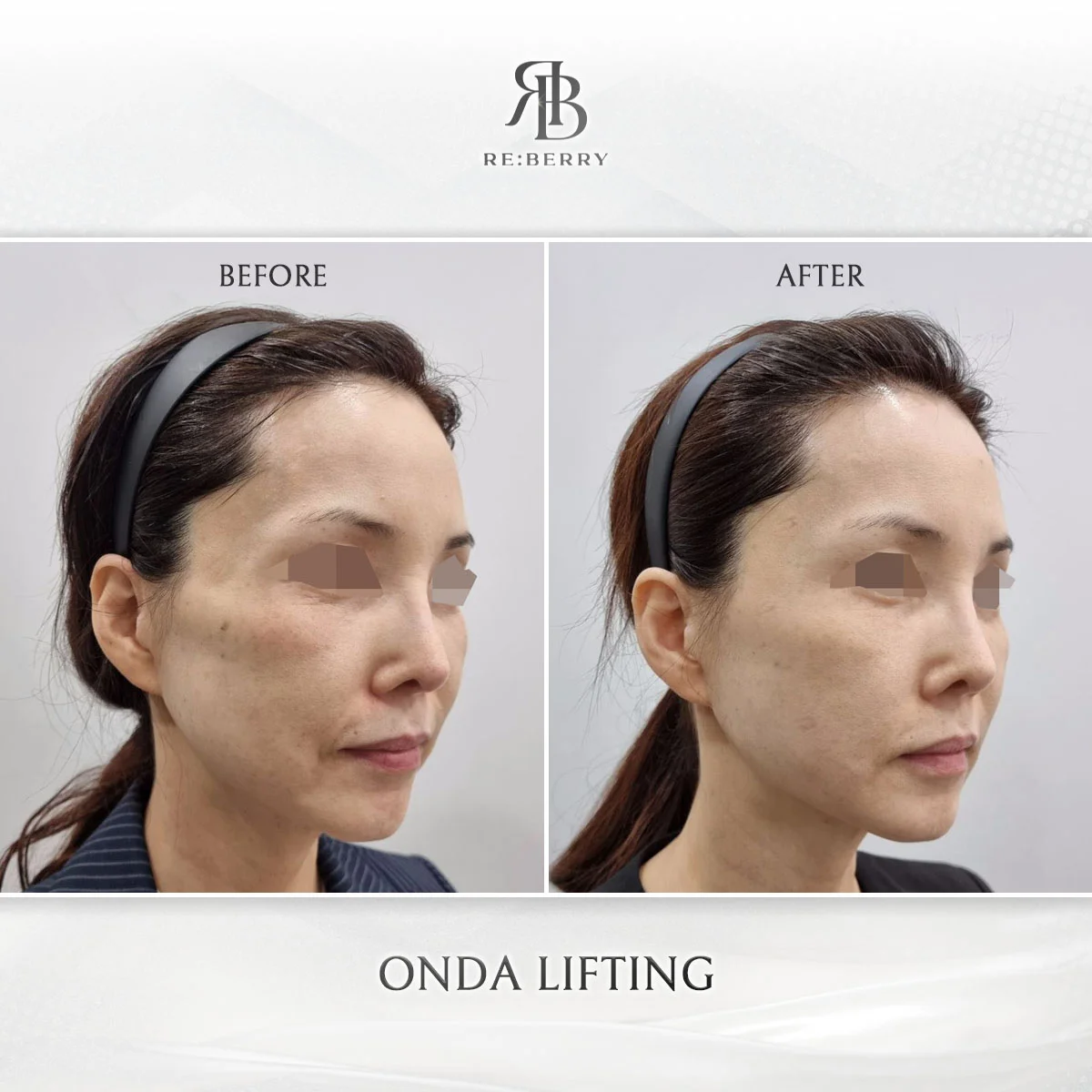
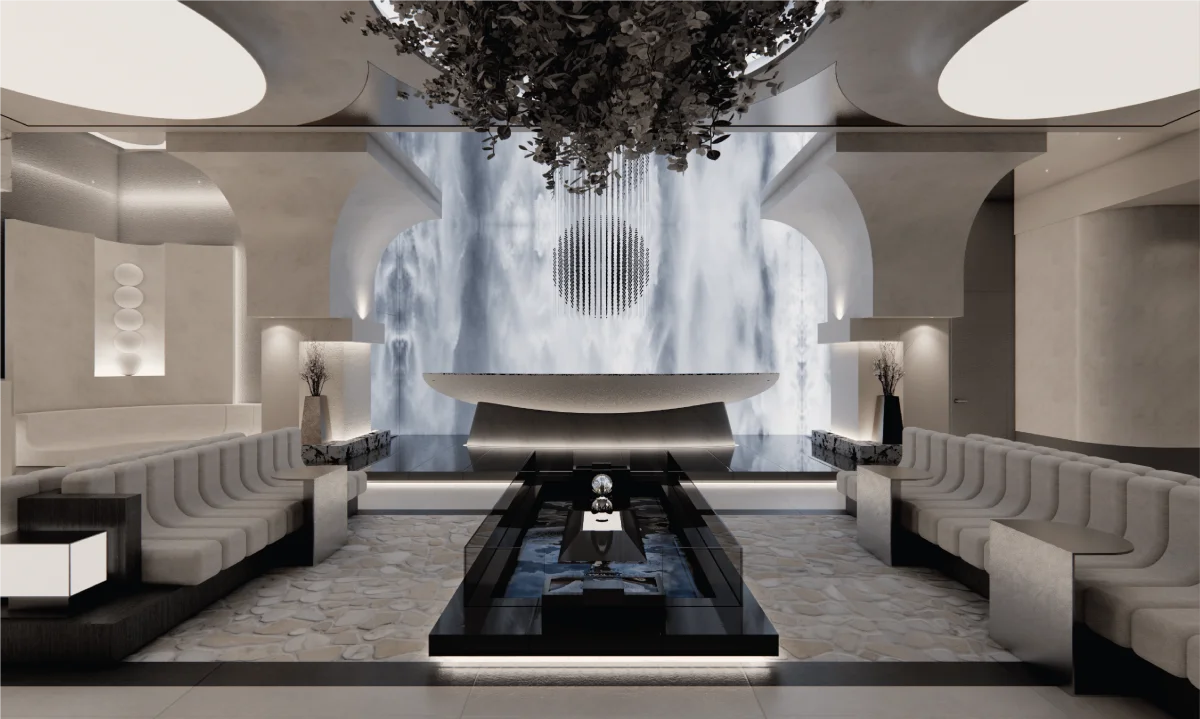
The clinic’s doctors assess your skin type, concern, and history, then explain which acid and depth suit you and why, in English.
A superficial peel usually takes about 15 to 30 minutes, with the solution applied, monitored, and then neutralised or removed.
Concerns like melasma or scarring are planned as a series, often 3 or more peels spaced 2 to 4 weeks apart.
Brightness and texture often improve within 1 to 2 weeks, while pigmentation and scarring respond gradually across the series.
Strict daily sun protection and gentle skincare protect results; occasional maintenance peels help sustain them over time.



Choose a clinic that gives a doctor-led assessment, offers more than one peel depth from superficial AHA/BHA to medium TCA, and explains aftercare clearly. Matching the acid to your skin matters more than any single menu price. You can start with our skin care page for context.
A good clinic assesses your skin type, main concern, sensitivity, sun exposure, and history of pigmentation or scarring before choosing an acid or depth. This assessment decides whether a superficial or medium peel is safe for you. A clinic that skips this and applies one fixed protocol is a warning sign worth noting.
There is no single best peel; the right one depends on your concern. AHAs suit dullness and texture, BHAs suit oily and acne-prone skin, and medium TCA suits scarring or deep pigmentation. A consultation matches the acid and depth to your skin, which is why a clinic offering a range is preferable to one formula.
Yes, with careful protocols, chemical peels can be used safely on Asian and darker skin, but concentration and depth must be conservative to lower the risk of post-inflammatory pigmentation. Ask how a clinic primes and adjusts peels for deeper tones. A tailored skin care routine before and after helps too.
Yes, salicylic acid (BHA) peels help acne because they are oil-soluble and penetrate pores; studies in Asian patients show reduced inflammatory and non-inflammatory lesions over a series. Glycolic acid peels also help. A clinic may combine peels with other acne care, which you can explore on our acne treatment page.
Chemical peels can improve melasma and pigmentation, but they are managed over a series rather than cleared in one session, and conservative depths are safest for deeper tones. Glycolic and salicylic acid peels have shown benefit in Asian patients. Strict sun protection is essential, or pigmentation can return or worsen.
Most concerns need a series of peels; texture and mild acne often improve over 3 to 6 sessions spaced 2 to 4 weeks apart, while melasma may need more. A single peel gives a refresh, not a full correction. Your doctor maps a realistic session plan based on your concern and skin response.
Downtime depends on depth: superficial AHA and BHA peels usually cause a day or two of light flaking, while medium TCA peels bring visible peeling over about 5 to 7 days. A good clinic tells you the expected recovery upfront so you can plan around work, events, or travel.
Peels usually cause a tingling, warm, or mild stinging sensation for a few minutes during application rather than sharp pain, and superficial peels are the most comfortable. Medium TCA peels feel stronger. A clinic should describe the sensation for your chosen peel and monitor you closely throughout the treatment.
The essentials are daily broad-spectrum sunscreen, gentle non-irritating skincare, and not picking at flaking skin, which protects results and lowers pigmentation risk. A supportive skin care routine maintains your outcome. Your doctor gives specific timing for resuming actives like retinoids after the peel.
Yes, peels are often combined with hydrating facials, laser toning for pigmentation, or acne care for a layered plan rather than duplication. For brightening goals you might discuss laser treatment alongside peels. Your doctor sequences treatments so the skin barrier is respected and not over-exfoliated.
Peels are generally deferred for pregnancy, active infection or eczema in the area, a fresh tan, or recent isotretinoin use without review. A history of keloids or frequent pigmentation also needs caution. A consultation screens for these so a clinic can adjust the peel or recommend an alternative safely.
Yes, superficial peels suit travellers because downtime is short, but medium TCA peels need a 5 to 7 day peeling window to consider. Tell the clinic your travel dates so they can choose a depth that fits. Sun protection is even more important on a trip with outdoor sightseeing.
For a superficial peel, 1 to 2 days is comfortable, allowing a consultation and the treatment with only light flaking afterward. Medium peels benefit from a few extra days to pass the peeling phase. Our English-speaking team at Myeongdong helps time your peel around your Seoul itinerary.
Yes, flying within a day is generally fine after a superficial peel, since downtime is light. After a medium TCA peel, skin peels for about 5 to 7 days, so moisturise and protect it from sun in transit. Your doctor advises on cabin-friendly aftercare for your specific peel.
International patients can complete a peel series across visits, and our Myeongdong team offers remote check-ins in English between trips so the plan stays on track. You can continue a supportive skin care routine at home, and your notes are kept on file for continuity of care.
| Superficial AHA Peel | Superficial BHA Peel | Medium TCA Peel | |
|---|---|---|---|
| Main acid | Glycolic or lactic acid (AHA), water-soluble | Salicylic acid (BHA), oil-soluble | Trichloroacetic acid, often over a primer |
| Depth | Epidermis | Epidermis, penetrates pores | Papillary to upper reticular dermis |
| Best for | Dullness, uneven tone, fine texture | Oily and acne-prone skin, clogged pores | Atrophic acne scars, deeper pigmentation |
| Downtime | Usually a day or two of light flaking | Usually a day or two of light flaking | Visible peeling over about 5 to 7 days |
| Sessions | Often a series spaced 2 to 4 weeks apart | Often a series spaced 2 to 4 weeks apart | Fewer, deeper sessions with longer gaps |
| Considerations | Gentle entry option for most skin types | Well suited to active acne and oil control | Needs careful use in deeper skin tones |
Real verified reviews from our Google Business Profile, across all Reberry Clinic locations.
PULLED LIVE FROM GOOGLE · GANGNAM · MYEONGDONG · INCHEON AIRPORT
Your treatment is planned and performed by experienced, MFDS-registered doctors across our Seoul-area clinics, with multilingual support for international patients.
Flagship clinic · KOL for leading lifting & regenerative devices · Featured in Authority Magazine (2026)

Multilingual tourist care beside Myeongdong Cathedral

Fast, effective care 20 minutes from the terminals
Message us on WhatsApp for a free consultation in English about choosing the right chemical peel depth for your skin at our Myeongdong location.