



Gangnam
Dr. Yoon-Gon Ryu
Aesthetic Medicine Specialist
Flagship clinic · KOL for leading lifting & regenerative devices · Featured in Authority Magazine (2026)


A good peel clinic matches the acid to the goal: AHA for dullness, BHA for oily and acne-prone skin, and low-strength TCA for deeper texture, delivered over a series rather than one strong pass.
To choose a chemical peel clinic in Seoul, Korea, look for doctor-led skin assessment, a clear choice of peel type (AHA, BHA, or low-strength TCA) matched to your concern and skin tone, and a graded, series-based protocol rather than one aggressive peel. At Reberry Clinic, the clinic’s doctors grade your skin first, then plan peels in English.
One-on-One guidance from a dedicated doctor, ensuring your skin is professionally monitored and treated from start to finish.
Fluent assistance in English, Japanese, and Chinese, making communication clear, respectful and comfortable for international patients.
Over 100,000 patients worldwide have received our personalized dermatological care, highlighting our expertise and reliable results.
A chemical peel applies a controlled acid solution to exfoliate the outer skin, prompting fresher skin to surface and stimulating renewal underneath. The three families you will see in Seoul are AHAs such as glycolic and lactic acid, which are water-soluble and suit dullness, uneven tone, and fine texture; BHA, mainly salicylic acid, which is oil-soluble and reaches into pores, making it well suited to oily and acne-prone skin; and TCA, trichloroacetic acid, which at low strengths goes a little deeper to address texture and photoaging. Choosing the right family and strength is exactly what a good clinic is for.
The quality of a peel clinic lies less in the acid itself and more in the assessment around it. A strong clinic grades your skin type, tone, and concern, chooses a superficial peel appropriate for your Fitzpatrick skin type, and builds a graded series rather than reaching for one strong peel. This matters especially for deeper or Asian skin tones, where an over-aggressive peel can trigger post-inflammatory pigment. A well-run clinic starts conservatively, watches how your skin responds, and adjusts.
At Reberry Clinic, peels are consultation-led. The clinic’s doctors assess your skin and goals, recommend the peel family and strength, and explain the plan in English. International patients are supported in Seoul, Korea across our operating locations, so a peel course can be timed around travel.
Chemical peels work by lowering the skin’s surface pH so bonds between dead surface cells loosen and shed, which is why concentration, pH, and contact time all matter as much as the acid name. AHAs such as glycolic acid are water-soluble and act mainly on the very surface, refreshing tone and softening fine texture, and they are often used in a series of light peels every few weeks. BHA, chiefly salicylic acid, is oil-soluble, so it penetrates sebum and works inside the pore lining, which makes it a natural fit for oily, congested, and acne-prone skin. TCA, trichloroacetic acid, is used at low, superficial strengths in a clinic setting to reach slightly deeper for texture and sun-related change, and because it can go deeper it demands careful patient selection, especially for darker skin tones that are more prone to post-inflammatory pigment. A good clinic does not simply apply the strongest peel; it selects family, strength, and number of passes to match your skin, neutralises correctly, and spaces sessions so the barrier recovers between peels. That controlled, graded approach, rather than a single deep peel, is the safest route to steady improvement.
One Reberry Clinic, multiple Seoul-area locations. Pricing & current promotions are listed on each branch's own site — tap a clinic to view pricing & book.
Our flagship in the heart of Gangnam.
In Seoul's shopping & tourism heart.
A beauty stop between flights.
The newest Reberry Clinic — in Seoul's trend district.
ONE REBERRY CLINIC · MFDS-REGISTERED DEVICES · MULTILINGUAL CARE AT EVERY LOCATION
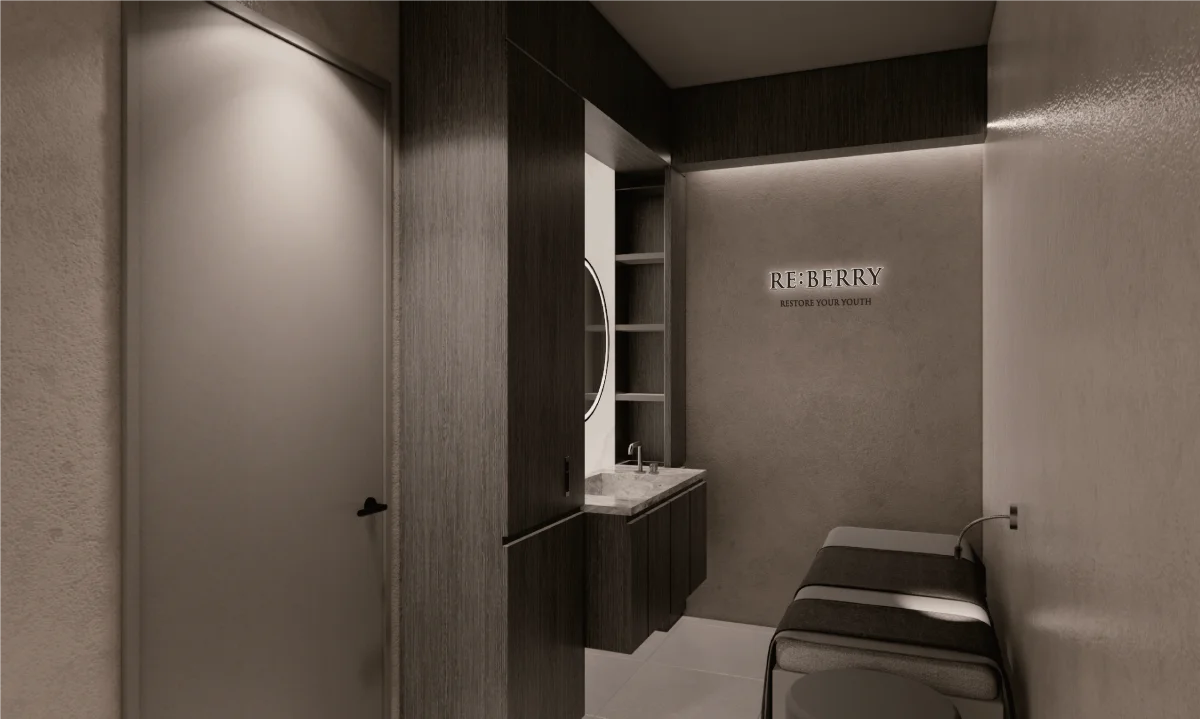

A good clinic grades your skin across at least 3 factors (type, tone, concern) before recommending any of the 3 peel families.
The clinic should explain whether AHA, BHA, or low-strength TCA fits your goal, not default to 1 fixed peel for everyone.
Superficial peels are usually done as a series of 3 to 6 sessions every 2 to 4 weeks, so improvement builds without over-stressing skin.
For deeper or Asian skin tones, the clinic should start conservatively to reduce the risk of post-inflammatory pigment after peeling.
Expect clear aftercare, daily SPF 50 sunscreen, and a review between sessions so the plan adjusts to how your skin responds.
See representative outcomes from Reberry Clinic. Results build gradually and vary by individual; your plan is assessed at consultation.
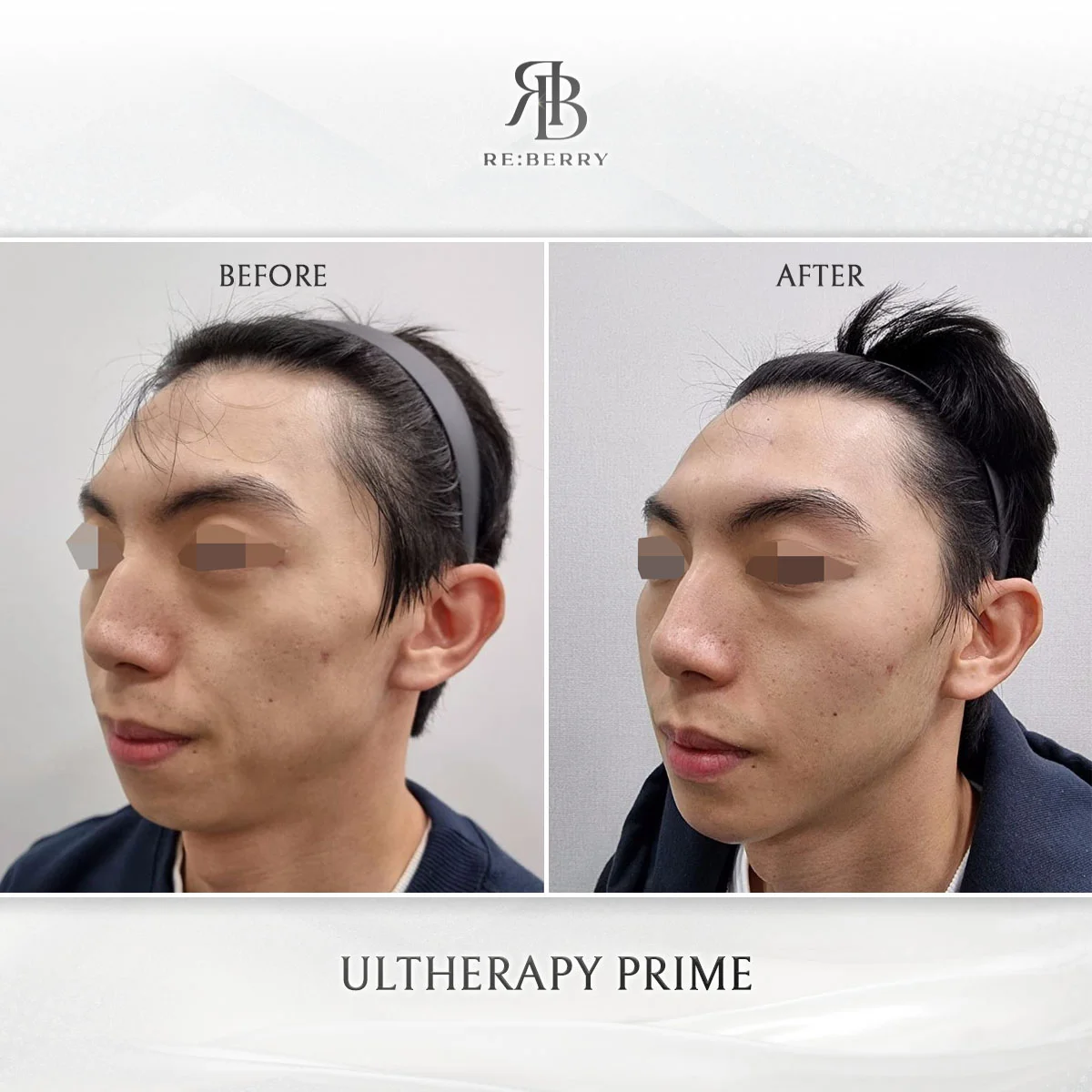
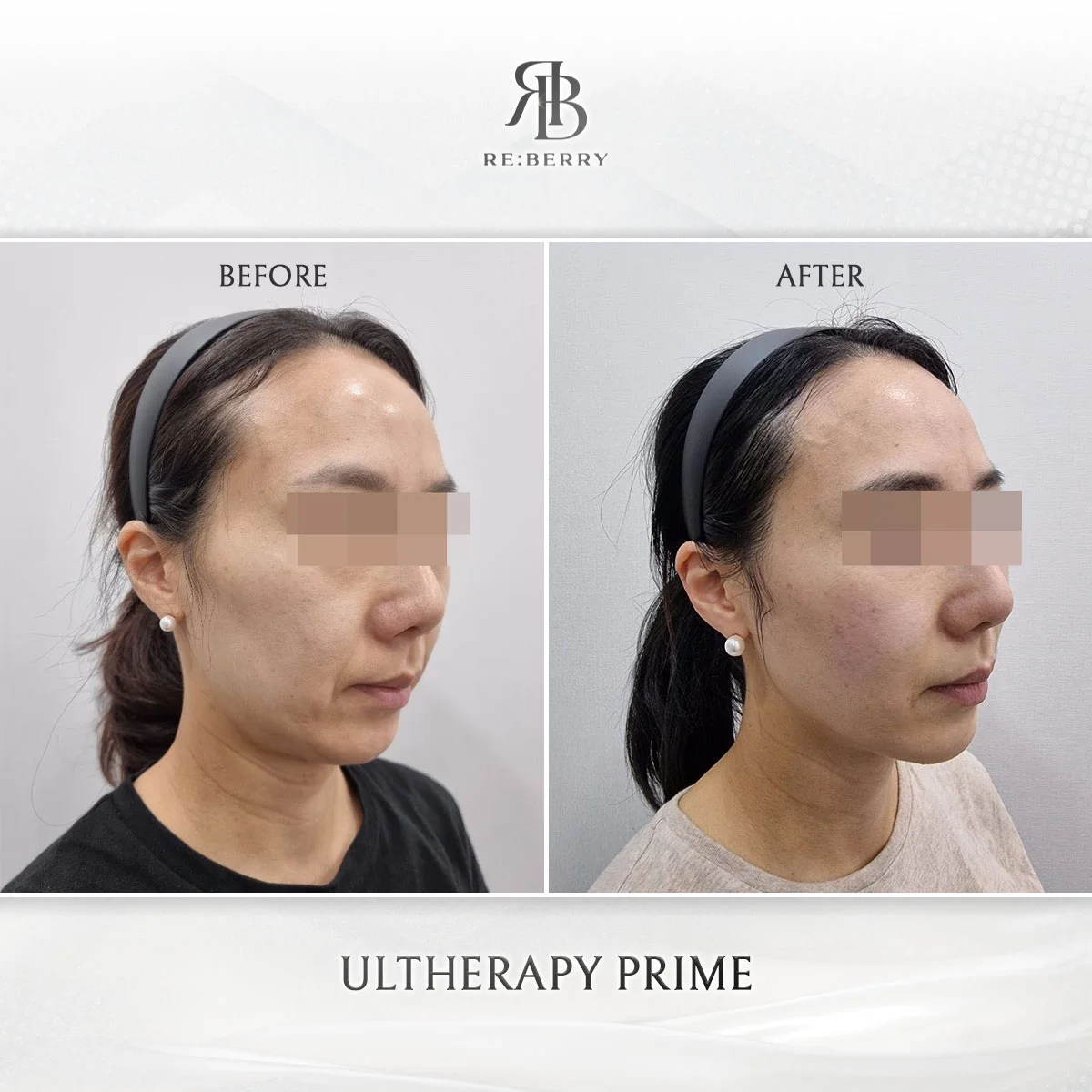
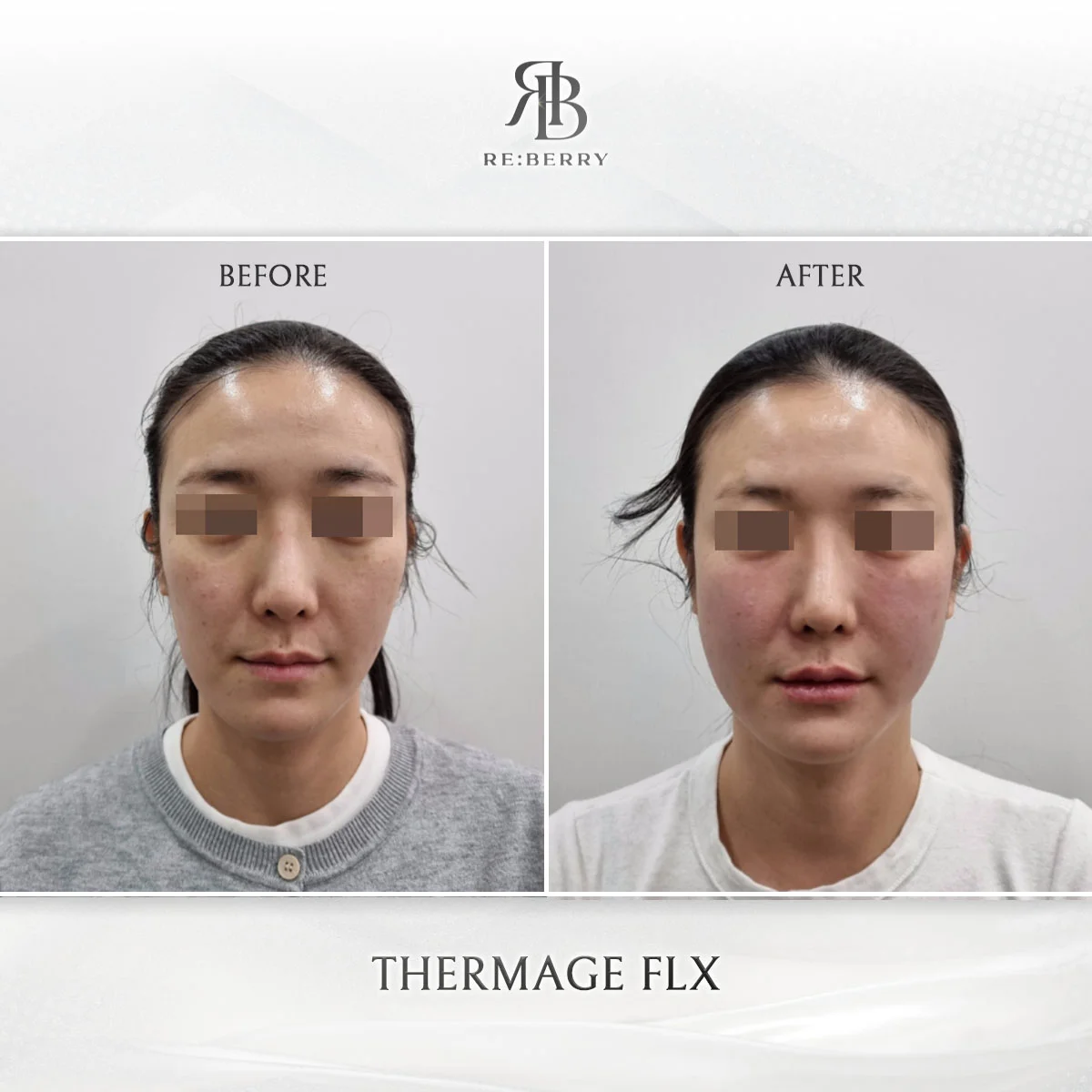
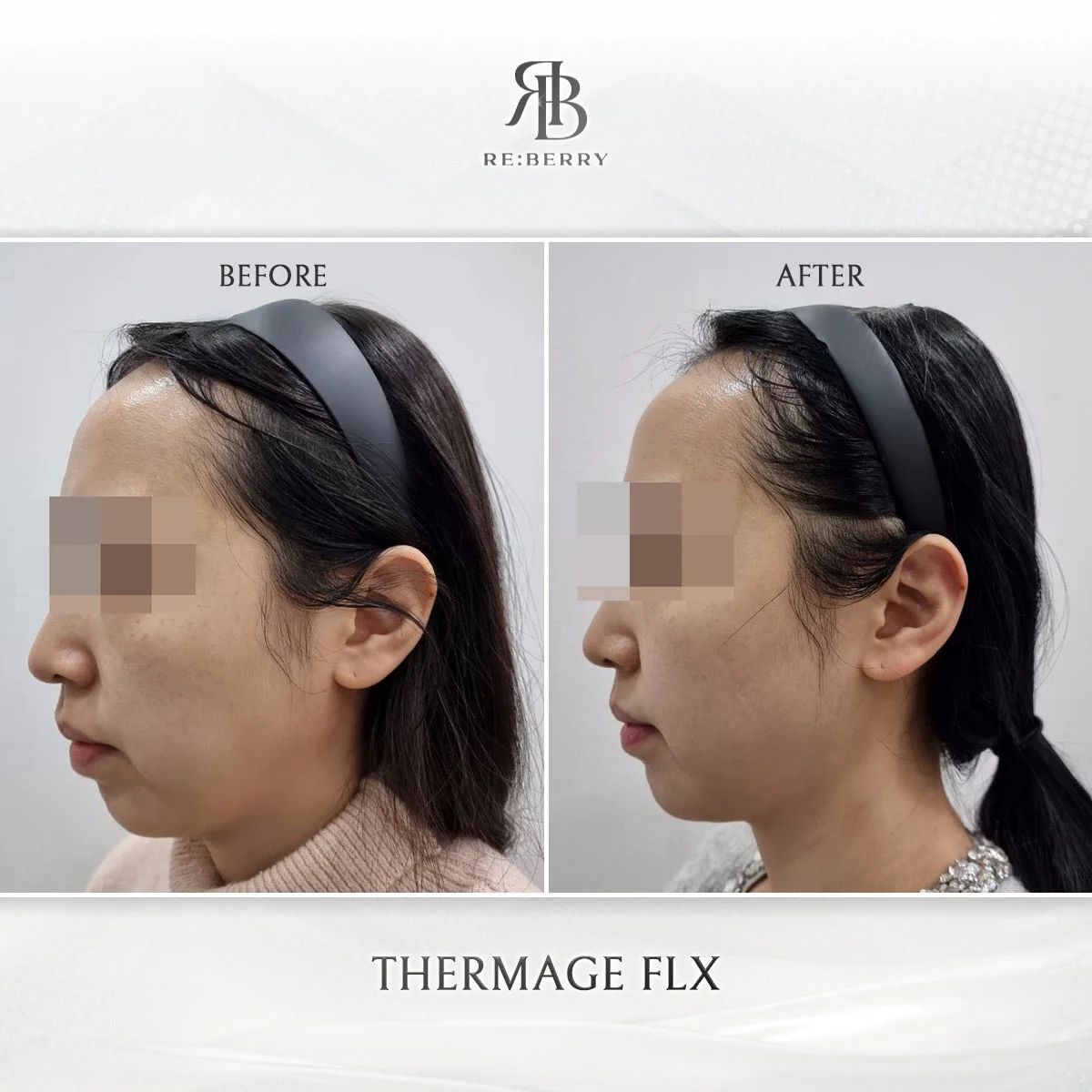
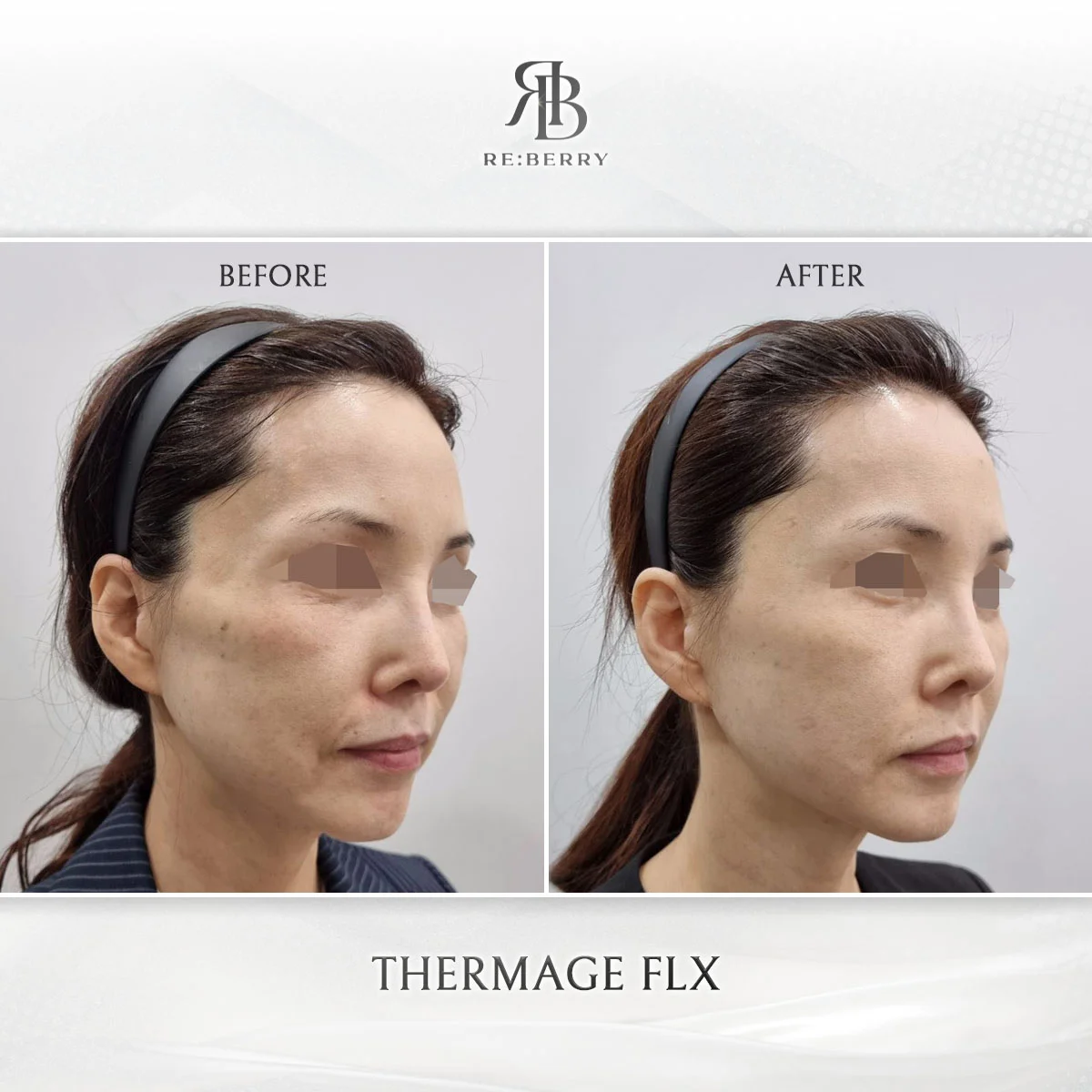
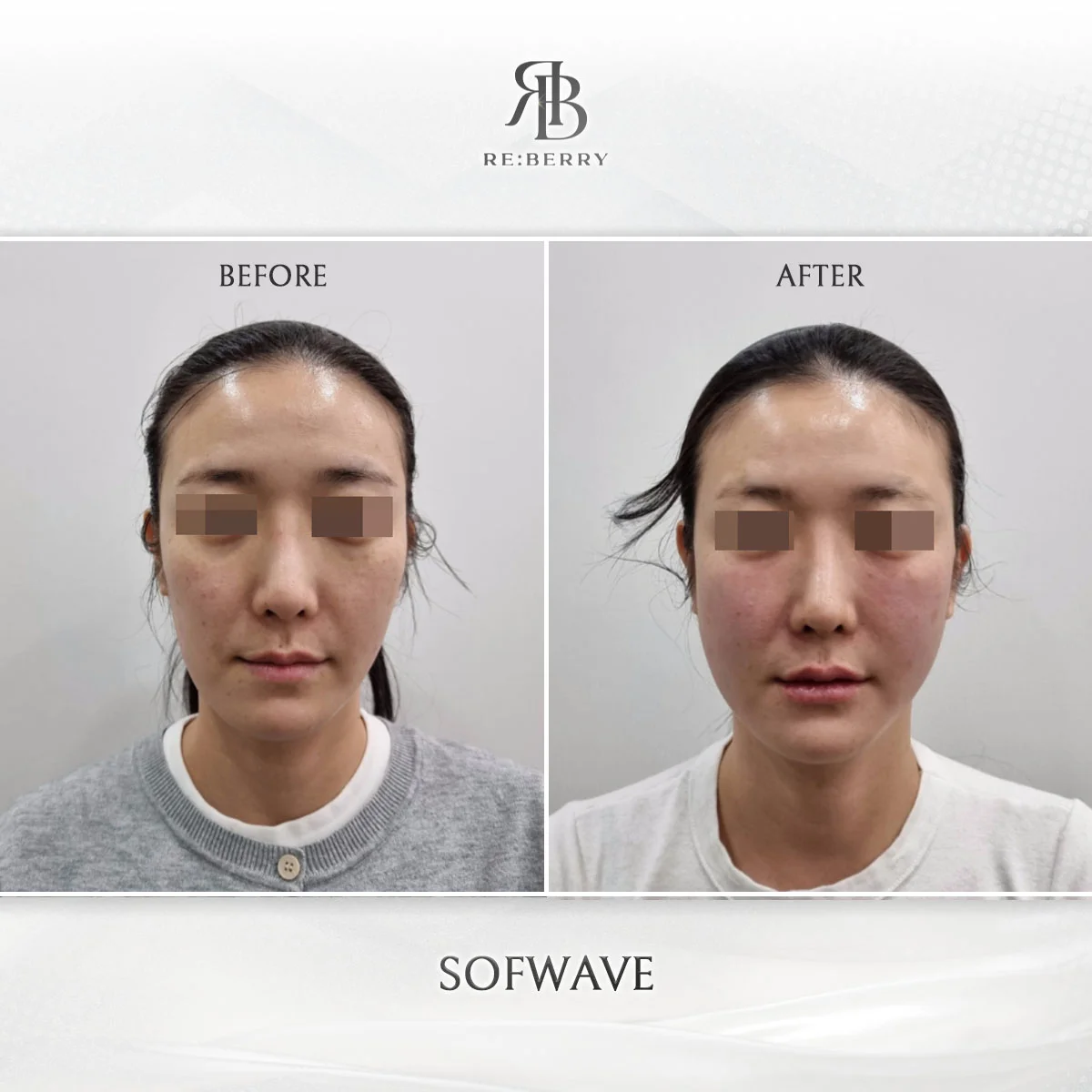
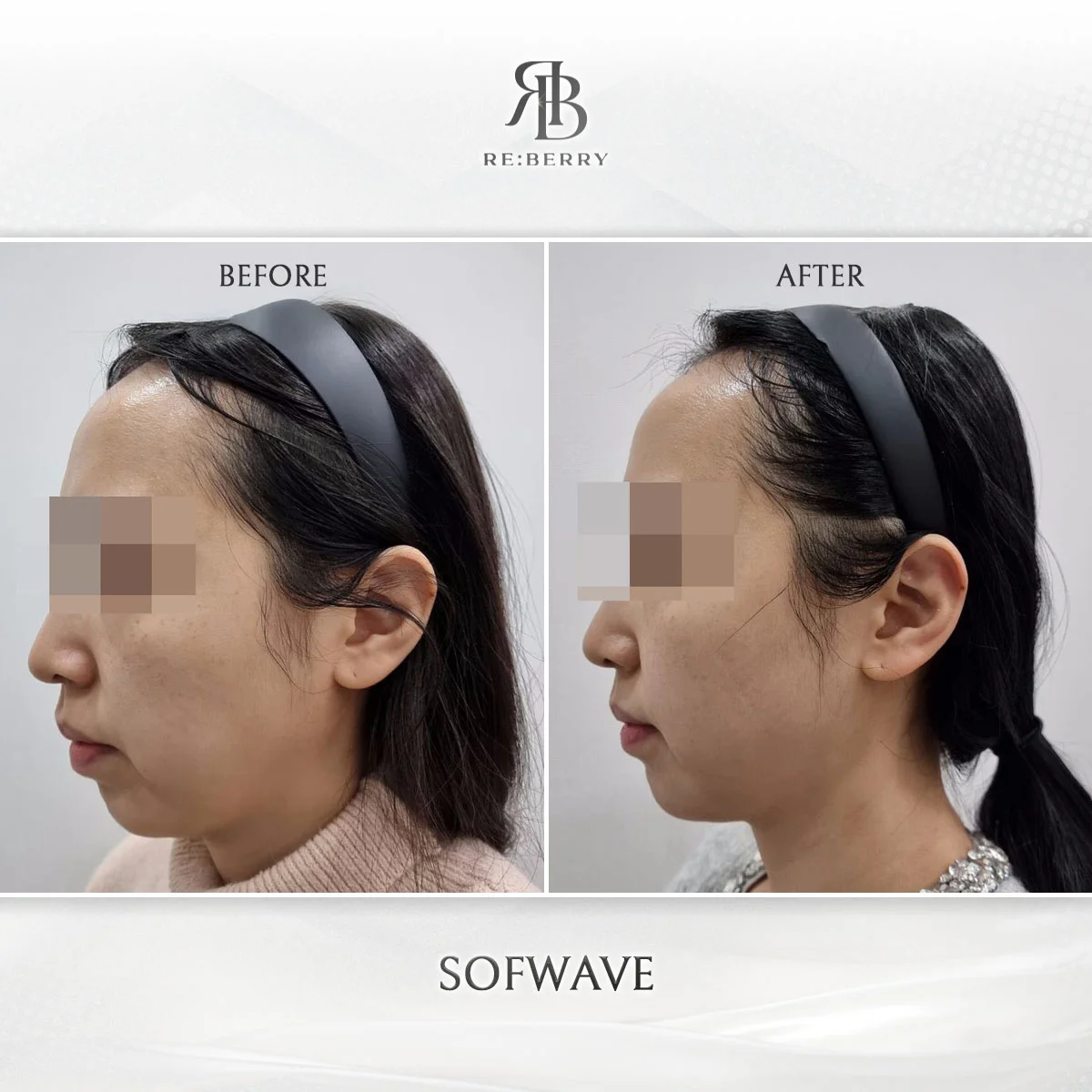
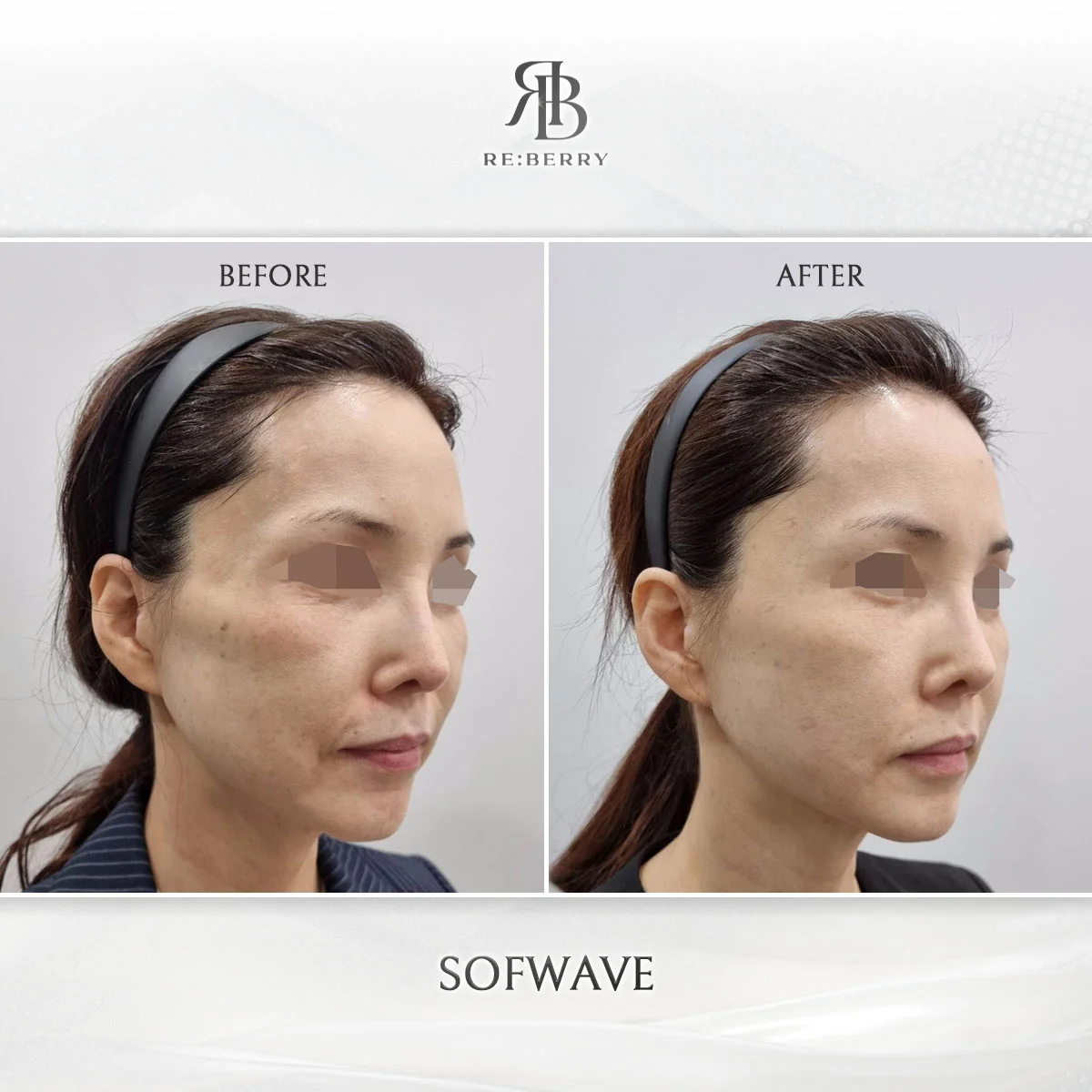
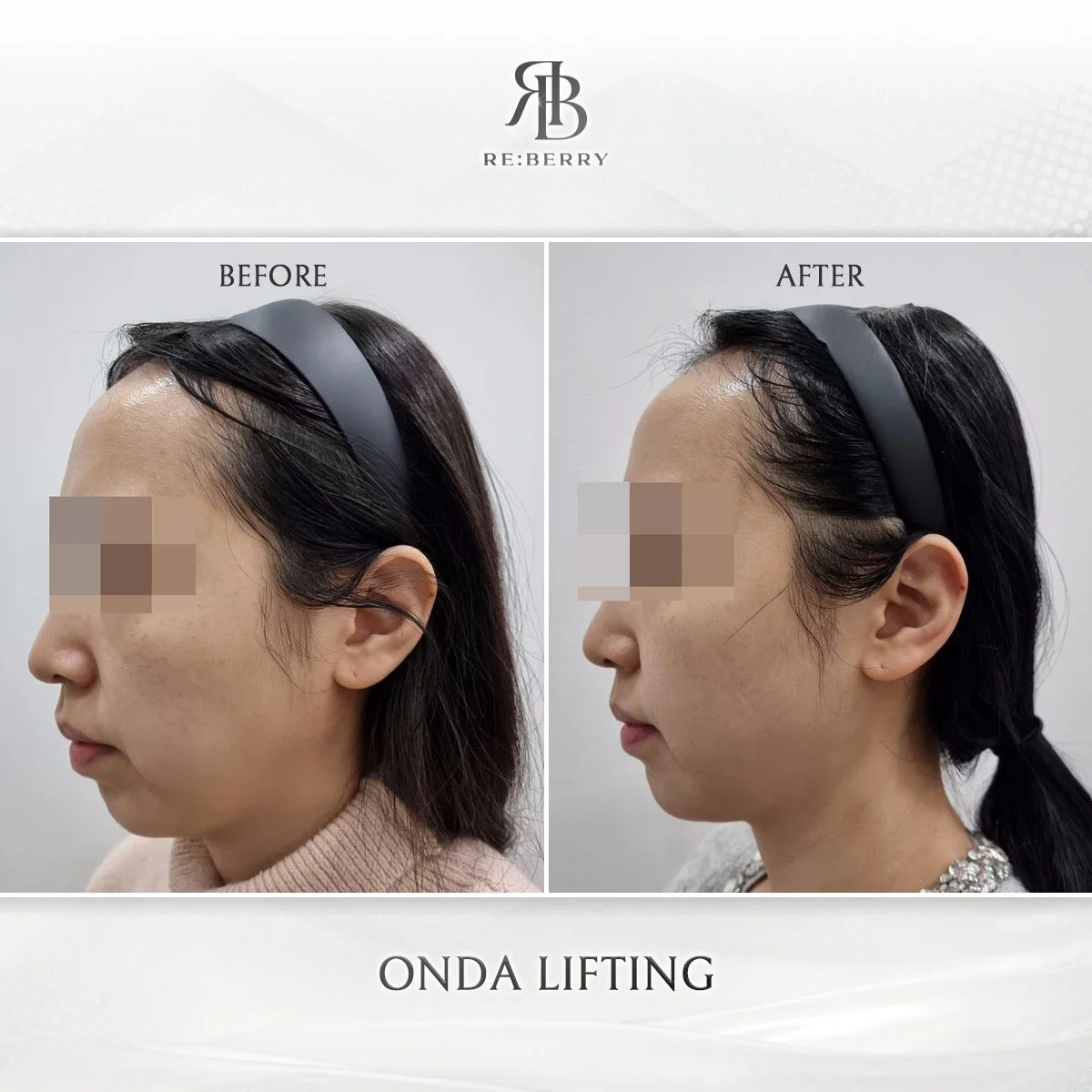
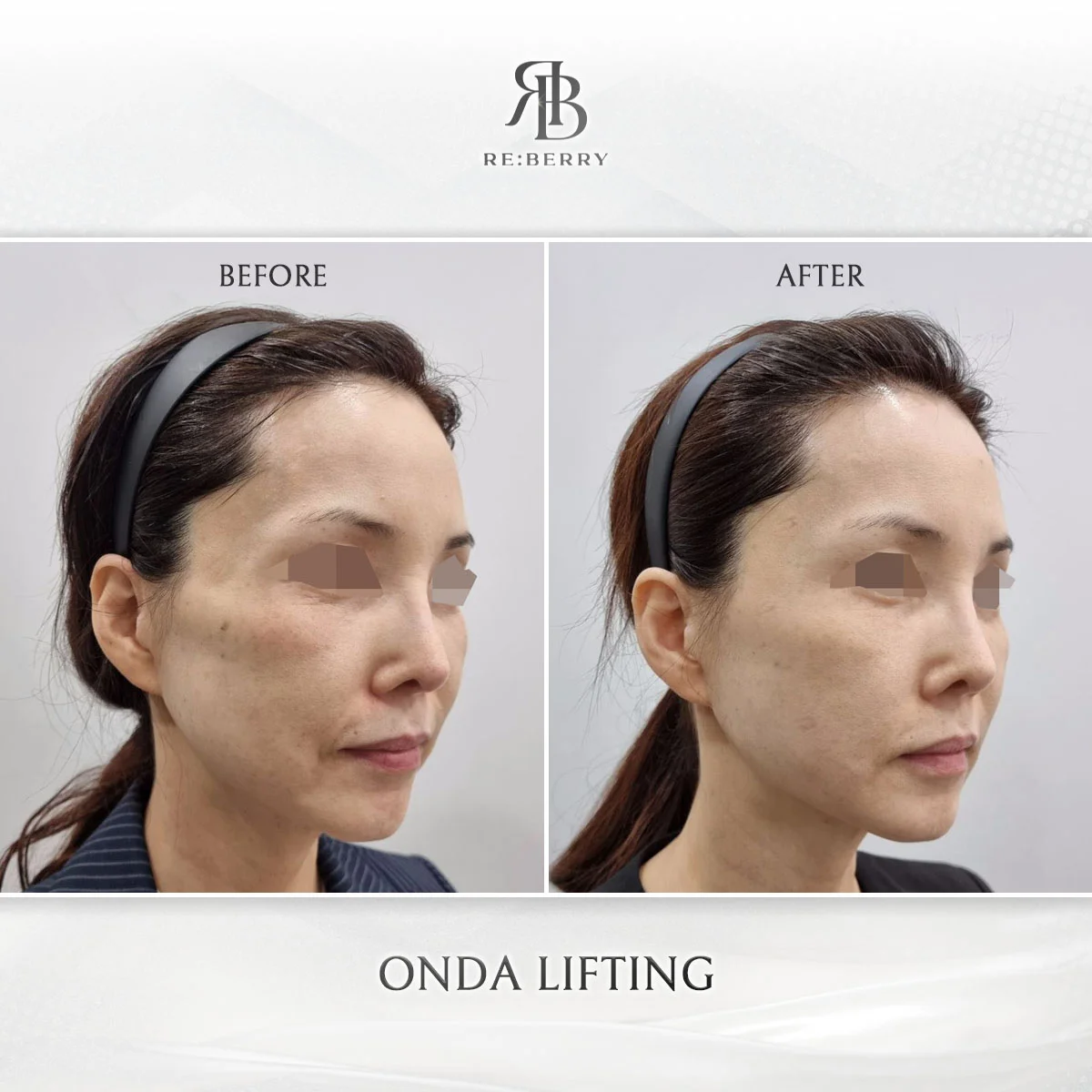
The clinic’s doctors grade your skin type, tone, and concern, recommend the peel family and strength, and explain the plan and sessions in English.
A superficial peel session typically takes about 20 to 30 minutes, including cleansing, application, timed contact, and neutralisation.
Peels are usually a series of 3 to 6 sessions every 2 to 4 weeks, so improvement is planned as a course, not one visit.
Skin often looks fresher within days of each peel, with tone and texture building gradually across the series as renewal continues.
Daily SPF 50 sunscreen and gentle skincare maintain results, and occasional maintenance peels help sustain tone and texture over time.



Look for doctor-led assessment, a clear choice of peel family (AHA, BHA, or low-strength TCA) matched to your concern and skin tone, and a graded series rather than one strong peel. Good aftercare matters too. You can start with a consultation via our skin care page.
It depends on your concern: AHA suits dullness and uneven tone, BHA suits oily and acne-prone skin because it reaches into pores, and low-strength TCA suits texture and sun damage. There is no single best peel for everyone. A consultation grades your skin and matches the family and strength to your goal.
AHAs like glycolic acid are water-soluble and work on the surface for tone and texture, BHA (salicylic) is oil-soluble and works inside pores for oily and acne-prone skin, and TCA goes slightly deeper at superficial strengths for texture. Your clinic should explain which fits, not default to one peel for all skin.
Superficial peels usually cause a mild tingling or warmth during the timed contact, which is brief and generally well tolerated. Stronger or deeper peels feel more intense. A good clinic starts conservatively and neutralises correctly, and you can explore supportive options on our skin care page alongside peels.
Superficial AHA and BHA peels usually have minimal downtime, with light flaking or dryness for a few days. Low-strength TCA can cause mild peeling for several days as skin renews. Your doctor tells you what to expect for your chosen peel so you can plan around work or travel.
Superficial peels are typically done as a series of 3 to 6 sessions every 2 to 4 weeks, because improvement builds gradually and the barrier needs to recover between peels. The exact number depends on your concern and how your skin responds, which your doctor reviews and adjusts across the course.
Yes, when protocols are conservative and tone-aware, because deeper tones (Fitzpatrick IV to VI) are more prone to post-inflammatory pigment after aggressive peeling. A careful clinic starts with lighter strengths and monitors closely. Your doctor selects peel family and strength to improve your skin while lowering the risk of new pigment.
Yes, salicylic (BHA) peels are oil-soluble and reach into the pore lining, making them a common choice for oily, congested, and acne-prone skin. Peels are often part of a broader plan. You can read about complementary options on our acne treatment page as part of your consultation.
Skin often looks fresher and brighter within a few days of each peel, with tone and texture improving more clearly across the series. Because superficial peels renew the surface gradually, results build session by session rather than after one strong peel. Your doctor reviews progress and adjusts the plan between visits.
Results can hold well with maintenance, but peels renew the surface rather than change skin permanently, so occasional maintenance peels and good skincare keep tone and texture steady. Daily sun protection is the biggest factor in lasting results. A supportive skin care routine helps sustain the improvement between peels.
They can be, but sensible sequencing matters so the skin barrier is not over-stressed. Peels are sometimes paired with hydrating facials or brightening topicals between sessions. A gentle hydrafacial is one supportive option, and your doctor plans the order so treatments complement rather than clash.
Most adults with dullness, uneven tone, congestion, oily or acne-prone skin, or mild texture concerns are suitable for a superficial peel. A consultation grades your skin and confirms the right family and strength. Certain conditions, such as active eczema or recent isotretinoin use, are assessed first before any peel is recommended.
Daily SPF 50 sunscreen, gentle non-irritating skincare, and avoiding picking or scrubbing flaking skin are essential, because sun exposure and irritation are the fastest way to undo progress. A tailored skin care routine supports renewal between peels and is discussed clearly as part of your plan.
Ask whether a doctor assesses your skin, which peel family and strength they recommend and why, how many sessions are planned, how protocols are adjusted for your skin tone, and what aftercare is provided. A clinic that answers these clearly and starts conservatively is a safer choice than one offering a single strong peel for everyone.
For a first superficial peel, 2 to 3 days is comfortable, allowing a consultation, the peel, and a short review, with only light flaking to expect. Because peels run as a series, many international patients begin in Seoul and continue on return visits. Our English-speaking team helps coordinate timing around your travel.
Yes, flying within a day or so is generally fine after a superficial peel, which is non-invasive. Cabin air is drying, so moisturise well and keep treated skin protected from sun. If your skin is flaking, let it shed naturally and avoid picking or exfoliating while you travel to protect the result.
International patients can complete a peel series across one or more visits, and the clinic offers remote check-ins in English between trips so the plan stays on track. You can continue supportive skin care at home. Your assessment and treatment notes are kept on file for continuity across sessions.
| AHA (Glycolic / Lactic) | BHA (Salicylic) | Low-Strength TCA | |
|---|---|---|---|
| Solubility / reach | Water-soluble, works on the surface | Oil-soluble, reaches into pores | Goes slightly deeper, superficial strength |
| Best for | Dullness, uneven tone, fine texture | Oily, congested, acne-prone skin | Texture and sun-related change |
| Downtime | Usually minimal, light flaking | Minimal, some dryness | Mild peeling for a few days |
| Sessions | A light series every few weeks | A series matched to oil and congestion | Spaced carefully, fewer, deeper passes |
| Tone considerations | Generally gentle across tones | Suits oily skin across tones | Needs conservative use on darker tones |
| Cost context | Depends on series length | Depends on series and add-ons | Depends on strength and monitoring |
Real verified reviews from our Google Business Profile, across all Reberry Clinic locations.
PULLED LIVE FROM GOOGLE · GANGNAM · MYEONGDONG · INCHEON AIRPORT
Your treatment is planned and performed by experienced, MFDS-registered doctors across our Seoul-area clinics, with multilingual support for international patients.
Flagship clinic · KOL for leading lifting & regenerative devices · Featured in Authority Magazine (2026)

Multilingual tourist care beside Myeongdong Cathedral

Fast, effective care 20 minutes from the terminals
Message us on WhatsApp for a free consultation in English about your skin and a graded, individualised chemical peel plan.