



Gangnam
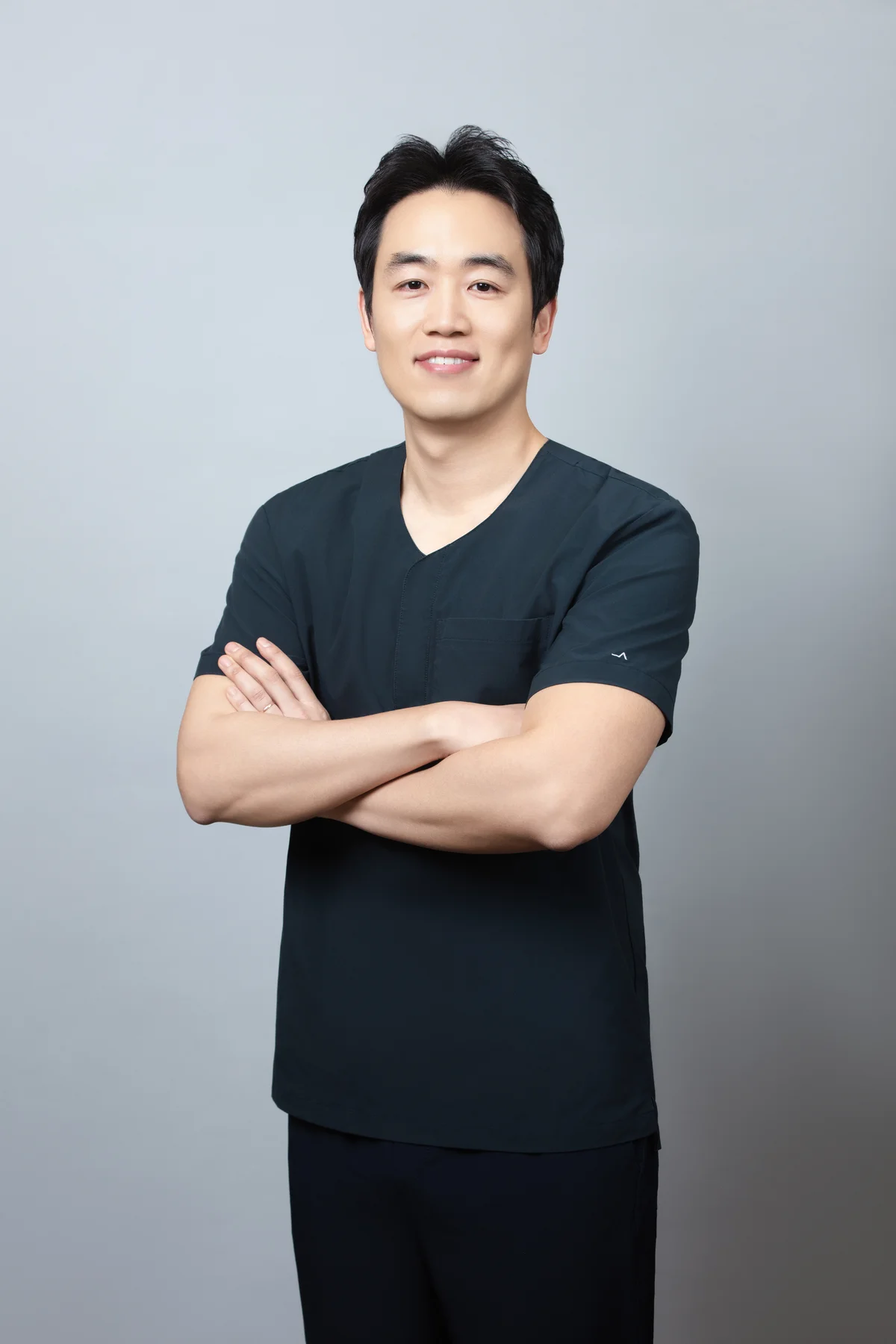
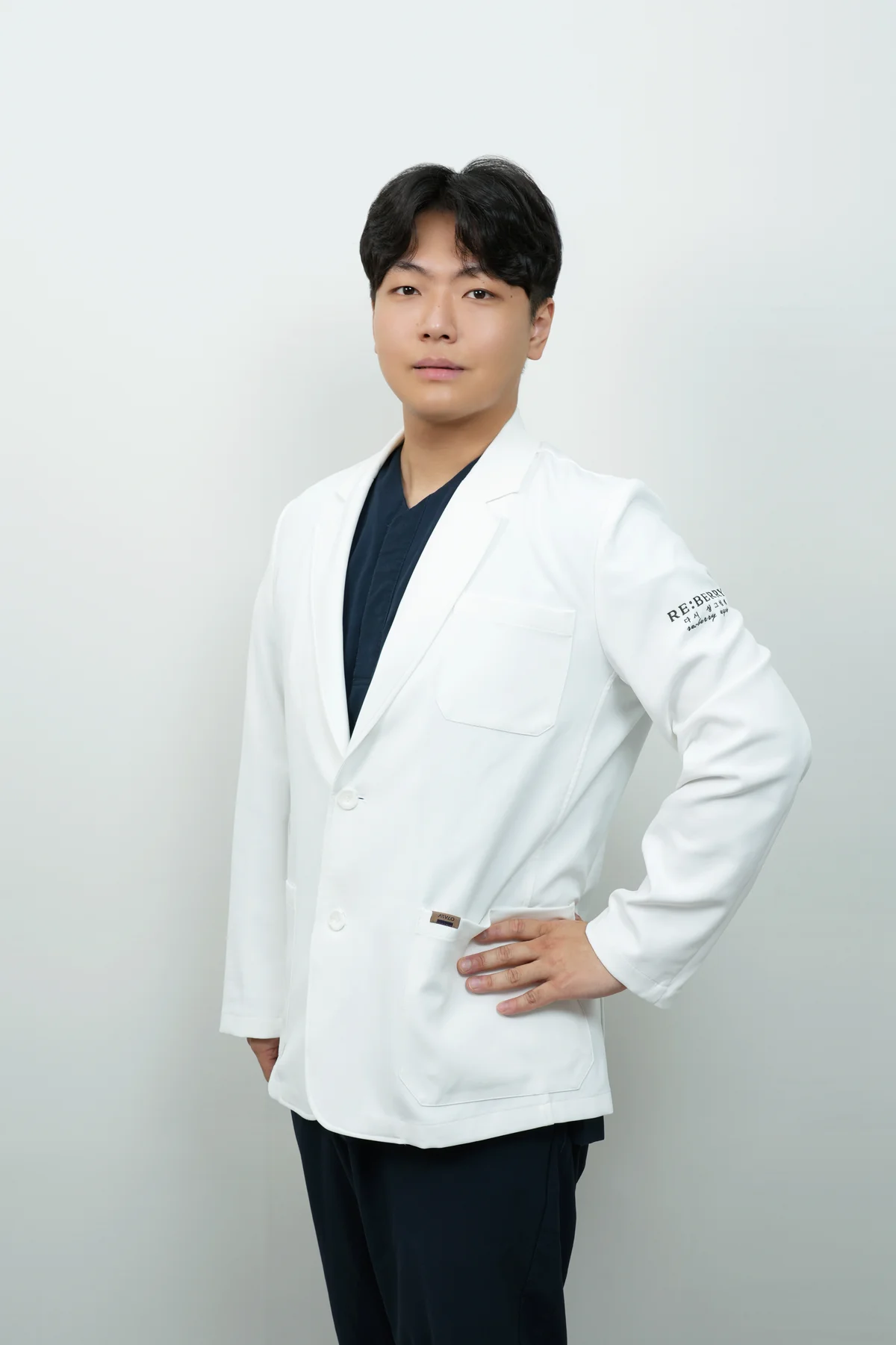
Dr. Yoon-Gon Ryu
Aesthetic Medicine Specialist
Flagship clinic · KOL for leading lifting & regenerative devices · Featured in Authority Magazine (2026)

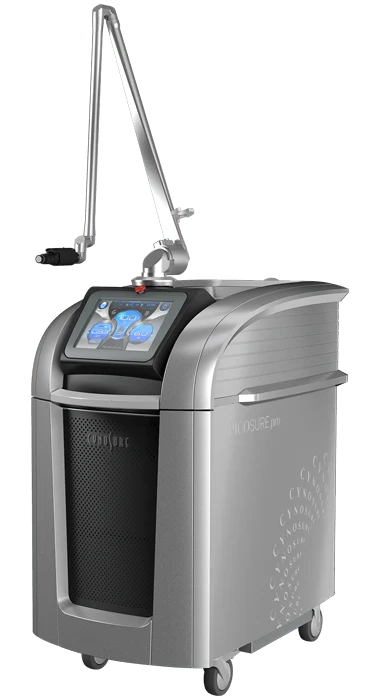
Cosmetic eyebrow tattoos usually need around 3 or more picosecond laser sessions, so choosing a clinic well matters: laser type, doctor experience, and Asian-skin safety are the key checks.
To choose a good eyebrow tattoo removal clinic in Gangnam, check that it uses a modern picosecond laser, that a doctor assesses your pigment and skin type, and that it has Asian-skin experience to lower hyperpigmentation risk. At our Gangnam (Seoul) location, Dr. Yoongon Ryu plans a safe, staged removal over several sessions with results reviewed along the way.
One-on-One guidance from a dedicated doctor, ensuring your skin is professionally monitored and treated from start to finish.
Fluent assistance in English, Japanese, and Chinese, making communication clear, respectful and comfortable for international patients.
Over 100,000 patients worldwide have received our personalized dermatological care, highlighting our expertise and reliable results.
Eyebrow tattoo removal uses a laser to break down cosmetic pigment, from microblading, powder brows, or older semi-permanent makeup, so the body can gradually clear it. Because the pigment sits close to the eyes and cosmetic inks can behave unpredictably, the clinic and the device you choose matter as much as the treatment itself. A good clinic starts with a doctor’s assessment, not just a machine booking.
The most important technical check is the laser. Modern picosecond lasers deliver energy in ultra-short pulses that shatter pigment into finer particles, and studies show they typically clear cosmetic eyebrow tattoos in fewer sessions than older Q-switched lasers, often around 3 sessions versus 5 to 7. Just as important is safety on your skin: picosecond lasers are associated with a lower rate of post-inflammatory hyperpigmentation, which matters greatly for Asian and deeper skin tones.
At Reberry Clinic, laser care is consultation-led and delivered by the clinic’s doctors. At our Gangnam (Seoul) location, Dr. Yoongon Ryu examines your pigment colour, depth, skin type, and history before planning a staged, conservative removal. Choosing a clinic that individualises settings, spaces sessions properly, and explains realistic timelines in English is how you protect both your results and your skin.
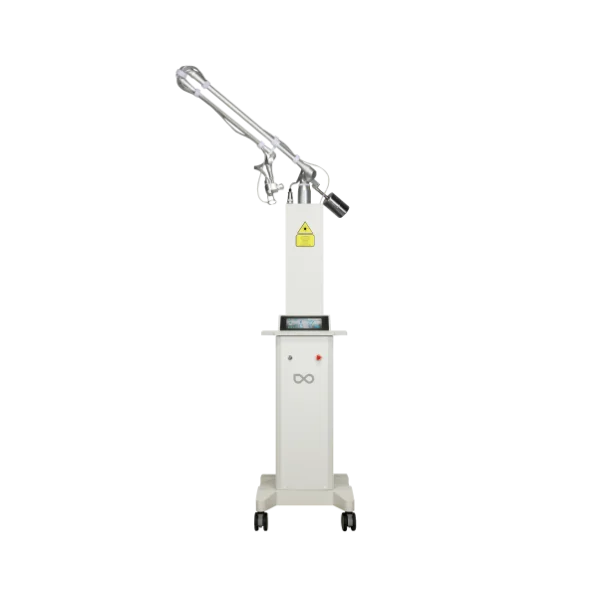
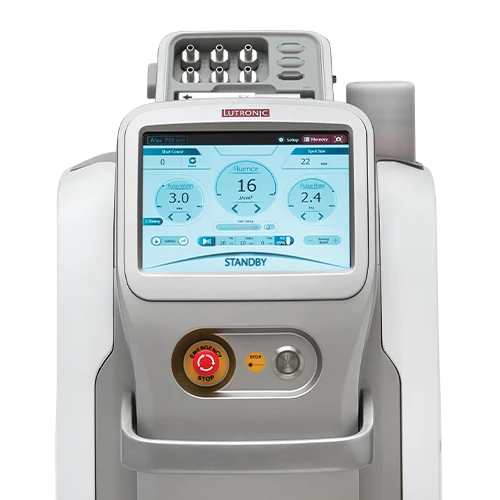
When comparing clinics, the laser platform is the single most important technical factor. Picosecond lasers fire pulses measured in trillionths of a second, producing a photomechanical effect that fragments pigment into smaller particles than the older Q-switched (nanosecond) lasers, so the body can clear them more efficiently. In practice this means fewer sessions for many cosmetic eyebrow tattoos and lower energy per pass, which reduces heat delivered to the skin. That heat matters: excess thermal injury is what drives post-inflammatory hyperpigmentation, a particular concern for Asian and deeper skin tones. A well-equipped clinic will also select the right wavelength for the pigment colour, commonly 1064 nm and 532 nm for dark brown and black cosmetic inks, and will patch-test or start conservatively because unpredictable cosmetic pigments can shift colour. A good clinic never over-treats: eyebrow pigment is removed in a staged series, usually 3 or more sessions spaced several weeks apart, so the skin recovers between passes and the doctor can adjust based on how your tattoo responds.
One Reberry Clinic, multiple Seoul-area locations. Pricing & current promotions are listed on each branch's own site — tap a clinic to view pricing & book.
Our flagship in the heart of Gangnam.
In Seoul's shopping & tourism heart.
A beauty stop between flights.
The newest Reberry Clinic — in Seoul's trend district.
ONE REBERRY CLINIC · MFDS-REGISTERED DEVICES · MULTILINGUAL CARE AT EVERY LOCATION

A good clinic has a doctor examine your pigment, skin type, and history first, since this 1 step shapes settings and safety.
Ask whether the clinic uses a picosecond laser, which often clears cosmetic brows in around 3 sessions versus 5 to 7 for Q-switched.
Picosecond lasers are linked to a lower rate of post-inflammatory hyperpigmentation, so confirm the clinic treats skin like yours regularly.
Removal should be staged over 3 or more sessions spaced several weeks apart, not forced into 1 aggressive visit.
A trustworthy clinic explains that cosmetic pigment can shift colour and that gradual clearing over months is normal, not instant.

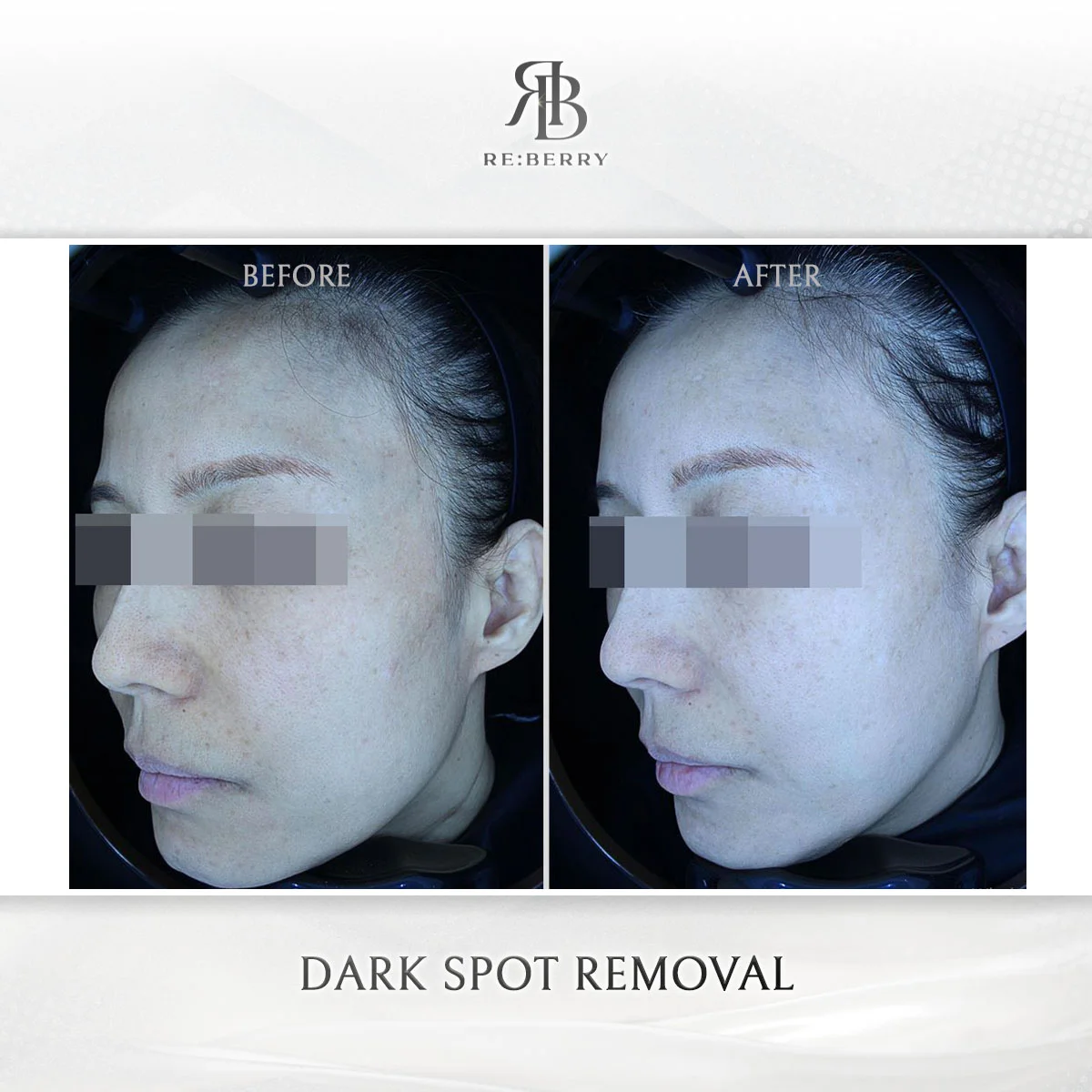
See representative outcomes from Reberry Clinic. Results build gradually and vary by individual; your plan is assessed at consultation.
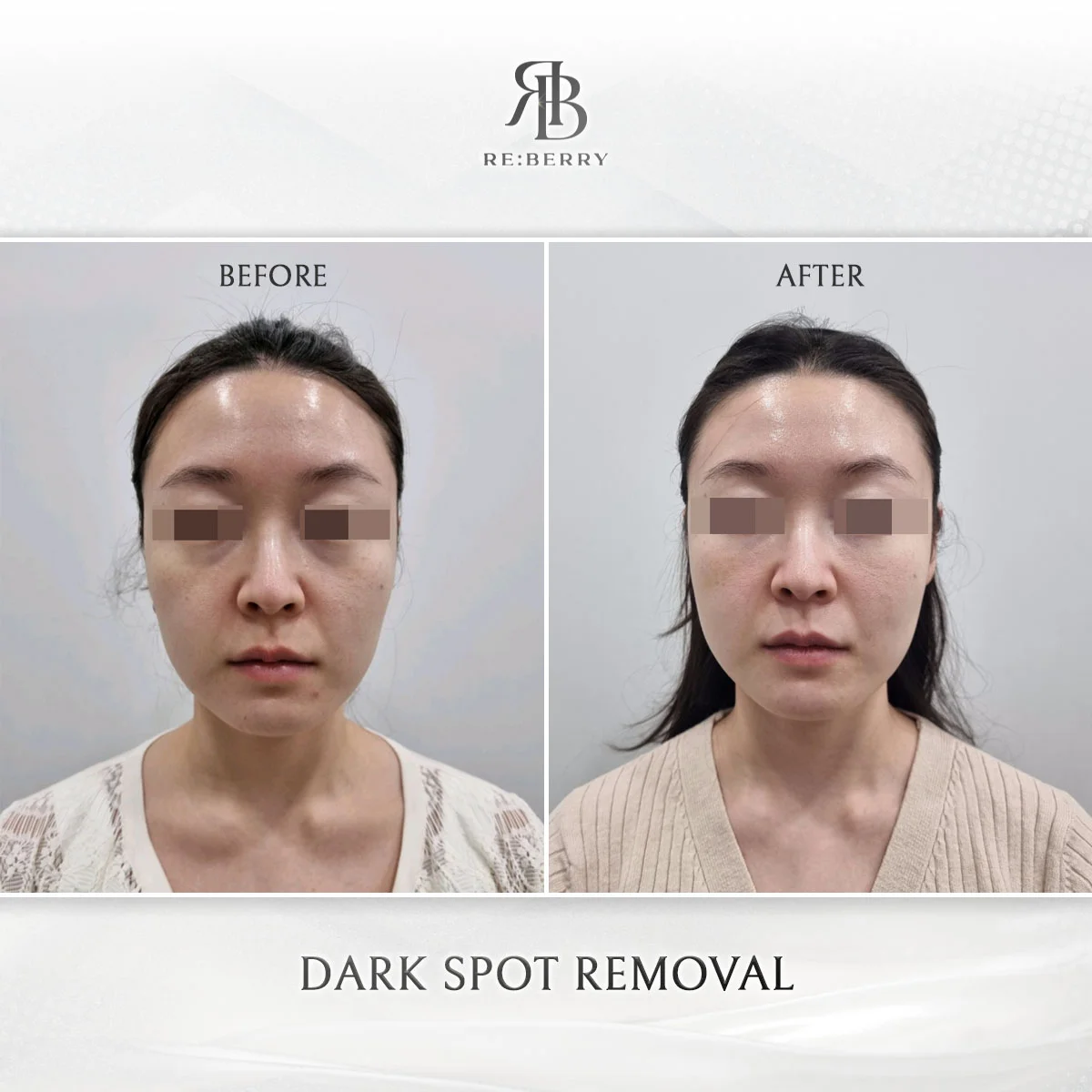
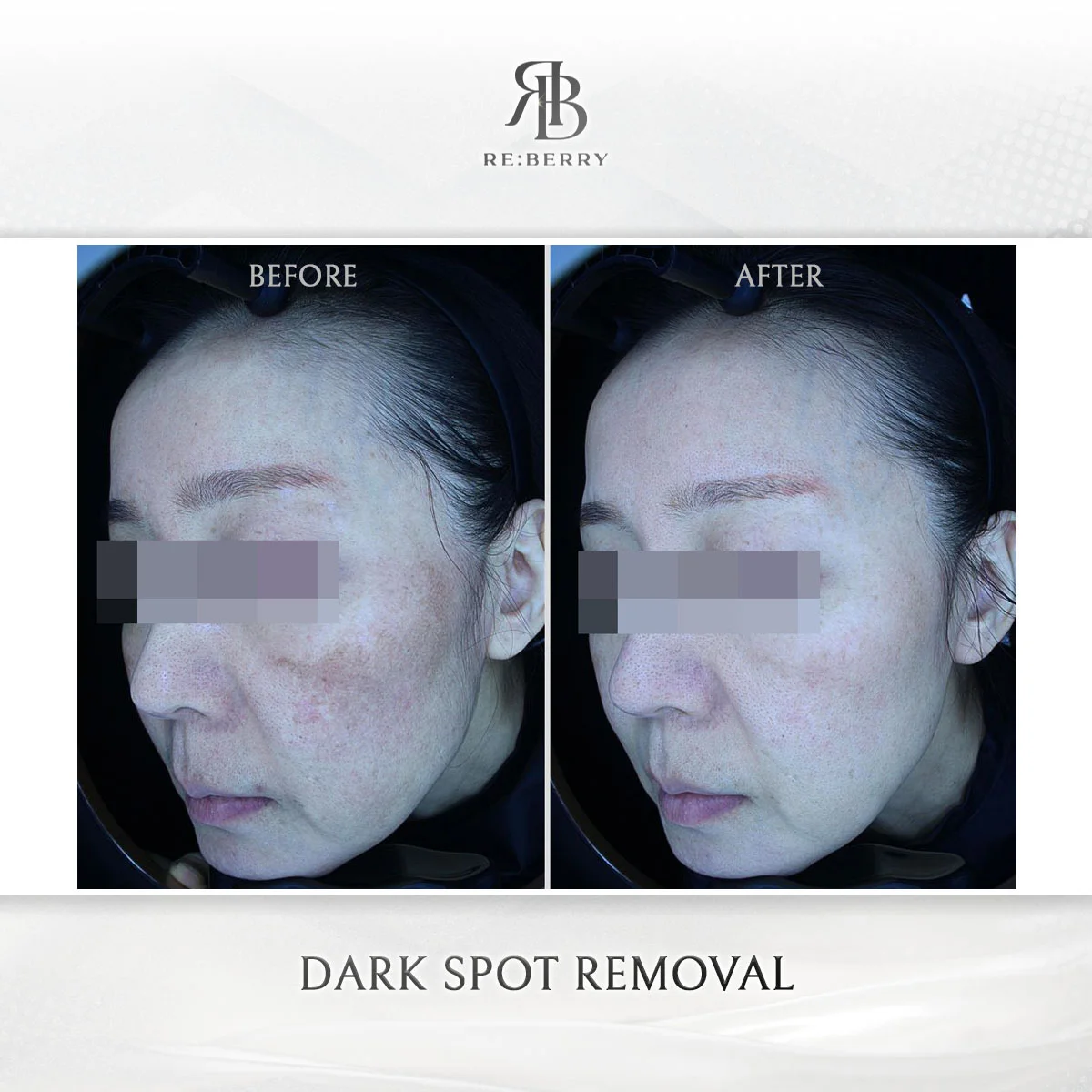
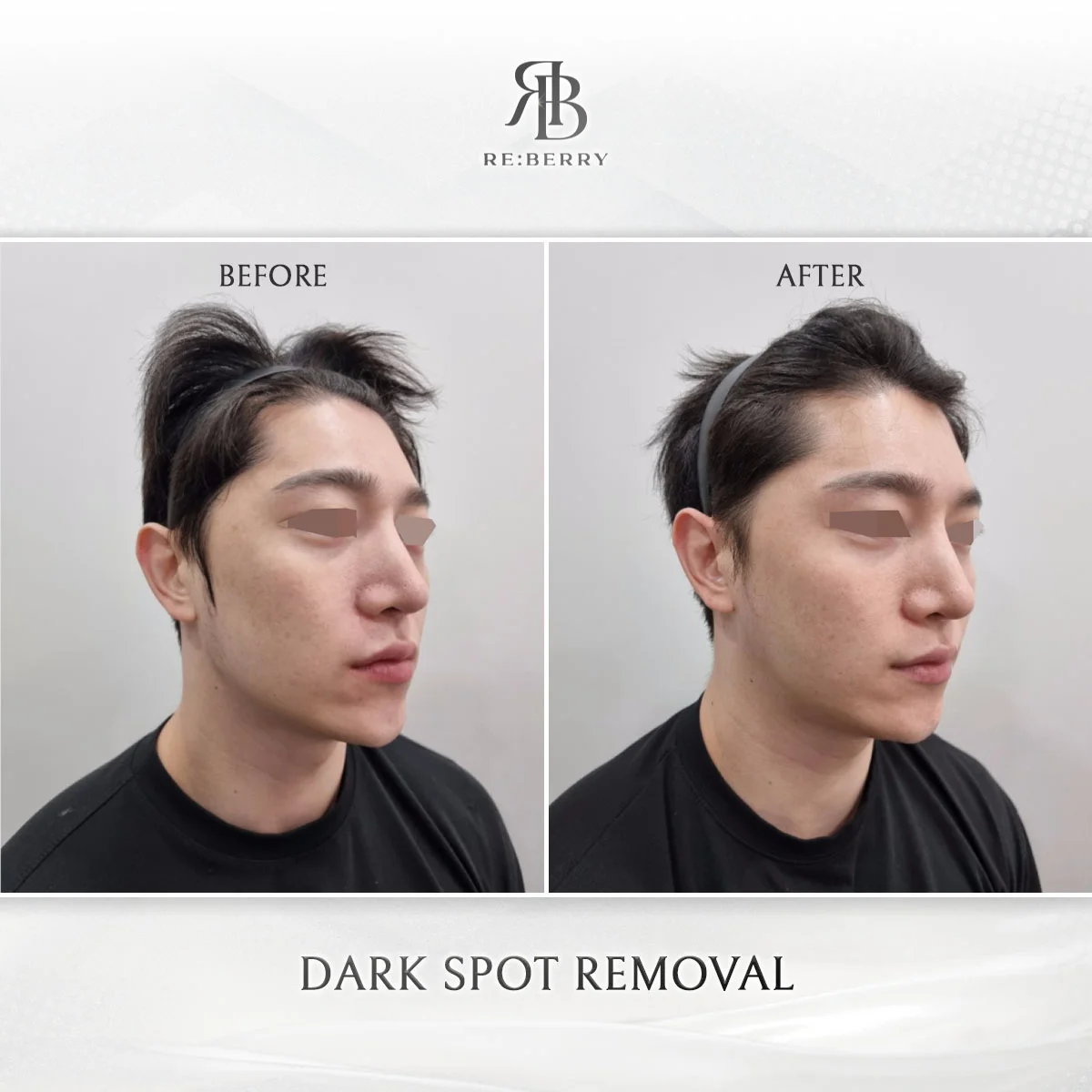
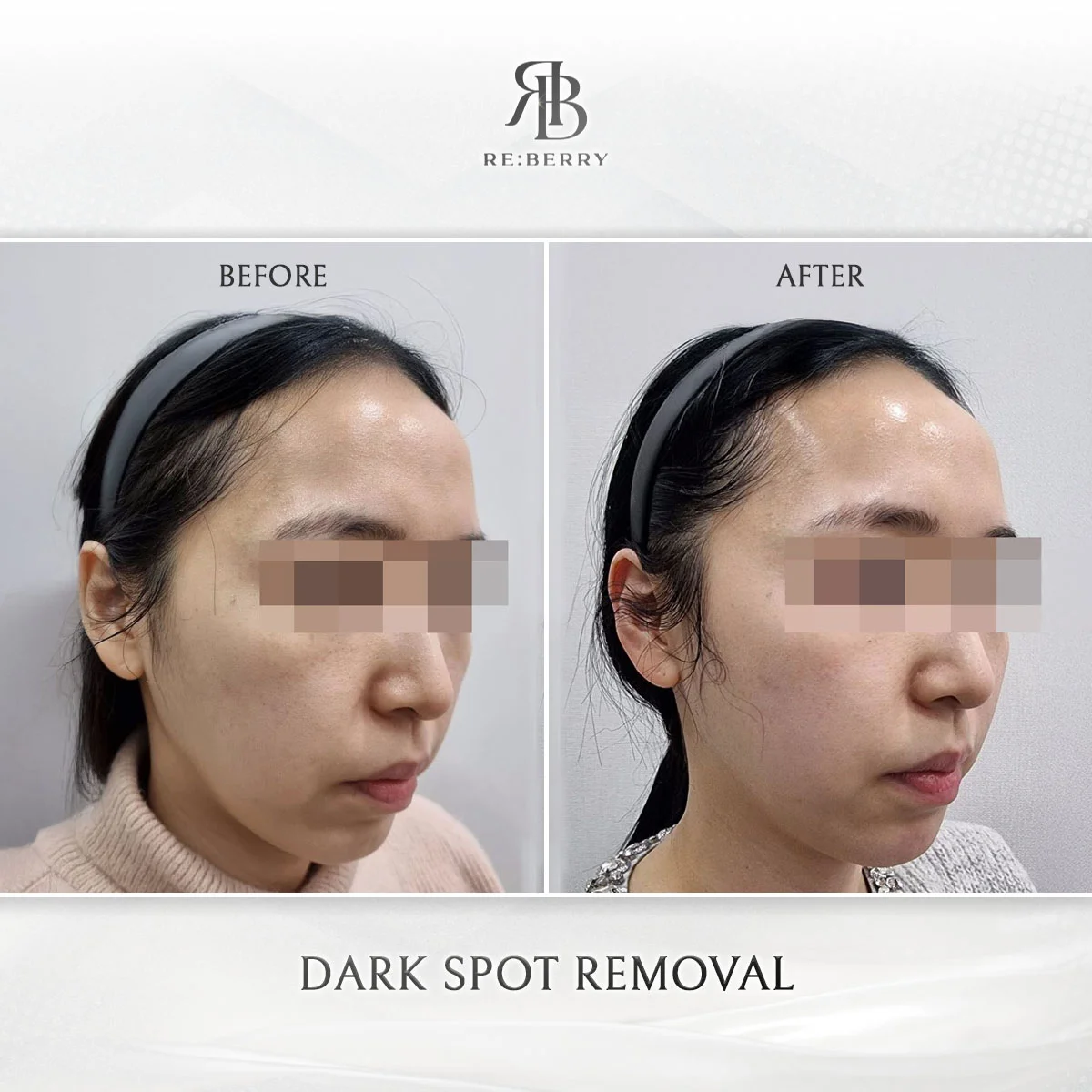
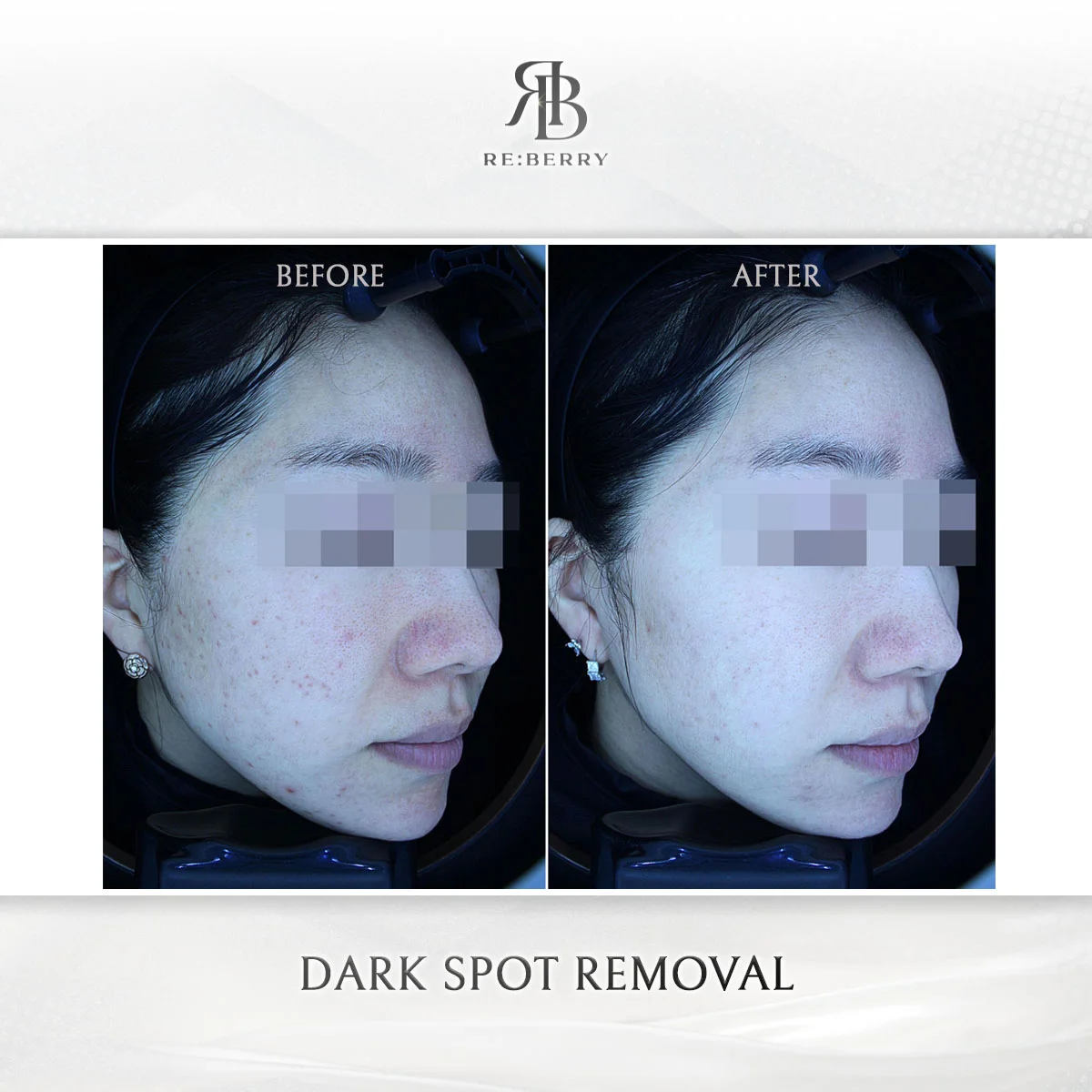
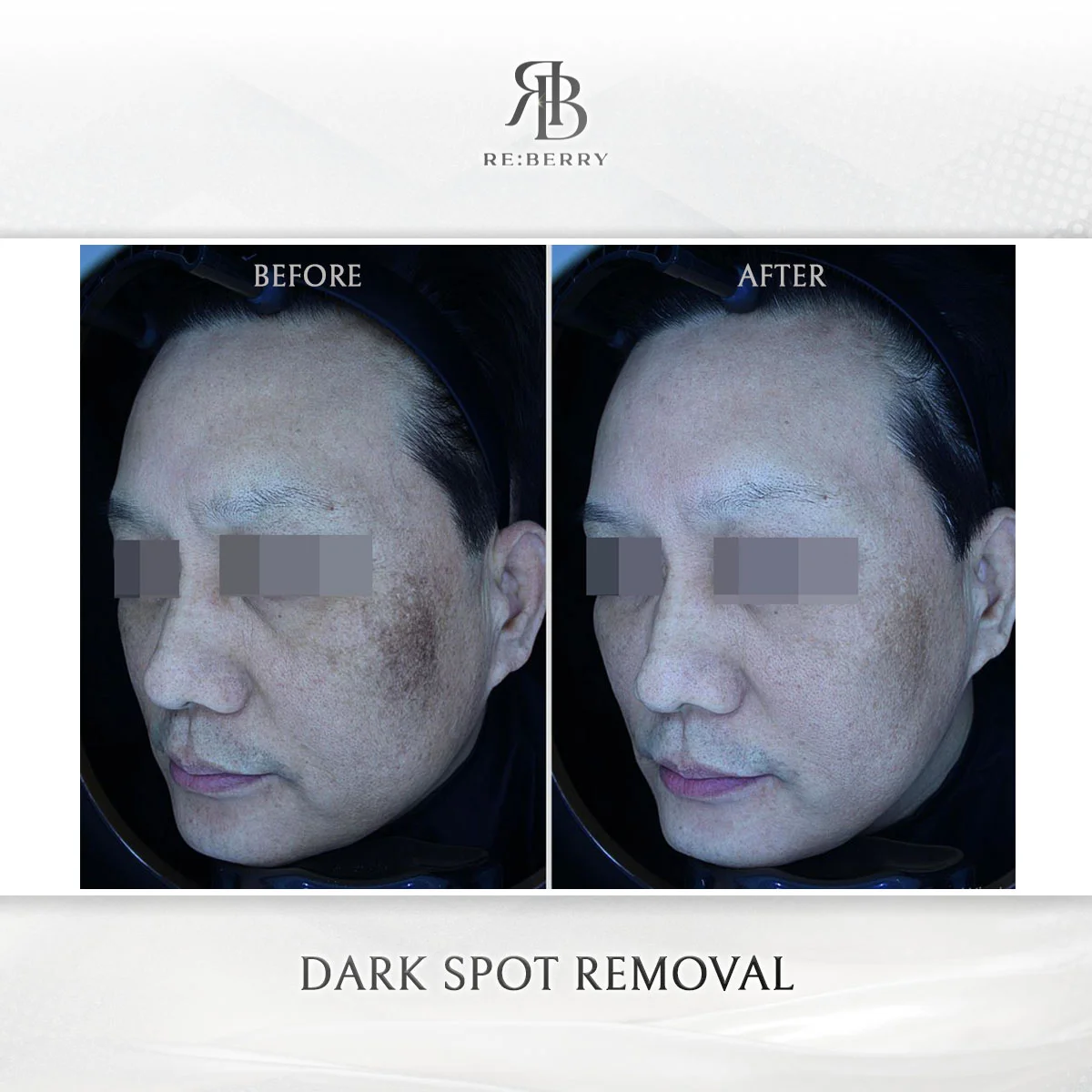
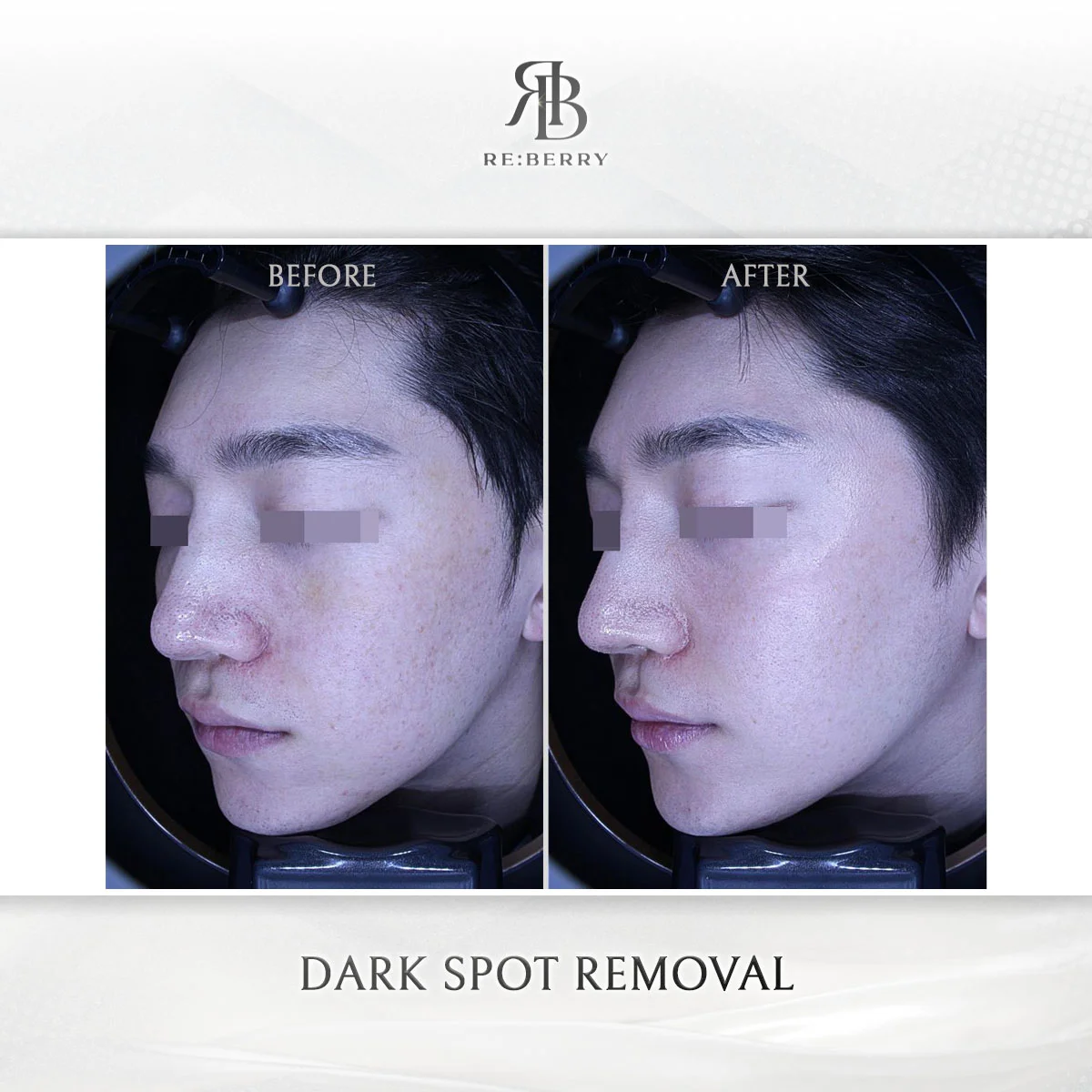
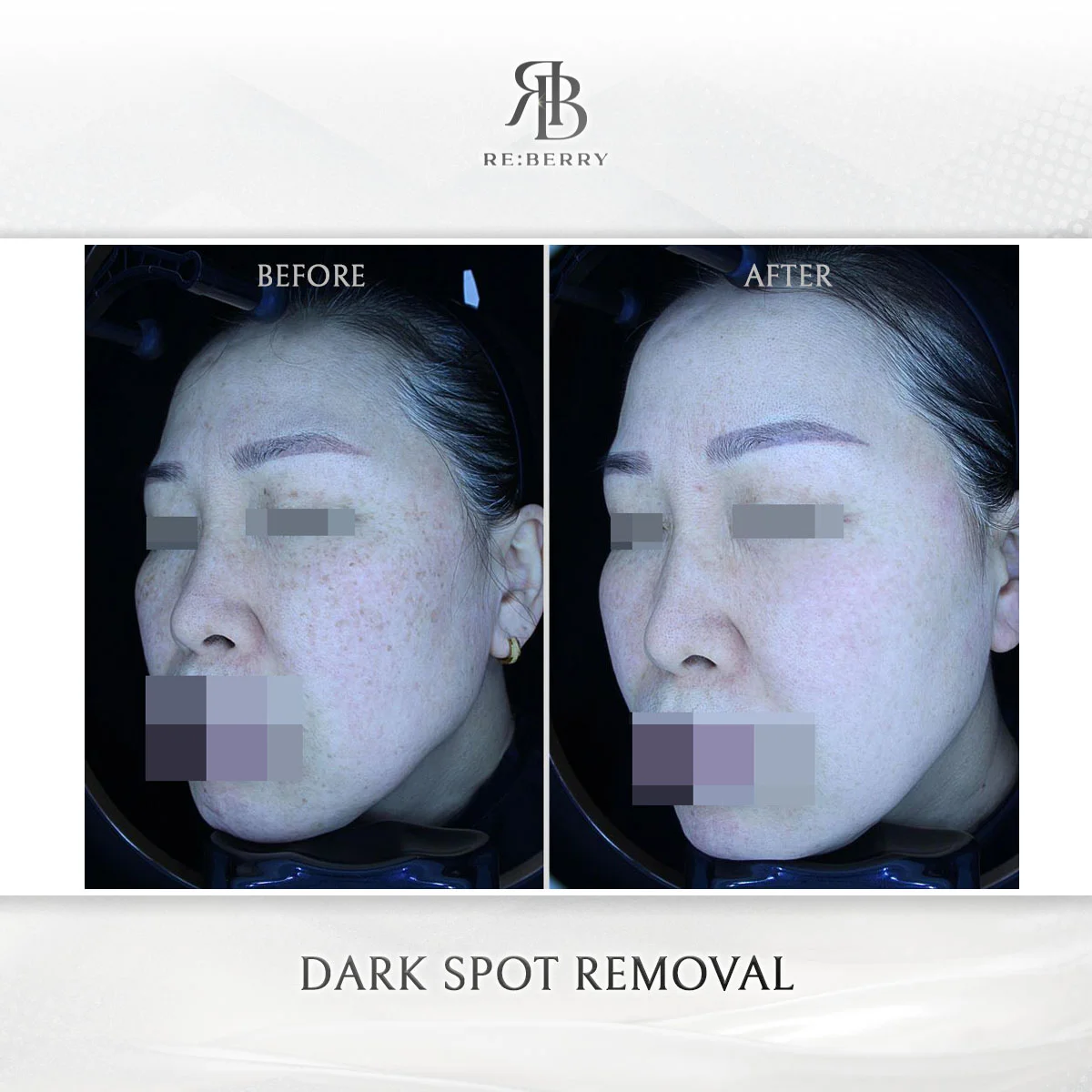
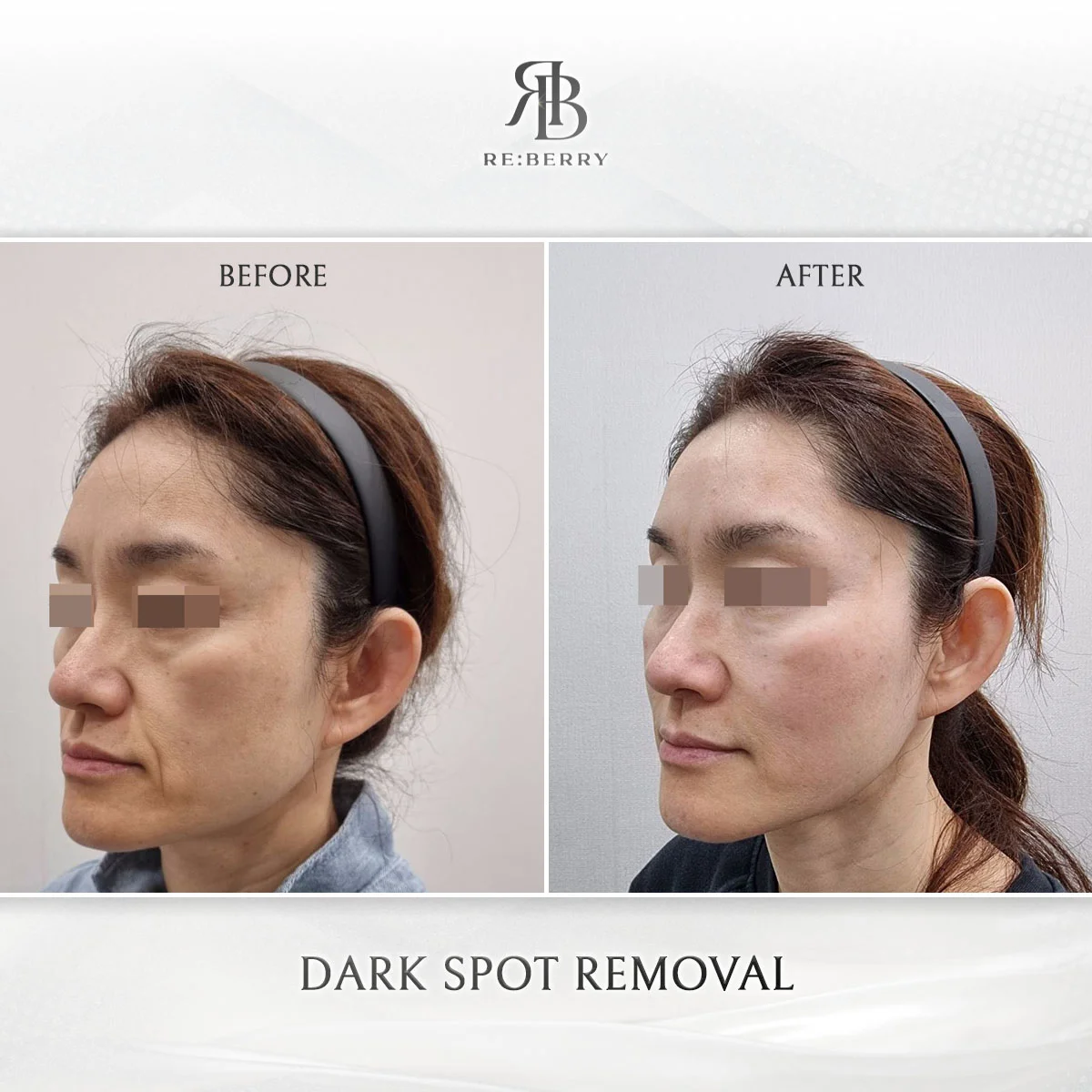
At our Gangnam (Seoul) location, Dr. Yoongon Ryu examines your pigment colour, depth, and skin type, then explains a realistic, staged plan in English.
After numbing, a session usually takes about 15 to 30 minutes, and the doctor selects settings and wavelength for your specific ink.
Removal is staged over about 3 or more sessions spaced several weeks apart so the skin recovers between passes.
Pigment clears gradually over the series across months, and the doctor reviews how your tattoo responds to adjust the plan.
Once cleared, the effect is lasting; careful aftercare and sun protection between sessions reduce the risk of hyperpigmentation.
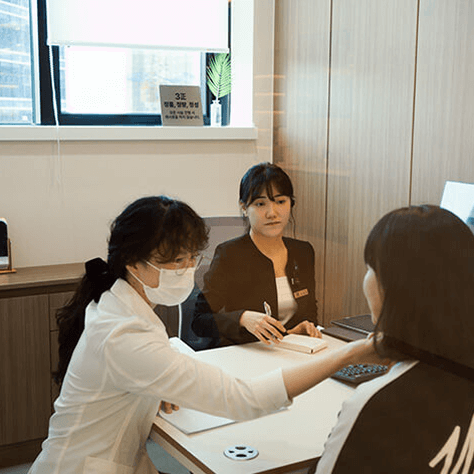
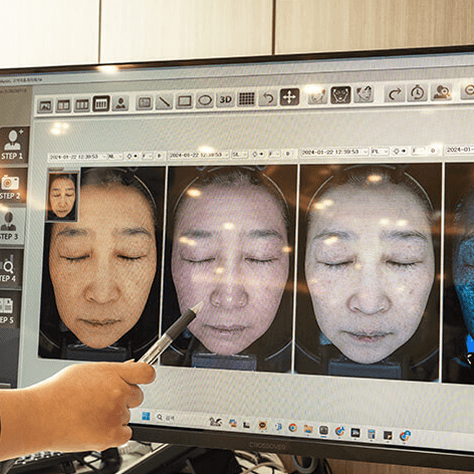

Choose a clinic that uses a modern picosecond laser, has a doctor assess your pigment and skin type first, and has real experience with Asian skin to lower hyperpigmentation risk. Staged, unhurried session planning is another marker of quality. You can learn more on our laser treatment page.
A picosecond laser is generally preferred for cosmetic eyebrow tattoos because it shatters pigment more finely and often clears brows in around 3 sessions, versus 5 to 7 for older Q-switched lasers. It also delivers less heat, lowering hyperpigmentation risk, and you can read more on our laser treatment page.
Most cosmetic eyebrow tattoos need around 3 or more picosecond sessions spaced several weeks apart, though older, denser, or darker pigment can require more. The exact number depends on ink type, depth, and how your skin responds, which the clinic’s doctors assess and review as treatment progresses.
It can be, especially with a picosecond laser, which studies link to a lower rate of post-inflammatory hyperpigmentation than Q-switched devices in darker skin. Choosing a clinic experienced with Asian skin, and using careful settings and sun protection, is key. You can review the approach on our laser treatment page.
Discomfort is usually mild and brief because topical numbing is applied before each pass. Patients often describe a quick snapping sensation near the brow. A session of about 15 to 30 minutes is well tolerated, and the doctor works to keep the treatment comfortable while protecting the eye area.
Downtime is usually minimal: brief redness, mild swelling, and light scabbing over the brow that settles within several days. Keep the area clean, avoid picking, and use sun protection. Most people return to daily activities quickly, and your doctor gives aftercare tailored to your skin and session.
Because sessions are spaced several weeks apart and pigment clears gradually, full removal usually spans several months. This staged pace lets skin recover and lowers hyperpigmentation risk. Your doctor reviews progress at each visit and adjusts the plan based on how your specific tattoo is fading.
Yes, cosmetic and older tattoo inks can sometimes shift or darken after a pass before they clear, which is why a doctor-led assessment and conservative starting settings matter. An experienced clinic anticipates this and may patch-test. This is one reason choosing the right clinic is as important as the laser itself.
For most cosmetic eyebrow tattoos, a picosecond laser offers more precision and more predictable clearing than saline or glycolic methods, with lower scarring risk near the delicate eye area. Non-laser options exist but results are less consistent. Your doctor advises the safest approach for your pigment and skin type.
The main risks are temporary redness, swelling, scabbing, and, less commonly, hyperpigmentation or lightening of surrounding skin, which are minimised by a picosecond laser and careful technique. Choosing an experienced, doctor-led clinic reduces these risks. A consultation reviews your history so the plan is matched to your skin.
Sometimes, but the brow area is prioritised and given time to recover between sessions before adding treatments nearby. Some patients later address surrounding skin quality separately. You can explore complementary options such as an dark spot removal approach once removal is complete and skin has settled.
Scarring is uncommon with a properly used picosecond laser because energy is delivered in ultra-short pulses with less heat to surrounding tissue. Following aftercare, avoiding picking scabs, and spacing sessions correctly all help. An experienced clinic uses conservative settings near the eye to further reduce any scarring risk.
Yes, deeper skin tones may need more conservative settings and careful session spacing to avoid pigment changes, which is why Asian-skin experience is a key clinic check. Your doctor accounts for your Fitzpatrick type at consultation so the plan is both effective and protective of your surrounding skin.
It is provided at our Gangnam (Seoul) location, where Dr. Yoongon Ryu leads consultation-led laser treatment planning, about 2 minutes from Gangnam Station exit 10. Reberry Clinic also has Myeongdong and Incheon Airport locations for international patients.
For a single removal session, 1 to 2 days in Seoul is usually enough, allowing a consultation, the treatment, and brief recovery. Because removal is staged over several visits, many international patients start in Seoul and return for later sessions. Our English-speaking team helps coordinate your schedule.
Yes, flying within a day or so is generally fine after a laser session, though mild redness or scabbing may still be present. Protect the brow from sun, keep it clean, and avoid picking during travel. Your doctor provides aftercare so the treated area heals well while you are away.
International patients can complete removal across several visits, and the clinic offers remote check-ins in English between trips so the plan stays on track. Your treatment notes are kept on file for continuity, and you can plan return sessions or related laser treatment around your travel.
| Picosecond Laser | Q-Switched Laser | Non-Laser Methods | |
|---|---|---|---|
| Mechanism | Ultra-short photomechanical pulses shatter pigment finely | Nanosecond pulses, more photothermal effect | Saline, glycolic, or excision-based lightening |
| Sessions typically | Often around 3 for cosmetic brows | Often around 5 to 7 | Variable, often more with uneven results |
| Asian-skin safety | Lower reported hyperpigmentation risk | Higher hyperpigmentation risk reported | Risk of scarring or patchy fading |
| Precision near the eye | High, fine control of energy | Moderate | Lower, less controlled |
| Downtime | Minimal, brief redness and scabbing | Minimal to mild | Variable, can be higher |
| Results timeline | Gradual clearing over the series | Gradual over more sessions | Slower and less predictable |
| Cost considerations | Fewer sessions can offset per-visit cost | More sessions may add up over time | Depends heavily on method and results |
Real verified reviews from our Google Business Profile, across all Reberry Clinic locations.
PULLED LIVE FROM GOOGLE · GANGNAM · MYEONGDONG · INCHEON AIRPORT
Your treatment is planned and performed by experienced, MFDS-registered doctors across our Seoul-area clinics, with multilingual support for international patients.
Flagship clinic · KOL for leading lifting & regenerative devices · Featured in Authority Magazine (2026)
Multilingual tourist care beside Myeongdong Cathedral
Fast, effective care 20 minutes from the terminals
Message us on WhatsApp for a free consultation in English about a safe, staged eyebrow tattoo removal plan.